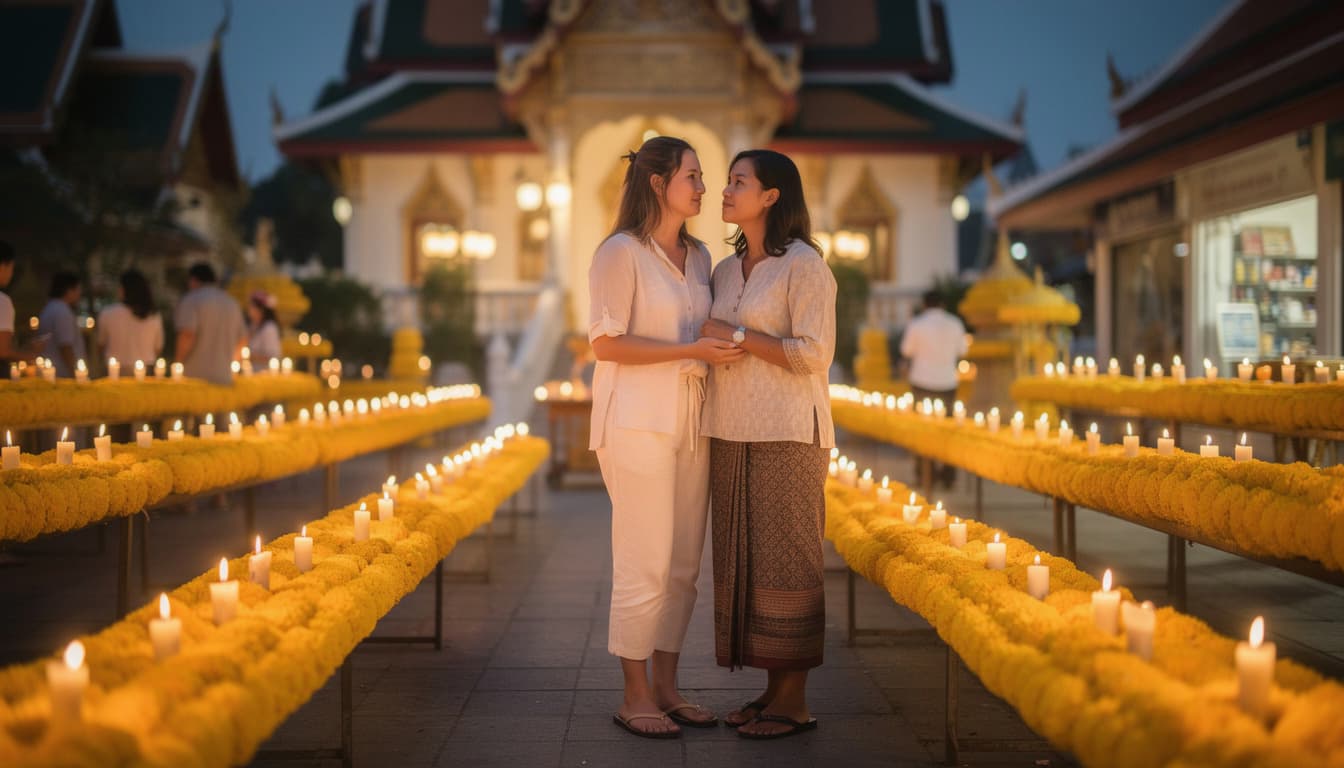
Thailand breaks down into a few major areas: Bangkok and the central plain, the North, the West and its parks, then the two sea coasts of the South. This article helps you choose where to go, spot the UNESCO-listed sites, the markets and festivals worth the detour, and plan the season of your trip. It ends with the safety points to know before renting a scooter or boarding a night bus.
Thailand at a glance: five main areas
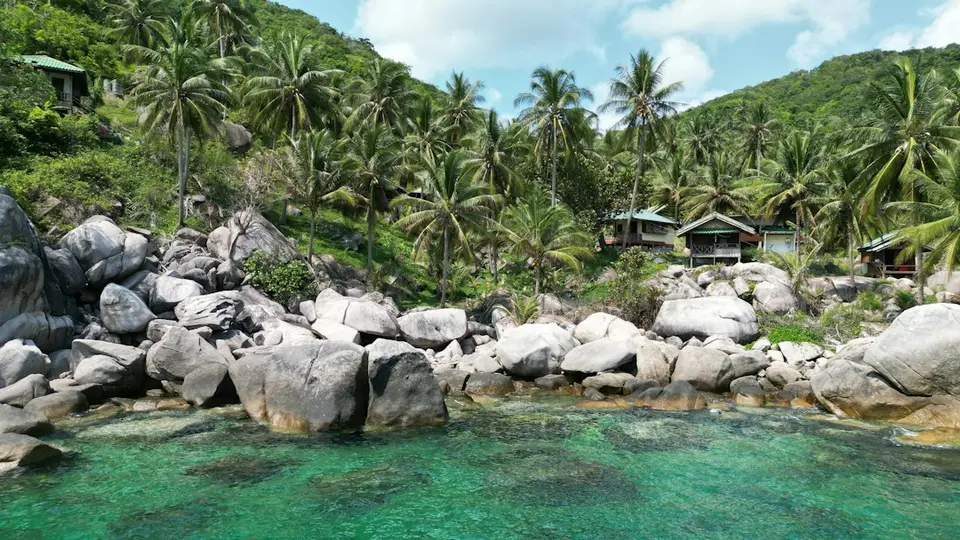
Thailand is a kingdom in Southeast Asia[1]. It is varied enough to suit every type of traveler: white sand beaches on Koh Lanta, spectacular limestone formations in Khao Sok National Park, mountain landscapes around Chiang Mai, temples and street food in Bangkok[1].
To find your way around, remember these areas: the center around Bangkok, the North, the West with its large parks, and the South with two sea coasts, the Andaman Sea and the Gulf of Thailand. The following sections cover them one by one.
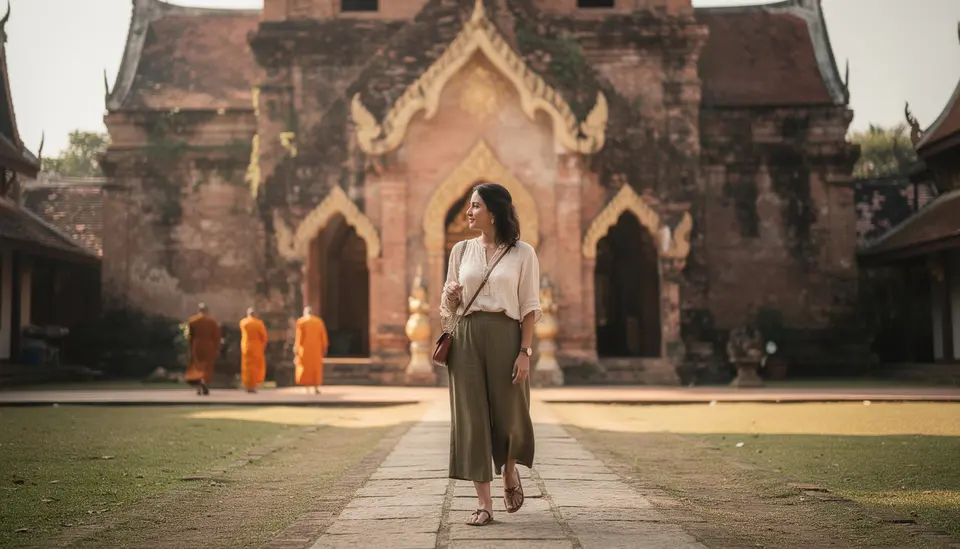
More than 90% of the population is Buddhist, so you can admire temples throughout the country[1]. It is a cultural fact you will encounter everywhere, in cities as well as villages.
Bangkok and the central plain: Bangkok, Ayutthaya, Kanchanaburi
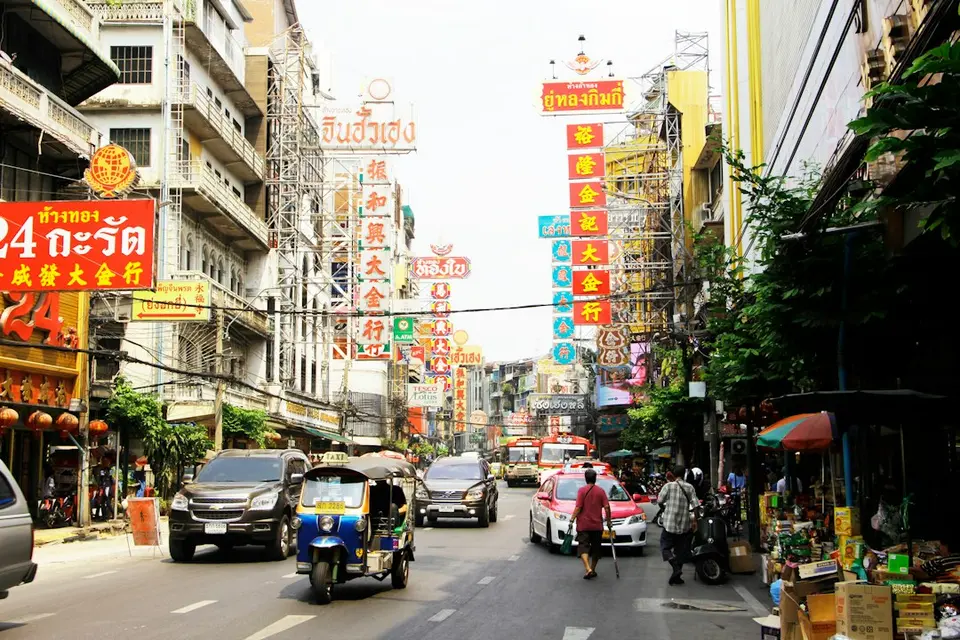
In Bangkok, the Grand Palace is one of the city's most iconic monuments[2]. The Chao Phraya River offers another way into the capital: the express boat is a popular and affordable way to travel along the river, with stops near Wat Arun, the Grand Palace and Chinatown[2].
On the Thonburi side, a maze of small canals is lined with traditional stilt houses[2]. The best time to enjoy the river runs from November to February, during the coolest months[2].
In Ayutthaya, the former flourishing capital of the Siamese kingdom, the ruins of great temples and palaces tell the story of a bygone era; the historic city is listed as a UNESCO World Heritage Site[3]. In the west of the central plain, the Erawan Falls are among the country's most spectacular sights[4].
The cultural and mountainous North: Chiang Mai, Chiang Rai, Golden Triangle, Pai, Sukhothai
Chiang Mai is dominated by Doi Suthep, which watches over the city[4]. The city also offers mountain scenery[1]. In Chiang Mai, the San Kamphaeng district is known as a place where painted umbrellas, silver jewelry and family workshops reflect a living tradition[4].
Further south, Sukhothai is considered the cradle of Thai civilization: its ruins bear witness to the beginnings of Thai art, architecture and culture[3]. The historical parks of Sukhothai and Ayutthaya, both UNESCO-listed, evoke the golden age of the ancient kingdoms[4].
The West and nature: Khao Sok and the large parks
Khao Sok National Park is known for its spectacular limestone formations[1]. The Thungyai-Huai Kha Khaeng wildlife sanctuaries shelter some of the most diverse ecosystems in Southeast Asia, including endangered species such as tigers and elephants[3].
Kaeng Krachan, the country's largest national park, with its mist-shrouded mountains, is a prime destination for birdwatching and nature exploration[3].
The Andaman coast: Phuket, Krabi, Railay and Ao Nang, Koh Phi Phi, Koh Lanta
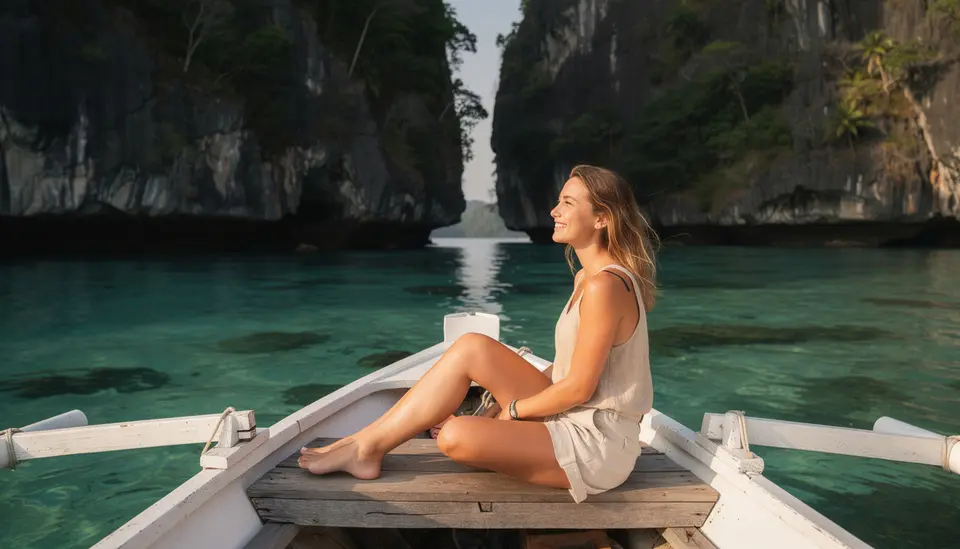
In Phuket, street food and stalls open until midnight are almost everywhere in the city[5]. For nature, the karst cliffs of Phang Nga Bay form a spectacular backdrop[4], and Koh Lanta is known for its white sand beaches[1].
For boat trips to Phi Phi or the Similan Islands, plan for days devoted mainly to swimming, the beach and relaxation[6].
The Gulf of Thailand: Hua Hin, Koh Samui, Koh Phangan, Koh Tao
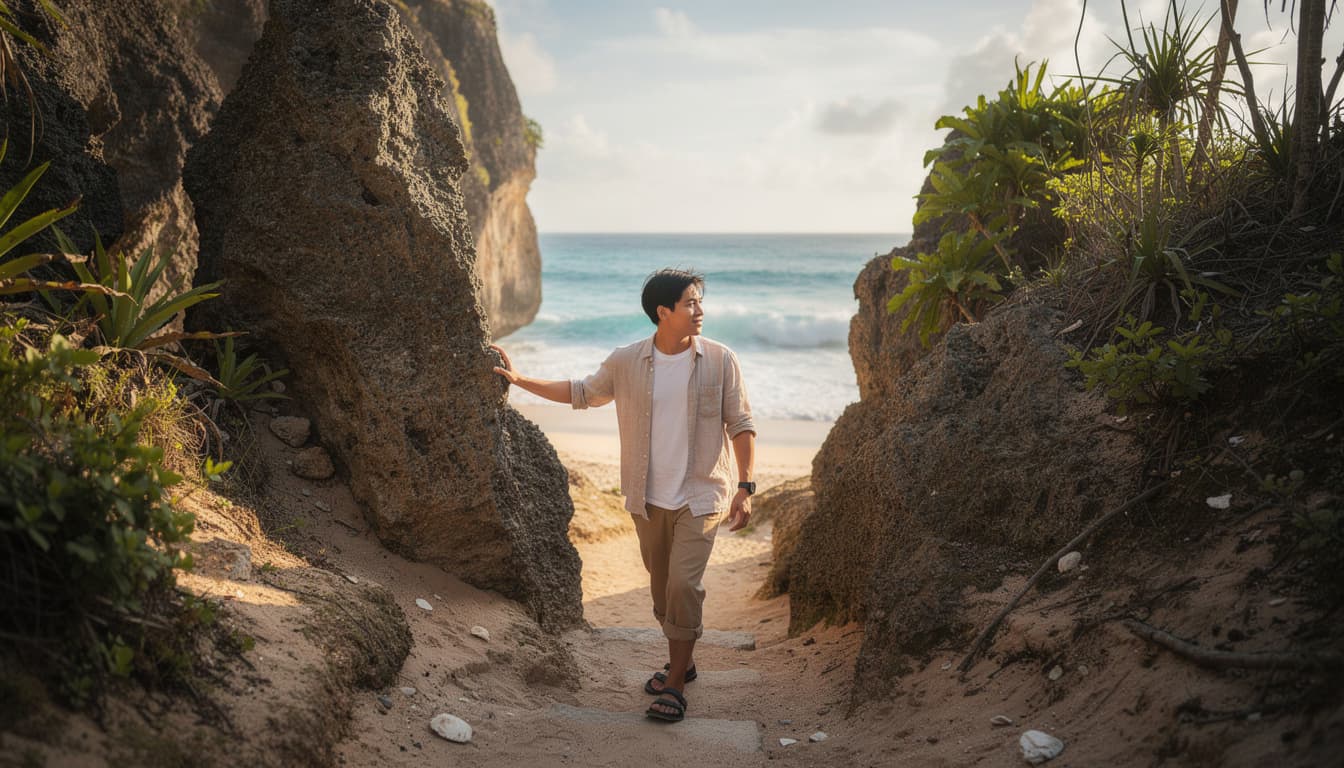
Koh Samui, Koh Phangan and Koh Tao are among the flagship destinations on the tourism authority's destination map[1]. Koh Tao is associated with diving: one travel guide lists among Thailand's activities observing fish up close while diving off Ko Tao[7].
Gastronomy and traditions
The floating markets of Amphawa, Tha Kha and Don Manora, in Samut Songkhram, offer grilled river shrimp, coconut milk sweets and freshly cut tropical fruit; in Bangkok, there is Khlong Lat Mayom[4].
The culinary scene is world-renowned. In Bangkok, the Jay Fai stall is distinguished in the MICHELIN Guide; in Chiang Mai, Bib Gourmand stalls serve, among other things, khao soi and grilled dishes at the Mae Hia market[4]. In Phuket, the seafood and taro dish O Tao is selected by the Michelin Guide and can only be found in Phuket[5].
Thai massage nuad Thai (inscribed in 2019) and the Tomyum Kung dish (inscribed in 2024) are among UNESCO's Thai treasures[3].
As for the calendar, three festivals punctuate the year:
- Songkran, the Thai New Year, in April: rituals, water fights and family reunions in the streets and temples[4].
- The Flower Festival in Chiang Mai, in February: the city is adorned with flower-covered floats[4].
- The Bun Bang Fai rocket festival in Yasothon, in May: a colorful agricultural rite[4].
When to go and how much time to plan
For Bangkok and the river, the most pleasant period runs from November to February, during the coolest months[2]. During the rainy season (April–November), some railway lines are regularly interrupted for several days[8].
Pitfalls, scams and points of caution
- Jewelry: some guides offer “good deals.” The jewelry is authentic but sold for two to three times more than on the market, and the scam cannot give rise to legal action: Thai law considers the price to have been freely accepted by the buyer[9].
- Scooter or jet-ski rental: never leave your passport as a deposit[10]. In tourist areas, many agencies rent two-wheelers or sea scooters without ever offering insurance[8].
- Two-wheelers: 90% of fatal accidents in Thailand involve two-wheelers[9]. Foreign visitors must hold an international driving permit; foreign residents must have a Thai license, failing which insurance will refuse to cover accident costs[9].
- Overnight buses between Surat Thani and Bangkok: the most frequently reported thefts occur on this route, in both directions[9]. They target checked luggage as well as passengers’ belongings while they sleep[9].
- Areas to avoid: in the far south, travel is formally advised against in the provinces of Narathiwat, Pattani, Yala and Songkhla, where armed separatist movements are active[9]. .
- Electronic cigarettes: they are banned in Thailand, along with all related products[8].
- Alcohol: purchase and consumption are prohibited between midnight and 11 a.m., except in most hotels and certain registered leisure and tourist venues[8].
- Cannabis: even with a medical prescription, smoking cannabis in public places is illegal and punishable by a fine of 25,000 baht (approximately €700) and three months in prison[8].
Our guides, place by place
- Bangkok: What to See and Do, from River Temples to Chinatown
- Chiang Mai: What to See and Do in the Rose of the North
- Chiang Rai and the Golden Triangle: Temples, Markets, Hills and the Mekong
- Ayutthaya: What to See and Do from Bangkok in One or Two Days
- Sukhothai: What to See and Do in Siam's First Capital
- Kanchanaburi and the River Kwai: History, Waterfalls and a Day Trip from Bangkok
- Pai: What to See and Do in the Valley, from Chiang Mai to Mae Hong Son
- Khao Sok National Park: Ancient Jungle, Cheow Lan Lake and a Night on the Water
- Hua Hin: What to See and Do in Thailand's Royal Gulf Resort Town
- Phuket Beyond Patong: Old Town, Temples, Beaches and Viewpoints
- Krabi, Railay and Ao Nang: What to See and Do on the Andaman Coast
- Koh Phi Phi: What to See and Do in the Andaman Sea Archipelago
- Koh Lanta: What to See and Do on a Quiet Andaman Island
- Koh Samui: What to See and Do Beyond the Beaches
- Koh Phangan: What to See and Do Beyond the Full Moon Party
- Koh Tao: What to See and Do on Turtle Island
Sources
- 1.^ abcdefgtourismethai.fr — Discover Thailand - Tourism Authority of Thailand: “Thailand, officially the Kingdom of Thailand, is a kingdom in Southeast Asia.”; “Vast and varied, Thailand has something to charm every traveler: white powdery beaches on Koh Lanta, spectacular rock formations in Khao Sok National Park, mountain landscapes in Chiang Mai, enchanting temples and delicious street food in Bangkok.”; “Over 90% of the population is Buddhist: temples can be admired throughout the country.” https://tourismethai.fr/destinations/ (accessed November 9, 2026)
- 2.^ abcdewtp.travel — Chao Phraya River Travel Guide - Thailand | World Travel Package: “Located on the east bank, the Grand Palace is one of Bangkok’s most iconic monuments.”; “A popular and affordable way to travel along the river, with stops near main attractions such as Wat Arun, the Grand Palace and Chinatown.”; “The Thonburi side, often nicknamed the ‘Venice of the East,’ is a labyrinth of small canals lined with traditional Thai stilt houses.” https://wtp.travel/fr/guides-voyage/thailande/chao-phraya/ (accessed November 9, 2026)
- 3.^ abcdetourismethai.fr — Thailand's UNESCO Treasures - Tourism Authority of Thailand: “The former flourishing capital of the Kingdom of Siam, the ruins of Ayutthaya, including great temples and palaces, tell the story of a bygone era.”; “Considered the cradle of Thai civilization, Sukhothai offers pristine ruins that bear witness to the origins of Thai art, architecture and culture.”; “These vast sanctuaries shelter some of the most diverse ecosystems in Southeast Asia, including endangered species such as tigers and elephants.” https://tourismethai.fr/experiences/tresors-thailandais-de-lunesco/ (accessed November 9, 2026)
Show 7 more sourcesShow less
- 4.^ abcdefghijtourismethai.fr — 5 must-do experiences across the 4 corners of the kingdom - Tourism Authority of Thailand: “In the West, the Erawan waterfalls and the karst cliffs of Phang Nga Bay make for a spectacular setting.”; “Doi Suthep towers over Chiang Mai and watches over the city.”; “In Chiang Mai, San Kamphaeng has built a reputation as a district where painted parasols, silver jewelry and family workshops bear witness to a living tradition.” https://tourismethai.fr/actualites/5-experiences-incontournables-a-vivre-aux-4-coins-du-royaume/ (accessed November 9, 2026)
- 5.^ abwtp.travel — Thailand Travel Guide | World Travel Package: “Street food and stalls open until midnight are found almost everywhere in the city of Phuket.”; “O Tao, selected by the Michelin Guide, is found only in Phuket: it is a stir-fried dish made with seafood and taro in batter.” https://wtp.travel/fr/guides-voyage/thailande/ (accessed November 9, 2026)
- 6.^siamtourandrealty.com — Travel Tips - Siam Tour and Realty: “On sea excursions such as Phi Phi or the Similan Islands, the guide mainly handles the organization of the day, meeting times and safety: these excursions are above all devoted to swimming, the beach and relaxation.” https://www.siamtourandrealty.com/fr/category/travel-tips/ (accessed November 9, 2026)
- 7.^cartovia.com — Guide du Routard - Thailand | Hachette (French) – Cartovia: “Observe fish up close by diving off Ko Tao.” https://cartovia.com/en-us/products/guide-du-routard-thailande-hachette (accessed November 9, 2026)
- 8.^ abcdediplomatie.gouv.fr — Thailand - Useful Information | France Diplomatie: “During the rainy season (April to November), some railway lines are regularly interrupted for several days.”; “In tourist areas, many agencies rent two-wheelers or jet skis without ever offering insurance.”; “Electronic cigarettes and all related products are banned in Thailand.” https://www.diplomatie.gouv.fr/fr/information-par-pays/thailande/conseils-aux-voyageurs-informations-utiles (accessed November 9, 2026)
- 9.^ abcdefdiplomatie.gouv.fr — Thailand - Security | France Diplomatie: “Some guides, French-speaking persons, or even French nationals, offer to help you make good deals by buying jewelry. These pieces are genuine but sold at two to three times the market price. This scam cannot give rise to legal action because Thai law considers the sale price to have been freely accepted by the buyer.”; “Riding two-wheelers is particularly dangerous (in Thailand, 90% of fatal accidents occur on two-wheelers).”; “Foreign residents must hold a Thai driving license; otherwise, the insurance company will refuse to cover costs arising from an accident.” https://www.diplomatie.gouv.fr/fr/information-par-pays/thailande/conseils-aux-voyageurs-securite (accessed November 9, 2026)
- 10.^diplomatie.belgium.be — General Security in Thailand | FPS Foreign Affairs - Foreign Trade and Development Cooperation: “Never give your passport as a guarantee when renting a moped or a jet ski.” https://diplomatie.belgium.be/fr/pays/thailande/voyager-en-thailande-conseils-aux-voyageurs/securite-generale-en-thailande (accessed November 9, 2026)