Chiang Mai, the former capital of the Lanna kingdom, reveals itself through its temples, its northern cuisine and the mountains that surround it. This article helps you choose what to see in the old town, how to get up to Doi Suthep, where to eat and which nature excursions to take. You will also learn how many days to plan, which season to favor and what points to keep in mind.
Chiang Mai, the "Rose of the North": history and Lanna identity
Chiang Mai is located 700 km from Bangkok. It is the main city of northern Thailand and the capital of the province of the same name[1]. Nicknamed "The Rose of the North," the former capital of the Lanna kingdom has its own identity, visible in the daily life of a multiethnic population that has kept its traditions and customs[1]. The Ping River flows through it, and mountains surround it[1].
Don't limit yourself to its central square: it is a sprawling city with dense traffic[2]. Fortunately, sheltered within the old town, a multitude of Buddhist sanctuaries form so many small oases of calm[2]. This is where the refined character of the former Lanna kingdom comes through[2].
The old town and its temples
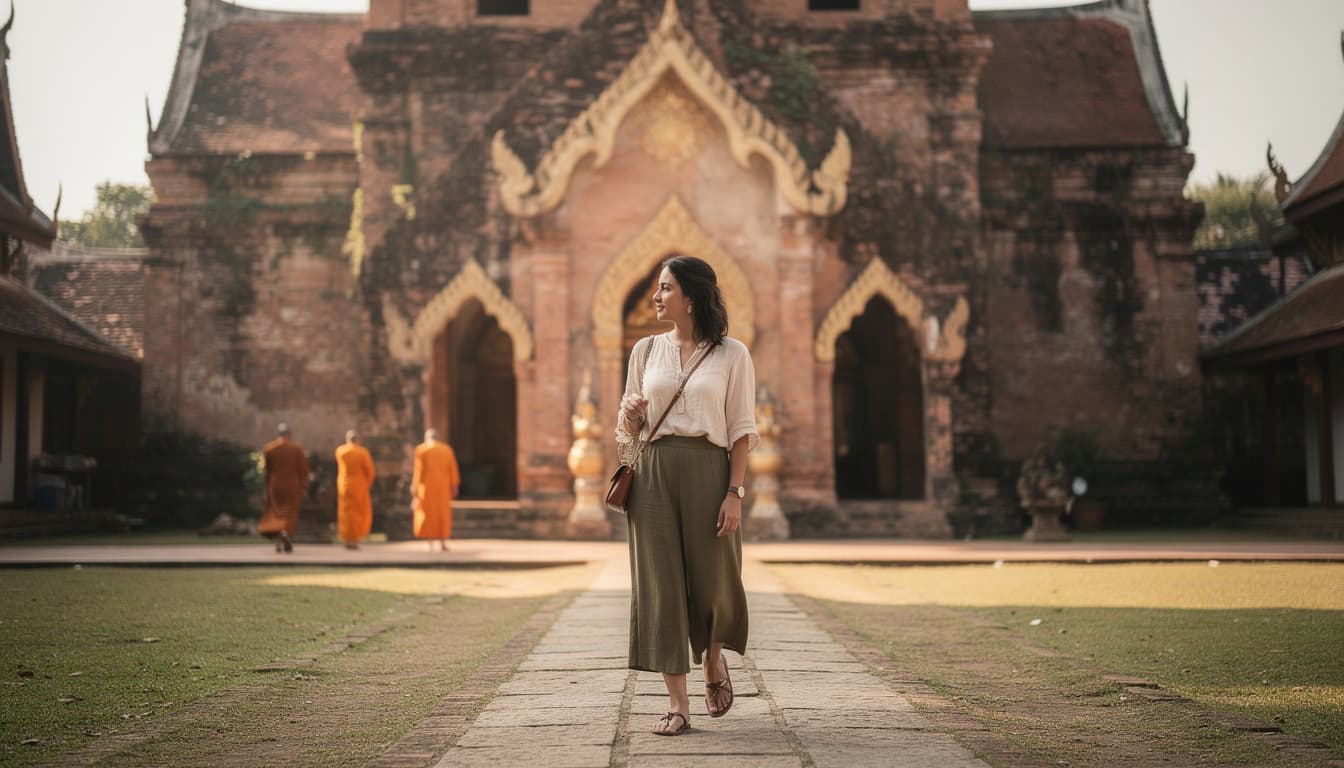
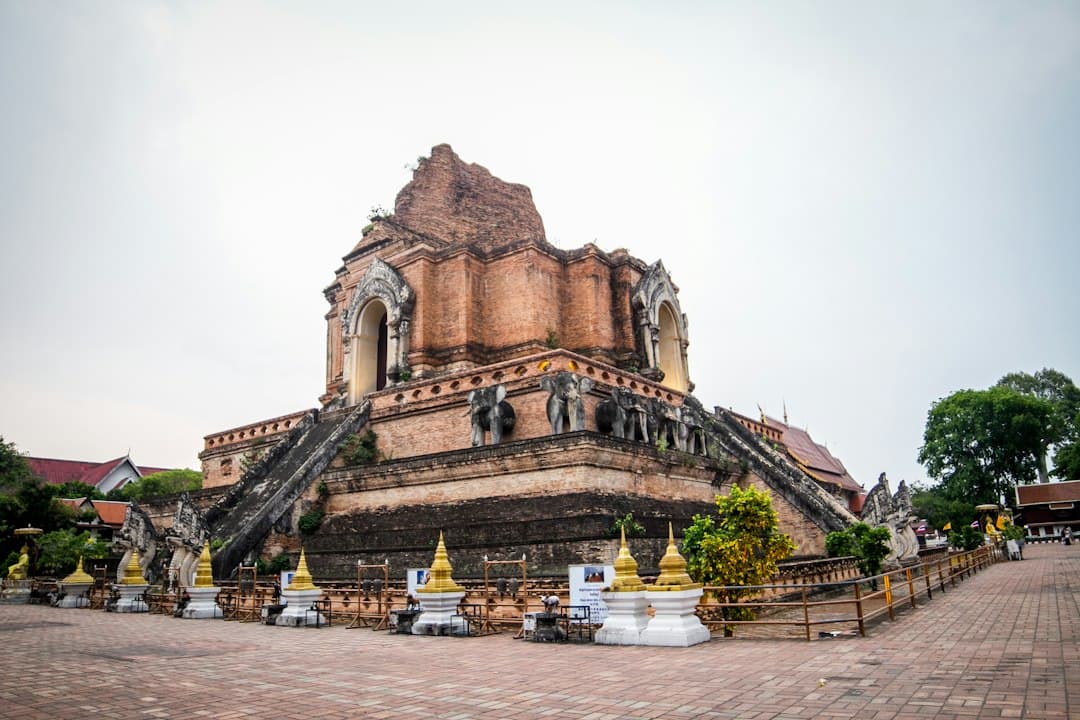
The old town forms a perfect square surrounded by moats and remnants of city walls[3]. Everything can be reached on foot[3]. For a first morning, make sure to visit three temples: Wat Chedi Luang with its immense ruined chedi, Wat Phra Singh with its golden chedi, and Wat Phan Tao with its vihan made entirely of teak[4].
- Wat Phra Singh: founded in 1345, it is one of the most important sanctuaries in the city[2]. Don't miss the small Lai Kam vihara, at the back on the left: its finely carved facade is one of the finest examples of the Lanna style[2].
- Wat Chedi Luang: founded at the end of the 14th century, it is inseparable from its massive brick chedi[2]. It once stood 85 m tall, but has only been 60 m high since the earthquake of 1545[2].
- Wat Phan Tao: its vihan is entirely made of teak[4].
Some temples ask for a small contribution at the entrance; at all of them, shoulders and knees must be covered[4].
Wat Phra That Doi Suthep, the temple on the mountain
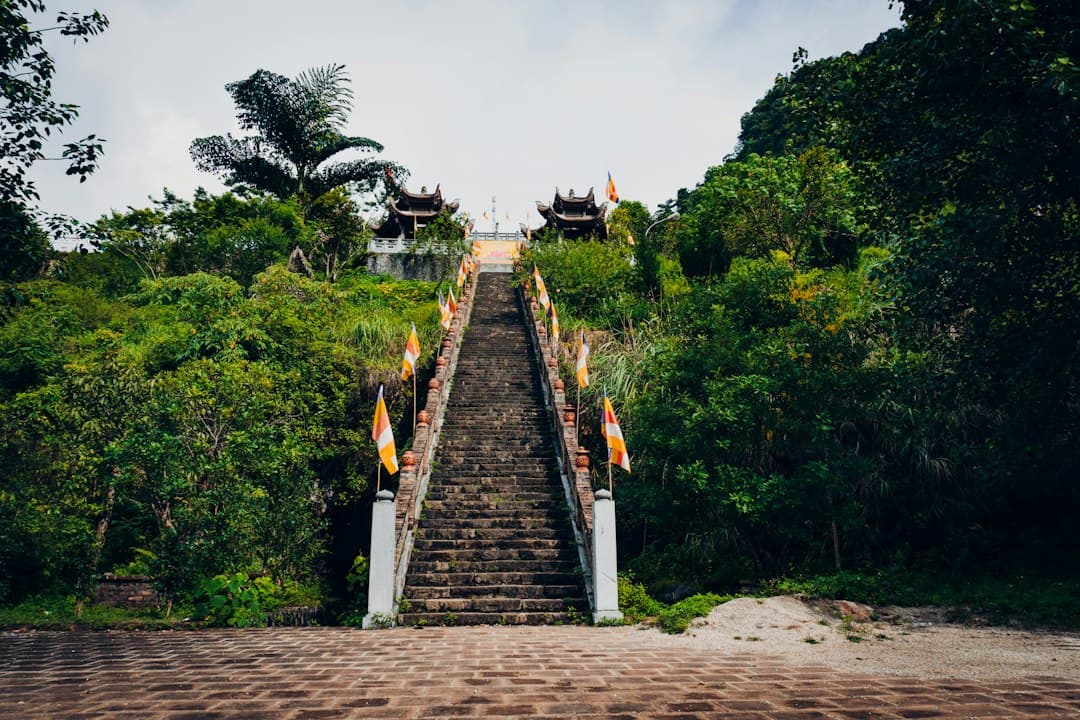
Founded in 1373, this Buddhist temple stands almost at the summit of Mount Suthep, above Chiang Mai, and offers a panoramic view from its terrace, partial on foggy days[2]. According to legend, a white elephant carrying a relic of the Buddha chose the site[2]. It is the most famous temple in the region, 15 km west of the city[1].
To get there, take a songthaew, a shared red pickup truck, from the old town to the foot of the hill[3]. Then climb the 306 steps of the Naga staircase, or take the funicular[3]. Go up early in the morning for the light and to avoid the midday crowds[3].
Entry costs 30 baht for a foreigner, plus 20 baht if you take the funicular rather than the stairs[4].
Markets, crafts and northern cuisine
The Sunday Walking Street, on Ratchadamnoen Road, is the largest and liveliest of the markets: local crafts and street food in abundance[3]. Shaped by Burmese and Chinese influences, northern cuisine can be enjoyed as street food or at tables recommended by the Michelin Guide[1]. The day, night and weekend markets are other opportunities to indulge while doing a bit of shopping[1].
Thai cooking classes abound in the city, often with a visit to the market in the morning[3]. Chiang Mai is also a major craft hub, where silver, wood and ceramic objects, among many others, are made[1].
Museums, garden cafés and contemporary art
Several museums help you understand Lanna culture: the Lanna Folklife Museum, the Tribal Museum, the Chiang Mai National Museum, the Chiang Mai City Arts and Cultural Centre, and MAIIAM for contemporary Thai art[1]. The Chiang Mai City Arts & Cultural Centre, located behind the Three Kings Monument, is devoted to local history[2]. It covers, among other things, the Mangrai dynasty, which reigned for 262 years, as well as Lanna-style Buddhism, lunar festivals and ethnic minorities[2].
Nimmanhaemin Road is the place to discover art products, local cuisine and culture[5]. Garden cafés are a specialty of Chiang Mai[4].
Nature and Mountains: Doi Inthanon, Treks and Elephants
Doi Inthanon, Thailand's highest peak, rises to 2,565 m within the national park that bears its name[1]. This park, with its tropical forests, rivers and waterfalls, is also one of the best places in the country for birdwatching[1]. It can be visited as a day trip from Chiang Mai, about two hours by road[4]. Treks and hikes benefit from an extensive network of trails[1].
Around the city, you can also hike in the mountains and reach traditional villages of ethnic tribes in colorful dress[1]. A trek can last from one day to several, with a night in a local villager's home in the villages[3].
For elephants, choose a sanctuary where you can observe, feed and accompany the animals without ever riding them[3]. Elephant Nature Park, dedicated to rescuing and rehabilitating mistreated elephants, is a reference in the region[3].
How Long to Plan, When to Go, How to Get There
Three days is enough for the old town, a night market and Doi Suthep[4]. With five days, you add Nimman, Doi Pui, an elephant sanctuary and a cooking class[4].
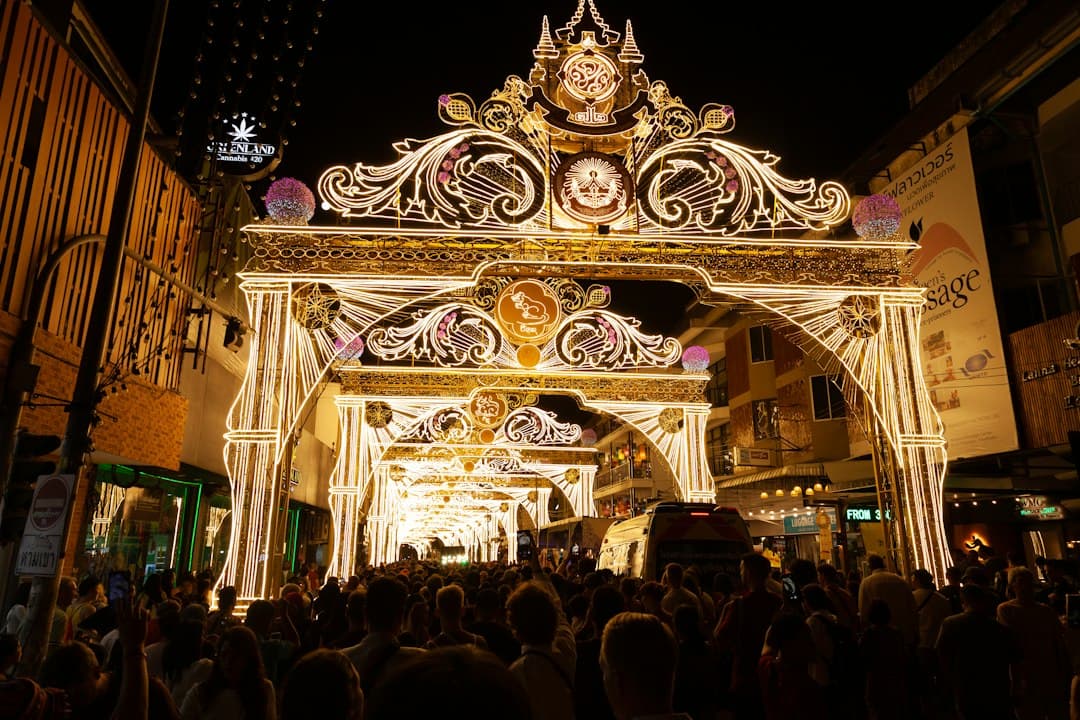
November is an attractive period: the monsoon gradually gives way to cooler, drier weather[6]. It is also the month of Yi Peng and Loy Krathong, two festivals that bring locals and visitors together around elaborate decorations, illuminated waterways and traditional rituals[6]. The view over the city from Doi Suthep is truly at its best from November to January, when the air is clear[4].

From Bangkok, the national railway company runs regular services to the North; check the departure station and timetables with the company before you travel[1].
Points of Caution
- The agricultural burning season, from late February to roughly April: smoke builds up in the valley and severely degrades air quality, to the point of spoiling treks and views. Shift your dates if you can[3].
- Before a trek, contact the Tourist Police or the TAT (Tourism Authority of Thailand) for information on the most reliable trekking agencies[1].
- Before each hike, register with the Tourist Police[1].
- Avoid any elephant riding and shows: choose a sanctuary where you can observe the animals without riding them[3].
Key Takeaways for Planning Your Stay
- Plan three days for the essentials, five to add Nimman, Doi Pui, an elephant sanctuary and a cooking class.
- Visit temples with shoulders and knees covered, and climb Doi Suthep early in the morning.
- Avoid late February through April, and aim for November for the cool weather and festivals.
This article gives you the essentials for choosing your activities. To truly settle in, you'll need to go further into choosing a neighborhood, budgeting item by item, and handling the paperwork. To see where Chiang Mai fits among the other stops in the country, read "Thailand: The Highlights, Region by Region."
Keep exploring
- Thailand: the must-sees, region by region
- Bangkok: What to See and Do, from River Temples to Chinatown
- Chiang Rai and the Golden Triangle: Temples, Markets, Hills and the Mekong
- Ayutthaya: What to See and Do from Bangkok in One or Two Days
Sources
- 1.^ abcdefghijklmnotourismethai.fr — Chiang Mai - เชียงใหม่ - Thailand Tourism Authority: “Located 700 km from Bangkok, Chiang Mai is the main city of northern Thailand and the capital of the province of the same name, which spans more than 20,000 km².” ; “Nicknamed The Rose of the North, the former capital of the Lanna kingdom has a unique identity, expressed in the daily life of a multiethnic population that has kept its traditions and customs, but also through an exceptional heritage of fascinating temples known for their northern-style architecture and numerous decorative details.” ; “Surrounded by mountains and watered by the Ping River, the city and its surroundings boast stunning natural beauty.” https://tourismethai.fr/nord/chiang-mai/ (accessed November 9, 2026)
- 2.^ abcdefghijkroutard.com — Visit Chiang Mai (Chieng Mai): plan your stay and trip to Chiang Mai (Chieng Mai) | Routard.com: “Fortunately, sheltered within the old city, a multitude of Buddhist sanctuaries form countless mini-oases of tranquility. This is where the particularly refined and original character of the former Lanna kingdom comes through.” ; “Beyond its famous central square, bounded by ancient moats, and the banks of the Ping River, the city is sprawling, with dense traffic and its inevitable consequence: sometimes very high levels of pollution.” ; “Wat Phra Singh: founded in 1345, it is one of the most important sanctuaries in the city.” https://www.routard.com/fr/guide/asie/thailande/nord-montagneux/chiang-mai-chieng-mai (accessed November 9, 2026)
- 3.^ abcdefghijklnews.travel.orange.com — What to Do in Chiang Mai? The Essential Guide | Orange Travel: “The old city forms a perfect square surrounded by moats and remnants of city walls.” ; “Everything is done on foot, and entry to most temples is free or symbolic.” ; “Take a songthaew (shared red pickup) from the old city to the foot of the hill, then climb the 306 steps of the Naga or take the funicular.” https://news.travel.orange.com/fr/que-faire-chiang-mai (accessed November 9, 2026)
Show 3 more sourcesShow less
- 4.^ abcdefghiame-boheme.fr — What to Do in Chiang Mai: 25 Activities and My Tips: “For a first morning, remember three names: Wat Chedi Luang with its huge ruined chedi, Wat Phra Singh with its golden chedi, and Wat Phan Tao with its vihan made entirely of teak.” ; “Some charge a small entrance fee; at all of them, shoulders and knees must be covered.” ; “Entry to Wat Phra That Doi Suthep costs 30 baht for a foreigner, plus 20 baht if you take the funicular instead of climbing the just over 300 steps.” https://www.ame-boheme.fr/que-faire-chiang-mai (accessed November 9, 2026)
- 5.^tourismethai.fr — Chiang Mai - Thailand Tourism Authority: “Don’t miss the artistic products either, taste the local cuisine, and discover the culture on Nimmanhaemin Road.” https://tourismethai.fr/locatie/chiang-mai/ (accessed November 9, 2026)
- 6.^ abnews.abplive.com — Budget Traveller | Want an Affordable Thailand Getaway? 5 Reasons to Visit Chiang Mai This November: “November is a particularly attractive time to visit, as the monsoon season gradually gives way to cooler, drier weather.” ; “It is also the month of Yi Peng and Loy Krathong, two festivals that bring residents and visitors together around elaborate decorations, illuminated waterways, and traditional rituals.” https://news.abplive.com/lifestyle/travel/budget-traveller-want-an-affordable-thailand-getaway-5-reasons-to-visit-chiang-mai-this-november-1874661 (accessed November 9, 2026)