Krabi lines up limestone cliffs, beaches with no road access, cave shrines and temples at the top of hundreds of steps. This article helps you choose between Ao Nang, Railay and Krabi Town, plan your days (islands, land, local culture) and know how much time to set aside. It ends with the watch-outs that help you avoid unpleasant surprises.
Krabi, Railay and Ao Nang: the setting
Krabi Province is home to some of the most iconic landscapes of southern Thailand: Railay Beach, the Phi Phi Islands, the karst formations lining the Andaman Sea, and the natural hot springs of Khlong Thom[1]. The territory is spread out: the islands are a boat ride away, the waterfalls lie inland, and the temples are scattered between the two[2].
Each base has its own role. Ao Nang is a coastal strip of guesthouses, hotels, bars, restaurants and souvenir shops, and the main departure point for boat excursions[3]. Railay, meanwhile, is a peninsula enclosed by limestone cliffs, reachable only by boat from Krabi or Ao Nang[4]. As for Krabi Town, it is a stop on the riverbank, not a beach base[5].
- Ao Nang if you want roads, ATMs and a choice of restaurants[5].
- Railay if you prefer waking up under the cliffs and don't mind arriving by longtail boat[5].
- Krabi Town for a stop in a river town rather than a beach[5].
History and culture: from the legend of the sword to the life of local communities
"Krabi" literally means "sword". The town received its municipal status in 1872, under King Chulalongkorn[6].
Long before tourism, fishermen frequented these waters[4]. Even today, Phra Nang Cave is an active place of worship: fishermen leave offerings there to ensure calm seas[4].
Around Laem Sak and Ko Klang, travel takes on a different rhythm: fishing villages invite you to discover local cuisine, handicrafts, weaving and maritime traditions up close with residents[1]. Tourism development takes concrete forms here: household-level waste management, passing on traditional craftsmanship, protection of ecosystems and tours designed together with the villagers[1]. Around Khlong Thom, the naturally warm waters invite a pause amid tropical vegetation, and the mangroves are best explored slowly by kayak[1].
Railay and Phra Nang: beaches and cliffs
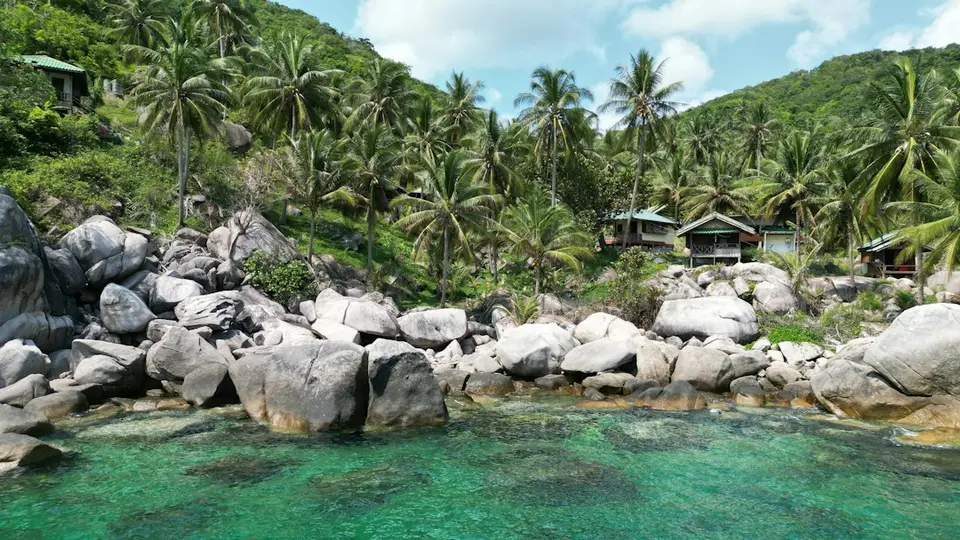
Railay comprises several beaches, each with its own character. Railay West has the longest beach, with an unobstructed sunset over the Andaman Sea[4]. Railay East, on the mangrove side, is where the boats arrive: less suited to swimming, it is the starting point for the trails[4]. Phra Nang Beach, to the south, is often cited as the most beautiful: fine sand, clear water, towering cliffs and a sacred cave dedicated to a sea princess[4]. Between West and East, a few minutes' walk along paths lined with restaurants and small shops[7].
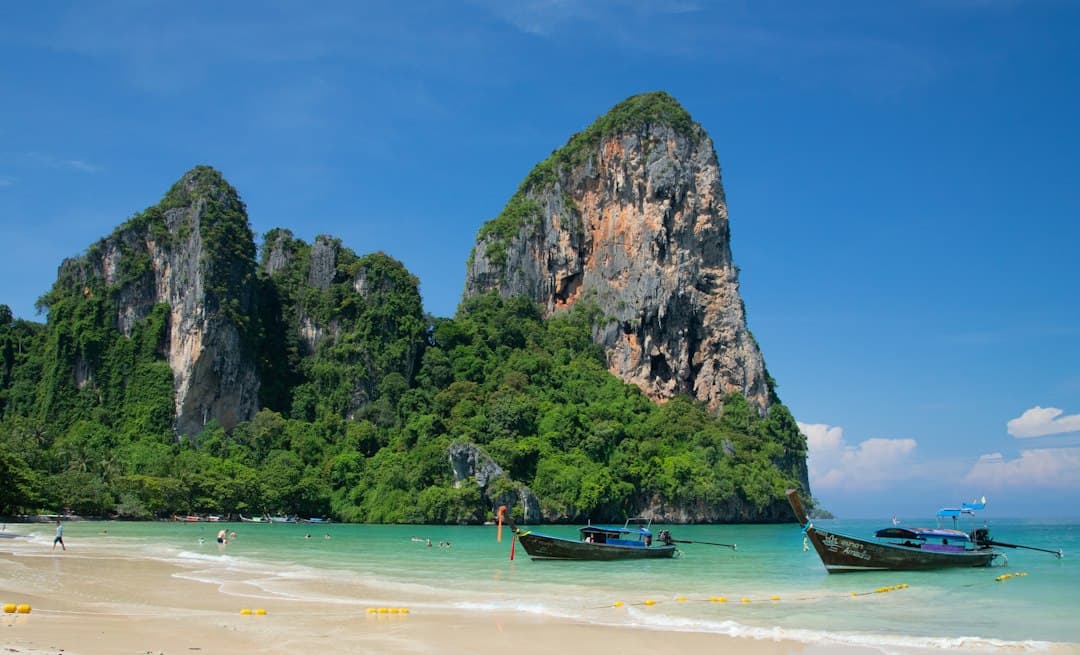
To reach Railay, the longtail boat crossing takes just a few minutes and runs throughout the day, more often at high tide, for about 100 to 150 baht one way[5]. Arrive early at Phra Nang to avoid the crowds from boat excursions[4].
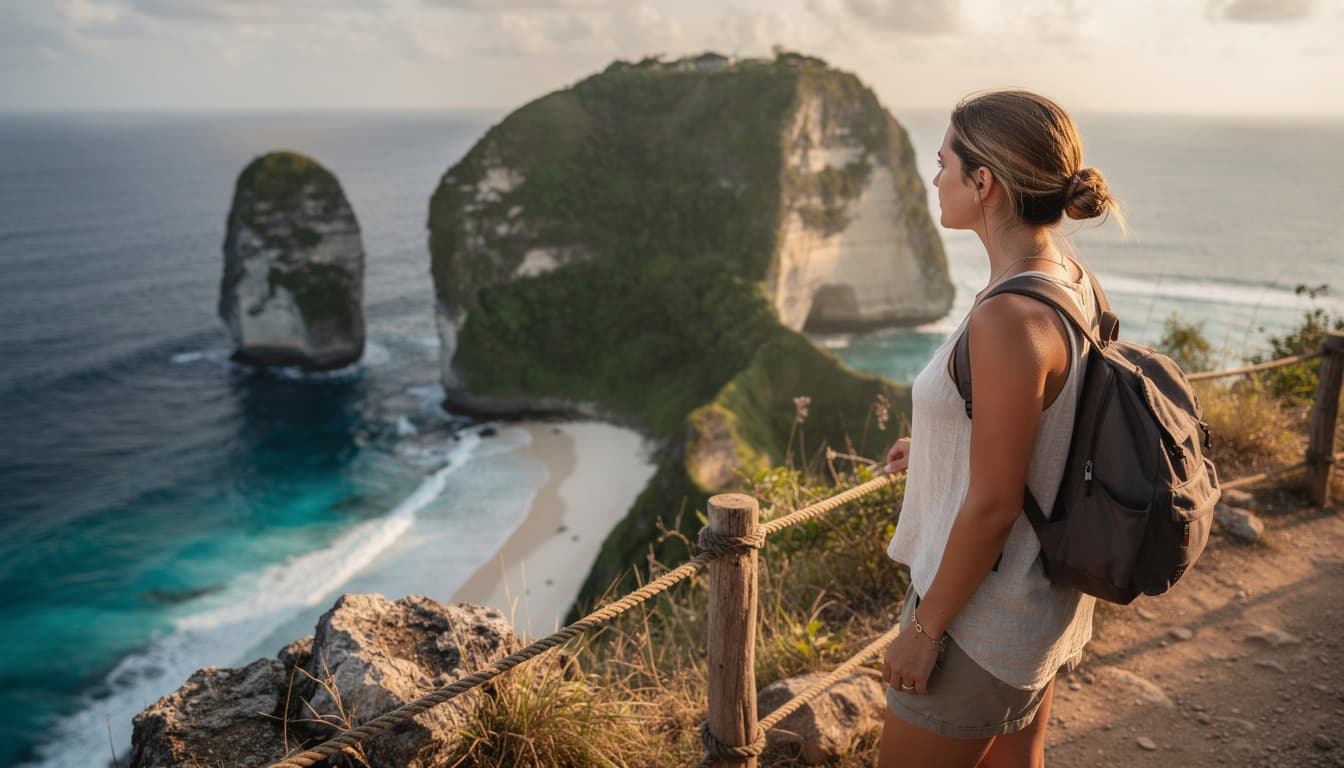
The Railay viewpoint offers a spectacular view over the peninsula, but it is not a simple stroll: some sections require holding onto ropes[8]. The trail is slippery after rain, so closed shoes are recommended[4].
Railay is also one of the most renowned climbing sites in Southeast Asia: climbing developed there from the 1980s and attracted an international community[4]. The routes suit all levels, and several schools offer introductory sessions on site[4].
As for Phra Nang Cave, give the sanctuary its space and leave the offerings where they are[9].
Ao Nang: a lively base and departure point for boats
Ao Nang is home base for most visitors: a coastal strip of guesthouses, hotels, bars, restaurants and shops[3]. Its beach isn't the most beautiful in the area, but it's right at your doorstep, no boat needed, with views of the cliffs and islands and a good choice of seaside restaurants[7]. The catch: since you can reach it without a boat, everyone ends up there, which makes some visitors feel it's crowded[10].
For shopping, Maharaj Walking Street (open Friday to Sunday, 5 pm to 10 pm) and the Chao Fah Pier night market (daily, 5 pm to 12:30 am) are the spots cited for the region[3].
Krabi Town and its surroundings: temples, mangroves, markets
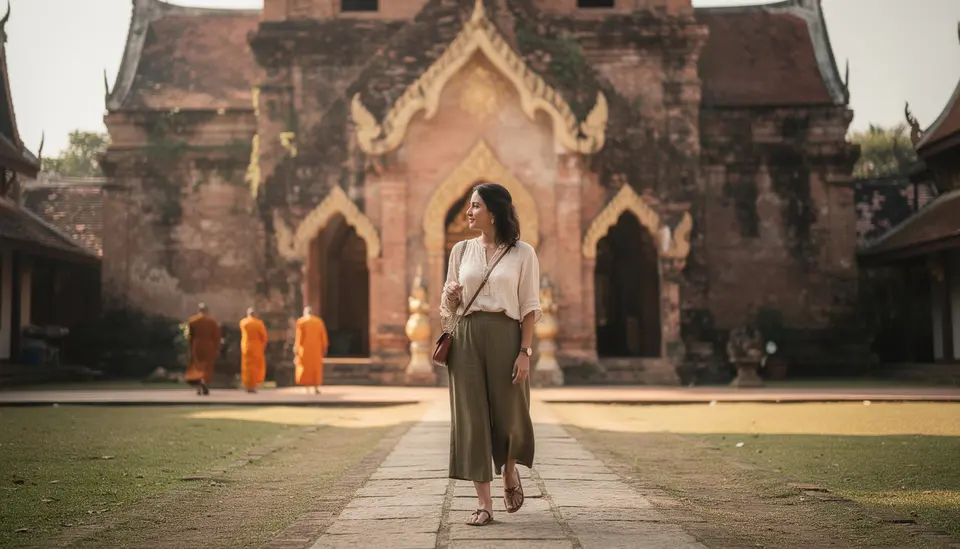
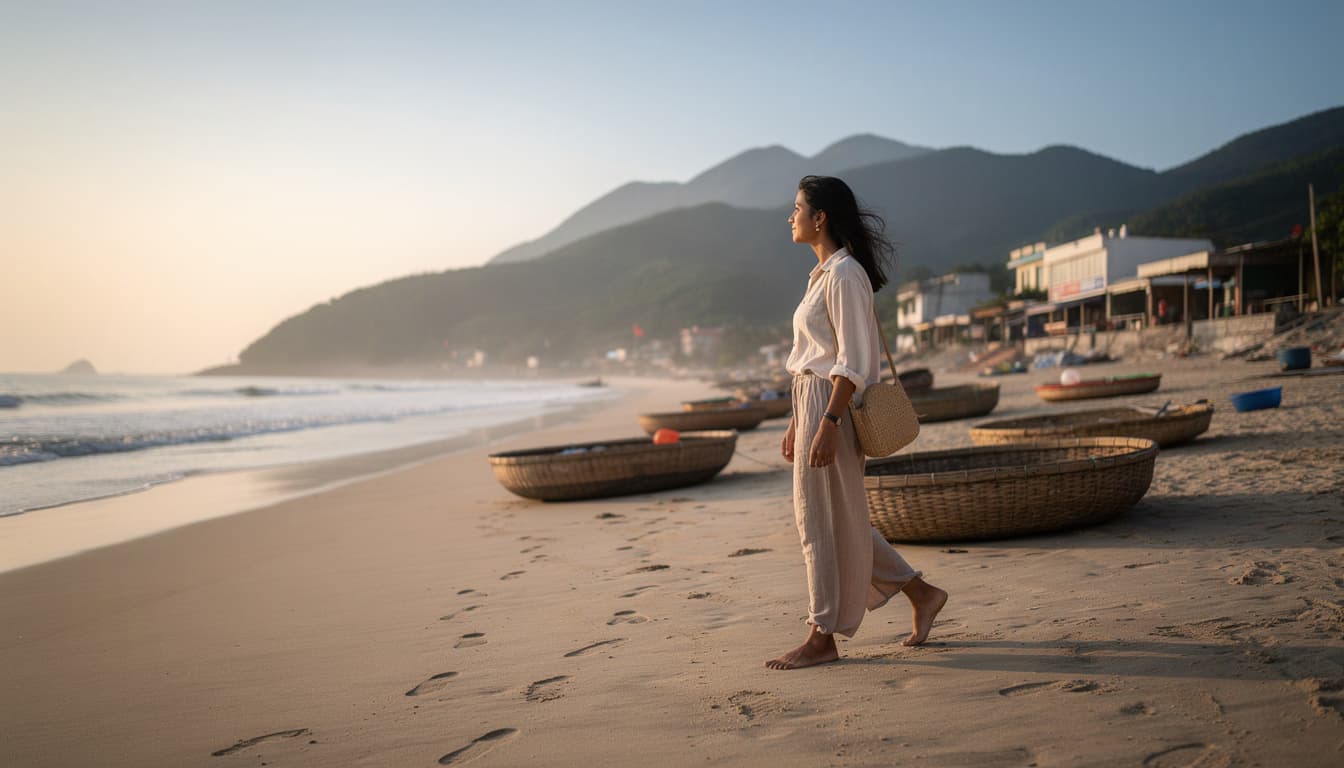
Wat Tham Suea (Tiger Cave Temple) is one of the highlights: 1,237 steps lead to the top (the last gate is numbered 1,260, as the numbering doesn't exactly match the count), with panoramic views over Krabi and its surroundings. The climb is grueling in the heat, so bring plenty of water[6]. Another guide estimates about an hour of climbing for most people[2].
Khao Khanap Nam, two large limestone rocks north of town, are considered the symbol of Krabi. You get there by longtail boat from the Chao Fa pier, about a 15-minute crossing; stairs lead to caves decorated with prehistoric paintings, amid stalactites and stalagmites[6]. You can also paddle a kayak through the mangroves[2].
At the end of the day, a stroll along the riverside promenade around the bronze sculpture of a crab and its baby is lovely at dusk[2]. The markets (Maharaj Walking Street, Chao Fah Pier) are a chance to taste local cuisine[3].
Boat trips and inland excursions
On the sea
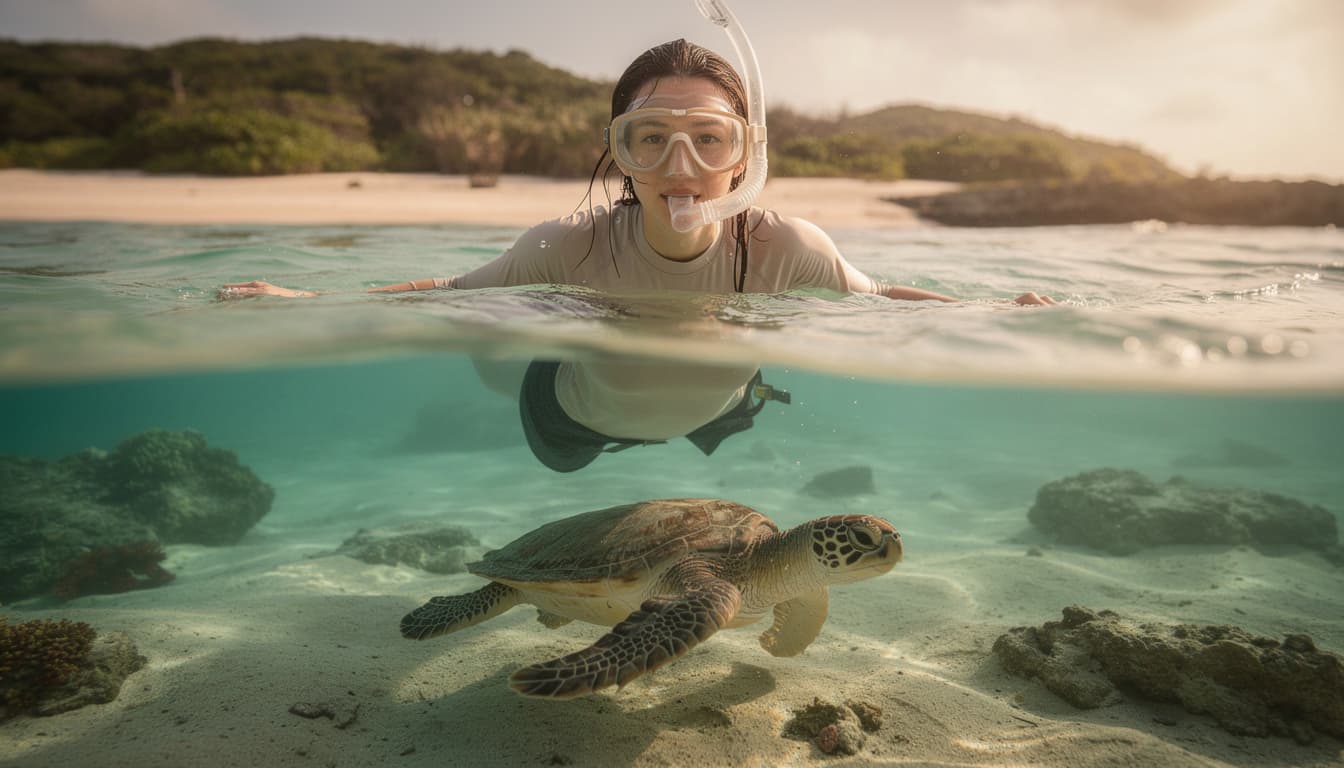
The classic tour runs by longtail or speedboat from Ao Nang to Phra Nang Cave Beach, Chicken Island, Poda Island and Tup Island, where a sandbar connects to Mor Island at low tide[5]. Koh Poda is probably the most beautiful beach in the province; to see it before the crowds arrive, a guide recommends booking a private longtail[10]. Speedboats also connect Railay to Ko Phi Phi, which easily fits into an itinerary[10].
Inland
Inland, at the Khao Phra Bang Khram sanctuary, the Emerald Pool is a jade-green basin fed by a spring where you can swim; the Blue Pool is a little further along the trail. A combined ticket costs about 400 baht for an adult foreigner[5]. Many tours combine the temple, the Emerald Pool and the hot springs[11]. These sites are far from Ao Nang, Khlong Thom being 60 km from the beach: plan your transport for the whole day, with a driver, vehicle or agency[11].
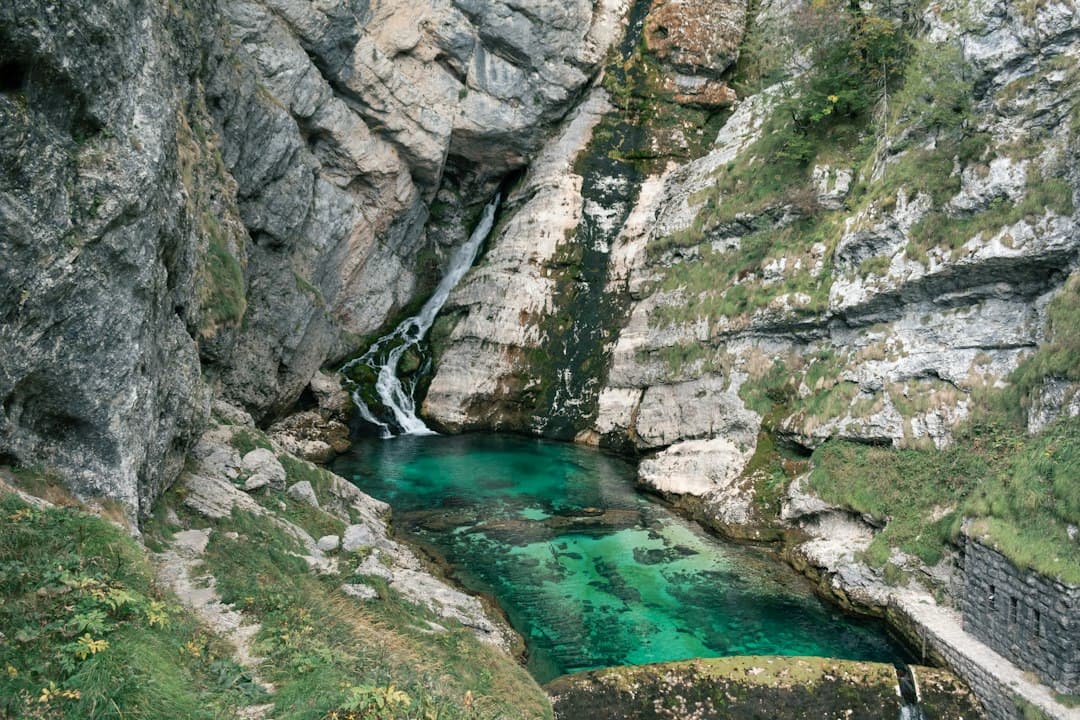
For a jungle setting, Khao Phanom Bencha National Park encompasses a 1,397 m mountain and the Huay To Waterfall, which has eleven tiers, the tallest drop measuring 70 m[11].
When to go, how long to plan, how to get there
The dry season, from November to April, offers the best conditions: calm seas, clear skies, regular boats. From May to October, the monsoon can make the sea rough and some connections are suspended[4]. For high season, from late December to early January, it's advisable to book accommodation early, up to a year in advance[3].
For a first visit, plan four to five days: one day on a longtail around the four islands, one day in Railay for the beach or a rock-climbing introduction, and either the climb to Tiger Cave Temple or the Emerald Pool and hot springs[5]. Another guide suggests five days to mix relaxation, classic tours and a day inland[8].
The airport is about ten kilometers south of Krabi town center; shared songthaews (pickup-truck taxis) connect it to the city for around 50 baht[6]. From the airport or Krabi Town, Ao Nang can be reached in about half an hour[7]. For the islands, a one-way ferry ticket gives you more flexibility when organizing your departure[3].
Pitfalls, Scams, and Points of Caution
- Motorbike and jet ski rentals: in tourist areas, many agencies rent them without ever offering insurance. French authorities recommend not using their services and never leaving your passport with the renter[12].
- Without insurance, if an accident occurs, the driver can be prosecuted and risks prison if unable to compensate the renter and the victims; in case of bodily injury, hospital costs remain entirely the driver’s responsibility[12].
- During the rainy season, the sea can be rough, especially on speedboats: check that there are enough life jackets, avoid small boats that are clearly overloaded, and check the weather before heading out to sea[12].
- Excursion prices: national park fees (400 baht for an adult foreigner) are often excluded from the advertised price, and some operators advertise 200 baht; ask exactly what your booking includes[5].
- Cannabis: smoking cannabis in a public place is illegal, even with a prescription, and punishable by a fine of 25,000 baht (about €700) and three months in prison[12]. Never carry luggage on behalf of someone else without knowing what it contains[12].
- Bag snatching: thefts of bags by a motorcycle driver and his passenger occur regularly in the country, particularly in Bangkok[13].
- “Bargain” jewelry: some guides, including French-speaking ones, offer authentic jewelry sold at two to three times the market price[13].
Steps, in Order
- Choose the season: November to April for calm seas and regular boats.
- Book your accommodation early if you are coming in late December or early January.
- Choose your base: Ao Nang for logistics, Railay for the scenery and climbing.
- Plan four to five days: islands, Railay, then a day inland or hiking up to the temple.
- For the inland day, arrange full transportation (driver, vehicle, or agency).
- For each excursion, ask what the price includes, and whether national park fees are included or not.
Keep exploring
- Thailand: the must-sees, region by region
- Phuket Beyond Patong: Old Town, Temples, Beaches and Viewpoints
- Koh Phi Phi: What to See and Do in the Andaman Sea Archipelago
- Hua Hin: What to See and Do in Thailand's Royal Gulf Resort Town
Sources
- 1.^ abcdtourismethai.fr — Krabi, Sustainable Travel in Real Life - Tourism Authority of Thailand: “The province is home to some of the most iconic landscapes of southern Thailand, including Maya Bay, the Phi Phi Islands, Railay Beach, the karst formations along the Andaman Sea, and the natural hot springs of Khlong Thom.”; “At Laem Sak or Ko Klang, travel takes on yet another rhythm. The fishing villages invite you to discover local cuisine, handicrafts, weaving, and maritime traditions up close with residents.”; “In these communities, tourism development takes very concrete forms: household-level waste management, passing on traditional craftsmanship, protecting ecosystems, and circuits designed together with residents.” https://tourismethai.fr/actualites/krabi-le-voyage-durable-grandeur-nature/ (accessed November 9, 2026)
- 2.^ abcdgrab.com — 40 Best Things To Do In Krabi, Thailand | Grab TH: “Krabi is the part of the Andaman coast that looks like the idea of Thailand you have before arriving: limestone towers rising from emerald water, beaches reachable only by longtail boat, hot springs in the forest, and a golden pagoda on a hill. The catch: everything is spread out. The islands are a boat ride away, the waterfalls are inland, and the temples are scattered between the two, so without a plan you spend the trip in transit.”; “with a meditation forest at the base and 1,237 steps up to the golden Buddha at the summit. The climb is steep and hot, and takes most people about an hour.”; “you can paddle a kayak through the mangroves at the base and enter caves with stalactites.” https://www.grab.com/th/blog/things-to-do-in-krabi/ (accessed November 9, 2026)
- 3.^ abcdeftourismethai.fr — Krabi - Office National du Tourisme de Thaïlande: “The town most visitors stay in is Ao Nang, a coastal strip full of guesthouses, hotels, bars, restaurants and souvenir shops, which keeps growing as tourist numbers rise.”; “Ao Nang is the main departure point for boat trips to the nearby islands and the secluded beaches of Phra Nang Cape, home to the famous hippie enclave of Railey Beach.”; “Krabi also offers excellent shopping opportunities, such as Maharaj Walking Street (open Friday to Sunday, 5 pm to 10 pm) and the Chao Fah Pier night market (daily, 5 pm to 12:30 am).” https://tourismethai.fr/locatie/krabi-2/ (accessed November 9, 2026)
Show 10 more sourcesShow less
- 4.^ abcdefghijksawadiscovery.com — Railay Beach: “Railay is a peninsula cut off by towering limestone cliffs, reachable only by boat from Krabi or Ao Nang.”; “Railay West has the longest beach, with an open sunset over the Andaman Sea. Railay East, on the mangrove side, serves as the boats' landing point — less suited to swimming, but the starting point for the trails. Phra Nang Beach, to the south, is often cited as the most beautiful: fine sand, clear water, imposing cliffs and a sacred cave dedicated to a sea princess.”; “Arrive early in the morning to avoid the crowds from boat tours.” https://www.sawadiscovery.com/guide-thailand/destination/railay-beach (accessed November 9, 2026)
- 5.^ abcdefghisolonomads.com — Krabi Guide: Ao Nang, Railay and the Islands | SoloNomads: “Stay in Ao Nang if you want roads, ATMs and a choice of restaurants.”; “Stay in Railay if you'd rather wake up under the limestone cliffs and don't mind arriving by longtail boat, since it's the only access.”; “Krabi Town is a river-town stopover, not a beach base.” https://solonomads.com/guides/thailand/krabi (accessed November 9, 2026)
- 6.^ abcdsawadiscovery.com — Krabi, Thailand: What to Do, When to Visit, Where to Stay: “In fact, Krabi literally means sword. Krabi received its town status in 1872, under the reign of King Chulalongkorn.”; “You need to climb 1,237 steps before reaching the summit. The climb is quite hard, especially in the heat: bring plenty of water. The last step is numbered 1,260. Once at the top, you will be richly rewarded with a panoramic view of Krabi and its surroundings.”; “These are two large limestone rocks located north of Krabi Town. They are considered the main symbol of the town. To get there, go to the Chao Fa pier, then take a longtail boat for about 15 minutes. On site, stairs lead to the summit, where magnificent caves contain prehistoric paintings among the stalactites and stalagmites.” https://www.sawadiscovery.com/guide-thailande/attraction/krabi (accessed November 9, 2026)
- 7.^ abcczechtravellers.com — Krabi Travel Guide: Beaches, Islands & Things To Do (2026): “Ao Nang Beach may not be the most beautiful in the area, but it's right at your doorstep, with no boat ride needed. It offers good views of the cliffs and islands, swimming is quite decent at high tide, and there's a wide choice of restaurants and a few good beachfront bars.”; “Both sides are a few minutes' walk from each other, with restaurants, small shops and bars along the way.”; “From the airport and the provincial capital, Krabi Town, you reach Ao Nang in about half an hour.” https://czechtravellers.com/krabi-ao-nang-travel-guide/ (accessed November 9, 2026)
- 8.^ abthailande-et-asie.com — Visiter Krabi en 4 ou 5 jours : comment organiser votre séjour ?: “Be aware, though, that it's not just a leisurely stroll: some sections require using ropes to get through.”; “For a first trip, I would plan on a five-day base in Krabi, the minimum needed to explore and see the essentials that make the province so beautiful. It lets you combine relaxation at your place of stay, classic excursions such as the four islands and Ko Hong, and a day inland, including the Emerald Pool and hot springs.” https://thailande-et-asie.com/que-faire-voir-ville-province-krabi (accessed November 9, 2026)
- 9.^asiavela.com — Rejseguide til Krabi: Ao Nang, Railay og dage på øerne: “Leave room for the sanctuary and leave its offerings in place.” https://asiavela.com/da/thailand/krabi/ (accessed November 9, 2026)
- 10.^ abcthailandstartshere.com — The Ultimate Krabi Travel Guide: “Ao Nang's accessibility (no boat needed to get there, unlike Railay) means everyone goes there, which gives the area a crowded, stifling feeling that I don't much like.”; “Koh Poda is probably the best beach in the province. It is usually visited on a four-island tour from Railay, which passes several other islands (such as Koh Gai, or Chicken Island) and also allows snorkeling. Tip: book a private longtail boat to visit Koh Poda early, before the crowds arrive.”; “Speedboats connect Railay to Koh Phi Phi, which makes this iconic island group an easy addition to a Krabi itinerary.” https://thailandstartshere.com/krabi-travel-guide/ (accessed November 9, 2026)
- 11.^ abcthailande-et-asie.com — Visiting Krabi in 4 or 5 days: how to organize your stay? : “Many excursions combine this temple (not to be confused with the temple of the same name in the Kanchanaburi region) with the Emerald Pool and the hot springs.” ; “Plan your transport for the whole day, with a driver, a personal vehicle or an agency: these sites are far from Ao Nang, the most distant one, Khlong Thom, sitting 60 km from the beach.” ; “The park encompasses Khao Phanom Bencha mountain, which peaks at 1,397 meters. Its main attraction is the Huai To waterfall (also spelled Huay Toh), which has no fewer than 11 tiers; the largest drop falls 70 meters.” https://thailande-et-asie.com/en/que-faire-voir-ville-province-krabi (accessed November 9, 2026)
- 12.^ abcdediplomatie.gouv.fr — Thailand - Useful Information | France Diplomatie : “In tourist areas, many agencies rent motorbikes or jet skis without ever offering insurance. Given the risks involved, it is strongly recommended that you do not use their services and never leave your passport with the renter.” ; “In the event of an accident, and in the absence of insurance, the driver may face legal proceedings and is liable to imprisonment if unable to compensate the renter and the accident victim(s). Furthermore, in the case of bodily injury, hospitalization costs remain entirely the customer’s responsibility.” https://www.diplomatie.gouv.fr/fr/information-par-pays/thailande/conseils-aux-voyageurs-informations-utiles (accessed November 9, 2026)
- 13.^ abdiplomatie.gouv.fr — Thailand - Safety | France Diplomatie : “Bag snatchings by a motorcycle driver and a rear passenger occur regularly, particularly in Bangkok.” ; “Some guides, French-speaking people, or even French nationals, offer to help you make good deals by buying jewelry. The jewelry is genuine but sold at prices two to three times higher than market rates.” https://www.diplomatie.gouv.fr/fr/information-par-pays/thailande/conseils-aux-voyageurs-securite (accessed November 9, 2026)