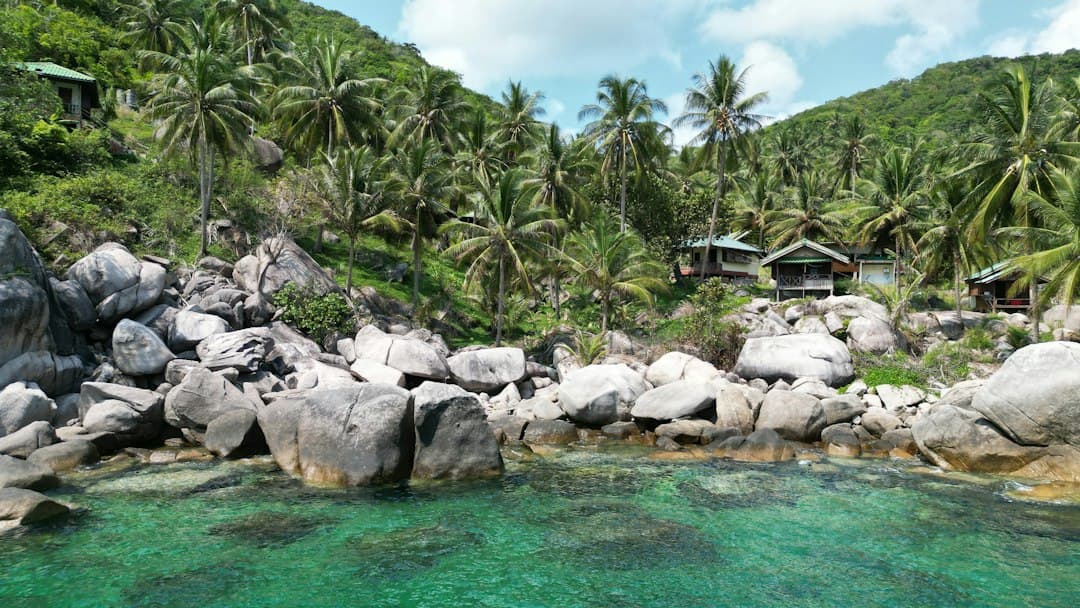
Koh Samui is about more than its beaches. The island has temples, a former fishing village turned restaurant district, a marine park and nearby islands that are easy to combine. This article helps you choose what's worth the detour, find your way among the different beach vibes and plan your days. It ends with a few safety habits to keep in mind while you're there.
Koh Samui at a glance: one island, many faces
Koh Samui is Thailand's third-largest island[1]. It sits in the Gulf of Thailand, about 700 km south of Bangkok[2]. It's small enough to cover in a few hours by scooter or car, but its variety of beaches and activities is such that you can't see everything in a single visit[1].
A 50 km ring road circles the island and offers views of the beaches on the north, east and west coasts[3]. The beaches on the south and west coasts are more isolated and aren't served by this road, but they remain relatively easy to reach for anyone seeking quiet[3].
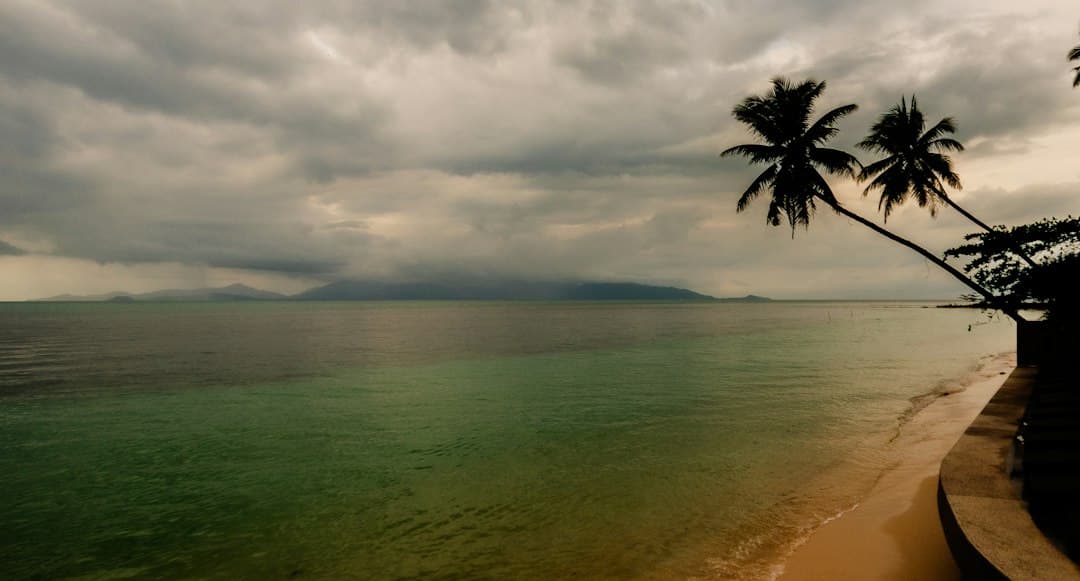
The island has two faces. On the east coast, where Chaweng and Lamai are located, it is developed and noisy in places; the north and west coasts, with their fishing villages, deserted sand and temples without crowds, feel like another island[4].
A bit of history: from fishing island to tourist destination
Until the late 20th century, Samui was home to a small community that lived mainly from fishing and harvesting coconuts[2]. There were not even roads on the island before the early 1970s[2].
When foreign visitors discovered the island, development followed quickly[2]. Today, Chaweng and Lamai are lively seaside towns, with resorts, internationally renowned restaurants and nightclubs[2]. The island has nonetheless largely preserved its natural beauty[1].
Temples and culture: Big Buddha, Wat Plai Laem and Fisherman's Village
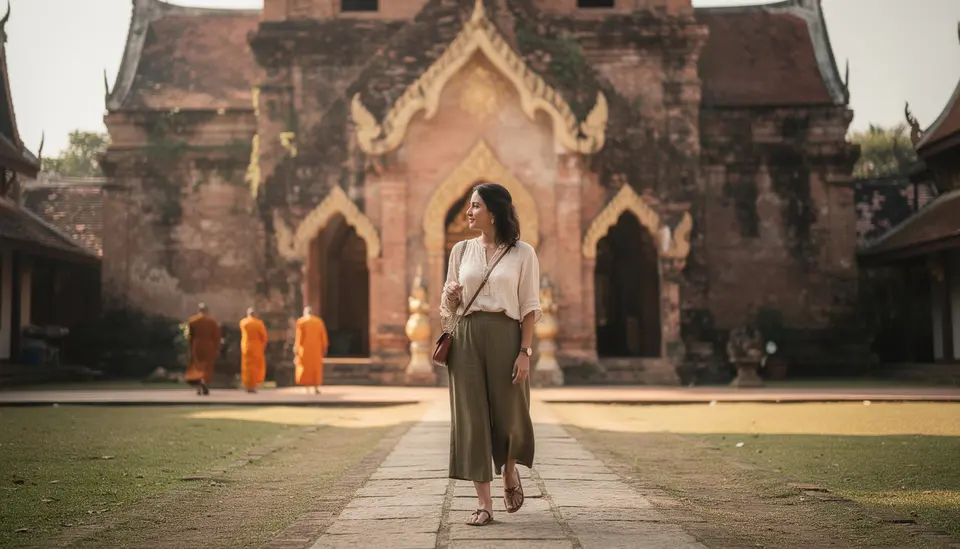
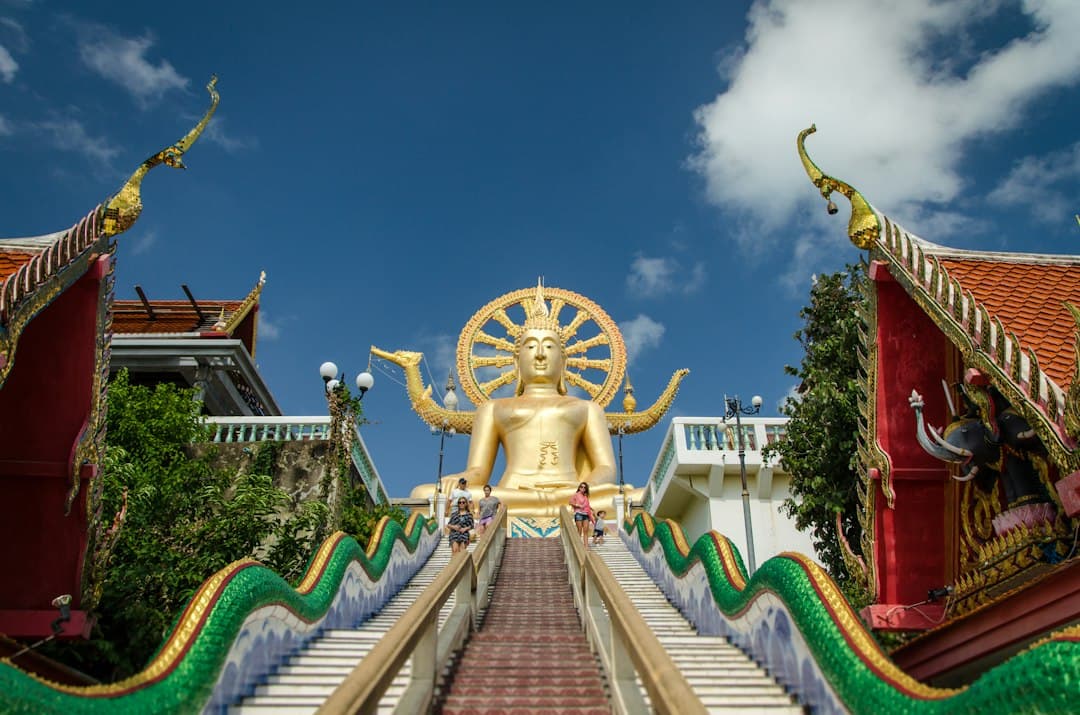
Wat Phra Yai, the Big Buddha temple, is one of the island's important temples[5]. A short distance away, Wat Plai Laem is a complex of colorful temples set around a peaceful lake[6]. Its centerpiece is a statue of the 18-armed Guanyin, goddess of mercy and compassion, which reflects a blend of Chinese and Thai artistic influences[6]. The site pairs easily with the Big Buddha in the same morning[6].
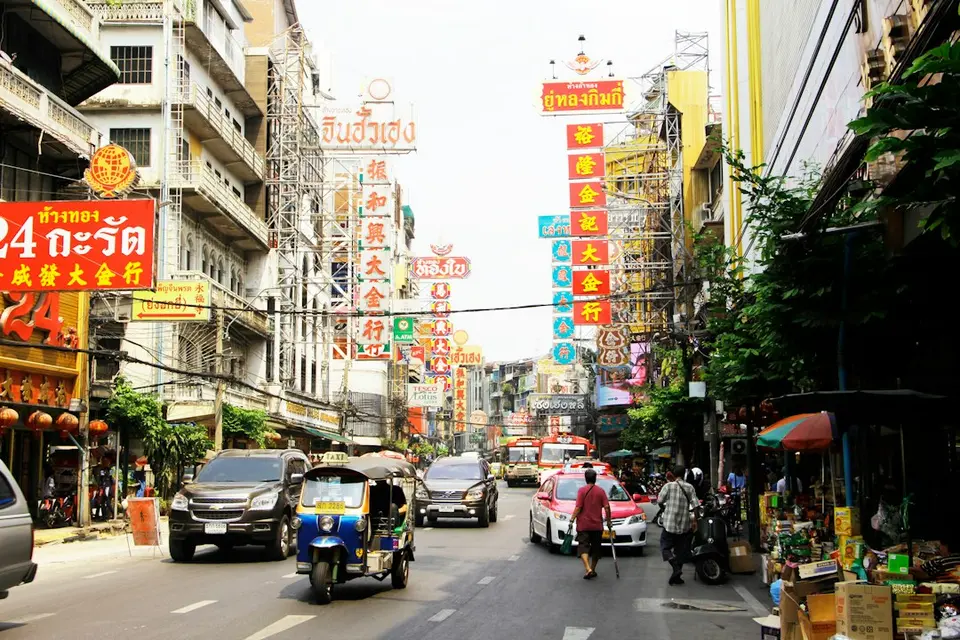
In Bophut, Fisherman's Village is a row of former Chinese trading houses made of wood, now converted into restaurants, bars and shops[4]. The district comes alive every Friday from around 5:00 pm, when locals set up the Walking Street along Beach Road and the nearby lanes[6].
You'll find handicrafts, herbs, spices and Thai street food classics such as pad thai; the narrow streets fill up, so a little patience helps[6]. Many restaurants open at the back offer views of the ocean and the mountains of Koh Phangan[6].
At places of worship as in everyday life, respect Thai dress customs: women don't go topless on the beach and men don't walk around bare-chested, except on the beach[2].
Beaches: choosing your vibe
- Chaweng is the longest and busiest beach, ideal for a first stay when you want everything within reach[6].
- Lamai is quieter and more scenic[6].
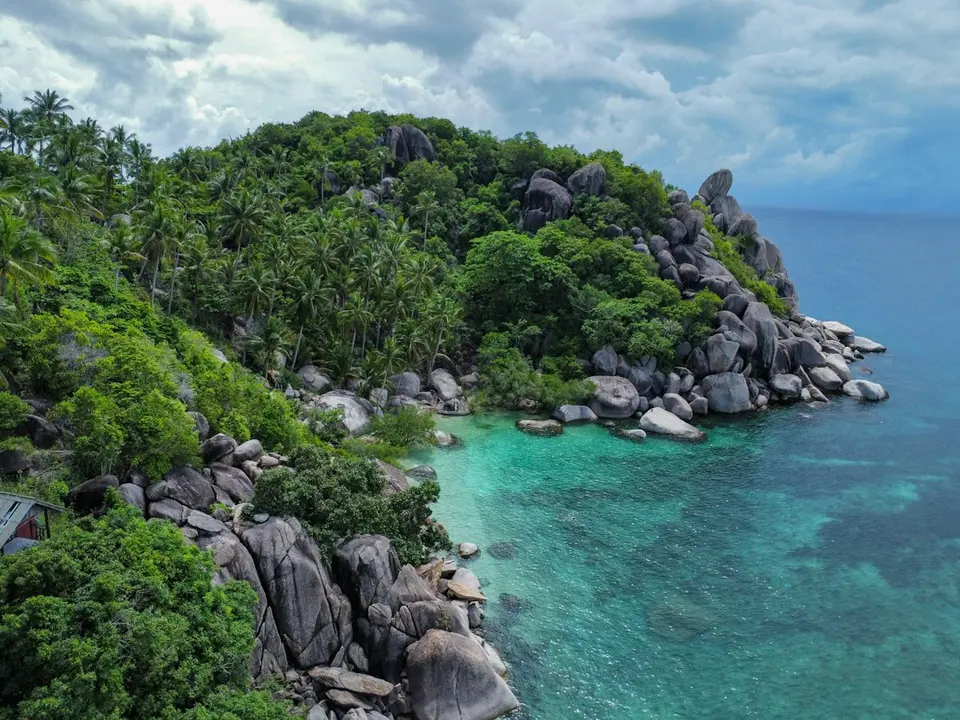
- Choeng Mon and Lipa Noi are gentle, quiet bays, well suited to families and couples[6].
- Taling Ngam and Natien are among the beaches cited for the beauty of their shoreline[1].
For quiet, the beaches on the south and west coasts, away from the ring road, remain relatively easy to reach[3].
Nature: Ang Thong Marine Park and Activities
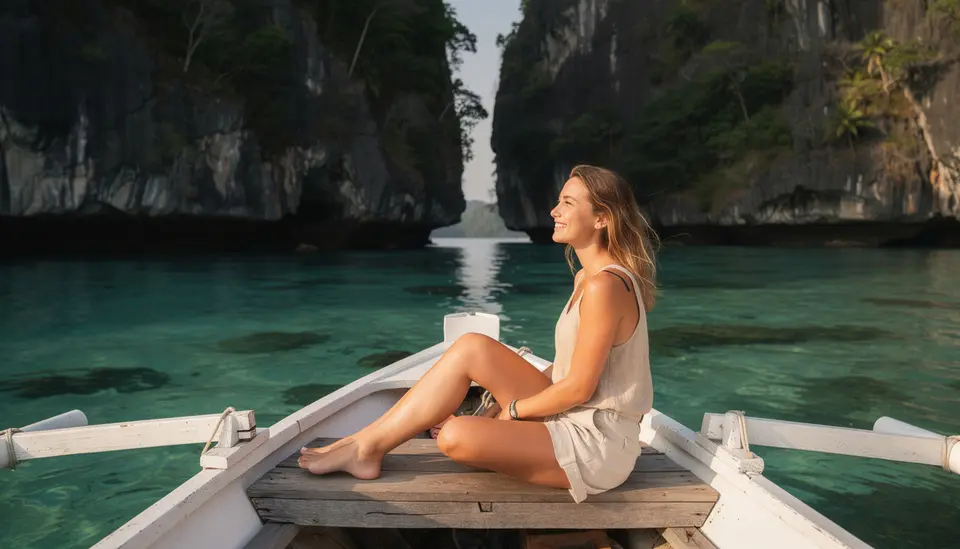
Ang Thong Marine National Park is an archipelago of 42 islands, about 30 km from Koh Samui, reachable by speedboat or larger boat[7]. Speedboats make for a faster trip, while larger boats offer a calmer crossing[7]. You can kayak along the coastline, go snorkeling, or simply relax on the beaches[7]. On Koh Wua Talap, the largest island, the climb to six panoramic viewpoints is demanding and requires good physical fitness, but the reward is well worth the effort[7].
The day trip with kayaking, snorkeling, lunch on board and the Koh Wua Talap viewpoint is the most popular excursion departing from Samui; during high season, book a few days in advance[4].
Around the island, you can also take cooking, yoga, or Muay Thai training classes, go diving, or play golf[1]. If you want to see elephants, the Elephant Jungle Sanctuary Samui, which presents itself as focused on animal welfare, states on its booking page: no elephant rides, no painting, no shows, only authentic interactions and learning[7].
A Taste of the Island: Markets, Restaurants and Nights Out
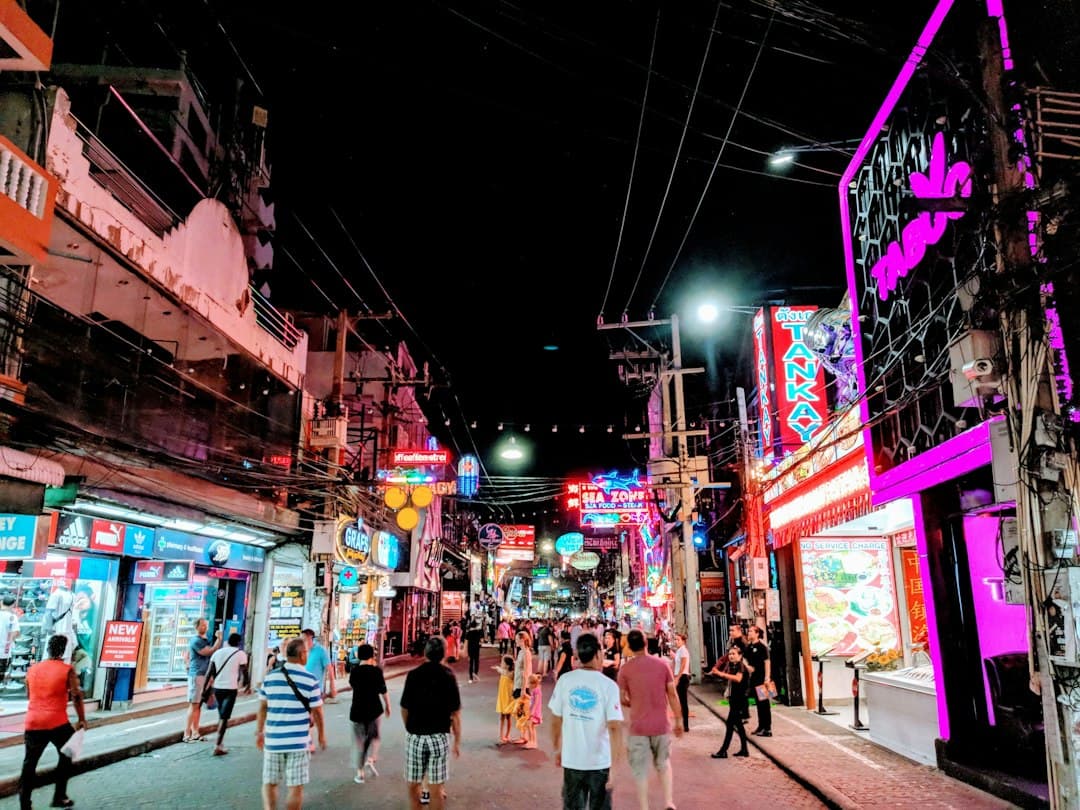
For street food and shopping evenings, the night markets of Chaweng and Lamai offer local flavors at a fraction of the price of resort hotels[6]. Another way into local cuisine is a half-day Thai cooking class, which often starts with a market visit[6].
When it comes to restaurants, Phensiri serves家庭-style Southern Thai cooking and is among the Samui restaurants listed in the Michelin Guide's Bib Gourmand selection, which recognizes good food at reasonable prices rather than fine dining[4]. The island is also known for its seafood and its nightlife[3].
Beyond Samui: Koh Phangan and Koh Tao
Koh Phangan, just 12 km from Koh Samui, has beaches, lush jungle and hidden waterfalls; you can reach it by ferry from Samui or the mainland[7]. On the southeast coast, Hat Rin beach is famous for its full moon parties, which draw thousands of visitors every month[3].
Koh Tao is especially popular with divers and renowned for some of the most remarkable underwater sites in the Gulf[3]. A few minutes by boat from Koh Tao, Koh Nang Yuan is known for its three islands connected by sandbars; the hike to the viewpoint offers beautiful panoramas[7].
How Long to Plan For and Where to Start
Plan for at least three days to see the main sights at a comfortable pace[6]. A simple breakdown: one day for the temples and Fisherman's Village, one day for the beaches and waterfalls, and one day for a boat trip to Ang Thong Marine Park or the nearby islands[6].
To choose your base: Chaweng for nightlife and convenience, Lamai for an equally lovely beach with less noise, Bophut for food and charm, Mae Nam for value, Lipa Noi for calm and sunsets[4]. With kids, Choeng Mon and Lipa Noi have shallow, calm beaches[4]. In Lipa Noi, plan on renting a scooter: nothing is within walking distance[4].
Pitfalls, Scams and Things to Watch Out For
- Two-wheelers: motorbikes are affordable and convenient, but they are behind many accidents and deaths; always wear a helmet and never ride under the influence of alcohol or drugs[1]. In Thailand, 90% of fatal accidents involve two-wheelers, and helmets are rarely up to standard[8].
- License: foreign visitors who want to ride must hold an International Driving Permit[8]. Check with your insurer and rental company that this permit covers the vehicle you choose, scooter included.
- Taxis and tuk-tuks: agree on the price before you set off[1].
- Night beaches: be careful when walking or swimming, especially if you're alone[1]. Also avoid leaving your belongings unattended on the beaches[8].
- Diving: make sure your instructor is fully certified[1].
- “Good deal” jewelry: some guides, sometimes French-speaking, offer authentic jewelry but sell it for two to three times the market price; since Thai law considers the price freely accepted by the buyer, these scams cannot lead to legal action[8].
- Payments: stay vigilant when paying at shops[8].
Keep exploring
- Thailand: the must-sees, region by region
- Koh Lanta: What to See and Do on a Quiet Andaman Island
- Koh Phangan: What to See and Do Beyond the Full Moon Party
- Koh Phi Phi: What to See and Do in the Andaman Sea Archipelago
Sources
- 1.^ abcdefghitourismethai.fr — Koh Samui - Thailand's Official Tourism Authority: “Koh Samui is the third-largest island in Thailand and the largest of an archipelago of more than 80 islands.”; “Although Koh Samui is small enough to explore in a few hours by motorbike or car, the island offers such a variety of beaches and activities that it is impossible to discover everything in a single visit.”; “The island has largely kept its natural beauty while offering almost every imaginable activity or service for the ultimate beach holiday.” https://tourismethai.fr/locatie/koh-samui-3/ (accessed November 13, 2026)
- 2.^ abcdeftourismethai.fr — Koh Samui - Thailand's Official Tourism Authority: “It is Thailand's second most popular island destination, located in the Gulf of Thailand about 700 km south of Bangkok and 80 km off the southern coast of Thailand.”; “They mainly made their living from fishing and harvesting coconuts.”; “There were not even roads on the island until the early 1970s.” https://tourismethai.fr/locatie/koh-samui-4/ (accessed November 13, 2026)
- 3.^ abcdeftourismethai.fr — Ko Samui - เกาะสมุย - Thailand's Official Tourism Authority: “One of the island's main attractions is its 50 km ring road, offering views of the beautiful beaches on the north, east and west coasts of the island.”; “The beaches on the south and west coasts of the island are very secluded and not served by the ring road; however, they are relatively easy to access for visitors seeking tranquility.”; “With fine sand beaches shaded by palm trees, an abundance of seafood and a lively nightlife, Samui enchants visitors with its magic.” https://tourismethai.fr/sud/ko-samui/ (accessed November 13, 2026)
Show 5 more sourcesShow less
- 4.^ abcdefginbetweentravels.com — Koh Samui Travel Guide 2026: 16 Best Things to Do: “The east coast, home to Chaweng and Lamai, is developed and noisy in places. The north and west coasts form another island: fishing villages, empty sand, unpeopled temples and sunsets over the mainland.”; “Fisherman's Village is a strip of old Sino-Thai wooden shophouses converted into restaurants, bars and boutiques.”; “The most sought-after excursion from Koh Samui: the Ang Thong day trip with kayaking, snorkeling, lunch on the boat and the Koh Wua Talap viewpoint. Book a few days ahead in high season.” https://inbetweentravels.com/koh-samui-travel-guide-thailand/ (accessed November 13, 2026)
- 5.^us.trip.com — Koh Samui Travel Guide 2026: Top Attractions, Local Food & Travel Tips | Trip.com: “Wat Phra Yai, which venerates Phra Buddha Santhithipanath, is one of Koh Samui's important temples.” https://us.trip.com/travel-guide/destination/koh-samui-566/ (accessed November 13, 2026)
- 6.^ abcdefghijklmall.accor.com — Best Koh Samui Attractions: A First-Timer's Island Guide: “A short distance from the Big Buddha, Wat Plai Laem is a complex of colorful temples set around a peaceful lake.”; “Its centerpiece is a striking statue of 18-armed Guanyin, goddess of mercy and compassion, which blends Chinese and Thai artistic influences.”; “The peaceful lakeside setting makes it easy to combine with the Big Buddha in a single morning.” https://all.accor.com/a/en/limitless/thematics/top-things-to-do/koh-samui-attractions.html (accessed November 13, 2026)
- 7.^ abcdefgclick2gothailand.com — The 10 Must-See Koh Samui Attractions in 2026 | The Ultimate Guide | Exclusive Promotions | Travel Guide by Click2GoThailand.com: “Located about 30 kilometers from Koh Samui, the park is accessible by speedboat or larger boat.”; “Speedboats offer a faster trip, while larger boats provide a more relaxed experience with the chance to admire the surrounding scenery.”; “Often considered a natural wonder, Ang Thong Marine National Park is a captivating archipelago of 42 islands spread over 100 square kilometers.” https://www.click2gothailand.com/fr/guides/00014/things-to-do-in-koh-samui (accessed November 13, 2026)
- 8.^ abcdediplomatie.gouv.fr — Thailand - Safety | France Diplomatie: “Riding two-wheelers is particularly dangerous (in Thailand, 90% of fatal accidents occur on two-wheelers). Helmets are rarely up to standard.”; “Foreigners passing through who wish to drive in Thailand must hold an international driving permit.”; “It is strongly advised not to leave your personal belongings unattended on the beaches.” https://www.diplomatie.gouv.fr/fr/information-par-pays/thailande/conseils-aux-voyageurs-securite (accessed November 13, 2026)