Between the Andaman beaches and those of the Gulf of Thailand, Khao Sok offers a few days of jungle and lake far from the sand. This article helps you understand what makes the park unique, choose between the village of Khlong Sok and Cheow Lan Lake, see what to do on site, when to go, how to get there, and how much to budget for entrance fees.
A Jungle Older Than the Amazon: The Park's History
Khao Sok National Park was established in 1980, but its forest is about 160 million years old[1]. It is among the oldest tropical rainforests in the world[1]. Located in Surat Thani province in southern Thailand, it covers nearly 739 square kilometers and is said to be older than the Amazon rainforest[2].
The landscape has a second, much more recent history. Cheow Lan Lake appeared in 1987 when the Ratchaprapha Dam was filled, built to supply a hydroelectric plant[3]. The dam had been constructed in the early 1980s to provide electricity to southern Thailand[4]. Villages were submerged, and some families shifted their livelihoods to lake-based ecotourism[3]. The longtail boat operators and floating accommodations you will see today are part of that legacy.
Two Faces: The Khlong Sok Jungle and Cheow Lan Lake
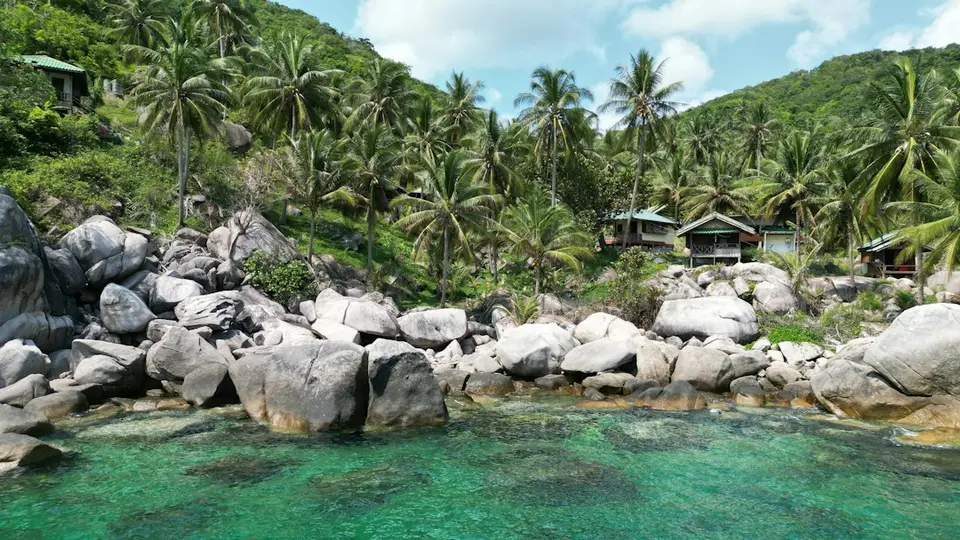
The park reveals itself in two complementary ways. On one side, the dense forest around the village, crossed by the Sok River, is the domain of the land jungle. On the other, Cheow Lan Lake offers water panoramas often compared to Thailand's Guilin or Ha Long Bay[2]. This emerald expanse, dotted with more than a hundred limestone islets, has become the emblem of Khao Sok[2].
The two experiences do not start from the same place. The village of Khlong Sok sits beside the park headquarters and serves as the base for forest hikes, river outings and night walks to spot wildlife[5]. The lake, on the other hand, begins at the dam's landing, on the other side of the park[5]. Three nights allow you to experience both without spending every morning in a vehicle[5].
What to See and Do: Cheow Lan Lake and a Night on the Water
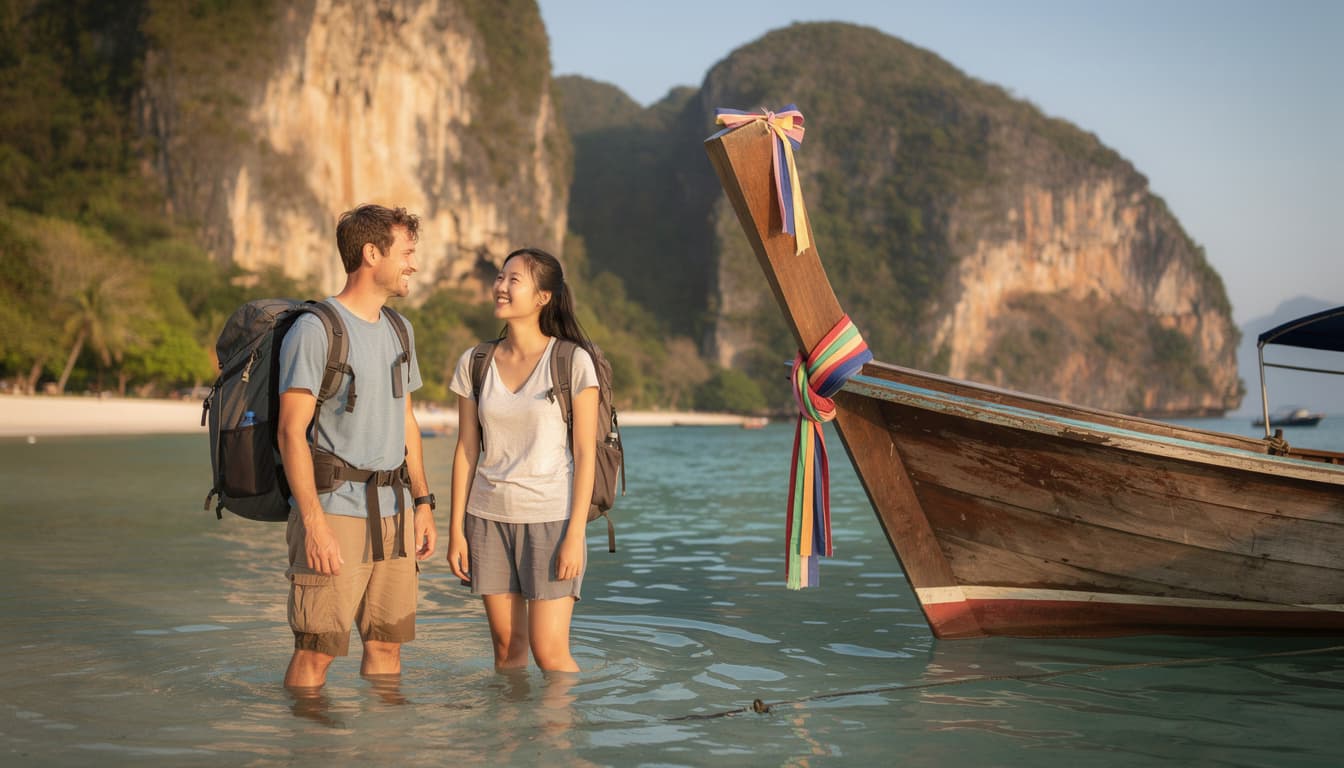
A traditional longtail boat excursion is a must for admiring the karst formations rising above the turquoise waters of the lake[2]. A typical tour around the lake, with the possibility of visiting at least one cave when conditions allow, lasts about two to three hours[4]. If you prefer independence, you can rent a longtail boat for around 2,000 baht per day[1].
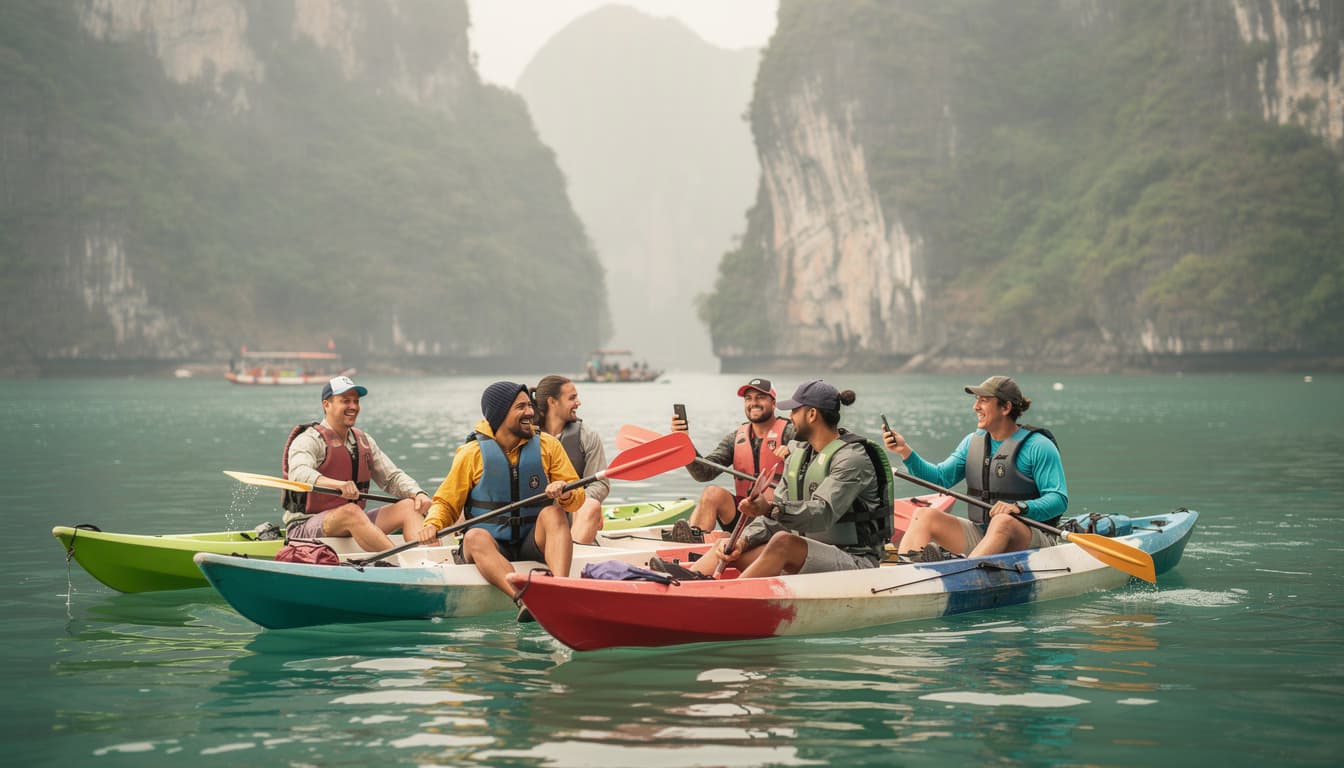
To go further, spend the night in one of the floating bungalows: you sleep in the heart of the park, lulled by the lapping of the water[1]. Accommodations range from the simplest to the most comfortable[2]. The most basic are primitive: no gas, no running water, no electricity, just a comfortable mattress[1]. Many guesthouses rent kayaks so you can explore the lake at your own pace[4].
For photography, dawn on the lake, with mist clinging to the karsts, is one of the most striking sights in the park[3]. Aim for the time before the mist lifts, usually between 6 and 8 am[3].
What to See and Do: Trails, Waterfalls, Caves and the River
Several marked trails leave from the park entrance and lead to waterfalls such as Ton Kloi or Wing Hin[2]. There are a few short self-guided walks, but for most routes you will need a local guide, in accordance with park regulations[4]. You can hire one at the park headquarters, or go through your hotel, guesthouse or a local tour agency[4].
The park's viewpoint requires a guided hike of about an hour, fairly challenging because of the heat and distance[1]. The Nam Talu cave is traversed with your feet in the water[2]. Pakarang Cave, known as the "Coral Cave" for its formations that resemble undersea corals, is said to contain fossils of marine animals more than 250 million years old[6].
On the river side, tubing on the Sok starts from the village[6], and several local companies organize canoeing or rafting trips[4].
Wildlife and Plants: What You Can Really Spot
The park is home to more than 311 bird species and 48 mammal species, along with reptiles and bats[7]. With patience, you can spot gibbons, spectacled langurs, or hornbills[2]; gibbons and macaques are frequently heard and seen[3]. The park also protects wild elephants, bears, and marbled cats[4], but these species are much rarer to encounter. For wildlife that is active at dusk, night walks leave from the village[5].
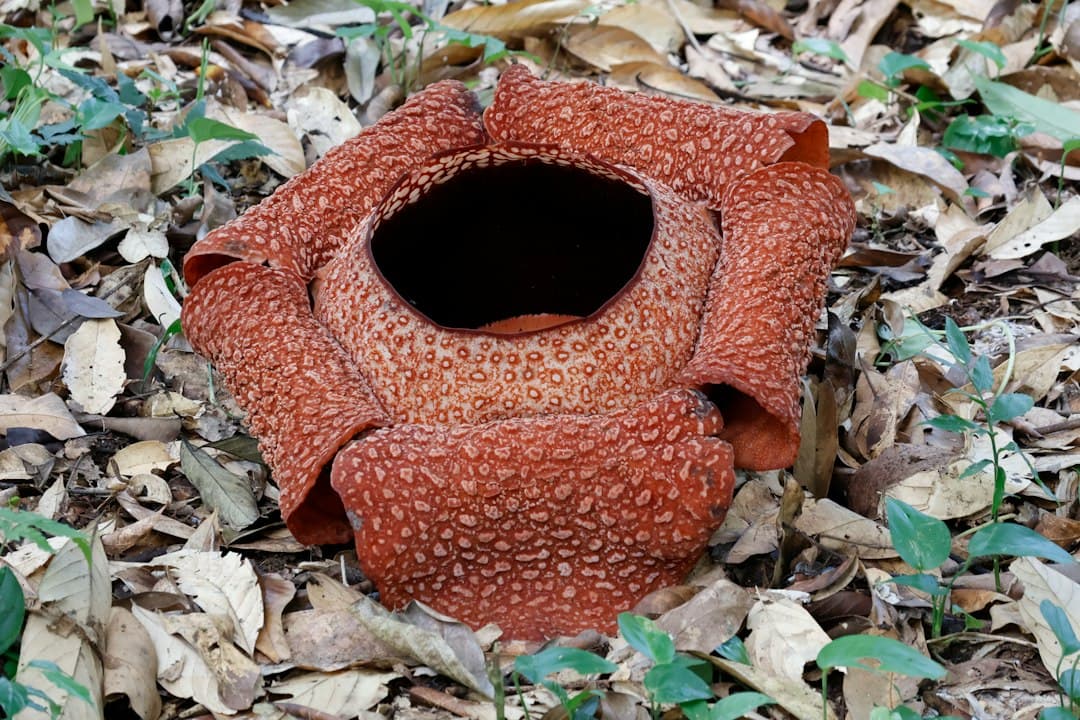
As for flora, the Rafflesia kerrii is one of the largest flowers in the world[4]. This red flower gives off a putrid smell that attracts flies for pollination[4]. You can see it during the flowering season, with a guide, at the end of one of the longest hiking trails[4].
Another experience: at Khao Sok, there are no elephant-back rides, and visitors can interact with elephants in a more responsible way[4].
When to go and how much time to plan
The dry season, from January to April, is generally considered the most favorable, with more stable conditions[2]. Other guides put it from November to April: trails are passable, the lake is navigable, and the risk of rain is lower[3]. During the rainy season (May to October), the forest is lusher, but some trails and caves close for safety reasons[3]. To see the Rafflesia, the ideal period is between November and January[2].
The park is too large and too beautiful for a single day: plan at least one night[1]. To combine the village and the lake without spending every morning in a vehicle, plan for three nights[5].
How to get there
Khao Sok is about 100 kilometers from the airport and the bus and train station in Surat Thani[1]. It is best to go through this city, from which it takes about an hour and a half by minibus (250 baht)[1]. The park is west of Surat Thani, on Route 401 heading toward Takua Pa and the Andaman Sea; minivans and buses drop you off in the village of Khlong Sok, about 2 km from the park entrance[8]. Many hotels will pick up their guests at the stop: ask when you book[8].
From the Gulf islands, many ferries run to Donsak Pier, especially from Koh Samui and Koh Phangan[7]. Some companies sell ferry-plus-minivan or bus tickets to the village: from Koh Samui, Lomprayah departs at 8:30 am and arrives around 1:30 pm, for about 1,250 baht[8]. In rough weather at the end of the year, Gulf crossings may be suspended[8]. From Krabi, allow about three hours and 350 baht to Surat Thani[1].
The lake is reached from the Ratchaprapha Dam landing stage. Minivans stop at Ban Tha Khun, about 13 km away, then a songthaew covers the rest of the trip, about 600 baht if you take it alone[8]. Most lake excursions include transfers from the village[8].
Entrance fees, budgets, and packing your bag
The park entrance fee is 200 baht per non-resident adult at the main entrance, and 300 baht for the Cheow Lan Lake area, paid separately[8].
For a night on the lake, bring a light bag and leave most of your luggage at your hotel or with the agency from the day before. Since floating bungalows often have no electricity, pack[1]:
- long pants and long socks
- comfortable shoes, a swimsuit, and a towel
- insect repellent and sunscreen
- a flashlight and a power bank
Pitfalls, scams, and things to watch out for
- Cave tours and night hikes: they require a guide approved by the park[3].
- Overnight buses between Surat Thani and Bangkok: it is on this route, in both directions, that thefts of passports and money are most often reported, both from checked luggage and from sleeping passengers[9].
- Jewelry: some French-speaking guides offer “great deals.” The jewelry is genuine but sold for two to three times the market price, and Thai law treats the price as freely agreed: there is no possibility of legal action[9].
Before booking a tour, compare the offers and ask what the price includes (entrance, boat, transfer, meals, guide)[1].
Steps, in order
- Choose your season: January to April for the most stable conditions, November to January if you really want to see the Rafflesia.
- Plan for three nights if you want to see both the village and the lake.
- Reach Surat Thani, then the village of Khlong Sok by minivan or bus.
- Stop by the park headquarters or your accommodation to hire a licensed guide for the trails, the caves and the night walks.
- Arrange the transfer to the dam pier with your accommodation or a tour operator, then board for a night on the lake.
- Get up at dawn for the mist over the karsts.
This article covers the essentials for preparing your Khao Sok trip. To choose your exact accommodation, compare excursion packages or build a broader itinerary in the south, you will need to go further; our selection "Thailand: The Essentials, Region by Region" is a good starting point.
Keep exploring
- Thailand: the must-sees, region by region
- Pai: What to See and Do in the Valley, from Chiang Mai to Mae Hong Son
- Hua Hin: What to See and Do in Thailand's Royal Gulf Resort Town
- Kanchanaburi and the River Kwai: History, Waterfalls and a Day Trip from Bangkok
Sources
- 1.^ abcdefghijkltourismethai.fr — Khao Sok National Park Travel Guide - Amazing Thailand: “Khao Sok National Park was established in 1980, but it is about 160 million years old.”; “This makes it one of the oldest tropical rainforests in the world.”; “You can rent a long-tail boat for about 2,000 baht per day.” https://tourismethai.fr/locatie/parc-national-de-khao-sok/ (accessed November 9, 2026)
- 2.^ abcdefghijroutard.com — Visiting Khao Sok National Park: plan your stay and trip to Khao Sok National Park | Routard.com: “Established in 1980, it covers nearly 739 square kilometers and protects one of the oldest tropical rainforests in the world, estimated to be more than 160 million years old, making it older than the Amazon rainforest.”; “On the other side, Cheow Lan Lake offers magnificent water views, often compared to a Thai Guilin or Ha Long Bay.”; “This emerald expanse, dotted with more than a hundred limestone islets, has become the emblem of Khao Sok.” https://www.routard.com/fr/guide/asie/thailande/sud-et-iles-de-la-mer-d-andaman/khao-sok-national-park (accessed November 9, 2026)
- 3.^ abcdefghsawadiscovery.com — Khao Sok National Park: “Cheow Lan Lake came into being in 1987 when the Ratchaprapha Dam was filled, built to supply a hydroelectric power plant.”; “Villages were submerged; some families turned their activity toward lake-based ecotourism.”; “Dawn on the lake, with mist clinging to the karsts, is one of the most striking sights in the park.” https://www.sawadiscovery.com/guide-thailand/destination/khao-sok-national-park (accessed November 9, 2026)
Show 6 more sourcesShow less
- 4.^ abcdefghijktourismethai.fr — Wonderful Khao Sok Park - Tourism Authority of Thailand: “The Ratchaprapha Dam was built in the early 1980s to supply electricity to southern Thailand.”; “A typical cruise around the lake and the possibility of visiting at least one cave (weather permitting) last about two to three hours.”; “If you want to explore the lake at your own pace, spend the night in one of the family guesthouses. Many of them rent out kayaks.” https://tourismethai.fr/actualites/merveilleux-parc-de-khao-sok/ (accessed November 9, 2026)
- 5.^ abcdeasiavela.com — Khao Sok National Park: village, lake and floating houses: “The village of Khlong Sok sits beside the national park headquarters and serves as a base for forest hikes, river trips and night outings to observe wildlife.”; “Cheow Lan Lake begins at the Rajjaprabha municipal pier, on the other side of the park, from where longtail boats travel between limestone towers out to simple floating houses.”; “Three nights let you experience both without spending every morning in a vehicle.” https://asiavela.com/fr/thailand/khao-sok/ (accessed November 9, 2026)
- 6.^ abfaszination-suedostasien.de — Khao Sok National Park – The Best Tips for Your Visit: “Interestingly, fossils of marine animals are also said to have been found here, more than 250 million years old.”; “The cave owes its name to the stalagmites and stalactites formed inside, whose shapes evoke underwater coral gardens.”; “The village of Khlong Sok, also called Khao Sok Village, is a good starting point for hikes, excursions to waterfalls and river tubing.” https://faszination-suedostasien.de/khao-sok-nationalpark/ (accessed November 9, 2026)
- 7.^ abferrysamui.com — How to Get to Khao Sok National Park Easily: “The park is home to more than 311 bird species, 48 mammal species, as well as reptile and bat species.”; “There are many ferry crossings to Donsak Pier, especially from Koh Samui and Koh Phangan.” https://www.ferrysamui.com/fr/khao-sok-national-park.html (accessed November 9, 2026)
- 8.^ abcdefgthailande-pratique.fr — Surat Thani to Khao Sok: minivan, bus or taxi, durations and prices: “Khao Sok National Park is west of Surat Thani, on Route 401 heading toward Takua Pa and the Andaman Sea. Minivans and buses drop you off in the village of Khlong Sok, roadside, about 2 km from the park entrance.”; “Many hotels will pick their guests up at the stop: ask when you book.”; “From Koh Samui, Lomprayah departs at 8:30 am and arrives at the Khao Sok bus station around 1:30 pm, for about 1,250 THB.” https://thailande-pratique.fr/surat-thani-khao-sok/ (accessed November 9, 2026)
- 9.^ abdiplomatie.gouv.fr — Thailand - Safety | France Diplomatie: “The most frequently reported thefts occur on the overnight bus line between Surat Thani and Bangkok (in both directions). Thefts (of passports and money, in particular) target both luggage stored in the hold and passengers' belongings while they sleep.”; “This scam cannot lead to prosecution because Thai law considers the sale price to have been freely accepted by the buyer.”; “Some guides, French-speaking people, even French nationals, offer good deals on buying jewelry. These pieces are authentic but sold at two to three times the market price.” https://www.diplomatie.gouv.fr/fr/information-par-pays/thailande/conseils-aux-voyageurs-securite (accessed November 9, 2026)