Pai is a small mountain town in northern Thailand, a few hours from Chiang Mai, where the pace slows down on its own. This article helps you choose the sights worth the detour (canyon, rice fields, waterfall, temples, hot springs, cave), time your stay for the right season, plan the route from Chiang Mai and put together a two- to three-day itinerary. It ends with the points to watch before renting a scooter or climbing up to the canyon.
Pai at a glance: a mountain valley that invites you to slow down
Pai is a small town in Mae Hong Son province, in northwest Thailand, nestled in the mountains and surrounded by green hills[1]. Many know it as the "hippie village": you stroll down the Walking Street and listen to live music in one of the many bars[2].
The main street comes alive in the evening with a night market, and the town blends Thai and Burmese cultural influences, visible in its architecture and cuisine[1]. Pai has a slow way of life that contrasts with the bustle of Chiang Mai[3]. It is also the starting point of the Mae Hong Son loop, a 600 km circuit through the northern mountains[3].
To see and do: canyon, viewpoints and rice fields
Pai Canyon (Kong Laen)
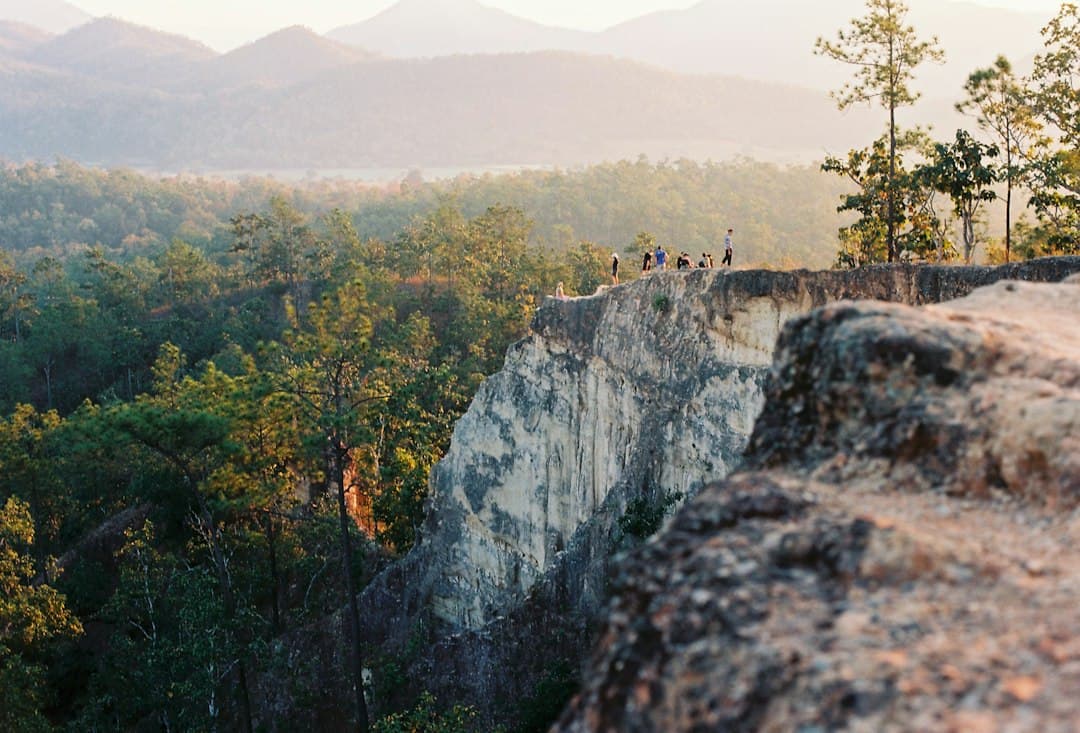
It's the most striking site in the area, with eroded red-rock ridges bordered by tall cliffs that drop into the forest, with no safety barriers[4]. The roughly one-hour walk offers a 360° view over the mountains and is best done in the morning or late afternoon[4]. Many come for the sunset[1]. Arrive about an hour early, wearing shoes with good grip: in places the ridges are only about a meter wide[5].
Yun Lai Viewpoint
About ten minutes by car, it overlooks a lush valley; the best time is sunrise or sunset[2]. In the morning, mist settles over the rice fields below and usually clears within an hour or two after sunrise: the effort of waking before dawn is mainly worth it if you enjoy photography[6].
Boon Ko Ku So Bamboo Bridge
It stretches 850 meters across the fields and lets you walk through the rice paddies rather than just look at them from afar[2]. The best period is the rainy season, from June to October, when the rice fields turn a vivid green[2].
Mor Paeng Waterfall
If you only see one of Pai's waterfalls, make it this one: it has three tiers and, during the rainy season (July to October), it turns into a natural water slide[2]. On weekends it is very popular with locals; come on a weekday for more peace and quiet[2].
Culture and temples: White Buddha, Wat Nam Hu, Burmese influences
Wat Phra That Mae Yen, on a hill east of town, is recognizable by its imposing white Buddha statue visible from the valley; the 353 steps to the top are rewarded with a panoramic view, especially at sunrise or sunset[1].
Several other temples help you understand the town's cultural heritage: Wat Klang in the town center, Wat Nam Hu and its Buddha said to have wept, and Wat Sri Don Shai, in the typical Lanna style[3].
If you continue on to Mae Hong Son, Route 1095 leads about 60 km to Tham Pla Park, and the Burmese-style temple Wat Mok Cham Pae is not far away, reached by a bamboo bridge over the rice fields[4]. Mae Hong Son itself has some lovely temples in Burmese style[4].
In the evening, shops, local restaurants, massage centers and the night market are concentrated on a few streets, easily explored on foot[3]. For food, the village of Santichon is known for its Yunnanese cuisine[1].
Hot springs, Lod Cave and nature around Pai
The Tha Pai hot springs are located in Huai Nam Dang National Park and are known for their mineral-rich waters; the water is channeled into pools where you can bathe[1]. Since they are inside the park, the park entrance fee applies[5]. Simpler still, Sai Ngam, thirty minutes north, is a single jungle pool at bath-like temperature, the one locals use[5].
Huai Nam Dang Park also offers viewpoints over seas of mist, waterfalls and hiking trails[1].
Lod Cave, about an hour's drive from Pai, holds rock formations, remnants of ancient coffins and wall paintings, and part of the visit is done on bamboo rafts[1]. The journey itself is an adventure[2].
When to Go: Seasons, Mist and Rice Fields
- November to February: the ideal period, cool and dry season[1]. From November to January, the valley is cool, dry and pure[5].
- June to October: rainy season, particularly lush landscapes and abundant waterfalls[1].
- February to April: the “burning season” caused by agricultural burning, with air quality that can become harmful[1]. In Pai, measured air quality is then worse than in Chiang Mai during the dry season[5].
- March to May: the hottest months, with April being especially hot[2].
Since Pai is in the mountains, it is often cooler than on the coast[2]. Book ahead for December and January and for Thai public holiday weekends, when prices double or triple around New Year[5].
Getting There and How Much Time to Plan
Pai is about 135 km from Chiang Mai via Route 1095, which has 762 curves; allow 3 to 4 hours of travel[5]. The town is mainly accessible by road: its small airport very rarely hosts regular commercial flights[1].
Minibuses depart from the Arcade bus station in Chiang Mai and cost about 150 to 200 baht per person according to sources (up to 250 baht elsewhere); buses have few seats, so it is advisable to book ahead[2]. The road is winding enough that motion sickness is the typical complaint: sit near the front and take something for motion sickness before leaving[5].
As for duration, two or three days are enough to see the sights[5]. A day trip from Chiang Mai means 6 to 7 hours of driving for a few hours on site: one night there gives a much better experience for the time invested[6]. Allow 5 to 7 days if you want to add a trek through the surrounding villages or a yoga retreat[3].
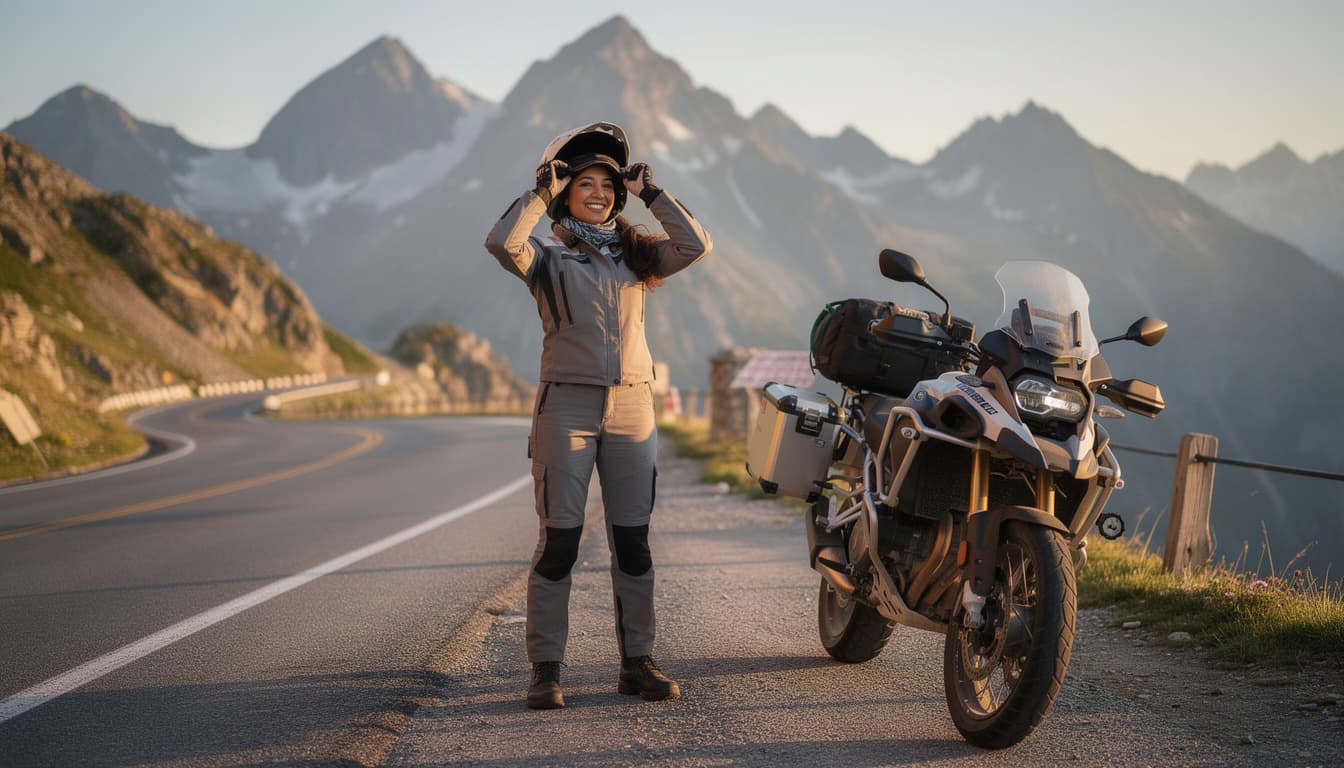
On site, the center is walkable; to explore the surroundings, renting a scooter is a common option[1]. There is no public transport in Pai, and no Grab[5].
A Typical 2 to 3-Day Itinerary
- Day 1: arrive early afternoon, settle in, then the Walking Street market in the evening[6].
- Day 2: the bamboo bridge and hot springs earlier in the day, Pai Canyon at sunset[6].
- Day 3: sunrise at the Yun Lai viewpoint before heading out[6], or a full-day excursion to Tham Lod, toward Mae Hong Son[5].
To extend your trip, Route 1095 continues to Mae Hong Son: it takes 2 hours 15 minutes of nonstop driving from Pai[4]. This pace avoids the common mistake of cramming everything into one frantic day: the relaxed mountain tempo is the point of the trip[6].
Things to Watch Out For
- Scooters: riding in the region is dangerous because of the winding mountain roads, and this option is reserved exclusively for very experienced two-wheeler riders[1]. Only ride if you already know how, since the climbs out of the valley are steeper than the map suggests[5].
- License: only ride with a license that includes authorization to operate a motorcycle[5]. Carry an International Driving Permit, which is checked at checkpoints, and check the vehicle's condition at pickup[3].
- Gear: ride carefully, wear a helmet and take out travel insurance that covers two-wheelers[3].
- Air: from February to April, air quality can become harmful because of agricultural burning[1]; avoid this period if you are sensitive[5].
- Canyon: the ridges are narrow and unprotected[4]; wear shoes with good grip, and no flip-flops[2]. After sunset, a headlamp is useful for the return[3].
Checklist Before You Go
- Choose your period: November to January for a clear valley, June to October for green rice fields and waterfalls.
- Book your minibus in advance and plan for 3 to 4 hours of driving.
- Plan for two to three nights, longer for a trek or a yoga retreat.
- Pack shoes with good grip, a headlamp, and a swimsuit.
- If you rent a scooter: a valid license for the bike, a helmet, two-wheeler insurance, and a vehicle check.
This article covers the essentials for a stop in Pai. To truly settle in or tackle the Mae Hong Son loop, you'll need to go further: choosing your accommodation, a detailed itinerary, and a line-by-line budget.
Keep exploring
- Thailand: the must-sees, region by region
- Kanchanaburi and the River Kwai: History, Waterfalls and a Day Trip from Bangkok
- Khao Sok National Park: Ancient Jungle, Cheow Lan Lake and a Night on the Water
- Sukhothai: What to See and Do in Siam's First Capital
Sources
- 1.^ abcdefghijklmnoroutard.com — Visiting Pai: Plan Your Stay and Trip to Pai | Routard.com: “Nestled in the green mountains of northern Thailand, in Mae Hong Son province, Pai is a small town that charms with its laid-back atmosphere and natural landscapes.” ; “The town itself, with its main street lively in the evenings with a night market, offers a blend of Thai and Burmese cultural influences, visible in its architecture and cuisine.” ; “It's an ideal spot for hiking and watching the sunset over the mountains.” https://www.routard.com/fr/guide/asie/thailande/nord-montagneux/pai (accessed November 9, 2026)
- 2.^ abcdefghijktourismethai.fr — Reisgids Pai Thailand - Amazing Thailand Netherlands: “Pai is a fantastic place in northwestern Thailand, known to many as the hippie village.” ; “You can enjoy a pleasant stroll along Walking Street or listen to live music in one of the many bars.” ; “This enchanting place is only ten minutes away by car and offers a view over a lush valley.” https://tourismethai.fr/locatie/pai/ (accessed November 9, 2026)
- 3.^ abcdefghvoyagethailande.fr — Pai, Thailand: What to Do in the Bohemian Pearl of the North: “Pai cultivates a slow way of life that contrasts with the bustle of Chiang Mai.” ; “It's also the ideal starting point for the Mae Hong Son loop, the legendary 600 km route winding through the northern mountains.” ; “Several temples are worth a visit to appreciate the town's cultural heritage: Wat Klang in the town center, Wat Nam Hu and its Buddha said to have wept, Chedi Phra That Mae Yen perched on a hill (353 steps, panoramic valley views), and Wat Sri Don Shai in the typically Lanna style.” https://www.voyagethailande.fr/reisefuehrer/ziel/pai (accessed November 9, 2026)
Show 3 more sourcesShow less
- 4.^ abcdefroutard.com — Thailand's Mountain Side, from Pai to Mae Hong Son: “Kong Laen, or the Pai Canyon (7.5 km south), is undoubtedly the most striking site with its eroded red rock ridges bordered by tall cliffs plunging into the forest (with no railings!).” ; “The walk (1 hour) through this site, with its Siamese Colorado vibe, unfolds a breathtaking 360° view of the mountains. Best done in the morning or late afternoon.” ; “About 60 km further, Route 1095 leads to the bucolic Tham Pla park (the fish cave). Nearby, the Burmese-style temple Wat Mok Cham Pae can be reached via a bamboo bridge spanning the rice fields.” https://www.routard.com/fr/mag/reportage/a/la-thailande-des-montagnes-pai-et-mae-hong-son (accessed November 9, 2026)
- 5.^ abcdefghijklmnstippl.io — What to Do in Pai? The Essentials | Stippl: “Go an hour before sunset and wear shoes with good grip; the ridges are one meter wide in places.” ; “Tha Pai has developed pools inside Huai Nam Dang National Park, so the park entrance fee applies.” ; “Sai Ngam, thirty minutes north, is a single jungle pool at bath-water temperature and the one locals use.” https://www.stippl.io/fr/discover/thailand/pai (accessed November 9, 2026)
- 6.^ abcdefchiangmai-trip.com — Pai 2026: The Road of 762 Curves: “The Yun Lai viewpoint offers a morning view of the mist settling over the Pai valley into the rice fields below — it's worth waking before dawn if you enjoy photography, as the mist typically clears within one to two hours after sunrise.” ; “One to three nights minimum; a rushed round trip in a single day means 6 to 7 hours of driving for a few hours on site.” ; “If a night on site is possible, even just one, it consistently delivers a better experience per hour invested than the one-day excursion version.” https://www.chiangmai-trip.com/fr/destinations/pai/ (accessed November 9, 2026)