Phuket is about more than its busiest beaches. This article helps you plan days across the old town, temples, beaches and viewpoints, choose the beach that suits you, and know when to go and how to get around. You'll leave with route ideas by area and a few habits to avoid unpleasant surprises.
Phuket, an island of many influences
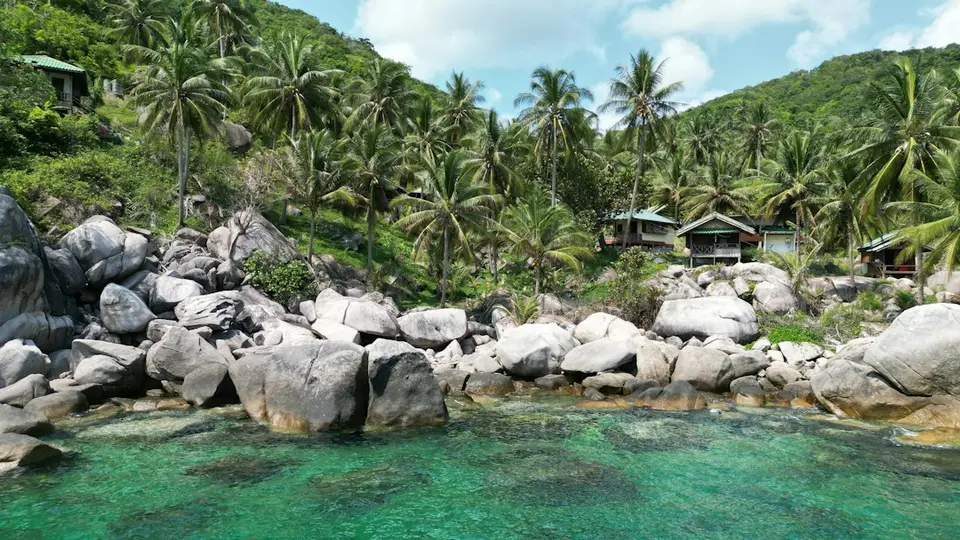
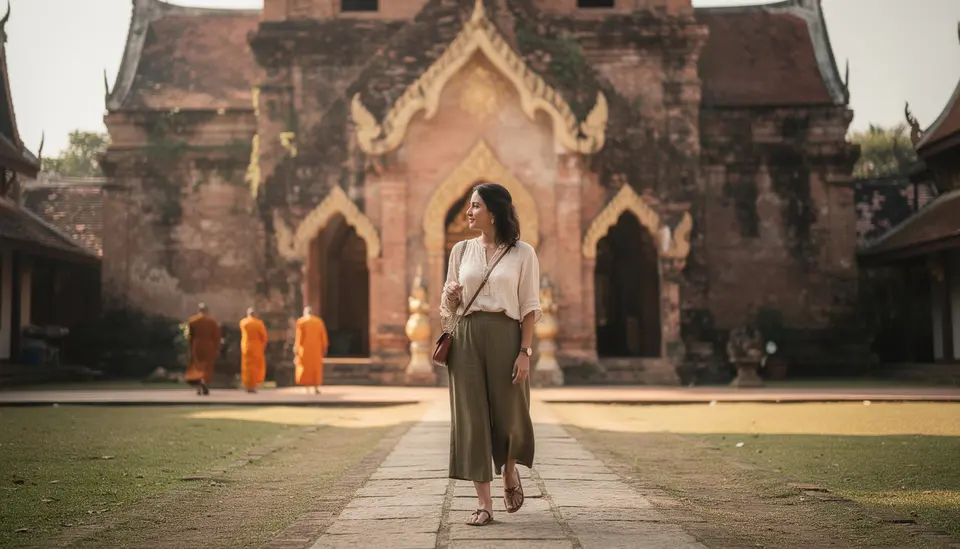
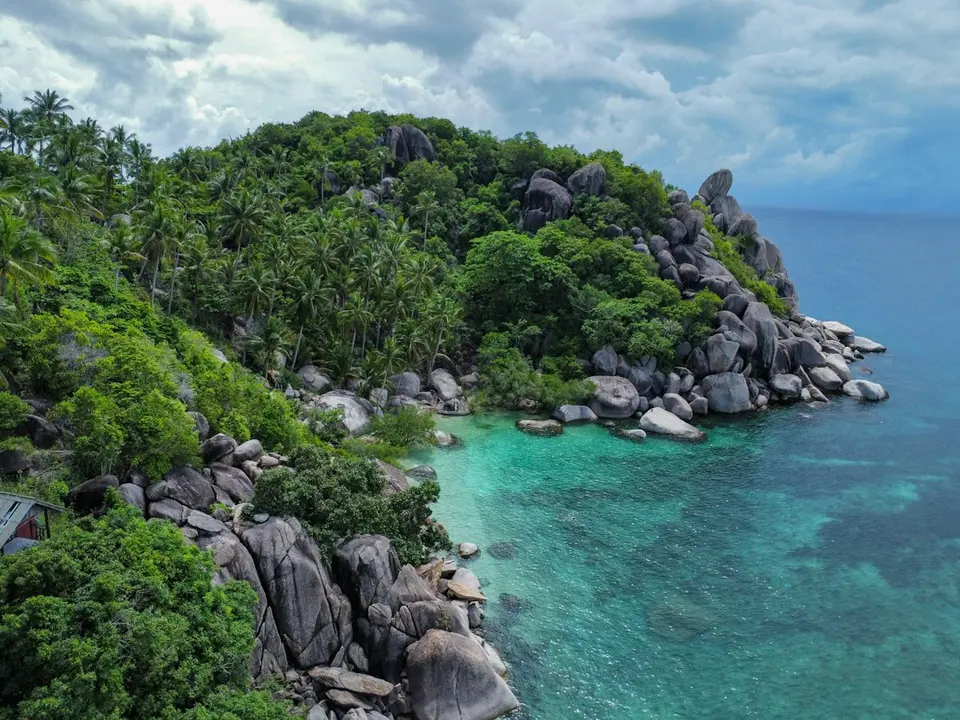
Phuket is an island of green hills where rubber and coconut plantations sit alongside rainforest, and where more than 30 beaches offer fine sand[1]. People come for the Andaman Sea, but the island has another face: its multicultural history shows in Buddhist temples, Chinese shrines, mosques and vibrant festivals[1].
This mix shows up at the table too: the island's cooking blends Thai, Chinese and Malaysian influences[2]. The mood changes a lot from one area to the next. Part of the island lives to the rhythm of mass tourism, while a quieter side reveals itself as soon as you move away from the busiest zones[2].
Phuket Old Town: shophouses and the memory of tin
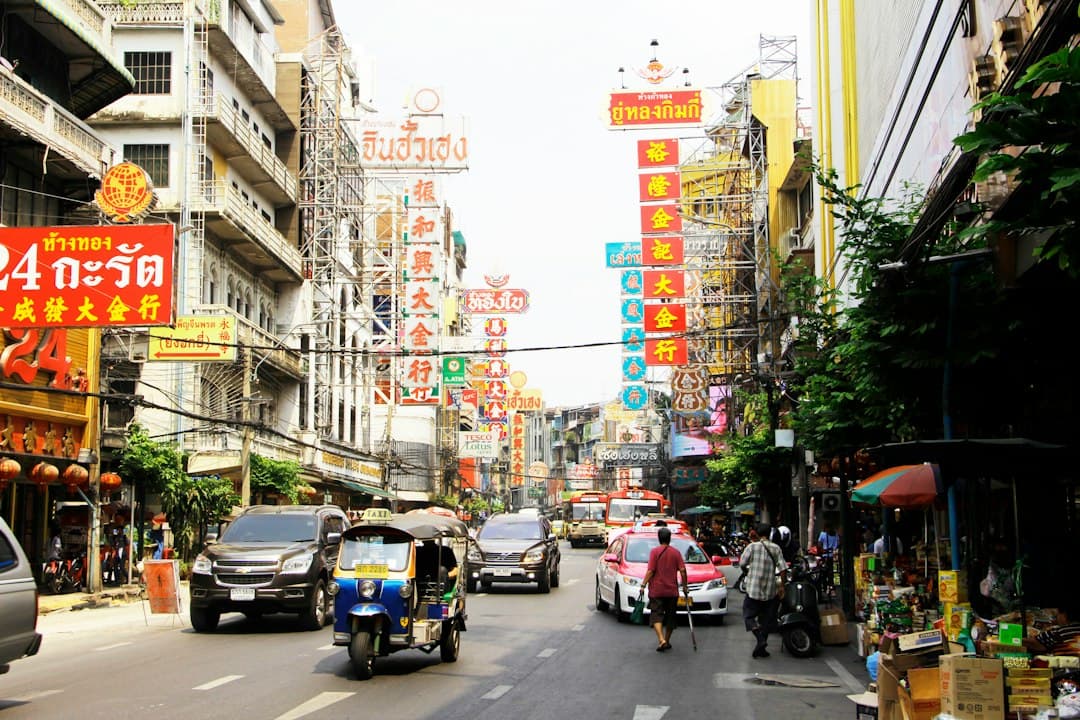
This is the ideal starting point for understanding the island. The streets around Dibuk, Thalang, Krabi, Phang Nga and Yaowarat are lined with shophouses in faded pastel shades, built when tin money flowed through Phuket and Chinese and European styles blended into distinctive facades[3]. These houses recall the fortunes made in the 19th century from tin mining, as well as Peranakan culture, born from the union of Chinese, Malay and Thai communities[1].
Thalang Road and Soi Romanee are now home to galleries, cafés and fine examples of street art; the tin heritage is best discovered on foot, wandering with your head up[2]. Morning, before the heat, is the right time for a slow walk, with a stop at a café[3].
For more depth, the Phuket Thaihua Museum occupies a handsome Sino-Portuguese building on Krabi Road. Built in 1934 as the province's first Chinese school, it was founded by Hokkien immigrants, the first major Chinese group to settle in Phuket[4]. With its air-conditioned rooms, it's also a good idea for a rainy afternoon[3].
Another possible visit is Chinpracha House, a Sino-Portuguese home turned museum: Greco-Roman columns, Victorian furniture, Italian tiles and Chinese decor blend together there[5]. As for food, the old town is where you eat best on the island, for a fraction of what the beach resort hotels charge[3].
Temples and cultural landmarks: Wat Chalong, Big Buddha
Wat Chalong (Wat Chaiyathararam) is the largest and most revered Buddhist temple in Phuket[2]. It is also a place of history: in 1876, a monk named Luang Por Cham is said to have created a magic turban that saved Phuket from Chinese tin miners who had threatened to set the town on fire and loot it during a dispute over their working conditions[5].
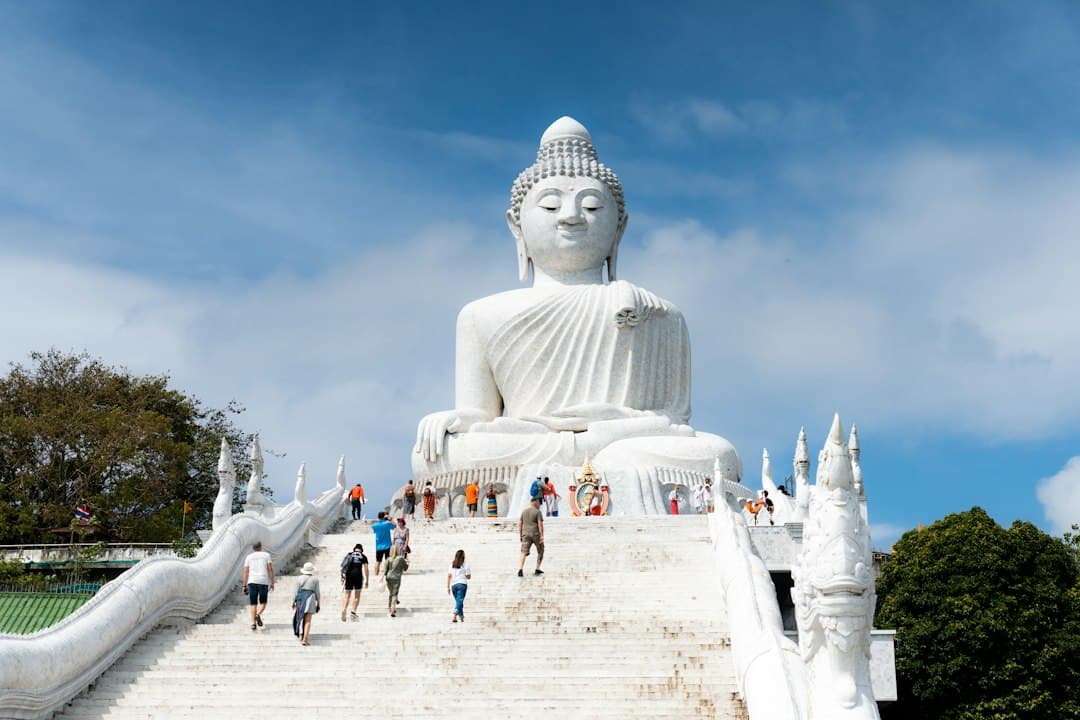
The Big Buddha, 45 m of white marble atop Nakkerd Hill, can be seen from half the island[3]. People come for the view, which takes in Chalong, Kata and Karon bays at a glance, and stay for the calm[3]. A simple rule for your outfit: cover shoulders and knees, with sarongs available at the entrance[3].
In Rawai, the Urak Lawoi, a community tied to the sea, live a settled life on a small stretch of beach where roosters roam freely[5]. A fishing trip with a chow lair guide born in Phuket is a way to meet this community[5].
Beaches: choosing your vibe
- Patong, the liveliest: more than 3 km of beach lined with hotels and every water sport[1].
- Karon, Kata and Kata Noi, more peaceful: swimming, snorkeling, windsurfing and sunbathing[1].
- Kamala, more than 2 km of sand, with a fishing village[1].
- Mai Khao, a protected beach where leatherback turtles lay their eggs[1].
- Sirinat, within the national park of the same name, a protected coast shaded by casuarina trees, with corals offshore: the beach for those who come for nature rather than nightlife[3].
Rawai plays a different tune: it is not a swimming beach, and that is precisely what makes it interesting[3].
Viewpoints and Sunsets
- Promthep Cape, perfect for watching the sunset[1].
- Kata-Karon Viewpoint, overlooking the beaches of Karon, Kata and Kata Noi[5].
- Black Rock, less well known, overlooking the islets off southern Phuket, including Koh Man[5].
- Khao Rang, the hill next to the Old Town: that's where the view over Phuket Town is at its finest[4].
Nature, Sea and Food
On land, Khao Phra Thaeo National Park, in the north of the island, is home to wild animals and birds[1]. Several forest trails attract hikers, and a 4-hour guided walk leads to Bang Pae Waterfall[1]. To the northwest, Sirinat National Park protects pristine beaches such as Nai Yang[2].
At sea, stand-up paddleboarding, snorkeling and scuba diving are all possible, with many clubs offering guided trips[1]. On the west coast, a surfing community gathers from late April to October around Kata, Karon and Kamala[1].
For dining, night markets are the best way to taste local cuisine, for example at Phuket Weekend Market or Malin Plaza in Patong[6]. For a calmer break, Koh Yao Noi and Koh Yao Yai, between Phuket and Krabi, offer a more local way of life, with rice paddies, rubber plantations and small fishing villages[2].
When to Go, How to Get Around, How Long to Plan For
The dry season, from November to April, is the most pleasant[2]. The monsoon season, from May to October, brings heavy but often short showers, and far fewer crowds[2].
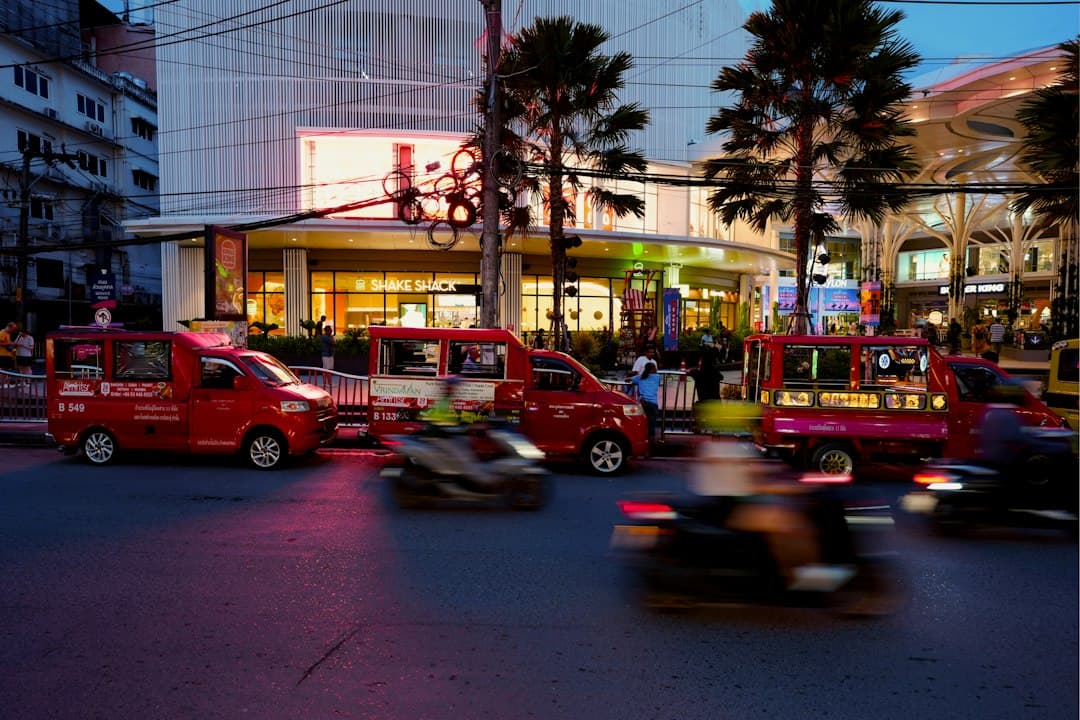
To get around, you have several options: taxis and tuk-tuks (agree on the price before the trip), songthaews, a scooter, or a rental car for more independence[2]. Bolt is the most affordable app for crossing the island, cheaper than Grab[5]. Grab usually shows a fixed price before you confirm and works well in Patong, Kata, Karon, Rawai, Chalong and the Old Town, less so in quieter areas; install the app and save your payment method before you land[7].
Phuket may look small on the map, but in high season traffic changes everything: the Patong–Rawai drive can take 45 minutes in the middle of the day[7]. Add at least 20 minutes to Google Maps' estimate between 11 am and 2 pm, and again between 5 pm and 7 pm[7]. For the Old Town, arrive by Grab or taxi, or park near Yaowarat Road and finish on foot[7].
A typical day needs only a few things: a beach at Kata or Karon, sunset at Promthep Cape, a morning in the Old Town, and the Big Buddha for an overview of the island[3]. A weekend is enough for two beaches, a massage and grilled skewers; two more days let you wander from café to café, and a week gives you time to understand the island's heritage[5]. Beyond that, you can add islands, national parks or community-based tourism[5].
Pitfalls, Scams and Things to Watch Out For
- Jewelry: some French-speaking guides offer "great deals." The jewelry is genuine but sold at two to three times the market price, and the scam doesn't lead to legal action, since Thai law considers the price freely accepted by the buyer[8].
- Bank cards: scams are reported mainly in Pattaya and Phuket; be careful at ATMs and when paying in shops[8].
- Scooters: you need a valid motorcycle license (an international permit without the correct category is not enough), and most travel insurance policies exclude scooter accidents without the right license[7]. For a foreign resident, insurance will refuse to cover accident costs if they don't have a Thai license[8].
- Taxis: some drivers don't like to switch on the meter and bargain relentlessly[5]; tuk-tuks have no meter, so fix the price before setting off[7].
- Beaches: don't leave your belongings unattended[8] and don't swim under a red flag[5].
Pre-Departure Checklist
- Choose your area: Old Town and Khao Rang, south (Chalong, Kata, Karon, Promthep) or north (Sirinat, Mai Khao, Khao Phra Thaeo).
- Pack clothing that covers shoulders and knees for temples and the Big Buddha.
- Install Grab or Bolt and set up payment before landing.
- Allow extra time for trips in high season, especially during rush hour.
- If you rent a scooter, first check that your license and insurance cover this use.
This article gives you the essentials for choosing what to see. To go further, you will need to plan separately for sea excursions, opening hours and entrance fees for sites, and choosing the neighborhood where you will stay.
Keep exploring
- Thailand: the must-sees, region by region
- Hua Hin: What to See and Do in Thailand's Royal Gulf Resort Town
- Krabi, Railay and Ao Nang: What to See and Do on the Andaman Coast
- Khao Sok National Park: Ancient Jungle, Cheow Lan Lake and a Night on the Water
Sources
- 1.^ abcdefghijkltourismethai.fr — Phuket the Marvelous - Tourism Authority of Thailand: “Everywhere, rubber and coconut plantations sit alongside primeval forest, and more than 30 beaches offer their fine sand.” ; “Phuket’s multicultural history also reveals itself in Buddhist temples, Chinese shrines, mosques and colorful festivals.” ; “In old Phuket Town, shophouses and graceful mansions recall the fortunes built on tin mining in the 19th century and the influence of Peranakan culture, born from the blending of Chinese, Malay and Thai communities.” https://tourismethai.fr/actualites/phuket-la-merveilleuse/ (accessed November 9, 2026)
- 2.^ abcdefghiroutard.com — Visiting Phuket: plan your stay and trip to Phuket | Routard.com: “A vibrant cultural heart, lush jungle and flavorful cuisine, the fruit of a blend of Chinese, Malay and European influences. Just step away from the most crowded areas to discover its true soul.” ; “Its streets, such as Thalang Road and Soi Romanee, are lined with Sino-Portuguese style houses with colorful facades, which now house galleries, cafés and lovely examples of street art. This legacy of the prosperous tin industry era is best discovered on foot, wandering with your head in the air.” ; “Wat Chalong (Wat Chaiyatharam) is the largest and most revered Buddhist temple on Phuket.” https://www.routard.com/fr/guide/asie/thailande/sud-et-iles-de-la-mer-d-andaman/phuket (accessed November 9, 2026)
- 3.^ abcdefghijgrab.com — 25 Best Things To Do In Phuket, Thailand | Grab TH: “The streets around Dibuk, Thalang, Krabi, Phang Nga and Yaowarat are lined with shophouses in faded pastel colors, built when tin money flowed through Phuket and Chinese and European styles blended into distinctive facades.” ; “Walk them slowly in the morning before the heat, duck into cafés and eat well.” ; “Fourteen air-conditioned, well-presented exhibition halls make this the obvious choice on an afternoon when the rain won't stop.” https://www.grab.com/th/blog/things-to-do-in-phuket/ (accessed November 9, 2026)
Show 5 more sourcesShow less
- 4.^ abviajeskris.com — What to See in Phuket: The 18 Best Things to Do: “The Phuket Thaihua Museum occupies a handsome Sino-Portuguese building on Krabi Road. The building was constructed in 1934 as the province's first Chinese school and was founded by Hokkien immigrants, the first major Chinese group to settle in Phuket.” ; “Khao Rang is the hill right next to the old town in Phuket Town, and from the top you get the best view of the island's main city.” https://viajeskris.com/que-ver-phuket/ (accessed November 9, 2026)
- 5.^ abcdefghijklonelyplanet.com — A Guide to Phuket - Lonely Planet: “Visitors to Chinpracha House, in the old town, a Sino-Portuguese house turned museum and Phuket's first house of redheads, can admire a mix of architectural styles: Greco-Roman columns, Victorian furniture, Italian tiles and elaborate Chinese decorations.” ; “The Buddhist temple is the one where a monk named Luang Por Cham created a magic turban in 1876 that is said to have saved Phuket from Chinese tin miners who tried to set fire to and loot the town during a dispute over better working conditions.” ; “Unlike other sea-faring communities in Thailand, Phuket's Urak Lawoi lead a settled life on a small stretch of Rawai Beach, where roosters roam.” https://www.lonelyplanet.com/articles/guide-to-phuket (accessed November 9, 2026)
- 6.^wtp.travel — Phuket Travel Guide - Thailand | World Travel Package: “Phuket street food: taste local dishes at night markets such as the Phuket Weekend Market or Malin Plaza Patong.” https://wtp.travel/fr/guides-voyage/thailande/phuket/ (accessed November 9, 2026)
- 7.^ abcdefsiamtourandrealty.com — Getting Around Phuket in High Season 2026 - Siam Tour and Realty: “Grab is the most reliable app-based option in Phuket and usually gives a fixed price before you confirm. It works well in Patong, Kata, Karon, Rawai, Chalong and Phuket Town. It is less reliable in quieter areas.” ; “Download the app and set up payment before you land.” ; “Phuket looks small on the map. With high-season traffic, it isn't. From Patong to Rawai, allow sometimes 45 minutes at midday.” https://www.siamtourandrealty.com/fr/how-to-get-around-phuket-high-season/ (accessed November 9, 2026)
- 8.^ abcddiplomatie.gouv.fr — Thailand - Safety | France Diplomatie: “Some guides, French-speaking people, and even French nationals, offer to help you make a good deal by buying jewelry. The pieces are authentic but sold at two to three times their market value. This kind of scam cannot lead to legal action, because Thai law considers the sale price to have been freely accepted by the buyer.” ; “These scams are reported mainly in Pattaya and Phuket. As in France, you should exercise the usual caution when withdrawing cash from an ATM. It is also recommended to stay alert when paying at shops.” ; “Foreign residents must hold a Thai driver’s license; otherwise, the insurance company will refuse to cover the costs associated with an accident.” https://www.diplomatie.gouv.fr/fr/information-par-pays/thailande/conseils-aux-voyageurs-securite (accessed November 9, 2026)