Mexico is a continent-sized country: you can't cover it in a single trip. This article breaks it down by region (central Mexico, the Bajío, Oaxaca and Chiapas, the Yucatán, the Caribbean) to help you choose where to settle or plan your route. For each area, you'll learn what makes it unique, then what to know about the season and the points to watch before you leave.
Mexico at a Glance: A Continent-Sized Country to Explore Region by Region
UNESCO World Heritage Sites are spread across the entire territory: Teotihuacán in central Mexico, Monte Albán in Oaxaca, Palenque in Chiapas, Uxmal and Chichén Itzá on the Yucatán Peninsula, Calakmul in the state of Campeche[1]. In other words, no single region sums up the country, and it's better to choose two or three than to try to cover everything in one trip.
Reference guides divide the country in much the same way: Mexico City and its surroundings, the Pacific beaches, the Bajío, Veracruz, the north, the northwest and the Copper Canyon, Baja California, Oaxaca, Chiapas and Tabasco, then the Yucatán[2]. This article follows a simplified version of that division, moving from the center toward the Caribbean.
Mexico City and the Center: Capital, Pyramids and Mountain Towns
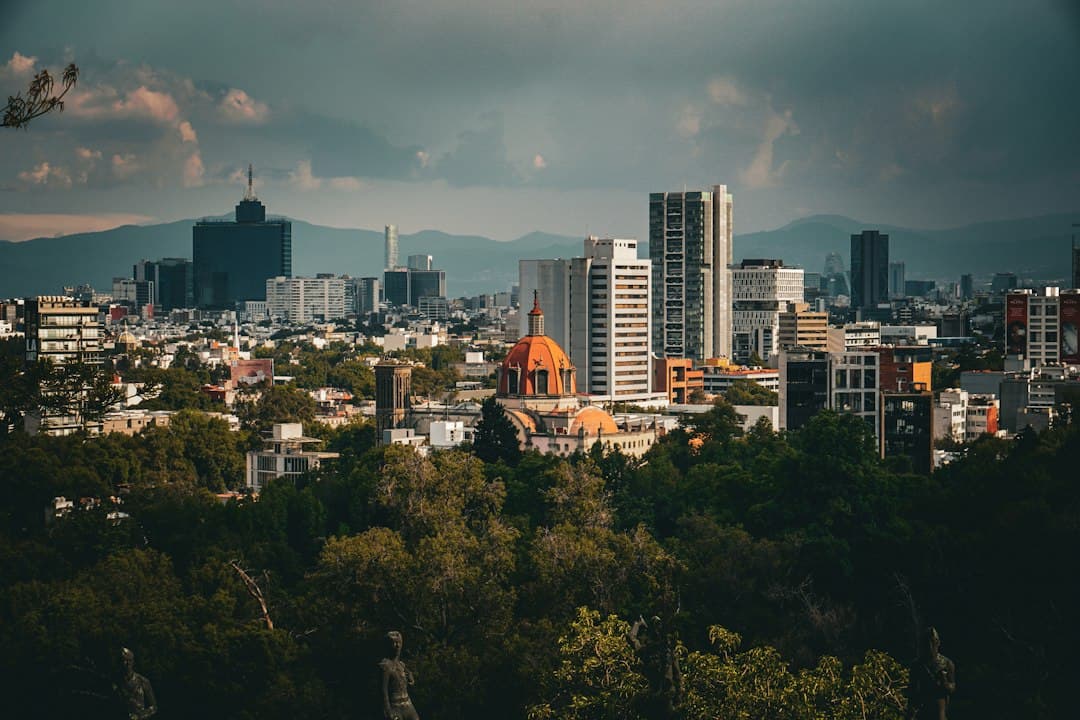
The Mexican capital is described by the city itself as one of the most fascinating and dynamic metropolises in the world, where pre-Hispanic heritage and colonial architecture blend with contemporary innovation[3].
The historic center, a UNESCO site, is the natural starting point. The Templo Mayor was the spiritual and political heart of the ancient Mexico-Tenochtitlan, founded in 1325[4]. The Palacio de Bellas Artes combines an Art Nouveau façade with an Art Deco interior[4], and the Palacio Nacional houses murals by Diego Rivera that tell the epic story of the Mexican people[4].
To the south, the city changes character: Coyoacán and Xochimilco invite you into the world of Frida Kahlo and to glide along the ancient chinampa canals, while San Ángel offers its cobbled streets and artists' squares[3]. The modern neighborhoods of Roma, Condesa and Polanco show the city's most cosmopolitan side, with design, Art Deco architecture and street-level urban life[3].
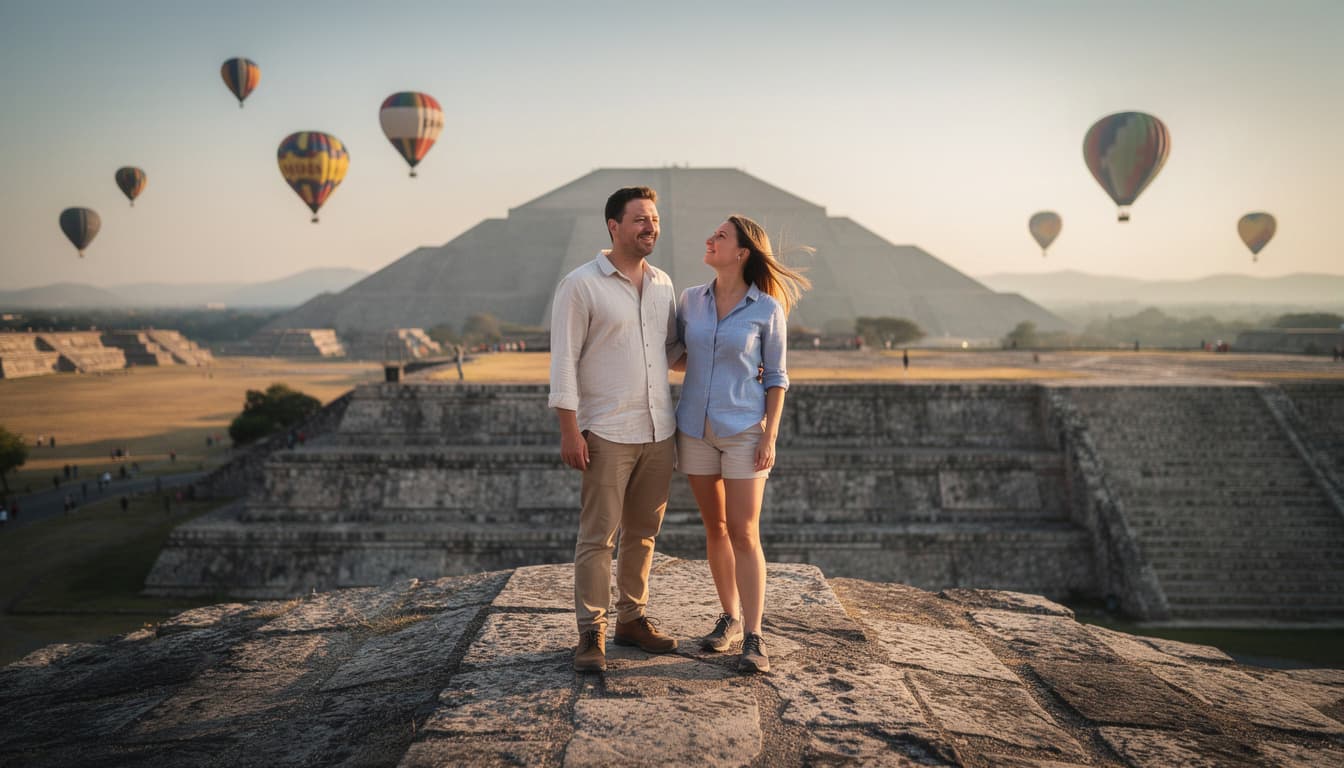
Around the capital, Teotihuacán is about an hour's drive away. There you can discover the Pyramids of the Sun and the Moon, the Avenue of the Dead and the Temple of Quetzalcoatl[5]. Teotihuacán was a cosmopolitan metropolis that flourished between the 1st and 7th centuries CE[1]. A day trip also takes you to Puebla, a colonial city, then to the great pyramid of Cholula[5]. Taxco, the silver town, is among the must-sees listed in reference guides[2].
To go further, check out our detailed guide to Mexico City.
The Bajío and the West: Guanajuato, San Miguel de Allende, Guadalajara
The Bajío is the land of silver towns. Guanajuato and Zacatecas rank among the most important mining towns of New Spain[6]. Zacatecas, whose historic center is protected, is built on the steep slopes of a narrow valley and contains many historic buildings, both religious and civic[6]. Guanajuato and Real de Catorce, like Taxco, are cited as must-sees by reference guides[2].
Check out our detailed guides to Guanajuato, San Miguel de Allende and Guadalajara to prepare for these stops.
Oaxaca and the Pacific Coast: Culture, Crafts and Beaches
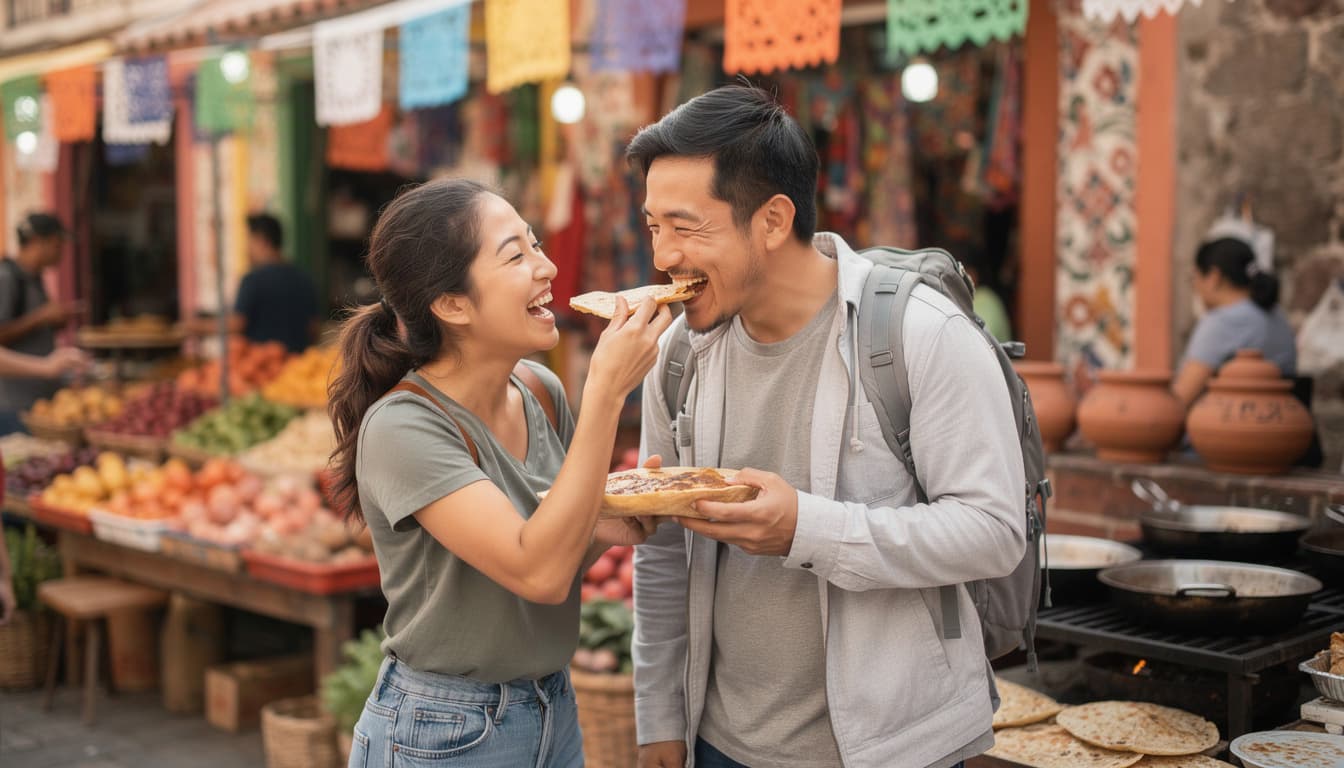
Oaxaca is a UNESCO World Heritage Site and charms visitors with its indigenous markets, festivals and traditional Zapotec and Mixtec crafts[5]. Nearby, Monte Albán is considered the most important archaeological site in the Oaxaca Valley: over a period of 1,500 years, it was home to successive civilizations, including the Olmecs, Zapotecs and Mixtecs[1].
For the Pacific coast, see our detailed guide to Puerto Escondido; the Oaxaca guide covers the city and its surroundings.
Chiapas and Palenque: jungle, Maya city, and highland towns
Palenque, in the state of Chiapas, is known for its remarkable and well-preserved architectural and sculptural remains from the Classic period of the Maya region[1]. Chiapas requires some special preparation: road conditions to Palenque are detailed in the safety section further down.
Our detailed guides to San Cristóbal de las Casas and Palenque walk you through the practical steps.
Yucatán: Mérida, Maya cities, and the Calakmul forests
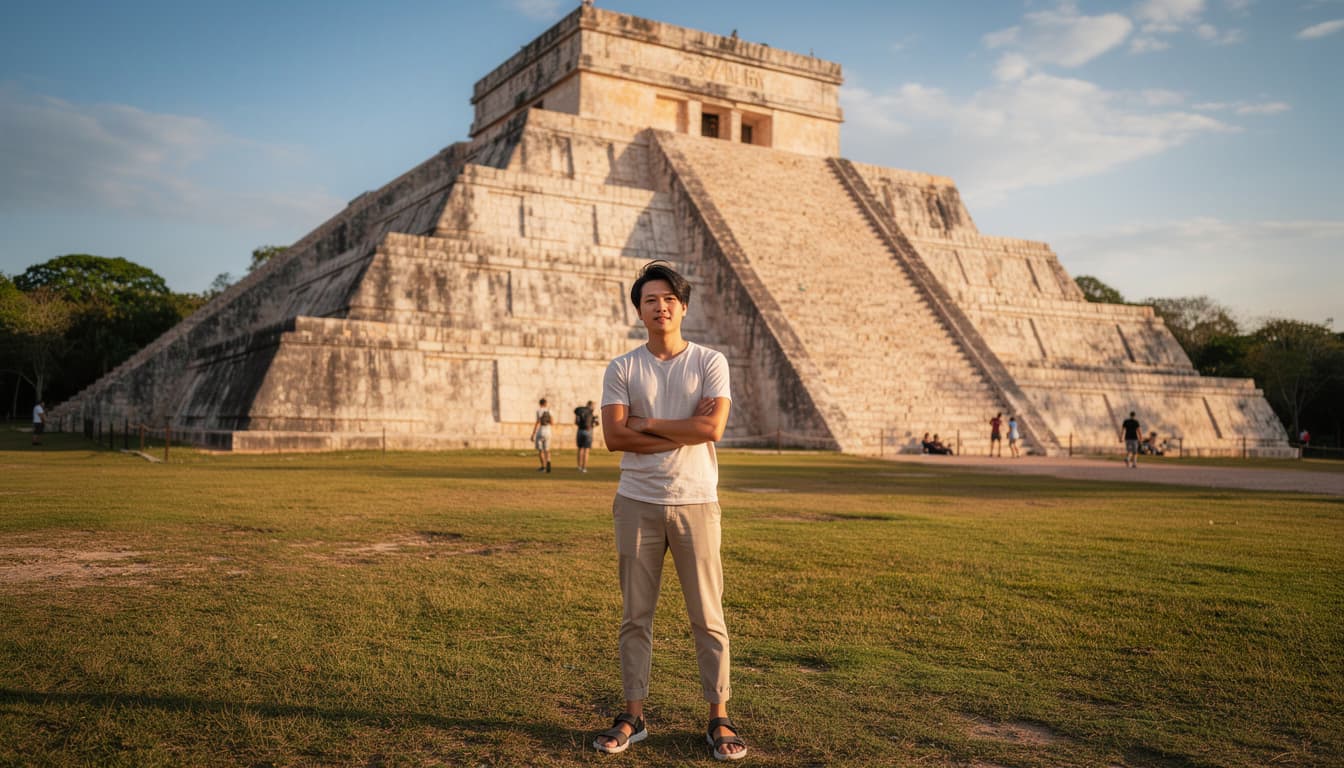
Chichén Itzá is a leading Maya center on the Yucatán Peninsula. Its monuments reflect a striking fusion of Maya architectural techniques and elements from central Mexico[1]. During the spring and autumn equinoxes, the feathered serpent appears to descend the steps of the Temple of Kukulkan[7].
Uxmal, on the peninsula, reached its peak between the 7th and 10th centuries CE[1]. Calakmul, in the south-central part of the Yucatán Peninsula, is an ancient Maya city surrounded by protected tropical forest in the state of Campeche. The listed site covers 331,397 hectares and is surrounded by a 391,788-hectare buffer zone; together, they make up the entire Calakmul biosphere reserve[8].
In terms of towns, the Yucatán offers the colonial charm of Valladolid and Mérida[9], and UNESCO recognizes Campeche as a "Historic Walled City"[9].
Check out our guides to Mérida and the Yucatán, and to Chichén Itzá.
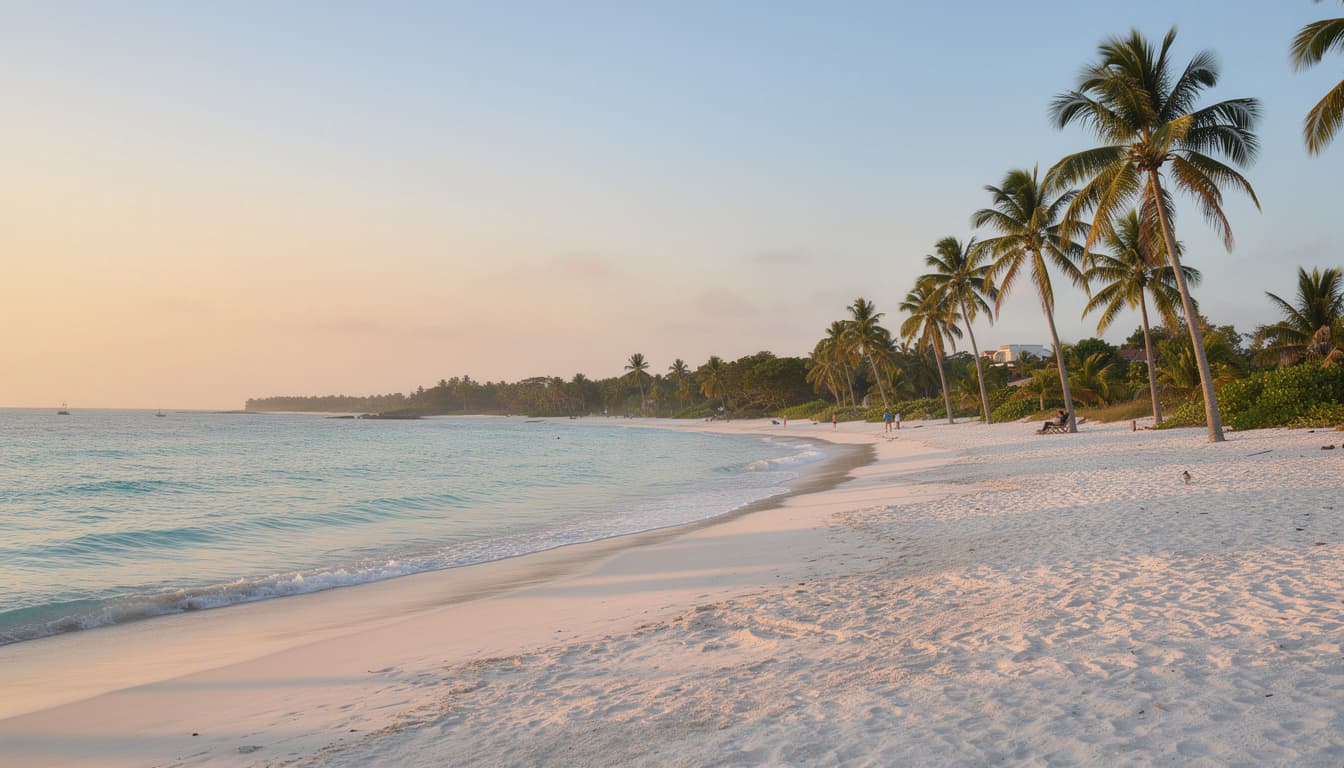
Mexican Caribbean: Tulum, Bacalar, Holbox, Playa del Carmen
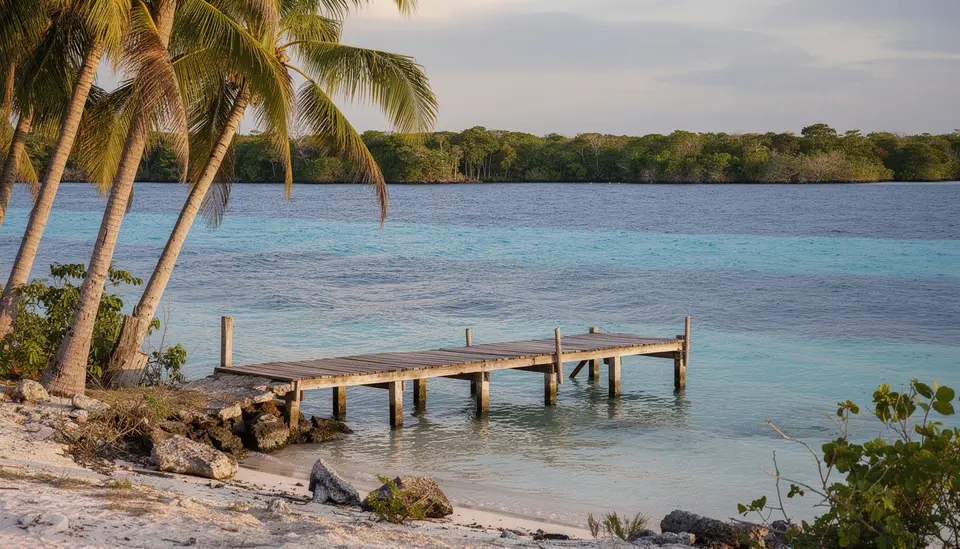
Tulum was a fortified Maya city that thrived toward the end of the Classic period[9]; its ruins overlook the Caribbean Sea[7]. Farther south, the Bacalar lagoon is often described as one of the most beautiful, if not the most beautiful, lagoons in all of Mexico[9].
The island of Holbox is reached by ferry from Chiquilá, on the mainland[7]; the crossing takes about 20 to 30 minutes[7]. Playa del Carmen, a lively coastal town, offers a mix of beautiful beaches, cultural heritage, and a vibrant atmosphere[7].
Our guides to Tulum, Bacalar, Holbox, and Playa del Carmen cover every step.
Cultures and food across the regions
Mexico City is also a capital of food: its route through markets and gastronomy celebrates cultural fusion, from the Central de Abasto to century-old pulquerías and Plaza Garibaldi[3]. In Oaxaca, indigenous markets, festivals, and traditional crafts make the trip[5].
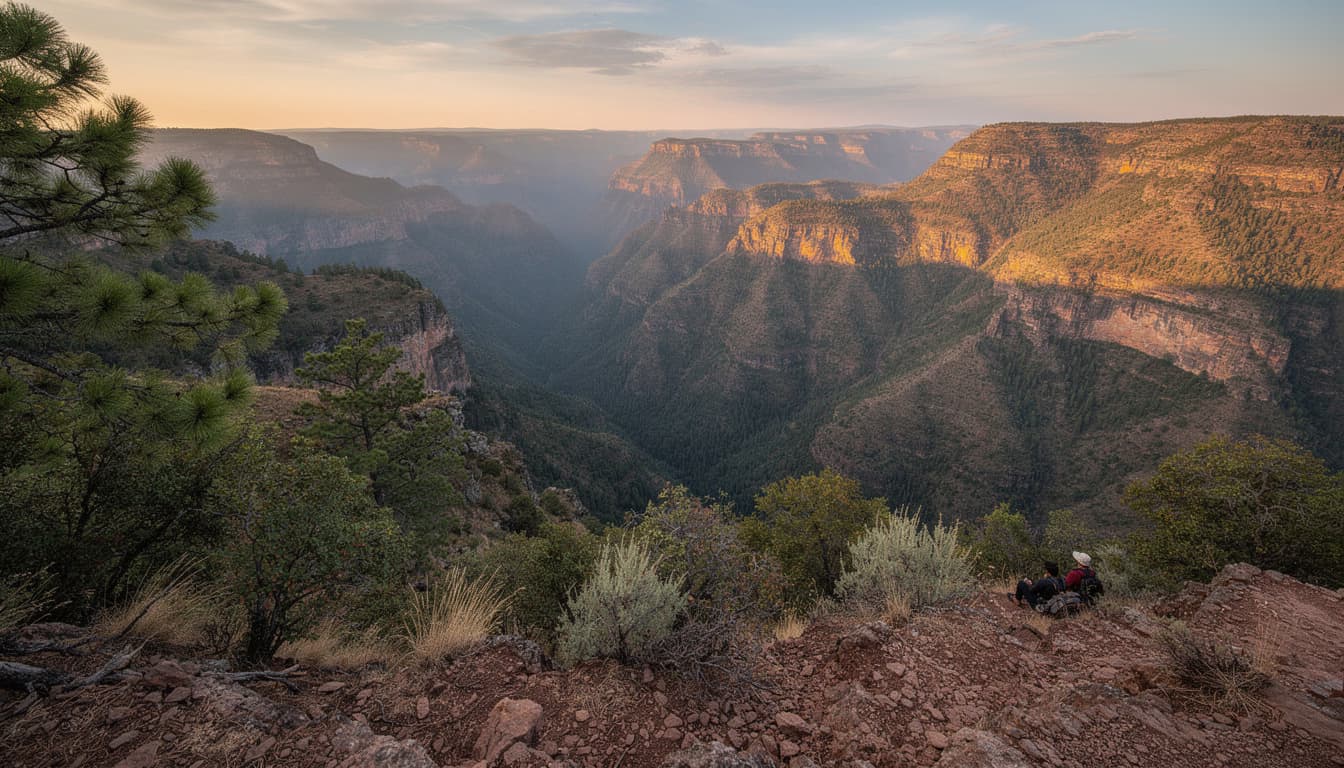
In Veracruz, guides recommend catching the danza de los voladores at the entrance to the El Tajín site[2]. In the northwest, the Barrancas del Cobre can be explored in particular aboard the passenger train that runs from the state of Chihuahua to the Pacific[10].
Practical essentials: season, access, duration
The best time to visit Mexico is the dry season, which generally runs from late November to April[5]. Popular destinations can be crowded during peak season[5].
A few key facts for the capital:
- Teotihuacán: entry costs 210 pesos for foreign visitors; free Sunday admission applies only to Mexican citizens and residents[11].
- Arrive at opening, before the tour buses, with a hat, sunscreen, and water: the site sits at roughly 2,300 meters above sea level, and the Avenue of the Dead is exposed to the sun[11].
- Frida Kahlo's Casa Azul: tickets can be bought at boletos.museofridakahlo.org.mx or at a kiosk in the museum shop, at 234 London; the museum is closed on Mondays[11].
For getting around, the tourist rail network is limited, apart from the Chihuahua-Pacific passenger train and the Maya Train on the Yucatán Peninsula[10]. The country has more than 50 airports[10].
Pitfalls, scams, and safety tips
Mexico is very manageable to travel, as long as you know a few sensitive points. The recommendations below come from the travel advice of the French Ministry of Foreign Affairs; check your own country's advice before you leave.
- Tulum: a rise in extortion by local police has been reported. Never pay a fine to an officer acting alone who cannot provide a receipt; in that case, call 911 immediately to report a possible extortion attempt[12].
- Cancún, Playa del Carmen, Tulum: stay especially alert in establishments popular with tourists, particularly nightlife venues, where clashes between organized crime cells have taken place. Pickpocketing is common on beaches, in bars and in nightclubs[12].
- Chiapas: local communities are blocking federal highway 199 between San Cristóbal de las Casas and Palenque to demand a right of passage. For Palenque, traveling with a transport accompanied by tourism professionals is preferable to traveling on your own[12].
- Guanajuato: travel to the triangle formed by Celaya, Irapuato, Salamanca and the surrounding areas is strongly discouraged[12].
- Teotihuacán: buses departing from Mexico City pass through very dangerous towns, with a risk of attacks, while the site itself presents no safety concerns on location[12]. On site, backpacks, suitcases, speakers, umbrellas, alcohol and drones are prohibited[11].
- Taxis: use authorized taxis to avoid scams[5].
- Customs: if you exceed the authorized allowance, fines can reach 691% of the value of the unauthorized item being imported[10].
Steps to build your itinerary
- Choose two or three regions rather than the whole country: Mexico is too vast for a single stay.
- Plan your trip for the dry season, from late November to April, if you can[5].
- For the Yucatán and the Caribbean, plan a car or a road trip between Chichén Itzá, Valladolid, Mérida, Calakmul, Bacalar and Tulum, or take the Maya Train[9][10].
- For Palenque, book an accompanied transport[12].
- Book ticketed sites such as Casa Azul online in advance[11].
- For each region, check the detailed guide to the city where you plan to stop.
This article gives you the essentials for each region. To really settle in, you'll need to go further: choosing a neighborhood in each city, budgeting item by item, and organizing travel between regions.
Our guides, place by place
- Mexico City: What to See and Do, from the Zócalo to Xochimilco
- Guanajuato: What to See and Do in the Colorful Colonial City of Alleys
- San Miguel de Allende: What to See and Do in the Colonial City
- Guadalajara: What to See and Do in Mexico's Capital of Mariachi and Tequila
- Oaxaca: What to See and Do, from the Colonial Center to the Zapotec Valleys
- Puerto Escondido: What to See and Do on the Oaxaca Coast
- San Cristóbal de las Casas: What to See and Do in the City and Beyond
- Palenque: What to See and Do in the Maya City of Chiapas
- Mérida and the Yucatán: What to See and Do in a Few Days
- Chichén Itzá: What to See and Do at the Great Maya-Toltec City
- Tulum: What to See and Do Between Mayan Ruins, Beaches and Cenotes
- Bacalar: What to See and Do Around the Lagoon of Seven Colors
- Holbox: What to See and Do on the Car-Free Island of Quintana Roo
- Playa del Carmen: What to See and Do on the Riviera Maya
- Barrancas del Cobre: What to See and Do in the Sierra Tarahumara
Sources
- 1.^ abcdefunesco.org — Mexico | UNESCO: “Palenque is an archaeological site located in the state of Chiapas, known for its remarkable and well-preserved architectural and sculptural remains from the Classic period of the Maya region.”; “Teotihuacan, located in present-day Mexico, was a cosmopolitan metropolis that flourished between the 1st and 7th centuries CE.”; “Considered the most important archaeological site in the Oaxaca Valley, Monte Albán was home to successive civilizations, including the Olmecs, Zapotecs and Mixtecs, over a period of 1,500 years.” https://www.unesco.org/fr/node/274121 (accessed November 10, 2026)
- 2.^ abcdcartovia.com — Travel guide (in English) - Mexico | Rough Guides – Cartovia: “The guide covers: Mexico City, the surroundings of Mexico City, Acapulco and the Pacific beaches, the interior of Jalisco and Michoacán, the Bajío, Veracruz, the north, the northwest and the Copper Canyon, Baja California, Oaxaca, Chiapas and Tabasco, and the Yucatán.”; “A selection of must-sees chosen by the authors: Guanajuato, the silver jewelry of Taxco, the Sian Ka'an biosphere reserve, tequila, the murals of Bonampak, the beaches of Baja California, El Tajín, diving in Cozumel, whale watching, Real de Catorce, the Zócalo, the voladores of Papantla, Calakmul, Tulum, the cenotes.” https://cartovia.com/en/products/guide-de-voyage-en-anglais-mexico-rough-guides (accessed November 10, 2026)
- 3.^ abcdmexicocity.cdmx.gob.mx — Must-See Experiences in Mexico City – Mexico City: “Considered one of the most fascinating and dynamic metropolises in the world, the Mexican capital is a vast urban fabric where pre-Hispanic heritage and colonial architecture blend harmoniously with contemporary dynamism and innovation.”; “The neighborhoods of Coyoacán and Xochimilco invite you to dive into intellectual havens, such as the iconic world of Frida Kahlo, and to glide along the ancient chinampa canals. Nearby, San Ángel and its surroundings offer a refuge of cobblestone streets, artists' squares and Carmelite enclaves.”; “The modern neighborhoods (Roma, Condesa and Polanco) show the most cosmopolitan side of the city: a realm of design, Art Deco architecture, luxury and pedestrian-scale urban life.” https://mexicocity.cdmx.gob.mx/e/las-experiencias-imperdibles-de-la-ciudad-de-mexico/?lang=en (accessed November 10, 2026)
Show 9 more sourcesShow less
- 4.^ abcmexicocity.cdmx.gob.mx — Historic Center (Must-See) – Mexico City: “The Templo Mayor was the spiritual and political heart of the ancient Mexico-Tenochtitlan, founded in 1325 at the spot where, according to legend, the eagle was found perched on a cactus.”; “The Palacio de Bellas Artes is the most important cultural venue in the country, a masterpiece that blends an Art Nouveau exterior with an Art Deco interior.”; “Inside, the building houses murals by Diego Rivera, a masterpiece that tells the epic story of the Mexican people.” https://mexicocity.cdmx.gob.mx/category/centro-historico-imperdibles/?lang=en (accessed November 10, 2026)
- 5.^ abcdefghwtp.travel — Mexico Trip: MEXICO CITY: “This excursion takes you to the archaeological site of Teotihuacán, one of the most impressive sites of the Aztec world, just one hour from Mexico City. You will see the Pyramids of the Sun and the Moon, the Temple of the Butterflies, the Avenue of the Dead, and the Temple of Quetzalcoatl.”; “In the colonial city of Puebla, we will visit the main cathedral, the Santo Domingo church, and the Rosary Chapel. We will continue with the Great Pyramid in the Cholula archaeological zone.”; “Oaxaca, a UNESCO World Heritage city, will captivate you with its indigenous markets, vibrant festivals, and traditional Zapotec and Mixtec crafts.” https://wtp.travel/fr/voyages/mexique/mexico-city.html (accessed November 10, 2026)
- 6.^ abwhc.unesco.org — Historic Centre of Zacatecas - UNESCO World Heritage Centre: “Along with Guanajuato, Zacatecas was one of the most important mining towns in New Spain.”; “Built on the steep slopes of a narrow valley, the city contains many historic buildings, both religious and civil.” https://whc.unesco.org/fr/list/676/ (accessed November 10, 2026)
- 7.^ abcdewtp.travel — Mexico Trip: PARADISIACAL ISLANDS: “Every year, during the spring and autumn equinoxes, the famous feathered serpent descends the temple steps, showing how precisely the Maya harmonized nature and their environment.”; “the ancient city of Tulum overlooking the Caribbean Sea”; “Holbox is reachable by ferry from the town of Chiquilá, on the mainland.” https://wtp.travel/fr/voyages/mexique/Paradisiacal-islands.html (accessed November 10, 2026)
- 8.^unescotracker.net — Ancient Maya City and Protected Tropical Forests of Calakmul, Campeche – UNESCO Heritage Tracker: “The total area of the extended property is 331,397 ha, surrounded by a buffer zone of 391,788 ha; together, they equal the size of the entire Calakmul Biosphere Reserve.” https://www.unescotracker.net/fr/sites/727/ancient-maya-city-and-protected-tropical-forests-of-calakmul (accessed November 10, 2026)
- 9.^ abcdewtp.travel — Mexico Trip: YUCATAN FLY & DRIVE: “Start in Cancún before exploring the wonders of Chichén Itzá and the colonial charm of Valladolid and Mérida.”; “City of Campeche: recognized by UNESCO as the Historic Walled City of Campeche.”; “Tulum was an ancient walled Maya city that thrived toward the end of the Classic period.” https://wtp.travel/fr/voyages/mexique/Yucatan-fly-drive.html (accessed November 10, 2026)
- 10.^ abcdediplomatie.gouv.fr — Mexico - Useful Information | France Diplomatie: “The rail network prioritizes freight, and the tourist network is underdeveloped, with the notable exception of the passenger train linking the State of Chihuahua to the Pacific and the Maya Train on the Yucatán Peninsula.”; “The country has more than 50 airports.”; “If the authorized duty-free allowance is exceeded, fines can reach 691% of the value of the goods not authorized for import.” https://www.diplomatie.gouv.fr/fr/information-par-pays/mexique/conseils-aux-voyageurs-informations-utiles (accessed November 10, 2026)
- 11.^ abcdetravelwithuche.com — Mexico City Guide: best neighborhoods, safety, metro or Uber: “Entry costs 210 pesos for foreign visitors; free Sunday admission applies only to Mexican citizens and residents.”; “Arrive at opening, before the tour buses, and bring a hat, sunscreen, and water: the site sits at about 2,300 meters above sea level, and the Avenue of the Dead is exposed to the sun.”; “The museum sells tickets at boletos.museofridakahlo.org.mx and at a kiosk in its gift shop, at 234 Londres, and it is closed on Mondays.” https://travelwithuche.com/fr/travel-guide/mexico-city (accessed November 10, 2026)
- 12.^ abcdefdiplomatie.gouv.fr — Mexico - Security | France Diplomatie: “In Tulum, there has been a rise in extortion by local police to be reported.”; “It is a reminder that no fine should be paid to a lone officer who cannot issue a receipt.”; “Particular vigilance is advised in all establishments frequented by tourists in Cancún, Playa del Carmen, and Tulum, especially nightlife venues, which are sites of territorial disputes and therefore of violent and sometimes armed clashes between organized crime cells.” https://www.diplomatie.gouv.fr/fr/information-par-pays/mexique/conseils-aux-voyageurs-securite (accessed November 10, 2026)