Oaxaca brings together a UNESCO-listed colonial center, Zapotec ruins, markets where you can eat at the grill, and villages where mezcal is produced. This article helps you plan a three- or four-day stay: what to see in the city, which excursions to take in the valleys, what to taste, when to go and what to watch out for. It also gives you what you need to decide whether the Pacific coast deserves a few extra days.
Why Oaxaca: a crossroads city of Zapotec, Mixtec and colonial cultures
Oaxaca de Juárez is the capital of the State of Oaxaca, in southern Mexico. It sits in a valley at about 1,550 meters above sea level[1]. National Geographic describes it as a city nestled in a green valley, loved for its multicolored colonial buildings and its regional cuisine[2]. Its historic center looks like a checkerboard of single-story colonial houses in ochre, pink and cobalt blue[3].
The historic center and the Monte Albán site together form a UNESCO World Heritage Site, inscribed on December 11, 1987[4]. Indigenous culture remains strong throughout the region: the Zapotec and Mixtec peoples have left their mark, and you can find it in festivals, handicrafts and food[1]. The state has 16 recognized Indigenous groups, which makes it the most linguistically and culturally diverse place in Mexico[5].
What draws travelers: mole, mezcal, markets and festivals, notably the Guelaguetza in July and Día de Muertos around November 1 and 2[1]. Whether you stay a few days or several weeks, the city is best explored on foot, and it works equally well as a cultural stay or as a base for exploring the region.
The historic center on foot: Santo Domingo, museums and garden
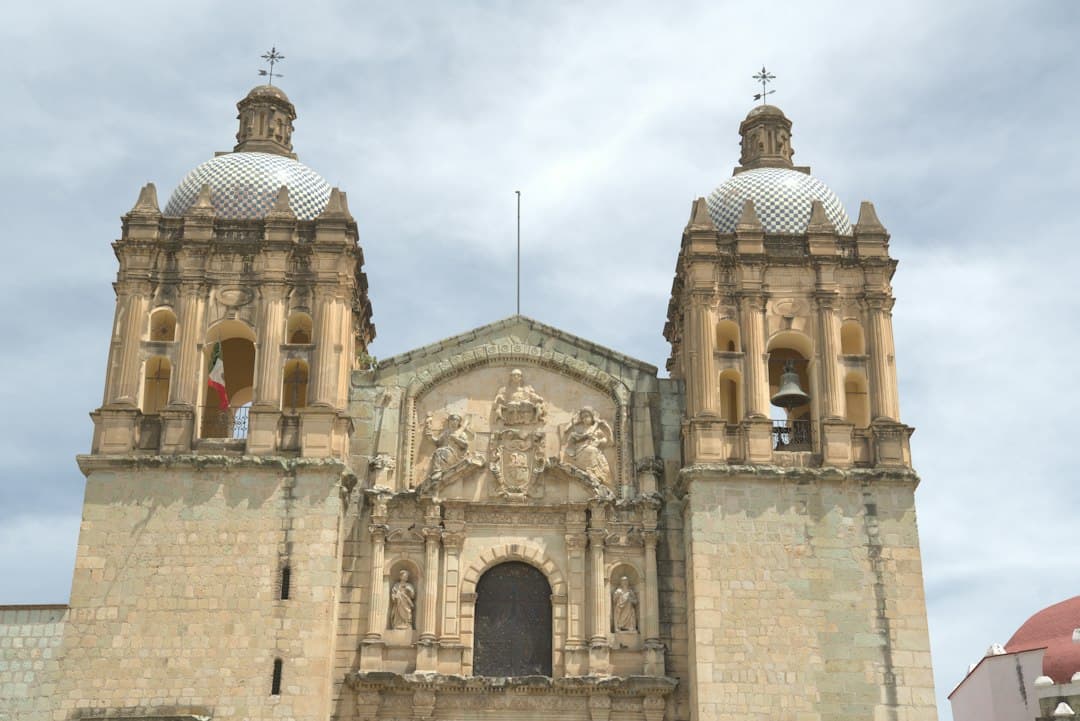
The first day can be devoted to the historic center: the Temple of Santo Domingo de Guzmán, the Metropolitan Cathedral of Our Lady of the Assumption, and several museums, some of them free[6]. The neighborhood around the Zócalo and Santo Domingo is walkable and full of restaurants and galleries[7].
The Santo Domingo monastery, built between 1572 and 1608, houses a gilded Rosary Chapel. The Museo de las Culturas, housed in the former convent, displays the treasure of Tomb 7 at Monte Albán[3]. The Monte Albán site museum notes that this treasure was discovered by Alfonso Caso in 1932[4]. Near Santo Domingo, the Jardín Etnobotánico is one of the city's classic stops[1].
In the evening, the Zócalo is the place to watch city life unfold[1]. For a quieter setting, Jalatlaco, just to the east, and Xochimilco, to the north, are calm neighborhoods with cobblestone streets and guesthouses[7]. These are also the neighborhoods where mezcalerías serve espadín and tobalá in a jícara[3].
Monte Albán: the Zapotec capital on its mountain
Monte Albán was the city of the Olmec, Zapotec and Mixtec peoples, inhabited for 1,500 years[4]. This former Zapotec capital crowns the Cerro del Jaguar, a hill that the INAH page places at 4,921 feet above sea level; the site overlooks the valley[8]. The site is eight kilometers west of the city of Oaxaca[6].
Its great plaza was artificially leveled. It measures about 300 meters by 180 (328 yards by 197) and can hold up to 15,000 visitors[8]. The ballgame, a ritual practice common among the pre-Columbian peoples of Mesoamerica, also served to settle disputes: five ball courts were built at Monte Albán[8].
Stelae 12 and 13 are examples of the oldest known Zapotec writing[4]. Monte Albán's Zapotec writing is among the earliest to appear in Mesoamerica[8]. The site museum presents the city's evolution, including the treasure of Tomb 7[4].
Allow two to three hours for the visit; a guide helps you understand the history of the site[6]. Shuttles leave from the city center, and shade is scarce, so bring sun protection[1].
The Central Valleys: Mitla, Hierve el Agua, Tule, and Artisan Villages
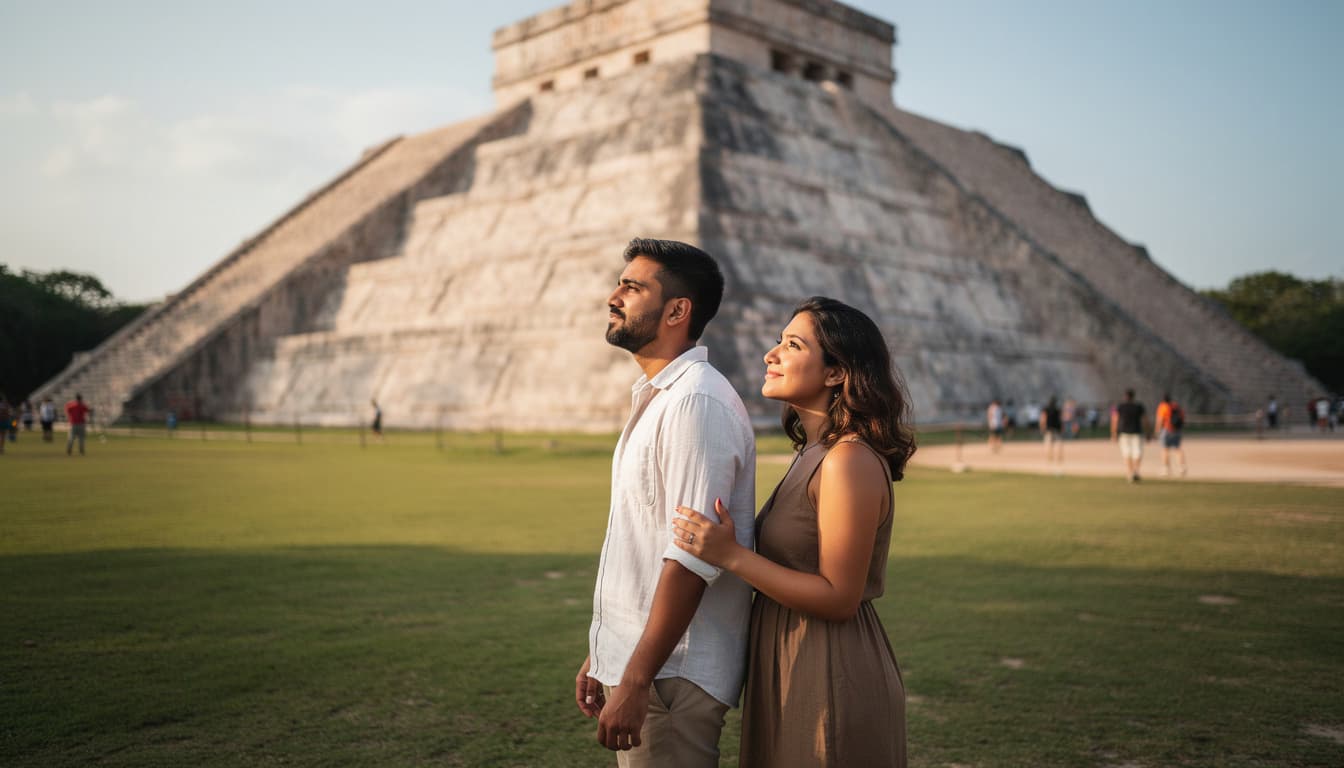
A day heading east lets you combine Mitla, a mezcal distillery, and Hierve el Agua[1]. Mitla is one of the most important ceremonial centers in Oaxaca[6]. The archaeological site is open from 8:00 am to 5:00 pm, with last entry at 4:30 pm[6]. Hierve el Agua features petrified waterfalls, formed by mineral-rich water, and mineral pools that rank among the best photo spots in the region[6].
In Santa María del Tule you'll find the Árbol del Tule[7]. The site is open from 8:00 am to 8:00 pm, for 20 pesos per person according to the municipality[6]. To get there from Oaxaca, take a colectivo or a taxi; the RA-15 bus line of BinniBus also serves Tule for 10 pesos[6].
The artisan villages can be visited in half a day: San Bartolo Coyotepec or Arrazola, after the ruins of Monte Albán[1]. The Tlacolula market, meanwhile, is among the highest-rated stops in the region[7].
At the Table: Mole, Tlayudas, Markets, and Mezcal
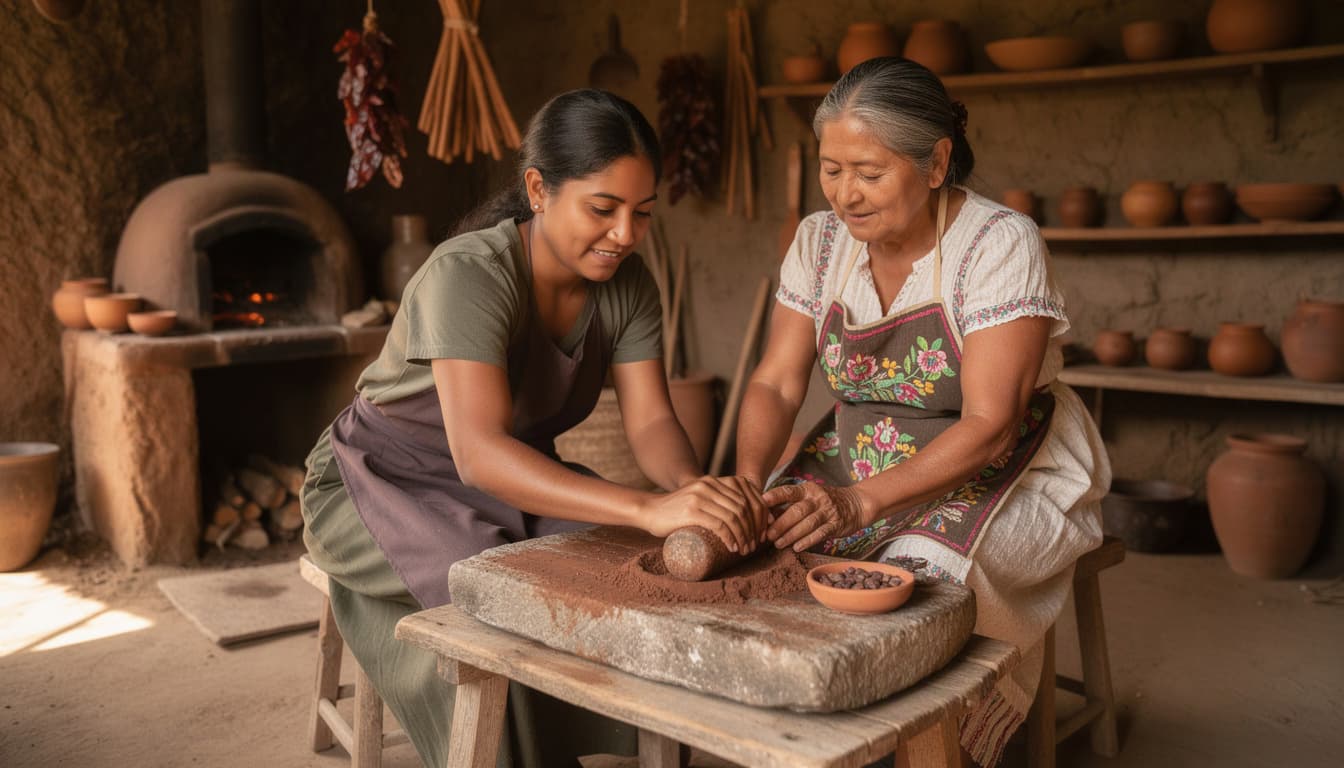
Oaxaca calls itself the "land of seven moles": negro, rojo, coloradito, amarillo, verde, chichilo, and manchamanteles. The mole negro alone can contain up to 30 ingredients, including chilhuacle chiles and chocolate[3]. The region is also known for tlayudas, quesillo cheese, chapulines (grasshoppers), and hot chocolate[1]. A tlayuda is a large, crispy tortilla topped with beans, quesillo, and meat, often cooked over charcoal in the evening[9].
The Benito Juárez and 20 de Noviembre markets are the best place to taste[1]. At 20 de Noviembre, you choose raw meat and have it grilled on the spot in the smoky passageway[1]. This is the Pasillo de Humo, open daily from 10:00 am to 5:00 pm: tasajo, cecina, and chorizo are chosen at the stall, and a tlayuda costs around 80 to 150 MXN[3]. At mealtimes, the markets offer better value than the restaurants on the Zócalo[9].
Mezcal is produced in villages around the valley, and many bars in the city offer tastings[1]. According to one tour operator, Oaxacan cuisine was inscribed on UNESCO's Intangible Cultural Heritage list in 2010 as the essence of Mexican food culture, and 26 restaurants in the state appear in the Guide Michelin Mexico 2026[3].
Beyond the City: The Pacific Coast
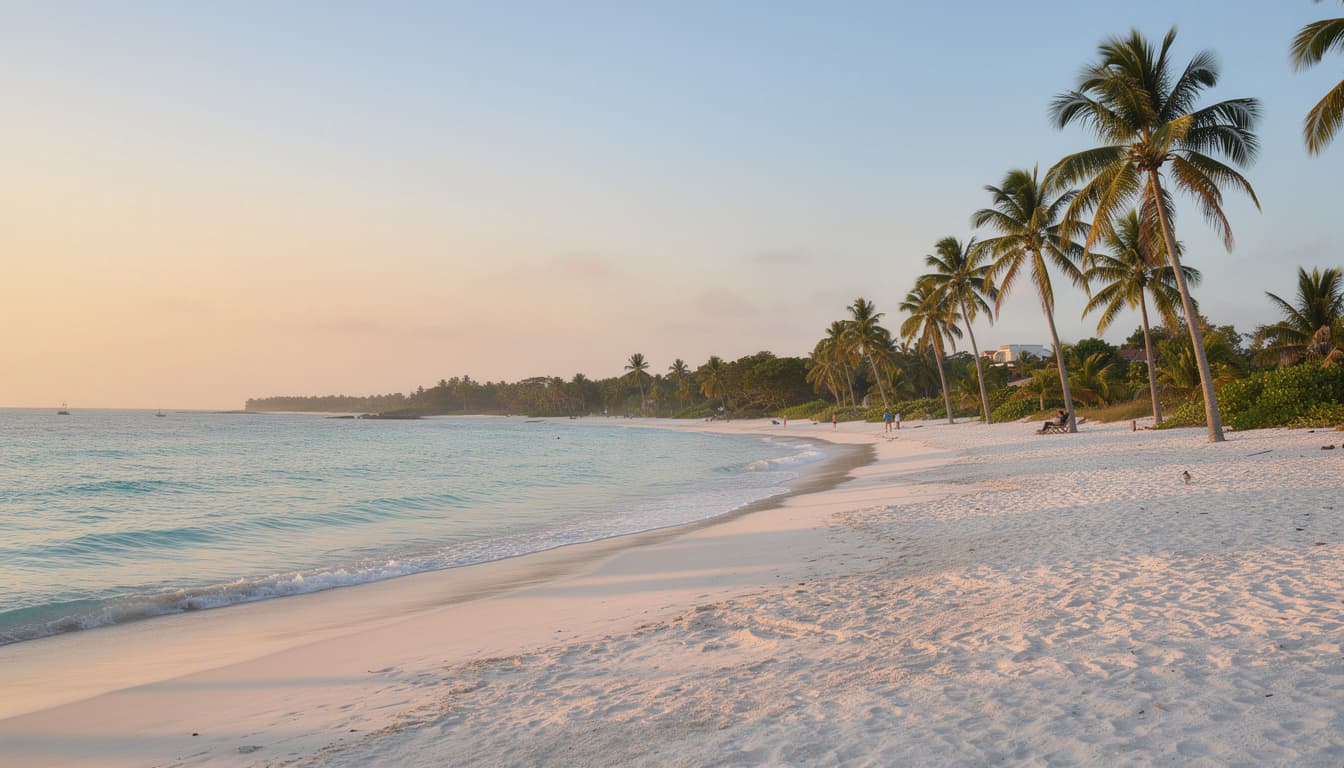
If you have a few more days, the Pacific coast offers a completely different landscape: Puerto Escondido, Zipolite, Mazunte, and Huatulco[5]. Puerto Escondido is known for its world-class waves, and you can snorkel right from some of the beaches[10]. Huatulco has nine bays[3].
A new toll highway, the Autopista Barranca Larga-Ventanilla, now connects the city of Oaxaca to the coast in about 3 to 4 hours, a clear improvement over the old mountain roads[5]. On the coast, cash is essential[10]. The dry season, from November to April, brings blue skies; hotel prices climb and the beaches are lively[10].

When to Go, How Many Days, and How to Get There
The best time to visit runs from October to March, during the dry season[9]. Average highs are around 29 to 31 °C from November to February, nights are cool at around 10 to 12 °C, with one to four rainy days per month; April and May are the hottest months, and the rainy season runs from June to September[9].
Three or four days cover the markets, Santo Domingo, Monte Albán, and an excursion to Mitla[9]. One day for Santo Domingo, the Zócalo, and the markets, a half-day at Monte Albán, and a full day heading east: this pace works well[9].
Oaxaca International Airport receives flights from Mexico City and other cities[1]. ADO buses from Mexico City take about six to seven hours[1] and depart from the TAPO bus station[9]. The center is compact and walkable[1].
The major dates are Día de Muertos, centered on October 31 to November 2, and the Guelaguetza, celebrated on the two Mondays following July 16, which in 2026 falls on July 20 and July 27[9]. Prices rise sharply during these festivals[1]; book several months in advance[1].
Pitfalls and Points of Caution
The State of Oaxaca is rated Level 2 ("exercise increased caution") by the U.S. Department of State, the same as Mexico overall. There is no travel restriction for the city of Oaxaca, Monte Albán, Puerto Escondido, or Huatulco[5]. According to one travel operator, the British Foreign Office warnings in this state concern the Isthmus of Tehuantepec around Juchitán, not the city, the central valleys, or the coast; also check the French Ministry's travel advice[3].
- Avoid driving at night on rural roads, and be wary of taxis that overcharge and fake site guides[5].
- According to one travel operator, roadblocks mostly cost you time; build buffer into your travel plans and check the local situation before you leave[3].
- Hierve el Agua is run by local communities and has occasionally closed: check before you go[1].
- Cards are accepted at most hotels and mid-range restaurants, but cash is essential in markets, colectivos, and community sites like Hierve el Agua[5].
Our Tips
- Stay in the historic center, near Santo Domingo, so you can do everything on foot, or in quieter Jalatlaco[9].
- At 1,550 meters above sea level, the sun is strong: bring a hat for the ruins[1].
- Outside the cities, markets, taxis, and small restaurants often require pesos in cash[1].
- What you need to dig into to settle in for real: organizing a long stay, a line-by-line budget, and choosing your neighborhood all require going well beyond this overview.
Keep exploring
- Mexico: The Must-Sees, Region by Region, to Help You Choose Where to Go
- Guadalajara: What to See and Do in Mexico's Capital of Mariachi and Tequila
- Puerto Escondido: What to See and Do on the Oaxaca Coast
- San Miguel de Allende: What to See and Do in the Colonial City
Sources
- 1.^ abcdefghijklmnopqrsttraveling-to.com — Oaxaca Guide: Monte Albán, Markets, Mezcal & Day of the Dead: "Oaxaca de Juárez is the capital of the State of Oaxaca, in southern Mexico, set in a valley at about 1,550 meters above sea level." ; "Indigenous Zapotec and Mixtec culture is strong throughout the region." ; "It is known for its cuisine, its crafts, and its festivals, notably the Guelaguetza in July and the Day of the Dead around November 1 and 2." https://traveling-to.com/mexico/oaxaca/ (accessed November 16, 2026)
- 2.^nationalgeographic.com — Oaxaca Travel Guide | National Geographic: "Nestled in a green valley, Oaxaca is loved for its rainbow of colonial buildings and its excellent regional cuisine." https://www.nationalgeographic.com/travel/destination/oaxaca (accessed November 16, 2026)
- 3.^ abcdefghilatin-memories.com — Oaxaca Mexico — Mezcal, Moles & Pacific | Latin Memories: "The historic center is a checkerboard of single-story colonial houses in ochre, pink, and cobalt blue." ; "Its jewel is the Santo Domingo monastery (1572-1608) with its gilded Rosary Chapel; the Museo de las Culturas displays, in the convent, the treasure from Tomb 7 of Monte Albán." ; "For evenings, we recommend the neighborhoods of Jalatlaco and Xochimilco and the mezcalerías where espadín and tobalá are served in the jícara." https://www.latin-memories.com/en/destinations/mexico/oaxaca (accessed November 16, 2026)
Show 7 more sourcesShow less
- 4.^ abcdelugares.inah.gob.mx — Museo de Sitio de Monte Albán: "Together with the city of Oaxaca, this pre-Hispanic site was declared a UNESCO World Heritage Site on December 11, 1987." ; "It also displays the treasure of Tomb 7, discovered by Alfonso Caso in 1932." ; "The incomparable city of the Olmec, Zapotec, and Mixtec peoples, inhabited for 1,500 years." https://lugares.inah.gob.mx/en/node/4308 (accessed November 16, 2026)
- 5.^ abcdefopentravelguide.com — Oaxaca Travel Guide 2026 — Top Attractions & Tips: "Sixteen officially recognized Indigenous groups live in the state, which offers more linguistic and cultural diversity than anywhere else in Mexico." ; "A new toll highway (Autopista Barranca Larga-Ventanilla) now connects the city of Oaxaca to the coast in roughly 3 to 4 hours, a clear improvement over the old winding mountain roads of the Sierra Sur." ; "Oaxaca is one of Mexico's most culturally rich states, with 16 recognized Indigenous groups, the archaeological capitals of Monte Albán and Mitla, and a coastline that runs from the surf town of Puerto Escondido to the calm bays of Huatulco." https://opentravelguide.com/mexico/oaxaca/ (accessed November 16, 2026)
- 6.^ abcdefghoaxaca.heraldodemexico.com.mx — What to Do in Oaxaca in 3 Days: Itinerary, Costs and Recommendations | Heraldo de México Oaxaca: “The first day can be spent discovering the historic center of Oaxaca and its main attractions, such as the Temple of Santo Domingo de Guzmán, the Metropolitan Cathedral of Our Lady of the Assumption, or its museums, some of which are free.” ; “Monte Albán is located eight kilometers west of the city of Oaxaca de Juárez.” ; “The visit lasts between two and three hours; however, it is recommended to go with a guide to learn the history of the site.” https://oaxaca.heraldodemexico.com.mx/estilo-de-vida/viajes/2026/11/14/que-hacer-en-oaxaca-en-3-dias-itinerario-costos-y-recomendaciones-18589.html (accessed November 16, 2026)
- 7.^ abcdbrilliantmaps.com — Interactive Oaxaca Tourist Map: Find The 13 Best Things To Do: “The historic center around the Zócalo and Santo Domingo is walkable and full of restaurants and galleries; Jalatlaco, just to the east, and Xochimilco, to the north, are quieter neighborhoods with cobblestone streets and guesthouses.” ; “The Árbol del Tule is among the thirteen things to do in Oaxaca.” ; “The Tlacolula market is among the thirteen things to do in Oaxaca.” https://brilliantmaps.com/tourist-maps/oaxaca/ (accessed November 16, 2026)
- 8.^ abcdlugares.inah.gob.mx — Monte Albán: “This former Zapotec capital crowns the Cerro del Jaguar (Jaguar Hill), 4,921 feet above sea level.” ; “Its main plaza was artificially leveled, measures 328 yards long by 197 wide, and can hold up to 15,000 visitors.” ; “Five ball courts were built at Monte Albán, confirming its regional importance.” https://lugares.inah.gob.mx/en/node/4351 (accessed November 16, 2026)
- 9.^ abcdefghivoyagehacks.com — Oaxaca Travel Guide 2026: When to Go and Where to Stay | VoyageHacks: “A tlayuda is a large, crispy tortilla topped with beans, quesillo cheese and meat, often grilled over charcoal in the evening.” ; “Markets at mealtimes and tlayuda stands in the evening offer better value for money than the restaurants on the Zócalo.” ; “Oaxaca is worth the trip for those who love gastronomy, festivals and pre-Hispanic history, and the best time to visit runs from October to March, the dry season.” https://voyagehacks.com/es/destinations/americas/mexico/oaxaca/ (accessed November 16, 2026)
- 10.^ abclonelyplanet.com — A Guide to the Oaxaca Coast - Lonely Planet: “Right beside paradise beaches, you'll find world-class surf breaks, or you can go snorkeling right off the shore.” ; “On the Oaxaca coast, cash is king.” ; “From November to April, the dry season brings blue skies, breezy days and virtually no clouds. The beaches and bars are lively, yoga retreats are in full swing, and hotel prices climb.” https://www.lonelyplanet.com/articles/first-time-guide-to-the-oaxaca-coast (accessed November 16, 2026)