Mérida is the best base for exploring the Yucatán: a colonial city you can walk through, a table recognized by UNESCO, and Mayan sites, cenotes and colonial towns within one or two hours' drive. This article helps you choose what to see in the city and beyond, spread out your days and get around.
Mérida, the White City: why make it your base
Mérida is the capital of the state of Yucatán. With roughly one million inhabitants, it is the largest city on the peninsula, yet you can get around it on foot[1]. Its nickname, the "White City," comes from its pale limestone facades[1].
Its location is its main asset: from Mérida, you can easily reach iconic archaeological sites such as Chichén Itzá and Uxmal, beaches like Progreso, Celestún and Sisal, colonial towns like Izamal and Valladolid, as well as haciendas and cenotes[2].
The historic center and the Plaza Grande
The Plaza Grande is the heart of Mérida's historic center and a meeting place for visitors and locals alike[2]. It is surrounded by the San Ildefonso Cathedral, the Palacio de Gobierno, the Palacio Municipal and the Casa de Montejo[2].
The cathedral was the first built on the American continent and remains the oldest in Mexico. Much of its stone comes from the temples of T'Hó, the ancient Mayan city on the site of Mérida[2]. The Palacio de Gobierno stands out for its monumental murals that trace the city's history, and the Casa de Montejo, the former home of the conquistador, houses a museum open to everyone[3].
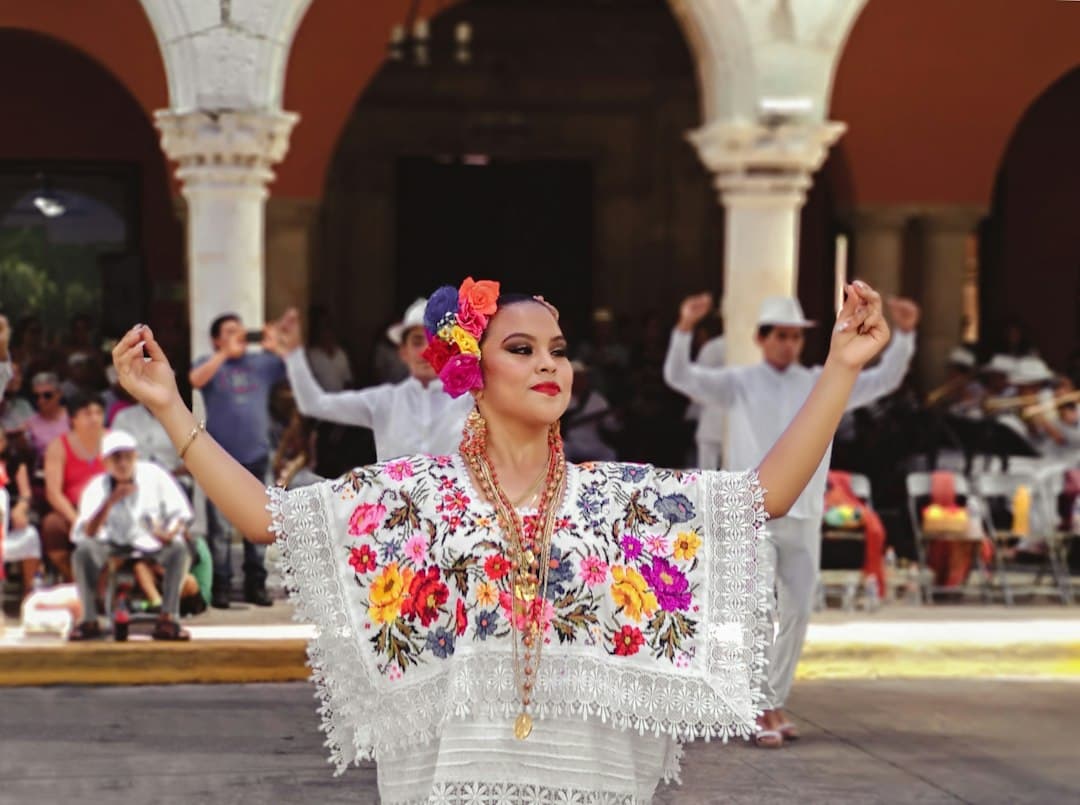
On Sundays, "Mérida en Domingo" brings the Plaza Grande to life, with market stalls, Vaquería dances and marquesitas[1]. In the evening, the square also comes alive with projections and traditional music[3]. In the Santa Lucía neighborhood, the park of the same name hosts free concerts every Thursday evening, and the MACAY museum presents contemporary art in a colonial setting[3].
Paseo de Montejo and museums: the sisal boom and the Mayan world
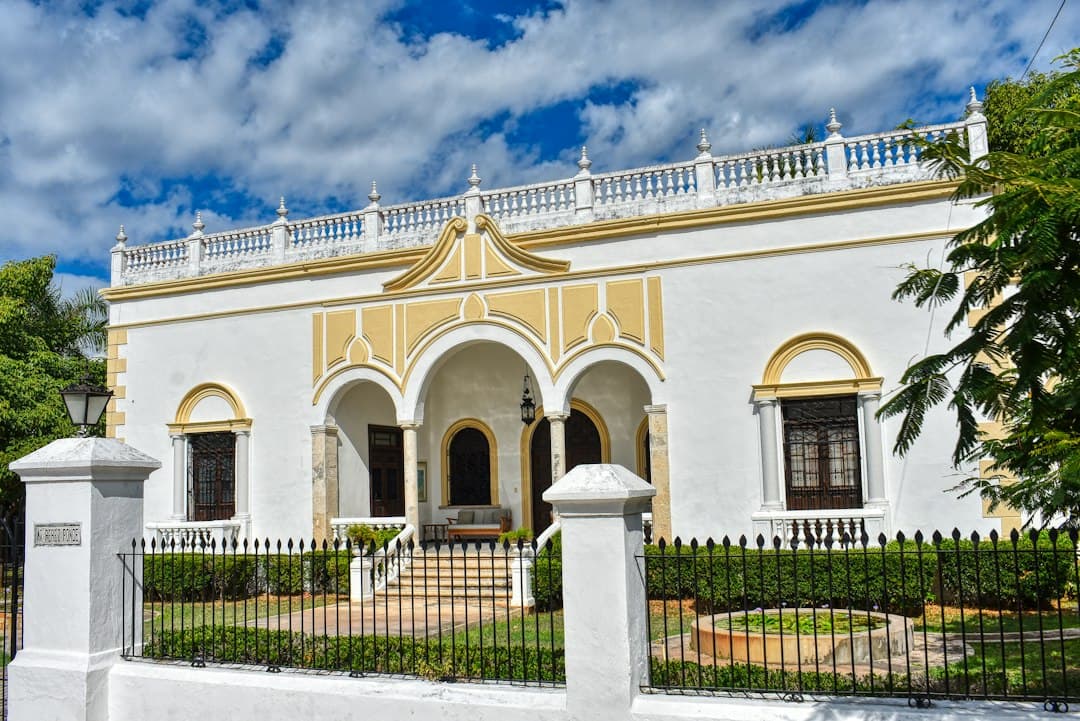
The city's most emblematic avenue draws on European boulevards and is lined with impressive 19th-century mansions[2]. It bears witness to the wealth drawn from sisal (henequen) around 1900: Palacio Cantón, Casas Gemelas, flamboyant trees[1].
Several of these mansions have become museums, including the Quinta Montes Molina, Montejo 495 Casa Museo and the Palacio Cantón, which houses the Regional Museum of Anthropology[2]. Housed in a Porfirian-era mansion, the latter holds valuable archaeological pieces from Mayan culture[2].
To understand the Mayan sites in a new light, visit the Gran Museo del Mundo Maya first: once you have seen the stelae and jade objects, a site like Chichén Itzá takes on a different meaning[1]. The museum brings together more than 1,100 archaeological pieces in a modern building[3].
On Sundays from 8:00 am to 12:30 pm, Paseo de Montejo is closed to cars for the Biciruta: five car-free kilometers to the Plaza Grande, with bikes available along the route[1].
At the table: Yucatecan cuisine, a living heritage
Yucatecan cuisine is the product of centuries of cultural exchange: Mayan techniques and ingredients, blended with European, Caribbean and Middle Eastern influences[2]. UNESCO includes Mérida in its Creative Cities Network for gastronomy and notes that the traditional cuisine of the Yucatán is an integral part of Mexico's history[4].
Four iconic dishes to try: cochinita pibil, relleno negro, papadzules and queso relleno[2]. To eat with local cooks, head to the Lucas de Gálvez, Santiago and Santa Ana markets[2].
For a street dessert, try a marquesita, a crispy wafer rolled with Edam cheese and cajeta, around 40 MXN in the evening on the Plaza Grande[1].
The great Mayan sites around Mérida
Uxmal is located south of Mérida, about an hour and a half by car on federal highway 261[5]. The site is a UNESCO World Heritage Site and impresses with the sophistication of its architecture: the Pyramid of the Magician, the Governor's Palace and the Nunnery Quadrangle[3]. The Puuc artisans excelled in ornamentation: on every facade you will find masks of Chaac, the rain god, geometric patterns and carved figures of serpents and jaguars[6].
The name "Puuc" also refers to the architectural style specific to the region, which can be seen at Kabah, Sayil, Xlapak, Labná and Uxmal[6]. At Kabah, you can visit the Palace of Masks (Codz Poop); at Sayil, its Great Palace; at Labná, its famous arch[5]. In the evening, Uxmal hosts the video mapping show "Ecos de Uxmal"[6].
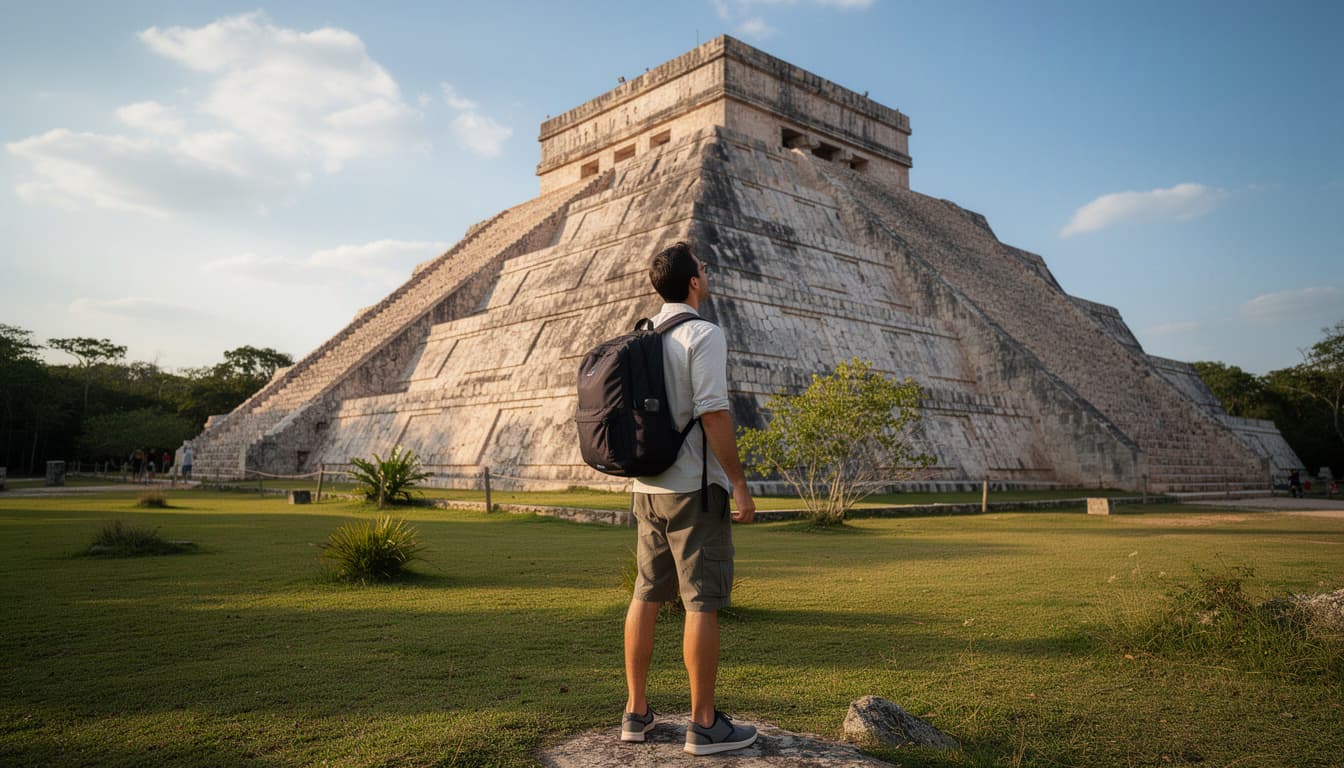
Chichén Itzá, a UNESCO World Heritage Site since 1988, is Mexico's best-known Mayan city[1]. It is located 115 kilometers from Mérida, about two hours by road, or by bus from a Mérida bus station[5]. The site opens at 8:00 am and, until about 10:00 am, the major monuments are almost all yours[1]. To the east, Ek Balam stands out for its walls and its Acropolis[5].
For an outing closer to the city, Dzibilchaltún is 12 to 15 kilometers north of Mérida; its main attraction is the Temple of the Seven Dolls[5]. Mayapán is also among the sites to visit in the region[2].
Colonial towns, haciendas, cenotes and coast
Valladolid is a colorful colonial town, the eastern gateway to Yucatán, between Mérida and Cancún; its quiet streets lined with painted houses invite you to explore on foot[7]. It also serves as a base for visiting cenotes such as Zací, Saamal, Oxmán and X'Canché, or the Ek Balam site[7]. Izamal is the "yellow city": every building in its historic center is painted a brilliant golden yellow[8].
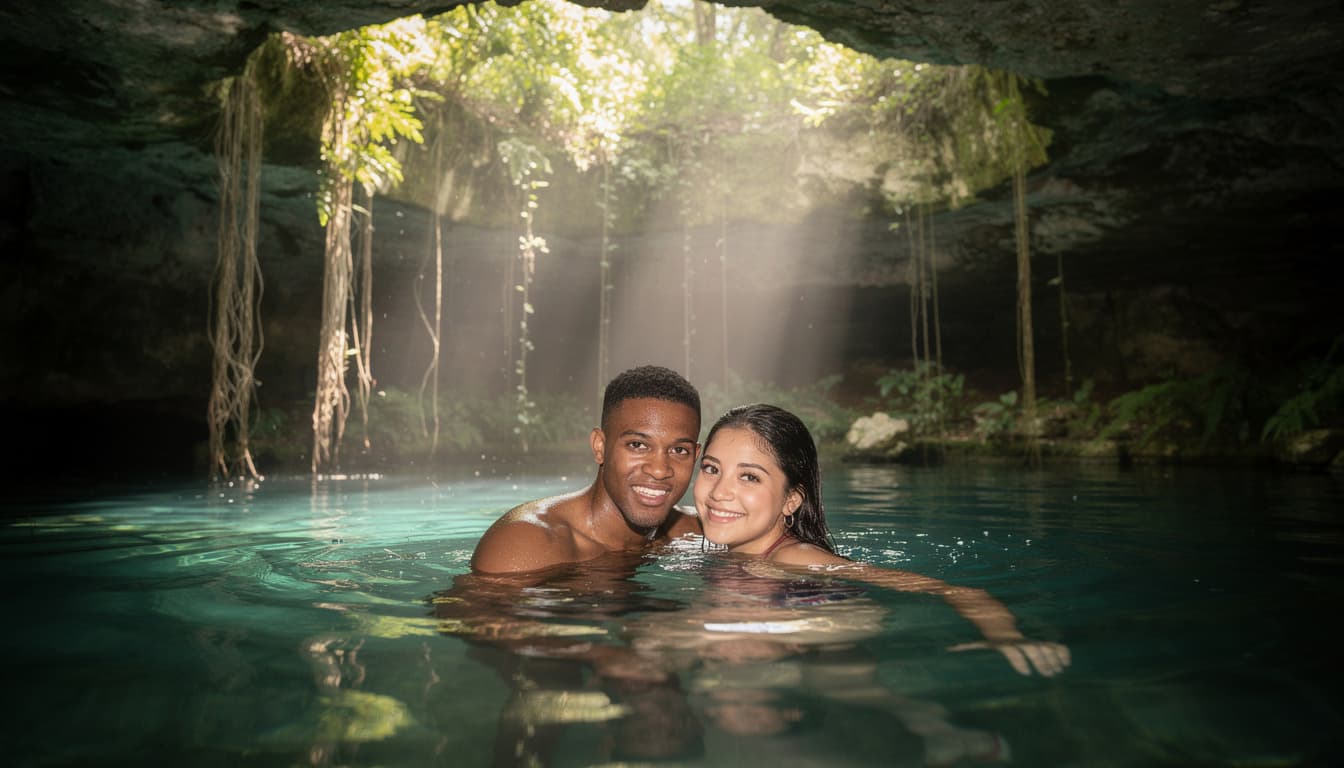
The 19th-century haciendas, heirs to the sisal boom, are part of Yucatán's character; some, restored, have become boutique hotels[6][8]. Yucatán has more than 6,000 registered cenotes[1].
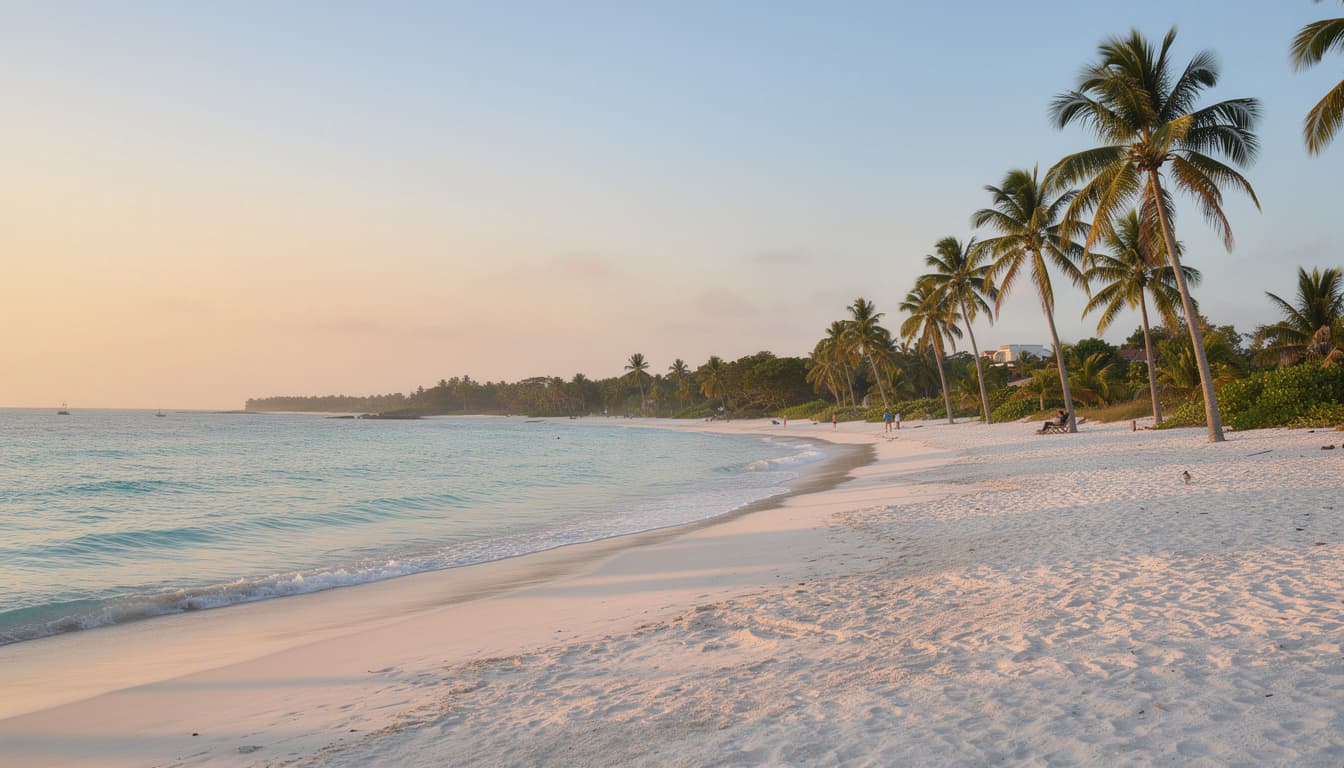
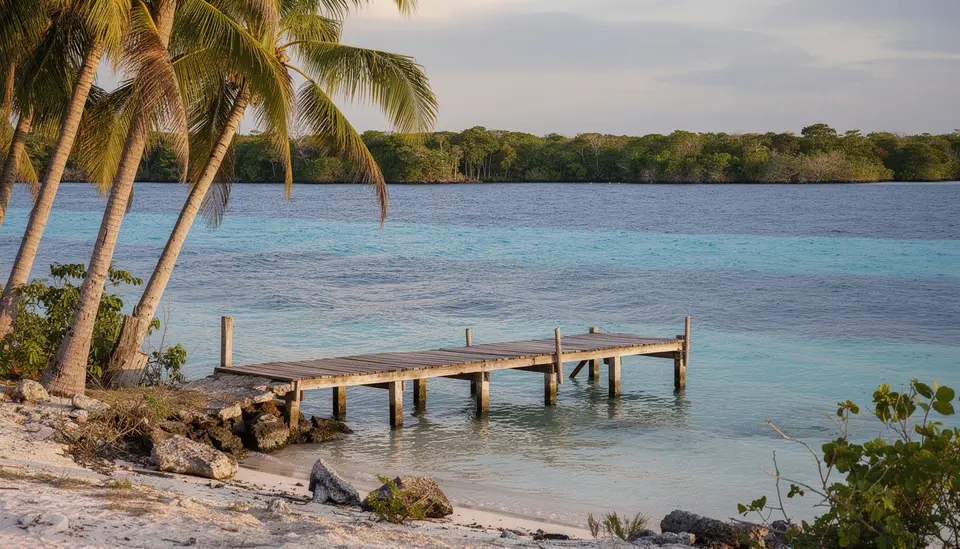
On the Gulf coast, you can spend a day in Progreso or Sisal, swim in a freshwater cenote, or look for flamingos in the Celestún biosphere reserve[8].
How much time to plan, when to go and how to get around
Three days is a minimum: one day in Mérida (museum, Paseo de Montejo, food), one day at Chichén Itzá from 8:00 am with the Ik Kil cenote and then Valladolid, one day at Ek Balam with cenotes such as Xcanché, Oxman or Suytun[1]. With four to five days, you can add Uxmal and the Ruta Puuc, a night in a hacienda or the flamingos of Celestún[1].
January through March offers the most pleasant conditions for visiting Mérida, with bearable temperatures and clear skies[3].
As for transportation, the Tren Maya connects Valladolid to Mérida, Izamal and Chichén Itzá[7]. For Chichén Itzá, a bus also departs from Mérida[5]. If you arrive in Yucatán by means other than a car and plan to spend several days around Uxmal, rent a car or book private transport[6]. Choosing to sleep in Valladolid or in a hacienda brings you closer to Chichén Itzá, Ek Balam and the cenotes, 30 to 45 minutes away, and makes the 8:00 am entry easier[1].
Steps, in order
- Day 1, in Mérida: Plaza Grande, the cathedral and the murals of the Palacio de Gobierno, then the market and Yucatecan cuisine.
- Plan the Gran Museo del Mundo Maya and Paseo de Montejo before heading out to the sites.
- Day 2: Chichén Itzá right at the 8:00 am opening, then a cenote and Valladolid.
- Day 3: Ek Balam and its cenotes.
- Days 4 and 5, optional: Uxmal and the Ruta Puuc, a night in a hacienda or Celestún.
- On Sunday, schedule the Biciruta on Paseo de Montejo and "Mérida en Domingo" on Plaza Grande.
This article gives you the essentials for choosing what to see; to plan a longer stay, you will still need to detail the opening hours and fees of each site and choose the neighborhood where you will stay. To place the Yucatán within the country, also read our article "Mexico: the highlights, region by region".
Keep exploring
- Mexico: The Must-Sees, Region by Region, to Help You Choose Where to Go
- Palenque: What to See and Do in the Maya City of Chiapas
- Chichén Itzá: What to See and Do at the Great Maya-Toltec City
- San Cristóbal de las Casas: What to See and Do in the City and Beyond
Sources
- 1.^ abcdefghijklmlatin-memories.com — Yucatán Mexico — Maya, cenotes & haciendas | Latin Memories: “Mérida is the capital of Yucatán; with about one million inhabitants, it is the largest city on the peninsula, yet you can experience it on foot.” ; “The nickname ‘white city’ comes from its light-colored limestone facades.” ; “Then, Mérida on Sunday at the Plaza Grande, with market stalls, Vaquería dances and marquesitas.” https://www.latin-memories.com/en/destinations/mexico/yucatan (accessed November 12, 2026)
- 2.^ abcdefghijkyucatan.travel — Mérida | Yucatán.Travel: “Mérida, capital of the State of Yucatán, offers a wide variety of attractions and enjoys a privileged location from which you can easily reach iconic archaeological sites such as Chichén Itzá and Uxmal, beaches such as Progreso, Celestún and Sisal, colonial towns such as Izamal and Valladolid, as well as magnificent haciendas and cenotes.” ; “The Plaza Grande is the heart of Mérida's historic center and a meeting place for visitors and locals alike. It is surrounded by landmarks such as the San Ildefonso Cathedral, the Government Palace, the Municipal Palace and the Casa de Montejo.” ; “It was the first cathedral built on the American continent and the oldest in Mexico. Much of its stone came from the temples of the Maya city of T'Hó, the former Mérida.” https://yucatan.travel/en/region/merida/ (accessed November 12, 2026)
- 3.^ abcdefvialala.com — What to do in Mérida: the must-see city of Mexico | Vialala: “The Government Palace stands out for its monumental murals tracing the history of Mérida, while the Casa de Montejo, the former home of the conquistador, houses a museum open to everyone.” ; “In the evening, the square comes alive with projection shows and traditional music, for an authentic moment of sharing.” ; “Beyond the Plaza Grande, the Santa Lucía neighborhood is worth a detour. The park of the same name hosts free concerts every Thursday evening, in a lively and warm atmosphere. Nearby, the MACAY museum displays contemporary works from Mexico and abroad in a remarkable colonial setting.” https://www.vialala.com/en/blog/que-faire-a-merida (accessed November 12, 2026)
Show 5 more sourcesShow less
- 4.^unesco.org — Mérida - Creative Cities Network: “The traditional gastronomy of Yucatán is an integral part of Mexico's history and gives individuals a sense of local and regional belonging.” https://www.unesco.org/fr/creative-cities/merida (accessed November 12, 2026)
- 5.^ abcdefyucatan.com.mx — Antiguas urbes mayas, destinos para pasar el día en Yucatán: horarios, precios y cómo llegar - Diario de Yucatán: “Another option is Uxmal, south of Mérida, about an hour and a half by car. To get there, take federal highway 261 toward Santa Elena.” ; “Sayil, where its Grand Palace stands out; Labná, with its famous arch; and Xlapak, which preserves buildings with ornamental stone details.” ; “One of the best-known visits is Chichén Itzá, located 115 kilometers from Mérida, in the municipality of Tinum.” https://www.yucatan.com.mx/merida/2026/11/07/antiguas-urbes-mayas-destinos-para-pasar-el-dia-en-yucatan-horarios-precios-y-como-llegar.html (accessed November 12, 2026)
- 6.^ abcdeyucatan.travel — Uxmal | Yucatán.Travel: “The Maya of the Puuc region were masters of ornamentation, which can be seen on every facade, where you will find masks of the rain god Chaac, geometric patterns and carved figures of serpents, jaguars and symbols of power.” ; “The name was later given to the distinctive architectural style found at the archaeological sites of the region: Kabah, Sayil, Xlapak, Labná and, of course, Uxmal.” ; “In addition to visiting the site by day, consider returning at night for the video mapping show Ecos de Uxmal, a unique experience that immerses you in the history and culture of Maya civilization.” https://yucatan.travel/en/region/uxmal/ (accessed November 12, 2026)
- 7.^ abcyucatan.travel — Regions archivo - Yucatan.Travel: “Between Mérida and Cancún lies Valladolid, a colorful colonial town, the eastern gateway of Yucatán, a region shaped by Maya history. Its churches and historic buildings, including the Convent of San Bernardino de Siena and the Church of San Servacio, tell centuries of history. Lively squares and quiet streets lined with brightly colored houses invite you to explore on foot.” ; “From the town, you can visit cenotes such as Zací, Saamal, Oxmán and X'Canché, and discover the archaeological site of Ek Balam.” ; “Tren Maya: the railway service connects Valladolid to destinations including Mérida, Izamal, Chichén Itzá, Cancún, Playa del Carmen, Tulum, Bacalar, Chetumal, Campeche and Palenque.” https://yucatan.travel/en/region/ (accessed November 12, 2026)
- 8.^ abctravelweek.ca — “The ultimate multi-destination playground”: Yucatán Tourism - Travelweek: “Izamal, a striking micro-destination where every building in the historic center is painted a brilliant golden yellow.” ; “The jewels of the region's hospitality are its historic 19th-century haciendas, meticulously restored into very high-end luxury retreats.” ; “Spend a day on the Gulf coast, in Progreso or Sisal, swim in a freshwater cenote, or look for flamingos in the Celestún biosphere reserve.” https://www.travelweek.ca/blog/friday-five/the-ultimate-multi-destination-playground-yucatan-tourism/ (accessed November 12, 2026)