Tulum is the Mayan city that overlooks the Caribbean Sea from the top of a cliff. This article helps you plan your stay: understanding what you will see at the site, choosing your beaches and cenotes, adding an excursion to Sian Ka'an, Cobá or Muyil, and knowing when to go and how many days to plan for.
Tulum, a Mayan City by the Sea: History and Culture
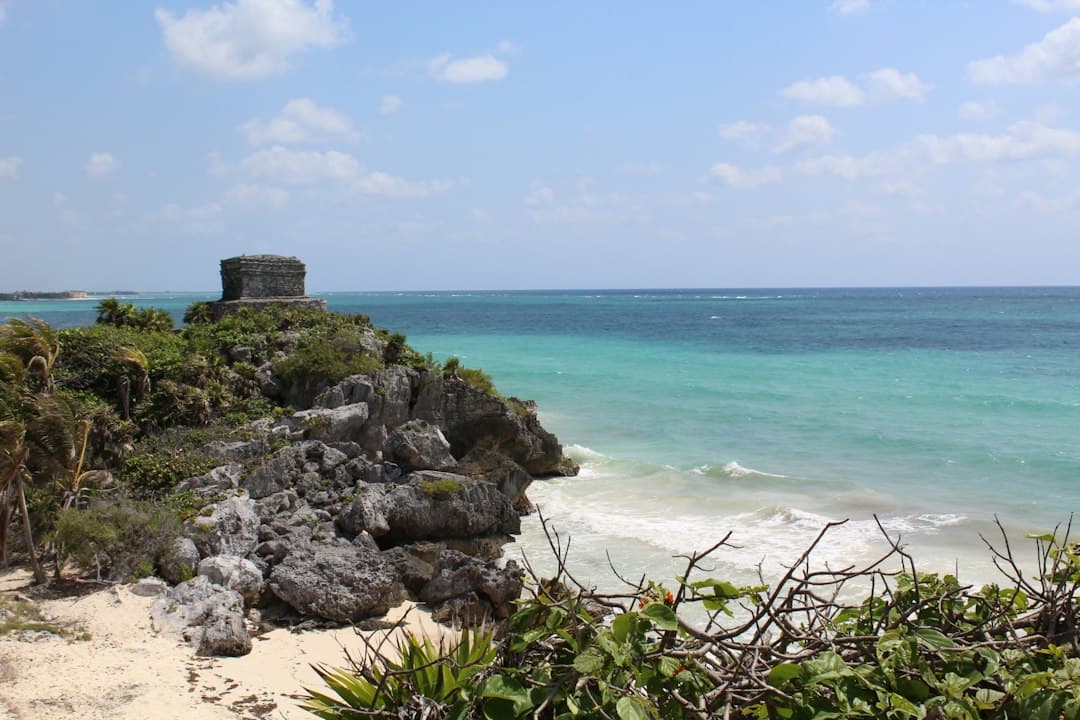
The ruins of Tulum are described as the only archaeological site built right on the edge of a cliff, above Paraíso Beach, which Mexico's Tourism Secretariat ranks among the most beautiful beaches of the Riviera Maya and probably the most photographed[1]. The site is also the most iconic on the Quintana Roo coast, thanks to its location and the excellent preservation of its buildings and murals[2].
The name is worth a detour. Tulum is a relatively recent name, meaning "wall" or "palisade," in reference to the surrounding wall still standing on site; 16th-century sources refer to the site as Zamá, meaning "morning" or "dawn"[2]. This wall encloses the main complex on its north, south and west sides, with the east side facing the Caribbean Sea; it has five entrances and two watchtowers[2].
Behind the walls, there was a port. The ancient fortified city was inhabited until shortly before the arrival of the Spanish and was among the most dynamic ports of the Mayan world[1]. It was an important Mayan port between the 13th and 16th centuries, and its main constructions date from the Late Postclassic period[1]. The site was occupied from the Terminal Classic period (800–1000 CE) to the Late Postclassic (1250–1550)[3].
The Archaeological Zone: What to See
Don't expect giant pyramids. The site is first and foremost a fortress on the coast, and three buildings structure the visit.
- El Castillo: This is Tulum's tallest platform. It holds a temple with three entrances framed by serpent columns, with two zoomorphic masks at the corners[2]. You cannot approach it directly, but you can walk around it on the right[4].
- The Temple of the Descending God (Templo del Dios Descendente): It takes its name from the motif carved above the entrance, a winged god descending from the sky[4].
- The Temple of the Murals (Templo de las Pinturas): According to Le Routard, this is the most interesting temple on the site. Its façade features small bas-reliefs in three niches, with the descending god at the center, and faint traces of murals can be seen inside the low porticoes[4].
The site is very busy: more than 3,000 visitors per day, making it the country's third most visited archaeological zone after Chichén Itzá and Teotihuacan[5]. Visiting early remains the best way to enjoy it in greater peace; the zone opens at 8:00 am[5].
Parque del Jaguar and the Museo Regional de la Costa Oriental
The archaeological zone lies within Parque del Jaguar, a 2,913-hectare biocultural space. You can follow trails on foot, by bike (rentals available on site) or by electric vehicle, linking a cultural lighthouse, bird-watching towers, bridges, viewpoints and beach access[5].
The park is also home to the Museo Regional de la Costa Oriental (Mureco), which is free to enter. It covers 1,200 square meters, has three permanent galleries and 300 exhibited pieces, both originals and replicas[5]. Opening hours are 9:00 am to 5:00 pm[5].
Beaches and the Caribbean Sea
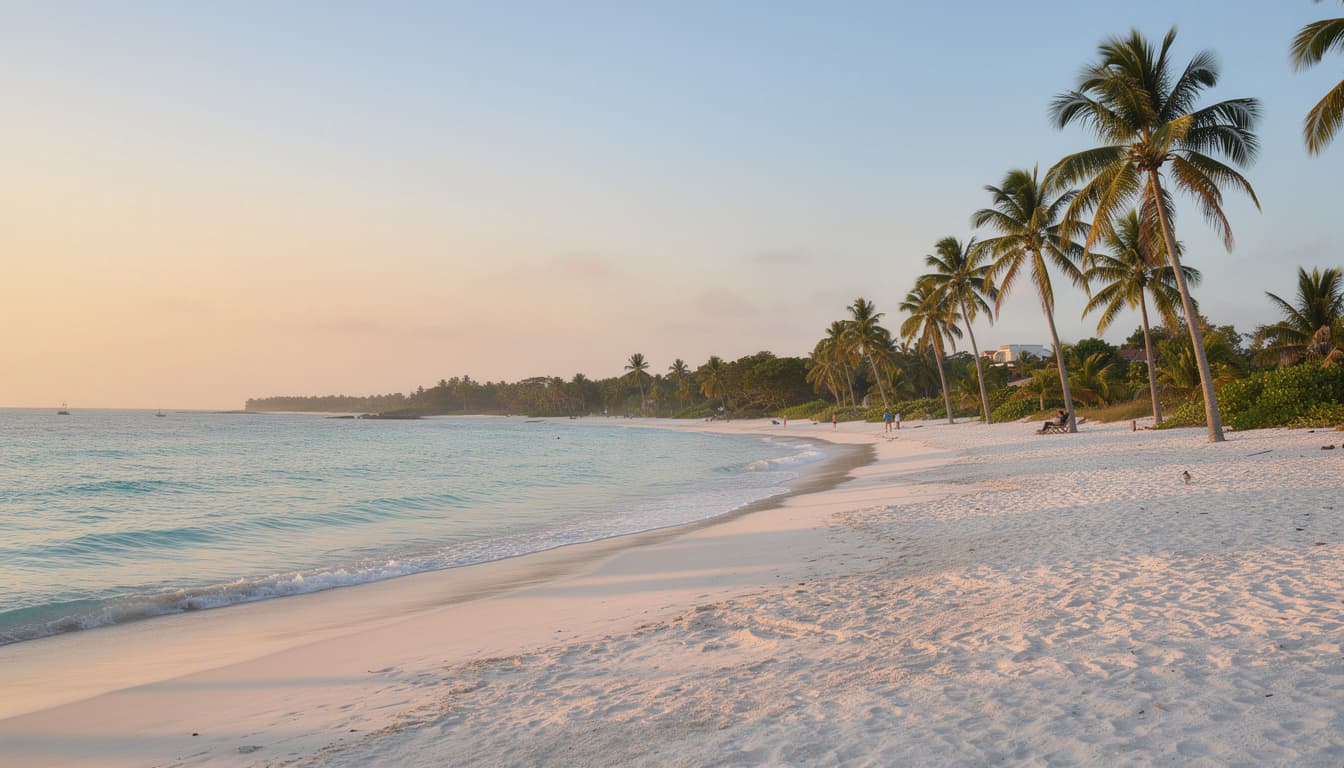
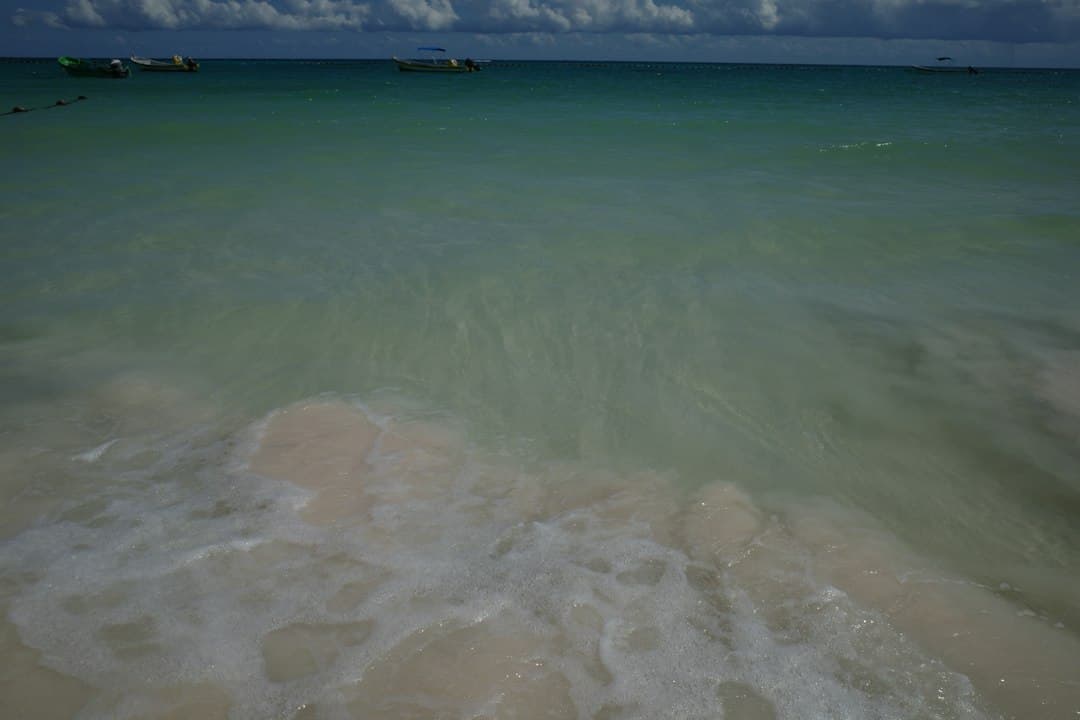
Paraíso Beach, at the foot of the cliff, is Tulum's postcard image[1]. For those staying in Tulum Pueblo, 3 km away, Le Routard recommends coming by bike or colectivo: parking there is very difficult and expensive, especially between kilometers 5 and 10 of the Boca Paila road[4].
The best public access points are just south of the archaeological zone, near the Santa Fe hotel, then Playa Maya, where free roadside parking may be available, and about 1 km further south (bikes only), to the left of the El Paraíso hotel[4].
Cenotes and Diving
- Gran Cenote: very popular but well laid out, it is best discovered by swimming. You enter the water in a first natural sinkhole with lush surroundings, then exit into a second, smaller one by swimming under a low vault; you may spot fish, turtles (introduced) and bats[4].
- Cenote Aktún-Há (Carwash): highly prized by divers, this open cenote has the particularity of changing color over the course of the year[4].
Gran Cenote also lends itself to diving exploration, through its caverns[1]; this is a high-risk activity, reserved for trained divers, and it is advisable to check the condition of the equipment offered by the operator[6].
Excursions around Tulum
- Sian Ka'an: Tulum is the gateway to this biosphere reserve, designated a UNESCO World Heritage Site in 1987, with beaches, coral reefs, tropical forest, dunes and cenotes[1].
- Muyil: this archaeological site is located 20 kilometers from Tulum[3]. Together with Cobá, it offers a more intimate atmosphere, surrounded by villages where local craftsmanship remains very much alive[7].
- Punta Laguna: this reserve, managed by local communities, lets you observe howler monkeys and tropical birds, and go kayaking[7].
- Aktun Chen: you explore underground caves and rivers, or enjoy the scenery on a zip line[1].
At the table: the cuisine of the Maya Coast
The most representative dishes of this Maya region are built around fish and seafood[1]. Tikin-xic stands out: fish cooked underground or over embers, seasoned with achiote[1]. You can also try garlic shrimp, ceviches, or balché, a fermented drink made from the bark of the tree of the same name[1].
Practical information: when to go, how to get there, how long to stay
The climate is hot year-round, but the most pleasant period runs from November to March, during the dry season; afterward, the heat becomes heavier with the arrival of rains and hurricanes[7].
Tulum is about 1 hour from Playa del Carmen, 1 hour 30 minutes from Valladolid, 2 hours from Cancún and 3 hours from Mérida[1].
The archaeological zone is open from 8:00 am to 5:00 pm, with last entry at 3:30 pm. Parque del Jaguar is open from 8:00 am to 7:00 pm, with last access at 5:00 pm[5]. The archaeological zone has administration independent of the park and its own fee[5].
For a short stay, 2 to 3 days is enough for the main attractions: ruins, cenotes and beaches[8]. Plan more time if you add excursions to Sian Ka'an, Muyil or Cobá. To place Tulum within a broader trip, see our article "Mexico: The Highlights, Region by Region."
Pitfalls, scams and points of caution
- Extortion: France Diplomatie reports a rise in extortion by local police in Tulum[6]. No fine should be paid to a lone officer who cannot issue a receipt; in that case, call 911 immediately to report a possible extortion attempt[6].
- Taxis: check that the license plate matches the insurance displayed on the rear windows, compare the photo on the driver's license visible in the vehicle with the driver's face, and prefer stand taxis ("sitio")[6].
- Pickpocketing: it is common in tourist areas, including beaches, bars and nightclubs[6].
- Nightlife venues: in Cancún, Playa del Carmen and Tulum, they are sites of territorial disputes and therefore violent clashes, sometimes armed, between organized crime cells, and clashes between rival gangs take place in the immediate vicinity of hotel zones[6].
- Entry fees: the price has changed several times in 2026 and is no longer a single fixed rate; check the official INAH website before you go[9]. To visit Parque del Jaguar, three fees must be paid, set by Gafsacomm, Conanp and INAH[5].
Keep exploring
- Mexico: The Must-Sees, Region by Region, to Help You Choose Where to Go
- Chichén Itzá: What to See and Do at the Great Maya-Toltec City
- Bacalar: What to See and Do Around the Lagoon of Seven Colors
- Mérida and the Yucatán: What to See and Do in a Few Days
Sources
- 1.^ abcdefghijkgob.mx — Tulum, Quintana Roo | Secretaría de Turismo | Gobierno | gob.mx: “The Pueblo Mágico of Tulum is a must-see and the best showcase of Maya charm, thanks to its ruins on the edge of the Caribbean Sea; it is also the only archaeological zone built on a cliff, beneath which lies Paraíso Beach, one of the finest and most beautiful beaches on the Riviera Maya and very likely the most photographed.”; “The fortified ancient port of Tulum was inhabited until shortly before the arrival of the Spanish and was one of the most dynamic ports of the Maya world about 1,500 years ago.”; “It was an important Maya port between the 13th and 16th centuries; its main structures date from the late Postclassic period.” https://www.gob.mx/sectur/articulos/tulum-quintana-roo (accessed November 12, 2026)
- 2.^ abcdinah.gob.mx — Tulum Archaeological Zone: “Tulum is the most emblematic site on the Quintana Roo coast, owing to its privileged location and the excellent preservation of its buildings and murals.”; “16th-century sources refer to the site as Zamá, which means morning or dawn in Maya. The name Tulum is relatively recent and translates as wall or palisade, in reference to the wall preserved here.”; “Its wall is well known: it encloses the main complex on its north, south and west sides, the eastern sector facing the Caribbean Sea; it has five entrances and two watchtowers.” https://www.inah.gob.mx/zonas/99-zona-arqueologica-de-tulum (accessed November 12, 2026)
- 3.^ abinah.gob.mx — Tulum to temporarily close for works under the Archaeological Zone Improvement Program: “The Tulum archaeological zone, occupied from the Terminal Classic period (800–1000 AD) to the Late Postclassic (1250–1550 AD), will reopen to the public on Tuesday, May 23, 2023, during its usual hours.”; “Domestic and international tourists are reminded that they can visit other archaeological zones in Quintana Roo, such as Xel-Há and Muyil, located 12 and 20 kilometers from Tulum respectively.” https://www.inah.gob.mx//boletines/tulum-cerrara-temporalmente-por-obras-del-programa-de-mejoramiento-de-zonas-arqueologicas (accessed November 12, 2026)
Show 6 more sourcesShow less
- 4.^ abcdefgroutard.com — Visit Tulum: plan your stay and trip to Tulum | Routard.com: “You cannot approach it directly, but you can go around it on the right.”; “Templo del Dios Descendente (Temple of the Descending God): it takes its name from the carved motif above the entrance, showing a winged god descending from the sky.”; “Temple of the Frescoes: probably from the mid-15th century, it is the most interesting.” https://www.routard.com/fr/guide/ameriques/mexique/yucatan/tulum (accessed November 12, 2026)
- 5.^ abcdefghinah.gob.mx — The Tulum Archaeological Zone and the Regional Museum of the East Coast position themselves as leading attractions of Jaguar Park: “The ancestral Maya site is Mexico's third most visited archaeological zone; the Mureco, for its part, has recently opened its first exhibition.”; “With more than 3,000 visitors a day, the Tulum archaeological zone remains the flagship site of this part of Quintana Roo.”; “Jaguar Park hours: 8:00 am to 7:00 pm, last entry at 5:00 pm; the Mureco, 9:00 am to 5:00 pm; the Tulum archaeological zone, 8:00 am to 5:00 pm, last entry at 3:30 pm.” https://inah.gob.mx/boletines/la-z-a-de-tulum-y-el-museo-regional-de-la-costa-oriental-se-posicionan-como-referentes-del-parque-del-jaguar (accessed November 12, 2026)
- 6.^ abcdefdiplomatie.gouv.fr — Mexico - Security | France Diplomatie: “An increase in extortion by local police has been reported in Tulum.”; “Please note that no fine should be paid to a lone officer who cannot provide a receipt. In that case, it is advised to immediately call the emergency number 911 to report a possible extortion attempt.”; “Always check that the license plate matches the insurance displayed on the rear windows, and compare the driver's license photo visible in the vehicle with the driver's face. Prefer taxis from stands (sitio), which are recognizable in the cities.” https://www.diplomatie.gouv.fr/fr/information-par-pays/mexique/conseils-aux-voyageurs-securite (accessed November 12, 2026)
- 7.^ abcmx.diplomatie.gouv.fr — Good Deals in Tulum | France in Mexico: “Further afield, the sites of Muyil and Cobá offer a more intimate atmosphere, surrounded by villages where local craftsmanship is still very much alive.”; “And for a family nature outing, the Punta Laguna reserve is ideal: you can see howler monkeys and tropical birds, go kayaking, all within a setting managed by local communities.”; “The climate is hot all year round, but the most pleasant period runs from November to March, during the dry season.” https://mx.diplomatie.gouv.fr/fr/bons-plans-tulum (accessed November 12, 2026)
- 8.^palladiumhotelgroup.com — The 7 Best Things to Do in Tulum | Palladium Hotel Group: “For short stays, 2 to 3 days are recommended to visit the main tourist attractions (ruins, cenotes, beaches).” https://www.palladiumhotelgroup.com/fr/guide-touristique/mexique/riviera-maya/que-voir/tulum (accessed November 12, 2026)
- 9.^guiamexico.com.br — Tulum Ruins: what to see, how to get there and more | Mexico Guide: “The price has already changed several times in 2026 alone, so it is advisable to check the official INAH website or ask your travel agency as your departure date approaches. Unlike before, the entrance fee at Tulum is now split into several parts; it is no longer a single rate.” https://www.guiamexico.com.br/fr/ruinas-de-tulum/ (accessed November 12, 2026)