San Cristóbal de las Casas, in the Chiapas Highlands, is a colonial town where Tsotsil and Tseltal cultures are still visible in the market. You'll learn what to see in the historic center, which museums and markets help you understand Maya craftsmanship, which excursions to take nearby, and how to get there from Tuxtla Gutiérrez airport. One point of caution, especially for the road to Palenque, wraps up the article.
Why San Cristóbal: a colonial town at the heart of a living Maya culture
San Cristóbal de las Casas is a Pueblo Mágico, and its richness comes from its ethnic diversity and colonial tradition: its buildings date from the 16th, 17th and 18th centuries[1]. The town sits in the Jovel Valley, 46 km from Tuxtla Gutiérrez by highway[1]. It has 186,000 residents, many of whom belong to Indigenous communities[2].
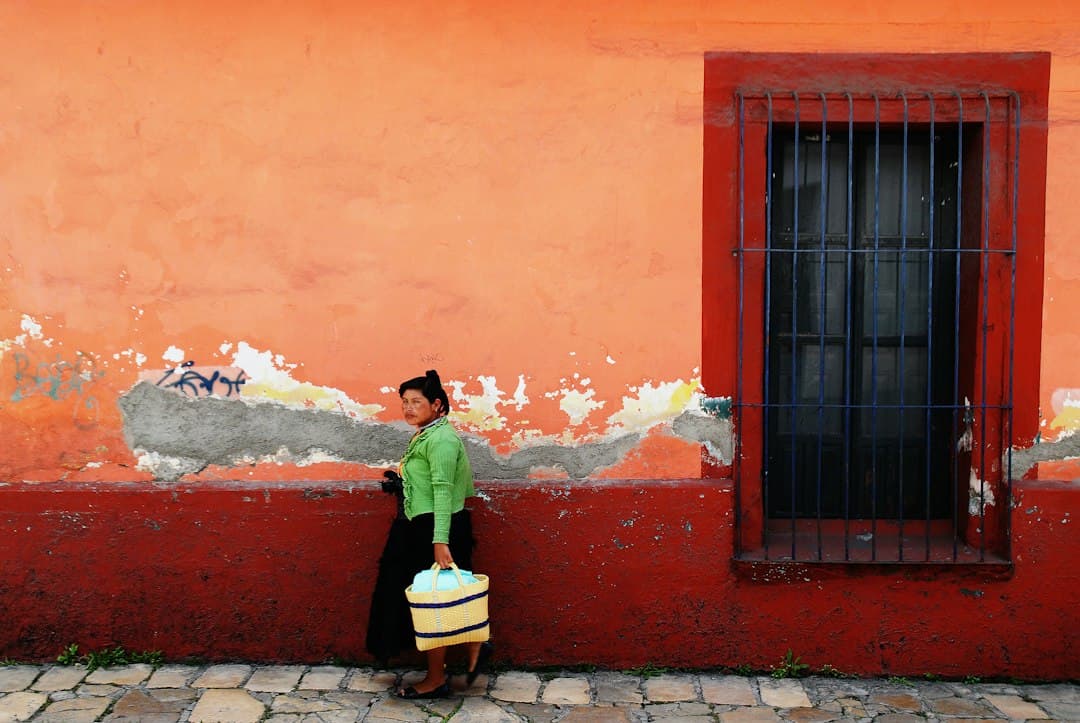
What sets it apart from a simple colonial backdrop is its everyday life. Tseltales and Tsotsiles come to the market in their colorful dress, from different communities, to sell or trade their goods[1]. Crafts and folk arts keep the local economy going and fill ten neighborhoods of the town[2]. The town is also part of UNESCO's Creative Cities Network[2].
History and culture: from Ciudad Real to San Cristóbal
The town was founded in 1528 by Diego de Mazariegos under the name Ciudad Real de Chiapa[1]. It officially received its current name in 1848[3]. The name combines Saint Christopher, patron saint of travelers, and Fray Bartolomé de las Casas, the town's first bishop[4]. A Dominican, he defended Indigenous peoples against the brutality of Spanish colonizers[5].
The region has been home since pre-Hispanic times to Maya peoples, mainly Tsotsil and Tseltal, who still make up a fundamental part of its population[3]. On January 1, 1994, the town drew world attention when the Zapatista Army of National Liberation (EZLN) briefly seized it during an Indigenous uprising[3].
Two events anchor the calendar. Every March 31, the town's founding is celebrated with parades, fireworks and marimba music[4]. Every April, the Spring and Peace Fair, the town's oldest cultural event, has been held for more than a century[2].
What to see in the historic center
Start at the main square. Around it you'll find the cathedral with its baroque façade, the neoclassical Palacio Municipal, the arcades, the San Nicolás church and the Casa de la Sirena, whose façade draws on 16th-century Plateresque style[4]. Locals gather here to chat, stroll or listen to music[6].
The Santo Domingo church is considered the masterpiece of Baroque art in Central America and Mexico, both for its mortar façade and its gilded altarpieces and pulpit[1]. It is open every day, and its interior is especially beautiful in the evening, lit by candlelight[7].
At the end of the Andador Eclesiástico, the Arco del Carmen, built in 1677, served as the entrance gate to the colonial town[5]. According to one guide, it may be the finest expression of Mexican Mudéjar art[6]. For the view, climb to the Guadalupe church, the most recognizable with its yellow and white façade: there are 100 steps, but the panorama over the town is worth the effort, especially at sunset[8].
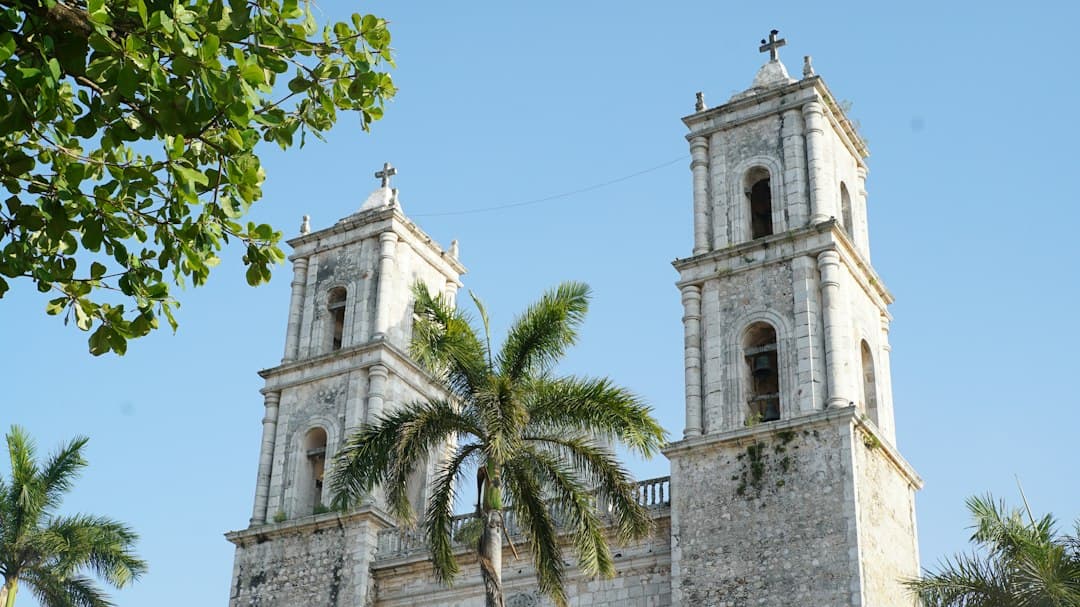
Take time for the barrios too: their traditional architecture, festivals, crafts and food make them a fascinating visit, and many doors display red paper lanterns that signal tamales for sale[1].
Museums and crafts: understanding textiles, amber and Maya cultures
The former Santo Domingo convent houses the Centro Cultural de los Altos de Chiapas, with exhibits on regional history, and a textile museum displaying hundreds of hand-woven Maya fabrics[5]. In 2012 the town opened the Centre of World Maya Textiles to give new momentum to craftsmanship[2].
On the square in front of the church, a crafts market brings together weavers from neighboring villages[5]. The Museo del Ámbar, a small museum housed in a former convent, displays more than 300 amber specimens[7]. It is worth visiting before any purchase: the staff explain how to tell real amber from imitation, the genuine stone always feeling warm to the touch and giving off a faint resin scent when rubbed[7].
The museum offer also includes the Museo de Medicina Maya, the Museo Mesoamericano del Jade and the Museo de Trajes Regionales Sergio Castro[6].
Markets, Eating Out and Downtown Life
The markets are first and foremost for locals: one guide recommends being discreet with your camera and respectful toward the vendors[5]. In the evening, the center comes alive around the Plaza de la Paz, the Plaza 31 de Marzo and Calle Real de Guadalupe, with street musicians, concerts, cafés and crowds wandering about[8].
Eating out costs little: street food runs under 60 MXN, and even nicer restaurants rarely exceed 250 to 300 MXN per person[9]. Carry cash, as many small businesses don't accept cards[8].
Around San Cristóbal: Villages, Canyon and Nature
San Juan Chamula, a Tzotzil village, is located 10 km from the city[6]. Zinacantán, another Indigenous village, is often visited along with it[9]. You can go to Chamula on your own, by collectivo from Calle Honduras, but a guided tour is strongly recommended: with a local resident you feel less like an intruder, and the tour also includes Zinacantán[8]. In Chamula, photography is forbidden inside the churches, whose floors are covered in pine needles and whose interiors are filled with candles[6].
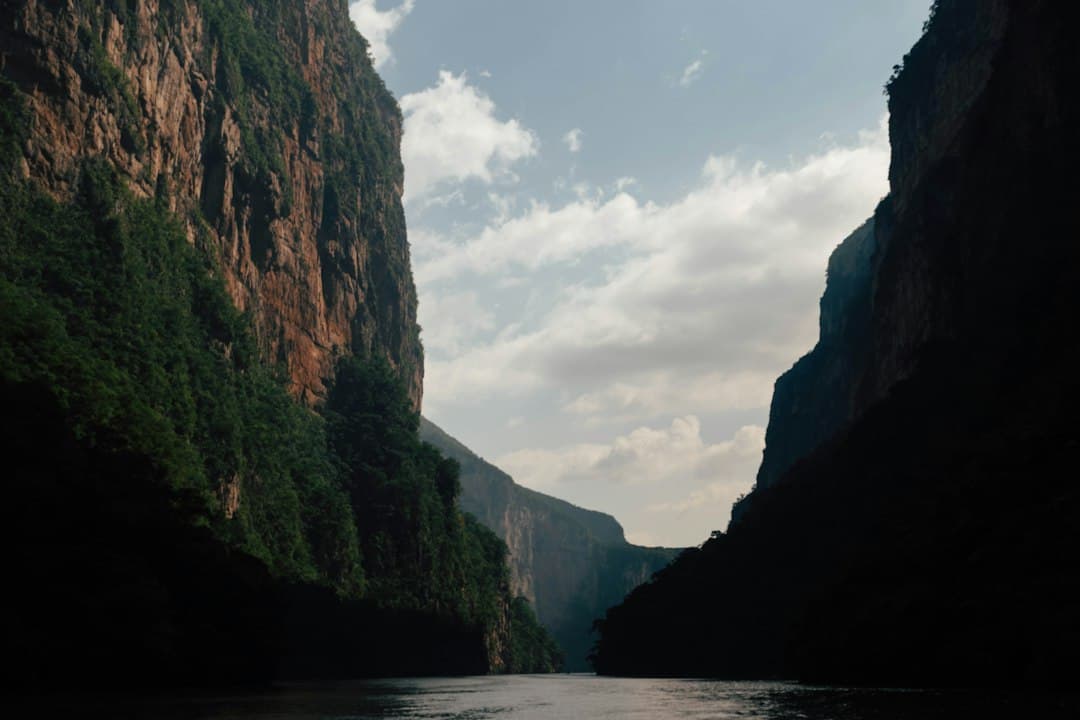
The Sumidero Canyon is done as a day trip from the city, with a boat ride and a stop in Chiapa de Corzo, hotel pickup, lookout points and cultural discovery[10]. The city also serves as a base for the El Chiflón waterfalls and the Montebello lagoons[9].
For nature within easy reach, the Huitepec reserve and the El Arcotete ecotourism park are cited among the attractions[6]. The Huitepec cloud forest is just 20 minutes' drive from the city[11]. Farther excursions (the Palenque ruins, Agua Azul, Misol-Ha) are considered by one traveler to be too long as a round trip from San Cristóbal: he reserves them for those for whom Palenque is not on the rest of their route[8].
Practical Info: Getting There and Getting Around
San Cristóbal has no commercial airport with regular flights: you land at Ángel Albino Corzo International Airport (TGZ) in Tuxtla Gutiérrez, a little over an hour's drive away, then continue by road[3]. From the airport, a Mexican guide mentions shared van transport (about 240 MXN), first-class bus (about 200 MXN, with few departures per day) or private taxi, which is more expensive (about 800 to 1,000 MXN)[9]. These prices are indicative and vary depending on the source.
The center is entirely walkable: pedestrian streets connect the main squares, churches and markets[9]. For excursions, group tours departing from the center are the most convenient and least expensive option, including transport and a guide[9]. Cobblestone streets and the altitude make uphill walks noticeable: bring comfortable shoes[9].
The city sits at roughly 2,200 m above sea level, which gives it a cool mountain climate[3]. Bring a sweater for the evening[9]. For visits, budget 48 MXN for the Museo de los Altos and 20 MXN for the Museo del Ámbar, indicative prices from a third-party guide[7].
Scams, Pitfalls and Things to Watch Out For
On Federal Highway 199 linking San Cristóbal to Palenque, local communities sometimes block traffic to demand payment of a passage fee[12]. To reach Palenque, it is best to travel with a transport service run by tourism professionals rather than going alone[12].
For taxis, the French diplomatic service advises checking that the license plate matches the insurance displayed on the rear window, and comparing the photo on the driver's license visible in the vehicle with the driver's face; it recommends preferring taxis from official stands (“sitio”), easily spotted in towns[12].
For the whole of Chiapas, the French authorities indicate that travel requires particularly heightened vigilance because of the insecurity observed in recent months; San Cristóbal de las Casas is one of the exceptions to the advised-against zone[12]. In Tzotzil villages, keep your camera discreet and respect the ban on photography inside the churches[6].
Steps, in order
- Land in Tuxtla Gutiérrez (TGZ), then reach San Cristóbal by van, bus, or taxi.
- Explore the center on foot: the main square, the cathedral, Santo Domingo, the Arco del Carmen, and the Guadalupe viewpoint at sunset.
- Set aside time for the museums and the artisan market at Santo Domingo.
- Bring cash for small shops and street food.
- Book a collectivo or guided tour: Chamula and Zinacantán, Sumidero, waterfalls, or the cloud forest.
- For Palenque, choose transport arranged through professionals.
This article covers the essentials for choosing and preparing a visit. Choosing your neighborhood, comparing tours, or building a detailed budget requires going further.
Keep exploring
- Mexico: The Must-Sees, Region by Region, to Help You Choose Where to Go
- Puerto Escondido: What to See and Do on the Oaxaca Coast
- Palenque: What to See and Do in the Maya City of Chiapas
- Oaxaca: What to See and Do, from the Colonial Center to the Zapotec Valleys
Sources
- 1.^ abcdefchiapas.gob.mx — Portal de Gobierno: “A village whose richness lies in its ethnic diversity and colonial tradition, showing its architectural treasures in various buildings from the 16th, 17th, and 18th centuries.” “Colonial city located 46 km along the Tuxtla Gutiérrez – San Cristóbal de Las Casas highway.” “The Jovel valley offered the ideal location, temperate climate, and strategic position for Diego de Mazariegos to found Ciudad Real de Chiapa in 1528.” https://www.chiapas.gob.mx/pueblos-magicos/san-cristobal/ (accessed November 12, 2026)
- 2.^ abcdeunesco.org — San Cristóbal de las Casas - Creative Cities Network: “Located in the Mexican state of Chiapas, San Cristóbal de las Casas has 186,000 inhabitants, a large share of whom belong to Indigenous communities.” “While crafts and folk arts are the main drivers of the local economy, they also permeate daily life in ten of the city's neighborhoods.” “San Cristóbal de las Casas is part of UNESCO's Creative Cities Network.” https://www.unesco.org/fr/creative-cities/san-cristobal-de-las-casas (accessed November 12, 2026)
- 3.^ abcdeviajacongus.com — Things to Do in San Cristóbal de las Casas | Viaja con Gus: “In 1848, it officially received the name San Cristóbal de las Casas.” “Since pre-Hispanic times, the Altos de Chiapas region has been inhabited by Maya peoples, mainly Tsotsil and Tseltal, who still make up a fundamental part of its population.” “On January 1, 1994, the city drew the world's attention when the Zapatista Army of National Liberation (EZLN) briefly took it during an Indigenous uprising demanding rights and recognition.” https://viajacongus.com/en/mexico/san-cristobal-de-las-casas/ (accessed November 12, 2026)
Show 9 more sourcesShow less
- 4.^ abcgob.mx — San Cristóbal de las Casas, Chiapas | Secretaría de Turismo | Gobierno | gob.mx: “The current name refers to Saint Christopher, patron saint of travelers, while de las Casas honors the city's first bishop: Fray Bartolomé de las Casas.” “City founding: every March 31, the city's founding is celebrated with parades, fireworks, and marimba music.” “Around its main square are architectural gems such as the cathedral with its baroque façade, the neoclassical Palacio Municipal, the portales, the San Nicolás church, whose style represents colonial religious architecture in Chiapas, and the Casa de la Sirena, with its 16th-century Plateresque-inspired façade.” https://www.gob.mx/sectur/articulos/san-cristobal-de-las-casas-chiapas (accessed November 12, 2026)
- 5.^ abcdethediscoveriesof.com — Best Things To Do In San Cristobal De Las Casas, Mexico — The Discoveries Of: “The 16th-century Dominican friar who became the city's first bishop and spent his life fiercely defending Indigenous peoples against the brutality of Spanish colonizers.” “Built in 1677 as part of the La Encarnación convent, it once served as the city's colonial gateway and is considered one of the finest examples of Mudéjar style in Chiapas.” “The former convent next to the church now houses the Centro Cultural de los Altos de Chiapas, with exhibits on regional history and a superb textile museum showcasing hundreds of hand-woven Maya fabrics.” https://www.thediscoveriesof.com/san-cristobal-de-las-casas-mexico/ (accessed November 12, 2026)
- 6.^ abcdefgkayak.com.pe — Guía de viaje San Cristóbal de las Casas | Turismo San Cristóbal de las Casas - KAYAK: “The heart of this Pueblo Mágico is the main square, where locals gather to chat, stroll, or listen to live music.” “The Arco del Carmen is perhaps the finest expression of Mexican Mudéjar art.” “San Cristóbal de las Casas' attractive and varied museum offering includes the Museo de Historia y Curiosidades, the Museo de Trajes Regionales Sergio Castro, the Museo del Ámbar, the Museo Mesoamericano del Jade, the Centro Cultural Altos de Chiapas, and the Museo de Medicina Maya, among others.” https://www.kayak.com.pe/San-Crist%C3%B3bal-de-las-Casas.54284.guide (accessed November 12, 2026)
- 7.^ abcdguide.travellerspoint.com — San Cristobal de las Casas Wiki Travel Guide - Travellerspoint: “Open every day. The interior is especially beautiful in the evening, lit by candles.” “Housed in a former convent, this small museum displays more than 300 amber specimens and also offers beautiful pieces for sale.” “It's a good place to visit if you plan to buy amber in Chiapas: the staff explain how to tell real from fake, since real amber always feels warm to the touch and gives off a faint resin smell when rubbed.” https://guide.travellerspoint.com/San_Cristobal_de_las_Casas/ (accessed November 12, 2026)
- 8.^ abcdeindietraveller.co — The Not-Your-Usual Guide To San Cristóbal de las Casas: “Even if there are 100 steps to climb to reach the top, the effort is worth it for the view over San Cristóbal, especially at sunset.”; “The Church of Guadalupe is the most recognizable, with its yellow and white facade.”; “This is where the town really comes alive, especially at night. Around the Plaza de la Paz, the Plaza 31 de Marzo and along Real de Guadalupe, the streets buzz with street artists, live music, lively cafés and crowds strolling about.” https://www.indietraveller.co/san-cristobal-de-las-casas-mexico/ (accessed November 12, 2026)
- 9.^ abcdefghrutasmexico.com.mx — San Cristóbal de las Casas, Chiapas: Travel Guide and How to Get There 2026 | RutasMéxico: “Eating well here is very affordable: street food costs less than MXN 60, and even the most upscale restaurants rarely exceed MXN 250 to 300 per person.”; “It's a base for must-see excursions: the Sumidero Canyon, the indigenous villages of San Juan Chamula and Zinacantán, the El Chiflón waterfalls and the Montebello lakes.”; “From the airport, the options are: a direct shared van for about MXN 240, first-class bus for about MXN 200 (about 1 hour, with few departures per day), or a private taxi, which is more expensive (about MXN 800 to 1,000).” https://rutasmexico.com.mx/es/destinos/san-cristobal-de-las-casas (accessed November 12, 2026)
- 10.^mexicantrips.com — 15 San Cristobal de las Casas Tours to Build a Day Around – Mexican Trips: “Full-day excursion from San Cristóbal to the Sumidero Canyon by boat and to Chiapa de Corzo, with hotel pickup, viewpoints and culture.” https://mexicantrips.com/discover/san-cristobal-de-las-casas-tours/ (accessed November 12, 2026)
- 11.^mexiconewsdaily.com — 3 spectacular hikes to discover around San Cristóbal de las Casas: “The Huitepec cloud forest is only a 20-minute drive from San Cristóbal de las Casas.” https://mexiconewsdaily.com/mexico-living/best-hikes-san-cristobal-las-casas/ (accessed November 12, 2026)
- 12.^ abcddiplomatie.gouv.fr — Mexico - Safety | France Diplomatie: “In the state of Chiapas, blockades by local communities demanding a passage fee are observed on Federal Highway 199 connecting San Cristobal de Las Casas to Palenque.”; “To get to the Palenque tourist site, transport accompanied by tourism professionals should be preferred over individual travel.”; “Always check that the license plates match the insurance displayed on the rear windows, and compare the photo on the driver's license visible in the vehicle with the driver's face. Prefer station taxis (sitio), easily recognizable in towns.” https://www.diplomatie.gouv.fr/fr/information-par-pays/mexique/conseils-aux-voyageurs-securite (accessed November 12, 2026)