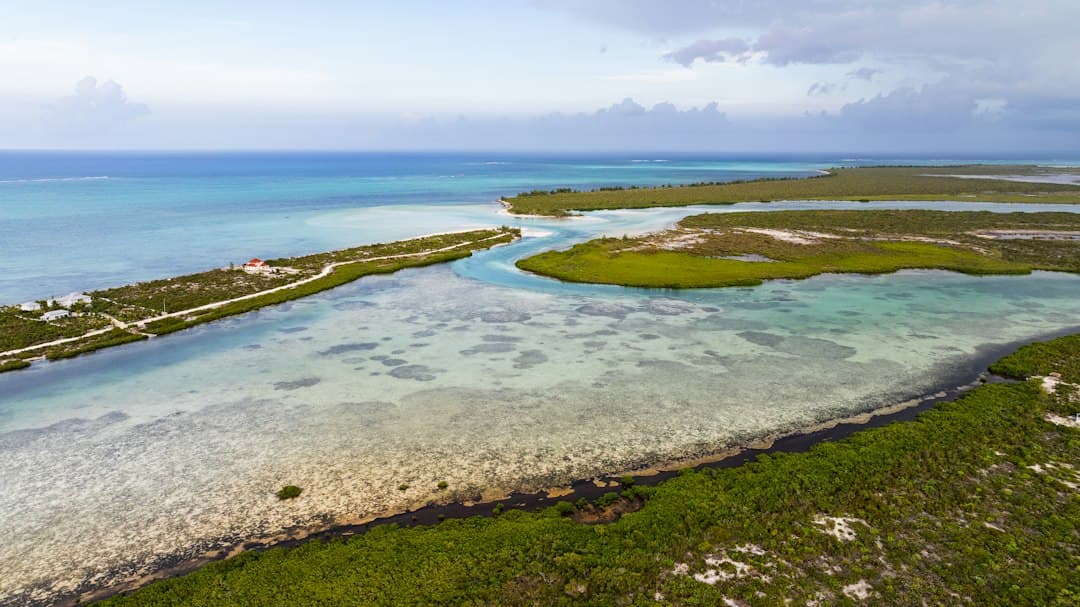
Holbox is a small island in northern Quintana Roo where you get around on foot, by bike or in a golf cart. This article helps you choose what to do there: beaches, boat trips, bioluminescence, whale sharks. You'll also learn when to go, how to reach it from Cancún and how long to stay. To place the island within the rest of the country, see "Mexico: The Highlights, Region by Region".
Holbox at a glance: the island where time slows down
On the island, the streets are sandy and there are practically no cars: only bikes and golf carts that serve as taxis and private transport[1]. The brightly colored houses of the fishing families mix with small boutique hotels, guesthouses, restaurants and craft shops[1].
Holbox is part of the Yum Balam biosphere reserve, in northern Quintana Roo, where the Caribbean Sea meets the Gulf of Mexico[2]. Its sandy streets, palm trees and golf carts remain, despite a wave of construction in recent years[3]. You'll now find yoga studios, vegan restaurants and trendy bars, but the proximity of wild nature and the relaxed atmosphere set the island apart from other destinations in the region[3].
History and culture: from fishing village to island of murals
The name Holbox comes from Maya and is generally translated as "black hole" or "black water," because of the dark waters of the lagoon and the mangroves that separate the island from the mainland[2]. According to tradition, these coasts also served as a refuge for Caribbean pirates[2]. What is better documented: Holbox developed as a modest fishing village, devoted for generations to fishing and lobster catching, in an isolation that kept it apart from the tourist development of Cancún and the Riviera Maya[2]. Until about twenty years ago, only a few fishing families lived on the island[3].
The Yum Balam biosphere reserve was established in 1994 to protect its mangroves, wetlands, wildlife and the whale shark corridor[2].
On the cultural side, the island is associated with an International Public Art Festival announced by tourism authorities. It planned a group exhibition of murals by ten Mexican and foreign artists, who were to paint their vision of the way of life of Holbox's residents, its nature, its traditions and its cultural heritage[4]. The murals are among the things you discover when strolling through the village[5].
On the neighboring coast, near Cabo Catoche, lies Boca Iglesia, the remains of a colonial-era church. It is one of the most striking historic sites in the region, and it can only be reached by boat[4].
Beaches and walks
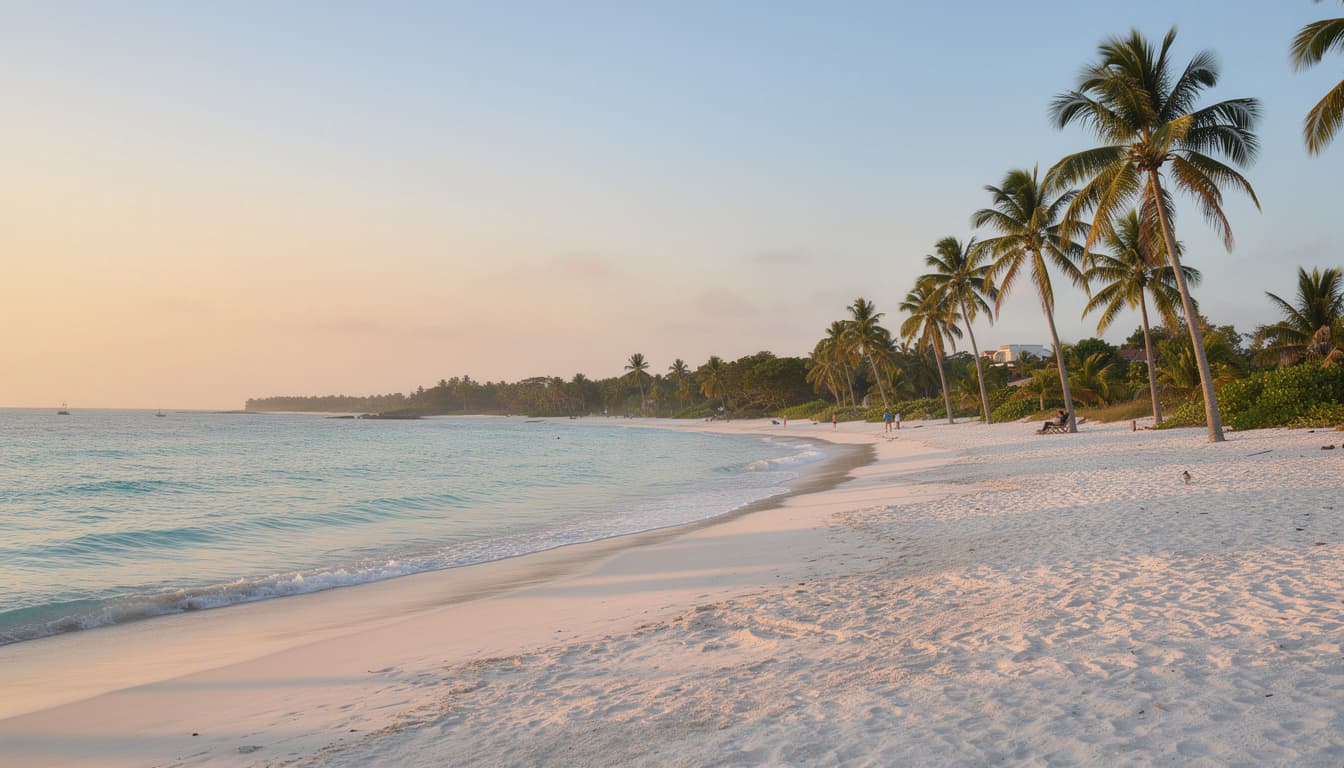
The water is the first reason to come: warm, calm, waist-deep far from the shore, with a milky turquoise color due to the shallow sandy bottom[6].
- Playa Holbox: the long beach that runs along the village, with beach bars, restaurants and a kitesurfing school[1].
- Punta Mosquito: a wild beach known for its sandbanks that emerge at low tide[1]. Flamingos sometimes feed there. Go early, at low tide, and bring water: there is no shade at all[6]. At low tide, you can sometimes walk on firm sand with water on either side, but access has at times been restricted to protect nesting areas and dunes[7].
- Punta Cocos: at the western tip, near the village, popular for shallow-water swimming during the day and for its sunsets, with a few small beach bars and a calmer atmosphere than the central area[7].
Boat, birds and mangroves: Yalahau, Isla Pájaros, Isla Pasión
The "Tres Islas" tour combines nature and snorkeling, with stops at a cenote, on the beach of a secluded islet surrounded by clear water, and in the mangroves bordering the Yalahau lagoon[3].
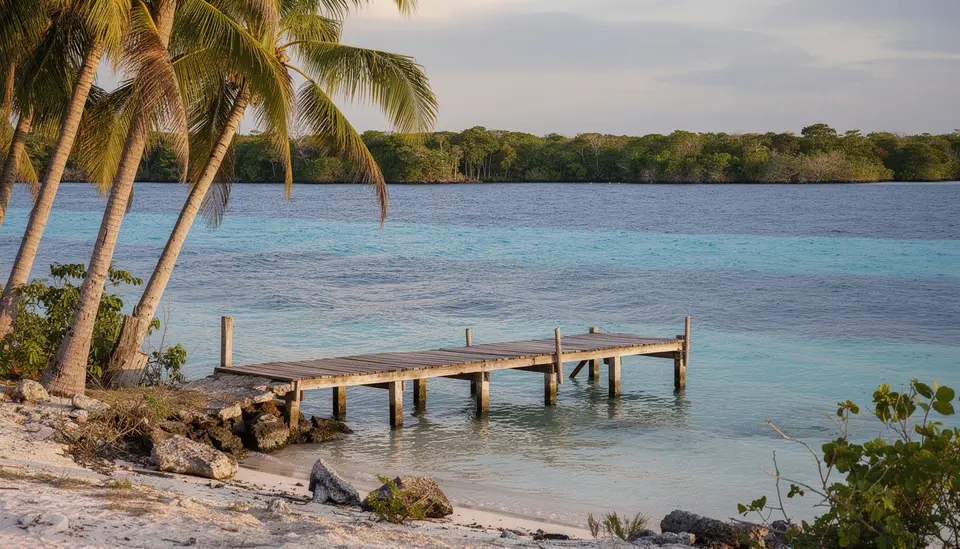
Isla Pájaros is a conservation area where you cannot land, but a viewing platform lets you observe the birds that live there[1]. The island is often part of boat trips around Holbox, and several bird species can be seen in a setting of lagoons and wetlands[5]. On Isla Pasión, a small pier and a wooden lookout tower offer a lovely view of the island, of Holbox and of the channel between them[1].
From the dock, you can also book dolphin-watching trips, snorkeling spots, fishing trips and sunset catamaran cruises, lasting from a few hours to a full day[1]. Kayaking, water sports and mangrove tours complete the offer[5]. Before booking, keep in mind that some activities depend on the season, the weather and wildlife protection regulations[5].
Bioluminescence and whale sharks: The Highlights of Nature
Bioluminescence is at its best during the summer months, from June to September, on either side of the new moon[3].
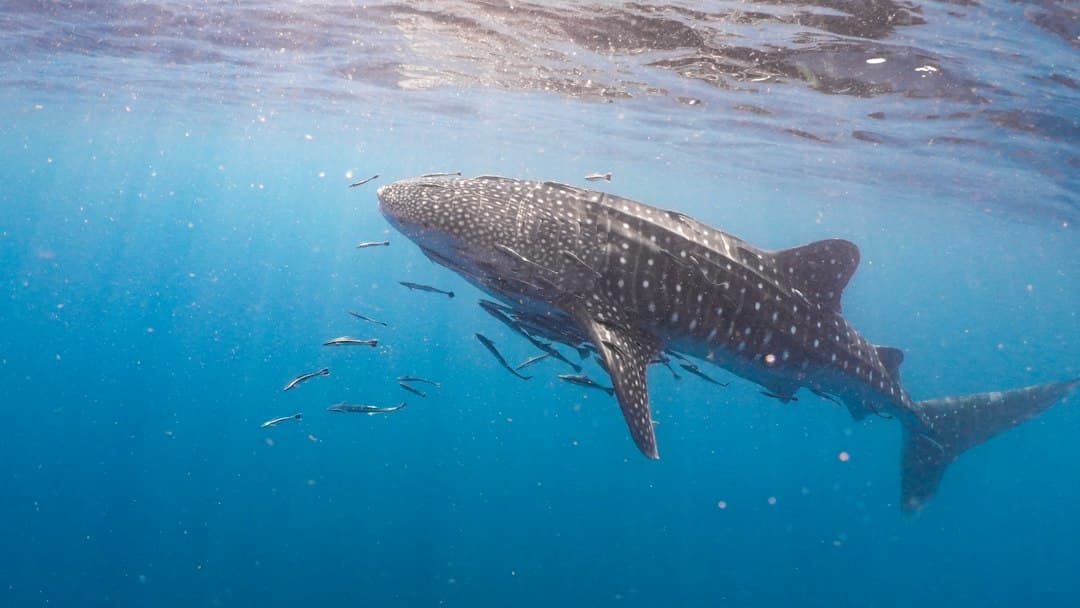
Whale sharks visit the area between May and September according to Lonely Planet[3], and especially from June to September according to another source[1], when they come to feed on the phytoplankton of the warm Caribbean waters[1]. This activity is regulated by the Mexican government, and the number of authorized operators is limited[8]. Boats can only leave from a few piers, including those of Holbox and Chiquilá[8]. A sighting is never guaranteed: these are wild animals[8].
When whale sharks are scarce and boats are plentiful, a rule prohibits swimming: if fewer than five animals are present and there are more than five boats per animal, the activity is limited to observation from the boat[8]. Out of respect for the animals, avoid sunscreen in the water, keep your distance, and choose operators who follow these rules[3].
When to go and how long to stay
Hurricane season, from June to November, brings lower prices, more rain, and temperatures rising to around 30 °C[3]. In Holbox, it is riskier: the island's buildings are less sturdy than those of the big resorts, and the risk of being stranded during a hurricane is real, since the island can only be reached by boat[3]. Yet it is in summer that nature offers the most, with bioluminescence and whale sharks[3].
As for length, the ideal stay is a weekend of 2 or 3 nights: it accounts for travel time to get there and leaves room for some snorkeling, a boat trip around Punta Mosquito, and plenty of beach time[3]. Holbox works best as a quiet break between livelier stops[6].
How to get there: from Cancún to the island
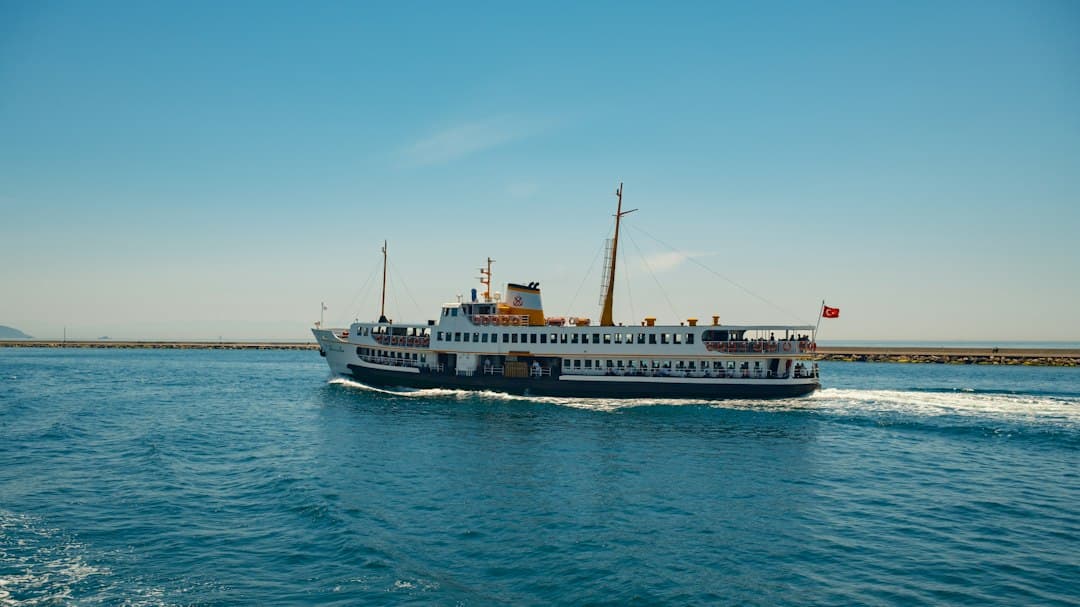
There is no bridge: everyone crosses by passenger ferry from Chiquilá, a small port on the mainland[9]. ADO buses serve Chiquilá directly, and the stop is a short walk from the dock[9].
Two companies run the crossing, Holbox Express (departures every half hour from 6:30 am to 9:30 pm) and 9Hermanos (departures on the hour from 6:00 am to 9:00 pm)[3]. Combined, the two companies run a ferry roughly every 30 minutes, between 6:00 am and 9:30 pm; weather can cause delays or cancellations[10]. The island is car-free and the ferry only carries passengers: if you're coming by car, leave it in Chiquilá[10].
From Cancún airport, the full trip takes about 3 hours, with a private transfer to Chiquilá (2 to 2.5 hours) and then the ferry (25 minutes)[10]. On the island, it's about 1 km between the ferry terminal and the main beach, through the village. If you stay far from the center, a golf cart, taxi, or rental is the main way to get around[3].
Pitfalls, scams, and things to watch out for
- Cash: ATMs on the island are scarce, often out of order, and charge high fees. Withdraw what you need in Cancún or Chiquilá before the crossing, since many small shops don't accept cards[6].
- Water and mosquitoes: tap water is not drinkable and mosquitoes are very real, so bring insect repellent[6].
- Accommodation: the island is small and fills up quickly in high season. Book in advance; water or power outages are more likely in the cheaper accommodations, so read recent reviews[6].
- Whale shark tours: once the boat has left the pier, some operators offer no refunds, and they do not guarantee any sighting[8].
- Hurricanes: during the season, the risk of being stuck on the island is real, since there is no access other than by boat[3].
- Length of stay: the maximum period granted to a tourist traveler is 180 days, but it is not granted automatically: the immigration officer sets the exact length of your stay[11]. If you are a French national, a visa is required for paid activities or a stay longer than 180 days[12]; if you plan to work remotely, check your situation with the Mexican embassy.
Steps, in order
- Choose your period: summer for bioluminescence and whale sharks, keeping in mind the hurricane risk through November.
- Book your accommodation in advance, especially in high season, and read recent reviews before confirming.
- Reach Chiquilá by ADO bus or private transfer from Cancún.
- Take the ferry to the island and leave any car on the mainland.
- Plan 2 or 3 nights: Punta Mosquito early at low tide, Punta Cocos at sunset, and a boat trip to the islets and the Yalahau lagoon.
- Book your excursions with authorized operators, checking the refund conditions.
This article gives you the essentials to decide whether to go to Holbox; choosing accommodation, a line-by-line budget, and the details of excursions require going further before you settle in for real.
Keep exploring
- Mexico: The Must-Sees, Region by Region, to Help You Choose Where to Go
- Bacalar: What to See and Do Around the Lagoon of Seven Colors
- Playa del Carmen: What to See and Do on the Riviera Maya
- Tulum: What to See and Do Between Mayan Ruins, Beaches and Cenotes
Sources
- 1.^ abcdefghibarcelo.com — Holbox, the island where time stands still - Barceló Experiences: "On the island, the streets are made of sand and there are practically no cars, only bicycles and golf carts that serve as taxis and private transport." ; "The colorful fishermen's houses blend with small boutique hotels and inns, restaurants and craft shops." ; "Don't miss Playa Holbox, the long stretch of sand that borders the town center, with its beach clubs and pleasant restaurants, a kitesurfing school… and above all kilometers of white sand beach." https://www.barcelo.com/guia-turismo/en/mexico/riviera-maya/things-to-do/holbox/ (accessed November 17, 2026)
- 2.^ abcdeviajacongus.com — Things to Do in Holbox, Mexico: Sights & How to Get There: "It belongs to the Yum Balam biosphere reserve, in northern Quintana Roo, where the Caribbean meets the Gulf of Mexico, and this protected nature is precisely its greatest treasure." ; "The name Holbox comes from Mayan and is generally translated as black hole or black water (hol, hole; box, black), because of the dark waters of the lagoon and the mangroves that separate the island from the mainland, tinted by organic matter." ; "During the colonial era and the centuries that followed, its waters and the coves of northern Yucatán were fishing routes and, according to tradition, a refuge for Caribbean pirates." https://viajacongus.com/en/mexico/holbox/ (accessed November 17, 2026)
- 3.^ abcdefghijklmnlonelyplanet.com — A guide to Isla Holbox, Mexico - Lonely Planet: "And although construction has blossomed in recent years, it remains a place of sand streets, palm trees and golf carts." ; "There are now yoga studios, vegan restaurants and trendy bars, but the proximity of wild nature and the village's relaxed aesthetic set it apart from other destinations in the region." ; "Until about twenty years ago, only a handful of local fishing families lived on the island." https://www.lonelyplanet.com/articles/guide-to-isla-holbox-mexico (accessed November 17, 2026)
Show 9 more sourcesShow less
- 4.^ absiturq.gob.mx — INVERATUR: "This International Public Art Festival plans a group exhibition of murals by 10 Mexican and foreign artists, who will express their vision and perception of the way of life of Holbox's inhabitants, its nature, its traditions and its cultural heritage." ; "Boca Iglesia is one of the most important historic buildings in the region and the country, although it sits in a hard-to-reach place that can only be reached by boat or lancha." https://siturq.gob.mx/inveratur (accessed November 17, 2026)
- 5.^ abcdbahia-principe.com — Qué Hacer En Holbox (Guía Turística): "You can also spend time exploring the village, its murals, tasting the local gastronomy or simply walking along the coast." ; "Isla de los Pájaros is often part of the boat excursions around Holbox. Its main draw is the chance to observe different bird species in a setting of lagoons and wetlands." ; "Among the main activities in Holbox, you'll find boat excursions, wildlife watching, kayaking, water sports, mangrove tours and bioluminescence experiences." https://www.bahia-principe.com/es/blog/que-ver-en-holbox/ (accessed November 17, 2026)
- 6.^ abcdefcancun-trip.com — Holbox travel guide: how to get there & what to expect : “The water is the main draw here: warm, calm, and waist-deep far from shore, with a milky turquoise color from the shallow sandy bottom.” ; “At low tide, a long sandbank emerges offshore from Punta Mosquito, where flamingos sometimes feed: go early, at low tide, and bring water because there is no shade.” ; “Holbox works best as a relaxing pause between livelier stops.” https://www.cancun-trip.com/destinations/holbox/ (accessed November 17, 2026)
- 7.^ abthetraveler.org — Isla Holbox vs Riviera Maya: Is It Worth the Extra Effort? : “At low tide, visitors can sometimes walk on firm sand with water on either side, although in recent years local authorities and nature protection groups have at times restricted access to protect bird nesting areas and dunes.” ; “Punta Cocos, at the western tip near the village, is popular for shallow-water swimming during the day and its blazing sunsets, with a few small beach bars and a calmer atmosphere than the central area.” https://www.thetraveler.org/isla-holbox-vs-riviera-maya-is-it-worth-the-extra-effort/ (accessed November 17, 2026)
- 8.^ abcdeholboxwhalesharktours.com — Terms and Conditions – Holbox Whale Shark Tours : “Whale shark tourism in the Mexican Caribbean is regulated by the Mexican government, and the number of authorized operators is limited.” ; “Boats may only depart from certain piers located in Isla Mujeres, Punta Sam, Holbox, and Chiquilá.” ; “We cannot guarantee, and do not guarantee, whale shark sightings.” https://holboxwhalesharktours.com/terms-and-conditions/ (accessed November 17, 2026)
- 9.^ abinternational.ado.com.mx — How to Get to Holbox: Bus to Chiquilá + Ferry | ADO : “There is no bridge: everyone crosses by passenger ferry from Chiquilá, a small mainland port.” ; “ADO buses go directly to Chiquilá, and the bus stop is a few steps from the ferry pier.” https://international.ado.com.mx/ado-bus/how-to-get-to-holbox?locale=en (accessed November 17, 2026)
- 10.^ abcgetnomadr.com — Getting to and from Holbox (2026) : “The Holbox ferry runs about every 30 minutes from 6:00 am to 9:30 pm (Chiquilá→Holbox); weather can occasionally cause delays or cancellations.” ; “Holbox is an island without cars; the ferry carries passengers only.” ; “Plan to leave any rental car in Chiquilá’s parking lots at 100 MXN/day.” https://getnomadr.com/cities/holbox/getting_there_away (accessed November 17, 2026)
- 11.^voyage.gc.ca — Conseils aux voyageurs pour le Mexique : “The maximum length of stay granted for a trip for tourism purposes is 180 days. This maximum is not granted automatically. The immigration officer will determine the exact length of your authorized stay.” https://voyage.gc.ca/destinations/mexique (accessed November 17, 2026)
- 12.^diplomatie.gouv.fr — Mexique - Voyages d'affaires | France Diplomatie : “French nationals do not need a visa to travel to Mexico, except for paid activities or stays longer than 180 days.” https://www.diplomatie.gouv.fr/fr/information-par-pays/mexique/conseils-aux-voyageurs-voyages-d-affaires (accessed November 17, 2026)