Every November 8, the Cementerio General in La Paz fills with skulls crowned with flowers, knitted hats, and lit cigarettes. You'll learn what is being celebrated, where this ritual comes from, and when to experience it in 2026. You'll also learn how to behave as a visitor and what precautions to take in the crowd.
The Día de las Ñatitas in brief: what is being celebrated
Every November 8 in La Paz, families bring human skulls to the Cementerio General. They keep these skulls at home as protective spirits. They crown them with flowers, offer them cigarettes and coca, then have them blessed[1].
The skulls arrive in glass display cases, cardboard boxes, or woven bags, carried by the families who own them[2]. They wear crowns of fresh flowers and knitted hats against the cold, and cigarettes burn between their teeth[2]. Some are also wearing hats or sunglasses[3].
The name comes from "ñata," meaning flat nose: these skulls are called that because they have no nose[4].
Contrary to what you might imagine, most ñatitas are not ancestors[2]. These skulls often do not come from deceased relatives: they may be bought or inherited across generations[5]. Each one receives a name, which is not necessarily the name it had in life: many are "dreamed" up, or given the name their owner considers fitting[6].
Families believe the ñatitas protect their home and businesses and watch over their owners' health[4]. People also ask them for protection against theft, help with studies, health, or finding work[4]. According to spiritual guide Justina Oblitas, they can grant wishes, keep bad situations away, and make the person "dream" the answers to their problems[6].
Andean origins and the relationship with the Church
The festival is deeply Aymara and Catholic on the surface[2]. The custom blends Andean beliefs about ancestors, predating the Spanish conquest, with popular Catholicism[4]. According to pre-Hispanic Andean beliefs, each person has seven souls, one of which resides in the skull; that is why it is cared for and honored[5]. The festival's exact origin remains uncertain, but it is presumed to be Indigenous[7].
The Catholic Church does not officially endorse this practice[3]. It eventually agreed to bless the families while refusing to bless the skulls, a compromise renegotiated more or less every year[2]. After a conflict in which a priest had barred entry to the church, prompting residents to throw stones and smash windows, the parish became more accommodating[3].
Dates, location, and the link with Todos Santos
- The date is fixed: November 8, one week after All Saints' Day.
- In 2026, it falls on a Sunday[4].
- The main site is the Cementerio General, in central La Paz[4].
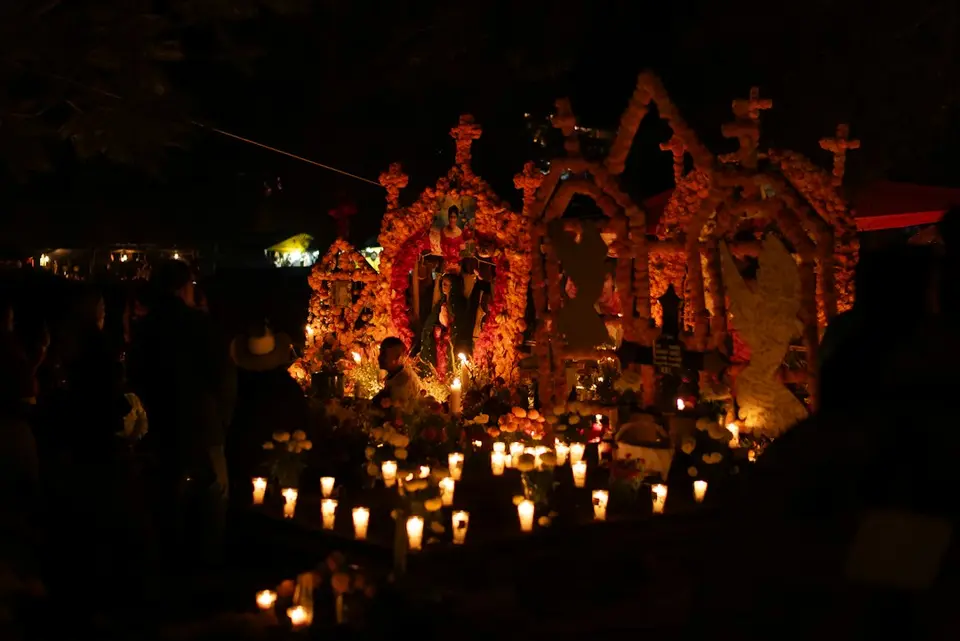
The festival is the epilogue of Todos Santos. This sequence begins on November 1 with offerings of t'antawawas bread at home and on graves, and ends on November 8 with the Fiesta de las Ñatitas[4]. On November 1 and 2, families set up altars laden with t'antawawas and spend the night at the cemetery sharing a meal with their deceased: it is an intimate moment rather than a tourist one[1]. The 8th is the big public day.
That day is the only one when devotees can go to the cemetery with their skulls; at any other time, they could be accused of desecrating graves[6]. The dates and atmosphere of previous years give an idea of the program, but official times are not announced: the main day tends to start in the morning, so it's worth arriving early.
A day at the Cementerio General
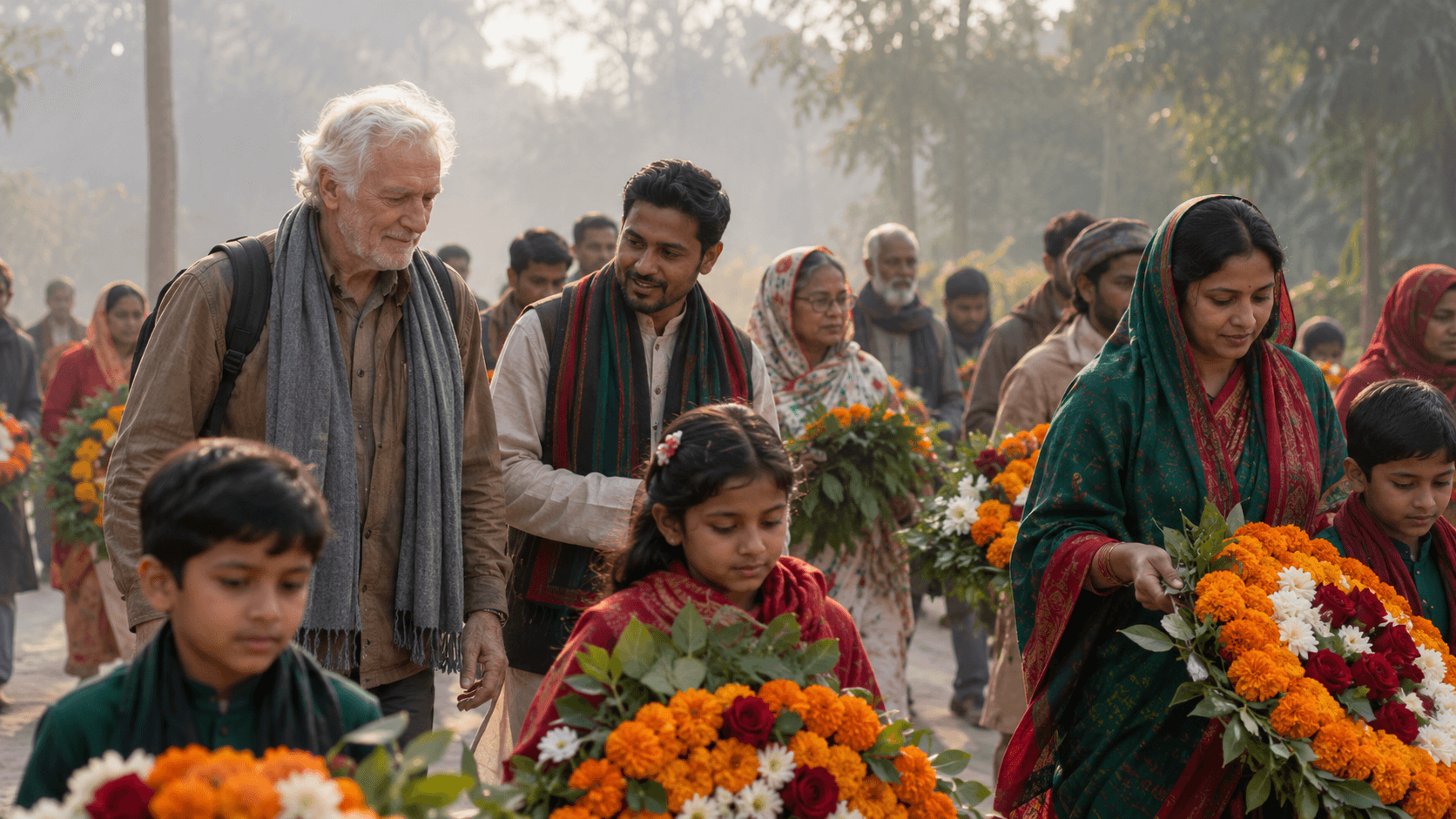
Families arrive early, in an atmosphere that is both solemn and festive[5]. The skulls are carried in transparent urn-like containers to be blessed[6]. Dozens of ñatitas wait to be venerated by believers, who bring coca leaves, cigarettes, flower crowns, colorful wool hats, alcohol, but also sweets and food[6].
People approach the skulls, place flowers on them, and light cigarettes they put in their mouths so they can smoke and receive their request[6]. Participants also offer food and live music[7]. In 2025, coca, cigarettes, and even mariachi bands welcomed the ñatitas[4].
A Mass is also held for lost or forgotten souls: these are unclaimed bodies, taken from common graves exhumed for the occasion, which people cover with flowers, candles, and coca[6]. The La Paz city hall, which administers the cemetery, has also made available dozens of skulls exhumed during a past edition of the celebration[7].
As for crowds, the cemetery administrator estimated the flow of worshippers at around 30,000 people early in the day during a past edition[8]. He also said there are about thirty skulls native to the cemetery and roughly 500 brought in by the public[8]. These figures date from a previous year: they give you an order of magnitude, not a forecast for 2026.
The Cementerio General, a Heritage and Artistic Site
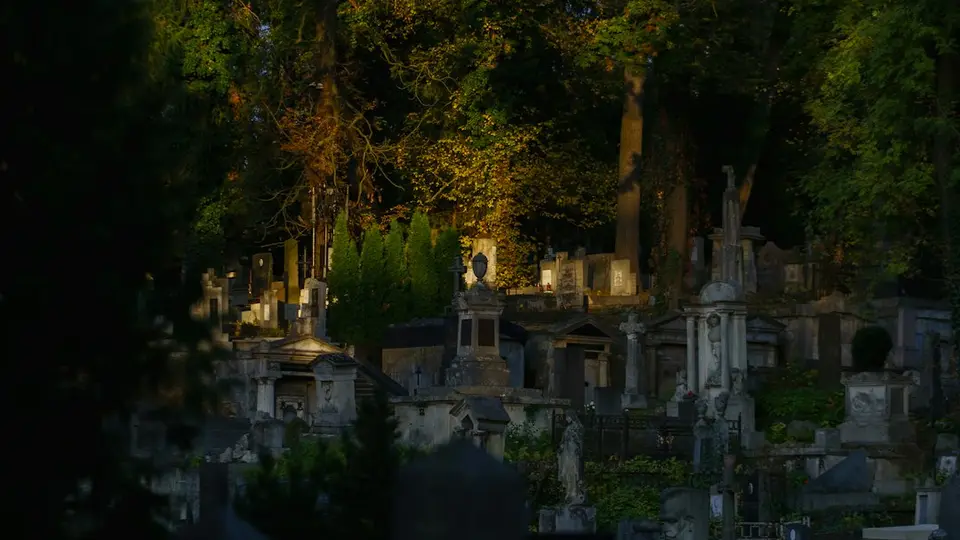
Declared a historic and architectural heritage site of La Paz in 2018, the cemetery is filled with niches, mausoleums, sculptures, and memorials[9]. It also houses the works created during "Ñatinta," a muralism festival[9]. Its artists have been working there since 2016, and 2026 marks its eleventh edition[9]. The cemetery falls under the La Paz city hall[9]. If you arrive before the festival, a stroll among these murals is well worth the visit.
Taking Part Respectfully
- Arrive in the morning and respect the families[4].
- Ask permission before photographing the ñatitas[4].
- Bring a small offering of coca or flowers if you approach a family[4].
- Keep a serious attitude: the atmosphere is both solemn and festive, and this is a devotional rite[5].
Getting There and Transport
The Cementerio General is located in central La Paz, about forty minutes by taxi from El Alto airport[4]. Use only radio taxis, and never get into a taxi parked on the street, especially near bus terminals[10].
Altitude and Conditions in La Paz
In La Paz, temperature swings are significant: between 15 and 22 °C in the shade during the day, much hotter in the sun, and 0 °C or below at night[10]. Across the Altiplano (3,000 meters and above), protect yourself well from the sun: full-protection sunscreen, a hat, long sleeves, and sunglasses suited to high altitude[10].
The festival takes place outdoors, so bring warm layers for the morning and sun protection for later in the day.
Scams, Pitfalls, and Things to Watch For
Festivals are when petty theft rises in crowds: wear a money belt and leave valuables at your hotel[1]. Bolivia is not an especially dangerous country, and violent attacks against tourists are fairly rare, but petty crime (pickpocketing, bag snatching) is growing in tourist areas such as bus terminals, transport, and markets[10].
- Fake police: they are sometimes found in tourist areas and use the authority of a uniform to isolate passersby and extract money from them[10]. If police stop you, show only your passport and ask the officers to contact your embassy immediately[10]. Never hand your bank card to anyone in a police uniform[10].
- Fake taxis: they drive their victims to an isolated spot, where accomplices (sometimes fake police) strip them of valuables and travel documents[10].
- Bus terminals: many tourists passing through are robbed there; keep an eye on your luggage[10].
- Scopolamine (burundanga): this drug causes loss of will and amnesia; it is slipped into drinks, especially in bars and nightclubs[10]. Never leave your drink unattended[10].
- Social movements: these are frequent, sometimes long-lasting, and can block roads, affecting the movement of people, tourists included[10]. Stay informed and never try to force through roadblocks[10].
- Shifting dates: in 2026, the organizers postponed the Entrada del Gran Poder to June 20 because of social unrest in the city[1]. Bolivian dates can therefore move for reasons that go beyond the religious calendar[1]. Check the situation before you travel.
Finally, don't try to bring or handle a skull outside the festival: on any other day, even devotees themselves can be accused of desecrating graves[6].
Pre-departure checklist
- Check the date (Sunday, November 8, 2026) and the social news in La Paz.
- Bring something to protect you from the cold and the sun, and water.
- Carry little cash, leave valuables at the hotel, and keep your passport in a safe place.
- Prepare a small offering (coca, flowers) and always ask before taking any photo.
- Plan your travel around radio taxis.
This article covers the essentials for attending the festival. To truly settle into La Paz, you'll want to go further on accommodation, everyday transport and adapting to the altitude.
Read also
- Day of the Dead Around the World: Traditions, Dates, and Where to Experience Them
- Día de Muertos in Mexico: Origins, Dates, Where to Experience It, and What to Expect
- Halloween Around the World: Where to Celebrate It and How to Enjoy It Far from Home
- All Saints' Day and Day of the Dead: Traditions in France, Europe, and Around the World
- Fèt Gede in Haiti: Understanding the Vodou Festival of the Dead, Its Rites and Meaning
Sources
- 1.^ abcdelovebolivia.com — Bolivia Festivals 2026: Month-by-Month: “On November 8, La Paz holds the extraordinary Fiesta de las Ñatitas: families bring human skulls to the Cementerio General, kept at home as protective spirits, often inherited, to crown them with flowers, offer them cigarettes and coca, and have them blessed.”; “Families set up altars loaded with t'antawawas, sweet breads shaped like babies and figures, and spend the night in the cemeteries sharing food with their dead. It is intimate rather than touristic, and one of the most moving things you can see in the country.”; “Third, festivals are the only moment when petty theft rises in the crowd: wear a money belt and leave valuables at the hotel.” https://lovebolivia.com/bolivia-festivals-calendar/ (accessed October 28, 2026)
- 2.^ abcdeconfinity.com — The Natitas: Bolivia's Day of Skulls | Confinity: “They arrive in glass display cases, cardboard boxes and woven bags, carried by the thousands of families who own them. They wear crowns of fresh flowers and knitted caps against the cold. Cigarettes burn between their teeth.”; “Here is the detail that changes everything: most ñatitas are not ancestors.”; “The festival is Aymara at its core and Catholic on the surface.” https://www.confinity.com/culture/natitas-day-of-the-skulls (accessed October 28, 2026)
- 3.^ abcrove.me — Day of the Skulls, or Día de las Ñatitas 2026 in Bolivia - Rove.me: “Every November, after All Saints' Day, the soul that resides in the skulls is honored by decorating them with flowers and accessories such as hats and sunglasses.”; “Interestingly, the Catholic Church does not officially endorse this practice.”; “However, after a conflict in which a priest refused entry to the church, prompting residents to throw stones and break windows, the parish became more accommodating.” https://rove.me/to/bolivia/day-of-the-skulls (accessed October 28, 2026)
Show 7 more sourcesShow less
- 4.^ abcdefghijklslicktrip.com — Día de las Ñatitas 2026: Dates (Nov 8) and Fares: “Ñatitas are human skulls that families keep at home and venerate as protectors, advisers and miracle-workers. The name comes from ñata, meaning flat-nosed.”; “Families believe the ñatitas protect their home and businesses and watch over the health of their owners.”; “Protection against theft, and help with studies, health or finding a job.” https://slicktrip.com/events/dia-de-las-natitas-la-paz (accessed October 28, 2026)
- 5.^ abcdrove.me — Día de las Calaveras, o Día de las Ñatitas 2026 en Bolivia - Rove.me: “These skulls are real, but they often do not come from deceased relatives; they may be bought or inherited across generations.”; “According to pre-Hispanic Andean beliefs, each person has seven souls, one of which resides in the skull.”; “During the celebration of the Day of the Dead, the cemetery takes on a unique atmosphere, at once solemn and festive.” https://rove.me/es/to/bolivia/day-of-the-skulls (accessed October 28, 2026)
- 6.^ abcdefghswissinfo.ch — Bolivia rinde culto a cráneos humanos y almas olvidadas con coca y velas - SWI swissinfo.ch: “Each skull has a name, which is not necessarily the one it had in life: many are dreamed of or given the name their owner considers suitable.”; “She firmly believes in the powers of the ñatitas who, she says, can grant wishes, ward off bad situations and, with great faith, let the person dream the answers to their problems.”; “This day is the only one when devotees can go to the cemetery with their human skulls, because at any other time they can be accused of desecrating graves.” https://www.swissinfo.ch/spa/bolivia-rinde-culto-a-cr%C3%A1neos-humanos-y-almas-olvidadas-con-coca-y-velas/48041764 (accessed October 28, 2026)
- 7.^ abcswissinfo.ch — Bolivianos veneran calaveras humanas con música y ofrendas en la Fiesta de las Ñatitas - SWI swissinfo.ch: “Although the festival's origin is uncertain, it is presumed to be indigenous.”; “Participants offer them flowers, coca leaves, cigarettes, food and live music.”; “The La Paz city government, which runs the cemetery, has also made dozens of exhumed skulls available for this celebration, Érika Andara, executive director of the municipal cemeteries, told AFP.” https://www.swissinfo.ch/spa/bolivianos-veneran-calaveras-humanas-con-m%C3%BAsica-y-ofrendas-en-la-fiesta-de-las-%C3%91atitas/88054482 (accessed October 28, 2026)
- 8.^ abeltiempo.com — Las Ñatitas festivals in Bolivia: “The number of believers arriving early in the day was estimated at around 30,000, according to its administrator, Ariel Conitzer.”; “People started arriving in the morning. We have about 30 (cleaned) skulls from the Cementerio General and about 500 skulls brought in by people,” he said. https://www.eltiempo.com/mundo/latinoamerica/fiestas-de-las-natitas-en-bolivia-291966 (accessed October 28, 2026)
- 9.^ abcdlarepublica.ec — Muralists honor the dead in Bolivia | La República EC: “Declared a historic and architectural heritage site of La Paz in 2018, the Cementerio General is filled with niches, mausoleums, sculptures, memorials, and also works created during the Ñatinta.”; “The challenge for muralists is to recover the various iconographic elements of syncretism and other details present in these Bolivian festivals and at the Cementerio General de La Paz, which has hosted the activity since 2016, Rossi said.”; “Puriskiri stressed the great achievement of reaching the eleventh edition of the gathering and being able to make urban art in an unusual place like a cemetery.” https://www.larepublica.ec/blog/2026/10/27/muralistas-honran-a-los-difuntos-en-bolivia/ (accessed October 28, 2026)
- 10.^ abcdefghijklmdiplomatie.gouv.fr — Bolivia - Safety | France Diplomatie: “It is advisable to use only radio taxi services and never to get into a taxi stopped in the middle of the street (risk of fake taxis), especially near bus terminals.”; “Large temperature variations can be recorded, especially in La Paz (between 15 and 22 °C in the shade during the day, much higher when exposed to the sun; 0 °C or below at night).”; “Throughout the altiplano region (3,000 meters altitude and above), you should protect yourself effectively from the sun (full-spectrum UVA and UVB sunscreen, a hat, long sleeves, mountain-filter sunglasses, etc.).” https://www.diplomatie.gouv.fr/fr/information-par-pays/bolivie/conseils-aux-voyageurs-securite (accessed October 28, 2026)