From late October to early November, dozens of cultures turn to their dead, with rituals that vary widely from one country to another. This article helps you understand what you'll encounter in Mexico, Ireland, Poland, Guatemala, Haiti, Japan, and the Philippines, and spot the public holidays that can change how you organize a trip. It also reminds you that these festivals are first and foremost moments of family and religious remembrance, to be experienced without turning them into folklore.
Why November Is the Month of the Dead
Several traditions place remembrance of the dead between late October and early November. In Mexico, this period marks the end of the annual maize cycle, the country's main staple crop[1]. It's worth not mixing things up: All Saints' Day always falls on November 1 and All Souls' Day on November 2[2]. What changes each year is the day of the week, and therefore how these dates fall in your travel calendar[2].
Across cultures, the same idea recurs: a link, often temporary, between the living and those who have passed away. In Mexico, the celebration honors the temporary return to earth of deceased parents and loved ones[1]. In Ireland, tradition held that the dead returned home and that the house had to be ready to welcome them[3]. In Guatemala, giant kites serve as a symbolic link between families and their lost relatives[4].
Mexico: Día de Muertos
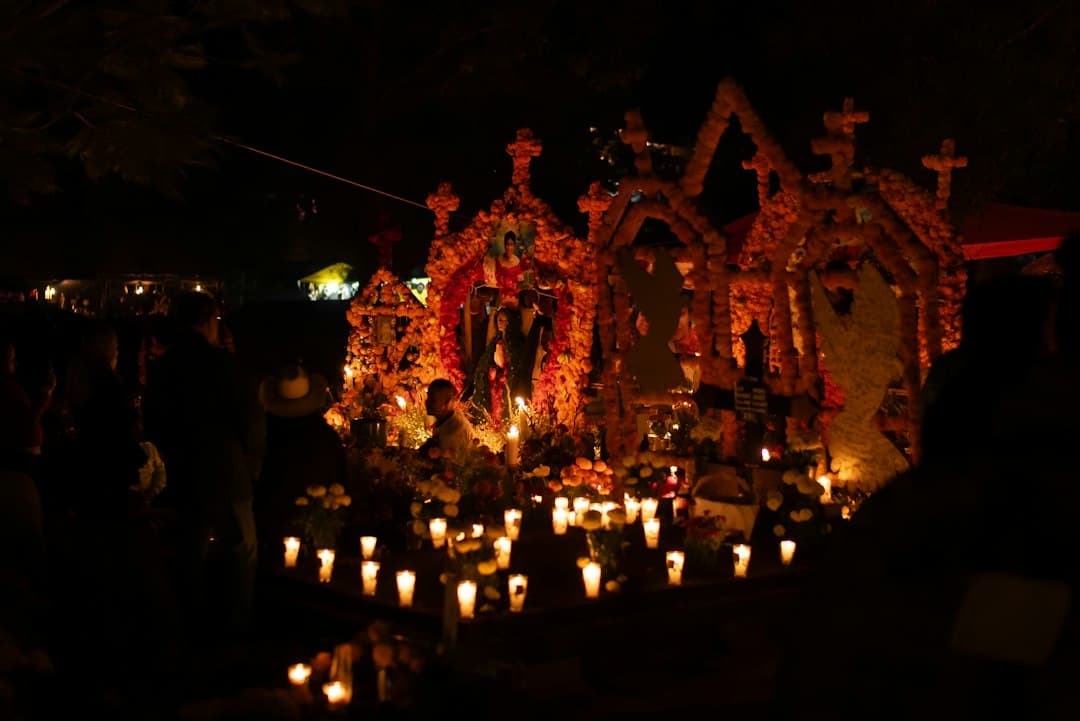
Día de Muertos is mainly celebrated on November 1 and 2 and remains one of the most recognizable traditions of honoring the dead[4]. Families set up altars, called ofrendas, with photographs, candles, marigold flowers (cempasúchil), food, drinks, and objects linked to the people they remember[4].
UNESCO inscribed this tradition on the Representative List of the Intangible Cultural Heritage of Humanity in 2008[1].
To help the spirits find their way back, families scatter flower petals, light candles, and place offerings along the path from the home to the cemetery; the deceased's favorite dishes are prepared and set around the family altar and the grave[1].
This celebration blends pre-Hispanic religious rites with Catholic feasts, two worlds of which the latter was introduced by Europeans in the sixteenth century[1].
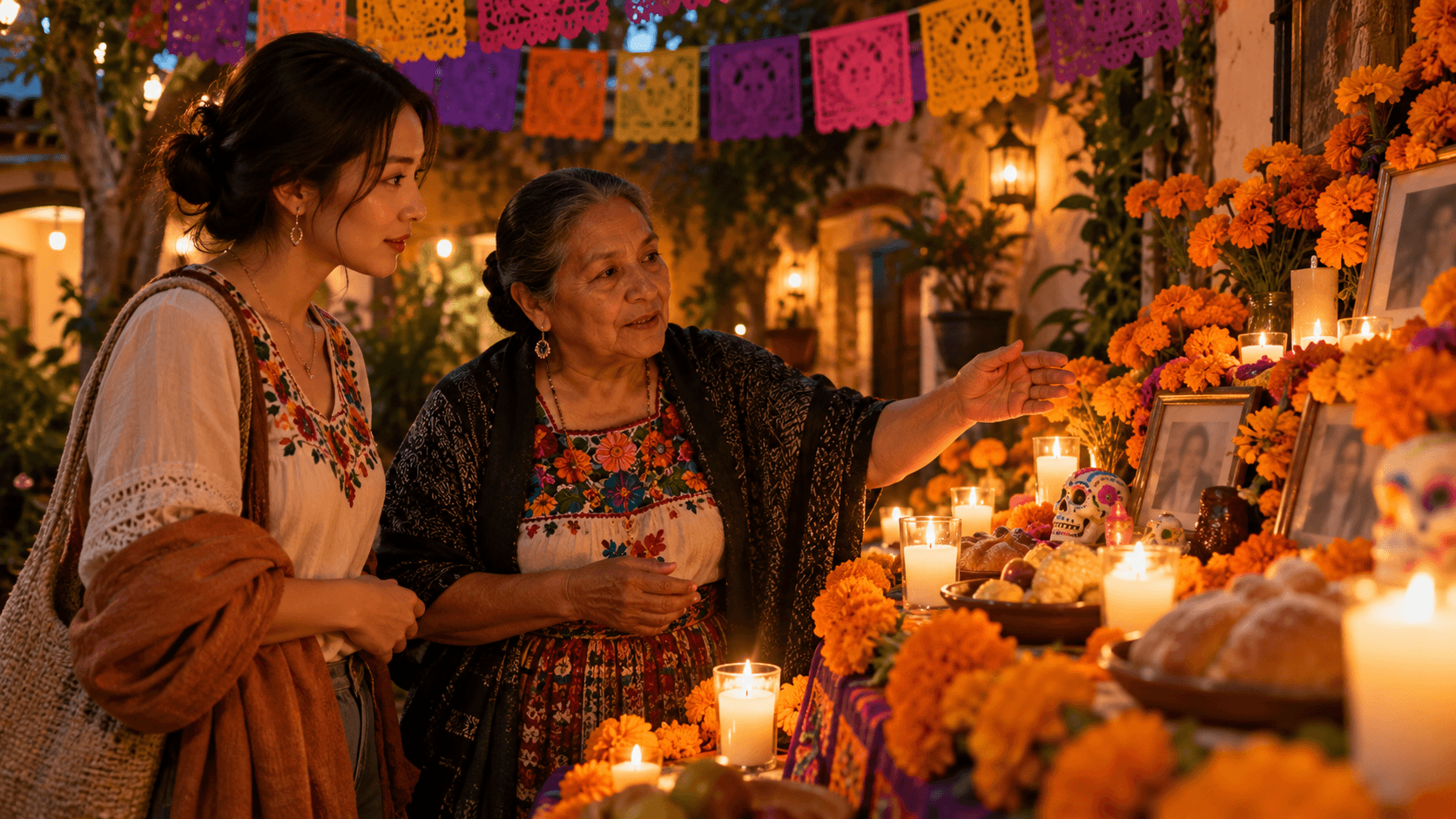
On the calendar, Día de los Muertos is widely observed in Mexico, but it is not a legal public holiday; the nearest official holiday is the third Monday of November[2].
Ireland: All Souls' Day
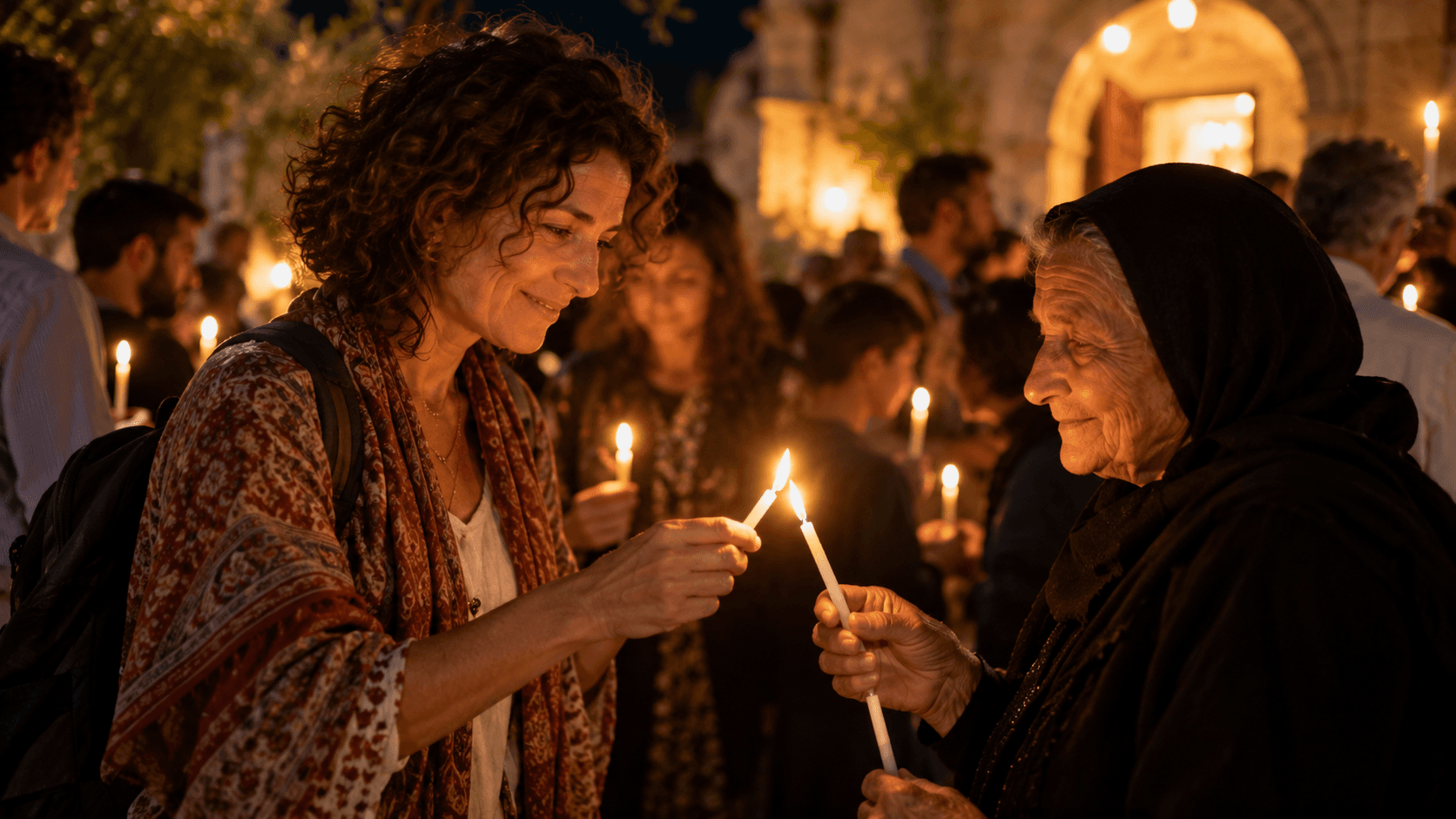
On November 2, the Church offers Mass for all the dead[3]. On November 1, All Saints' Day honors the saints in heaven, while November 2 is devoted to prayer for all the dead[3].
Older customs were more domestic: in Ireland, the traditional approach involved candlelight[3]. In Lucan, in County Dublin, a window was left open for the poor souls and colcannon was placed on a plate[3]. November 2 is not a public holiday in Ireland: it is a holy day of obligation in the Catholic Church, but not a legal public holiday[2].
Poland: Wszystkich Świętych
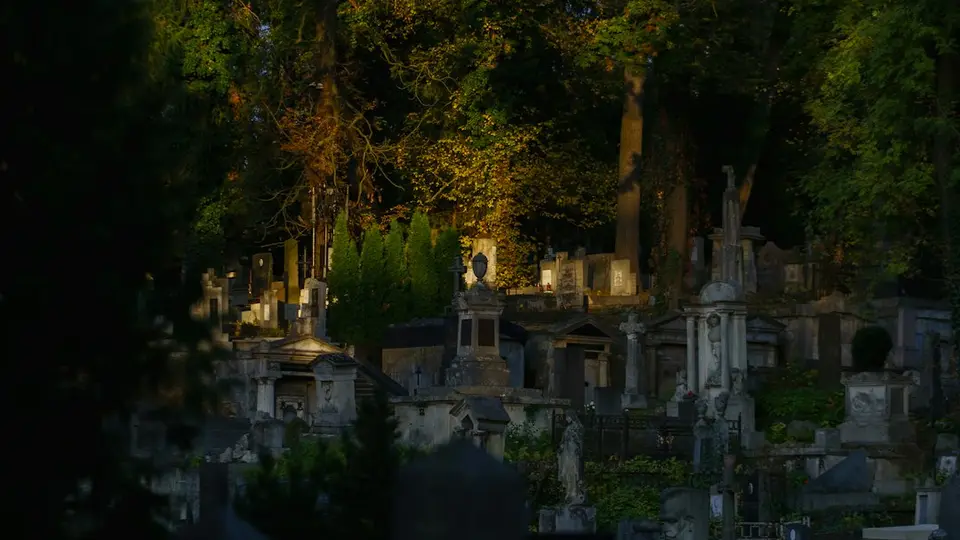
On November 1, Poland celebrates Wszystkich Świętych, All Saints' Day, one of the most important dates in the family and religious calendar[4]. Thousands of people visit cemeteries to clean graves, bring flowers, and light candles in memory of their departed loved ones[4].
For travelers, the schedule matters: November 1 is a public holiday and most shops are largely closed, while November 2 (Zaduszki) is a working day[2]. Plan your shopping in advance if you're on the ground that day. For All Saints' Day in France, a dedicated article published the same day should be linked here.
Guatemala: The Giant Barriletes of Sumpango
On November 1, Guatemala stands out for the Giant Kite Festival (Festival de Barriletes Gigantes), best known in Santiago Sacatepéquez and Sumpango[4]. During the day, huge kites made of colored paper and bamboo are displayed and flown, with designs of great artistic complexity[4].
According to local tradition, these kites serve as a symbolic link between families and their deceased loved ones; many of their illustrations carry messages about memory, identity, or social issues[4].
Haiti: Fèt Gede
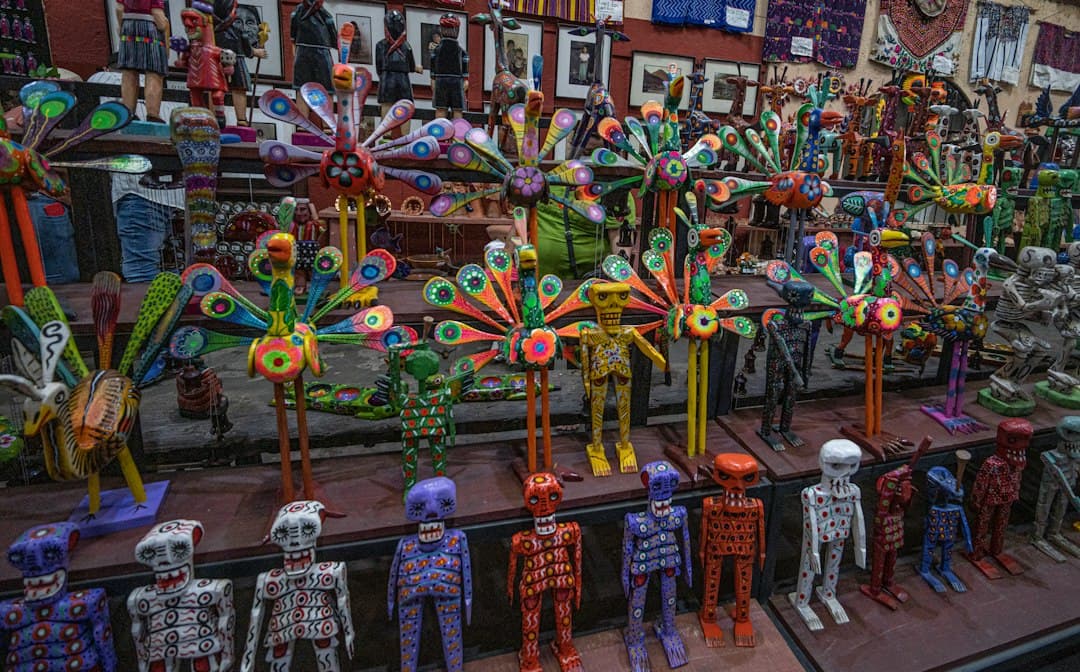
In Haiti, early November is marked by the Gede celebrations, linked to Vodou traditions and ancestor veneration[4]. The festival honors the spirits associated with death and takes place with ceremonies, music, dancing, processions, and offerings[4].
Cemeteries take on particular importance there, alongside spiritual figures such as Baron Samedi, associated in Haitian Vodou with the passage between the world of the living and the world of the dead[4]. Purple and black are part of these days of great cultural and religious intensity[4].
Japan: Obon
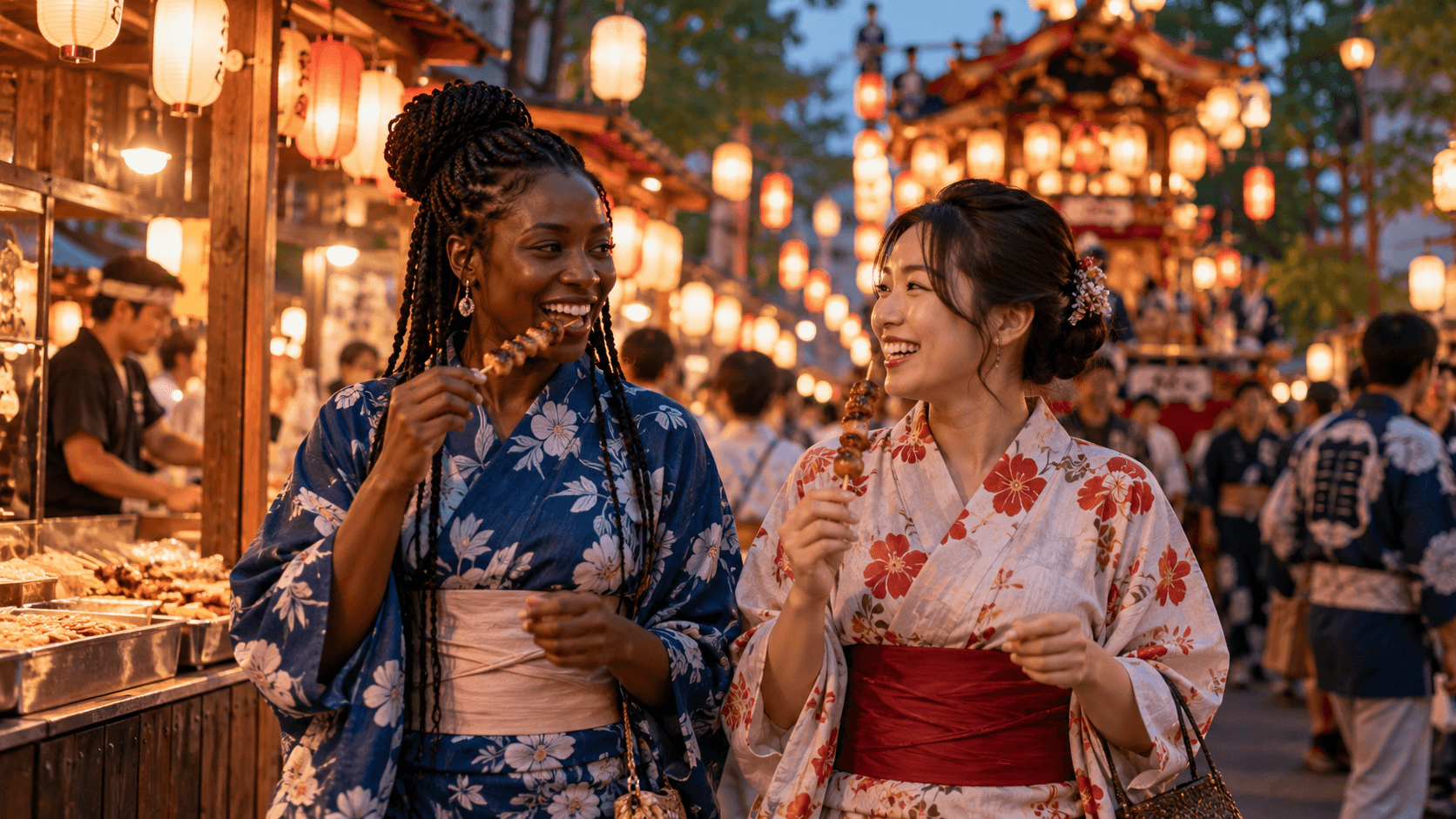
Japan does not celebrate All Saints' Day on November 1, but it has a festival with an equivalent meaning: Obon, dedicated to the spirits of ancestors[4]. It usually takes place in August, and in July in some regions[4].
During these days, many families return to their hometowns, clean graves, and make offerings; lanterns are also lit and traditional dances, the Bon Odori, are held[4].
Philippines: Undas
In the Philippines, All Saints' Day is called Undás and often extends to November 2, All Souls' Day: thousands of families visit cemeteries to clean graves, bring flowers, light candles, and pray for their deceased loved ones[4]. November 2 is often declared a special non-working day there, by a separate proclamation each year[2].
Public Holidays Around November 1 and 2
These rules vary by country, and some are set year by year: confirm them locally before booking[2].
- Poland: November 1 is a public holiday and most shops are largely closed; November 2 is a working day[2].
- Mexico: Día de los Muertos is not a legal public holiday; the nearest official public holiday is the third Monday of November[2].
- Ireland: a Catholic holy day of obligation, but not a legal public holiday[2].
- United States: observed in Catholic parishes and Día de los Muertos communities, but not a public holiday[2].
- Philippines: November 2 is often declared a special non-working day, by annual proclamation[2].
Traps, Scams, and Points of Caution
Around major holidays, demand for accommodation, transport, and experiences climbs, and online bookings become fertile ground for deceptive practices. Here are the traps described by the Normandy regional directorate for the economy, employment, labor, and solidarity (DREETS) in France, though they apply to any online booking.
- False sense of urgency: be wary of messages pushing you to book quickly (“limited offer,” countdown timers) or mechanisms that make it harder to cancel an option[5].
- Changing prices: some sites charge amounts at checkout that differ from the advertised prices, and optional extra fees are not always disclosed[5].
- Fake perks and services: for accommodation, offered benefits such as flexible cancellation may not be honored, and nonexistent services are promoted (rooms with sea views… without the view)[5].
- Verify the seller: before placing an order, make sure the seller is legitimate by checking their identity and online reputation[5].
- Payment: check that the site uses HTTPS and prefer secure payment methods[5].
- Comparison: take the time to compare the price, but also the features offered (add-on services, options)[5].
- Disputes: contact customer service first; if the dispute persists, send a registered letter with acknowledgment of receipt explaining your grievances and what you are asking for[5].
Things to Know Before You Go
- Choose your festival based on the season: November for Mexico, Guatemala, Haiti, Poland, and the Philippines, August (or July depending on the region) for Obon in Japan.
- Check locally for the year's public holidays before booking, so you can plan your errands, banking, and transportation around them.
- Keep in mind that these festivals are moments of family and religious reflection: observe discreetly and let families have their time of remembrance.
Our guides, festival by festival
- Día de Muertos in Mexico: Origins, Dates, Where to Experience It, and What to Expect
- Halloween Around the World: Where to Celebrate It and How to Enjoy It Far from Home
- All Saints' Day and Day of the Dead: Traditions in France, Europe, and Around the World
- Fèt Gede in Haiti: Understanding the Vodou Festival of the Dead, Its Rites and Meaning
- Día de las Ñatitas in La Paz: The Skull Festival, Step by Step
Sources
- 1.^ abcdeich.unesco.org — Indigenous Festivals Dedicated to the Dead - UNESCO Intangible Cultural Heritage: "The festivities take place every year, between late October and early November, a period that marks the end of the annual cycle of maize cultivation, the country's main staple crop." ; "As practiced by the Indigenous communities of Mexico, el Día de los Muertos (Day of the Dead) celebrates the temporary return to earth of deceased parents and loved ones." ; "Inscribed in 2008 on the Representative List of the Intangible Cultural Heritage of Humanity (originally proclaimed in 2003)." https://ich.unesco.org/fr/RL/les-fetes-indigenes-dediees-aux-morts-00054 (accessed October 28, 2026)
- 2.^ abcdefghijklallsoulsday.com — All Souls' Day & All Saints' Day Dates 2026–2030 — All Souls' Day: "All Saints' Day always falls on November 1 and All Souls' Day always on November 2. What changes each year is the day of the week." ; "Mexico: no (not a legal public holiday). Día de los Muertos is widely observed; the nearest official public holiday is the third Monday of November." ; "Ireland: no. A Catholic holy day of obligation, but not a legal public holiday." https://allsoulsday.com/dates (accessed October 28, 2026)
- 3.^ abcdeirisharoundtheworld.com — All Souls' Day in Ireland: Traditions, Prayers and History: "Many accounts share the same idea: the dead were coming home, and the home had to be ready." ; "On November 2, the Church offers Mass for all the departed." ; "All Saints' Day (November 1) honors the saints in heaven and asks for their intercession. All Souls' Day (November 2) is dedicated to prayer for all the dead." https://irisharoundtheworld.com/all-souls-day-ireland/ (accessed October 28, 2026)
Show 2 more sourcesShow less
- 4.^ abcdefghijklmnopidealista.com — How Is All Saints' Day Celebrated Around the World? — idealista/news: "According to local tradition, these barriletes serve as a symbolic link between families and their deceased loved ones." ; "In Mexico, Día de Muertos is mainly celebrated on November 1 and 2, and it is one of the most recognizable traditions honoring the dead." ; "Families prepare altars or offerings with photographs, candles, flowers, cempasúchil, food, drinks, and objects linked to the people they remember." https://www.idealista.com/news/vacacional/destinos-turisticos/2026/10/23/920188-el-mundo-va-mucho-mas-alla-de-halloween-8-tradiciones-diferentes-del-dia (accessed October 28, 2026)
- 5.^ abcdefgnormandie.dreets.gouv.fr — Summer Tourism: How to Avoid Pitfalls When Booking Online? - Regional Directorates for the Economy, Employment, Labor and Solidarity (DREETS): "Beware of dark patterns, i.e., messages pushing you to book quickly (limited offer, countdown timer, etc.) or mechanisms that complicate your process if you want to cancel an option, etc." ; "Some charge amounts at the end of booking that differ from the advertised prices, and provide unclear, ambiguous, or equivocal pre-contractual information (optional price supplements are not always disclosed)." ; "For accommodations, the difficulties encountered may involve advantages advertised that are ultimately not honored (such as cancellation flexibility), or the promotion of nonexistent services (rooms with a sea view… without the view)." https://normandie.dreets.gouv.fr/Tourisme-estival-comment-eviter-les-pieges-lors-de-vos-reservations-en-ligne (accessed October 28, 2026)