Fèt Gede is one of the great festivals of Haitian vodou: every year, on November 1 and 2, worshippers gather in cemeteries to honor the Gede, spirits of the dead and of fertility. This article helps you understand who these spirits are, what takes place in the cemeteries, and how to talk about this religion without caricaturing it. It explains the festival; it does not invite you to travel to Haiti, a destination formally advised against.
First things first: Haiti is formally advised against
The French authorities remind travelers that the entire territory of Haiti is formally advised against[1], and that it remains strongly advised to postpone any trip to Haiti[1]. Fèt Gede changes nothing about this recommendation: this article explains a festival, it does not invite you to attend it.
The reasons include violent and active armed gangs, a high crime rate, and a very high risk of kidnapping[2]. The risk of kidnapping is described as particularly high, unpredictable, and sharply on the rise, and no area is free of risk[1]. These advisories come from the French authorities: if you hold another nationality, also consult the recommendations of your own country's Ministry of Foreign Affairs.
Fèt Gede: what is it about?
Fèt Gede is the vodou festival of the Gede, the family of spirits of the dead, celebrated in Haitian cemeteries on November 1 and 2[3]. It is also held on November 2, the Day of the Dead[4]. It coincides with All Saints' Day and the Catholic Day of the Dead[5].
But it is not simply a Haitian version of a Christian festival. It overlaps with the calendar of the Christian feast of souls, while drawing its origins from ancestral African traditions, preserved across oceans and centuries[6].
This blending is common: the syncretism between vodou and Christianity has made it difficult to produce an official estimate of the number of practitioners, because most people who practice Haitian vodou also identify as Christian[6].
The Gede: Baron Samedi, Maman Brigitte and the other spirits
The Gede are the family of lwa, spirits or divinities associated with ancestor worship in Haitian vodou, who represent the powers of death and fertility[4]. They are often said to stand near burial sites, where they escort the dead to the afterlife[4].
Bawon Samdi, or Baron Samedi, also known as Papa Gede, presides over the festivities[6]. He rules over the affairs and spirits of the cemetery, guides the souls of the dead, and protects those who visit the graves[5].
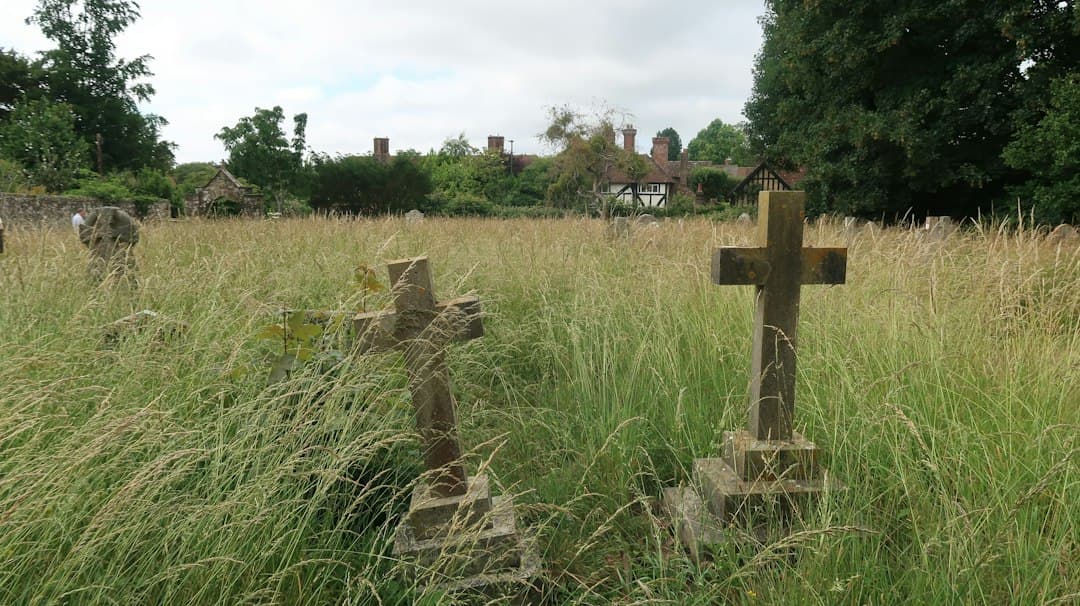
- Maman Brigitte is the wife of Baron Samedi[4]. She is associated with Saint Brigid, perhaps because she protects crosses and tombstones[4].
- The Gede are closely associated with the lwa Bawon, whose aspects include Bawon Samdi, master of the cemetery, Baron La Croix, guardian of the tombstone, and Baron Cimetière, guardian of the grave[4].
- Papa Gede is a psychopomp: he waits at the crossroads to lead souls into the afterlife[4].
The Gede are seen as protectors of the dead and the living, and as beings who can both bestow and heal illness[3].
In the cemeteries: rites, colors and offerings
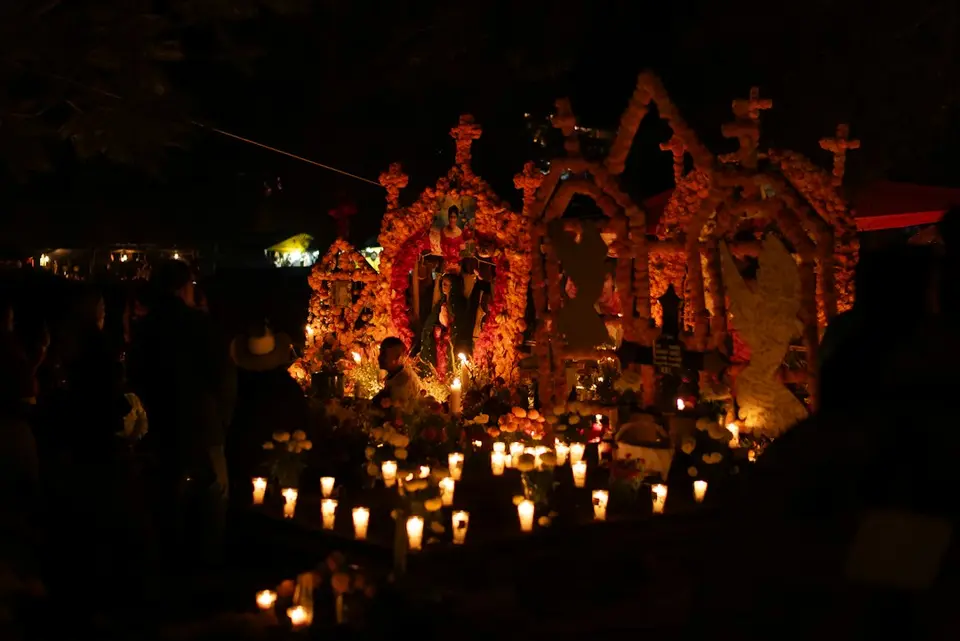
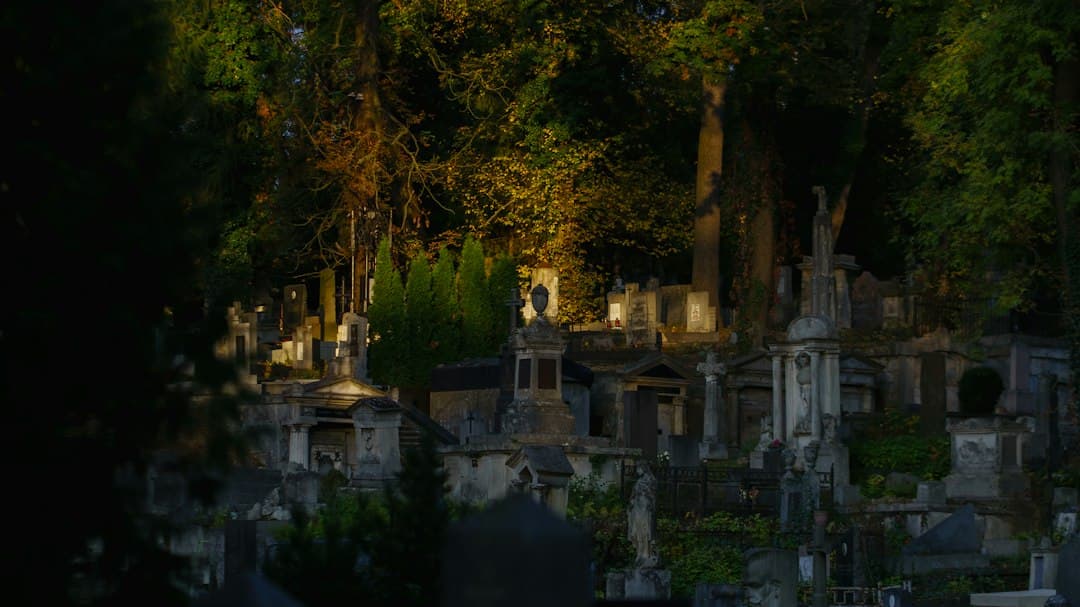
On November 1 and 2, devotees gather in cemeteries, particularly the Grand Cimetière of Port-au-Prince[3]. Across Haiti, cemeteries come alive with ceremonies that last late into the night, with candles lit on the resting places of loved ones, libations poured in communion, and devotees who take on the traits of the invoked lwa[5].
Participants dress in black and purple, wear a top hat and sunglasses, and are "mounted" by the spirits, described as bold, funny, and often bawdy[3]. Offerings include food, rum with hot peppers, and cigarettes[3].
Other vodouwizan, who come to visit their deceased relatives, pour coffee and roasted corn on the graves and take the time to talk with the parent or friend[6].
Chilies have a purpose: Brav and Gede live underground, which makes them so-called "cold" deities, and their devotees use hot chilies to draw them out[5]. Practitioners drink or eat spicy foods to warm their bodies and spirits[5].
A Ceremony, Not a Spectacle: Understanding the Meaning and Avoiding Stereotypes
The cemetery is a place of worship rather than a spectacle[3]. Vodou is a predominant element of Haitian culture, and its practice is widespread across the country; unofficial estimates suggest that around 50% of Haitians practice it[6]. For these believers, Fèt Gede is an important occasion to honor the dead[6].
The connection is personal: each vodouwizan has their own gede[6]. It is a close friend or relative, who has come back from the afterlife to live in the body of the vodouwizan who called them[6]. Not all ancestors become gede: the vodouwizan must, through a ceremony, make contact with the deceased and transform them into a gede[6].
To talk about this festival without caricaturing it, keep in mind that customs vary from place to place and from family to family[3]: describe beliefs and practices, without generalizing and without turning them into an attraction.
Risks and Points of Caution in Haiti
These points concern anyone who may be in Haiti; they also apply on festival days. They come from recommendations issued by French authorities.
- Gatherings: stay away from all gatherings and demonstrations[1]. A cemetery crowd falls into this category.
- Kidnappings: kidnappings for ransom occur regularly, and foreigners may be targeted[2].
- Airport: armed assaults, sometimes fatal, are frequent on the airport route and target travelers, including during family visits[2]. It is recommended to favor arrival times that allow you to travel before nightfall[2].
- Cash: withdrawing cash at certain bank branches and at ATMs located in public places should be avoided, due to the risk of violent assaults[2].
- Walking: to be avoided[1].
- Taxis: using an individual taxi is strongly discouraged[2].
- Public transport and moto-taxis: using public transport (shared taxis, tap-taps, vans, minibuses) should be avoided[7], as should moto-taxis, which offer no safety guarantees[7].
- Night: driving at night is strongly discouraged[2].
- Domestic flights: flights operated by companies that do not hold an official commercial flight license are strongly discouraged[7].
- Climate: every year, from June to November, Haiti is hit by hurricanes that can be extremely violent[2]. The country is also located in a high seismic risk zone[2].
Respecting the Festival and Its Practitioners
French authorities remind travelers to Haiti that, out of respect for local customs, they should dress modestly[7]. This principle of respect applies to every ceremony.
Remember also what the festival means to those who live it: it is about communing with ancestors, and believers feel a renewed bond between the visible and invisible worlds, between the living and those who came before them[5]. It is not a performance for an audience.
Checklist
- Read your country's official advisory before any Haiti-related plans; in France, the "Latest news and alerts" page on France Diplomatie.
- Do not plan a trip to Haiti for the festival.
- Learn about the meaning of the rites before talking about them; this article does not invite you to attend in Haiti.
- Speak of Vodou as a religion, with its beliefs and practices that vary from family to family, never as folklore.
This article gives you the essentials of the festival. Practices specific to each family or temple, and their connection to Haitian communities in North America, require going further to be properly understood.
Read also
- Day of the Dead Around the World: Traditions, Dates, and Where to Experience Them
- Día de Muertos in Mexico: Origins, Dates, Where to Experience It, and What to Expect
- Halloween Around the World: Where to Celebrate It and How to Enjoy It Far from Home
- All Saints' Day and Day of the Dead: Traditions in France, Europe, and Around the World
- Día de las Ñatitas in La Paz: The Skull Festival, Step by Step
Sources
- 1.^ abcdediplomatie.gouv.fr — Haiti - Travel Advice - Latest News and Alerts - Page 1 of 1 - France Diplomatie | France Diplomatie: “As a reminder, the entire Haitian territory is formally advised against travel.”; “For these reasons, it remains strongly recommended to postpone any trip to Haiti.”; “The risk of kidnapping is particularly high, unpredictable, and is currently sharply on the rise.” https://www.diplomatie.gouv.fr/fr/information-par-pays/haiti/dernieres-minutes-et-alertes (accessed October 28, 2026)
- 2.^ abcdefghidiplomatie.gouv.fr — Haiti - Security | France Diplomatie: “The entire country is formally advised against travel due to the presence of violent and active armed gangs, the high crime rate, and the very high risk of kidnapping.”; “Ransom kidnappings take place regularly. Foreigners may be targeted.”; “Given the frequency of armed assaults, sometimes fatal, on the route from the airport targeting travelers, including those visiting family, it is strongly advised to:” https://www.diplomatie.gouv.fr/fr/information-par-pays/haiti/conseils-aux-voyageurs-securite (accessed October 28, 2026)
- 3.^ abcdefgeveryjaadu.com — Fete Gede: what is done and why | EveryJaadu: “The Gede vodou festival, honoring the family of spirits of the dead, is held in Haiti's cemeteries on November 1 and 2.”; “The Gede are seen as protectors of both the dead and the living, and as those who can both grant and heal illness.”; “On November 1 and 2, devotees gather in cemeteries, particularly the Grand Cemetery in Port-au-Prince, to honor them.” https://everyjaadu.com/days/fete-gede (accessed October 28, 2026)
Show 4 more sourcesShow less
- 4.^ abcdefgen.wikipedia.org — Gede lwa - Wikipedia: “Fèt Gede is celebrated on November 2, the Day of the Dead (feast of the dead).”; “The Gede are the family of lwa, spirits or deities associated with ancestor worship in Haitian vodou, who represent the powers of death and fertility.”; “They are often said to be found at burial sites, where they escort the dead to the afterlife.” https://en.wikipedia.org/wiki/Gede_lwa (accessed October 28, 2026)
- 5.^ abcdefhaitiantimes.com — Haitian Fet Gédé Explainer: “With the Festival of the Dead, coinciding with All Saints' Day and the Catholic Day of the Dead, the first days of the month feature ritual processions and festive ceremonies in which vodou practitioners call on the lwa to bless, protect, and guide them.”; “Bawon Samdi rules over cemetery affairs and the spirits that pass between life and death, guides the souls of the dead, and protects those who visit the graves.”; “Across Haiti, cemeteries come alive with ceremonies that last late into the night, with candles lit at the resting places of loved ones, worshippers pouring libations in communion, and some devotees taking on the traits of the invoked lwa.” https://haitiantimes.com/2025/11/02/fet-gede-spirits-and-rituals-in-haiti/ (accessed October 28, 2026)
- 6.^ abcdefghivisithaiti.com — Fèt Gede - Haitian Day of the Dead · Visit Haiti: “Although it overlaps with the concept and calendar space of the Christian feast of souls, the Gede Festival traces its origins to ancestral African traditions, preserved across oceans and centuries in modern Haiti.”; “Religious syncretism between vodou and Christianity has historically made official estimates of the number of practitioners difficult, since most people who practice Haitian vodou also identify as Christian.”; “Bawon Samdi (Samedi), also known as Papa Gede, presides over the festivities.” https://visithaiti.com/fr/fetes-celebrations/gede-journee-des-morts/ (accessed October 28, 2026)
- 7.^ abcddiplomatie.gouv.fr — Haiti - Useful Information | France Diplomatie: “Use of public transport (shared taxis, tap-taps, vans, minibuses, etc.) should be avoided.”; “Use of motorcycle taxis should be avoided; they offer no safety guarantees (risks of fatal accidents and assaults).”; “Due to the rise in incidents involving private air operators in Haiti, it is strictly advised against flying with operators that do not hold an official commercial flight license.” https://www.diplomatie.gouv.fr/fr/information-par-pays/haiti/conseils-aux-voyageurs-informations-utiles (accessed October 28, 2026)