The Llanos is the Colombia you don't see in Cartagena or the colonial towns: endless plains, giant birds and cowboys who sing to their cattle. This article helps you understand what you can see there, what a traveler experiences on a ranch reserve, and when and how to get there from Bogotá. It ends with precautions to take before you go.
An ocean of plains straddling Colombia
Los Llanos means "the plains" in Spanish. It is a vast, isolated expanse of tropical grasslands, forests and wetlands covering more than a quarter of Colombian territory and extending into neighboring Venezuela[1].
The region is bordered by the Andes mountain range and the Amazon basin. Rich in fauna and flora, it is also the land of Colombian cowboys: dotted with cattle ranches, it is shaped by llanera culture, that of horsemen and herders, most visible in its musical traditions[1].
The BBC reporter sums up the impression the region leaves with an expression he heard: "It's no wonder they call it the 'Serengeti of South America'"[1]. Isolated, the Llanos receive only a small fraction of the visitors heading to colonial cities like Cartagena or Villa de Leyva and to the Caribbean coast[1]. For someone living in Colombia as a nomad, it is a way to step off the usual routes.
Llanos wildlife: what you can see
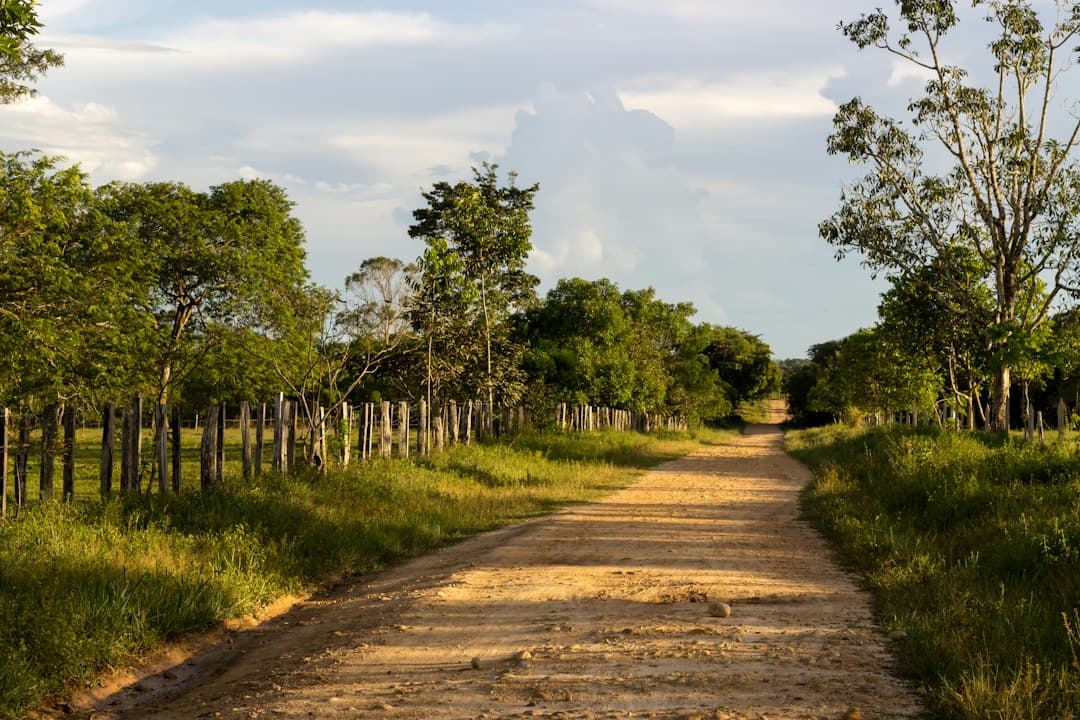
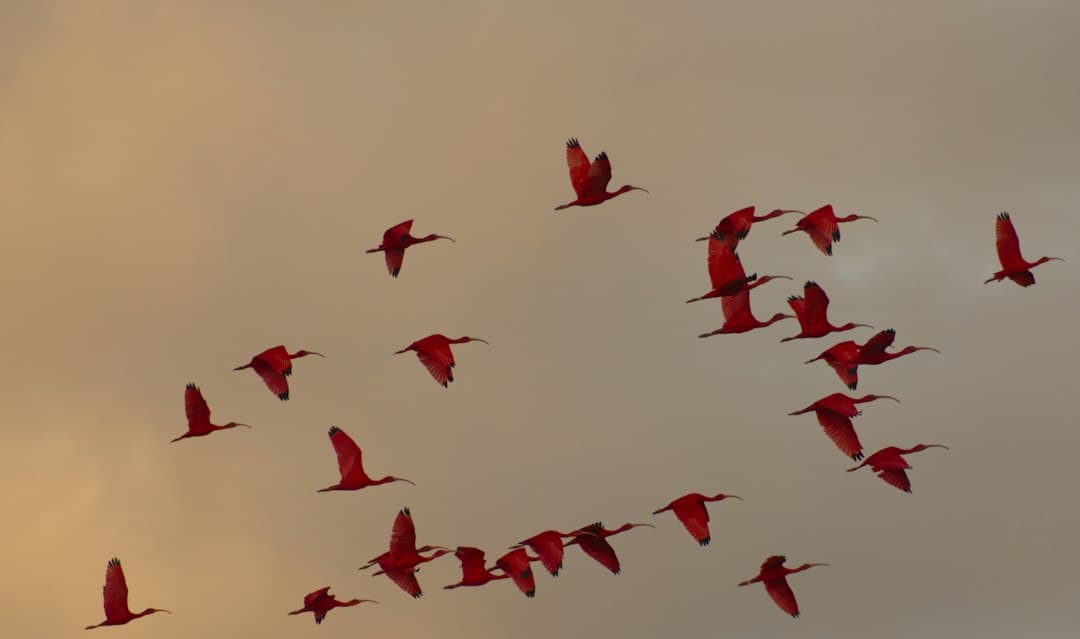
Around a bend on a bumpy dirt track, driven in a 4x4, the landscape comes alive: herds of white-tailed deer, scarlet ibises in vivid colors and flights of jabirus, large wading birds that stand up to 1.5 m tall[1].
These sightings are made from ranch reserves, which serve as bases for excursions into the wild areas[1]. The best season to see animals runs from December to July: the drier weather pushes animals to gather around water sources[1].
Llanera culture: vaquería songs and joropo
In the Llanos, the cattle are semi-wild and can be very aggressive. According to María Paula Pérez, a llanera who was watching the outer perimeter of a ranch, the best way to calm them is with cantos de vaquería, work songs[1]. This form of cowboy music, several centuries old, is inscribed on UNESCO's List of Intangible Cultural Heritage in Need of Urgent Safeguarding[1].
“We have different songs depending on the work: to calm them, for milking and to drive them over long distances,” she explains. “The cattle recognize the voices, so it works very well.”[1]
The music doesn't stop with the workday: to celebrate the completion of these grueling tasks, a joropo group arrives at the farm[1]. The singer, Karen Ortíz Lombana, introduces the instruments: “The most common is the cuatro, a small four-string guitar. We also have a harp, a furruco (a traditional friction drum) and maracas, often made from calabash fruit”[1].
Sleeping on a hato: the example of El Encanto de Guanapalo
El Encanto de Guanapalo is a privately owned natural reserve of 9,000 hectares. Its status is close to that of a national park, but it is managed by private individuals. It includes three working ranches, each offering meals and lodging, serving as a base for wildlife excursions into the reserve's wild areas and for immersion in the culture of local cowboys[1].
The reserve is 100 km from the nearest town, Yopal. It was established as a natural reserve in 2018, but the de Vargas family, who manage it, have worked to conserve these lands for more than a century[1]. Despite declining livestock profits, it has always been able to resist pressure to sell to destructive oil interests or industrial monoculture, thanks to tourism revenue[1].
Ranch stays and guided safaris can be booked on the Wild Llanos website, the agency founded ten years ago by a llanero to attract more travelers and showcase sustainable tourism suited to the region[1].
Best season, access and duration
The Llanos can be visited year-round, but December to July is the best period for wildlife spotting[1].
From Bogotá, Yopal is a one-hour flight[1]. From there, it is about 100 km to the El Encanto de Guanapalo reserve[1]. The journey turns the trip into a real stay rather than a day excursion.
Before you go: precautions to know
The Spanish authorities classify the Eastern Llanos region, in particular the departments of Meta, Guaviare, Casanare and Caquetá, as especially problematic areas, and also advise avoiding road travel at night[2]. Check with your country's authorities before departing, and book your stay through an established operator.
- Taxis: only use taxis booked by phone or through an app (Cabify, Uber, DiDi…) or approved by an establishment such as a hotel or airport[3]. Express kidnappings and assaults often occur in unlicensed taxis[4].
- Social situations and nights out: never take your eyes off your drink, especially at party venues or at home after meeting someone through an app[3].
- Health: Colombian authorities recommend getting vaccinated against yellow fever at least fifteen days before travelling to areas where outbreaks have been detected, including the departments of Guaviare, Casanare, Vichada, Arauca and Meta[2].
Key points for planning your getaway
- Choose the December to July window if wildlife spotting is your priority.
- Plan a Bogotá–Yopal flight, then about 100 km by road to the reserve, to be done during daylight; check your country's travel advice for Casanare before departing[2].
- Book your stay and safaris in advance, through the Wild Llanos website.
- According to Colombian authorities, the yellow fever vaccine is recommended at least fifteen days before travelling to certain areas: ask a doctor or vaccination centre for advice before departure[2].
This article covers the essentials to help you decide whether to go. To actually plan the trip, you will need to look further into choosing a ranch, the detailed itinerary and the budget for your stay.
Keep exploring
- Colombia: The Essentials, from the Caribbean to the Amazon
- Caño Cristales: When to Go, How to Get There, and How to Visit
- Leticia and the Colombian Amazon: Jungle, River and Pink Dolphins
- Bogotá: What to See and Do in Colombia's High-Altitude Capital
Sources
- 1.^ abcdefghijklmnopqrsbbc.com — The little-known 'Serengeti of South America': “Los Llanos (The Plains in Spanish) is a vast, isolated expanse of tropical grasslands, forests and wetlands covering more than a quarter of Colombia's territory, as well as large portions of neighbouring Venezuela.”; “Bordered by the Andes mountains and the Amazon basin, this wild landscape rich in fauna and flora is also the land of Colombian cowboys, dotted with cattle ranches and shaped by a distinct llanera culture (horsemen and herders), most visible in its musical traditions.”; “It's no wonder it is called the Serengeti of South America.” https://www.bbc.com/travel/article/20260227-the-little-known-serengeti-of-south-america (accessed November 9, 2026)
- 2.^ abcdexteriores.gob.es — Travel recommendations detail: “The Eastern Llanos region, especially the departments of Meta, Guaviare, Casanare and Caquetá, are especially problematic areas.”; “Road travel at night should also be avoided.”; “Currently, the Ministry of Social Protection and the Bogotá district Health Secretariat maintain the recommendation to get vaccinated against yellow fever at least fifteen days before travelling to areas where outbreaks have previously been detected.” https://www.exteriores.gob.es/es/ServiciosAlCiudadano/Paginas/Detalle-recomendaciones-de-viaje.aspx?trc=colombia (accessed November 9, 2026)
- 3.^ abdiplomatie.gouv.fr — Colombia - Security | France Diplomatie: “Only take taxis booked by phone or through dedicated web apps (Cabify, Uber, DiDi…), or taxis approved by an establishment (hotels, airports).”; “You should also never take your eyes off your drink, particularly at party venues, or at home, especially after meeting someone through apps.” https://www.diplomatie.gouv.fr/fr/information-par-pays/colombie/conseils-aux-voyageurs-securite (accessed November 9, 2026)
- 4.^travel.gc.ca — Colombia travel advice: “Express kidnappings and assaults often occur in unlicensed taxis.” https://travel.gc.ca/destinations/colombia (accessed November 9, 2026)