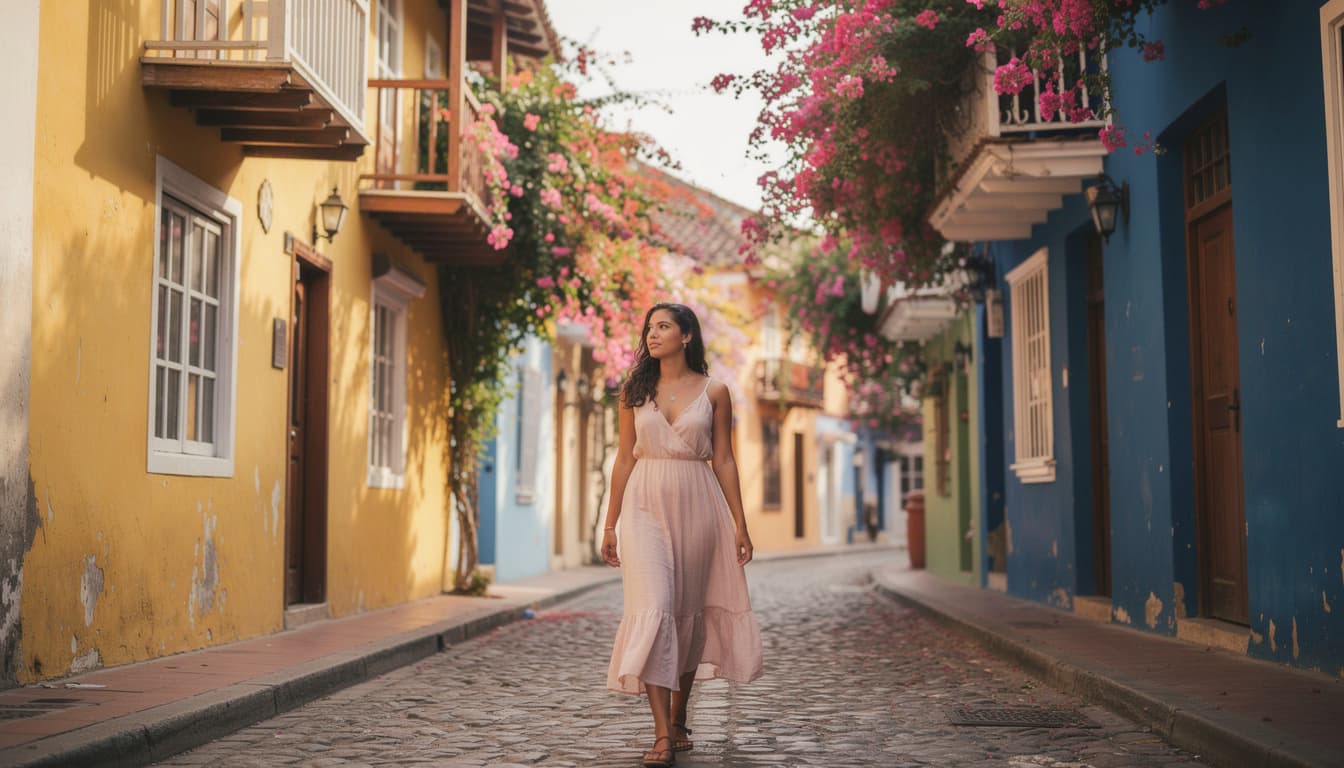
Cartagena de Indias is a colonial city on the Caribbean Sea, whose old town and fortress are listed as a UNESCO World Heritage Site. This article helps you spot what's worth your time: the walled neighborhoods, Getsemaní, the Castillo San Felipe de Barajas, and the beaches of Bocagrande. You'll also find tips on getting around, where to stay, and moving through the city without taking unnecessary risks.
Cartagena at a glance: a colonial city facing the Caribbean
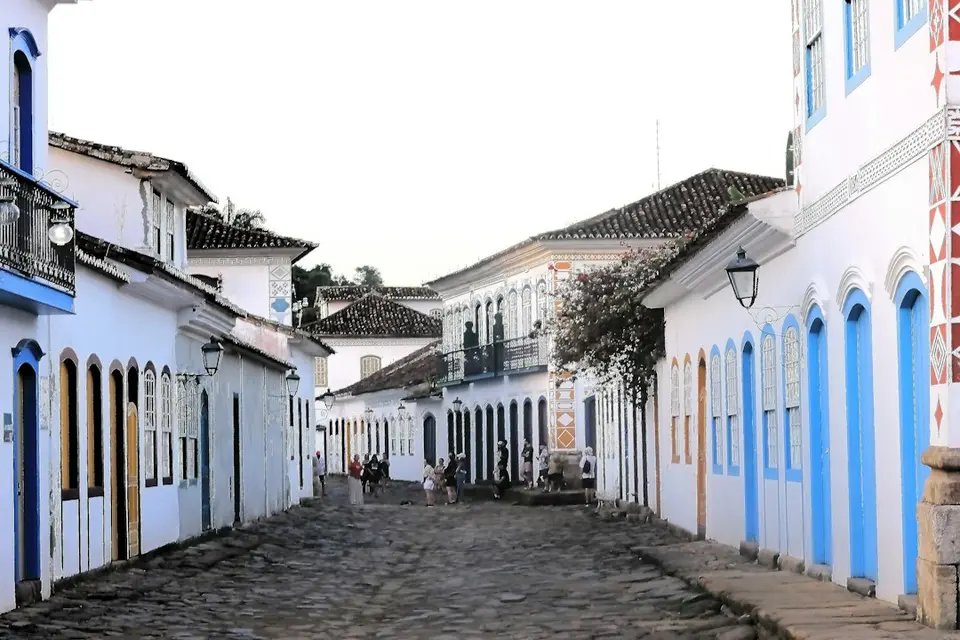
Cartagena de Indias, or Cartagena in Spanish, is a colonial city with brightly painted facades that face the Caribbean Sea. It is one of the oldest Western cities in Colombia[1].
Its old town and fortress are listed as UNESCO World Heritage Sites. The city blends beach tourism with cultural tourism[1].
Cathedrals and Andalusian-style palaces, lively working-class neighborhoods, beaches, and nightlife all coexist here. Plan for both full days of walking tours and time to relax by the sea[1].
The walled old town: a World Heritage site to explore on foot
For several centuries, Cartagena was a major flashpoint between the leading European powers seeking control of the "New World"[2]. That is why its defenses are so extensive.
The Spanish built the first fortifications in 1586. They were reinforced and extended to their current size in the 18th century, taking advantage of the natural defenses offered by the bay's many channels and passes[2].
Behind the defensive walls are the three neighborhoods of the historic center:
- El Centro, home to the cathedral, the San Pedro Claver convent, the Palace of the Inquisition and the Government Palace, as well as many fine residences of the wealthiest families[2];
- San Diego (or Santo Toribio), where merchants and middle-class artisans lived[2];
- Getsemaní, a former outlying neighborhood of poor workers and enslaved people[2].
To round out your walk, three museums sit close to one another. The Zenú Gold Museum showcases Colombia's traditional art, the Naval Museum of the Caribbean traces the history of colonial conquest, and the Museum of Modern Art brings the route to a close[1].
Getsemaní: then and now
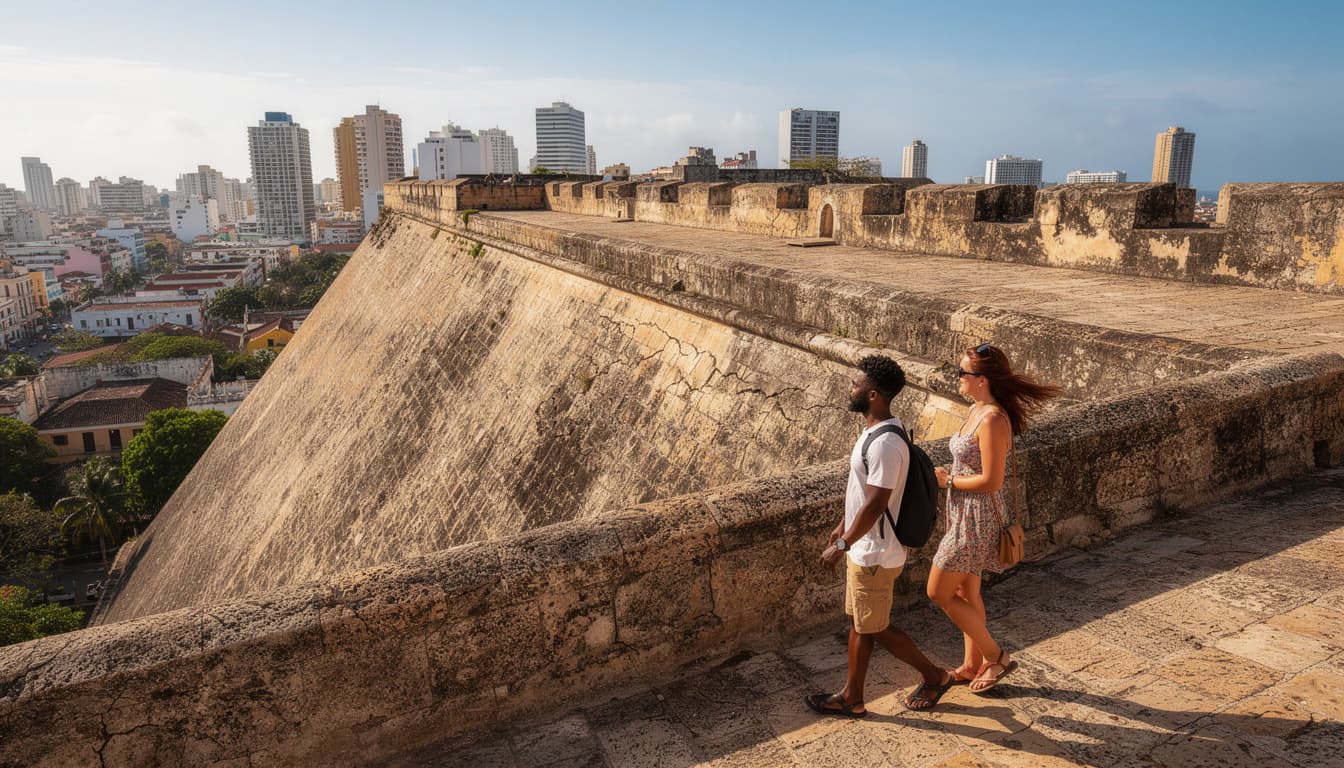
Getsemaní was once an outlying neighborhood inhabited by poor workers and enslaved people, who contributed greatly to the city's economic activity[2]. It sits inside the listed area, sheltered by the defensive walls[2].
It's a good starting point for a walk. It is one of the areas where the security situation is considered satisfactory, though you should still stay alert at night (see the last section)[3].
Castillo San Felipe de Barajas and the bay forts
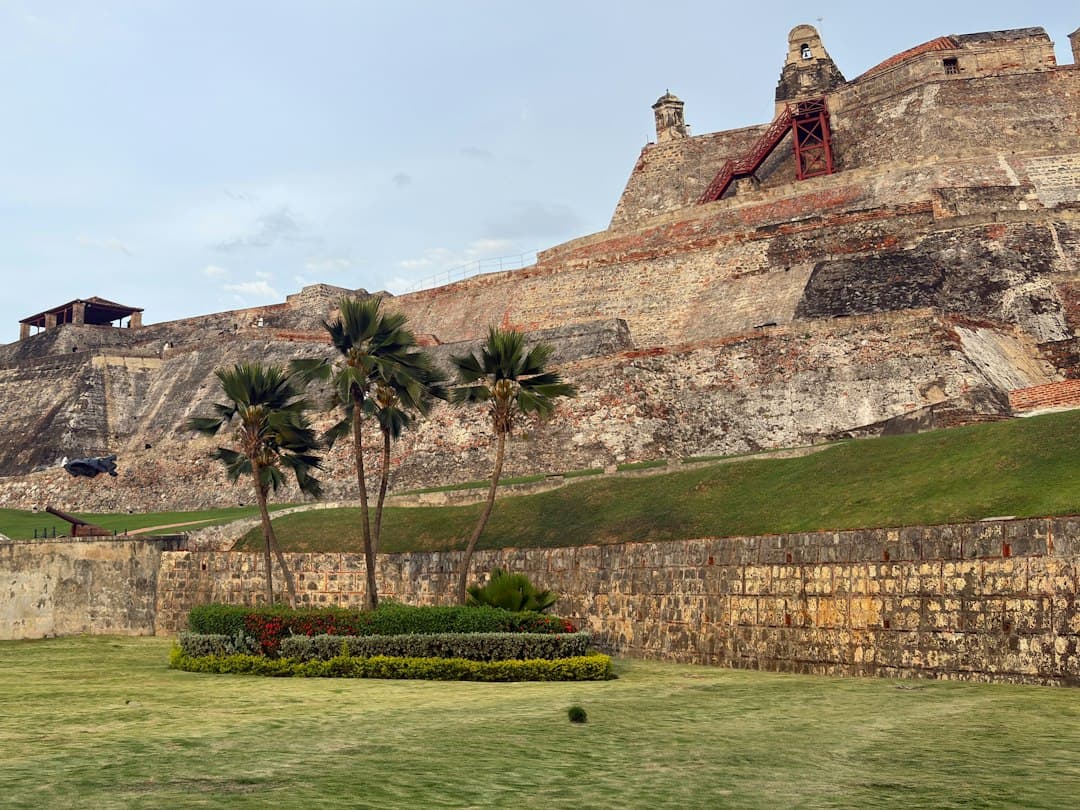
The impressive Castillo San Felipe de Barajas perches on the steep rock overlooking the city to the east. It guards access to the Cabrero isthmus[2].
It wasn't alone. Gradually, every natural pass into the bay came under the control of forts: San Luis and San José, San Fernando, San Rafael and Santa Bárbara at Bocachica, the southwest passage, then Santa Cruz, San Juan de Manzanillo and San Sebastián de Pastelillo around the inner bay[2].
Bocagrande, beaches and evenings
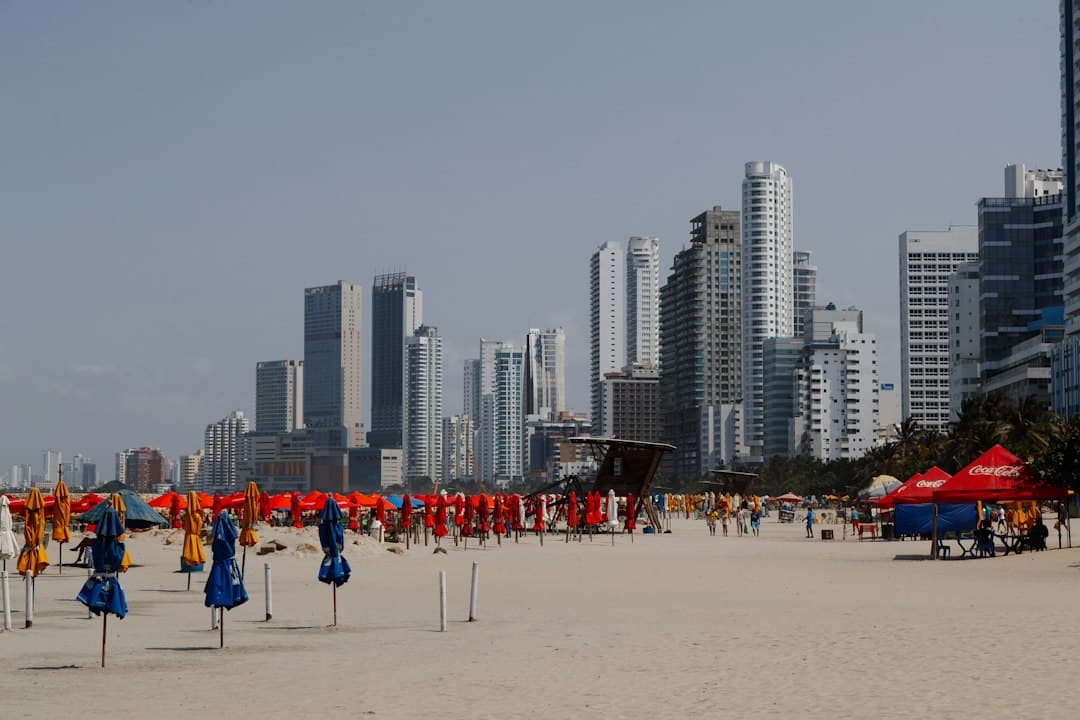
Bocagrande is the city's modern quarter, home to young professionals who fill its bars and restaurants[1]. The vibe here is very different from the historic center.
The neighborhood has a beautiful beach, from which you can reach nearby tourist sites by boat[1]. Getting around by boat is the easiest and most pleasant way to access the attractions on the islands and neighboring beaches near the city[1].
Practical Info: Getting Around and Finding a Place to Stay
The city is often congested, and taxis are plentiful, so renting a car is not recommended[1]. For your safety, do not hail a taxi on the street; instead, book one through an app (see the last section)[3].
Taxis are not equipped with meters, so negotiate the fare before the ride begins[1].
For boat trips, also negotiate prices, ideally directly with the boatmen. Many middlemen offer to organize your excursions, but they take a very substantial commission for this service[1].
As for accommodations, many establishments welcome you in the historic center. You'll find the 3-star Casa la Fe hotel, or the 4-star Casablanca Belle & Boutique hotel, with its minimalist design in a colonial building[1]. On a small budget, the Centro Hotel, 500 meters from the sea, has authentic decor and spacious rooms[1].
Pitfalls, Scams, and Points of Caution
Security conditions vary by neighborhood. They are considered satisfactory inside the walls of the old city and in Bocagrande, Castillogrande, and Getsemaní. However, stay alert in the narrow streets of the historic center, which are emptier at night: armed robberies and muggings with bladed weapons have been reported there[3].
- Taxis: do not flag down a taxi on the street, due to the risk of assault, theft, or express kidnapping, in which fake drivers force passengers to withdraw money from several ATMs. Prefer taxis booked through an app, which are traceable (Uber, Cabify, Taxis Libres, etc.)[3].
- Valuables: do not display obvious signs of wealth, and keep your valuables in a secure place. Phone thefts are extremely common, and using your phone on the street is strongly discouraged[3].
- Armed assault: do not resist[3].
- Scopolamine: many cases of attacks using this drug have been reported to the French Embassy in Colombia[4]. Never leave your drink unattended, and never accept a cigarette or chewing gum from a stranger[3].
- Dating apps: their use is discouraged in Colombia, due to the risk of being drugged without your knowledge[5]. Attacks often occur after meeting through these apps, and the people you meet may wait several hours before drugging their victim in order to gain their trust[3].
- Night: limit your nighttime travel, and never travel alone at night, even in entertainment districts[3].
Keep exploring
- Colombia: The Essentials, from the Caribbean to the Amazon
- Barú and Playa Blanca: Turquoise Beaches Near Cartagena
- Palenque de San Basilio: The First Free Village of the Americas
- Mompox, the Colonial Town Frozen in Time on the Magdalena River
Sources
- 1.^ abcdefghijklkayak.fr — Cartagena Travel Guide | Cartagena Tourism - KAYAK: “Colonial city with brightly colored facades facing the Caribbean Sea, Cartagena de Indias, or Cartagena in Spanish, is one of the oldest Western cities in Colombia.”; “The old town and its fortress are listed as UNESCO World Heritage Sites and are a place for both beach and cultural tourism.”; “Cathedrals and Andalusian palaces, colorful working-class neighborhoods, beaches, and nightlife coexist to make it the enchanting setting for a stay at the heart of Colombian history.” https://www.kayak.fr/Cartagena.26923.guide (accessed November 9, 2026)
- 2.^ abcdefghiwhc.unesco.org — Port, Fortresses and Monumental Ensemble of Cartagena - UNESCO World Heritage Centre: “For several centuries, Cartagena was a focal point of confrontation between the major European powers seeking to control the New World.”; “Defensive fortifications were built by the Spanish in 1586 and were reinforced and extended to their present dimensions in the 18th century, taking advantage of the natural defenses offered by the numerous channels and passes of the bay.”; “Protected by the city's defensive walls are the three districts of the historic center: the Centro district, where Cartagena Cathedral stands, the Convent of San Pedro Claver, the Palace of the Inquisition, the Government Palace, and many fine residences of the wealthiest families;” https://whc.unesco.org/fr/list/285/ (accessed November 9, 2026)
- 3.^ abcdefghidiplomatie.gouv.fr — Colombia - Security | France Diplomatie: “The security situation varies by neighborhood. It is satisfactory inside the walls of Cartagena's historic old town and in the Bocagrande, Castillogrande and Getsemaní neighborhoods, although caution is advised in the streets of the historic center, which are necessarily emptier at night; armed robberies, including with knives, have been reported there.” ; “It is also recommended not to hail taxis on the street because of the risk of assault, theft or kidnapping, particularly express kidnapping, in which the attackers (including a fake taxi driver) force passengers to withdraw money from several ATMs.” ; “It is therefore preferable to use taxis booked through apps, which are traceable (Uber, Cabify, Taxis Libres, etc.).” https://www.diplomatie.gouv.fr/fr/information-par-pays/colombie/conseils-aux-voyageurs-securite (accessed November 9, 2026)
Show 2 more sourcesShow less
- 4.^diplomatie.gouv.fr — Colombia - Travel Advice - Latest Updates and Alerts - Page 1 of 1 - France Diplomatie | France Diplomatie: “A very large number of scopolamine attacks (the “zombie drug” or “rapist’s drug”) have been reported to the French Embassy in Colombia.” https://www.diplomatie.gouv.fr/fr/information-par-pays/colombie/dernieres-minutes-et-alertes (accessed November 9, 2026)
- 5.^co.diplomatie.gouv.fr — Entry and Stay Requirements in Colombia | La France en Colombie: “Given the risk of being unknowingly given drugs or psychotropic substances (scopolamine), it is advised not to use dating apps.” https://co.diplomatie.gouv.fr/fr/vivre-venir/conditions-dentree-et-de-sejour-en-colombie (accessed November 9, 2026)