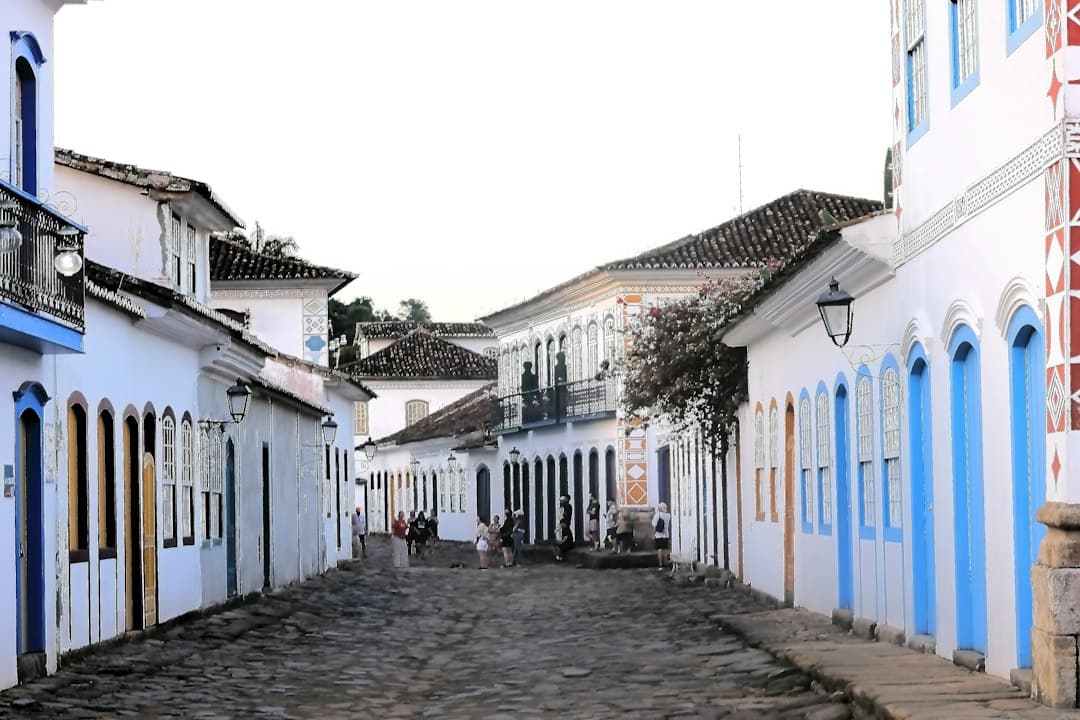
Popayán, in southwestern Colombia, is nicknamed the “White City.” This article helps you understand what you'll see in its colonial center and during the Holy Week processions, taste its cuisine, choose your day trips, and plan your arrival from Cali or by air.
Popayán, the White City: a colonial center to explore on foot
Popayán is called “the White City” because of the color of the buildings in its colonial architecture[1]. Popayán is one of the cities on the continent that best preserve architecture from the 17th, 18th, and 19th centuries, and its historic center is at the heart of that heritage[1]. You can visit it entirely on foot[2], and a tour of the city naturally begins there[1].
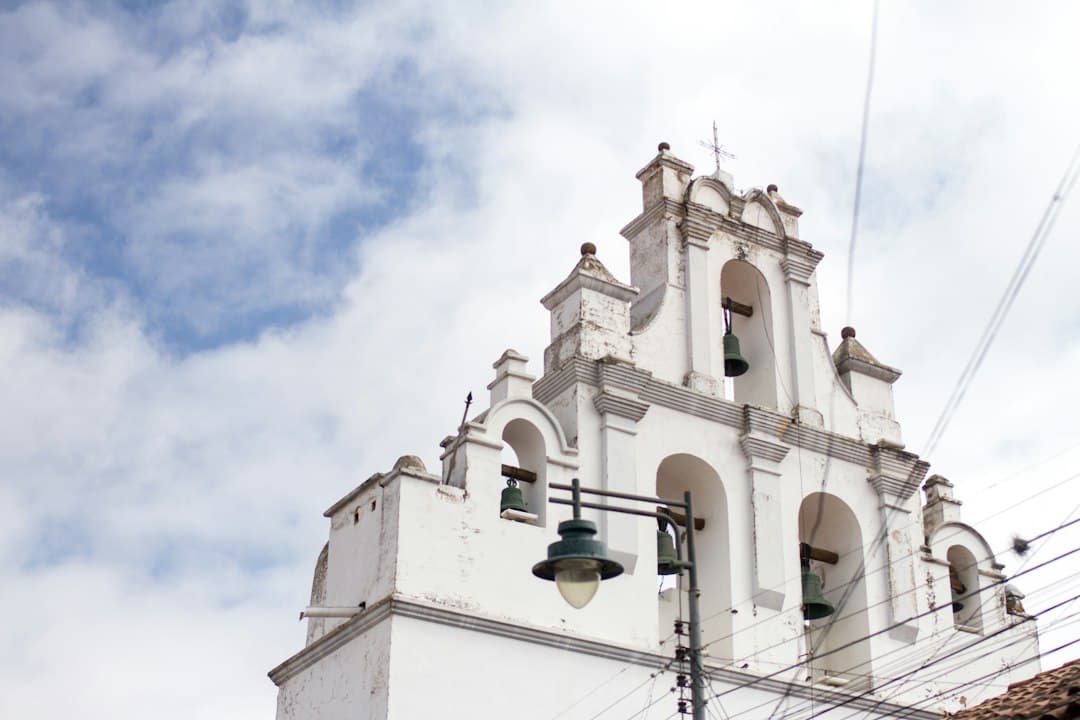
Parque Caldas is the main square; the city grew out from it, and colonial and republican buildings surround it[1]. Among the most important churches are San Francisco, La Ermita, the Belén sanctuary, and the temple of the Encarnación de las Monjas[1]. La Ermita, dating from 1546, is the oldest church in the city[3].
The Torre del Reloj, nicknamed “the nose of Popayán,” dates from the 17th century and houses a bronze clock brought from London[1]. Other landmarks include the Puente del Humilladero, the Morro de Tulcán, and the Rincón Payanés[1]. The Morro de Tulcán is the city's main pre-Columbian and archaeological monument[1]. You can walk up from Parque Caldas in about fifteen minutes, and the view takes in the whole city[4].
As for the color, a legend says that in the 19th century, during an outbreak of nigua (a tropical flea that attacks the feet), the city council had the walls whitewashed in an attempt to disinfect the town. Today, the walls are repainted white every March, before Holy Week[5].
Semana Santa: five nights of processions
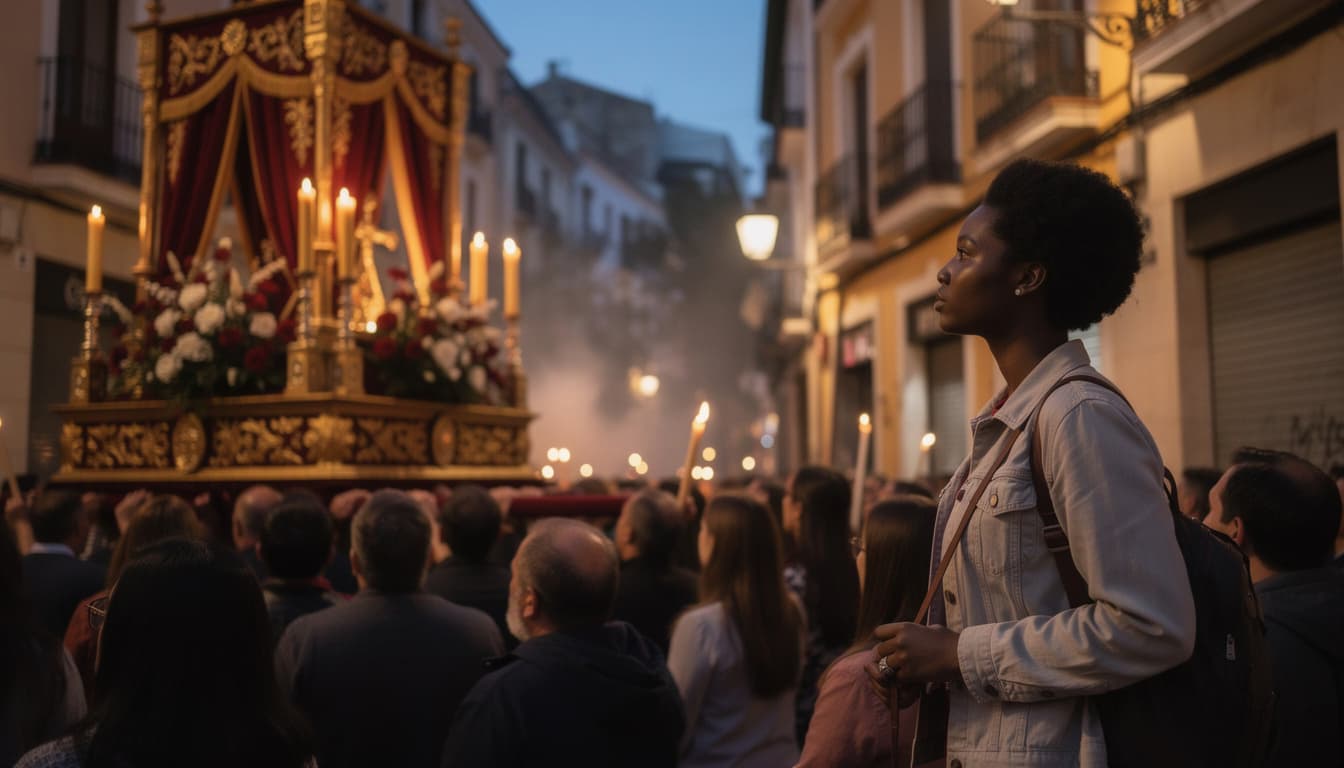
Families in Popayán carry old religious images through the streets on wooden platforms borne on the shoulders of the “cargueros,” a role passed down from generation to generation[1]. Night processions have been held since the 16th century, except in 1983, the year of the earthquake[2]; brotherhoods carry sculpted pasos by candlelight through silent streets[2].
UNESCO declared this celebration Intangible Cultural Heritage of Humanity in 2009[6]. For a traveler, it's a helpful key to understanding the moment: Catholicism remains deeply rooted in the city[5], and you are witnessing a part of residents' lives, which is best observed quietly and with respect.
The processions are organized by the Fundación Junta Permanente Pro Semana Santa de Popayán, a non-profit organization[7].
Gastronomy: a UNESCO Creative City
Popayán is part of UNESCO's Creative Cities Network for gastronomy. Three culinary traditions shaped its cuisine: pre-Columbian roots, African culture, and contributions from Spanish cooking[6].
Dishes to try: empanadas and tamales served with “pipián,” a local stew made with potato, peanut, tomato, onion, and garlic, as well as “carantanta” (fried corn snack) and various soups[1]. Market stalls serve pipián and other local dishes for about COP 10,000 to 15,000 per meal[8]. If you visit in September, the Popayán Gastronomy Congress showcases typical dishes like empanadas, tamales, and pipián[1].
Day trips from Popayán
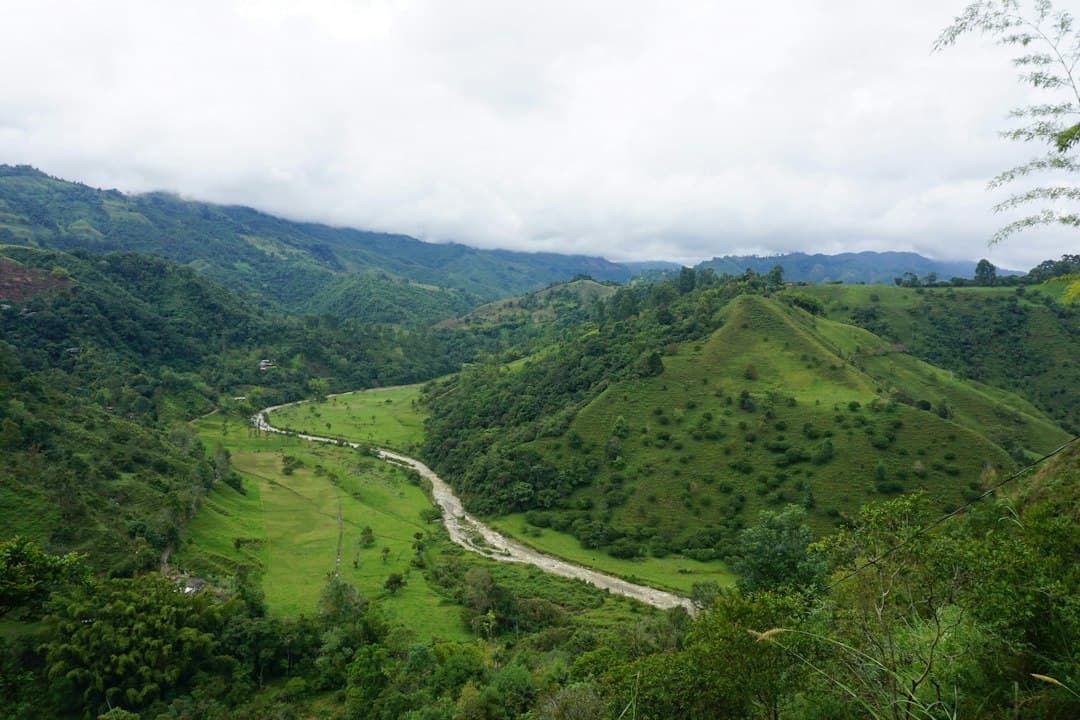
Popayán makes a good base for visiting Puracé Park, the Silvia market, and the Coconuco hot springs[8].
- Puracé Natural National Park: about an hour and a half's drive from Popayán, it's a top destination for ecotourism and trekking[1]. The Magdalena, Cauca, and Caquetá rivers all have their sources there[1].
- Coconuco: part of the municipality of Puracé, it is renowned for its thermal waters with medicinal properties[1]; allow about 40 minutes from Popayán[8].
- Silvia Market: every Tuesday, the Guambiano (Misak) from the high plateaus come down to Silvia, 50 kilometers north of Popayán, for their weekly market[8].
- Tierradentro: its archaeological park is designated a UNESCO World Heritage Site[1].
How to Get There and How Much Time to Plan
Popayán is just three hours from Cali by car[1]. Its airport, Guillermo León Valencia, operates domestic flights, mainly from Bogotá and Medellín, and is 15 minutes from the city center[8]. The city also sits on the Pan-American Highway, a natural stop between Cali and San Agustín[8].
Two days are enough to explore the colonial center, eat at the market, and take the excursion to Silvia or Puracé[8]. If you're planning around Holy Week, know that it is the most culturally rich period, but the city fills up and prices rise[9].
Crowds and Safety Tips
- Book your hotel well in advance if you're visiting during this period[4].
- At night, avoid walking to the viewpoints: one traveler reports being advised against it due to a higher risk of theft[3].
- Before you leave, check the status of the Pan-American Highway from Cali, which periodically closes due to protests[7].
Going Further
- Colombia: The Essentials, from the Caribbean to the Amazon
- Cali, the Salsa Capital: Dance, Listen to the Pacific, and Wander
- Tatacoa Desert: Red and Gray Landscapes and a Starry Sky in Colombia
- Cocora Valley and Salento: Giant Palms and Coffee Farms in the Heart of Colombian Coffee Country
Sources
- 1.^ abcdefghijklmnopcolombia.travel — Popayán: ciudad blanca | Colombia Travel: “It is commonly called the white city because of the color of the houses that adorn its colonial architecture.”; “Walking through the historic center should be the core of any visit to Popayán, one of the cities on the continent that best preserves the history of 17th-, 18th- and 19th-century architecture.”; “Parque Caldas is the city's main square, from which it developed. Around it stand colonial and republican buildings, surrounded by lush vegetation.” https://colombia.travel/es/popayan (accessed November 9, 2026)
- 2.^ abcvoyagecolombie.com — Popayán, la Ciudad Blanca de Colombia: “The historic center can be explored entirely on foot.”; “Popayán's nighttime processions, held without interruption since the 16th century (except in 1983), are listed by UNESCO as Intangible Cultural Heritage.”; “Brotherhoods carry carved pasos by candlelight through silent streets.” https://www.voyagecolombie.com/guide-colombie/destination/popoyan (accessed November 9, 2026)
- 3.^ abbesabine.com — Mini guide Popayán: the white city of Colombia - BESABINE: “La Ermita church dates back to 1546, making it the oldest church in Popayán.”; “We were advised not to walk this route at night, due to a higher risk of theft.” https://www.besabine.com/en/mini-guide-popayan-the-white-city-of-colombia/ (accessed November 9, 2026)
Show 6 more sourcesShow less
- 4.^ abpassporttheworld.com — Things to do in Popayan - The ultimate travel guide!: “You can walk up the hill from Parque Caldas in 15 minutes.”; “From Morro de Tulcán, you get a very beautiful view over Popayán.”; “If you're going to Popayán at this time, book your hotel well in advance.” https://www.passporttheworld.com/destinations/south-america/colombia/things-to-do-in-popayan-colombia/ (accessed November 9, 2026)
- 5.^ abmytriptocolombia.com — Popayan travel guide: the best things to do and visit (2026) - My trip to Colombia: “According to legend, in the 19th century, during an epidemic of nigua (a tropical flea) that attacked residents' feet, the city council decided to coat the walls with lime to try to disinfect the town. Today, the city's walls are repainted white every March before Holy Week.”; “Catholic tradition remains firmly rooted in the city, to the point that Popayán's Holy Week processions are inscribed by UNESCO as Intangible Cultural Heritage of Humanity.” https://mytriptocolombia.com/visit-popayan-travel-guide-things-to-do/ (accessed November 9, 2026)
- 6.^ abunesco.org — Popayán - Creative Cities Network: “A university city, Popayán is notably known for its colonial historic center of Hispanic heritage, where many celebrations take place, including Holy Week, declared Intangible Cultural Heritage of Humanity by UNESCO in 2009.”; “Three culinary traditions lie at its origin: the roots of pre-Columbian culture, those of African culture, and the contributions of Spanish cuisine.” https://www.unesco.org/fr/creative-cities/popayan (accessed November 9, 2026)
- 7.^ abcielo.travel — Popayán, Colombia: Holy Week, food and the White City: “The processions are organized by the Fundación Junta Permanente Pro Semana Santa de Popayán, a non-profit entity.”; “the state of the Pan-American Highway from Cali, which is periodically closed due to protests.” https://cielo.travel/es/popayan-colombia/ (accessed November 9, 2026)
- 8.^ abcdefgthecolombiaguide.com — Popayan Travel Guide | The Colombia Guide: “The market food stalls serve pipián and other local dishes for about 10,000 to 15,000 COP per meal.”; “Popayán works well as a base for Puracé National Park, the Silvia market and the Coconuco hot springs (closer, about 40 minutes away).”; “Every Tuesday, the Guambiano (Misak) from the highlands come down to Silvia, 50 kilometers north of Popayán, for their weekly market.” https://www.thecolombiaguide.com/city/popayan/ (accessed November 9, 2026)
- 9.^ecoturismocolombia.com.co — Popayán: guía de turismo — qué hacer, cómo llegar y presupuesto - Ecoturismo Colombia: “Holy Week (March 29 to April 5, 2026) is the most culturally special period, even though the city fills up and prices rise.” https://www.ecoturismocolombia.com.co/2026/05/cauca/popayan-guia-de-turismo-que-hacer-como-llegar-y-presupuesto/ (accessed November 9, 2026)