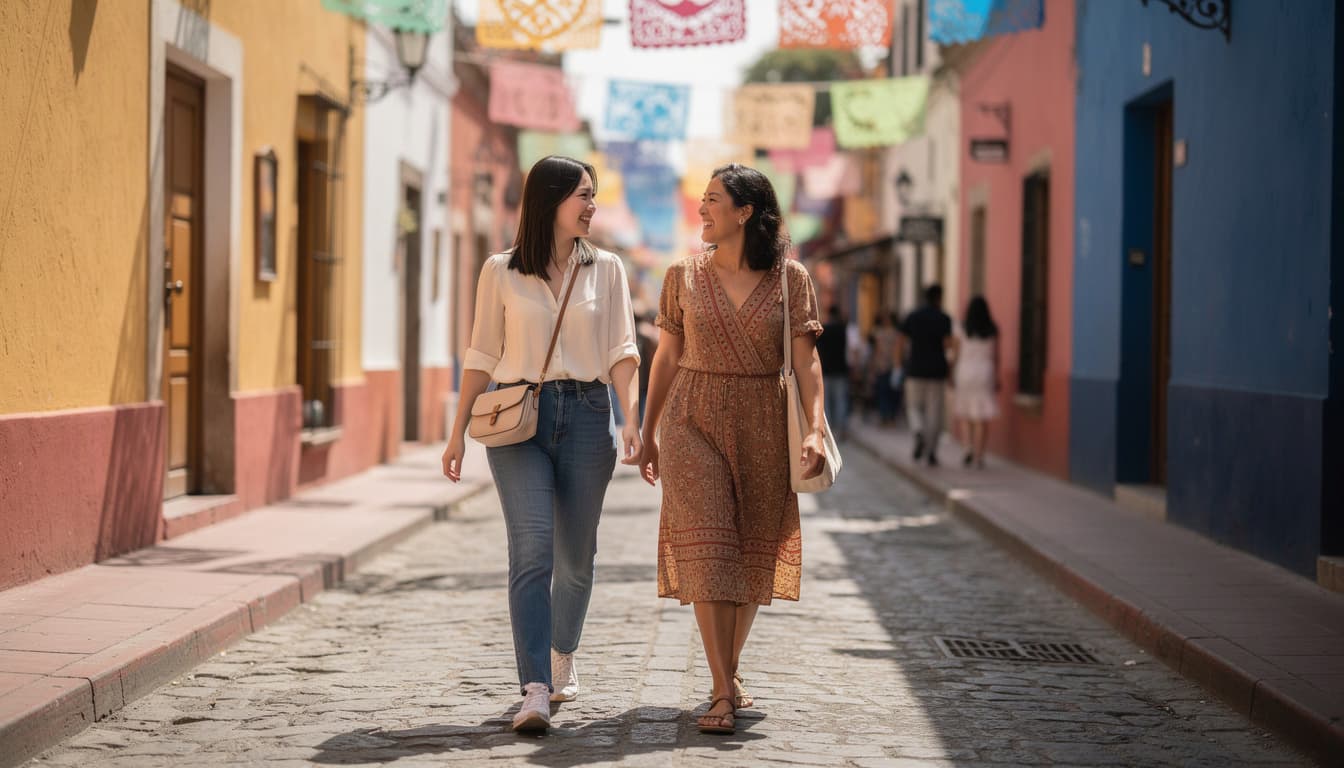
Mompox is a colonial town listed by UNESCO, left as if suspended on the banks of the Magdalena, far from Colombia's usual routes. This article tells you what you will see there, from the historic center to the wetlands, including the filigree silverwork and Holy Week. You will also learn how to get there, which season to go in and how many days to plan for.
Mompox, a town frozen on the Magdalena's banks
Mompox was founded in 1540 on the banks of the Magdalena and played a key role in the Spanish colonization of northern South America[1]. At the time, the town was a busy port: all goods arriving from Cartagena passed through it before heading into the interior of the country[2].
Then the river changed. Erosion and sedimentation altered its course: the Mompox branch lost volume, commercial life declined, and residents gradually left the town[3]. The river began to silt up in the 19th century[4].
Paradoxically, this decline preserved the town: its historic center is today the most remarkable example in the region of this type of river-based urban planning[1]. Mompox has been a UNESCO World Heritage Site since 1995[2].
The atmosphere comes from this slow pace. Locals sum it up this way: "You don't pass through Mompox, you stop in Mompox"[5]. The town appeals above all to those who love to wander, rest and soak up the atmosphere[4].
The historic center: three plazas, churches and balconies
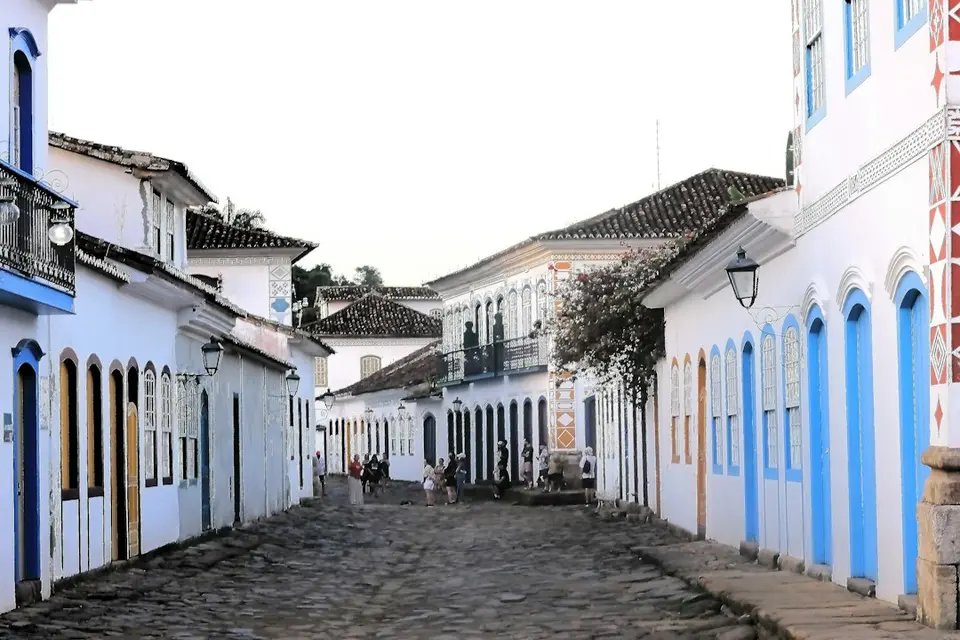
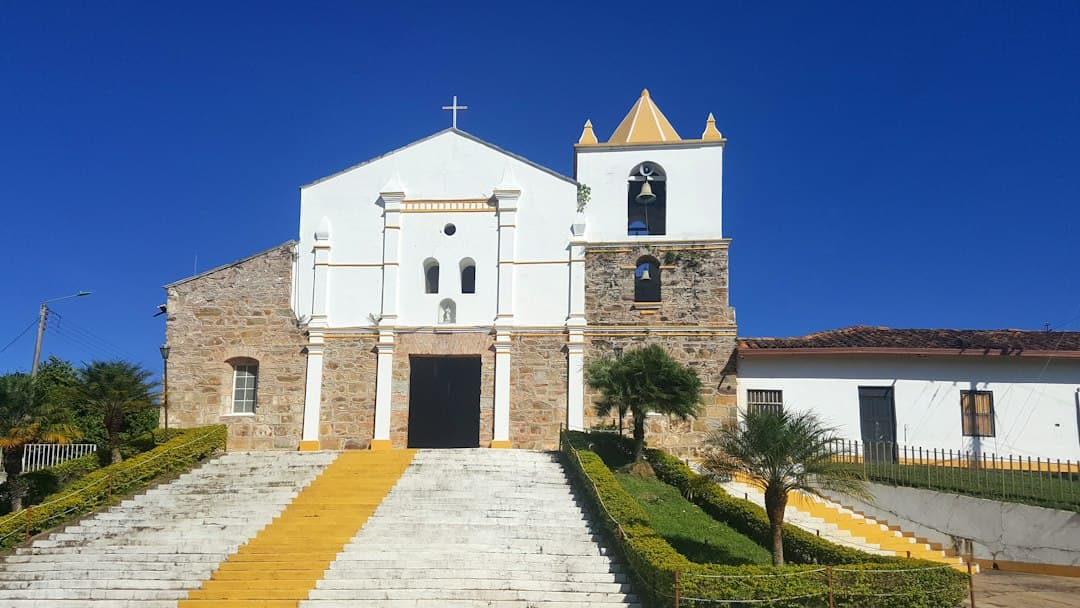
Instead of the single central plaza typical of Spanish towns, Mompox has three plazas in a row along the river, each with its own church and corresponding to a former Indigenous village[1]. The historic center covers 458 hectares, and most of its very well-preserved buildings still serve their original purpose[1]. You will find churches, residences, schools, the town hall and even the San Juan de Dios hospital[4].
The main street, Calle Real del Medio, is home to the most striking architectural sites[3]. This is where you will find the Casa de la Cultura, Bolívar and Santander parks, the Casa del Te Deum, the courthouse and the Museum of Religious Art[3]. These buildings are made of packed earth, with tiled roofs, grated iron-framed windows and overhanging eaves[3].
Among the churches, those of Santo Domingo, San Juan de Dios, San Agustín and Santa Bárbara stand out[3]. Santa Bárbara, especially revered by locals, stands on La Albarrada street, which runs along the river[3]. Houses often keep their decorated doorways and interiors, their balconies and their galleries[1]. The center is easy to explore on foot[6].
Mompox's filigree silverwork
Mompox's goldsmithing dates back to the colonial era. Gold passed through the town and into the hands of its craftsmen, and this is how the reputation of their metalwork began[3]. The town also minted colonial currency and became known for its goldsmiths, whose expertise is still visible in superb filigree jewelry[5].
Filigree involves weaving gold and silver threads into lacy patterns. This craft has been passed down through families since the colonial era and blends Spanish techniques with Indigenous motifs[6]. Mompox's jewelers enjoy an international reputation for this art[3]. In the workshops in the center, you can watch the artisans at work before you buy[7].
Local products don't stop there: traditional hammocks are in demand, and capa cheese or Doña Ada's lemon dessert pair well with strolls around town[3].

Holy Week and the year's highlights
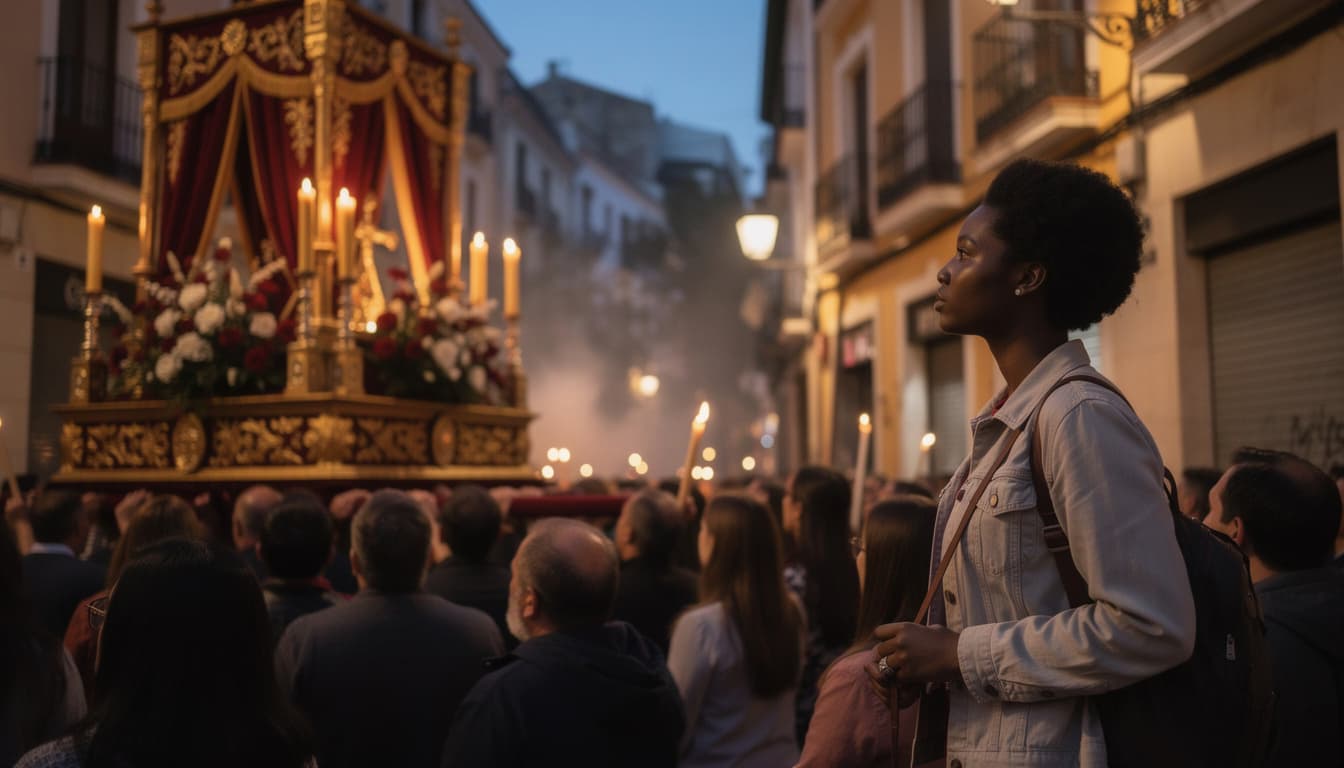
Holy Week is Mompox's only true high season[4]. It is also when tourist numbers are at their peak, and residents keep a solemn character during it[3]. The town hosts long processions, considered among the most authentic in Colombia[7]. During this week, families gather at the municipal cemetery for the Serenade to the Dead[4].
It's an exciting time to visit, but you need to plan ahead: accommodation can run out[4].
Another highlight, the Mompox Jazz Festival, takes place around September[7]. In the evenings, free concerts bring together jazz musicians of international renown in the colonial courtyards[7].
The River, the Malecón and the Marshes
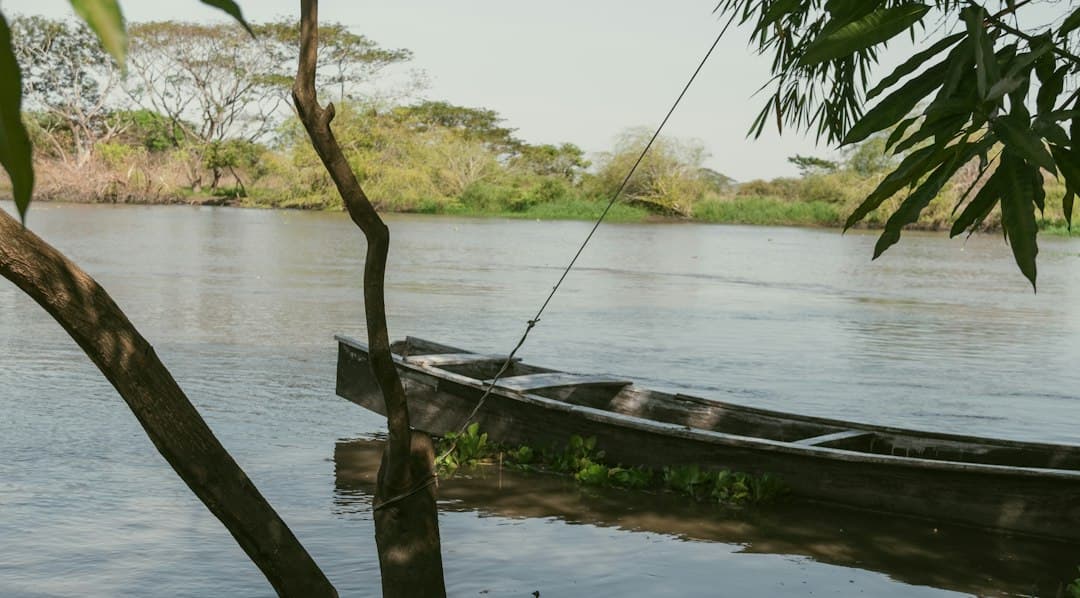
The Ciénaga de Pijiño, a vast marshland, is one of the standout attractions of the Bolívar department[7]. You reach it by lancha from Mompox[7]. During the crossing, herons, scarlet ibises and kingfishers are common along the banks[7].
Along the riverfront, the new malecón is a 2.7-kilometer promenade[6]. For a deeper immersion in the floodplain ecosystem of the Magdalena, a private reserve created in 1991 on a river branch is about an hour's drive from Mompox[6].
How to Get There
The most common route is from Cartagena: the itinerary passes through Magangué and Yatí, in the Bolívar department, where a ferry crosses the Magdalena to a place called La Bodega[3]. Another source describes access via the new Magangué bridge, which has transformed a link that was once river-only[5]. Sources disagree on the exact route and on travel times. Allow between 6 and 8 hours from Cartagena by bus and ferry[7], keeping in mind that road conditions matter; check the duration with your transport company.
You can also take a domestic flight via Bogotá or Medellín[7]: there are regular flights, but not every day, so plan accordingly[6]. From Santa Marta, there is no direct bus[5].
Locally, the center is best explored on foot[6]. To go further, motorbike taxis can take you anywhere in town for 1,000 Colombian pesos[7].
Best Season and Length of Stay
Opinions differ on the best season. One source recommends December to February, the dry season, with rare showers[7]. Another points rather to January through May and October through December[2]. Temperatures vary little: between 22 and 28 °C all year round, and showers can fall even during the driest months[2].
Two to three days are enough to explore the historic center, visit the main churches, discover a filigree workshop and take the excursion to the Ciénaga de Pijiño[7].
Booking transport tickets in advance is only recommended during Holy Week and the Christmas holidays; the rest of the year, you buy them directly at the terminal just before departure[2].
Key Takeaways
- Plan for 2 to 3 days: the historic center, a filigree workshop, and a lancha excursion.
- Book accommodation and transport well in advance for Holy Week and Christmas.
- Allow between 6 and 8 hours of travel from Cartagena by bus and ferry, and confirm the route (bridge or ferry) before you leave.
- If you fly, check the flight days: they are not daily.
- Leave some slack in your schedule: the town is best experienced slowly.
- This article covers the essentials; if you plan to settle in for longer, you will need to look further into accommodation choices and a detailed budget.
Going Further
- Colombia: The Essentials, from the Caribbean to the Amazon
- Cartagena de Indias: What to See and Do in the Caribbean Colonial City
- Palenque de San Basilio: The First Free Village of the Americas
- Santa Marta: What to See and Do on the Colombian Caribbean Coast
Sources
- 1.^ abcdewhc.unesco.org — Historic Centre of Santa Cruz de Mompox - UNESCO World Heritage Centre: “Founded in 1540 on the banks of the Magdalena, Mompox played a key role in the Spanish colonization of northern South America.” ; “Its economic decline in the 19th century preserved this quality and made it the most remarkable example in the region of this type of river-based urban planning.” ; “Instead of the central square typical of most Spanish towns, Mompox has three squares lined up along the river, each with its own church and corresponding to a former Indigenous village.” https://whc.unesco.org/en/list/742/ (accessed November 9, 2026)
- 2.^ abcdevoyage-colombie.com — Mompox, Colonial Town in Colombia and UNESCO World Heritage Site: “At the time, it was an important trade center and an active port through which all goods coming from Cartagena passed on their way to the interior of the territory.” ; “Located on the Magdalena River, south of Cartagena, the town of Mompox was declared a World Heritage Site by UNESCO in 1995.” ; “The best months to visit this town are January through May and October through December.” https://voyage-colombie.com/caraibes/mompox (accessed November 9, 2026)
- 3.^ abcdefghijkcolombia.travel — Mompox: a colonial island in the Magdalena River | Tourism | Colombia Travel: “Erosion and sedimentation changed the course of the Magdalena: the Loba arm gained volume while the Mompox arm lost it. The town’s commercial and social life declined, and its residents then began to leave for other regions.” ; “It breathes history, romance and nostalgia at every corner, especially along Calle Real del Medio, the main street, the most important of all and the one that concentrates the most captivating architectural sites.” ; “The Casa de la Cultura, Bolívar and Santander parks, the Casa del Te Deum, the Courthouse and the Museum of Religious Art are all located along the main street. They were all built with rammed earth, clay tiles and iron-framed windows with grilles and overhanging roofs.” https://colombia.travel/en/blog/mompox-colonial-island-magdalena-river (accessed November 9, 2026)
Show 4 more sourcesShow less
- 4.^ abcdefnationalgeographic.com — Santa Cruz de Mompox -- World Heritage Site -- National Geographic: “The river began to silt up in the 19th century.” ; “Life moves slowly in Mompox. Incredible sites dot the historic center, and the place especially appeals to those who simply enjoy wandering, unwinding and soaking up the atmosphere.” ; “Many of the town’s historic buildings still serve their original purpose: churches, mansions, schools, town hall, and even the San Juan de Dios hospital.” https://www.nationalgeographic.com/travel/world-heritage/article/mompox (accessed November 9, 2026)
- 5.^ abcdcolombia-travels.com — Mompox, a World Heritage Colombian colonial town: “Locals will tell you: You don’t pass through Mompox, you stop in Mompox.” ; “This village, once thriving, also minted colonial currency and became known for its goldsmiths, whose craftsmanship can still be seen today in superb filigree jewelry.” ; “This infrastructure revolutionized access to this colonial gem, which was once reachable only by river.” https://colombia-travels.com/caribbean/mompox (accessed November 9, 2026)
- 6.^ abcdefgoworldtravel.com — Mompox, Colombia: Colonial Streets on the Magdalena: “The historic center, easy to explore on foot, was listed as a UNESCO World Heritage Site in 1995.” ; “This delicate art of weaving gold and silver threads into intricate, lace-like patterns has been passed down through families since the colonial era and blends Spanish techniques with Indigenous motifs.” ; “The recently extended malecón, locally called La Albarrada, is a 2.7-kilometer riverside promenade that blends colonial charm with a modern community space.” https://www.goworldtravel.com/mompox-magdalena-colombia/ (accessed November 9, 2026)
- 7.^ abcdefghijklvoyagecolombie.com — Mompox Colombia: Complete Guide to the UNESCO Colonial Gem: “In the workshops in the center, you can watch artisans weave gold and silver threads into remarkably fine floral patterns.” ; “During Semana Santa, the town hosts long religious processions, considered among the most authentic in Colombia.” ; “Every year, the Mompox Jazz Festival sets the whole town buzzing.” https://www.voyagecolombie.com/guide-colombie/destination/mompox (accessed November 9, 2026)