Sweden is best discovered in large areas, each with its own reasons to stop: an archipelago, lakes and red cottages, a fishing coast, Baltic islands, granite cliffs, and Lapland. This article helps you spot the places worth the detour, choose the right season and mode of transport, and estimate how much time to plan. It ends with a few points to watch out for so you avoid unpleasant surprises.
Sweden at a glance: six major areas
The country has 15 UNESCO World Heritage sites, spread from south to north[1]. It also has 30 national parks and more than 4,000 nature reserves, which together cover over a tenth of the country's total area[1]. There is no single official division: for this overview, we group the places into tourist areas, from Stockholm and its archipelago to the Far North, passing through the center, the west, the south, and the Baltic islands.
Stockholm, the archipelago, and Uppsala
Stockholm is made up of 14 islands connected by more than 50 bridges, which gives it a distinctive charm[2]. Le Routard describes it as a relaxed "Venice of the North"[3]. The first thing to do: plan enough time. One travel guide sums up the difference in pace between the city and the archipelago: Stockholm "rewards two or three full days, while the islands reward doing almost nothing at all"[4].
Two UNESCO sites can be visited from the capital. Drottningholm, a private residence of the Swedish royal family, was Sweden's first inscription on the list, in 1991[1]. About 30 kilometers west of Stockholm, the Birka archaeological site on the island of Björkö is one of the best-preserved Viking trading posts[1].
Uppsala rounds out the urban stay: a university town home to one of the oldest universities in Europe, historic, welcoming, and lively, with the largest cathedral in Scandinavia[3].
Dalarna and the center: lakes, traditions, and heritage
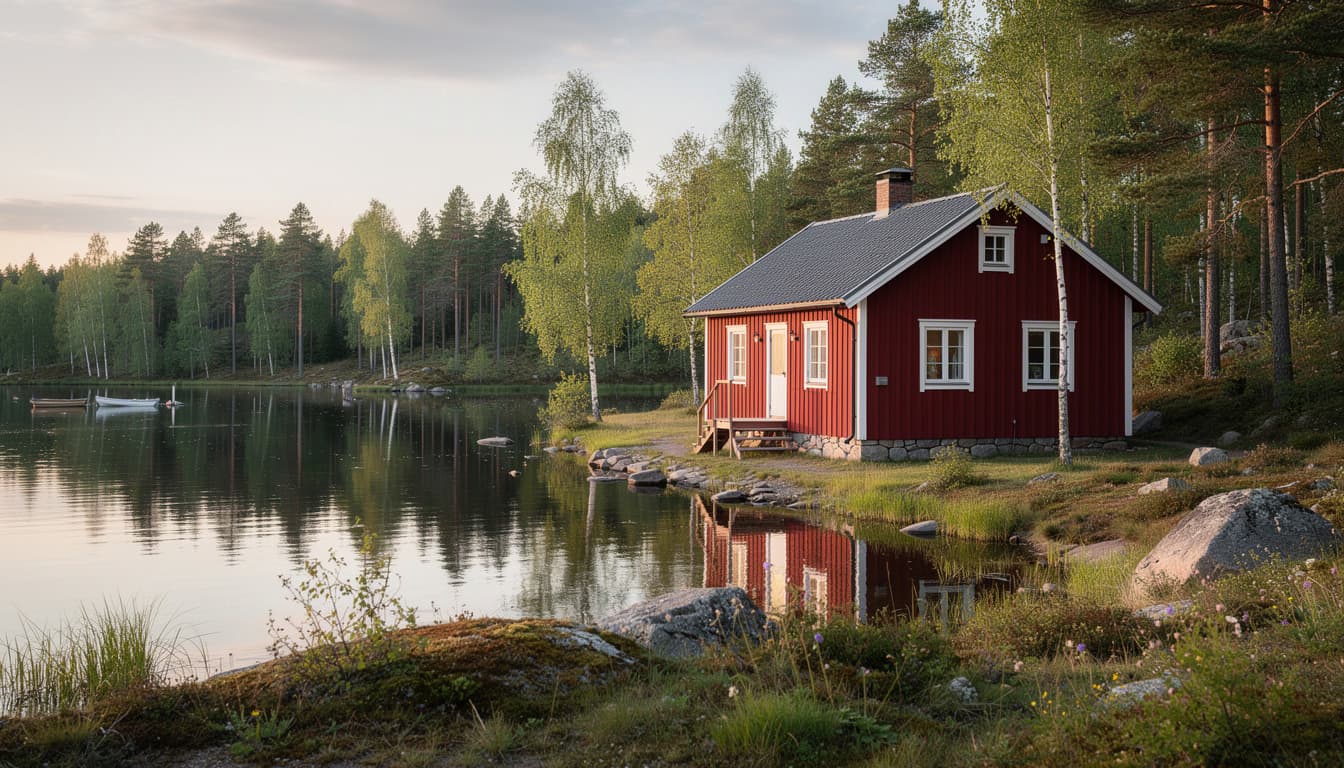
In the heart of Dalarna, the birthplace of Swedish culture and traditions, the blue tones of the water and the red of the cottages form the country's classic image, with charming villages and a few beaches[3].
In Falun, mining began as early as the 9th century and continued until 1992[1]. The Falun Mine is a UNESCO-listed site[1].
Gothenburg, the west coast, and Bohuslän
The country's second city has a different personality from the capital: canals designed by the Dutch since its founding in the 17th century, the cobbled Haga district with its café culture and cinnamon buns, and an active port economy that gives it a rougher edge[4]. Its seafood is among the best in the country[4].
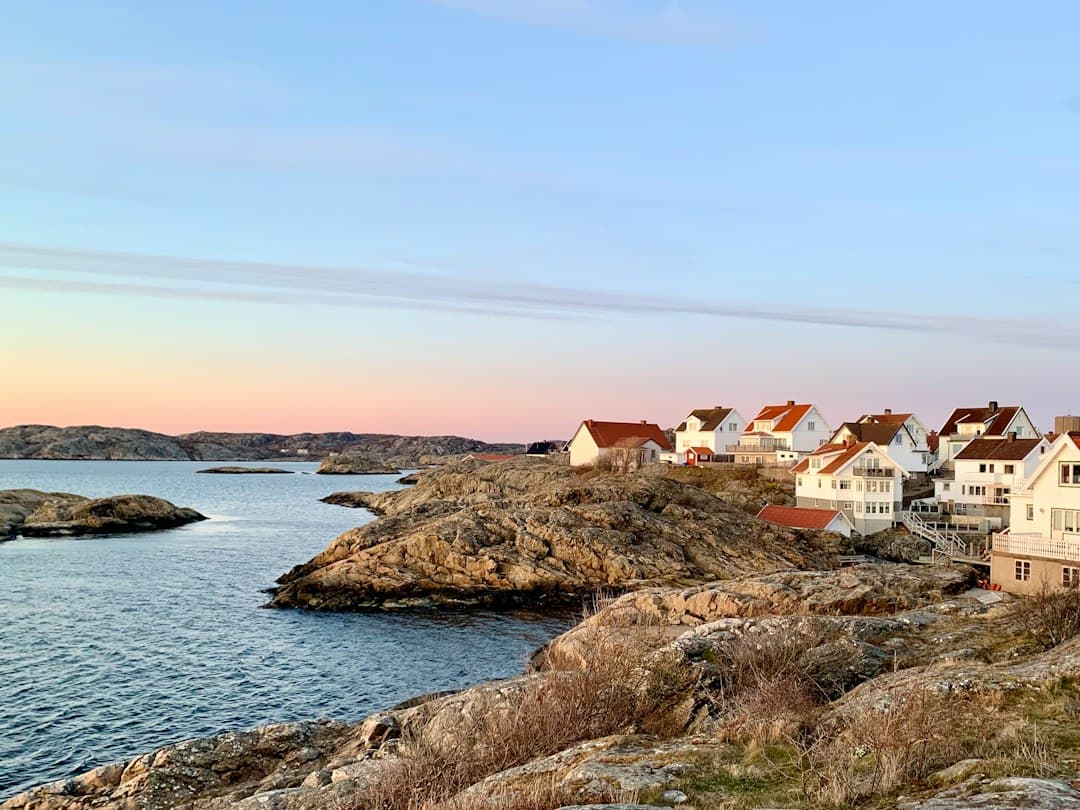
North of the city stretches the Bohuslän coast, with its granite islets and fishing villages[4]. Le Routard considers it deserving of several days on its own[3]. In Tanum, the Bronze Age rock carvings are a remarkable example of the art and daily life of that period; the site is listed by UNESCO[1].
On the music front, Gothenburg draws music lovers every summer: international artists perform at Ullevi Stadium, and the Way Out West festival, held in August, turns Slottsskogen park into a hub of music and culture[2]. In winter, millions of lights illuminate the streets, and the Liseberg amusement park becomes a fairy-tale setting[2].
Malmö, Öland, Kalmar, and Gotland: the south and the Baltic islands
Malmö, the country's third-largest city, lies at the far south and has been linked to Denmark by the Øresund Bridge since 2000[3].
Öland, off the southeast coast, is a much-loved summer destination, favored even by the royal family, who spend their holidays there[1]. In the south of the island, the agricultural landscape is recognized by UNESCO for the sustainable harmony between its inhabitants and nature[1].
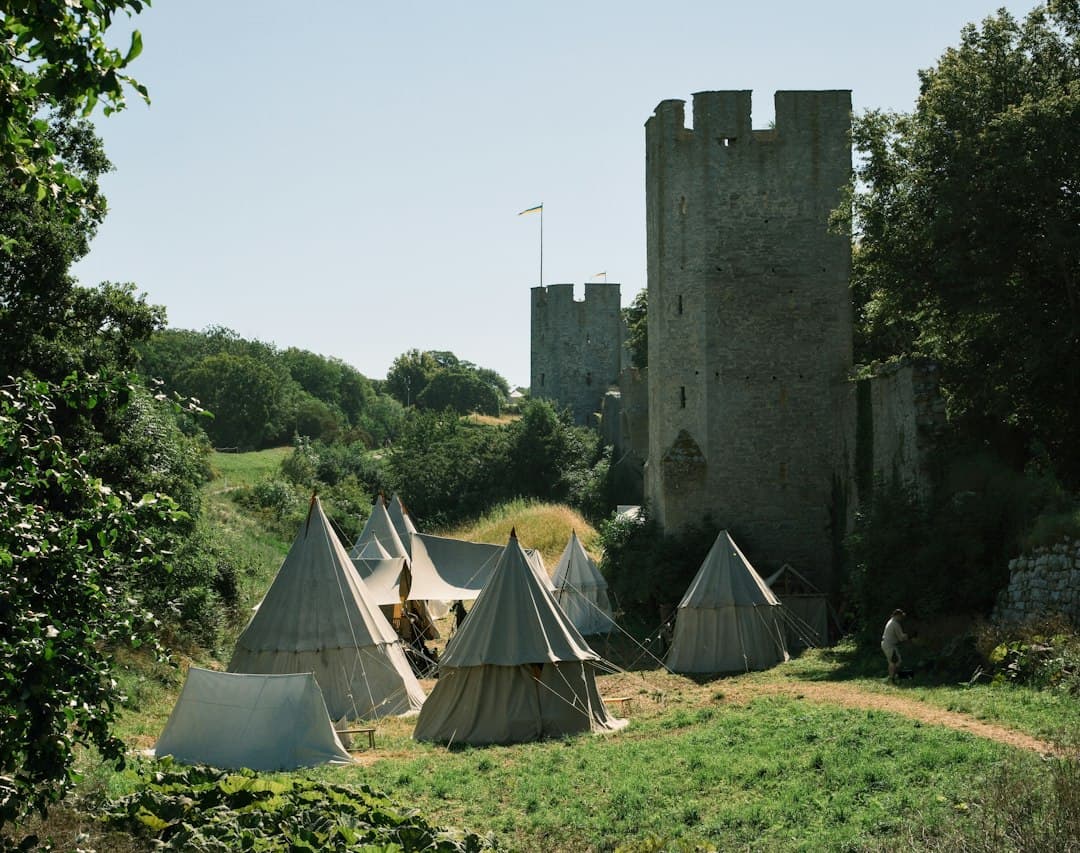
Gotland, just north of Öland, is a summer island beloved by Swedes, and its main town, Visby, is a must-see for history lovers[1]. Dating back to the 12th century, Visby is one of the best-preserved Hanseatic towns in Europe; its medieval wall, with its original towers, still encircles the center[1]. The island has two faces: in summer, beaches, lively festivals and medieval markets in Visby[2]; in winter, it turns rugged, quiet and serene[2].
The High Coast, Åre and Jämtland
In the northeast, the High Coast is a UNESCO site known for its land and sea landscapes and the red granite cliffs of Nordingrå[1]. It is the only Swedish natural site on the World Heritage List in the strict sense: it features the highest coastline in the world, thousands of islets, shallow bays and fields of glacial boulders, inherited from the last Ice Age[1].
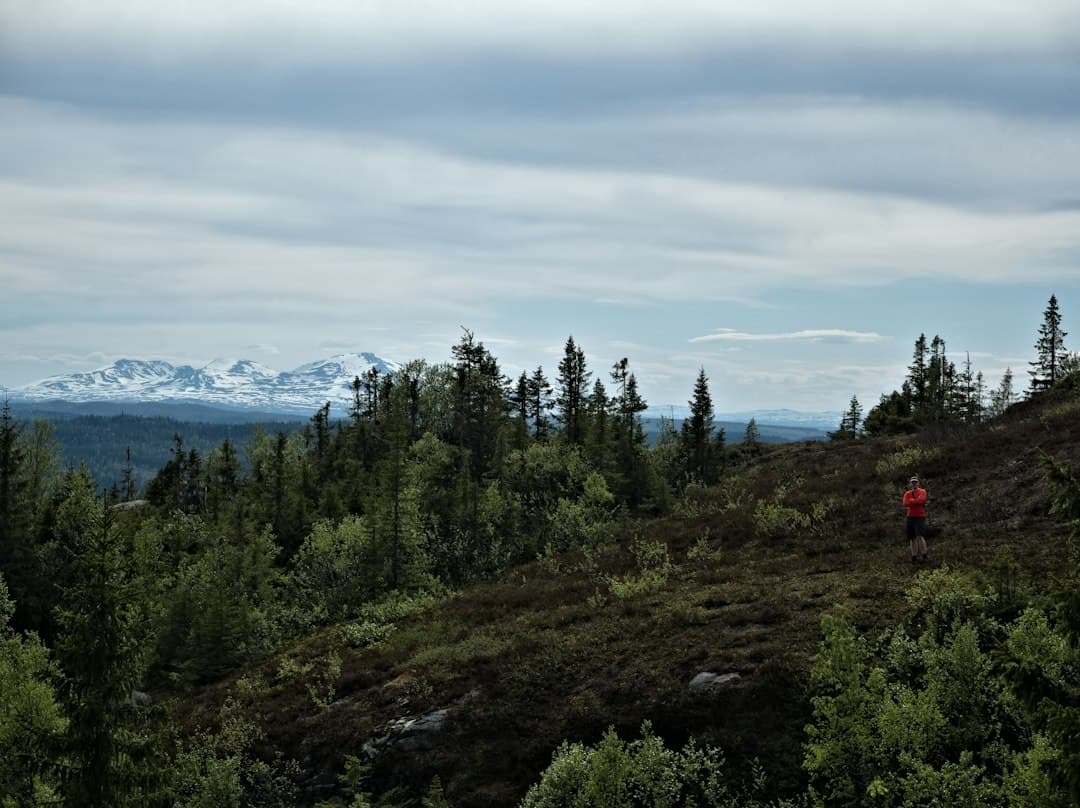
Further west, Åre proves that a mountain resort is alive in summer too: it is home to the largest bike park in Scandinavia, keeps expanding its trail network and offers excellent mountain biking, trail running and paragliding[5].
Kiruna, Abisko and Swedish Lapland
Arctic Sweden, or Swedish Lapland, covers nearly a quarter of the country[6]. It is home to three UNESCO sites: the Laponia cultural and natural landscape, the Gammelstad church town in Luleå and the Struve Geodetic Arc[6].
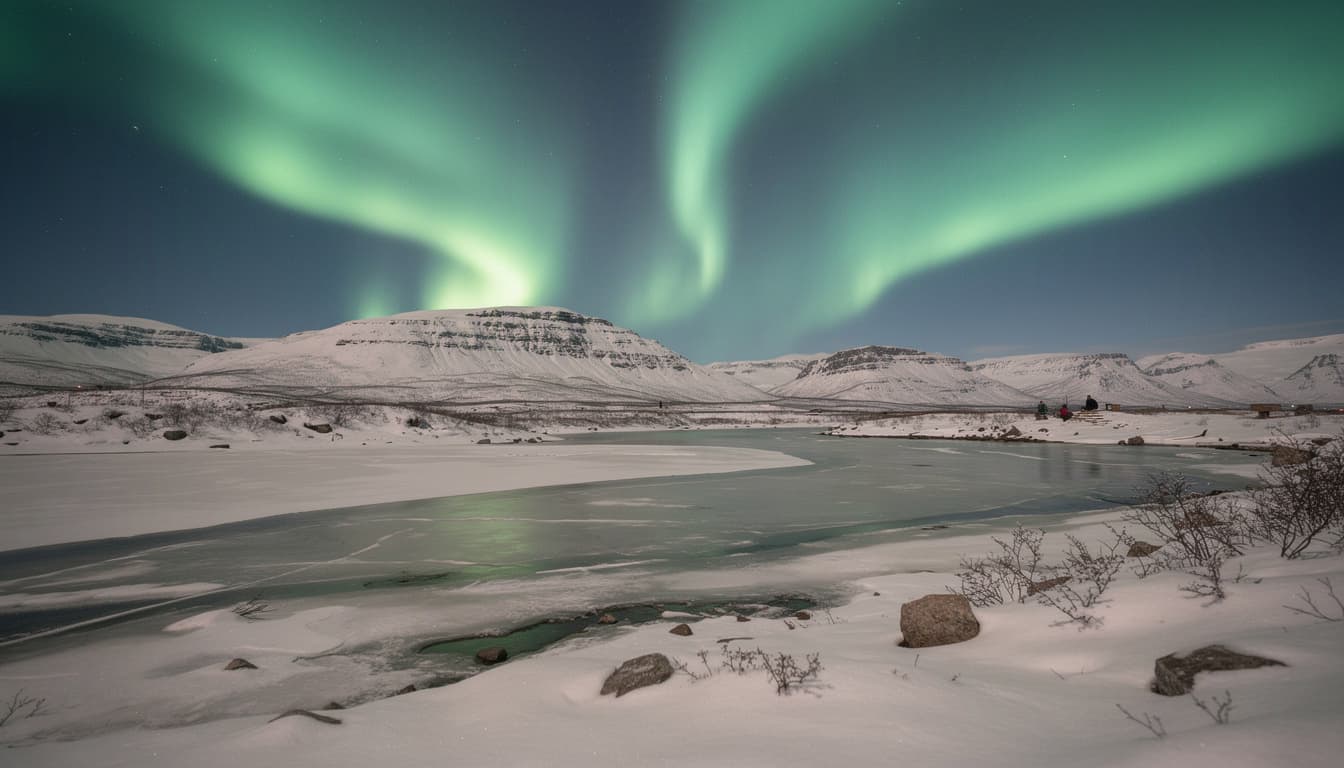
Kiruna, the country's northernmost city, is the gateway to the Icehotel, to Kebnekaise, Sweden's highest mountain, and to Abisko National Park, one of the best places to see the northern lights[6]. Abisko's dry microclimate keeps its skies clearer than almost anywhere else in the region[4].
The Sámi have lived here for thousands of years, in close connection with the land[6]. To buy authentic handicrafts, look for the Sámi Duodji and Sámi Made labels, which guarantee an item made by Sámi artisans or producers[6]. The northern lights dance in the winter sky, and the midnight sun shines day and night in summer[6]. The Kungsleden (King's Trail), one of the most famous hiking trails in the world, crosses the region and passes through Laponia and the Kebnekaise massif[6].
By theme: nature, cities and heritage, culture, gastronomy
Nature
With more than 100,000 lakes, Sweden offers countless opportunities for outdoor activities[2]. In summer, kayaking, swimming and fishing are part of everyday life[5]. Every spring, nearly 30,000 cranes gather at Lake Hornborgasjön in western Sweden, one of Europe's most renowned birdwatching sites[2]. In autumn, it's the moose's turn: about 30,000 roam the forests of Småland, one of the best regions to spot them[2].
Cities and heritage
Drottningholm, Visby or Gammelstad: UNESCO sites dot the country, from the outskirts of Stockholm to Lapland[1][6].
Culture
Viking heritage, Sámi traditions, beloved celebrations and world-renowned museums make up the cultural offering[7]. In autumn, it's cozy season: people gather in cafés around the kanelbulle, the cinnamon bun, which even has its own day[5].
Gastronomy
Local produce, tradition and modern innovation come together in one of the most fascinating food cultures in Europe[7]. Seafood from the west coast is a mainstay[4]. In the Far North, local ingredients, cultivated or foraged, take center stage, and reindeer is a must-try[6].
Seasons, access and length of stay
Every season has its Sweden. In the Far North, summer brings endless light: midnight golf in Haparanda, a midnight sun triathlon in Gällivare, and hiking in Laponia[2]. Autumn brings the cozy side, with the Stockholm Jazz Festival in October and the International Film Festival in November[5]. In winter, up north, the main event is the northern lights[6].
For getting around: Stockholm Arlanda is the country's main international gateway[4]. SJ trains connect the major cities efficiently, Stockholm to Gothenburg in about 3 hours and Stockholm to Malmö in about 4.5 hours[4]. Gotland is reached by ferry from Nynäshamn, about an hour south of Stockholm by train or car[4]. A rental car is more useful for the fishing villages of the west coast, for Gotland beyond Visby, and for any trip to Lapland[4].
To the Far North, daily flights connect Stockholm Arlanda with Luleå, Kiruna, Gällivare, Arvidsjaur and Pajala[6]. SJ night trains also serve several destinations in the region[6].
As for duration, a long weekend is enough for Stockholm or Gothenburg, while a summer road trip through the south (Skåne, Småland, Öland) needs at least 7 to 10 days[8].
Things to Watch Out For
- July: this is when Swedes themselves go on vacation, so some restaurants and small shops in smaller towns close for weeks, even when visitor numbers are at their highest[4].
- Midsummer: the midsummer solstice celebration falls on the Friday between June 19 and June 24. On that day, restaurants, shops and cafés are closed and transport runs on holiday schedules[8]. To experience the festivities, head to the countryside or to the open-air museum Skansen in Stockholm, or you may find yourself without a meal in a deserted city[8].
- Distances in the Far North: Arctic Sweden covers almost a quarter of the country, so distances between destinations can be long[6]. Plan your routes in advance.
- Ticks: bite prevention is essential. Before you leave, ask a health professional for advice, especially about the tick-borne encephalitis vaccine. According to sources, Lyme borreliosis is transmitted notably in the forests of the southern coastal areas, with peak risk from April to September[9]. Tick-borne encephalitis is highly endemic around Stockholm (the archipelago, Lake Mälaren, and the counties of Uppsala and Södermanland), with other risk areas around lakes Vänern and Vättern, in the south[9].
Steps to Build Your Itinerary
- Choose your areas by season: northern lights and Lapland in winter, northern light and the Baltic islands in summer.
- Plan the duration: a long weekend for one city, 7 to 10 days for a southern road trip[8].
- Check the Midsummer dates and the July closures before booking restaurants and shops[8][4].
- Choose your transport: SJ trains between major cities, a car for the west coast, Gotland and Lapland[4].
- This overview covers the essentials: for each place, prices, schedules and detailed itineraries require dedicated guides.
Our guides, place by place
- Stockholm: What to See and Do, Island by Island, from Gamla Stan to the Archipelago
- The Stockholm Archipelago: Which Islands to Choose and How to Get There
- Uppsala: What to See and Do 35 Minutes from Stockholm
- Göteborg: What to See and Do, from Haga to the Archipelago
- Malmö: What to See and Do in Sweden's Smallest Big City
- Gotland and Visby: Hanseatic Town, Rauks and Beaches to Discover
- Öland et Kalmar : château, steppe calcaire et phare, que voir et que faire
- Dalarna: What to See and Do in Sweden in Miniature
- The High Coast in Sweden: What to See and Do on the Highest Coastline in the World
- Åre and Jämtland: What to See and Do in Sweden, From the Mountains to Östersund
- Kiruna and Abisko, Swedish Lapland: What to See and Do North of the Arctic Circle
Sources
- 1.^ abcdefghijklmnvisitsweden.com — UNESCO World Heritage Sites in Sweden | Visit Sweden: “Sweden is known for innovation, design and nature. But did you know it is also home to 15 UNESCO World Heritage Sites?” ; “Sweden has 30 national parks and more than 4,000 nature reserves, which together cover more than a tenth of the country’s area.” ; “Drottningholm, the private residence of the Swedish royal family, was the first Swedish site inscribed on the UNESCO World Heritage List, in 1991.” https://visitsweden.com/what-to-do/sights-landmarks/swedens-unesco-world-heritage-sites/ (accessed November 9, 2026)
- 2.^ abcdefghivisitsweden.com — Sweden: A twice-in-a-lifetime experience | Visit Sweden: “The city is made up of 14 islands connected by more than 50 bridges, which gives it a unique charm.” ; “Every summer, Gothenburg becomes a magnet for music lovers, who come from near and far.” ; “International artists perform at the Ullevi stadium, the largest arena in Scandinavia, and the three-day Way Out West festival in August turns Slottsskogen park into a vibrant hub of music and culture.” https://visitsweden.com/about-sweden/twice-in-a-lifetime/ (accessed November 9, 2026)
- 3.^ abcderoutard.com — Sweden: the essentials | What to do, what to see, what to visit? : “Built on the water and spanned by some fifty bridges, Stockholm looks like a laid-back Venice of the North” ; “A student city home to one of the oldest universities in Europe, and a historic, warm and lively town; its cathedral is the largest in Scandinavia” ; “The blue tones of its water and the red of its cabins, its pretty villages and a few beaches, in the heart of Dalarna, home of Swedish culture and traditions” https://www.routard.com/fr/guide/top/europe/suede (accessed November 9, 2026)
Show 6 more sourcesShow less
- 4.^ abcdefghijklmatlas-guide.com — Sweden Travel Guide 2026: Stockholm, the archipelago : “Stockholm rewards two or three full days, while the islands reward doing almost nothing at all” ; “Canals designed by the Dutch since its founding in the 17th century, the cobbled Haga district with its café culture and cinnamon buns, and an active port economy that gives it a rawer, less polished feel than Stockholm.” ; “The seafood in Gothenburg is among the best in the country, and the Bohuslän coast north of the city, with its granite islets and fishing villages, is one of Sweden’s least known coastlines internationally and one of the most rewarding.” https://www.atlas-guide.com/fr/europe/sweden/ (accessed November 9, 2026)
- 5.^ abcdvisitsweden.fr — Sweden: an experience to live… at least twice | Visit Sweden : “Åre, home to the largest bike park in Scandinavia, keeps expanding its network of trails, offering excellent possibilities for mountain biking, but also for trail running and paragliding.” ; “With more than 100,000 lakes, Sweden is a true paradise for outdoor enthusiasts. In summer, kayaking, wild swimming and fishing are part of everyday life.” ; “This is the start of cosy season: people gather in cafés over a cinnamon bun, the kanelbulle loved by Swedes, to which they even dedicate a day.” https://visitsweden.fr/info-pratiques/quand-visiter-suede/?what_to_do=4363 (accessed November 9, 2026)
- 6.^ abcdefghijklmvisitsweden.com — Arctic Sweden (Swedish Lapland): Northern Lights & Sámi culture | Visit Sweden : “Stretching across the northernmost part of Sweden, the region covers nearly a quarter of the country.” ; “Arctic Sweden is home to three UNESCO World Heritage Sites: the Laponia cultural and natural landscape, the church town of Gammelstad in Luleå, and the Struve Geodetic Arc.” ; “Kiruna: Sweden’s northernmost town and the gateway to attractions such as the Icehotel, Kebnekaise, Sweden’s highest mountain, and Abisko National Park, one of the best places to see the Northern Lights.” https://visitsweden.com/where-to-go/northern-sweden/arctic-sweden/ (accessed November 9, 2026)
- 7.^ abvisitsweden.fr — What to do during your stay in Sweden? | Visit Sweden : “From Viking heritage and Sámi traditions to world-renowned museums, contemporary art and much-loved Swedish festivals, Sweden offers cultural experiences that blend history, creativity and local life.” ; “Discover the flavors of Sweden, where local produce, traditions and modern innovation come together to create one of the most fascinating food cultures in Europe.” https://visitsweden.fr/voir-faire/ (accessed November 9, 2026)
- 8.^ abcdeloudavymkrokem.cz — Sweden: 30 ideas to see and do in 2026 : “For a summer road trip through the south (Skåne, Småland, Öland), plan at least 7 to 10 days; for Stockholm or Gothenburg, a long weekend is enough.” ; “It takes place on a Friday between June 19 and June 24.” ; “Restaurants, shops and cafés are closed, while public transport runs on holiday schedules.” https://loudavymkrokem.cz/fr/suede-que-voir-faire/ (accessed November 9, 2026)
- 9.^ abeurop-assistance.fr — Sweden: traveler advice, safety, risk & danger : “Transmission occurs in forests in the southern coastal areas. The risk is highest from April to September.” ; “Highly endemic in the regions around Stockholm, in the eastern part of south-central Sweden (Stockholm archipelago, Lake Mälaren, Uppsala and Södermanland counties), with other risk areas around the lakes (Vänern, Vättern) in the south.” https://www.europ-assistance.fr/fr/conseils/pays/suede (accessed November 9, 2026)