
Entering China without a visa, working there and paying for everyday things are three separate matters. This article helps you understand what the visa exemption allows, what requires prior authorization, how to pay without a Chinese bank account, and what to sort out for internet access before you land. It focuses on mainland China; the rules depend on your nationality and your date of entry.
Visa or no visa: what entering China allows
For holders of an ordinary French passport, entry to China is exempt from a visa until December 31, 2026, for a maximum of 30 days and for five purposes: business, tourism, family visit, exchange visit, or transit[1]. This exemption depends on nationality: don't rely on a friend's experience or an old forum post[2]. Check the rule in force on your departure date with the Chinese embassy in your country.
For any other purpose, or for a stay longer than 30 days, a visa must be applied for before travel[1]. If you already know you will need more than 30 days, you should therefore apply for a visa before leaving[3].
The 240-hour visa-free transit is another option. It applies to travelers holding a confirmed ticket to a third country or territory[2]. It is not a tourist stay: it only covers authorized areas, not all of mainland China[2]. During transit, tourism, business, exchange visits and family visits are possible, but work, study and journalism require prior authorization, meaning the appropriate visa obtained before travel[4].
These rules apply to mainland China. Hong Kong and Macao have their own immigration systems: don't assume that the mainland exemption or transit applies there[2].
Working or working remotely: what a tourist visa does not allow
Foreign nationals who carry out professional activity or internships must hold the visa that authorizes it, which is not the case for the L visa, the tourist visa[1]. A visa-free or tourist stay therefore does not give you the right to work or to do an internship.
If you want to stay longer, an extension is possible in some cases: for a foreigner who entered on a visa, when the purpose of entry is not complete or for other valid reasons, you may apply to extend the visa beyond its expiry date[4]. After entry without a visa, a longer stay requires a residence permit applied for in person before the end of the authorized period, with no automatic 30-day extension and no guaranteed approval[3].
For procedures related to residence and work (residence registration, SIM card, bank card, residence permit, work permit, social insurance, mobile payment, income tax), China's Ministry of Commerce has published an official guide, 2024 edition, aimed at professional expatriates[5][6]. It is the reference to consult before setting up a long-term stay project; to find out whether remote work for a foreign employer is possible in your situation, contact the Chinese embassy.
Pitfalls, scams and points of vigilance
- Confusing visa exemption with the right to work: any purpose other than those allowed under the exemption exposes you to refusal of entry[1].
- Irregular stay or work: administrative detention, heavy fines, deportation, possibly accompanied by a residence ban of up to 5 years[1].
- Visa-free transit: if the time limit is not respected, including due to a delayed flight, the traveler is considered in violation; avoid booking a flight too close to the limit[1].
- Police registration: foreigners must register within 24 hours of arrival, under penalty of a fine (up to more than 250 euros). Hotels handle this for their guests[1].
- Passport: it must be valid for at least six months after the date of departure from the territory, and the visa's validity period and number of entries must match your stay[1].
- Insurance: medical costs, which can be very high, are never covered by the French embassy or consulates; without coverage, you may not have access to care, even in a life-threatening emergency[1].
- Customs: on entry, foreign currency amounting to 5,000 USD or more and yuan above 20,000 RMB must be declared[1].
Paying day to day: Alipay, WeChat Pay, cash and foreign cards
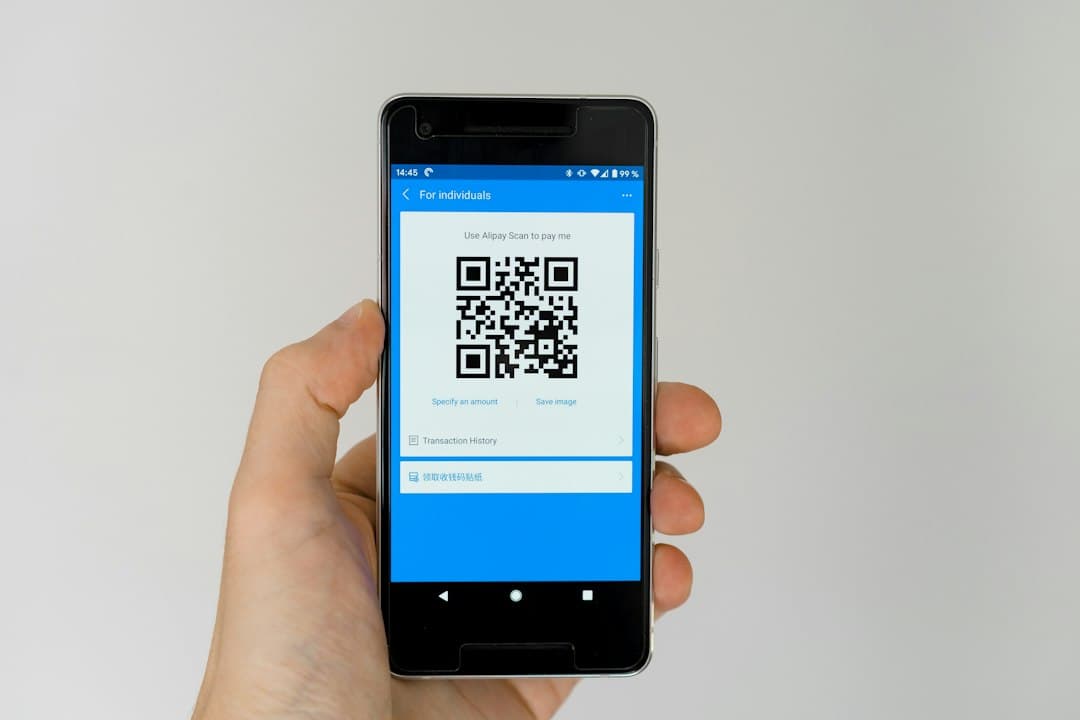
Alipay and WeChat Pay dominate payments in China, with near-universal coverage. To use them fully, you need a Chinese bank account, which itself is tied to a residence permit, a work permit, or a Chinese ID card; tourists without a Chinese bank account are limited[7].
There is an alternative for visitors: link an eligible foreign Visa or Mastercard to Alipay or WeChat Pay, without a Chinese bank account[3]. The details matter[2]. One American traveler, for example, linked his Mastercard to Alipay, then saw his payment blocked at a café: the app required an SMS code sent to a Chinese number he didn't have, and he ended up paying in cash[8]. So keep some cash as a backup.
Cash has declined sharply in favor of mobile payments, including for small amounts and street vendors, but it remains legal tender everywhere; some businesses nevertheless refuse it in practice[9].
Early in 2026, Chinese authorities published a roadmap to make digital life easier for foreign visitors, with a 2027 target to remove barriers in telecoms, payments, tourism, and transport. It notably encourages support for more foreign e-wallets and the acceptance of international bank cards on urban rail transit[8]. These are goals: on the ground, usage remains uneven.
Another risk involves QR codes: always check who the payment is addressed to before confirming. Check who the payment is addressed to before confirming.
Money, Accounts, and Transfers from Abroad
The currency is the Chinese yuan renminbi (CNY), issued by the People's Bank of China[10].
Wise lets you send CNY to mainland China via Alipay (up to 50,000 CNY per transfer), WeChat (up to 50,000 CNY per transfer), or UnionPay (up to 33,000 CNY per transaction). Bank transfers are reserved for businesses[11].
In the other direction, sending CNY out of China via Wise is reserved for non-citizens of mainland China who have worked in China and can provide proof of tax payments for the past three years[12].
Internet: Setting Up Your Access Before You Land
China's firewall, the Great Firewall, blocks Google, Gmail, WhatsApp, and many other services by default[2]. If you plan to work remotely, sort this out before you leave: choose your access strategy before you land[2]. The option without workarounds is to build your stay around WeChat, Alipay, and local alternatives rather than Google Maps, Gmail, or WhatsApp[2].
As for SIM cards, a passport is enough to buy one from China Mobile, China Unicom, or China Telecom; a short-term eSIM is most often bought from an international provider before you leave[3].

Pre-Departure Checklist
- Confirm with the Chinese embassy that the visa exemption applies to your nationality and your date of entry[1].
- Apply for a visa before you leave if you plan to stay more than 30 days or for a reason other than those covered by the exemption[3].
- Take out an assistance or insurance policy covering medical care and repatriation[1].
- Complete the online arrival card: since November 20, 2025, it can be submitted for free before your trip through the official channels of the National Immigration Administration[3].
- Link a foreign card to Alipay or WeChat Pay before you leave, and keep some cash as a backup[3].
- Set up your internet access solution before you land[2].
This article covers the essentials. It does not detail step-by-step work visa or residence permit procedures, a line-by-line budget, or how to choose a city or neighborhood: these points require further research before you truly settle in.
Sources
- 1.^ abcdefghijkldiplomatie.gouv.fr — China - Entry / Stay | France Diplomatie: “Until December 31, 2026, holders of French ordinary passports traveling to China for a maximum of 30 days and for purposes of business, tourism, family visits, exchange visits, or transit are exempt from a visa.” ; “French ordinary passport holders traveling to China for any other purpose, or for a stay exceeding 30 days, must always apply for a visa before their trip to China.” ; “Foreign nationals engaging in professional activity or completing an internship must make sure they hold the appropriate visa allowing them to do so, which is not the case with the L (tourism) visa.” https://www.diplomatie.gouv.fr/fr/information-par-pays/chine/conseils-aux-voyageurs-entree-sejour (accessed November 23, 2026)
- 2.^ abcdefghihometownstation.com — Things To Know Before Visiting China — KHTS Radio — Santa Clarita Radio - Santa Clarita News: “It depends on your nationality: don't rely on a friend's experience or an old forum post.” ; “The 240-hour visa-free transit is more flexible.” ; “Visa-free transit applies to eligible travelers passing through a Chinese airport or port en route to a third country or region. A confirmed onward ticket is required. It is not a short-term tourist visa.” https://www.hometownstation.com/featured-stories/things-to-know-before-visiting-china-617038 (accessed November 23, 2026)
- 3.^ abcdefgchinabyroad.com — China visa paths for short trips | China by Road: “If you already know you need more than 30 days, the official FAQs advise applying for a visa before traveling.” ; “After visa-free or 240-hour transit entry, a longer stay goes through a residence permit, which must be applied for in person before the current limit expires: this is not 30 extra days automatically, and approval is not guaranteed.” ; “Foreign visitors can link eligible Visa, Mastercard, and similar cards issued abroad to Alipay or WeChat Pay without a Chinese bank account.” https://chinabyroad.com/visa (accessed November 23, 2026)
Show 9 more sourcesShow less
- 4.^ abenglish.www.gov.cn — GOV - Guide to Working and Living in China (WLC): “During their stay, visa-free transit travelers may engage in tourism, business, exchange visits, and family visits, while activities such as work, study, and journalism, which require prior approval, must be carried out with the necessary visas obtained in advance.” ; “For foreigners who entered China on a visa, if the original reason for entry has not ended or for other legitimate reasons requiring them to stay beyond the visa's expiration date without changing visa type, you may apply for a visa extension.” https://english.www.gov.cn/2025special/bizexpatsinchina2025 (accessed November 23, 2026)
- 5.^dm.china-embassy.gov.cn — A Guide to Working and Living in China as Business Expatriates (2024 Edition): “It has four parts (precautions, daily life services, residence and stay services in China, and work-related services in China) and covers residence registration, SIM cards, bank cards, residence permits, work permits, social insurance, mobile payment, transportation, personal income tax payment, and more.” https://dm.china-embassy.gov.cn/eng/lsyw/202404/t20240409_11278711.htm (accessed November 23, 2026)
- 6.^saintdenis.china-consulate.gov.cn — Guide to Working and Living in China" (2024 Edition): “The document titled Guide to Working and Living in China (2024 Edition) is published by the Ministry of Commerce of the People's Republic of China in cooperation with other relevant departments.” https://saintdenis.china-consulate.gov.cn/fra/tztg_1/202404/t20240422_11286314.htm (accessed November 23, 2026)
- 7.^Mira Knowledge — Alipay and WeChat Pay dominate payments in China with near-universal coverage; to use them fully, you need a Chinese bank account, which itself is tied to a residence visa, work permit, or Chinese ID card, and tourists without a Chinese account are limited. Verified on June 11, 2026: reference source wise.com. https://wise.com/help/articles/2955298/guide-to-cny-transfers (accessed June 11, 2026)
- 8.^ abenglish.shanghai.gov.cn — China unveils digital upgrades to improve visitor experience: “He had linked his foreign Mastercard to Alipay and made a small test payment. But at a café, his payment froze, and the app demanded SMS verification sent to a Chinese phone number, which he did not have at that moment. With no other option offered, he ended up paying in cash.” ; “The initiative, part of a broader push for high-level opening up, sets a goal for 2027 of removing the main bottlenecks in telecommunications, payments, tourism, and public transportation.” ; “It encourages support for more foreign e-wallets in China and the expansion of no-deposit policies on digital platforms.” https://english.shanghai.gov.cn/en-Latest-WhatsNew/20260206/5e553f89f82644f0855ed65766db06f0.html (accessed November 23, 2026)
- 9.^Mira Knowledge — Cash has declined sharply in favor of mobile payments, including for small amounts and street vendors, but it remains legal tender everywhere, even though some businesses refuse it in practice. Verified on June 11, 2026: reference source pbc.gov.cn. (accessed June 11, 2026)
- 10.^Mira Knowledge — The Chinese yuan renminbi (CNY) is China's legal tender, issued by the People's Bank of China. Verified on June 11, 2026: reference source pbc.gov.cn. (accessed June 11, 2026)
- 11.^Mira Knowledge — Wise lets you send CNY to mainland China via Alipay and WeChat (up to CNY 50,000 per transfer) or UnionPay (up to CNY 33,000 per transaction); bank transfers are available for businesses. Verified on June 11, 2026: reference source wise.com. https://wise.com/help/articles/2955298/guide-to-cny-transfers (accessed June 11, 2026)
- 12.^Mira Knowledge — Sending CNY from China via Wise is reserved for people who are not citizens of mainland China, who have worked in China, and who can provide tax records for the past three years. Verified June 11, 2026: reference source wise.com. https://wise.com/help/articles/2955298/guide-to-cny-transfers (accessed June 11, 2026)