Gotland is an island in the Baltic where history can be read in its ramparts, church ruins and Viking treasures, and where nature is never far away: rauks, beaches, caves. This article helps you choose what to see in Visby and on the rest of the island, find the best times to go, and prepare the ferry crossing and getting around once you arrive.
Visby, the Hanseatic town: ramparts, lanes and church ruins
Visby was inscribed on the UNESCO World Heritage List in 1995: it is the best-preserved medieval trading town in northern Europe[1]. Between the 12th and 14th centuries, it was the main center of the Hanseatic League in the Baltic[2].
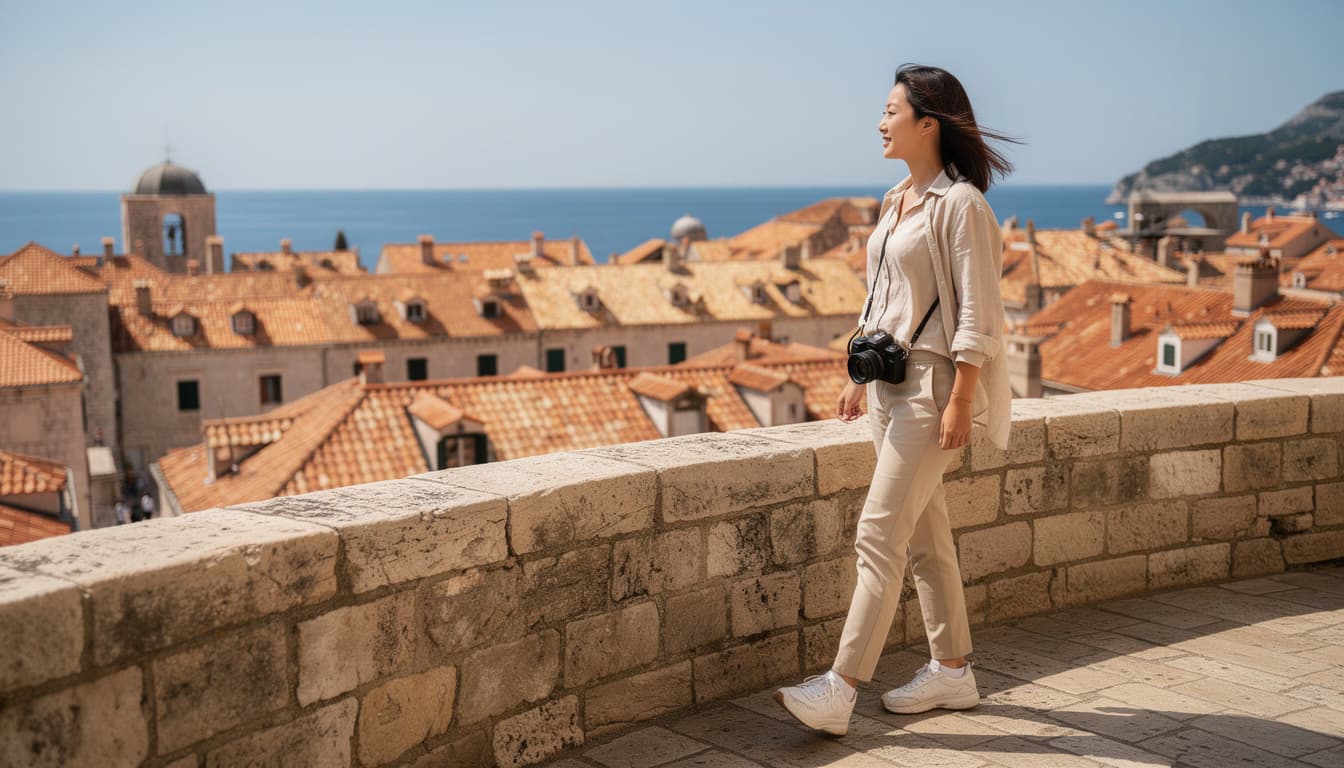
Start with the city wall, 3.4 kilometers long and dotted with towers[3]. It dates from the 13th and 14th centuries and has 27 towers and nine open-throated towers[4]. It encircles the old center: a walk around it is enough to get a sense of the town.
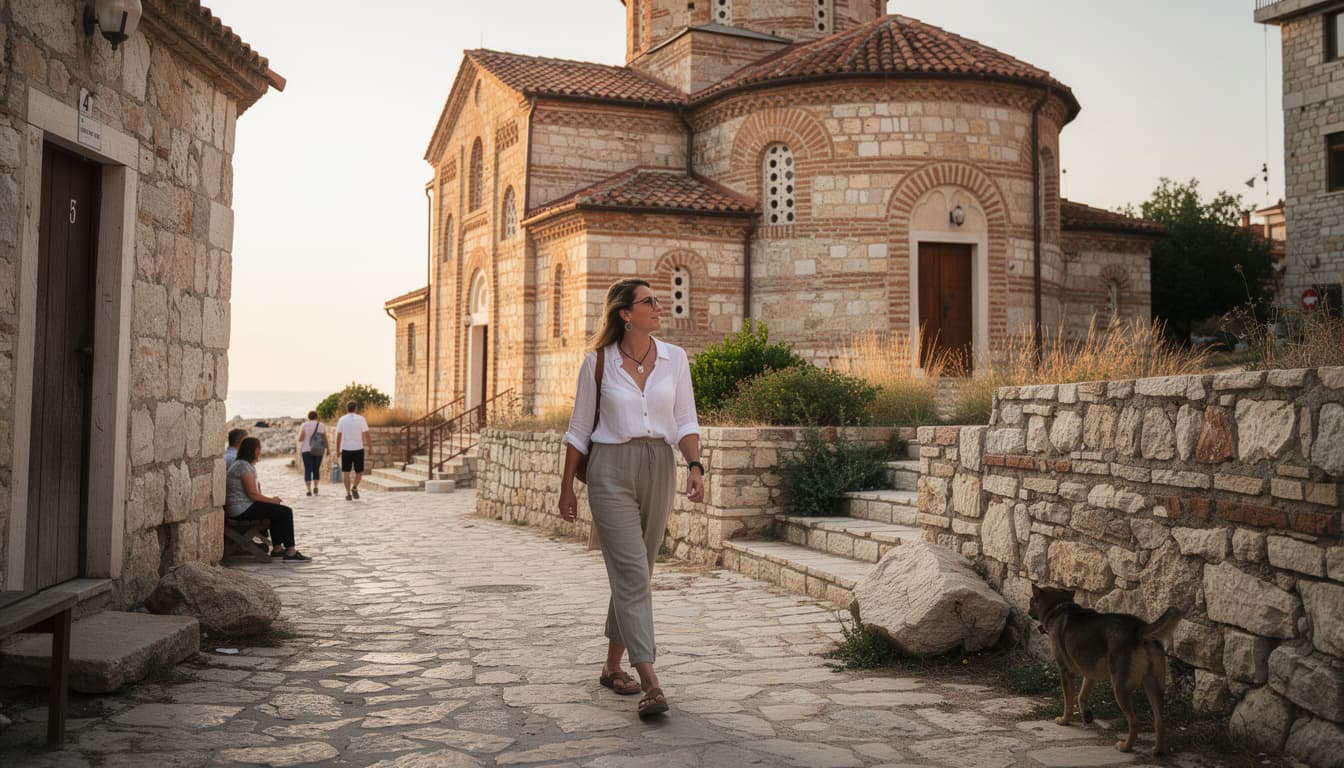
Within the town, more than 200 historic buildings survive, including the well-preserved ruins of St. Nicolai Church, often used for concerts and events, and those of St. Karin, with its soaring arches, on the central square[1]. Sankta Maria Cathedral, built at the end of the 12th century, still holds services and remains one of the town's landmarks[1].
Good news if you are short on time: you can see Visby's main sights in just a few hours[5]. Most of the sites are also within walking distance[6].
History and culture: Vikings, picture stones and treasures
The Gotland Museum is the logical next stop to dig deeper. Its Fornsalen displays silver treasures from the Viking Age[2]. Gotland's picture stones, treasures and fossils are among the must-see highlights[6]. The silver hoard is the largest ever found in Europe: 67 kilos of bracelets and more than 14,000 coins[1].
Beyond Visby, the island is dotted with Viking Age burial grounds, including a 15-hectare site at Stenkyrka with around 1,000 graves[2]. At Stavgard Vikingagård, a reconstructed Viking village, you can spend a day living like a Viking[2].
It is also hard not to notice the churches, whether you are in Visby or in the countryside[5]: they are worth seeing as heritage and architecture.
Fårö was home to the filmmaker Ingmar Bergman[3]. Every day from July 1 to August 31, at 1:00 pm, a guided tour of the permanent exhibition "Lek, lust och ljus – Ingmar Bergman på Fårö" is offered, with no reservation required[7].
Beyond Visby: rauks, beaches and nature
Rauks are limestone pillars carved by sea erosion[3]. They can be found notably on Fårö, where the rauk fields at Langhammars and Digerhuvud are spectacular[3]. Fårö is reached by a free six-minute crossing from Fårösund; the island is entirely limestone and also offers sandy beaches, fields and meadows[2].
Gotland has more than 100 nature reserves[2]. About 13 kilometers from Visby, the Lummelunda cave, one of the largest limestone caves in Sweden, can be visited on a guided tour[1]. At 25 kilometers, Lickershamn is a picturesque fishing village, known for Jungfrun, the island's tallest rauk[1].
For a more remote escape, Gotska Sandön National Park is the most isolated island in the Baltic, about 40 kilometers north of Fårö[2]. It is reached by boat from May to September, from Fårösund or Nynäshamn[2].
By bike and on foot around the island
Gotland is largely flat, making it a dream destination for cyclists[2]. The Eksta coast, bordering a nature reserve, follows the island's west side from the fishing village of Djupvik to Hammarudden[2]. From Visby, a bike trip leads to the Lummelunda cave and then to Lickershamn[1]. For excursions around Visby, it is easy to rent a bike for the day or for longer[6].
On foot, a 7-kilometer hike south of Visby leads to Högklint, with views over the town and the sea; the trail crosses the Södra Hällarna nature reserve, with its steep cliffs, ivy-covered forest and rocky beaches[1].
Flavors of Gotland: Saffron, Truffles and Local Produce
Burgundy truffles, perhaps the most famous delicacy of Gotland, ripen at the time of year when autumn and winter vie for dominance[5].
For dining, Lilla Bjers, about seven kilometers south of Visby, serves vegetables from its own organic farm and reinvents classic flavors such as truffle and saffron[2]. Near Stora torget square, Bakfickan offers freshly caught seafood, another local specialty, along with classics like fried herring and fish soup[1].
When to Go: Festivals and Seasons
From June to August, you can enjoy swimming, long bright evenings and the Medieval Week; May and September are quieter and less expensive[8]. Every August, Medieval Week (Medeltidsveckan) is one of Sweden's largest historical festivals, with medieval music, theater, markets, crafts, tournaments, lectures and workshops, and more than 300 events[5].
In autumn, Burgundy truffles are the island's most famous delicacy[5]. For Advent, a historic Christmas atmosphere settles over the ruins of St Nicolai, with a medieval Christmas market from December 4 to 6, 2026[9].
Getting There and Getting Around
Most travelers reach Gotland by ferry from the mainland. Destination Gotland operates routes from Nynäshamn, south of Stockholm, and Oskarshamn, in Småland; the crossing takes about three hours from either port, and the ferries dock in central Visby[2]. Ferries run year-round[1]. You can also arrive by plane: Visby Airport is connected to several Swedish cities[3].
Once there, most of Visby's sights can be explored on foot; to see the rest of the island, you can rent a car or use public transport[6]. Bicycles can be rented by the day or for longer[6].
Practical Tips and Things to Watch Out For
- Book your ferry crossing in advance, especially in summer[1].
- Some activities are seasonal: boats to Gotska Sandön run from May to September[2], and some businesses on the island only open in summer, generally until the start of the school year[9].
Before you go, check what is open during your stay: the Öppet Gotland app shows what is currently open[9].
Keep exploring
- Sweden: The Highlights, Region by Region
- Malmö: What to See and Do in Sweden's Smallest Big City
- Öland et Kalmar : château, steppe calcaire et phare, que voir et que faire
- Göteborg: What to See and Do, from Haga to the Archipelago
Sources
- 1.^ abcdefghijkvisitsweden.com — Visby – a medieval gem and UNESCO site on Gotland, Sweden | Visit Sweden: “In 1995, Visby was added to the UNESCO World Heritage List, and for good reason: it is the best-preserved fortified trading town in northern Europe.”; “Today, more than 200 historic buildings remain, including the well-preserved ruins of St Nicolai church, often used for concerts and events, and the spectacular ruins of St Karin, with its soaring arches, on the town's main square.”; “The Sankta Maria Cathedral, built at the end of the 12th century, still holds services and remains one of Visby's symbols.” https://visitsweden.com/where-to-go/southern-sweden/gotland/visby/ (accessed November 12, 2026)
- 2.^ abcdefghijklmvisitsweden.com — Gotland – stunning nature and remarkable medieval history | Visit Sweden: “Between the 12th and 14th centuries, it was the main center of the Hanseatic League in the Baltic.”; “At the Fornsalen of the Gotland Museum in Visby, you can see Viking Age silver treasures, while at Stavgard Vikingagård, a reconstructed Viking village, you can spend a day living as a Viking.”; “The island is dotted with Viking Age burial grounds, including a 15-hectare site at Stenkyrka with about 1,000 graves.” https://visitsweden.com/where-to-go/southern-sweden/gotland/ (accessed November 12, 2026)
- 3.^ abcderoutard.com — Visiting Gotland: plan your stay and trip to Gotland | Routard.com: “Surrounded by a remarkably well-preserved 3.4 km wall dotted with towers, it invites you to immerse yourself in history.” ; “Fårö was also the home of the famous filmmaker Ingmar Bergman.” ; “Gotland's landscape is marked by rauks, impressive limestone columns sculpted by marine erosion.” https://www.routard.com/fr/guide/europe/suede/ile-de-gotland (accessed November 12, 2026)
Show 6 more sourcesShow less
- 4.^worldatlas.com — 2026's 9 Most Scenic Towns in Sweden: “Built in the 13th and 14th centuries, the 3.4 km Visby city wall is the best-preserved in Northern Europe and features 27 towers and nine open-throated towers.” https://www.worldatlas.com/cities/2026-s-9-most-scenic-towns-in-sweden.html (accessed November 12, 2026)
- 5.^ abcdegotland.com — In English - Gotland's official inspiration site: “In a hurry? You can actually see Visby's main attractions in just a few hours.” ; “It's hard not to notice the churches when you're on Gotland, whether you're in Visby or in the countryside.” ; “The moment when autumn and winter vie for supremacy is also when Gotland's most famous delicacy may ripen: the Burgundy truffle.” https://gotland.com/om-gotland-com/in-english/ (accessed November 12, 2026)
- 6.^ abcdeswedavia.com — Gotland | Visby Airport: “Most sights in Visby can be reached on foot.” ; “Gotland's picture stones, treasures and fossils are a must-see on any visit to Gotland: magical and unique in their own way.” ; “For excursions around Visby, it's easy to rent a bike for the day or for longer.” https://www.swedavia.com/visby/about-your-destination/gotland/ (accessed November 12, 2026)
- 7.^gotland.com — Visit & Experience - Gotland's official inspiration site: “Every day between July 1 and August 31, at 1:00 pm, you can join a guided tour of our permanent exhibition: Lek, lust och ljus – Ingmar Bergman på Fårö.” https://gotland.com/besoka-uppleva/ (accessed November 12, 2026)
- 8.^gotlandsturism.se — Gotlandsturism — Discover Gotland: “June to August offers swimming, bright summer evenings and the Medieval Week. May and September are quieter, less expensive and just as beautiful.” https://www.gotlandsturism.se/es (accessed November 12, 2026)
- 9.^ abcgotland.com — Welcome to life on the island | Gotland's official inspiration site: “Welcome to a historic Christmas atmosphere in the ruins of St Nicolai from December 4 to 6, 2026.” ; “But some businesses only open during the summer season, which most often lasts until the start of the school year.” ; “Download the Öppet Gotland app to see what's open right now.” https://www.gotland.com/ (accessed November 12, 2026)