Kalmar and Öland are easy to visit in one go: a town of stone and cobblestones with its Renaissance castle, then, across the bridge, a long, flat island battered by the wind. This article helps you choose what to see in the north and south of the island, understand what makes its landscape so special, and decide how many days and which season suit you.
Kalmar, Gateway to the Baltic
Kalmar is a town of great historical importance on Sweden's southeast coast, in Småland[1]. Set on the Baltic Sea, it gives direct access to Öland via the Öland Bridge[2]. It deserves a visit in its own right before you cross over.
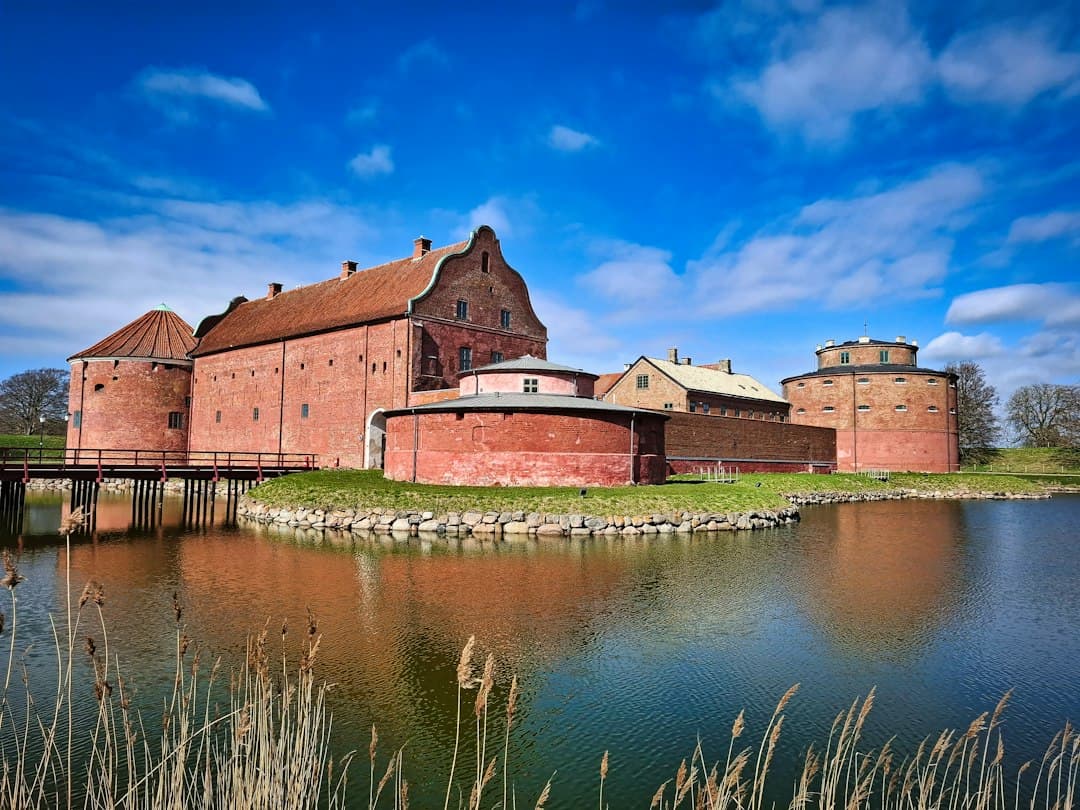
Kalmar Castle is its crowning jewel. It began as a fortified keep in the 12th century, before being transformed a few centuries later into a Renaissance castle by King Gustav Vasa[2]. Permanent exhibitions tell the story of the Kalmar Union, the Kalmar War and the golden age of the Vasa kings[3]. You can also join a guided tour, walk through the royal apartments, descend into the dungeon or walk the ramparts for the view[3].
To feel the town, simply wander: the cobbled streets of the old town are lined with well-preserved buildings from the 18th and 19th centuries[2]. The "new" town was established in the mid-17th century on the island of Kvarnholmen, and this district remained enclosed by its old ramparts[1]. Two 17th-century buildings are worth spotting there: Castenska Gården and Kalmar Cathedral, in classical Baroque style, the work of Nicodemus Tessin the Elder[2].
Among the museums, the Kalmar County Museum takes you through the history of the town and its surroundings. It displays elements of the wreck of the Kronan, a warship sunk in battle in the 17th century; at the entrance, some of its cannons greet you[4]. The Kronan was one of the largest warships in the world in its day, the flagship of the Swedish navy[4]. Kalmar Konstmuseum, in the municipal park, is a contemporary art gallery housed in a building awarded for its modern architecture[2].
For a fika break, the castle restaurant is a good choice, as is the historic garden of Krusenstiernska gården in the old town, where homemade Swedish classics such as cinnamon buns and biscuits are served[2].
Öland, the Island of Sun and Wind
Connected to the mainland by the Öland Bridge, the island stretches 137 kilometers from north to south, and is 16 kilometers wide at its widest[5]. Its distinctiveness comes from its outcropping limestone bedrock, which has shaped its landscapes: vast open heaths called "alvars", the largest of which, Stora Alvaret, has been a UNESCO World Heritage Site since 2000[5].
With 300 kilometers of coastline, some of the most beautiful beaches in Sweden and a reputation for exceptional local cuisine, the island offers plenty to fill a stay[5]. The landscape changes as you travel across it: large fields in the southwest, forests in the center, and cliffs along the "Stenkusten" coast[5].
What to See in the North: Borgholm, Solliden, Trollskogen
Borgholm is the main town, one of Sweden's historic towns, with buildings dating from the early 19th century[5]. A half-hour walk away, Borgholm Castle is often called "the most beautiful castle ruin in Scandinavia"[5]. Rebuilt as a Renaissance castle in 1572–1592, then as a Baroque palace from the 1650s, it was never completed: work stopped in 1709, and a fire on October 14, 1806 reduced it to a ruin[6].
Solliden Palace has been the summer residence of the Swedish royal family since it was built in 1906[5]. You can stroll through its Italian and English gardens, with a fika, or something more substantial, at the Kaffetorpet café-restaurant[5].
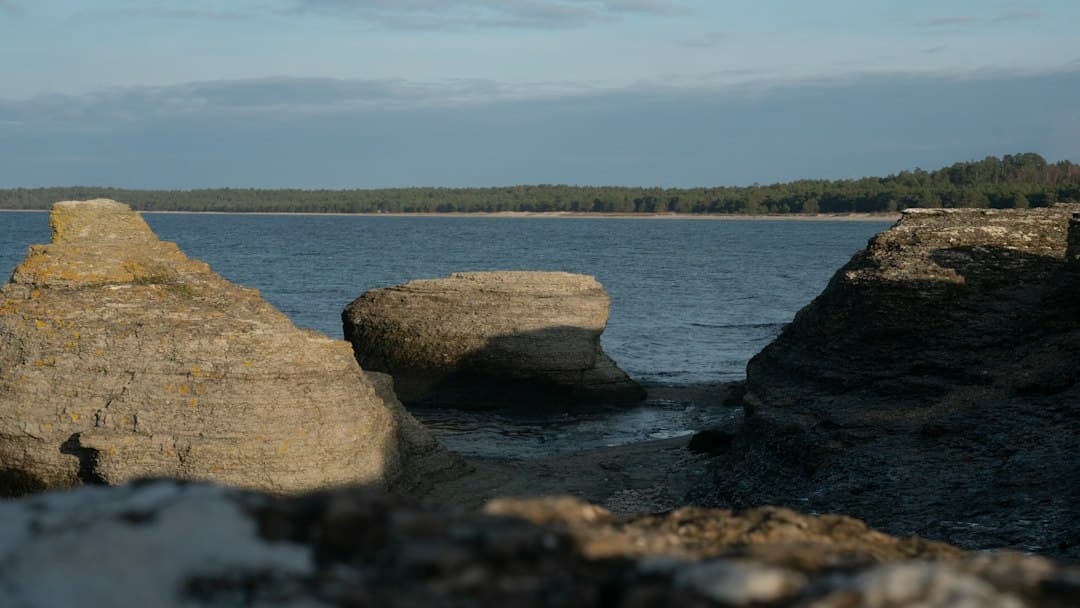
On the west coast, the Byrums raukar form an area dominated by more than 100 limestone pillars, left behind as erosion wore away the softer limestone over thousands of years; today they lie within a vast nature reserve[5]. Further north, Trollskogen, a wind-battered pine forest, is a designated nature reserve; it lies 10 km from Byxelkrok[5].
Southern Öland: UNESCO, Eketorp and Långe Jan
The agricultural landscape of southern Öland was inscribed on the UNESCO World Heritage List in 2000[7]. Its alvars, cultivated fields and row villages bear witness to how the land has been farmed for millennia, by people and animals working in symbiosis[7].
Stora Alvaret covers a quarter of the island's surface and serves as the starting point for many hikes[5]. The Mörbylånga Trail crosses this protected site and is one of the twelve iconic trails of the Swedish Tourist Association[7]; you can walk the whole route, from Färjestaden to Ottenby, or choose just a section[7].
At the very south, in Degerhamn, stands Långe Jan, Sweden's tallest lighthouse, dating from 1785: the view from the top makes the 197 steps worth it[5]. Nearby, the Ottenby nature reserve and bird observatory, renowned since 1946 for its 140 bird species, can fill an entire day[5]. At Ottenby, some parts of the reserve are closed to visitors from April 1[6].
For the Iron Age, the Eketorp fortress is one of the island's fortresses open to visitors[8]. An eight-year series of exhibitions, "Borgarnas ö," explores the mystery and history of Öland's ancient fortresses, in collaboration with the universities of Stockholm and Linnaeus[9].
Culture, History and Flavors
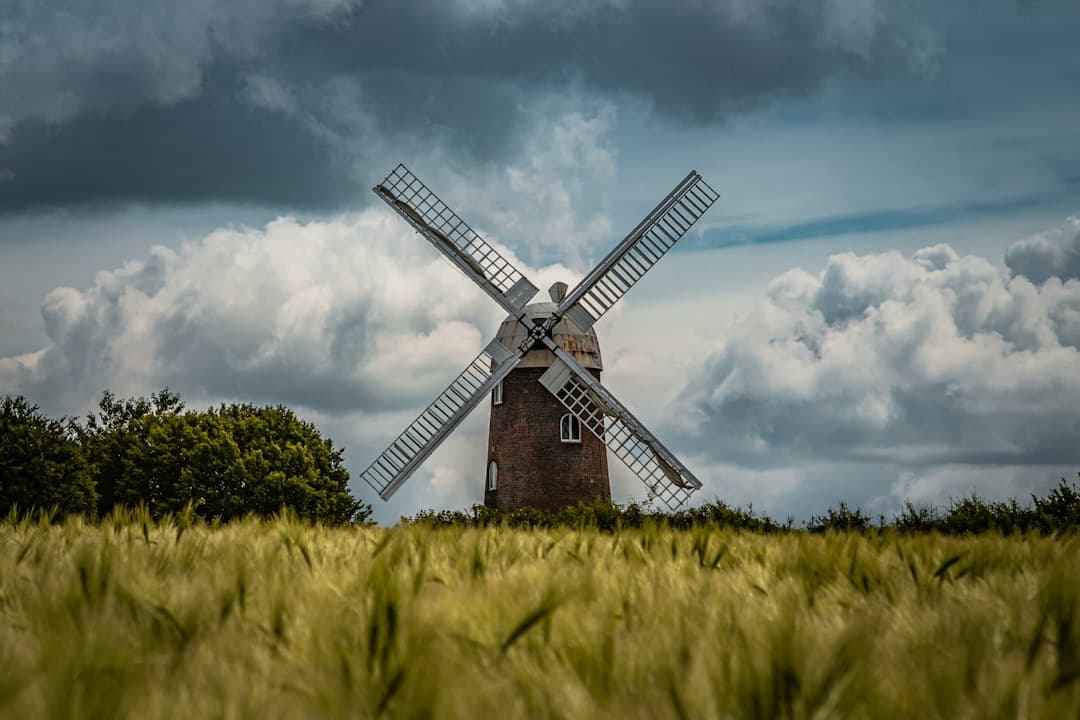
Öland is full of traces of people who have lived here for thousands of years[9]. You can visit ancient fortresses, castle ruins, lighthouses, churches and former fishing villages[9]. Windmills, perhaps the island's most characteristic heritage, dot the landscape[9].
Around the island, several museums and cultural sites tell the story of island life, from seafaring and farming to art, crafts and life by the sea[9]. For the table, farm shops, butchers, cheese makers and farm producers offer a wide range of quality products[7].
Cycling, Hiking and the Outdoors
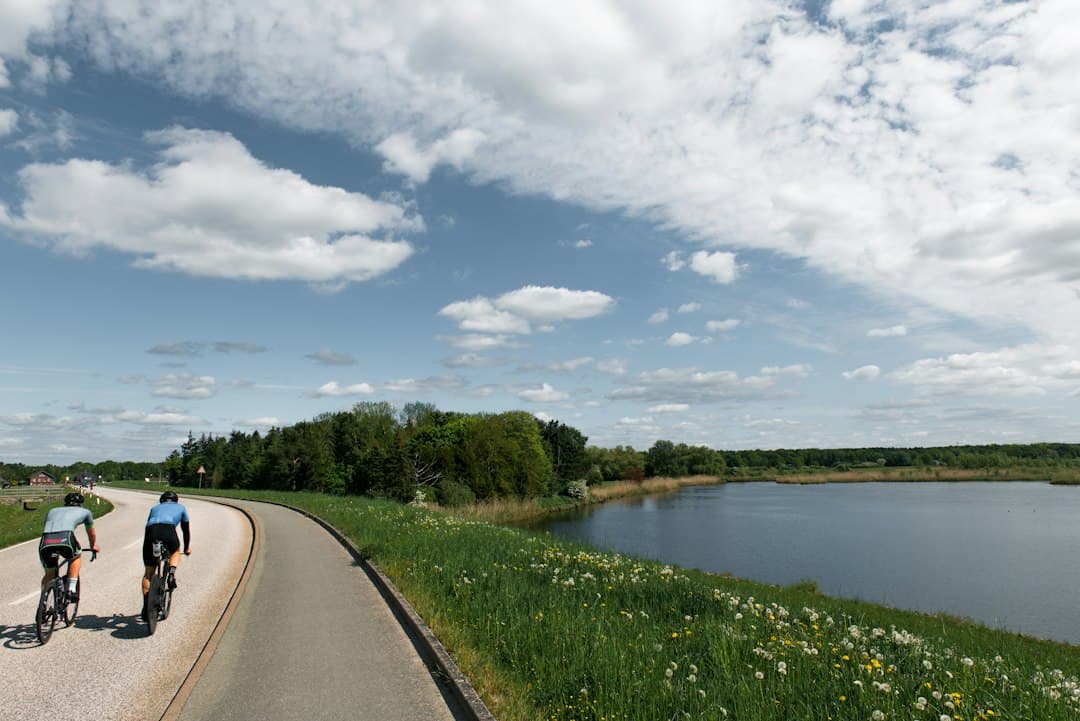
Öland is a popular destination for cycling holidays[10]. The island has more than 140 kilometers of hiking trails[5], and the famous Ölandsleden covers almost its entire length[5]. Nature lovers will find 90 nature reserves, wildlife unique to the island and abundant birdlife[5].
In Kalmar, the Kalmarsundsleden trail stretches for some 200 kilometers along country roads and the coastline, for hikers and cyclists alike[2]. Around Stensö and its beaches, canoe trips are plentiful; in summer, kayaks, canoes and stand-up paddleboards can be rented in several places, and you can even go swimming right in the city center[2].
Things to Do With Family
Kalmar Castle is an ideal destination with children, with plenty of activities for them[2]. On Öland, families will also find museums, castles and attractions such as playgrounds[10].
Practical Info: When to Go, How to Get There, How Long to Stay
The Öland Bridge, about 6 km long, is crossed toll-free by car or regional bus[6]. Walking and cycling are prohibited on it[6]. Cyclists take a regional bus, which carries two bikes, or, in summer, the Kalmar–Färjestaden bike ferry, which ran from June 15 to August 16 in 2026[6].
Going without a car is possible: the island has no railway, but Kalmar station is well connected, and bus line 105 crosses the bridge to Färjestaden in about 22 minutes, roughly every 30 minutes[11]. Kalmar itself is easy to reach by car or train from the rest of Sweden[2]. For the north of the island, a car ferry also links to Oskarshamn in summer[10].
As for duration, three to four days is enough for the main sites in the north and south if you drive the length of the island[11]; a week is more relaxed and leaves room for the beach and cycling[11].
For the season, the best time is summer, from June to August, when the weather is warm and sunny[10]. For the orchids that bloom on Stora Alvaret, May and June are the months to aim for[11]. Many paid sites are seasonal: Eketorp is open from May to late August, Långe Jan from early April to late October[11].
For accommodation, the island has many campsites, holiday villages and pitches for caravans and tents, especially near the coast and beaches; the largest is Böda Sand[10].
Key Takeaways for Planning Your Trip
- Allow three to four days by car for the north and south, or a full week if you want to take your time[11].
- Without a car: take bus 105 from Kalmar station to Färjestaden, or a regional bus with your bike[11][6].
- Aim for June through August for swimming, and May or June for the orchids on Stora Alvaret[10][11].
- Seasonal sites: Eketorp is open from May to late August; check the dates for other sites before you go[11].
- Bring a credit or debit card: many sites accept only cards[11].
This article covers the essentials to help you choose your stops. For the year's opening hours and prices, the detailed cycling routes, and choosing accommodation, you'll need to dig deeper before you leave.
Want to Explore Further?
- Sweden: The Highlights, Region by Region
- Gotland and Visby: Hanseatic City, Rauks and Beaches to Discover
- Dalarna: What to See and Do in Sweden in Miniature
- Malmö: What to See and Do in the Smallest of Sweden's Big Cities
Sources
- 1.^ abvisitsweden.fr — Kalmar is a popular stopover and gateway to the island of Öland… | Visit Sweden: “Kalmar is a city of historical significance located on the southeast coast of Sweden, in the idyllic county of Småland.” ; “Kvarnholmen is one of Kalmar's main islands, onto which the new town was moved and established in the mid-17th century. This unique district, with its old ramparts, is full of historic buildings.” https://visitsweden.fr/destinations/sud-de-la-suede/smaland/kalmar/ (accessed November 22, 2026)
- 2.^ abcdefghijvisitsweden.com — Kalmar is a popular stopover and gateway to Öland island | Visit Sweden: “Located on the Baltic Sea, with direct access to the beautiful island of Öland via the Öland Bridge, this coastal gem is a destination in its own right, with plenty of culture and outdoor activities.” ; “The district is also home to the city's jewel, Kalmar Castle, which began as a fortified tower in the 12th century before being transformed into a magnificent Renaissance castle by King Gustav Vasa around four centuries later.” ; “The cobbled streets of the old town are lined with well-preserved 18th- and 19th-century buildings.” https://visitsweden.com/where-to-go/southern-sweden/smaland/kalmar/ (accessed November 22, 2026)
- 3.^ abkalmarslott.se — Front page - Kalmar Slott: “Visit our permanent exhibitions that tell the story of the Kalmar Union, the Kalmar War, or the golden age of the Vasa kings.” ; “Join our guided tours, discover the royal apartments, visit the dungeon, take a ghost tour, or simply stroll along the ramparts to enjoy the beautiful view.” https://kalmarslott.se/en/ (accessed November 22, 2026)
Show 8 more sourcesShow less
- 4.^ abviajacongus.com — Things to Do in Kalmar, Sweden: Sights & How to Get There: “The Kronan was one of the largest warships in the world in its time, the flagship of the Swedish navy.” https://viajacongus.com/en/suecia/kalmar/ (accessed November 22, 2026)
- 5.^ abcdefghijklmnopvisitsweden.com — Öland: From Swedish royalty to nature's majesty | Visit Sweden: “Connected to the mainland by the Öland Bridge, the island stretches 137 kilometers from north to south and is only 16 kilometers wide at its widest point.” ; “Öland's uniqueness comes from its exposed limestone bedrock, which has shaped its distinctive landscapes.” ; “This geological feature has created vast open heathlands called alvars, the largest of which is Stora Alvaret (the Great Alvar), a UNESCO World Heritage Site since 2000.” https://visitsweden.com/where-to-go/southern-sweden/oland/ (accessed November 22, 2026)
- 6.^ abcdefexploreswedennow.com — Öland Guide: Bridge, World Heritage, Castle and Ottenby: “Rebuilt as a Renaissance castle in 1572–1592 and then as a Baroque palace from the 1650s, it was never completed; work stopped in 1709, and a fire on October 14, 1806 left it in ruins.” ; “At Ottenby, parts of the nature reserve are closed to visitors from April 1.” ; “From Kalmar, take the approximately 6 km Öland Bridge by car or regional bus; there is no toll. Walking and cycling on the bridge are prohibited.” https://exploreswedennow.com/oland/ (accessed November 22, 2026)
- 7.^ abcdeoland.se — Öland | Official Visitor's Guide to Öland: “The unique cultural heritage of southern Öland's agricultural landscape was inscribed as a UNESCO World Heritage Site in 2000.” ; “Together, they show how the land was cultivated in the same way by humans and animals working in symbiosis for thousands of years.” ; “The Mörbylånga Trail runs through this arid and magnificent World Heritage site, and is one of the twelve flagship trails of the Swedish Tourist Association.” https://www.oland.se/en (accessed November 22, 2026)
- 8.^kalmar.com — 6 tips for a day excursion from Kalmar - Kalmar: “Eketorp Fort is just one of the many forts you can visit.” https://kalmar.com/en/kalmar/discover/our-tips/tips/2022-07-18-6-tips--for-a-day-excursion-from-kalmar (accessed November 22, 2026)
- 9.^ abcdeoland.se — Culture & History | Öland: “Explore the mystery and history of Öland's ancient castles in this eight-year exhibition series, created in collaboration with Stockholm University and Linnaeus University.”; “Öland is full of traces of people who have lived there for thousands of years.”; “You can visit ancient castles, castle ruins, lighthouses, churches and old fishing villages, places such as Borgholm Castle, Eketorp Castle and Ottenby, and discover the stories that have shaped life on Öland across generations.” https://www.oland.se/en/culture-and-history (accessed November 22, 2026)
- 10.^ abcdefvisitsmaland.se — Öland | Visit Småland: “Are you craving adventure? Öland is a popular destination for cycling holidays.”; “There are also museums, castles, art galleries and family attractions such as playgrounds.”; “You can also take a ferry to northern Öland from Oskarshamn. Cars are allowed on the Öland ferry.” https://www.visitsmaland.se/en/destinations/oland/ (accessed November 22, 2026)
- 11.^ abcdefghijoeland.de — Öland Trip Planning: Highlights, Routes & Prices | oeland.de: “Yes. The island itself has no railway, but Kalmar Resecentrum station on the mainland is well connected, and bus line 105 crosses the Öland Bridge (Ölandsbron), toll-free, to Färjestaden in about 22 minutes, roughly every 30 minutes.”; “As a rule of thumb, three to four days is enough to see the main sites in the north and south by driving the length of the island.”; “One week is more relaxed and leaves room for the beach and cycling.” https://www.oeland.de/en/trip-planning/ (accessed November 22, 2026)