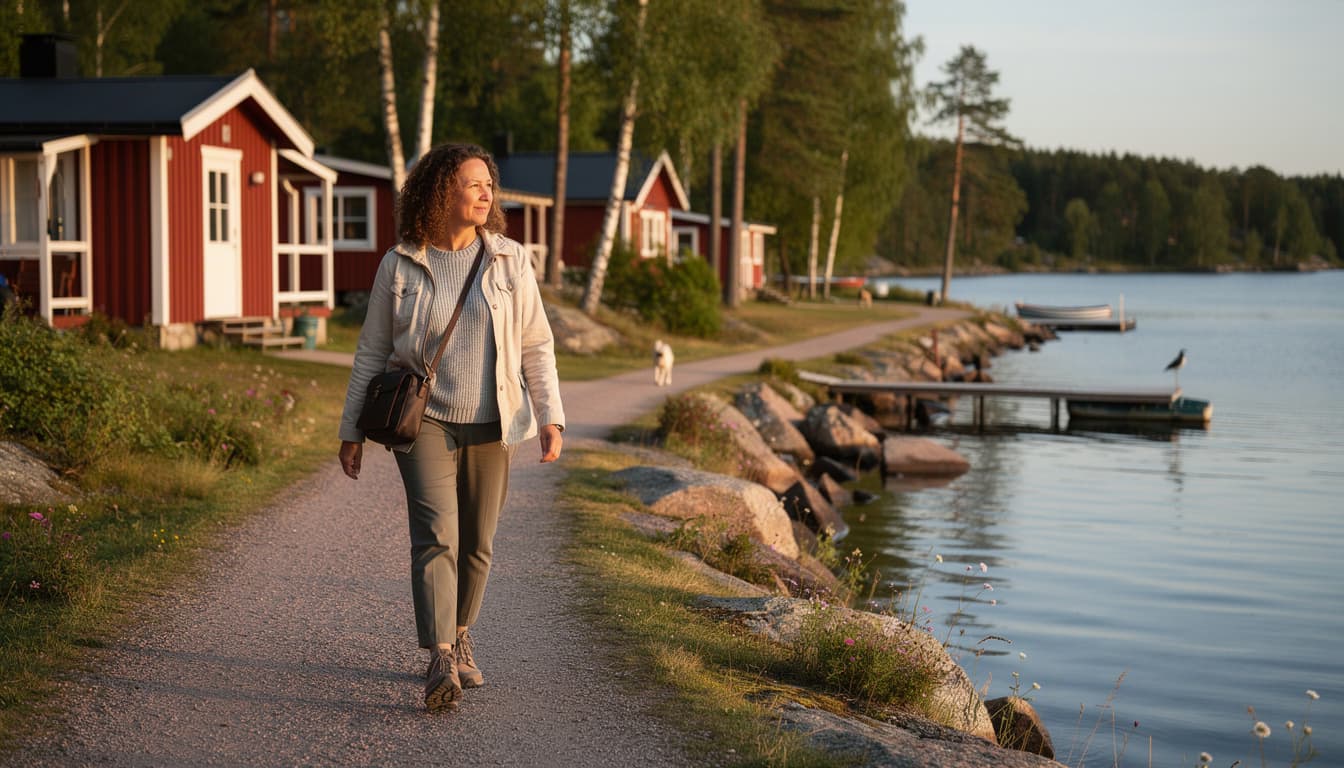
The High Coast (Höga Kusten), in northeastern Sweden, is a UNESCO-listed coastline where the land has never stopped rising since the last ice age. This article helps you choose what to do there: hiking in Skuleskogen National Park, sections of the High Coast Trail, archipelago islands, cultural stops and local specialties. It also gives you what you need to plan the trip from Stockholm and how long to stay.
A Coastline That Rises: Why the High Coast Is Unique
The High Coast is located in the province of Ångermanland, in northeastern Sweden, on the Gulf of Bothnia[1]. The site was inscribed on the UNESCO World Heritage List in 2000[2].
Its coastline is the highest in the world: the former shoreline now sits 286 meters above sea level, and the land keeps rising by about 8 millimeters per year[2]. This post-glacial uplift has been going on since the last ice age[2]. The world record was measured at the summit of Skuleberget[3].
Across the Gulf of Bothnia, the Finnish Kvarken archipelago offers the opposite: flat, low islands and shallow bays[1]. On the High Coast, the signs of the phenomenon can be read in the landscape: mountains capped with till, endless fields of boulders, inlets cut off from the sea, and deep glacial striations on smooth bedrock shores[3]. The coastline is made of steep cliffs, smooth granite hills and dense forests overlooking the gulf[4].
Skuleskogen, Skuleberget and Breathtaking Nature
Skuleskogen National Park holds the most famous sites: the well-known Slåttdalsskrevan ravine, the view from the summit of Slåttdalsberget, and deep forests where evidence of the land's uplift is everywhere[3]. A new section of the High Coast Trail, opened in summer 2023, bypasses Slåttdalsskrevan: you see the ravine from below in the northern section and from above in the southern section[2].
Nearby, the mountain of Skuleberget rises to 294 meters. Its via ferrata offers four routes of varying difficulty[2]. It is also at its summit that the world record for land uplift was measured[3].
Before heading out on the trails, stop by the Naturum Höga Kusten: exhibits, maps and practical information about the site are presented there[4].
Hiking the High Coast Trail
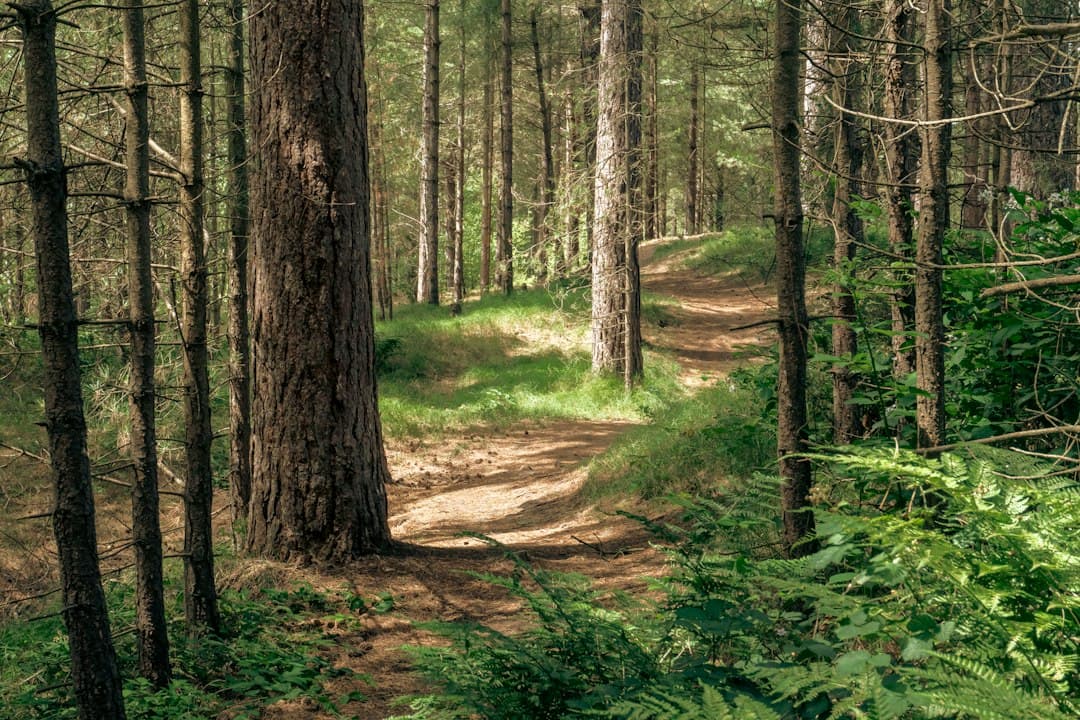
The High Coast Trail stretches nearly 130 kilometers, from the Hornöberget mountain to Örnsköldsvik, across the entire World Heritage site[2]. It passes through forests, summits, sandy beaches, steep cliffs and vast meadows[2].
Plan 5 to 7 days for the full route, or choose a few of the 7 marked sections[2]. There are trails and areas for every level, from the inexperienced hiker to the seasoned one[2].
The region is suited to hiking from spring to autumn[4]. Summer brings long days by the Baltic Sea; late summer and early autumn bring crisp air, colorful forests and some of the best views[4]. Winter transforms the landscape and opens the door to snowshoeing, dog sledding and snowmobile trips[4].
The Archipelago and Ulvön Island
The High Coast archipelago is much loved by Swedes, yet it is less crowded and less touristy than other archipelagos in the country[1]. Ulvön, Trysunda and Grisslan are three well-known and cherished islands[3].
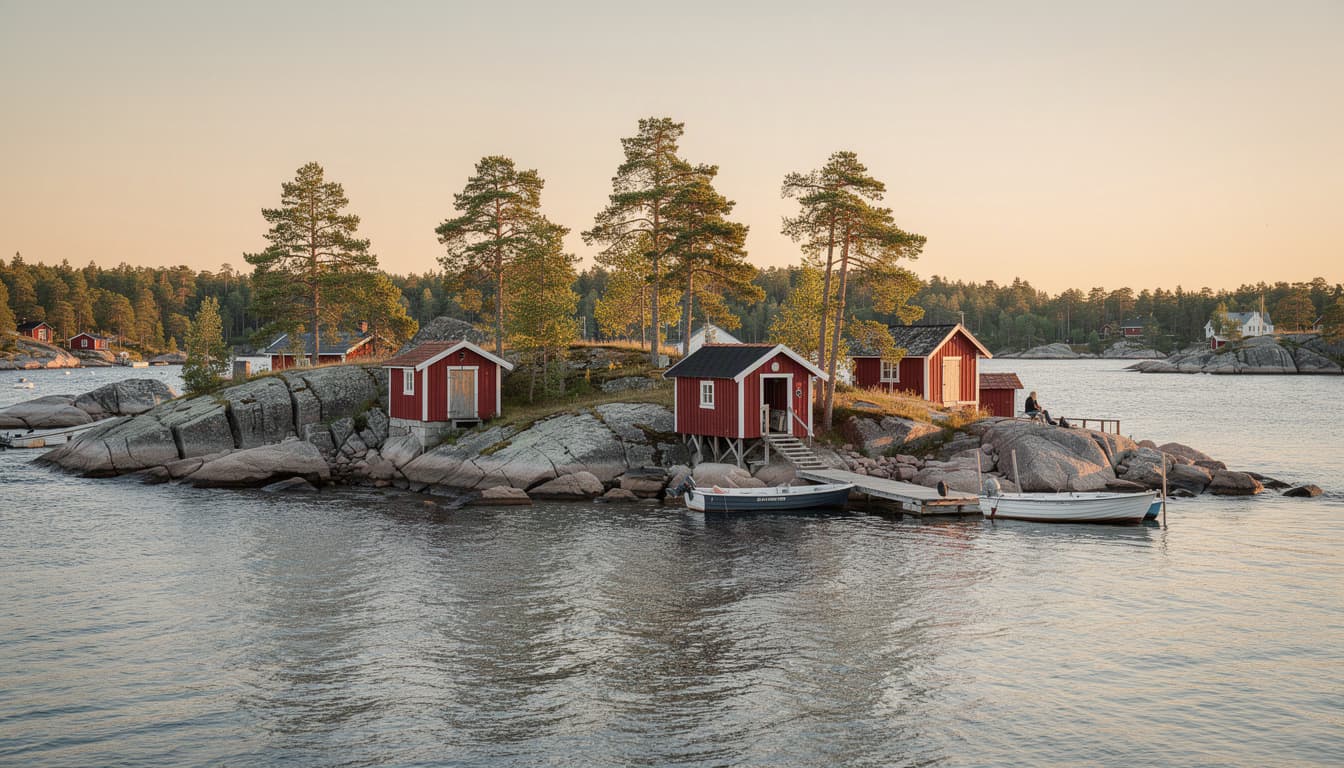
Ulvön was once the largest fishing community in northern Sweden[1]. Its two islands, north and south, are often called the "jewels of the Gulf of Bothnia" and are dotted with small cottages, fishermen's huts and boathouses[1].
- The lighthouses of Skag and Högbonden, among the favorite sights[3].
- The beaches of Smitingen, Gullvik and Storsand, very popular[3].
- Mjältön, Sweden's highest island, rising 236 meters out of the sea[3].
- Ulvödjupet, the deepest point of the Baltic Sea, at 293 meters[3].
To explore the coastline, rent a kayak or take advantage of the many boats serving the area[1]. Without a boat of your own, you can get around the archipelago by passenger ferry, charter boat or cruise boat[3].
Art, Fishing Villages and Culture
The region also stands out for its cultural heritage: centuries-old fishing villages, the Nämforsen rock carvings dating back to the Bronze Age, museums and art galleries. The towns of Kramfors, Härnösand, Örnsköldsvik and Sollefteå are each a destination in their own right[1].
The High Coast Art Valley is a cultural trail running from the islands of Ulvön to the Nätraälven valley. It features 25 large sculptures and installations, many of them gathered in Herrgårdsparken, in Köpmanholmen[2].
To dive into the history of fishing, head to Norrfällsviken, in the municipality of Kramfors: this 350-year-old fishing village is part of a nature reserve marked by a field of pebbles and Bronze Age cairns[2].
At the Table: Surströmming and Local Produce
The famous Swedish fermented herring, surströmming, comes from the High Coast and is still produced there on the Ulvö islands[2]. The fish are caught in the spring in the Baltic, then salted, fermented and canned so that fermentation can take place[2].
The traditional season begins on the third Thursday of August. The dish is eaten outdoors, between thin layers of potato and dry Swedish flatbread[2]. The restaurant at Ulvö Hotell is a good place to try this tradition; check its website for reservations[2].
More broadly, the High Coast offers fresh, seasonal produce with authentic flavors that delight or sometimes challenge the palate[2].
Getting There, When to Go, How Long to Plan
- Train: from Stockholm, SJ runs the route, and Norrtåg operates between Sundsvall and Umeå[5].
- Plane: from Stockholm Arlanda, you arrive in the heart of the High Coast about an hour later[5].
- Bus: the Y-buss leaves Stockholm every day and follows the east coast of the north; search routes on DinTur[5].
As for the season, hiking is pleasant from spring to autumn, and winter is reserved for snow activities[4]. For duration, allow 5 to 7 days for the full trail, or less if you choose a few sections[2].
To stay at the foot of Skuleberget, Friluftsbyn offers cabins, a campsite and a hostel, with the High Coast Trail and Skuleskogen National Park just steps away[4].
Points to Watch Before You Go
- The old trails that crossed Slåttdalsskrevan are closed for safety reasons[1]: follow the new section opened in 2023, which lets you see the crevasse from below to the north and from above to the south[2].
- Trails range from a simple day walk to isolated mountain routes, where conditions can change quickly and rescue may be several hours away: prepare your outing in advance[4].
Checklist for Planning Your Stay
- Choose the period: spring to autumn for hiking, winter for snowshoeing, dog sledding and snowmobiling[4].
- Decide between the full trail (5 to 7 days) and a few sections among the 7 marked ones[2].
- Stop by the Naturum Höga Kusten before setting out on the trails[4].
- Book the Ulvö Hotell restaurant well in advance if you're aiming for surströmming season[2].
- Add an island to your itinerary: Ulvön, Trysunda or Grisslan[3].
This article covers the essentials for choosing your stops. To build a complete stay, the next steps are the trail sections, boat connections and choice of accommodation.
Keep exploring
- Sweden: The Highlights, Region by Region
- Dalarna: What to See and Do in Sweden in Miniature
- Åre and Jämtland: What to See and Do in Sweden, From the Mountains to Östersund
- Öland et Kalmar : château, steppe calcaire et phare, que voir et que faire
Sources
- 1.^ abcdefghvisitsweden.fr — The High Coast is located in the north-east of Sweden | Visit Sweden: “The High Coast is located in the north-east of Sweden, in the province of Ångermanland, on the Gulf of Bothnia.” ; “This phenomenon contrasts with the Finnish Kvarken archipelago, located on the opposite side of the Gulf of Bothnia, which is made up of flat, low islands and shallow bays.” ; “The High Coast archipelago is also a very popular destination among Swedes, but it remains less visited and touristy than other Swedish archipelagos.” https://visitsweden.fr/destinations/nord-de-la-suede/angermanland/la-haute-cote (accessed November 12, 2026)
- 2.^ abcdefghijklmnopqrstvisitsweden.com — The High Coast is situated in the north-eastern part of Sweden | Visit Sweden: “The High Coast of Sweden was designated a UNESCO World Heritage Site in 2000.” ; “At 286 meters above sea level, the High Coast of Sweden has the highest coastline in the world, and the land continues to rise by about 8 millimeters a year.” ; “Due to a geological process called post-glacial rebound, at work since the last ice age, the land continues to rise by about 8 millimeters a year.” https://visitsweden.com/where-to-go/northern-sweden/angermanland/high-coast/ (accessed November 12, 2026)
- 3.^ abcdefghijkhogakusten.com — Nature & world heritage | Höga Kusten: “The world record was measured at the summit of Skuleberget, where the former shoreline lies no less than 286 meters above sea level.” ; “There are mountains capped with till, seemingly endless fields of boulders, coastal coves cut off from the sea, and deep glacial striations marking the smooth, rocky shores.” ; “In the wild landscape of Skuleskogen National Park, you can explore the famous Slåttdalsskrevan canyon and panoramic views from the top of Slåttdalsberget, as well as the obvious evidence of land uplift all around you, endless deep forests, and the Naturum Höga Kusten visitor center.” https://www.hogakusten.com/en/nature-world-heritage (accessed November 12, 2026)
Show 2 more sourcesShow less
- 4.^ abcdefghijvisitsweden.com — Hike the Heritage: 3 UNESCO Hikes in Sweden | Visit Sweden: “The result is a striking landscape of steep cliffs, smooth granite hills, rocky shores, and dense forests overlooking the Gulf of Bothnia.” ; “Naturum Höga Kusten: discover this UNESCO World Heritage Site through exhibitions, maps, and practical information before setting off on the trails.” ; “The High Coast is a very rewarding hiking destination from spring through autumn.” https://visitsweden.com/what-to-do/nature-outdoors/hiking/hike-unesco-world-heritage-sweden/ (accessed November 12, 2026)
- 5.^ abchogakusten.com — Höga Kusten | Official visitor guide to the High Coast of Sweden: “Board the train in Stockholm and arrive well rested on the High Coast. SJ runs from Stockholm, and Norrtåg runs between Sundsvall and Umeå.” ; “Leave from Stockholm Arlanda and arrive only about an hour later in the heart of the High Coast.” ; “The Y-buss departs every day from Stockholm and follows the north-east coast. To get there and get around, look up your bus route on DinTur.” https://www.hogakusten.com/en (accessed November 12, 2026)