Göteborg is best discovered on foot, by tram and by ferry. This article helps you decide what to see first: the wooden and cobbled neighborhoods, the museums, the parks, the seafood restaurants and the nearby archipelago. You'll also learn when to go, how to get there and how to get around.
Göteborg at a glance: a seaside city on a human scale
Göteborg was founded in 1621 by King Gustav II Adolf. Once an important trading and fishing port, it has become a creative, forward-looking destination, known for its laid-back atmosphere, exceptional seafood and lively music scene[1].
It is Sweden's second-largest city, yet it is easy to explore on foot[1]. The center, the parks and the museums are all within easy walking distance, and the sea and the archipelago are reachable by public transport.
Haga, the center and the canals: strolling through history
Start with Haga, one of the city's oldest neighborhoods: 17th-century wooden houses, cobbled streets and cozy cafés that tell the story of Göteborg's past[1]. The area is well preserved, making it a great starting point for a first day[2].
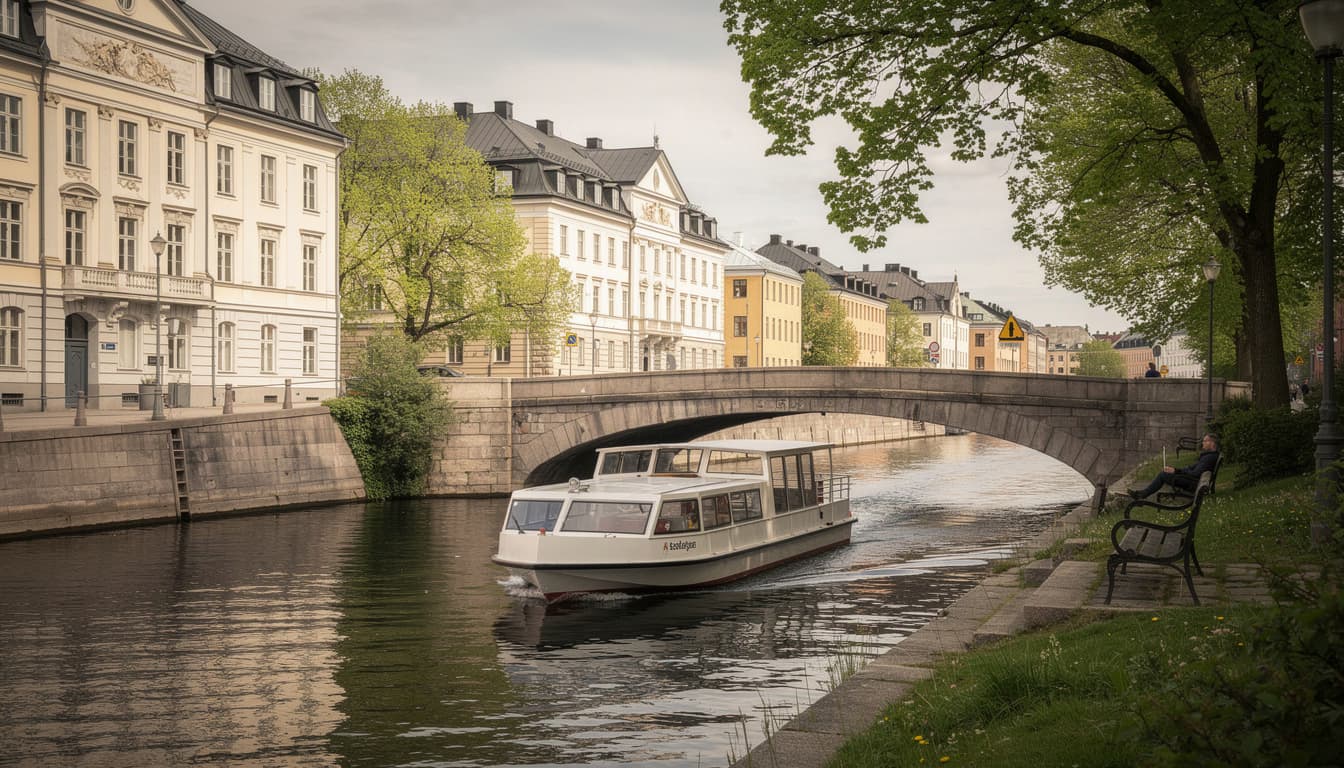
The city is also crossed by canals that invite a leisurely walk[2]. If you prefer to be guided, the old town center and its historic squares can be visited with a guide[3].
To see and do: museums, parks and rides
In Göteborg, art, design, photography and the city's history are often just a few tram stops apart[4]. The museums and galleries not to miss are the Röhsska, the Art Museum, the Hasselblad Center, the Maritime Museum with its aquarium, and World of Volvo[4].
The Gothenburg Museum of Art displays an important collection of Nordic art[2].
For fun, Liseberg is the largest amusement park in Scandinavia and one of the city's iconic landmarks for more than a century. You'll find roller coasters, attractions for all ages and open-air concerts[1]. The park also takes on a different mood for Halloween and Christmas[1].
To breathe some fresh air, Slottsskogen is the urban park loved by locals: wide green spaces, natural woodland and walking trails[1]. The botanical garden houses one of the largest plant and flower collections in Europe[1].
To take in the city at a glance, viewpoints are scattered throughout Göteborg[4].
The archipelago: islands, ferries and fresh air
The region counts more than 7,600 islands, islets and reefs, 20 of which are inhabited. Many of these inhabited islands are reachable by public transport directly from the city center, making it easy to combine city life with island escapes[1].
The archipelago is split in two. The southern islands are reached from the ferry terminals at Saltholmen or Stenpiren, the northern ones from Lilla Varholmen[5]. Among the southern islands, Brännö, Styrsö, Donsö and Vrångö offer rocky landscapes, classic Scandinavian cottages and hidden coves[3].
- Hike: the archipelago trail stretches just over 35 km, in three stages across Hönö, Fotö, Öckerö and Hälsö, plus two loops on Knippla and Hyppeln. Bus stops line the route, so you can do just one section[5].
- Dance on Brännö: a dance is held at Brännö brygga every Thursday during the summer season, a tradition more than a century old[5]. From Stenpiren, the ferry M S Kungsö runs back and forth[5].
- Watch nature on Rörö: the nature reserve offers trails, glacial ridges and open landscapes, with sheep and horses grazing. A restaurant, a café and a grocery store are located near the ferry terminal[5].
- Try other activities: seal safaris, fishing, swimming and boat trips[6].
At the table: seafood, markets and cafés
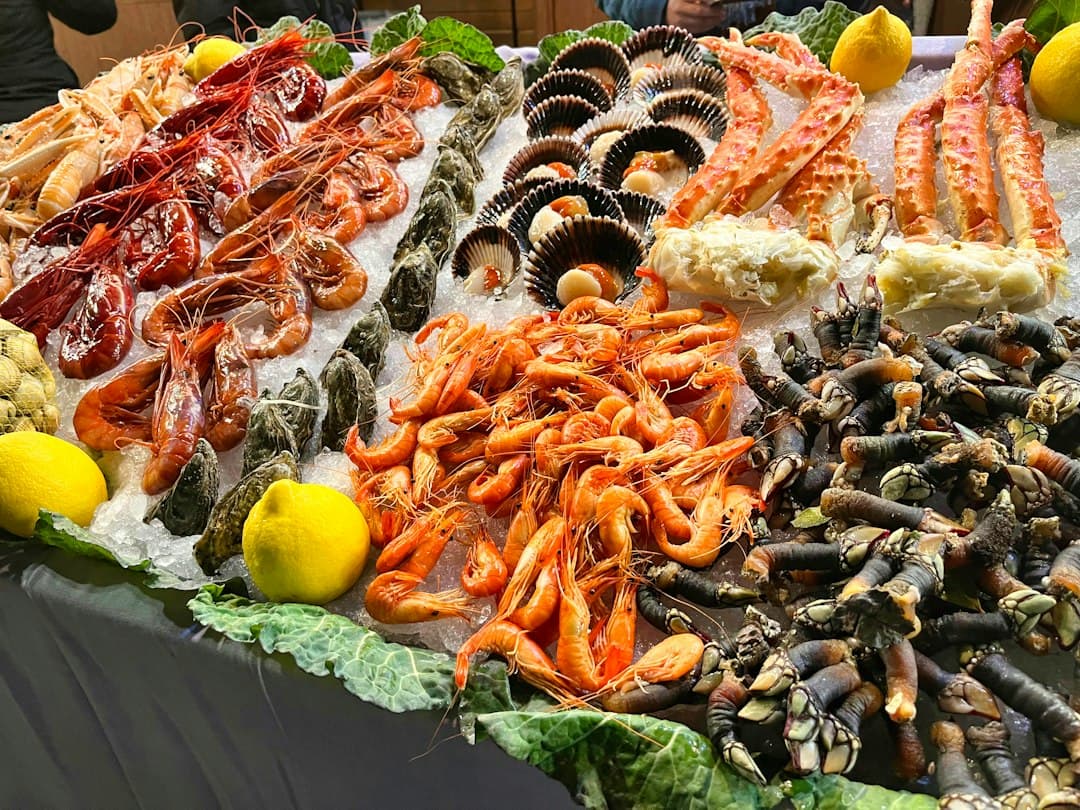
Göteborg is a dynamic food destination: seafood, six restaurants with Michelin stars, innovative neighborhood tables and traditional cafés[1]. The city is also known for its brewing scene[1].
Around the trendy Magasinsgatan area, food trucks, cafés and restaurants reflect the city's contemporary culinary culture[1]. For local produce, the Saluhallen market hall is considered a must-visit[3].
When to go, how to get there, how much time to plan
June to September is ideal for hiking: the average temperature is around 20 °C and rain is relatively rare[3]. From November to March, it is cold and the nights are long[3].
By train, the journey takes a little over 3 hours from Stockholm, 4 hours from Copenhagen and about 3 h 30 from Oslo[3]. By sea, Stena Line connects Gothenburg to Denmark (3 h 30 on average) and to Germany (about 15 hours)[3].
A few days on site are enough to explore the old town, the parks, the small markets such as Saluhallen and the city's museums[3]. The archipelago can be added as a day excursion by ferry[3].
Getting around: Västtrafik tickets
Västtrafik runs public transport in Gothenburg. In 2026, a single ticket costs about 35 SEK (valid for 90 minutes), a 24-hour pass 115 SEK and a 30-day pass 825 SEK for zone A, inside Gothenburg city limits[7]. Check the fares on the official Västtrafik website before you travel.
To go further
This article covers the essentials of what to see and do in Gothenburg. To place the city on the west coast and compare it with other regions of the country, read “Sweden: The Highlights, Region by Region.”
Keep exploring
- Sweden: The Highlights, Region by Region
- Uppsala: What to See and Do 35 Minutes from Stockholm
- Malmö: What to See and Do in Sweden's Smallest Big City
- The Stockholm Archipelago: Which Islands to Choose and How to Get There
Sources
- 1.^ abcdefghijkvisitsweden.fr — Visiter Göteborg : entre ville, mer et archipel | Visit Sweden: “Founded in 1621 by King Gustav II Adolf, the city has grown from an important trading and fishing port into a creative, forward-looking destination, known for its laid-back atmosphere, exceptional seafood and particularly vibrant music scene.” ; “Although it is Sweden's second city, Gothenburg is easy to explore on foot.” ; “Wander through Haga, one of the city's oldest neighborhoods, with its charming 17th-century wooden houses, cobbled streets and cozy cafés that reflect Gothenburg's history.” https://visitsweden.fr/destinations/sud-de-la-suede/goteborg/ (accessed November 9, 2026)
- 2.^ abcroutard.com — Visiter Région de Göteborg et Småland : préparez votre séjour et voyage Région de Göteborg et Småland | Routard.com: “In Gothenburg, your visit can start in the historic Haga district, with its cobbled streets and well-preserved wooden houses.” ; “The city is crisscrossed by canals that invite you to take a stroll.” ; “Don't miss the Gothenburg Museum of Art, which holds an important collection of Nordic art.” https://www.routard.com/fr/guide/europe/suede/region-de-goteborg-et-smaland (accessed November 9, 2026)
- 3.^ abcdefghiroutard.com — Visiter Göteborg : préparez votre séjour et voyage Göteborg | Routard.com: “A few days on site are perfect for exploring the old town and its historic squares with a guide, strolling through its parks and shopping at the small markets under the stars, including the must-visit Saluhallen, or touring the city's museums such as the Konstmuseum art museum or the Röhss Museum (Röhsska Museet).” ; “You will have the chance to visit Brännö, Styrsö, Donsö and Vrångö, all very different islands with rocky landscapes, typical Scandinavian cottages and secret coves…” ; “To maximize hiking under the sun, June to September is a great time. The average temperature is around 20 °C and rain is relatively rare.” https://www.routard.com/fr/guide/europe/suede/region-de-goteborg-et-smaland/goteborg (accessed November 9, 2026)
Show 4 more sourcesShow less
- 4.^ abcgoteborg.com — Sehenswürdigkeiten in Göteborg | goteborg.com: “In Gothenburg, art, design, photography and the city's history are often only a few tram stops apart.” ; “Museums and galleries include the Röhsska Museum, the Gothenburg Museum of Art, the Hasselblad Center, the Maritime Museum and Aquarium, and World of Volvo, with tips on exhibitions, family visits and rainy-day plans.” ; “One of the best ways to enjoy a great view over all of Gothenburg is to visit one of the viewpoints spread across the city.” https://www.goteborg.com/de/sehenswurdigkeiten (accessed November 9, 2026)
- 5.^ abcdegoteborg.com — Activities in the Gothenburg archipelago: “The southern islands can be reached from the ferry terminals at Saltholmen or Stenpiren, while the northern islands are reached from Lilla Varholmen.”; “The trail combines breathtaking views with a moderately difficult hike of just over 35 km, in three stages across Hönö, Fotö, Öckerö and Hälsö, plus two loops on Knippla and Hyppeln.”; “Bus stops line the entire trail. You can walk a part of it, a few kilometers at a time, or a longer distance.” https://www.goteborg.com/en/guides/activities-in-the-gothenburg-archipelago (accessed November 9, 2026)
- 6.^goteborg.com — Gothenburg's archipelago: “There are also plenty of other activities, including seal safaris, fishing trips, culinary experiences, swimming and boat tours, to name just a few.” https://www.goteborg.com/en/attractions/archipelago (accessed November 9, 2026)
- 7.^Mira Knowledge — Västtrafik runs public transport in Gothenburg: in 2026, a single ticket costs about 35 SEK (90 min), a 24-hour pass 115 SEK, and a 30-day pass 825 SEK for zone A, inside Gothenburg city limits. Verified on June 11, 2026: official source vasttrafik.se. https://www.vasttrafik.se/en/tickets/ (accessed June 11, 2026)