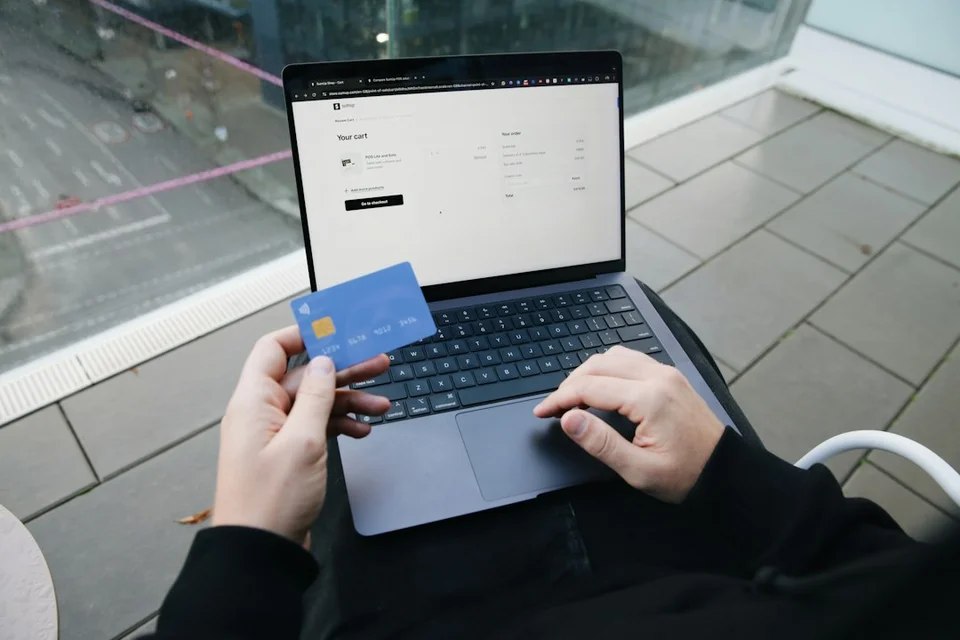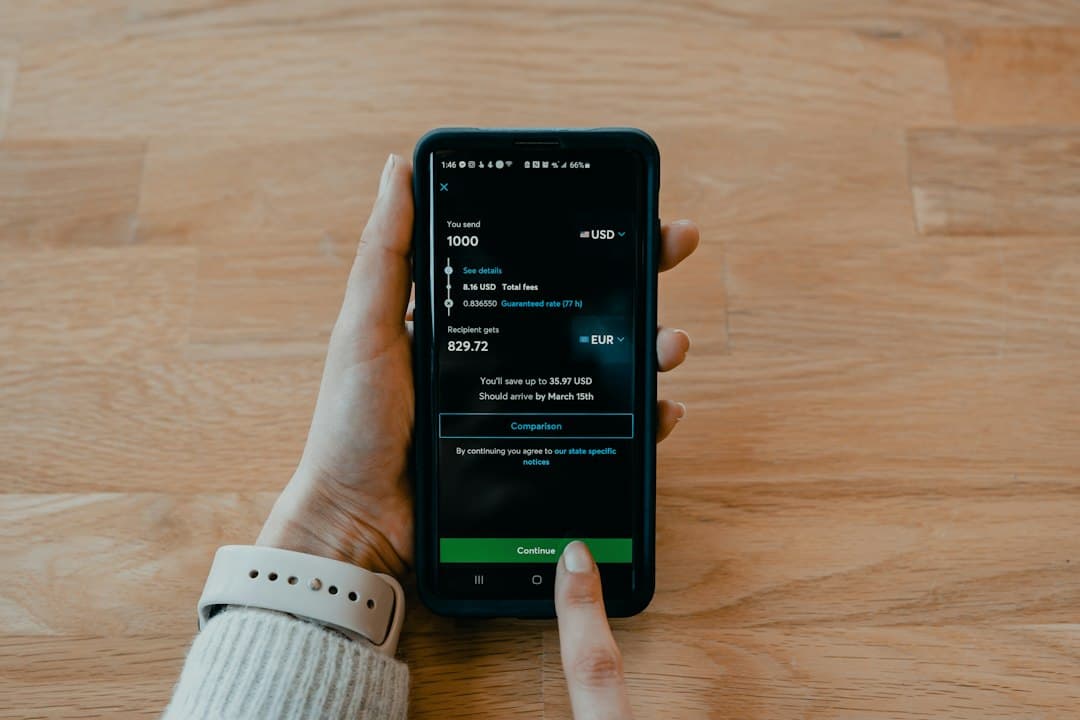
Sending, converting and withdrawing money abroad can get expensive fast when you only look at the displayed rates. This article helps you tell a SEPA transfer, an instant transfer and an international transfer apart, compare services on the amount you actually receive, withdraw cash without paying the conversion twice, and spot the rules that catch people out: cash declaration thresholds, local taxes on exchange, and intermediary fees.
SEPA, Instant or International Transfer: What Changes
A SEPA transfer lets you pay in euros to countries in the SEPA area under the same conditions as to a bank in your own country: same pricing, same information required, same processing times[1]. To a country outside the eurozone, however, currency exchange fees may apply[1]. Your bank may also charge for the transaction itself: your bank's fee schedule tells you how much[1].
The difference between a standard transfer and an instant transfer comes down mainly to speed. A standard SEPA transfer is executed at the latest one business day after the sender's bank receives the order[1]. With an instant transfer, the money is available in seconds in the recipient's account, 24 hours a day, 365 days a year[2].
On price, the fees for an instant payment cannot exceed those of an ordinary transfer with the same characteristics and the same transmission channel[2]. In France, since January 9, 2025, all banks must charge the same rate for instant transfers as for standard transfers[3].
For individuals, this generally means it is free from an online bank, but the rule concerns equal pricing, not universal free transfers: if your bank charges for a standard transfer, the instant one cannot cost more[4].
To send a transfer, your bank asks you for the recipient's details[1]. Outside the SEPA area, the logic changes: to Brazil, for example, transfers mostly go through digital channels (Wise, Remitly, Western Union) or through traditional banks via SWIFT[5].
Comparing Transfer and Exchange Services
Two rate models coexist. Wise explains that it converts at the mid-market exchange rate and then adds clearly separate fees[6]. Revolut uses its own variable rate, set from several data sources and the amount of the transaction[6]. These descriptions come from Wise, a provider involved in the comparison: treat them as points to verify, not as a verdict.
A test published by Wise illustrates the possible gap: for a simulated transfer of €1,000 from France to the United States, Revolut showed $1,135.18, compared with $1,139.21 at the mid-market rate, a difference of $4.03[7]. This is a one-off example: rates move by the minute.
The most reliable method is therefore to compare, at the same moment, the final amount received for an identical sum, rather than the rate or the “no fees” claim taken on its own[6]. Test it with your bank, an online service and, if you are sending to a specific country, the local route.
In Brazil, for example, Wise offers transfers in BRL delivered via Pix in seconds, whereas an incoming SWIFT transfer with a traditional bank typically costs around R$30 to R$100, plus the exchange spread[5].
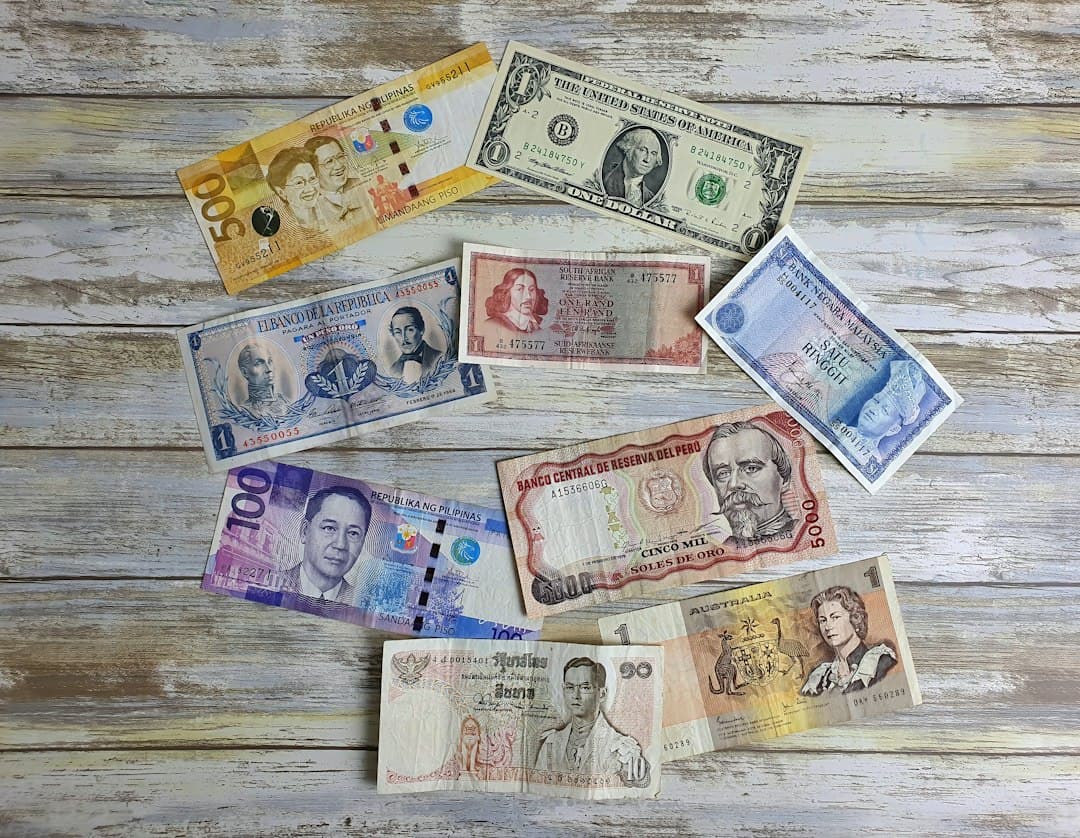
Withdrawing Cash and Paying by Card Abroad
At an ATM, one habit helps you avoid an extra cost: if the machine offers to convert the withdrawal into euros, choose the local currency instead, to avoid its own conversion rate[6]. Whatever the card, the ATM operator may also charge its own fees[6].
For occasional withdrawals, the free plan of a service like Wise or Revolut may be enough[6]. With Revolut, watch the exchange and withdrawal limits as well as the timing of conversions; for a paid plan, check whether the included services offset the subscription fee[6]. With Wise, you pay for the physical card once, then the conversions and withdrawals that exceed the free allowance[6].
Also plan for some cash. In Costa Rica, Visa, Mastercard, and American Express cards are accepted at most urban and tourist businesses, but cash is still needed for small shops, taxis outside of apps, tips, and rural areas[8].

Choosing Your Accounts and Cards When You Move
A multi-currency account lets you hold several currencies. With the Wise card, if you pay in a currency you already hold, the amount is debited from that balance with no conversion; otherwise, Wise converts from the balance that results in the lowest conversion fees[6]. The account lets you hold more than 40 currencies[6].
The two offers don't require the same amount of comparison. According to Wise, its plan is simpler: there is no subscription to choose and no list of perks to evaluate[6]. According to the same source, Revolut requires more comparison[6].
Once you're there, a local account may be essential. If you have non-resident status, you will generally be able to get a bank account in foreign currency or in convertible local currency[9]. Some local services even require this account: in Thailand, a non-resident can use PromptPay if they open a Thai bank account and obtain a national ID (Thai NID) or link their foreign worker ID card[10].
Taxes and Local Currency Exchange Rules
The same transaction can be taxed differently depending on the country. In Brazil, currency exchange transactions are subject to the IOF: 0.38% on international transfers and withdrawals abroad, and 5.38% on purchases in foreign currency made with a credit card[11]. Calculate these taxes before choosing your payment method.
Currency controls exist in most countries, and local laws are sometimes very strict[9]. Check them before you leave. Also avoid holding large sums of non-convertible local currency outside the international foreign exchange market: importing or exporting that currency exposes you to legal action[9].
Pitfalls and Points to Watch
Carrying Cash: Declaration Thresholds
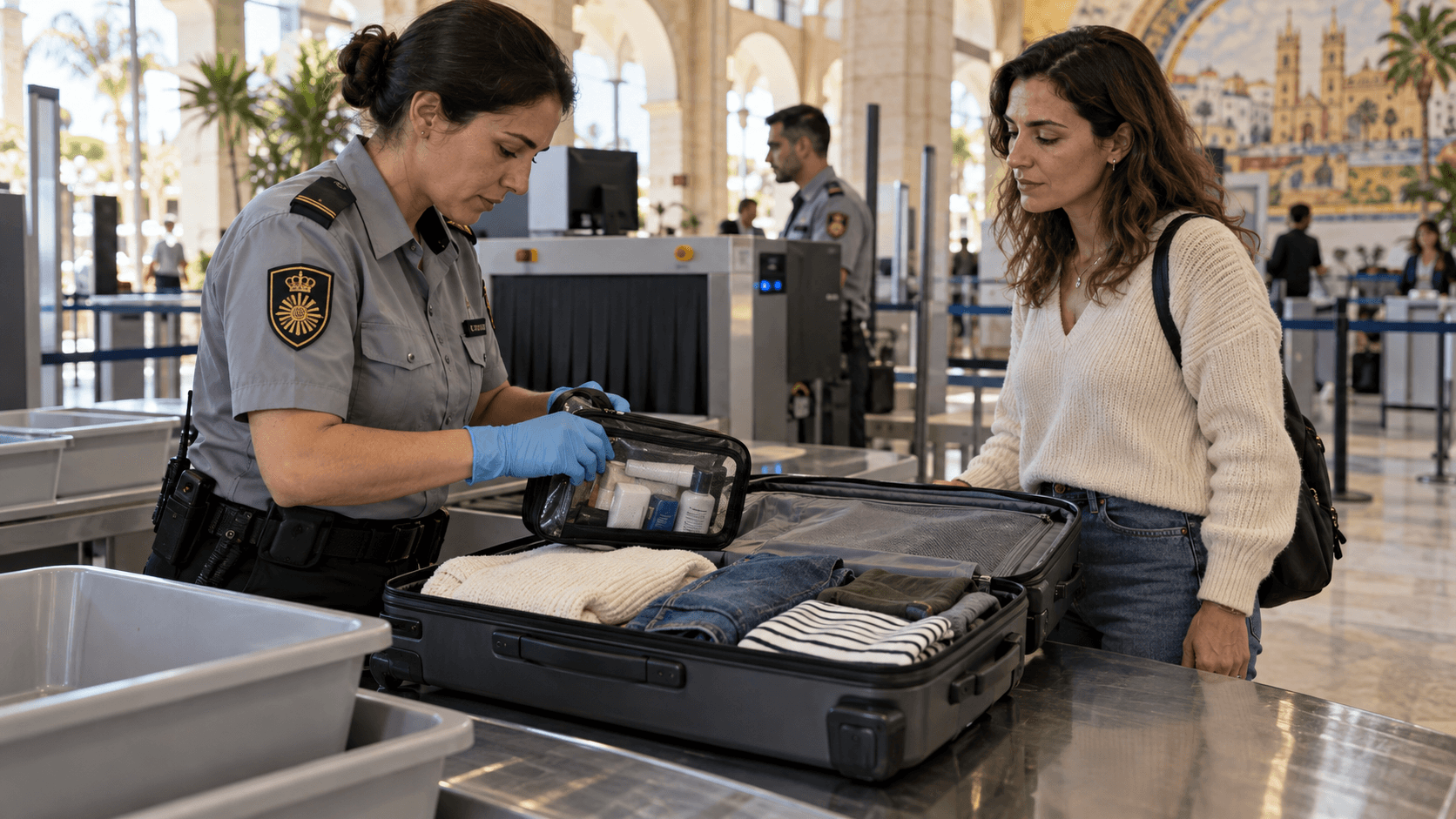
If you are subject to French customs rules, any individual who transfers €10,000 or more (or the equivalent in foreign currency) from France abroad must file a customs declaration, regardless of their destination country[9]. The obligation also applies in the other direction: traveling to France with €10,000 or more requires a declaration, and from €50,000 you must provide proof of the source of the funds[12]. Other countries will have their own thresholds: check before you leave.
The threshold is also calculated for couples and families: the obligation applies to people whose combined funds reach €10,000 and who share a community of interest[9]. If each member of a couple carries €5,000, a declaration is required, unless one of them can prove the money belongs to them personally, for example through a marriage contract or civil partnership agreement specifying separate property[13].
Without a declaration, the money being carried is considered taxable income in France[13].
Hidden Fees
- A "no fee" label or a displayed rate tells you nothing about the real cost: compare the final amount you actually receive[6].
- An incoming SWIFT transfer costs roughly R$30 to R$100 in Brazil, plus the exchange spread[5].
- For transfers to countries outside the eurozone, exchange fees may be added to a SEPA transfer[1].
- At the ATM, the proposed conversion applies its own rate, and the provider may charge its own fees[6].
- Exchange and withdrawal limits on free offers, and membership fees on paid offers: factor these into your calculations[6].
- A local exchange tax may apply on top: Brazil's IOF is 5.38% on a foreign-currency purchase made with a credit card[11].
Investments: The General Framework When Working Remotely
What matters first is the country where you are a tax resident and the local tax rules, which vary from one country to another. Some countries have special regimes: Italy, for example, applies a flat rate of 7% on foreign-source income (pensions, employment income, self-employment income, investment income and rental income) for foreign retirees who transfer their tax residence to a municipality in the South with fewer than 20,000 inhabitants[14]. This regime applies only to Italy and to that profile. Taxes are not something to improvise: for your investments, ask for advice tailored to your personal situation.
Steps, in order
- Check the currency exchange and declaration rules of your destination country before you leave[9].
- Compare, at the same time, the final amount received for the same sum between your bank and online services[6].
- Open the right account and card, then test with a small transfer.
- At ATMs, choose the local currency[6] and check your bank's fee schedule[1].
Sources
- 1.^ abcdefgbanque-france.fr — SEPA transfers: “It is possible to make euro transfers to the 40 countries of the SEPA area under the same conditions as transfers to French banks: same pricing, same information requirements and same execution times.”; “There may, however, be exchange fees when transferring to a country that is not a member of the Eurozone.”; “A SEPA transfer may be charged by your bank.” https://www.banque-france.fr/fr/a-votre-service/particuliers/mieux-connaitre-moyens-paiement/virement-sepa (accessed October 21, 2026)
- 2.^ abecb.europa.eu — What are “instant payments”? : “With instant payments, the money transferred is available within seconds in the recipient's account, 24 hours a day, 365 days a year.”; “Under this regulation, fees charged for instant payments cannot be higher than the commissions applied to regular transfers when they share the same characteristics and the same transmission channel.” https://www.ecb.europa.eu/ecb-and-you/explainers/tell-me-more/html/instant_payments.fr.html (accessed October 21, 2026)
- 3.^service-public.gouv.fr — Bank fees: instant transfers now priced the same as regular transfers | Service Public: “Starting January 9, instant transfers become free in all French banks.” https://www.service-public.gouv.fr/particuliers/actualites/A17985 (accessed October 21, 2026)
Show 11 more sourcesShow less
- 4.^banque-france.fr — SEPA instant transfers | Banque de France: “Instant transfers must be priced identically to regular transfers.” https://www.banque-france.fr/fr/a-votre-service/particuliers/mieux-connaitre-moyens-paiement/le-virement-sepa-instantane (accessed October 21, 2026)
- 5.^ abcMira Knowledge — International transfers to Brazil mostly go through digital channels (Wise, Remitly, Western Union) or traditional banks via SWIFT. Verified on 06/11/2026: official source bcb.gov.br. https://www.bcb.gov.br/ (accessed June 11, 2026)
- 6.^ abcdefghijklmnopqwise.com — Wise or Revolut card: which one to choose in 2026? - Wise: “Wise converts currency at the mid-market exchange rate, then adds clearly separated fees.”; “Revolut uses its own variable rate, set from several data sources and the transaction amount.”; “Compare the final amount rather than the rate or the 'no fee' label taken on its own.” https://wise.com/fr/blog/carte-wise-ou-revolut (accessed October 21, 2026)
- 7.^wise.com — Wise or Revolut: full comparison to help you choose - Wise: “We simulated a transfer of €1,000 from France to the United States: Revolut showed $1,135.18, versus $1,139.21 at the exchange rate displayed on Google (mid-market rate).” https://wise.com/fr/blog/wise-ou-revolut (accessed October 21, 2026)
- 8.^Mira Knowledge — Cash remains necessary for small shops, taxis that don't use apps, tips and rural areas. Verified on 06/11/2026: official source bccr.fi.cr. https://www.bccr.fi.cr/ (accessed June 11, 2026)
- 9.^ abcdefdiplomatie.gouv.fr — Money transfers | France Diplomatie: “If you have non-resident status, you will generally have a bank account in foreign currency (or in convertible local currency).”; “Controls exist in most countries. Local foreign exchange control laws are sometimes very strict.”; “Importing or exporting this currency exposes you to legal proceedings.” https://www.diplomatie.gouv.fr/fr/services-aux-francaises-et-aux-francais/formalites-avant-le-depart/douanes/transfert-d-argent (accessed October 21, 2026)
- 10.^Mira Knowledge — A non-resident can use PromptPay if they open a Thai bank account and obtain a Thai national ID or link their foreign worker ID card. Verified on 06/11/2026: official source bot.or.th. https://www.bot.or.th (accessed June 11, 2026)
- 11.^ abMira Knowledge — In Brazil, the IOF is 0.38% on international transfers and cash withdrawals abroad, and 5.38% on foreign-currency purchases made with a credit card. Verified on 06/11/2026: reference source gov.br. https://www.gov.br/receitafederal/pt-br (accessed June 11, 2026)
- 12.^service-public.gouv.fr — Customs: bringing money or funds into France from abroad | Service Public: “You must declare to customs if you travel to France with an amount equal to or greater than €10,000 (or the equivalent in foreign currency).”; “If you transfer €50,000 or more, you must provide proof of the origin of the funds.” https://www.service-public.gouv.fr/particuliers/vosdroits/F801 (accessed October 21, 2026)
- 13.^ abservice-public.gouv.fr — Customs: transfer of money or funds from France abroad - France to EU | Service Public: “If each member of a couple carries €5,000, a declaration is required, unless one of them can prove the money belongs to them personally (for example through a marriage contract or a civil partnership agreement mentioning separation of property).”; “Money carried without a customs declaration is considered taxable income in France.” https://www.service-public.gouv.fr/particuliers/vosdroits/F36500/0 (accessed October 21, 2026)
- 14.^Mira Knowledge — Italy applies a flat 7% rate to foreign-source income (pensions, employment, self-employment, capital, rentals) of foreign retirees who transfer their tax residence to a municipality in the South with fewer than 20,000 inhabitants. Verified on September 27, 2026: 2 consistent sources (taxsummaries.pwc.com, agenziaentrate.gov.it). https://taxsummaries.pwc.com/italy/individual/taxes-on-personal-income (accessed September 27, 2026)