Playa Blanca, on the Barú peninsula, is the beach every Cartagena brochure puts forward. This article shows you what makes it special, how to get there by road or by boat, when to go to find it quiet, and what you should know about the nearby islands and the rules to follow on site.
Playa Blanca, the postcard of Colombia's Caribbean coast
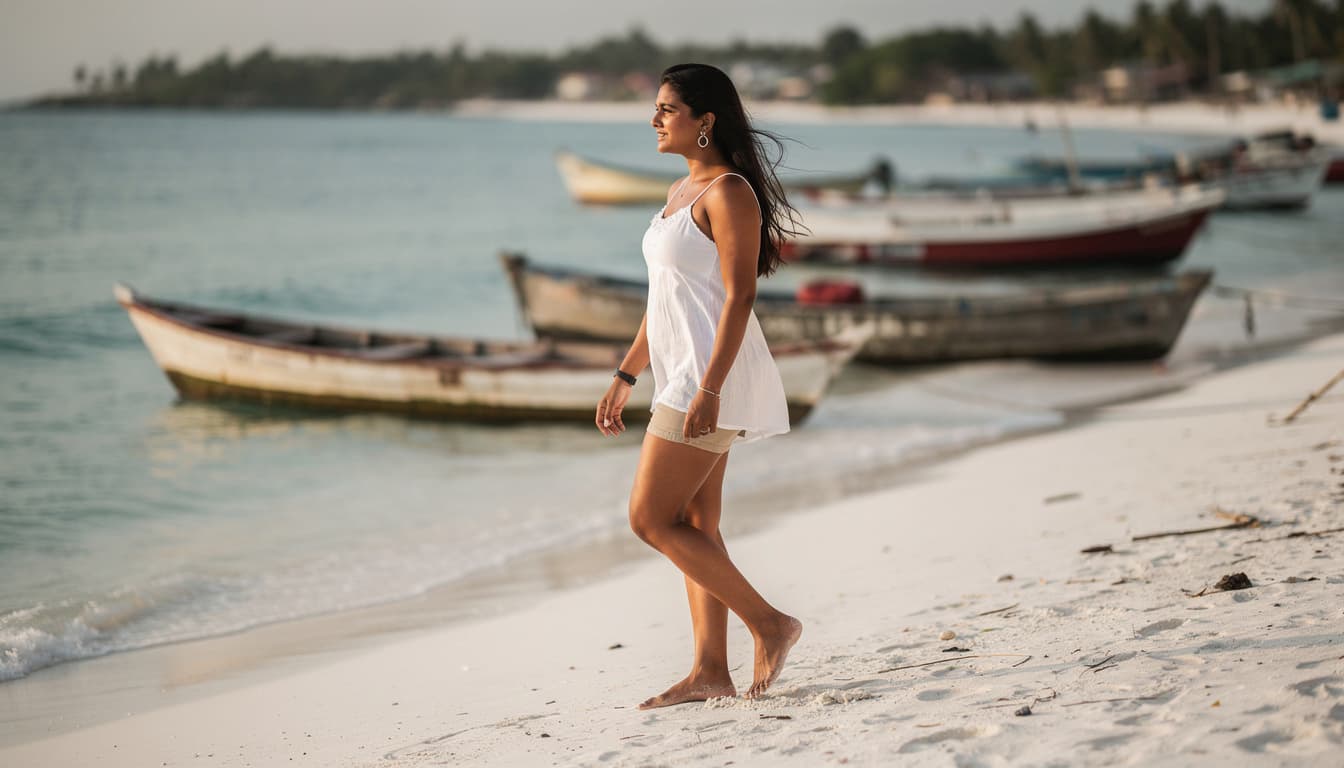
Playa Blanca is known for its three kilometers of fine sand and crystal-clear waters[1]. It is one of the main natural attractions of Cartagena de Indias[1]. The beach is not an isolated backdrop: it is part of a protected marine area, with its mangroves and dry tropical forest, within the Los Corales del Rosario y de San Bernardo National Natural Park[1].
The water is warm, clear, and calm: on a sunny day, the beach lives up to its reputation[2]. Near the shore it is generally calm and shallow, so swimming is easy[2].
Keep in mind the other side of the picture: the central stretch, where tour boats land, is one of the busiest and most heavily visited beaches in Colombia, with vendors selling massages, oysters, drinks, or hair braids as soon as you sit down[2].
Barú, the peninsula, and the islands of the Corales del Rosario park
The park covers 120,000 hectares of the Colombian Caribbean, under the jurisdiction of Cartagena de Indias[3]. It begins 23 km south of the city, at Punta Gigante, in the corregimiento of Barú[3]. It holds the largest coral platform of the Colombian continental Caribbean, roughly 420 km²[3].
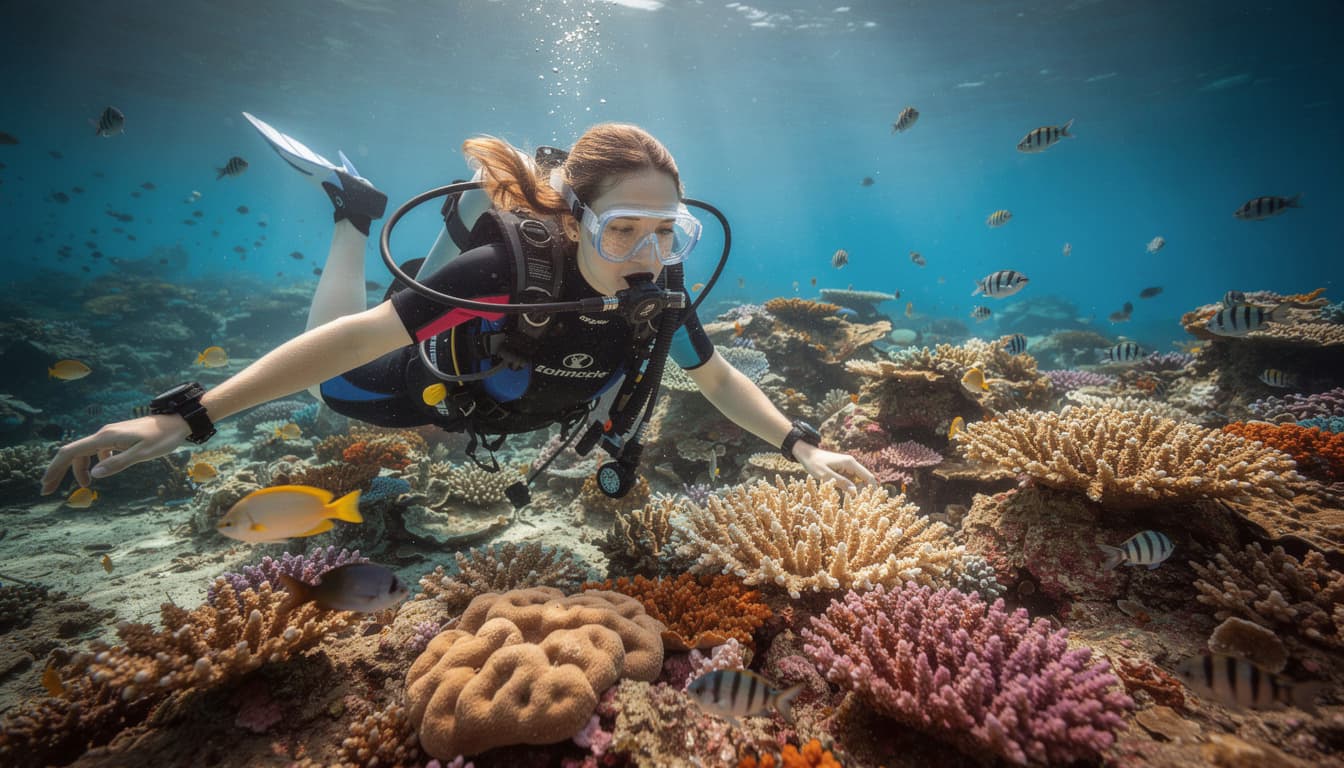
The park protects a mosaic of ecosystems: coral reefs, seagrass beds, and mangroves[3]. The San Bernardo and Nuestra Señora del Rosario archipelagos, along with the island peninsula of Barú, are also inhabited territory: since the early 20th century, Afro-Colombian communities have settled there and identify as natives of the island zone of the Cartagena district[3].
Getting from Cartagena to Playa Blanca
By road, you cross the Campo Elías Terán Dix bridge, near Pasacaballos, then pass through four corregimientos: Ararca, Santa Ana, Playa Blanca, and Barú[3]. Since the opening of the Barú bridge, allow about one hour from Cartagena[2].
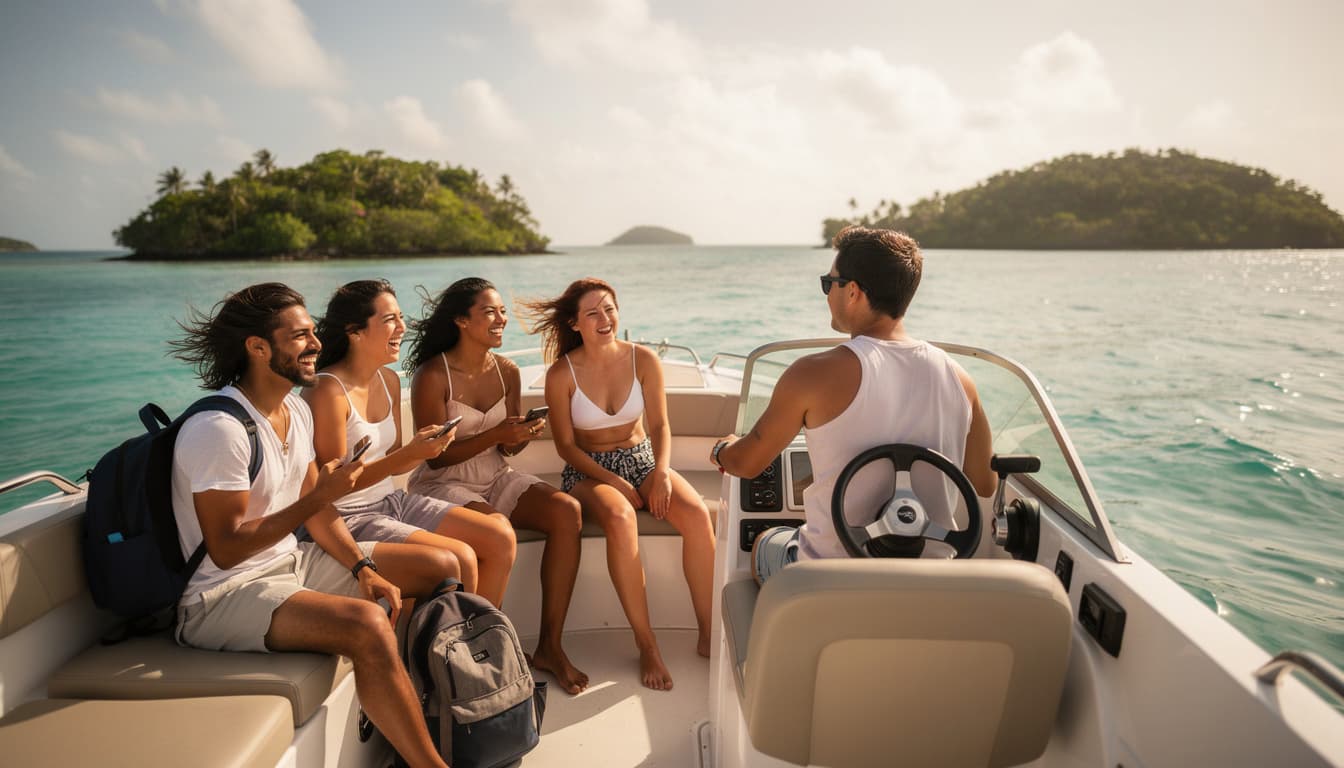
By sea, boats leave from Cartagena, from the La Bodeguita tourist dock, Avenida Blas de Lezo, facing the La Marina park[3]. By speedboat, allow about forty-five minutes from the city[2].
The most economical option is public transport: a bus toward Pasacaballos, then a short moto-taxi ride to the sand[2].
Most visitors prefer an organized excursion, by boat or by road, which bundles transport and lunch. Compare several offers, as prices and what's included vary widely[2].
Please note: at Playa Blanca, boat departures to other sectors of the park are not permitted[3]. To reach the islands, you need to leave from Cartagena.
When to go and how much time to plan
The region has two distinct seasons: a dry season from December to April, and a rainy season from May to November, with temperatures ranging between 27 and 30 °C[3].
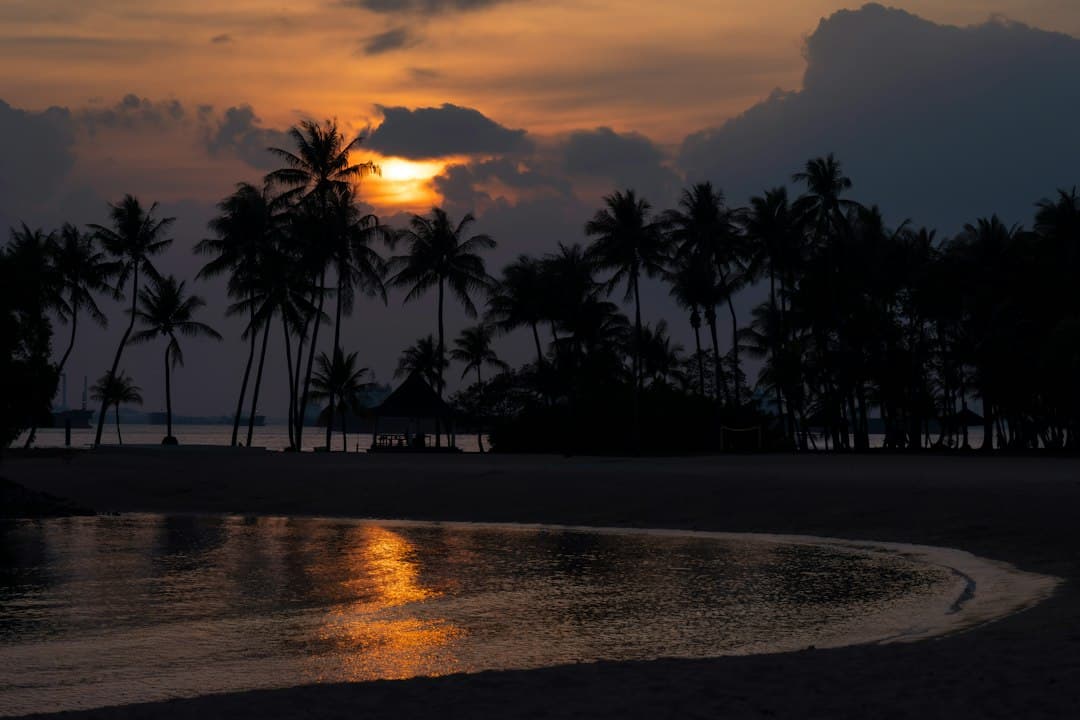
Throughout the day, large tour groups arrive late morning and leave mid-afternoon, so the beach is calmer early in the morning, late in the day, and on weekdays[2]. If you can, spend a night on the Barú peninsula: you'll have the beach at dawn and at dusk almost to yourself, which is the best value of all[2].
The nearby islands and boat excursions
Barú is about 20 minutes from the islands of the Rosario archipelago[4], but boats to those islands do not leave from Playa Blanca. To reach them from Cartagena, boats normally depart between 7 am and 10 am and take 1 to 2 hours[4]. The operators licensed to offer these tourist services are located at the La Bodeguita dock[3].
Once on the water, one simple habit protects the site: do not drop anchor on the coral, do not walk on it, and do not touch it, because it deteriorates[3].
On site: what to bring and what to know
- Cash in small bills, for lounge chairs, food, and drinks[2].
- Water, sun protection, and reef-safe sunscreen[2].
- Move away from the landing area: the crowds thin out quickly and the water looks even better[2].
- If constant solicitation wears you down, a lounge chair rented at a managed beach offers a calmer base and a fixed price for the day[2].
Traps, scams, and things to watch for
- Insurance: since March 1, 2026, accident and assistance insurance is mandatory to enter the protected area Corales del Rosario y de San Bernardo, and checks take place at Playa Blanca and elsewhere on Barú[5]. It is separate from any entrance fee: ask your operator whether it is included[5].
- Food and plastics: bringing food and drinks is prohibited in the beach areas of the island sectors adjoining the park, and the town hall cites Playa Blanca as enforcing the rule[5]. Single-use plastics are banned in national parks dedicated to ecotourism[5].
- Prices: agree on the price of each lounge chair, meal, or drink before accepting anything[2].
- Boats: the town hall has already closed Playa Blanca for two weeks after a series of serious accidents involving swimmers and boats near the shore, and only boats run by trained pilots were allowed back afterward[6]. Board only with a licensed operator; keep an eye on children and stay clear of boats near the landing area, and do not count on lifeguard supervision: check on site.
- Personal belongings: keep an eye on your things in the central section, which is very crowded[2].
To go further
- Colombia: the essentials, from the Caribbean to the Amazon
- Cartagena de Indias: what to see and do in the Caribbean colonial city
- Palenque de San Basilio: the first free village in the Americas
- San Andrés and Providencia: Colombia's Caribbean islands
Sources
- 1.^ abcmincit.gov.co — Gobierno del Cambio impulsará la sostenibilidad turística en Playa Blanca, Isla Barú | MINCIT - Ministerio de Comercio, Industria y Turismo: “Playa Blanca is known for its three kilometers of fine white sand and crystal-clear waters, which makes it an ideal destination for tourists.”; “Playa Blanca is one of the main natural attractions of Cartagena de Indias.”; “In addition, the beach area and its mangrove and dry tropical forest are part of the marine protected area, as well as the Los Corales del Rosario y de San Bernardo National Natural Park.” https://www.mincit.gov.co/prensa/noticias/turismo/impulsaran-sostenibilidad-turistica-playa-blanca (accessed November 9, 2026)
- 2.^ abcdefghijklmnobeachesforkings.com — Playa Blanca Baru Guide, Cartagena | Beaches for Kings: “The sand is long and soft and the sea is warm, clear, and calm: on a good day, the beach lives up to its reputation.”; “The Caribbean water there is warm, clear, and generally calm and shallow near the shore, which makes swimming easy and is the main reason to come.”; “The central stretch, where excursion boats dock, is one of the most crowded and heavily solicited beaches in Colombia, with a constant flow of vendors offering massages, oysters, drinks, and braids as soon as you sit down.” https://beachesforkings.com/cartagena/playa-blanca-baru/ (accessed November 9, 2026)
- 3.^ abcdefghijkparquesnacionales.gov.co — Parque Nacional Natural Corales del Rosario y de San Bernardo • Parques Nacionales Naturales de Colombia: “Its area is 120,000 hectares within the jurisdiction of the Cartagena de Indias tourist and cultural district.”; “It begins 23 km south of the city of Cartagena de Indias, in the Punta Gigante sector, in the corregimiento of Barú.”; “It has the largest coral platform in the Colombian continental Caribbean (about 420 km²).” https://www.parquesnacionales.gov.co/nuestros-parques/pnn-corales-del-rosario-y-de-san-bernardo/ (accessed November 9, 2026)
Show 3 more sourcesShow less
- 4.^ abold.parquesnacionales.gov.co: “20 minutes from the islands of the Rosario archipelago.”; “There are many types of boats to reach the area; they normally depart between 7 am and 10 am and take about 1 to 2 hours.” https://old.parquesnacionales.gov.co/portal/en/ecotourism/caribbean-region/corales-del-rosario-y-de-san-bernardo-national-natural-park/how-to-get-there/ (accessed November 9, 2026)
- 5.^ abcdsafetransferscolombia.com — Playa Blanca, Cartagena: Rules, Costs and How to Get There: “Since March 1, 2026, accident and assistance insurance has been mandatory to enter the Corales del Rosario y de San Bernardo protected area, under Resolution 273 of 2024, and checks take place at Playa Blanca and elsewhere on Barú.” ; “It is sold by Positiva with Magenta Seguros and by Zurich, and it is separate from any entrance fee. Ask your operator whether it is included.” ; “Article 2 of Decree 885 of 2016 prohibits bringing food and drinks into the beach areas of the island sectors adjoining or forming part of the Corales del Rosario y de San Bernardo park, and the town hall names Playa Blanca in applying it.” https://safetransferscolombia.com/playa-blanca-cartagena/ (accessed November 9, 2026)
- 6.^thecitypaperbogota.com — Playa Blanca on Barú reopens to tourism after rash of boating accidents | The City Paper Bogotá: “Playa Blanca was temporarily closed for two weeks by the town hall on January 20, after a series of serious accidents involving swimmers and boats near the shoreline.” ; “Only boats with trained pilots will be allowed to enter Playa Blanca.” https://thecitypaperbogota.com/travel/playa-blanca-on-baru-reopens-to-tourism-after-rash-of-boating-accidents/ (accessed November 9, 2026)