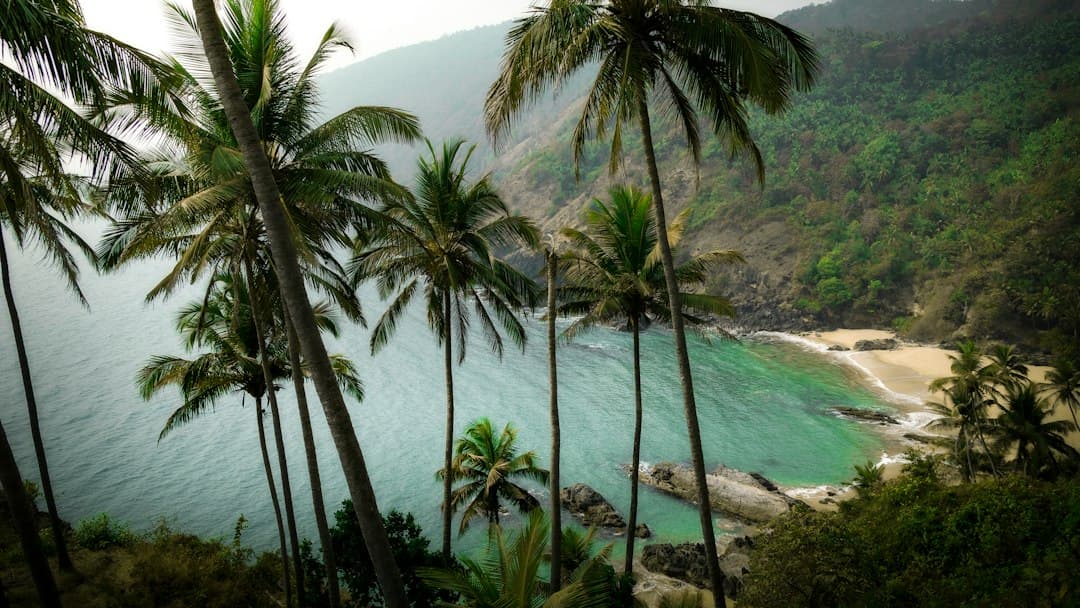
Nuquí, in Chocó, is one of the places in Colombia where the jungle runs right down to a wild Pacific Ocean. This article helps you understand what you'll find there: humpback whales, beaches, hot springs, and Afro-Colombian culture. You'll also learn how to get there, when to go, and what to consider before booking.
Nuquí, where the jungle meets the Pacific
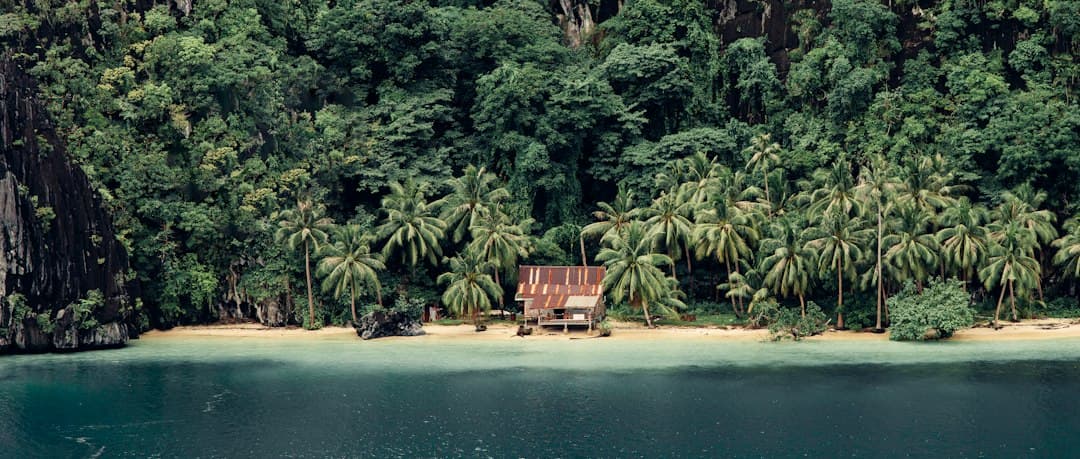
Nuquí is a municipality in the department of Chocó, on the Pacific coast, where dense jungle meets a wild sea[1]. It lies in the Gulf of Tribugá, south of Bahía Solano and Utría Bay, and is among the Chocó municipalities that welcome the most travelers throughout the year[2].
People come for the nature, the tranquility, and the chance to step away from city life[3]. Around Nuquí, villages such as Termales, Coquí, Arusí, and Guachalito form an area rich in natural sites to explore[2].
Humpback whales: the season not to miss
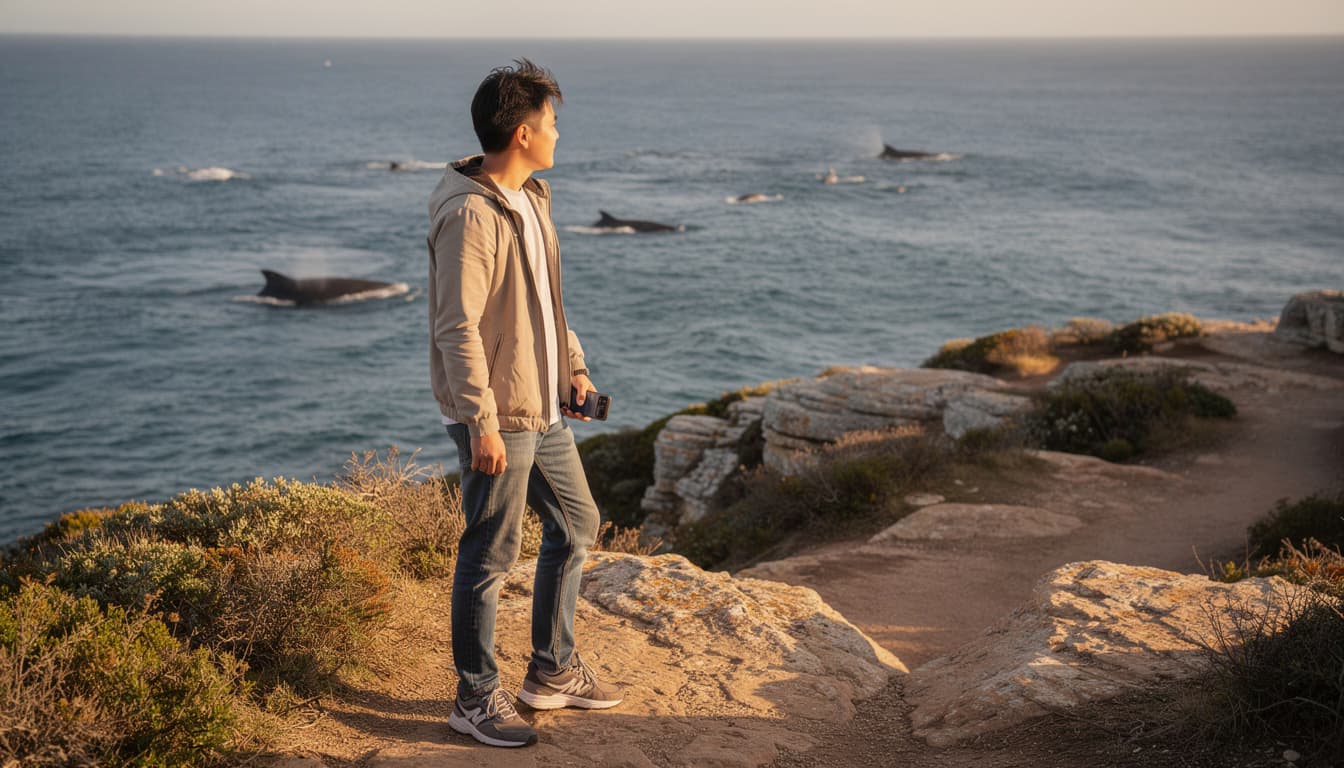
This is the region's most sought-after sight: every year, from July to November, humpback whales come to the beaches of Nuquí[3]. They come once a year to give birth and mate along these coasts[2].
To learn more about whale life and migration, Utría National Natural Park, near Playa Blanca, is a must-visit. You can also spot colorful reptiles and monkeys there[3]. The coast's other major whale-watching base is Bahía Solano[4].
Beaches, hot springs, and jungle: see it, experience it
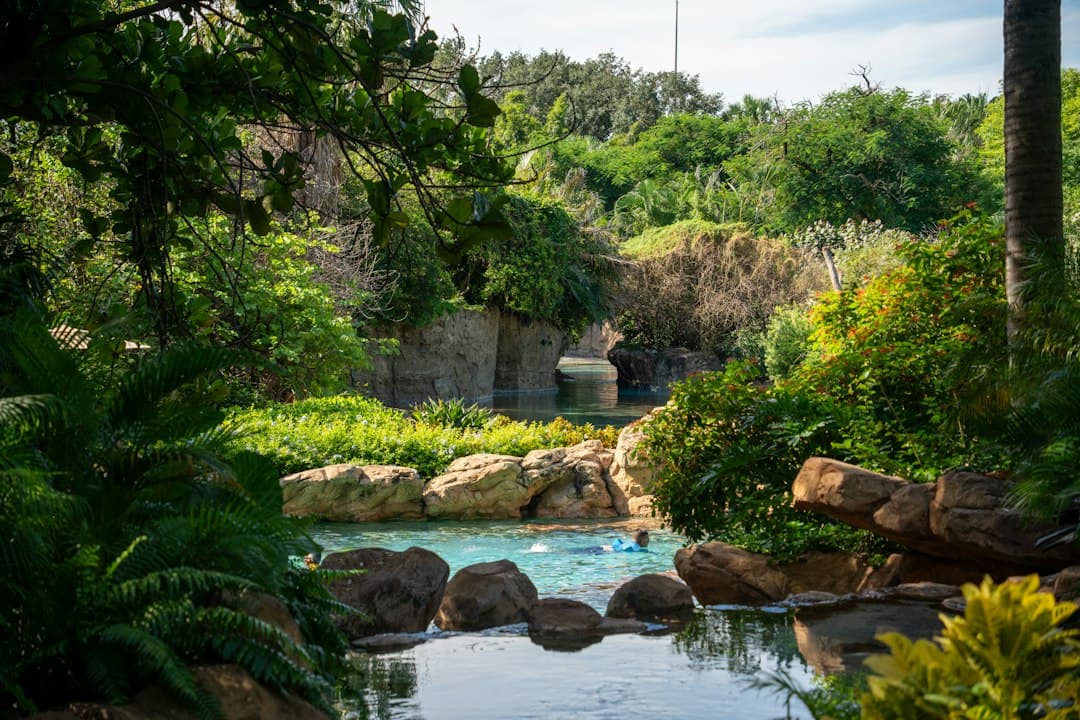
A walk along the beaches and through the villages of Guachalito, Coquí, Joví, Termales, and Morromico, especially at dawn or dusk, offers a rare moment of contemplation in one of Colombia's most spectacular landscapes[1].
On the water, there are many options:
- Snorkeling at Playa Blanca to see fish and coral[3].
- Soaking in warm sulfur waters, alternating with cold natural spring water flowing from the stream, near Nuquí[2].
- The Jurubirá hot springs, near Morromico Beach, about 35 minutes from Nuquí by boat, with a posada nearby[5].
- Eco-hikes through mangroves, jungle, and beaches, offered by Nuquí's lodgings[2].
Thrill seekers can also surf or dive, go artisanal fishing, or hike through the forest along the streams that flow from the jungle to the sea[3]. Surfing is reserved for experienced surfers: to reach the best waves, plan on 45 minutes by boat from Termales, with waves two to three meters high from May to December[2].
Chocó's Afro-Colombian culture, through the people you meet
Black communities settled in this part of the Colombian Pacific during the era of the rubber industry. Their descendants today work as fishers, artisans, or in tourism, three pillars of the region's economy[1].
They found Emberá Indigenous peoples already living there, then formed larger groups and consolidated the region's largest towns[1].
This culture is discovered at the table and in craftwork. Cooking, art, and recipes are passed down from generation to generation, including aromatic fish dishes built on local seasonings and the sea[1]. The Pacific coast's cuisine, strongly shaped by Afro-Colombian influence, uses a lot of fish and seafood with coconut, rice, and cilantro[4].
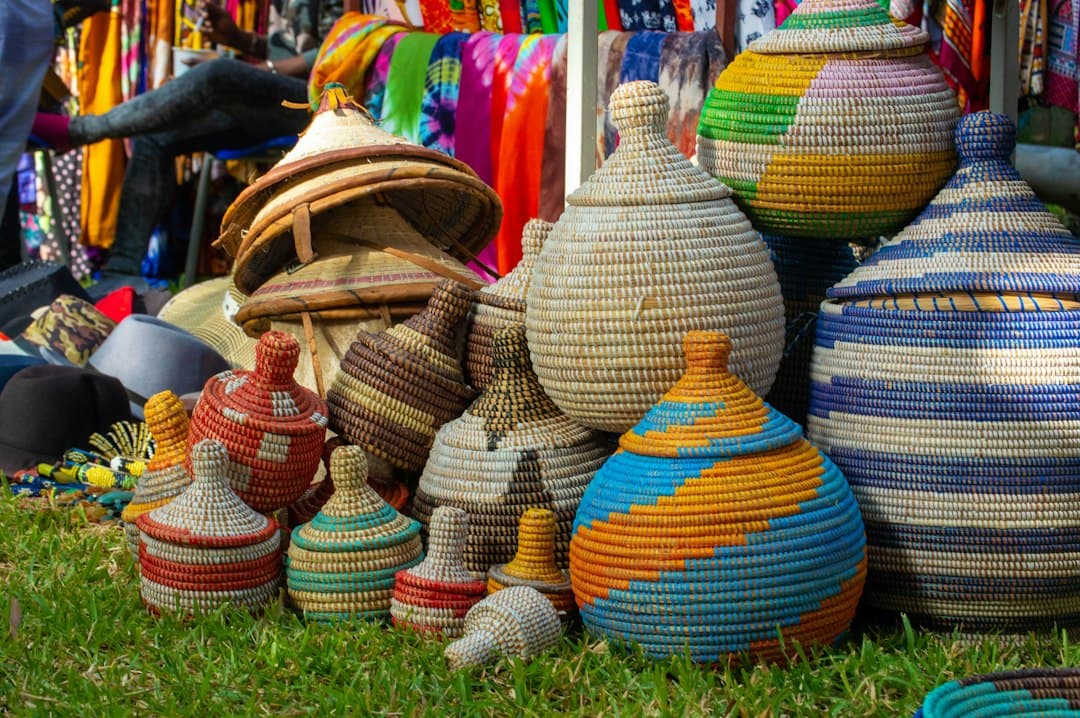
As for crafts, plates, bowls, baskets, and pots in werregue, woven by women of the Wounaan people, are one-of-a-kind pieces[1]. You'll also find objects made from tagua, the “vegetable ivory seed” from the region's palm trees: jewelry, buttons, and decorative objects[1].
Community-based tourism supports many local livelihoods: the posaderas, restaurants, artisans, cultural groups, guides, and transport providers all benefit from welcoming visitors[6]. Choosing these local providers is also a way to discover the region.
How to Get There
No road leads to Nuquí: rivers, dense vegetation, and marshy terrain caused by heavy rains make overland access impossible[2]. Two routes remain possible.
- By air: Reyes Murillo Airport receives charter flights from Medellín or Quibdó[2]. From Bogotá, you connect through Quibdó or Medellín, and each leg takes about half an hour on average[3].
- By sea: about two hours by speedboat from Bahía Solano, or eight hours from Buenaventura[2].
On site, the beaches are connected by boat or on foot, depending on distance, duration, and the tide[3].
When to Go
The humpback whale season runs from July to November[3]. For surfing, waves of two to three meters arrive from May to December[2]. Since travel depends on the tides[3], build some flexibility into your itinerary.
Things to Watch Out For
Nuquí and Bahía Solano have no road network and remain relatively isolated: travel advisories present them as accessible by air[7], and access by sea is possible from Bahía Solano or Buenaventura (see "How to Get There"). A few things to know before you go, based on travel advice from the French Ministry for Europe and Foreign Affairs:
- In Chocó, overland travel is particularly dangerous: landslides are frequent due to heavy rainfall[7].
- Outside the towns of Nuquí and Bahía Solano, which are accessible by air, the rest of Colombia's Pacific coast is an area of major trafficking routinely contested by various armed groups. It is therefore best not to extend your stay spontaneously to other areas[7].
- Mobile coverage, even 2G, generally does not reach sparsely populated regions: coverage may be limited to Nuquí, so check with your carrier before you leave[8].
- It is essential to have assistance or insurance coverage that includes all medical costs, including surgery and hospitalization, as well as medical repatriation. Without it, you may not have access to care, even in a life-threatening emergency[9].
- Colombia is facing a resurgence of measles, whooping cough, and yellow fever; being up to date on your vaccinations is strongly recommended[9]. Dengue and malaria are transmitted by mosquito bites, and prevention relies mainly on protecting yourself from those bites[9].
- For a stay in a remote area, work with reputable agencies[7].
The security situation is volatile: check your country's travel advisories before departure[7].
Before You Go, in Brief
- Aim for July to November if you want to see humpback whales[3].
- Book your flights from Medellín, Quibdó, or Bogotá, or plan a boat trip from Bahía Solano or Buenaventura[2].
- Get insurance that covers medical costs and medical repatriation[9].
- Check your vaccinations with your doctor and bring protection against mosquitoes[9].
- Build flexibility into your travel plans: boats and tides set the rhythm of your days[3].
This article gives you a first overview of Nuquí. For what comes next, from choosing accommodation to preparing your trip, you'll need to go further; and to place Nuquí among the other regions of the country, read "Colombia: The Essential Highlights, From the Caribbean to the Amazon."
To Go Further
- Colombia: The Essential Highlights, From the Caribbean to the Amazon
- Cali, the Salsa Capital: Dancing, Listening to the Pacific, and Wandering
- San Andrés and Providencia: Colombia's Caribbean Islands
- Leticia and the Colombian Amazon: Jungle, River, and Pink Dolphins
Sources
- 1.^ abcdefgcolombia.travel — Explore wild and peaceful Nuqui on the Pacific | Colombia Travel®: “Nuquí is a municipality in the department of Chocó, Colombia, on the shores of the Pacific Ocean, where dense, towering jungle meets the wild and unforgiving sea.” ; “A walk along the beaches and through villages such as Guachalito, Coquí, Joví, Termales, and Morromico, especially at dawn or dusk, offers a rare moment of contemplation in one of the most spectacular areas of Colombia.” ; “Several groups from Black communities first settled in this part of the Colombian Pacific because of the rubber industry. Today, their descendants work as fishers, artisans, or in tourism, the three pillars of the region's economy.” https://colombia.travel/en/encanto/explore-nuquis-wild-shores-and-meet-its-talented-artisans (accessed November 9, 2026)
- 2.^ abcdefghijkcolombia.travel — How to Get to Nuquí?, Colombia | Colombia Travel: “Located south of Bahía Solano and Utría Bay, in the Gulf of Tribugá, Nuquí is one of the municipalities that receives the most travelers throughout the year in Chocó.” ; “Together with neighboring villages such as Termales, Coquí, Arusí, and Guachalito, among others, Nuquí forms an area with many natural destinations to explore.” ; “The Pacific region is home to the richest wildlife jungle in the world, with vast preserved beaches where humpback whales come once a year to give birth and mate.” https://colombia.travel/en/choco/how-to-get-to-nuqui-hidden-destinations (accessed November 9, 2026)
- 3.^ abcdefghijkcolombia.travel — Nuquí, a treasure to discover | Colombia Travel: “It stands out for its rich natural flora and fauna, and offers an ideal setting to disconnect from urban life and unwind.” ; “Nuquí attracts lovers of breathtaking sights, with whale watching the most popular activity: every year, from July to November, humpback whales visit the beaches of Nuquí.” ; “Be sure to visit Utría Natural National Park, near Playa Blanca, to learn more about whale life and migration and to see colorful reptiles and monkeys.” https://colombia.travel/en/nuqui (accessed November 9, 2026)
Show 6 more sourcesShow less
- 4.^ abuncovercolombia.com — Nuquí, Whale Watching tours in the Pacific Coast Colombia | Uncover Colombia: “Located on Colombia's Pacific coast, Bahía Solano is the place to go to see humpback whales.” ; “With its strong Afro-Colombian influence, Pacific coast cuisine is very colorful and flavorful. A wide variety of seafood and fish is used, with ingredients like coconut, rice, and cilantro to create simple but delicious dishes.” https://uncovercolombia.com/explore-colombia/pacific-region/ (accessed November 9, 2026)
- 5.^colombia.travel — Nuquí: Jurubirá Hot Springs | Colombia Travel: “In the town of Nuquí, in the middle of the Chocó rainforest, travelers will find trails leading to the Jurubirá hot springs, near Morromico Beach. A tourist posada offers accommodation near the springs, about 35 minutes from Nuquí by boat.” https://colombia.travel/en/jurubira-hot-springs (accessed November 9, 2026)
- 6.^colombia.travel — Nuquí, its greatest treasure is the people | Tourism | Colombia Travel: “The businesses that benefit from the tourism we bring to Nuquí are the posaderas, restaurants, artisans, cultural groups, guides, and transporters.” https://colombia.travel/en/tourism-cares/nuqui-its-greatest-treasure-people (accessed November 9, 2026)
- 7.^ abcdediplomatie.gouv.fr — Colombia - Security | France Diplomatie: “These two localities are accessible only by air. With no road network, they remain relatively isolated.” ; “In the department of Chocó, travel by land is particularly dangerous because landslides are frequent due to heavy rainfall.” ; “The entire Pacific coast of Colombia (including the province of Chocó, Cauca, and Valle del Cauca), with the exception of the cities of Nuquí and Bahía Solano, which are accessible by air, is an area of significant trafficking whose territory is regularly contested by various armed groups.” https://www.diplomatie.gouv.fr/fr/information-par-pays/colombie/conseils-aux-voyageurs-securite? (accessed November 9, 2026)
- 8.^diplomatie.gouv.fr — Colombia - Business Travel | France Diplomatie: “However, networks (including 2G) generally do not cover sparsely populated regions.” https://www.diplomatie.gouv.fr/fr/information-par-pays/colombie/conseils-aux-voyageurs-voyages-d-affaires (accessed November 9, 2026)
- 9.^ abcdediplomatie.gouv.fr — Colombia - Health | France Diplomatie: “To cover hospitalization costs and health expenses, which can be very high abroad, it is essential to have an assistance contract or insurance covering all medical expenses (including surgery and hospitalization) and medical repatriation, or risk being denied access to care, including in life-threatening emergencies.” ; “Colombia is currently facing a resurgence of measles, whooping cough, and yellow fever outbreaks. It is therefore strongly recommended that you be up to date on all vaccinations, including those against measles, whooping cough, and yellow fever.” ; “Individual prevention relies mainly on protection against mosquito bites.” https://www.diplomatie.gouv.fr/fr/information-par-pays/colombie/conseils-aux-voyageurs-sante (accessed November 9, 2026)