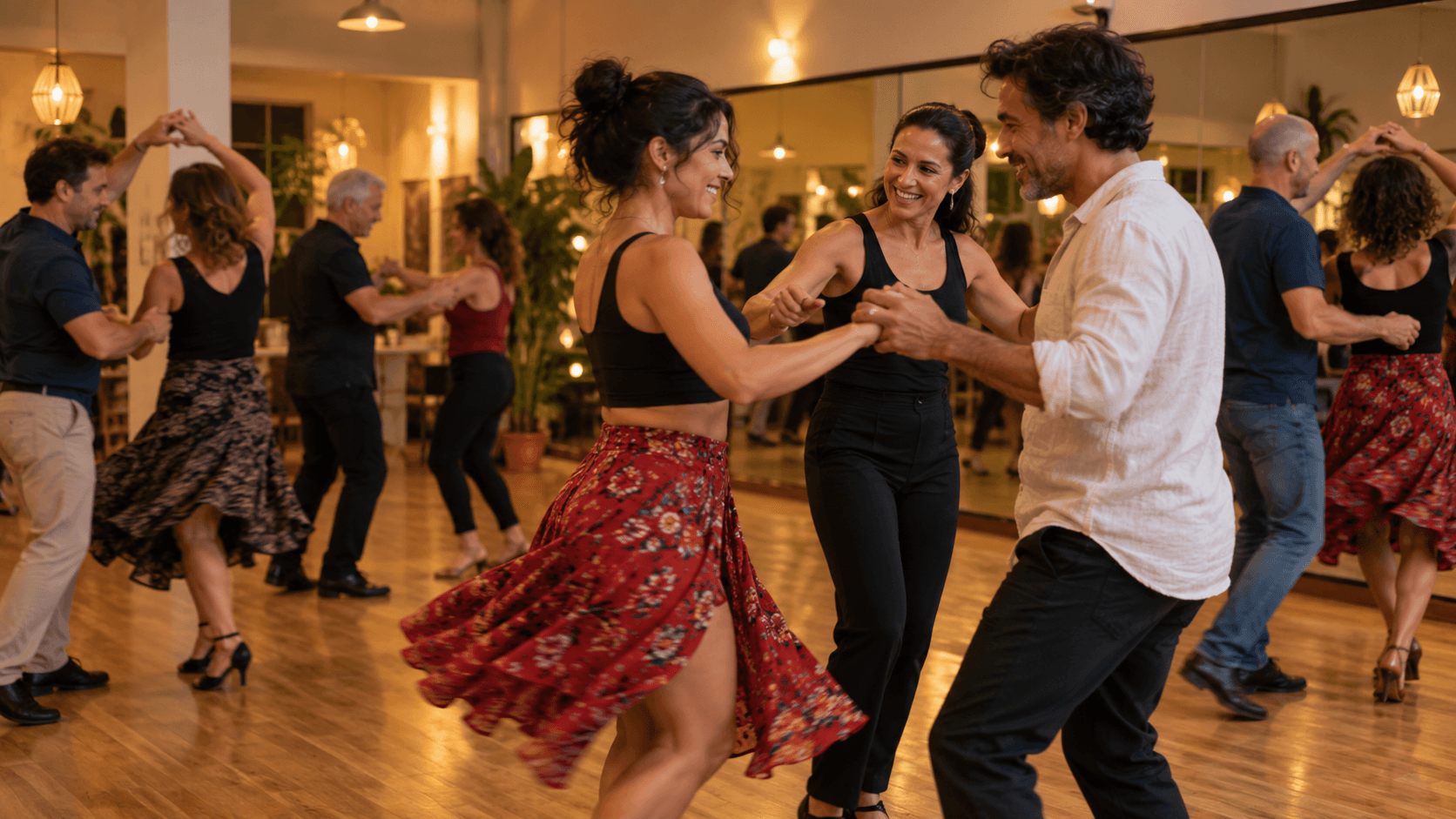
Cali calls itself the salsa capital of the world, and the city delivers on that promise. This article helps you plan a trip built around dance: how to learn and go out, which highlights to aim for, what to see downtown, what to eat, and how to get around without taking unnecessary risks.
Cali, the salsa capital of the world
Cali is nicknamed the "Rumba Capital" of Colombia and the salsa capital of the world[1]. Its rhythms, shaped by a rich ethnic heritage, range from the currulao of the Pacific coast to salsa, the city's star genre: a contagious, frenetic beat that is part of the country's culture[1].
You can hear salsa everywhere: in salsatecas, but also in taxis, in hundreds of dance schools, and even in laundromats[2]. Cali's style does not resemble the acrobatic, flashy Caribbean salsa: it focuses on the hips, moves less linearly, and uses few big arm movements[2]. Dancers also move their feet faster, since the tempo can be 50% quicker than in other styles[2].
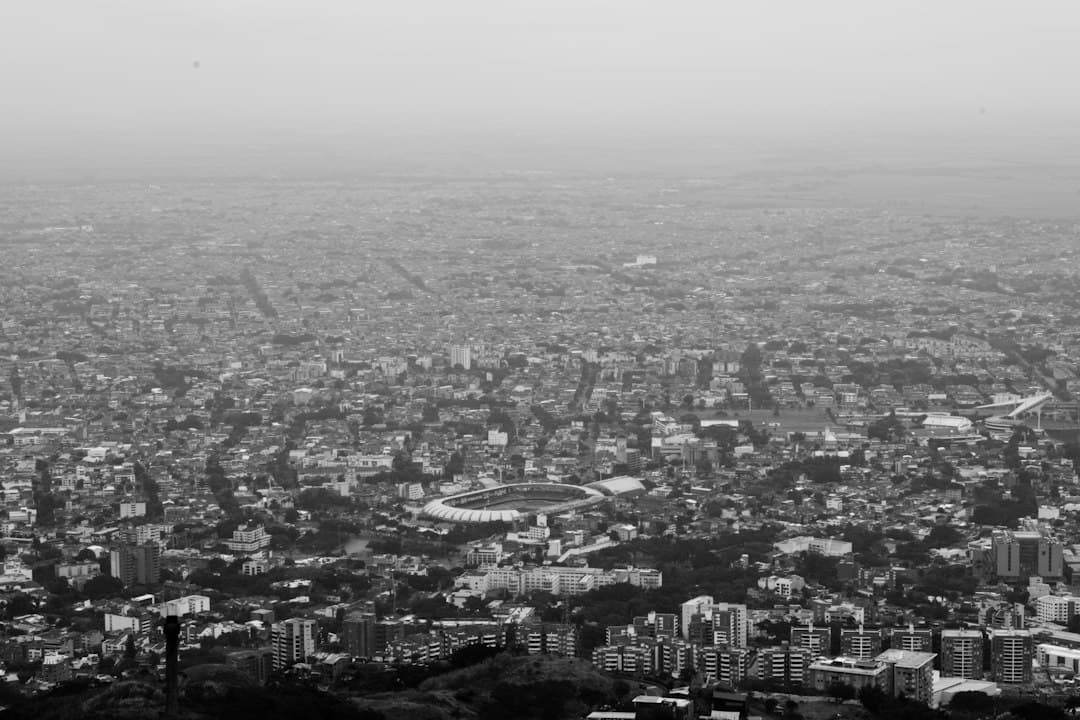
Cali is the third-largest city in the country after Bogotá and Medellín, with more than 2.2 million inhabitants[3]. It spreads across a warm valley between the Western Cordillera and the Cauca River, at roughly 1,000 meters above sea level, which gives it a warm climate all year round[3].
Learning and dancing: classes and clubs
If you want to learn salsa, Cali is an ideal destination: the style can seem difficult because of its speed and the coordination it demands, but many academies and dance schools make it possible to learn a few steps[1]. Even a two-hour beginner class is enough, according to one travel guide, to get on the dance floor without embarrassing yourself[4].
The same guide recommends a traditional dance school rather than the polished academies of the Granada neighborhood, where group classes are charged at around $40 to tourist groups. It names Son de Cali, Swing Latino, and Agencia Latina, many of which have trained world championship competitors, with classes at 30,000–50,000 COP (about $7 to $12) per person per hour[4]. These are indicative prices noted by a blogger, not fixed rates.
For nightlife, one of Cali's great experiences is partying, especially in Juanchito, where dance halls with a unique atmosphere make every fiber of your body vibrate[1]. Another venue mentioned is La Topa Tolondra, in the San Juan Bosco neighborhood: professionals and beginners mix there, older dancers don't shy away from younger ones, and, as in most places in Cali, the country's cultures come together on the same six-beat rhythm[2].
If you prefer to watch, shows such as Delirio are an alternative[5].
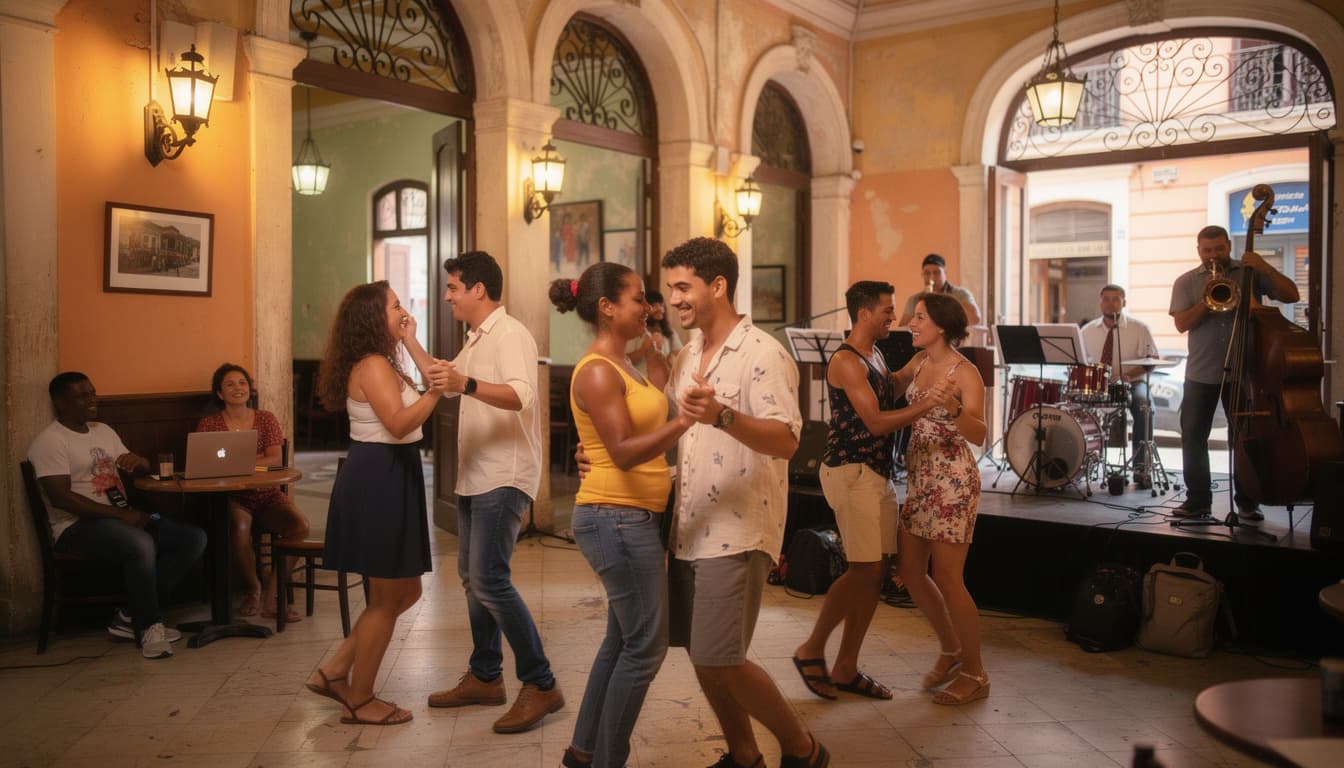
The Petronio Álvarez festival and Pacific music
Cali is the urban heart of the Colombian Pacific, a region with deep Afro-descendant roots that shows in its cuisine, music, and identity[3]. Among the city's major celebrations is the Petronio Álvarez Pacific Music Festival, held in August[1].
The dates change from one edition to the next: check those of the upcoming edition before planning your trip around the festival.
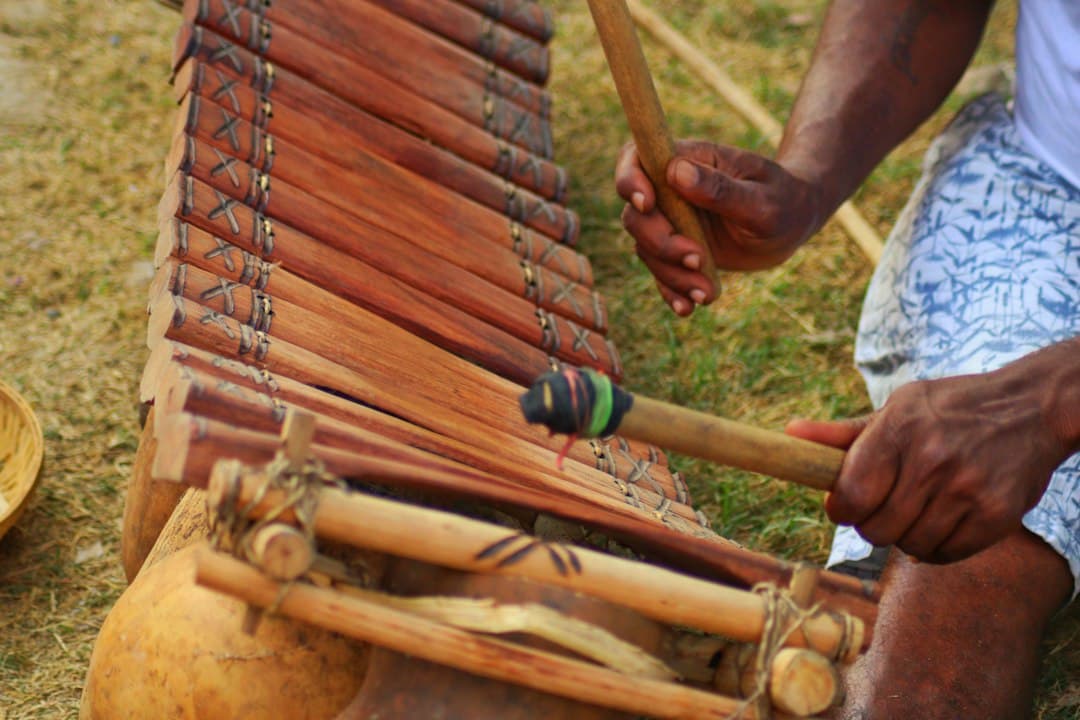
The highlights: Feria de Cali and the World Salsa Festival
- The Feria de Cali, from December 25 to 30, fills the streets with colorful parades, local and international concerts, circus shows, tango championships, and salsa parties that last until dawn[6].
- A Superconcert brings together major artists of the genre[1].
- The Festival Mundial de Salsa is also among the city's great celebrations[1].
If your trip is built around one of these events, it's best to align your dates with theirs[7].
San Antonio and the historic center
San Antonio, a 16th-century hillside neighborhood nicknamed the “old Cali,” brings together street musicians and former colonial buildings now home to cafés, restaurants, and antique dealers[6]. The steps of the 18th-century San Antonio church offer a lovely view of the downtown area below[6].
Downtown, Plaza de Caicedo is framed by the Edificio Otero and the San Pedro Cathedral[6]. You can admire the painted ceilings of the San Francisco church and the gilded altar of La Merced, the city's oldest church[6]. From Plaza de los Poetas, where the La Ermita church stands, a shaded promenade runs along the Cali River to El Gato del Río, a 3.5-ton cat sculpted by Hernando Tejada[6].
Among the museums, the most renowned are La Tertulia, the Museo del Oro Calima, and the La Merced Archaeological Museum[1]. The Museo del Oro Calima houses an archaeological collection of gold ornaments, wooden and stone objects, and ceramic figurines[8].
For a panoramic view, head up to Cristo Rey or Tres Cruces[3]. Tres Cruces can be seen from far away, especially at night when it is illuminated, and it is best to go early in the morning, since temperatures rise during the day[7].
At the table: the Cauca Valley and the Pacific coast on your plate
As you explore, savor traditional cooking that blends Spanish, Indigenous, and African influences: arroz atollado, empanadas vallunas, sancocho de gallina, aborrajado valluno, or tamales[1].
The valley's sugarcane gives us sweets like manjar blanco, cocadas, cholado, or champús, a corn drink with lulo, pineapple, cinnamon, and panela syrup[1]. Pandebono is also among the specialties to try[5]. The Granada neighborhood also has good seafood restaurants serving Pacific coast fare, three hours away by road[4].
Nature and Day Trips Around Cali
Cali sits between the Farallones National Park and the Cauca River, less than three hours from the Pacific, making it a destination for nature lovers[6]. On weekends, half the city drives out to Pance, a village of rivers at the foot of the Farallones de Cali Natural Reserve, 40 minutes to the south[4].
The Cali Zoo is considered one of the best in Latin America[3]. With three to five days, you can also add Lake Calima, San Cipriano, or, in season, whale watching on the Pacific[3]. For these outings, check the latest traveler advisories first and go with a local operator (see the safety box).
When to Go, How Long to Stay, and How to Plan
Cali's temperature varies little: the city stays warm all year thanks to its valley location[3]. To get there, Alfonso Bonilla Aragón International Airport, located in Palmira, receives flights from within Colombia and abroad[1]. It is 30 to 40 minutes from the city; locally, the MIO bus network covers the main routes, and rideshare apps are convenient for getting around[5].
With two days, you can cover the essentials: the historic center, San Antonio, a panoramic view from Cristo Rey or Tres Cruces, El Gato del Río, and a salsa night in Juanchito or the Obrero neighborhood[3]. With three to five days, add the zoo, a salsa class, and day trips[3].
If you hold a French passport, you can enter Colombia without a visa: the authorized length of stay is generally 90 days[9]. You need a passport in good condition, valid for the entire stay, and proof of exit from the country within those 90 days, such as a return ticket or a ticket to a third country[9]. The immigration officer may grant a shorter stay, such as 30 or 60 days[9]. Travelers of other nationalities should check their requirements with Colombian authorities.
Scams, Pitfalls, and Safety Tips
Colombia has seen a sharp rise in crime, especially in large urban centers, including Cali[10]. Here are the precautions recommended by the French government, especially useful for evenings out:
- Don't hail a taxi on the street: there is a risk of assault, theft, or express kidnapping, where fake drivers force passengers to withdraw money from several ATMs[10].
- Prefer taxis booked through an app, which are “traceable” (Uber, Cabify, Taxis Libres…)[10].
- Avoid city buses: their passengers are regularly assaulted[10].
- Be wary of scopolamine, whose attacks are sharply on the rise, often after an introduction through dating sites or apps, whose use in Colombia is not advised[10].
- Don't show any conspicuous signs of wealth, and keep your valuables in a secure place[10].
- In case of an armed assault, don't resist[10].
- Day trips outside Cali: before you go, check the latest travel advice and go through a local operator, as French authorities report armed groups in the southwestern quarter of the country, including Valle del Cauca and Cauca[10].
Key Things to Know Before You Book
- Check the dates of the Petronio Álvarez and the World Salsa Festival before you book.
- December is the peak season for the Feria de Cali, from December 25 to 30[6].
- Plan at least one salsa class at a traditional school[4].
- For late-night trips, order your taxis through an app[10].
This article covers the essentials for choosing Cali. For picking a school, a line-by-line budget, or deciding which neighborhood to stay in, you'll need to dig deeper.
Keep Exploring
- Colombia: The Essentials, from the Caribbean to the Amazon
- Popayán: The White City and Its Five Nights of Holy Week
- Cocora Valley and Salento: Giant Palms and Coffee Farms, in the Heart of Colombian Coffee Country
- Nuquí, Colombia's Pacific Coast: Whales, Jungle, and Wild Beaches
Sources
- 1.^ abcdefghijkcolombia.travel — Cali: salsa and culture | Colombia Travel: “Cali is known as the Rumba Capital of Colombia and the salsa capital of the world.” ; “Thanks to its ethnic richness, Cali’s musical rhythms range from the currulao of the Pacific coast to the city’s biggest star: salsa, a contagious and frenetic rhythm that is part of the country’s culture.” ; “If you want to learn to dance salsa, Cali is your ideal destination. It may seem difficult because of the speed and coordination of the movements, but Cali offers many opportunities to learn a few steps at academies and schools.” https://colombia.travel/en/cali (accessed November 9, 2026)
- 2.^ abcdcntraveler.com — A Weekend in Cali, Colombia's Salsa Capital | Condé Nast Traveler: “Everywhere in Santiago de Cali, Colombia’s third-largest city, you hear the steady six-beat clave, the pulse of salsa. It resounds in clubs, but also in taxis, the hundreds of salsa schools, and laundromats.” ; “Unlike the acrobatic, flashy style of Caribbean salsa, Cali’s emphasizes the hips, is less linear in its steps, and makes few big arm movements.” ; “Dancers also move their feet faster, since the tempo can be 50% quicker than in other styles.” https://www.cntraveler.com/story/a-weekend-in-cali-colombias-salsa-capital (accessed November 9, 2026)
- 3.^ abcdefghiviajacongus.com — Things to Do in Cali, Colombia: Sights & How to Get There: “Santiago de Cali is the capital of Valle del Cauca, in southwestern Colombia, and the country’s third city after Bogotá and Medellín, with more than 2.2 million inhabitants.” ; “It sits in a warm valley between the Western Cordillera and the Cauca River, at about 1,000 meters above sea level, which gives it a hot climate all year round.” ; “It is the urban heart of Colombia’s Pacific, a region with deep Afro-descendant roots that show in its cuisine, music, and identity.” https://viajacongus.com/en/colombia/cali/ (accessed November 9, 2026)
Show 7 more sourcesShow less
- 4.^ abcdecolombiamove.com — Things to Do in Cali, Colombia: Honest Visitor Guide: “That said, even a two-hour beginner class is enough to get on the floor without embarrassing yourself completely.” ; “The best entry point is a class at one of the city’s traditional dance schools, not the polished academies in Granada that charge $40 for a group session with other tourists.” ; “Look for schools like Son de Cali, Swing Latino, or Agencia Latina: many have trained world championship competitors, and classes cost 30,000 to 50,000 COP (about $7 to $12) per person for an hour.” https://colombiamove.com/blog/things-to-do-cali-colombia/ (accessed November 9, 2026)
- 5.^ abctraveling-to.com — Cali Guide: Salsa, San Antonio, Cristo Rey & Safety Tips: “Salsa is everywhere in Cali: take a class at one of the many schools, catch a show like Delirio, or join locals in the clubs of Juanchito and downtown.” ; “Try the sancocho de gallina (chicken stew), empanadas vallunas, pandebono, champús (corn and fruit drink), and lulada.” ; “Alfonso Bonilla Aragón International Airport (CLO) is in Palmira, about 30 to 40 minutes from the city. The MIO bus system covers the main routes; ride-hailing apps are convenient.” https://traveling-to.com/colombia/cali/ (accessed November 9, 2026)
- 6.^ abcdefghthecitypaperbogota.com — Step into Cali with our insider's guide | The City Paper Bogotá: “Be in the city from December 25 to 30, when Cali celebrates the 60th anniversary of the Feria de Cali, a festival that sweeps through the streets with colorful cultural parades, local and international music concerts, circus performances, tango championships and salsa parties that go on until dawn.”; “Explore the 16th-century hillside neighborhood of San Antonio, old Cali, where street musicians entertain passersby and old colonial buildings house trendy cafés, restaurants and antique dealers.”; “The steps of the 18th-century San Antonio church offer lovely views over the city center below.” https://thecitypaperbogota.com/travel/cali-step-into-the-future-with-our-insiders-guide/ (accessed November 9, 2026)
- 7.^ abpelecanus.com.co — Cali Colombia Travel Guide (2026): “If your visit centers on specific events like the Feria de Cali, the Mundial de Salsa Festival or the Colombia Bird Fair, it is best to plan your trip around their dates.”; “The Tres Cruces are easy to see, especially at night when they are illuminated. It is advisable to visit this landmark early in the morning, as Cali's temperatures can rise noticeably during the day.” https://pelecanus.com.co/en/cali-travel-guide/ (accessed November 9, 2026)
- 8.^colombia.co — Visit Cali: Salsa Capital of Colombia | Colombia Country Brand: “The route begins at the Calima Gold Museum, which houses a magnificent archaeological collection of gold ornaments, wooden and stone objects and ceramic figurines made by the early inhabitants and indigenous tribes of the Colombian Pacific region and the Cauca River valley, which gives its name to the department of Valle del Cauca.” https://colombia.co/en/colombia-travel/visit-cali-basic-guide-salsa-capital (accessed November 9, 2026)
- 9.^ abcco.diplomatie.gouv.fr — Conditions d’entrée et de séjour en Colombie | La France en Colombie: “The authorized length of stay without a visa is generally 90 days.”; “Provide proof of exit from the country within 90 days (mandatory presentation of a return ticket to France or a ticket to a third country).”; “However, the immigration officer at the border entry point may grant a shorter stay (30 or 60 days, for example).” https://co.diplomatie.gouv.fr/fr/vivre-venir/conditions-dentree-et-de-sejour-en-colombie (accessed November 9, 2026)
- 10.^ abcdefghidiplomatie.gouv.fr — Colombie - Sécurité | France Diplomatie: “Colombia faces a sharp rise in crime, particularly in major urban centers such as Bogota, Cali, Medellin, Bucaramanga, Santa Marta, Barranquilla and Cartagena.”; “It is also advised not to hail taxis on the street due to the risk of assault, theft or kidnapping, especially express kidnapping, in which attackers (including a fake taxi driver) force passengers to withdraw money from several ATMs.”; “Prefer taxis ordered through apps and therefore traceable (Uber, Cabify, Taxis Libres, etc.).”; “Public transport in cities is not safe, as bus passengers are regularly subject to assault.”; “[…] throughout the southwestern quarter of the country (departments of Caquetá, Putumayo, Cauca, Nariño, Tolima, Huila, Quindío, Valle del Cauca, Chocó).” https://www.diplomatie.gouv.fr/fr/information-par-pays/colombie/conseils-aux-voyageurs-securite (accessed November 9, 2026)