One hour from Bogotá, a cathedral has been carved into a salt mine, 180 meters underground. This article shows you what the visit is like, how to get there by train, bus, or car, and how to extend your day in the colonial center of Zipaquirá. You'll also learn what to bring and what to check at the entrance.
A Temple Carved Into a Mountain of Salt
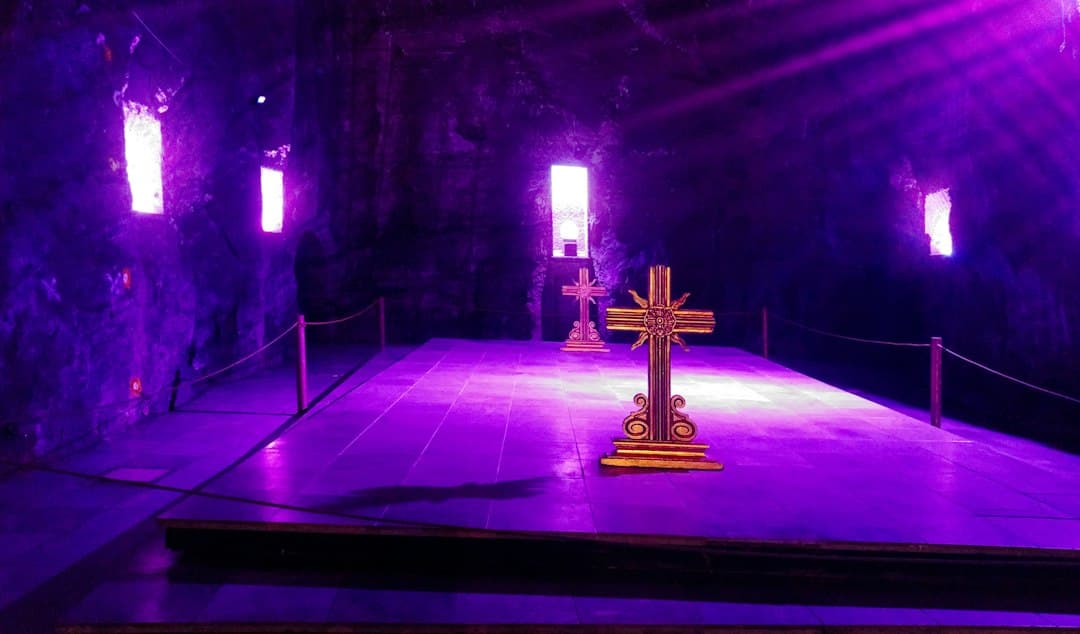
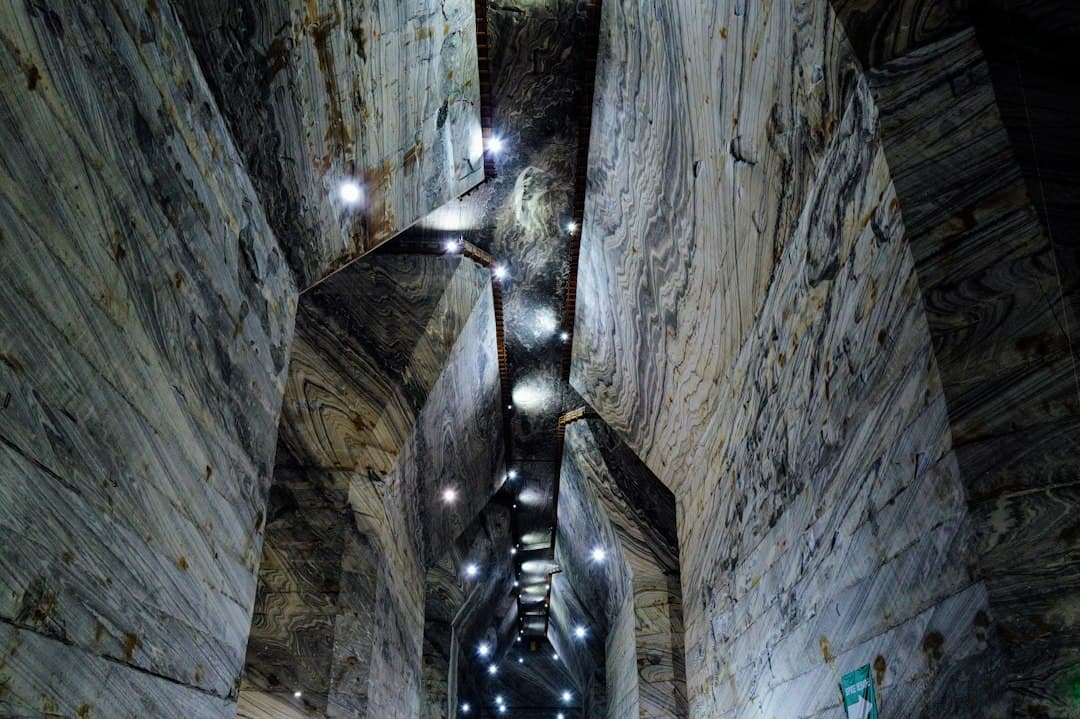
The cathedral is located in Zipaquirá, in the department of Cundinamarca. It is nestled in the Zipa hill, at an altitude of 2,652 meters, where the average temperature is 14 °C[1]. This underground temple, built within the galleries of a salt mine, sits 180 meters below ground and is known as the “first wonder of Colombia”[1].
This is actually the site's second cathedral. The first was built by miners in 1951; because it posed safety concerns, a larger cathedral was built and opened in 1995[2].
The site attracts more than 705,000 visitors a year and is considered one of the most impressive places of worship on the planet[3].
What to See and Experience Underground
From the entrance, the mineral smell and the darkness make an impression. Then a play of light reveals the carved rock and the tunnels[1]. Inside the mine, you walk the Stations of the Cross, one by one, under colored lights[1].
The visit is done in a group with a guide: the tours are mandatory, but you can step away from the group[2].
The park offers other attractions:
- the miner experience: in several shafts, you crush salt rock, extract salt, and take it home[4];
- a climbing wall[2];
- a museum and a 3D film for children, which you can skip[2].
From Bogotá: Choosing Your Transport
The trip takes about an hour from Bogotá[3]. You have three options.
The Sabana Tourist Train
This is the most scenic option: a route through some of the most beautiful landscapes of the Bogotá savanna[3]. It departs from Usaquén station or the Gran Estación shopping center[3]. According to the official website, departures are at 8:45 am from Gran Estación (west side of the shopping center) and at 9:15 am from Usaquén; check the day's schedule before you leave[5]. The train returns to Bogotá late in the afternoon[2].
The Bus
Direct buses to Zipaquirá leave from the Salitre terminal or the Portal Norte TransMilenio station, and the trip takes between 60 and 90 minutes[1]. A tip: ask the driver to drop you off at the corner of Avenida 15 and Calle 4. This way you'll pass through part of the historic center[3].
The Car
Take the Autopista del Norte, pass the Los Andes toll, and continue on the Chía–Zipaquirá road[5]. Once in Zipaquirá, follow Calle 1 to Villaveces Park, where the cathedral entrance is located[5].
If you arrive by bus or train, plan on a taxi or about a 15-minute walk between the bus station and the cathedral[5].
Zipaquirá, the Town of Salt
After the mine, take time to explore the town. The main square is the heart of the action: locals gather there, chat, get their shoes shined, or snack on an oblea, a wafer filled with caramel[2].
The cathedral on the square was designed by Fray Domingo de Petrés. Construction began in 1805 and was completed 111 years later, in 1916[2].
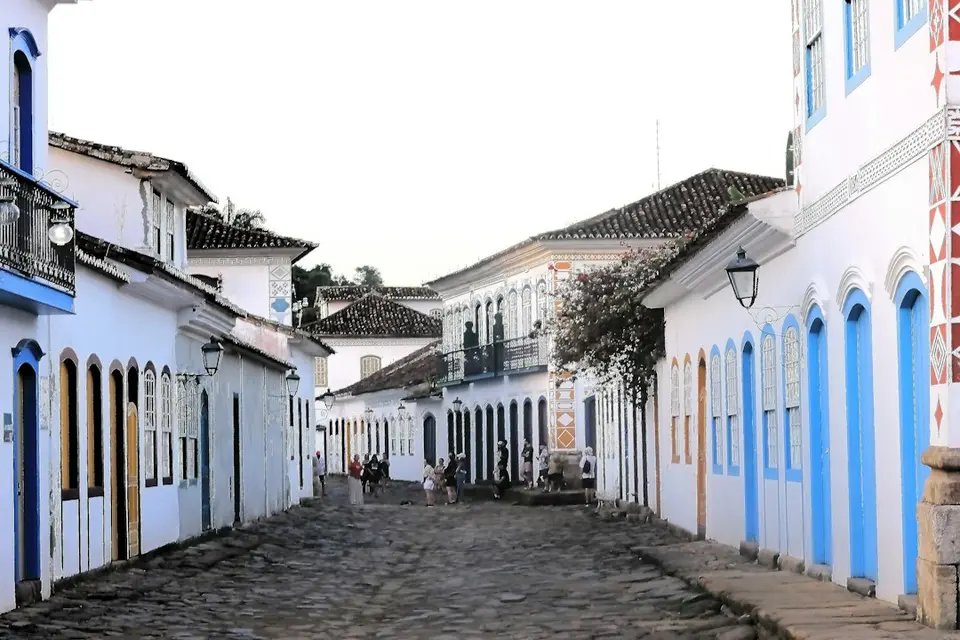
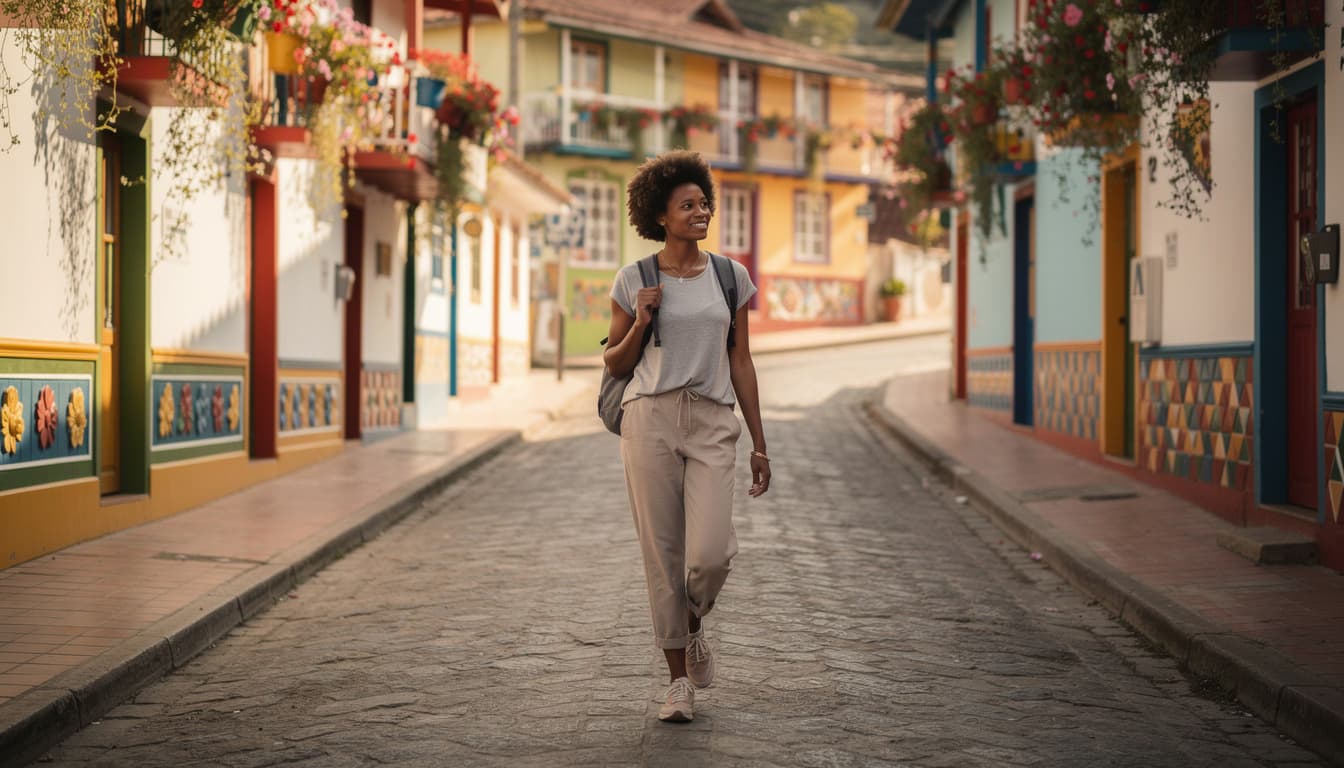
The center is best explored on foot: well-preserved colonial architecture, plazas, and cobbled streets that invite a slow stroll[1]. Don't miss the Plaza de los Comuneros, where major independence movements in Colombia were launched[1]. To end the day, several restaurants serve traditional Colombian cuisine[1].
How Much Time to Plan
Plan for a full day: about an hour's drive each way[3]. By train, which gets back to Bogotá late in the afternoon, there's still plenty of time to visit the mines[2]. Trains leave early in the morning, so set an early alarm if you choose them[5].
Tips for Your Visit
- Bring a light jacket: the temperature inside the mine is constant and cool[1].
- Wear comfortable shoes: the route involves walking on uneven ground[1].
- Buy your tickets on the official site catedraldesal.gov.co[3] or at the ticket office[5].
- Combine the mine and a city visit to make the most of your day.
Pitfalls and Things to Watch For
- Show a photo ID at the cathedral entrance[5].
- Without a "Basic" or "Standard" pass, you'll need to buy one to access the miner experience attraction[5].
- Additional services are sold separately, directly at the ticket office[5].
- Refunds are limited: only for force majeure or under the park's return policy, and only if passes were bought directly at the cathedral, on its website, or at the ticket office[5].
Keep exploring
- Colombia: The Essentials, from the Caribbean to the Amazon
- Bogotá: What to See and Do in Colombia's High-Altitude Capital
- Villa de Leyva: The Colonial Village Bogotanos Escape To on Weekends
- Barichara, “the most beautiful village in Colombia”: Stone, the Royal Road, and Santander Cuisine
Sources
- 1.^ abcdefghijcolombia.travel — Salt Cathedral of Zipaquira in Cundinamarca: "Nestled in the Zipa hill, at 2,652 meters above sea level, with an average temperature of 14 °C." • "Built inside the tunnels of a salt mine, this majestic underground temple sits 180 meters below ground and is the largest rock salt reserve in the world." • "The Salt Cathedral of Zipaquirá, known as the first wonder of Colombia, is a symbol of the ingenuity and spirituality of the Colombian people." https://colombia.travel/en/bogota/salt-cathedral-zipaquira (accessed November 9, 2026)
- 2.^ abcdefghmoontravelguides.com — The Catedral de Sal in Zipaquirá, Colombia | Moon Travel Guides: "The original cathedral was built by miners in 1951, but for safety reasons at the site, a larger new cathedral was built and opened in 1995." • "Guided tours are mandatory, but you can step away from the group." • "Other attractions include a museum, a climbing wall, and a 3D film for kids, which you can skip." https://www.moontravelguides.com/travel/trip-ideas/catedral-de-sal-zipaquira-colombia/ (accessed November 9, 2026)
- 3.^ abcdefgcatedraldesal.gov.co — Getting to the Salt Cathedral of Zipaquirá from Bogotá is very easy! | Zipaquirá Salt Cathedral: "Located one hour from Bogotá, it welcomes more than 705,000 tourists each year who experience unique activities 180 meters underground: the miner experience, a climbing wall, architectural richness, art and culture, in a place considered the second most impressive place of worship on the planet." • "Train de la Sabana: a route through some of the most beautiful landscapes of the Bogotá savanna. You can buy this service at the Gran Estación shopping center or at the Usaquén station." • "Public transport: the best option is to head to TransMilenio's Portal Norte or the bus terminal; buses to Zipaquirá leave from both places (for convenience, ask the driver to drop you off at Avenida 15 with Calle 4, which lets you see part of Zipaquirá's historic center)." https://www.catedraldesal.gov.co/noticias/llegar-a-la-catedral-de-sal-de-zipaquira-desde-bogota-es-muy-facil/ (accessed November 9, 2026)
Show 2 more sourcesShow less
- 4.^catedraldesal.gov.co — Rates | Zipaquirá Salt Cathedral: "Come experience working as a miner, through several of our shafts, where you can crush salt rock, extract salt, and take it home." https://www.catedraldesal.gov.co/fr/tarifas/?attribute_pa_tarifas=restriccion-edad-nacional (accessed November 9, 2026)
- 5.^ abcdefghijcatedraldesal.gov.co — Rates | Zipaquirá Salt Cathedral: "West side of the Gran Estación shopping center, Kr 66 with Cll 25, railway platform: departure at 8:45 am. Usaquén station, Av Kr 9 # 110 – 08, across from the Santa Ana shopping center: arrival at 9:05 am, departure at 9:15 am." • "Take the Northern highway, pass the Andes toll booth, and continue on the Chía – Zipaquirá road." • "Once in Zipaquirá, take Calle 1 to Villaveces Park, where the salt cathedral entrance is located." https://www.catedraldesal.gov.co/en/tarifas/ (accessed November 9, 2026)