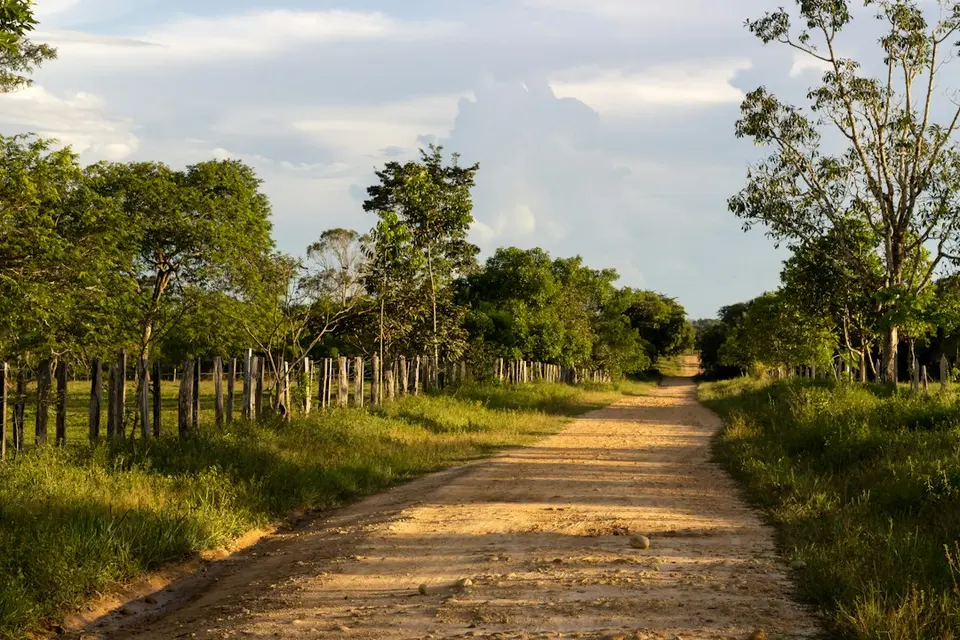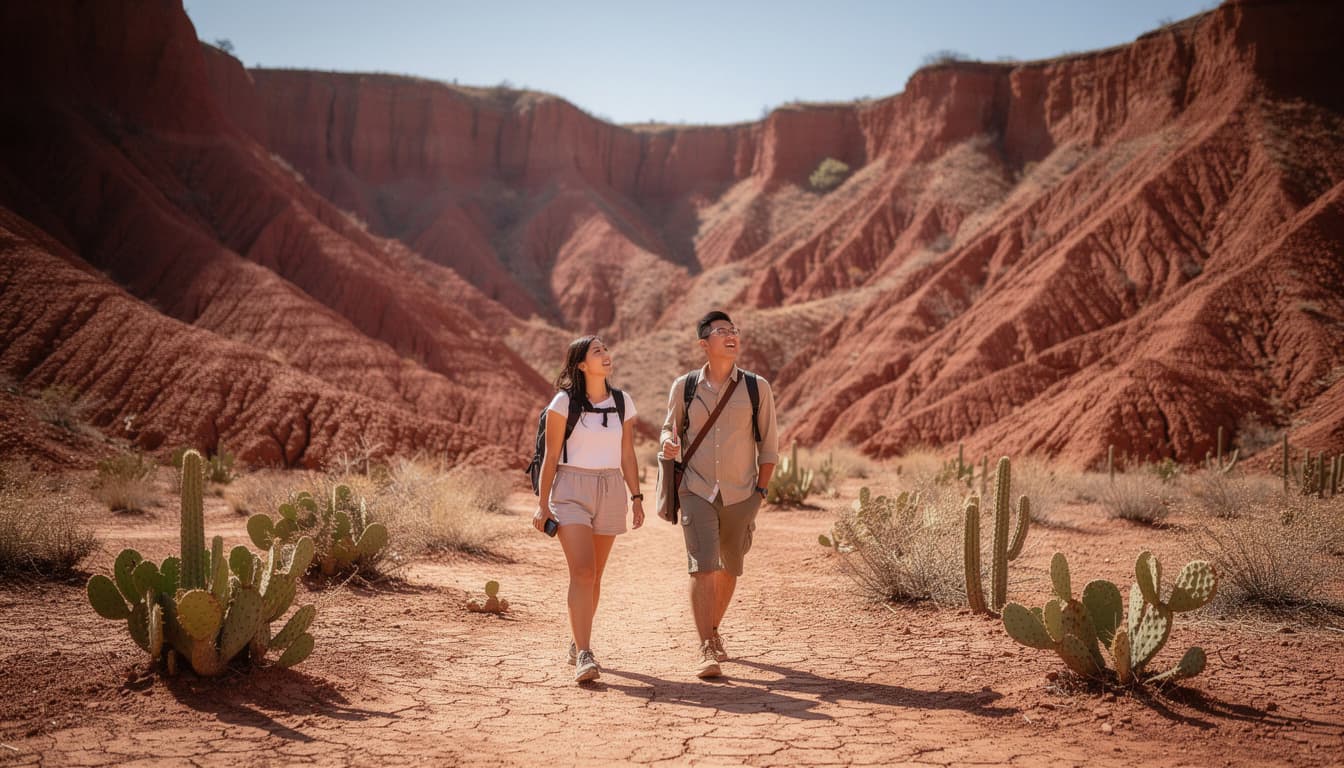
In Huila, in southwestern Colombia, Tatacoa blends red and gray clay canyons, cacti, and a very clear night sky. This article helps you choose when to visit each sector, get to the desert from Neiva and then Villavieja, plan how long to stay and the small costs on site, and organize an evening of stargazing.
A Desert That Isn't One
Tatacoa is called a desert, but it is in fact a dry tropical forest[1]. It is one of the most arid and most threatened ecosystems in Colombia, with cacti, thorny shrubs, and eroded earth formations[2]. It spans more than 330 km² around the town of Villavieja, in the department of Huila[3].
The landscape comes from erosion: dry canyons, which form during the rainy season, carve through the clay and shape a maze of gullies up to 20 meters deep[1]. As the desert dried out, very few plant and animal species were able to adapt to the low humidity and high temperatures, with the exception of the cacti, which can reach five meters in height[1].
The desert is divided into two zones with very distinct colors: ochre in the El Cuzco sector, gray in the Los Hoyos sector[1]. These two atmospheres are also the two main highlights of the site.
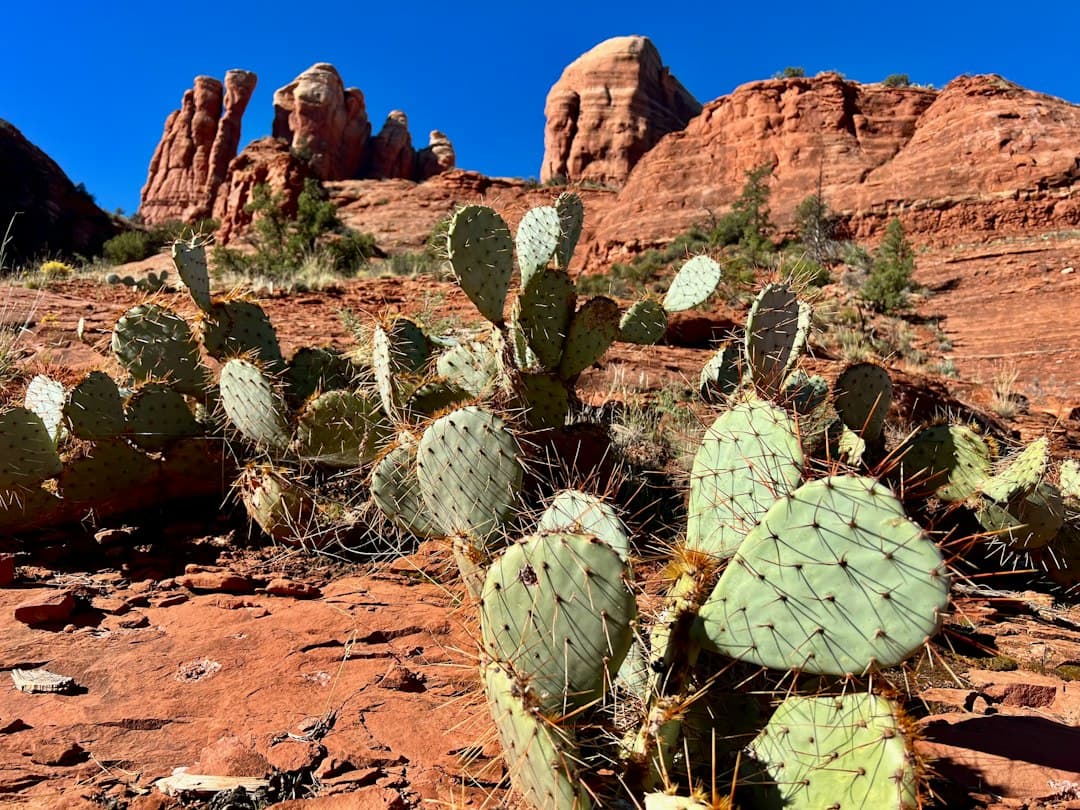
El Cuzco, the Red Labyrinth
El Cuzco is the most famous and most spectacular sector of Tatacoa: a labyrinth of eroded clay formations in rust, terracotta, ochre, and crimson tones[4]. The advice for this sector is to go at sunrise: the morning light on the red clay is described as the most photogenic moment in Tatacoa[4].
The El Cuzco labyrinth can be visited freely, with no entrance fee[5].
Los Hoyos, the Gray Desert and Its Natural Pool
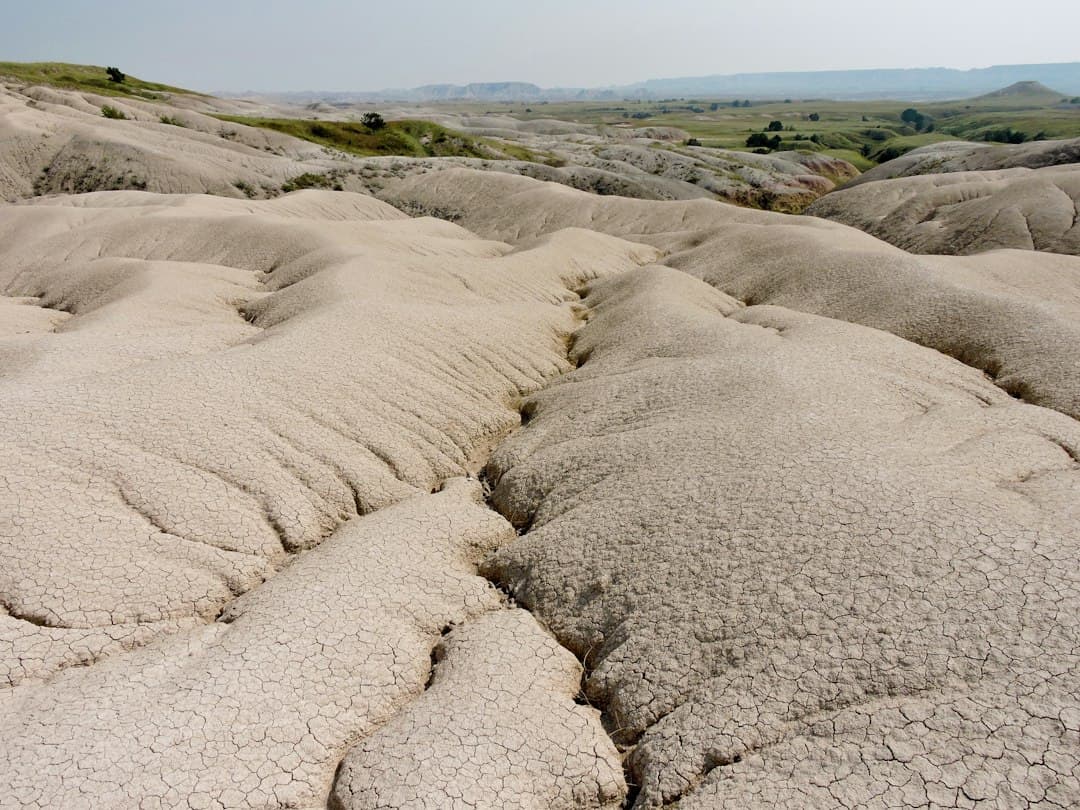
Los Hoyos, the "gray desert," offers a completely different setting: the gray clay has eroded into smooth, rounded shapes that evoke melted wax or a lunar landscape[4]. Where El Cuzco is hot and flamboyant, Los Hoyos is cooler and stranger[4].
The gray desert trails charge an entrance fee of COP 3,000[5]. This sector also has a natural pool, which can be combined with your visit[2]. The best time to visit Los Hoyos is early in the morning or at dusk, when low-angle light brings out the shapes; the pool is better suited to the hot hours[2].
A Certified Starry Sky
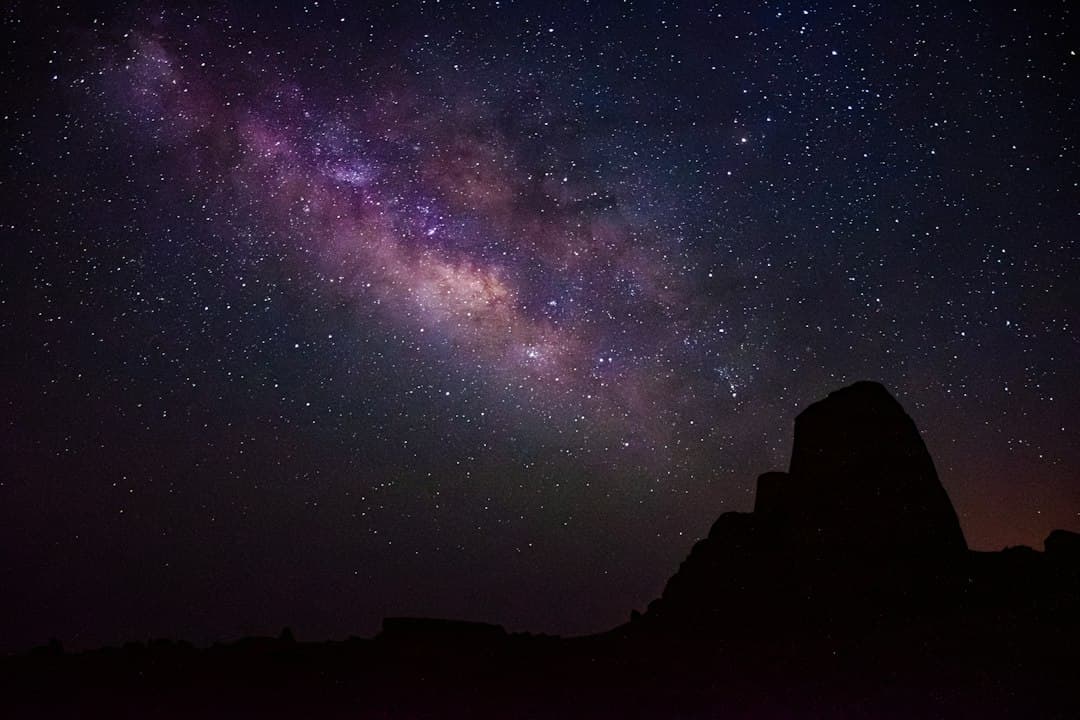
Tatacoa is listed among the Starlight tourist destinations of the Fundación Starlight, created by the Instituto de Astrofísica de Canarias, with the mention "Septiembre 2019"[6]. The region has no light pollution and offers ideal atmospheric conditions for stargazing[1]. Spending a night in the desert, with the Milky Way visible to the naked eye and the silence of the arid landscape, is described as an unforgettable experience[2].
For guided stargazing, the desert observatory offers sessions that start as soon as night falls, with a modern telescope[5]. According to the source, entry cost COP 10,000 per person[5].
The result depends on the sky: one visitor recounts that, despite clouds and a full moon that blocked the view of the stars, the session remained interesting thanks to the astronomer's explanations[7]. Travelers advise choosing a clear night with a dim moon[7].
Villavieja, the Gateway
Villavieja is the small town that serves as the gateway to the desert[4]. It's worth a stop: it has a small paleontology museum with fossils found in the Tatacoa formations, and a lovely colonial square[4]. Villavieja is known as the paleontological capital of Colombia[1]. Fossils of mollusks, rodents, armadillos, and giant sloths have been discovered there[1].
How to get there
The trip happens in three legs: first Neiva, then Villavieja, then the desert[8]. Neiva is the capital of Huila[4]. From Bogotá, buses to Neiva take 5 to 6 hours[4].
- From Neiva to Villavieja: buses and colectivos leave from the Neiva terminal[4]. The trip takes about one hour and costs COP 8,000 to 10,000[4].
- From Villavieja to the desert: from the main square, a tuk-tuk cost COP 25,000 for up to 4 people, and a mototaxi COP 15,000 (October 2024)[5].
- Times to watch: the last transport departing Neiva leaves at 6 pm, and the last one leaving Villavieja for Neiva at 5 pm[5].
The desert campsites are usually located right next to the red desert or the gray desert, about 13 km apart from each other; between the two, you can easily find a mototaxi on the road[5].

How much time to plan and when to leave
Plan for two nights if you can[8]: that gives you time to see both areas, enjoy the pool, and book a stargazing evening, with a second chance if the sky is cloudy.
The average temperature is 28 °C, but it can reach 40 °C on sunny days[1]. So visit early in the morning or late in the day[2]. Bring water, sunscreen, and closed-toe shoes[2]. On site, water cost COP 1,000 and a meal COP 20,000 (October 2024)[5].
For guided tour prices, one source indicates tours starting at COP 50,000, with a guide who takes you to the main sites in 3 to 4 hours, and notes that you should always negotiate[5].
Things to watch out for
- Don't climb on the clay formations[5].
- A cloudy night or a full moon can spoil stargazing[7].
- Prices for tuk-tuks, guides, and activities are negotiated or confirmed on site[5].
Steps, in order
- Reach Neiva, then take a bus or colectivo to Villavieja before 6 pm.
- Plan for two nights and choose a stargazing evening, preferably without a full moon.
- Visit El Cuzco at sunrise.
- Save Los Hoyos and its pool for early morning, late afternoon, or the hottest hours.
- Bring water, sun protection, and closed-toe shoes, plus some cash for small expenses.
Keep exploring
- Colombia: The Essentials, from the Caribbean to the Amazon
- Popayán: The White City and Its Five Nights of Holy Week
- Caño Cristales: When to Go, How to Get There, and How to Visit
- Bogotá: What to See and Do in Colombia's High-Altitude Capital
Sources
- 1.^ abcdefghcolombia.travel — Things to do in Colombia’s Tatacoa Desert | Colombia Travel®: “In reality, this Colombian desert is not a desert at all, but a dry tropical forest.”; “The Tatacoa is crisscrossed by dry canyons that form during the rainy season. These canyons trace mysterious shapes on the desert’s clay surfaces and create a maze of ravines up to 20 meters deep.”; “When the desert dried out, very few plant and animal species were able to adapt to the low humidity and high temperatures, with the exception of cacti that can reach five meters in height.” https://colombia.travel/en/blog/tatacoa-desert-garden-turned-desert?__cf_chl_jschl_tk__=pmd_6d7638c566dae3de236f4a6bcf655836f5768009-1626859183-0-gqNtZGzNAg2jcnBszQeO (accessed November 9, 2026)
- 2.^ abcdefviajacongus.com — Things to Do in Tatacoa Desert: Sights & How to Get There: “Not in the strict sense: it is a dry tropical forest, one of Colombia’s most arid and threatened ecosystems, with cacti, thorny shrubs, and eroded earth formations in red tones (El Cuzco sector) and gray (Los Hoyos).”; “Access: in the Los Hoyos sector (gray zone), by tuk-tuk or mototaxi from Villavieja or Cuzco; it can be combined with the natural pool in the same sector.”; “Best time: early morning or dusk; the pool during the hottest hours.” https://viajacongus.com/en/colombia/desierto-tatacoa/ (accessed November 9, 2026)
- 3.^en.wikipedia.org — Tatacoa Desert - Wikipedia: “The Tatacoa covers 330 square kilometers around the town of Villavieja.” https://en.wikipedia.org/wiki/Tatacoa_Desert (accessed November 9, 2026)
Show 5 more sourcesShow less
- 4.^ abcdefghijdiscoveringcolombia.info — Tatacoa Desert Travel Guide 2026 | Discovering Colombia: “The El Cuzco sector is the most famous and most spectacular part of the Tatacoa.” ; “This is the red desert: a labyrinth of deeply eroded clay formations in shades of rust, terracotta, ochre and crimson.” ; “Visit the red desert (El Cuzco) at sunrise and the gray desert (Los Hoyos) at any time. The morning light on the red clay is the most photogenic moment in the Tatacoa.” https://discoveringcolombia.info/destinations/tatacoa-desert/ (accessed November 9, 2026)
- 5.^ abcdefghijken.wikivoyage.org — Villavieja – Travel guide at Wikivoyage: “The red El Cuzco labyrinth can be visited for free, while the gray desert trails require an entrance fee of 3,000 COP.” ; “Sessions start right after sunset and include observation with a modern telescope.” ; “10,000 COP per person.” https://en.wikivoyage.org/wiki/Villavieja (accessed November 9, 2026)
- 6.^cielo.travel — Tatacoa Desert Guide: The Fossils, the Sky and the Facts: “The Fundación Starlight, created by the Instituto de Astrofísica de Canarias, lists Desierto de la Tatacoa (Colombia) in its own register of certified Starlight tourist destinations. September 2019.” https://cielo.travel/tatacoa-desert/ (accessed November 9, 2026)
- 7.^ abcwanderlog.com — Observatorio Astronomico VyctoriaStars Tatacoa, - Reviews, Ratings, Tips and Why You Should Go – Wanderlog: “Despite a star view hampered by clouds and the full moon, the Observatorio Astronómico VYCTORIASTARS Tatacoa offered an interesting experience.” ; “Visit on a clear night, with a faintly lit moon, for better visibility.” https://wanderlog.com/place/details/1995582/observatorio-astronomico-vyctoriastars-tatacoa (accessed November 9, 2026)
- 8.^ abfrugalvoyage.com — Tatacoa Desert Colombia: $35-$68/Day + Dark-Sky Guide 2026: “First Neiva, then Villavieja, then the desert.” ; “Also plan two nights if you can.” https://frugalvoyage.com/tatacoa-desert-colombia/ (accessed November 9, 2026)