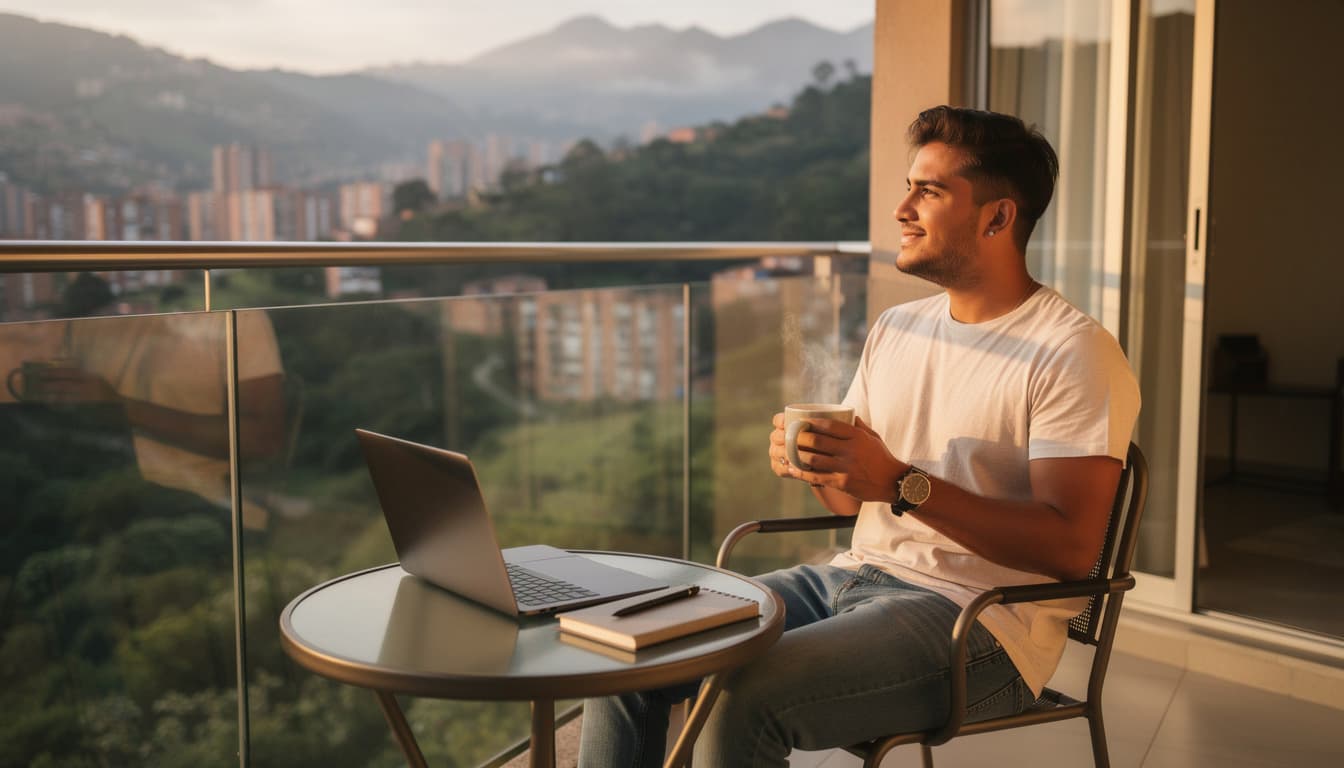
Manizales stretches along a ridge of the central Andes, north of the Eje Cafetero, and serves as a base for tasting coffee at the source and getting close to the volcano. This article helps you choose what to do there: fincas, Los Nevados park, thermal baths, the January Feria. You'll also learn how many nights to plan and which safety points to check before booking.
Manizales, a city on the ridges at the heart of the Eje Cafetero
Manizales, capital of the department of Caldas, spreads along a mountain ridge, with a tall-towered cathedral, the Chipre lookouts and the Recinto del Pensamiento[1]. Together with Pereira and Armenia, it forms the triangle of cities of the Eje Cafetero, and the old town unfolds around Plaza de Bolívar and the cathedral, the tallest church in Colombia at 106 meters[2].
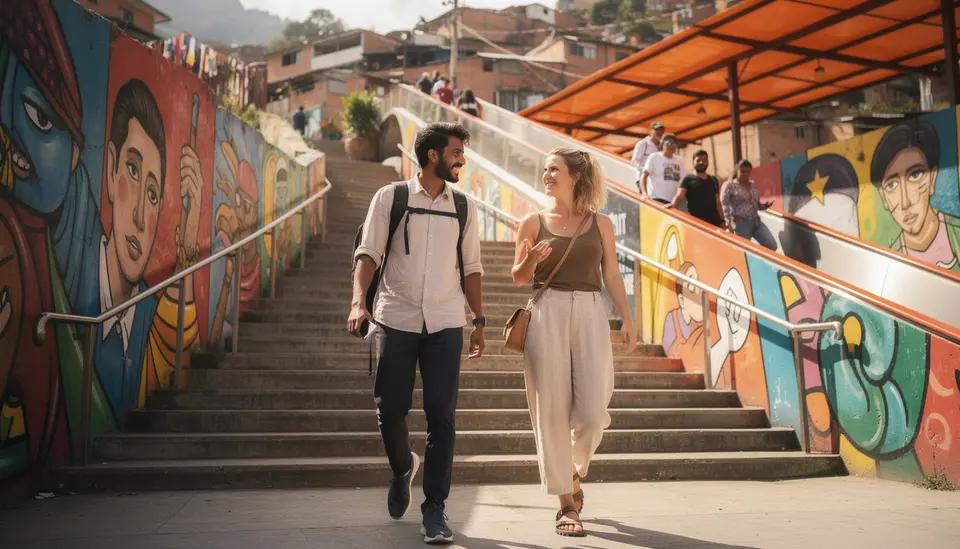
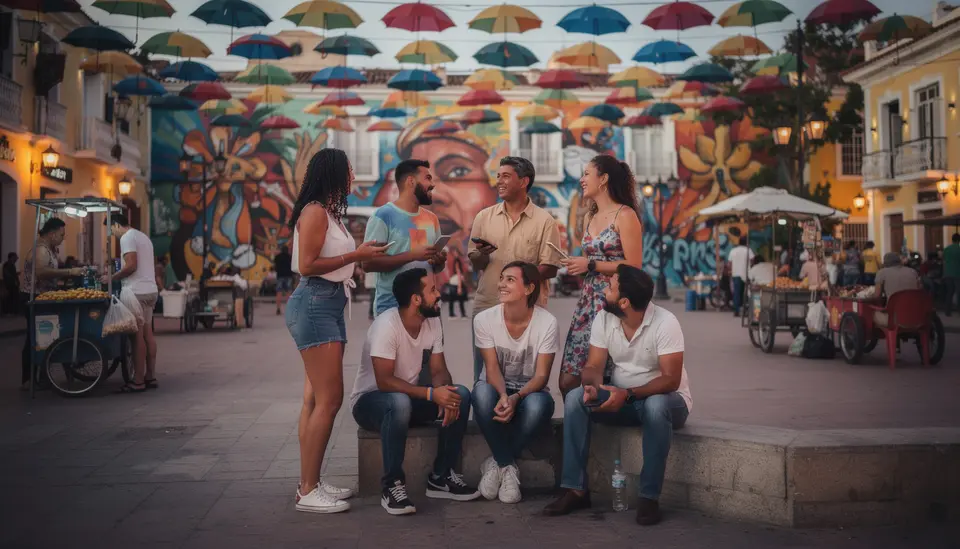
It is a university city with an intellectual and cultural character: cafés, bookshops and student bars line the streets near the universities[3]. Built on ridges at 2,160 meters above sea level, it is the coolest and cloudiest of the three cities, with an average of 17 °C[3]. The streets are very steep, which makes walking demanding; bring a jacket[3].
Mornings are often wrapped in fog, which lifts around noon and reveals the volcano[2]. On clear days, Nevado del Ruiz can be seen from the Palermo and Chipre neighborhoods, known for their views[3]. For atmosphere, the Cable neighborhood, near the University of Caldas, is described as the liveliest: the city's best cafés, restaurants and nightlife[2].
Coffee fincas and the Coffee Cultural Landscape
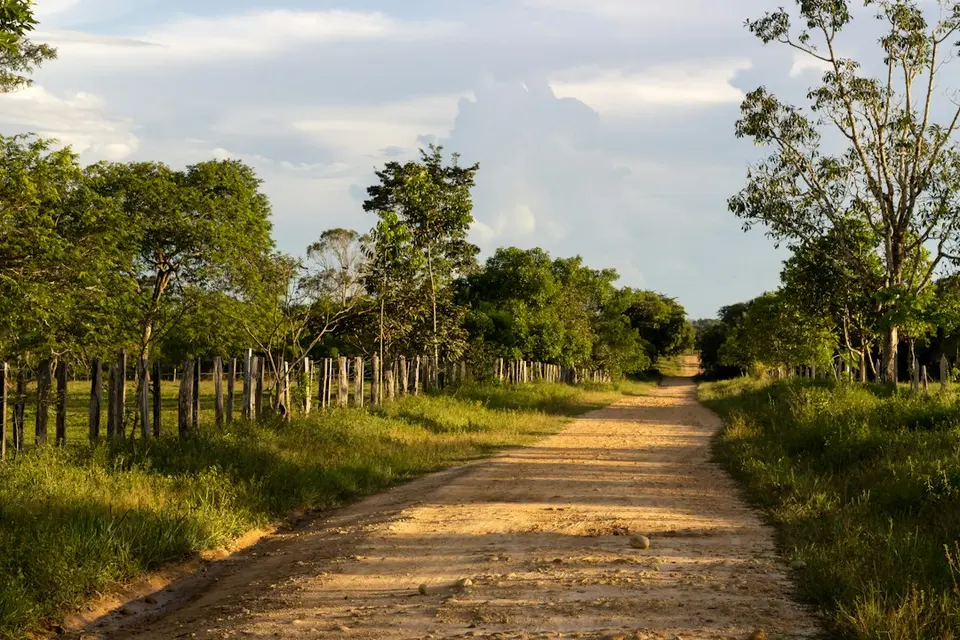
The Coffee Cultural Landscape of Colombia has been a UNESCO World Heritage Site since 2011 and covers the departments of Caldas, Quindío and Risaralda, as well as the north of Valle del Cauca[4]. It is recognizable by its mountain plantations and its architecture of rammed earth, bahareque and clay tile roofs[4].
The fincas around the cities welcome visitors to show the plantation, the harvest, the drying and the roasting, all the way to the cup[1]. For a stay of 2 to 3 nights, one guide recommends sleeping at a finca, in the heart of the plantations[5].
Nevado del Ruiz and Los Nevados National Park
Los Nevados was declared a national natural park in 1974 to protect its flora, fauna and ecosystems[6]. It safeguards 61,410 hectares spread across ten municipalities[6]. It has four ecotourism sectors, including Brisas-Kumanday[6].
This sector provides access to the Nevado del Ruiz area via the La Esperanza-Murillo road corridor: from Manizales, take the road toward Bogotá (via Letras), then the corridor to the entrance of the protected area[6]. For multi-day hikes, such as those to Laguna del Otún or across the park, permits and guides are mandatory; they can be arranged with operators in Manizales or Pereira[3].
Visiting the park means keeping one reality in mind: on November 13, 1985, Nevado del Ruiz awoke with a force that changed the country's history, and the town of Armero was buried under an avalanche of mud[6]. Living near an active volcano, the national parks website reminds us, means learning to coexist with the risk[6]; depending on the alert level, access to the volcano may be restricted, so check before you go.
Hot springs and nature baths
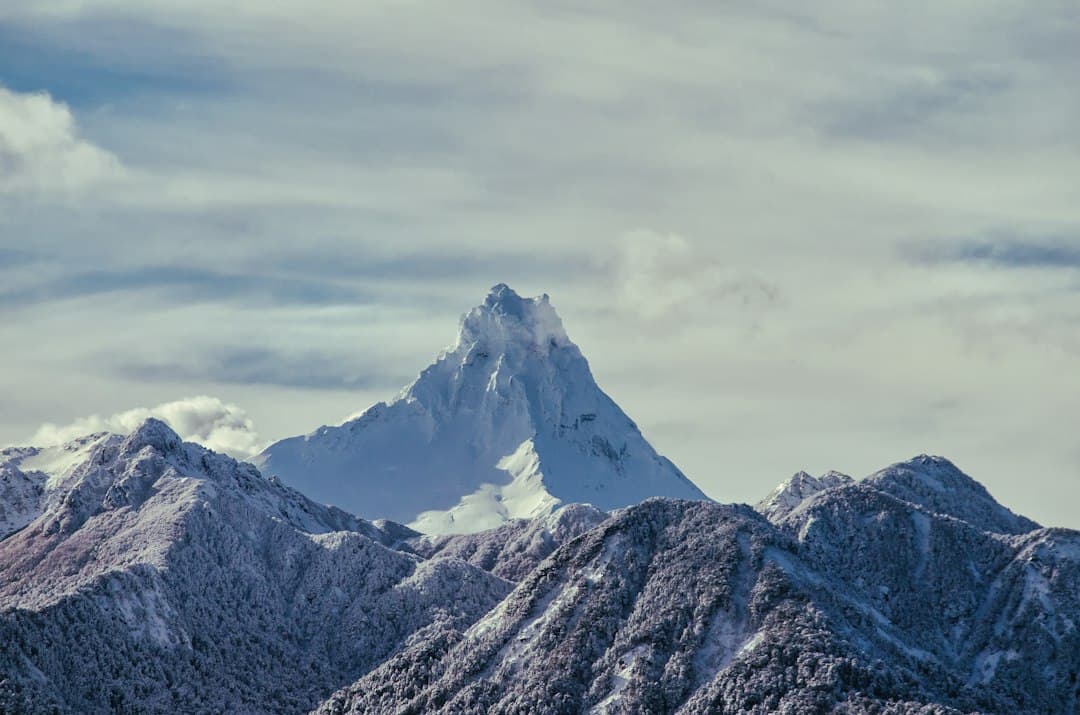
Beyond coffee, the region is developing a tourism offer built around its rivers and thermal waters[7]. Some areas of the coffee landscape have natural hot springs, known for their benefits; the thermal baths of Santa Rosa de Cabal are recommended[4]. They are about 30 km from Pereira[1].
One guide pairs them with a longer stay: they go with Los Nevados park, rather than with a weekend in Salento[8].
La Feria de Manizales
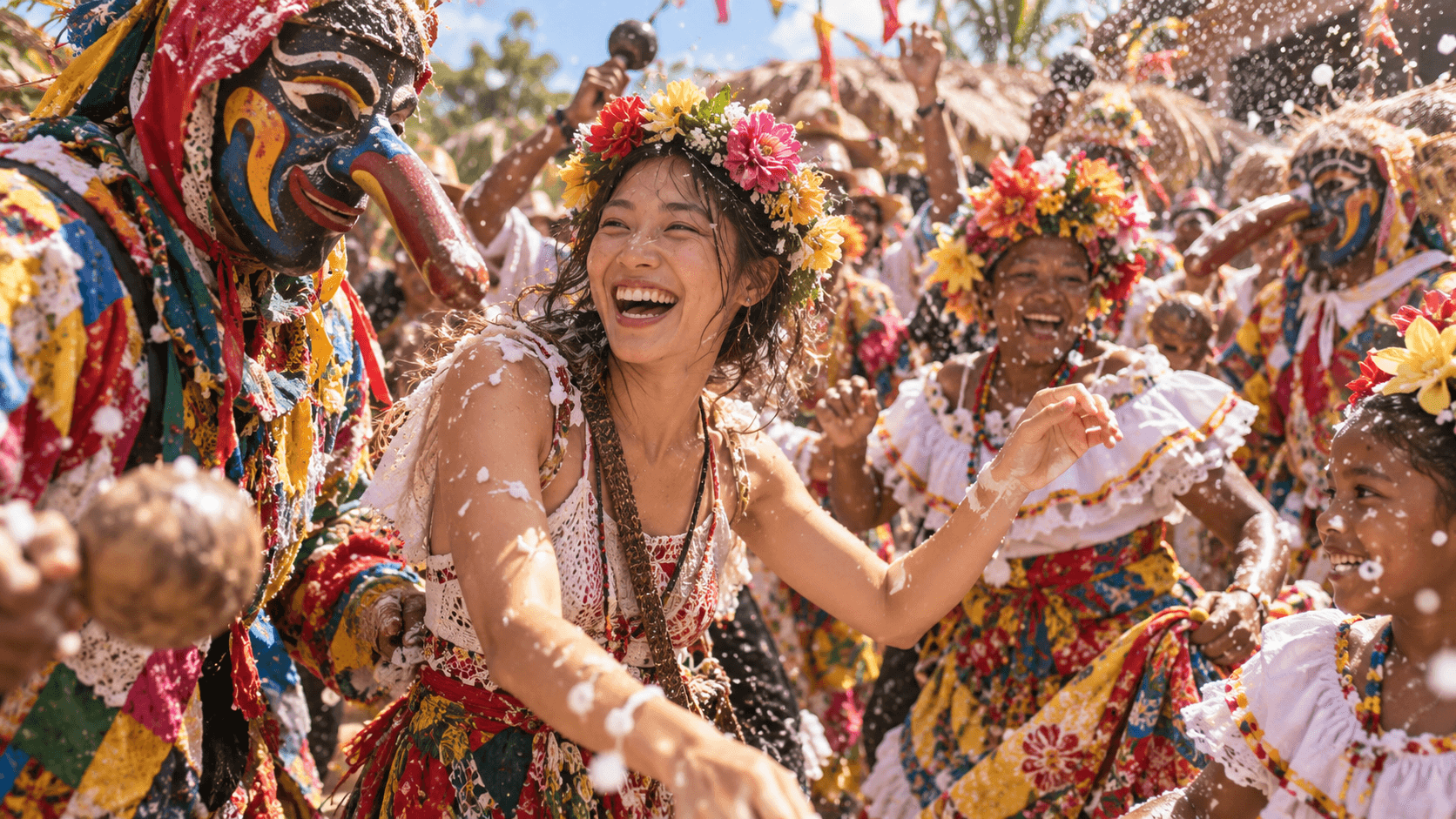
The Feria takes place every year in January; the 2027 edition is announced for January 2 to 9[9]. It has existed since 1951 and combines a livestock fair and bullfighting season with the Reinado Internacional del Café, folkloric parades and concerts, to the point that it disrupts the city's normal life for eight days[9].
A bullfighting season is announced at the Plaza de Toros Los Fundadores, but bullfighting is a controversial subject in Colombia: check whether it is still being held and the conditions in force with the organizers. Tickets are sold on the official Feria website and at the box office, from about 100,000 to 500,000 COP or more for the best seats[9]. Bullfight dates vary depending on the source and may differ from those of the Feria: check them on the official website before buying or booking[9].
As for budget, mid-range hotels cost about 200,000 to 380,000 COP per night during the festival, according to rates recorded in 2026[10]. So book your accommodation well in advance.
Getting there and how much time to plan
Pereira, the capital of Risaralda, has the busiest airport in the region and is located roughly in the middle of the Eje Cafetero[1]. Pereira, Manizales and Armenia are close together, but the local guide[3] puts the drive between them at under 45 minutes; on mountain roads, plan for more time and check your routes.
One guide recommends allowing 2 to 3 nights for a first visit to the region[5]. Three nights in the same place are better than one night in each city: changing cities every morning means spending your days between places that look alike[8]. Manizales is mainly worth it when Los Nevados is on the agenda: the park takes up a block of days of its own, and it calls for this city rather than a base in Cocora[8].
Pitfalls, scams and things to watch out for
- Taxis: the French foreign ministry advises against hailing a taxi in the street, because of the risks of assault, theft or express kidnapping, where fake drivers force passengers to withdraw money from several ATMs; it recommends taxis booked through an app, such as Uber or Cabify[11].
- Valuables: do not display any conspicuous signs of wealth and leave your valuables in a secure place[11].
- Mountain roads: they can be blocked for several days after an accident or bad weather (rockfalls, landslides); it is strongly recommended to travel only by day and on main roads, which matters for trips to the fincas and the park[11].
- Dating apps: in Colombia, French authorities advise against them because of the risk of drugs being administered without the victim's knowledge, notably scopolamine[12].
- Los Nevados Park: choose in advance the sector you wish to visit, since access differs from one sector to another[6].
- Nevado del Ruiz: this is an active volcano, under constant monitoring. Before climbing, check its alert level on the website of the Servicio Geológico Colombiano and whether the targeted sector is open with Parques Nacionales, which organizes the park into sectors with separate access points[6].
Key takeaways before you go
- Plan for 2 to 3 nights and choose your base according to your goal: a finca for coffee, Manizales for the volcano[5].
- Pack a raincoat: Andean showers are frequent, and December to March or July to August offer clearer skies[5].
- Get travel health and repatriation insurance before departure: if you are French, medical costs abroad can under no circumstances be covered by the French embassy[13].
- For the January Feria, book early and check bullfight dates on the official website[9].
- This article covers the essentials: opening hours, prices and access conditions should be confirmed with providers and official websites before departure.
Read more
- Colombia: the must-sees, from the Caribbean to the Amazon
- Cocora Valley and Salento: giant palms and fincas, at the heart of Colombian coffee
- Medellín: what to see and do during your visit
- Popayán: the white city and its five nights of Holy Week
Sources
- 1.^ abcdcidadeturismo.com — Coffee Axis / Eje Cafetero, Colombia: things to do, when to go and how to get there: “Manizales, the capital of Caldas, stretches along a mountain ridge, with a high-towered cathedral, the Chipre lookouts and the Recinto del Pensamiento.” ; “Around them, coffee farms welcome visitors to show the planting, the harvest, the drying and the roasting, all the way to the cup.” ; “From the city, you can reach the Termales de Santa Rosa de Cabal (about 30 km away) and the Parque del Café in Montenegro.” https://cidadeturismo.com/en/colombia/destination/eixo-cafeeiro (accessed November 9, 2026)
- 2.^ abccolombianized.com — Manizales Travel Guide 2026: Coffee Region Highland City: “The old center around the Plaza de Bolívar and the Manizales Cathedral, the tallest church in Colombia at 106 meters.” ; “At this altitude, Manizales stays between 15 and 22 °C all year round, a real chill for Colombia, and mornings are often wrapped in fog that clears by noon, revealing the volcano.” ; “The liveliest neighborhood. The best cafés, restaurants and nightlife in the city. The University of Caldas is nearby, so the energy is young and intellectual.” https://colombianized.com/destinations/manizales/ (accessed November 9, 2026)
- 3.^ abcdefcolombiamagico.com — Eje Cafetero | Colombia Mágico: “Around 400,000 inhabitants. Built on ridges at 2,160 m above sea level, Manizales is the coolest and cloudiest of the three cities (17 °C on average). Home to several major universities, the city has an intellectual and cultural character. Cafés, bookstores and student bars line the streets near the universities.” ; “The downside: the steep terrain makes walking tough, and the weather is genuinely cool for Colombia. Bring a jacket.” ; “The Palermo and Chipre neighborhoods offer the best views: on a clear morning, you can see the Nevado del Ruiz from your window.” https://colombiamagico.com/cities/eje-cafetero (accessed November 9, 2026)
Show 10 more sourcesShow less
- 4.^ abccolombia.travel — Coffee Cultural Landscape | Tourism | Colombia Travel: “The Coffee Cultural Landscape, declared a UNESCO World Heritage Site, is made up of the departments of Caldas, Quindío and Risaralda, and the northern part of the Valle del Cauca.” ; “This region represents the country’s coffee tradition, in a mountain landscape that contrasts with the fine Spanish-influenced architecture of rammed earth, bahareque and clay-tiled roofs, surrounded by coffee plantations.” ; “Some areas of the Coffee Cultural Landscape have natural hot springs, known for their healing properties. Travelers can enjoy relaxing baths and treatments in calm, natural settings. We recommend the thermal baths of Santa Rosa de Cabal and the Santa Isabel Spa.” https://colombia.travel/en/meetings/coffee-cultural-landscape (accessed November 9, 2026)
- 5.^ abcdmowando.com — Coffee Axis travel guide — climate, budget and tips · Mowando: “Our recommendation: plan 2 to 3 nights, ideally in a coffee finca right in the middle of the plantations.” ; “Travel preferably in December–March or July–August for clearer skies, but always pack a rain jacket (frequent Andean showers).” https://www.mowando.com/destinations/colombia/coffee-axis (accessed November 9, 2026)
- 6.^ abcdefghparquesnacionales.gov.co — Parque Nacional Natural Los Nevados • Parques Nacionales Naturales de Colombia: “Los Nevados was declared a natural national park in 1974 to conserve its flora, fauna and ecosystems for scientific and educational purposes.” ; “It protects a geographic area of 61,410 hectares spread across ten municipalities.” ; “The protected area has four ecotourism sectors, with different access points in the departments of Caldas, Risaralda, Quindío and Tolima: Brisas-Kumanday, Cisne-Poleka Kasue, Laguna del Otún and Quindío-Dulima.” https://www.parquesnacionales.gov.co/nuestros-parques/parque-nacional-natural-los-nevados/ (accessed November 9, 2026)
- 7.^colombia.travel — Colombia's Coffee Cultural Landscape | Tourism | Colombia Travel: “This distinction, granted on June 25, 2011, was excellent news for the coffee-growing communities of the four departments involved: Risaralda, Quindío, Caldas and Valle del Cauca.” ; “In addition to the coffee-related cultural attractions, this region offers an appealing tourism range built around its rivers and thermal waters.” https://colombia.travel/en/blog/travel-magazine/coffee-cultural-landscape (accessed November 9, 2026)
- 8.^ abctraveldifferently.org — Colombia's Coffee Region: Where to Base a First Trip: “The thermal springs of Santa Rosa de Cabal come with it: great for a longer stay, a poor footnote for a weekend in Salento.” ; “Three nights in one of them is better than one night in each. A new town every morning turns the day into a blur of similar squares.” ; “Los Nevados, above Manizales, is a block of days of its own and calls for this city, not a gateway through Cocora.” https://www.traveldifferently.org/blog/coffee-region-colombia (accessed November 9, 2026)
- 9.^ abcdethecolombiaguide.com — Feria de Manizales 2027 Guide | The Colombia Guide: “The Feria de Manizales 2027 runs from January 2 to January 9.” ; “Held since 1951, the fair combines a traditional livestock fair and a bullfighting season with the Coffee Queen contest, folkloric parades, live music and a broader civic celebration that effectively halts normal city life for eight days.” ; “Tickets for each bullfight are sold on the fair’s official website and at the venue box office, roughly COP 100,000 to 500,000, or more for premium seats.” https://www.thecolombiaguide.com/events/feria-de-manizales-2027/ (accessed November 9, 2026)
- 10.^thecolombiaguide.com — Feria de Manizales 2027 Guide | The Colombia Guide: “Mid-range hotels here cost roughly COP 200,000 to 380,000 per night during the festival in 2026.” https://www.thecolombiaguide.com/practical/festival-de-manizales/ (accessed November 9, 2026)
- 11.^ abcdiplomatie.gouv.fr — Colombia - Security | France Diplomatie: “It is also recommended not to hail taxis on the street due to the risk of assault, theft, or kidnapping, in particular express kidnapping, in which attackers (including a fake taxi driver) force passengers to withdraw money from several ATMs.” ; “Therefore, prefer taxis ordered through apps and therefore traceable (Uber, Cabify, Taxis Libres, etc.).” ; “It is recommended not to display any ostentatious signs of wealth and to leave valuable items in a secure place.” https://www.diplomatie.gouv.fr/fr/information-par-pays/colombie/conseils-aux-voyageurs-securite? (accessed November 9, 2026)
- 12.^co.diplomatie.gouv.fr — Your Safety | France in Colombia: “Given the risk of being unknowingly administered drugs or psychotropic substances (scopolamine), it is advised not to use dating apps.” https://co.diplomatie.gouv.fr/fr/votre-securite (accessed November 9, 2026)
- 13.^diplomatie.gouv.fr — Colombia - Health | France Diplomatie: “These costs cannot under any circumstances be covered by the French Embassy on site.” https://www.diplomatie.gouv.fr/fr/information-par-pays/colombie/conseils-aux-voyageurs-sante (accessed November 9, 2026)