An investigation, a survey, six portraits and a dozen interviews: Hello Mira dove into female nomadism. Here's what we found — including what nobody says.
67% of the people who joined Nomads.com over 30 days in early 2026 were women. That's the number that started it all. Among its existing members, men still dominate, but the newcomers tell a different story. MBO Partners sees the same trajectory in the United States: 43% women among American nomads in 2025, up from 41% a year earlier.
But behind this spectacular number, what do these women actually experience? What obstacles do they face? What taboos persist? And above all: what does female nomadism say about our society in 2026?
To find out, we conducted our own investigation: six in-depth portraits, a dozen exploratory interviews, and a survey of nomad women, aspiring nomads, and former nomads. What follows crosses these data with the major market studies. The result is more nuanced — and more interesting — than the headlines. Discover our survey
In brief: the major trends
Female nomadism is booming, but not the way you'd think. Here are the five major trends that emerge from crossing market studies (Nomads.com, MBO Partners, DemandSage), our survey, and our interviews.
1 · Money, not fear. The #1 barrier for nomad women is not safety — it's financial stability. 43% of our respondents cite it as the main obstacle, versus 19% for safety. The income gap between male and female nomads ($126K vs. $114K per year, according to MakerStations, citing Nomad List) confirms a systemic reality. In our interviews, the word that comes up most often in discussions about money: compromise.
2 · Safety, a constant calculation. 76% of our respondents factor gender into their choice of destination. 57% have already given up a location or changed their plans because they are women. Global studies confirm: 34% of nomads worry about safety, significantly more among women. This isn't fear — it's lucidity integrated into daily life.
3 · Legitimacy, the phantom barrier. Only 5% of our respondents cite legitimacy as an explicit obstacle. But when the question is framed differently — "do you feel the need to prove yourself more than a man?" — 38% rate themselves 4 or 5 out of 5. A barrier that goes unnamed but weighs heavily. In our interviews, the recurring phrase: "I'm not running away from anything, I'm building something." — the very fact of having to say it speaks volumes.
4 · Professional loneliness, not social. 52% of our respondents say loneliness is "difficult at times, but I adapt." But in our interviews, it's not the lack of people that comes up — it's the lack of peers. Entrepreneurial loneliness: no colleagues, no water cooler, no sparring partner. One nomad tells us that a nomad entrepreneur is "often very lonely." 67% of our respondents cite professional collaborations as their #1 need.
5 · The need for connection, not protection. The three priority needs of our respondents: professional collaboration opportunities (67%), authentic connections with locals (57%), affordable and safe co-working spaces (52%). Mentorship and logistical support come far behind. The message is clear: nomad women are not asking to be protected — they're asking to be connected.
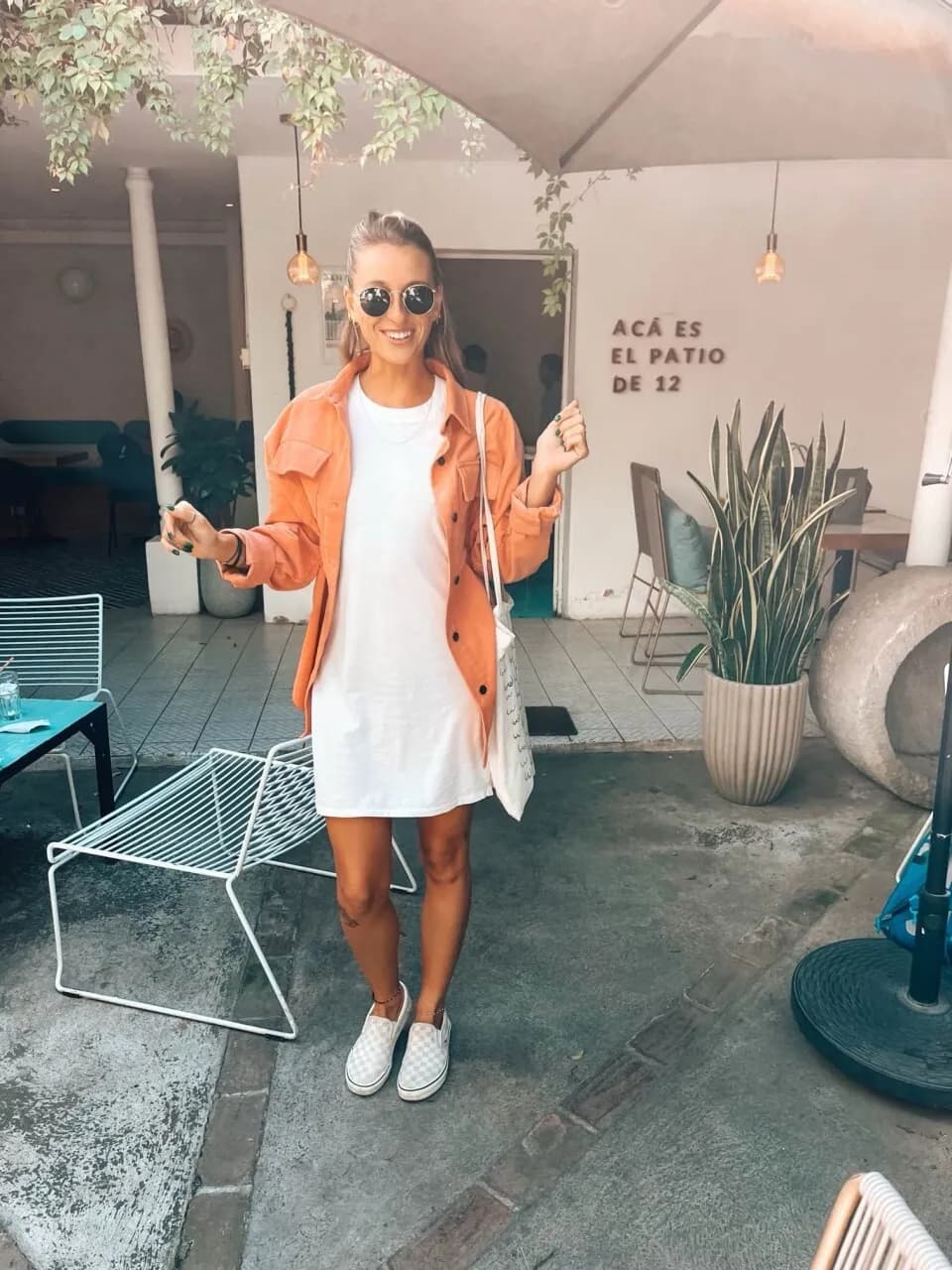
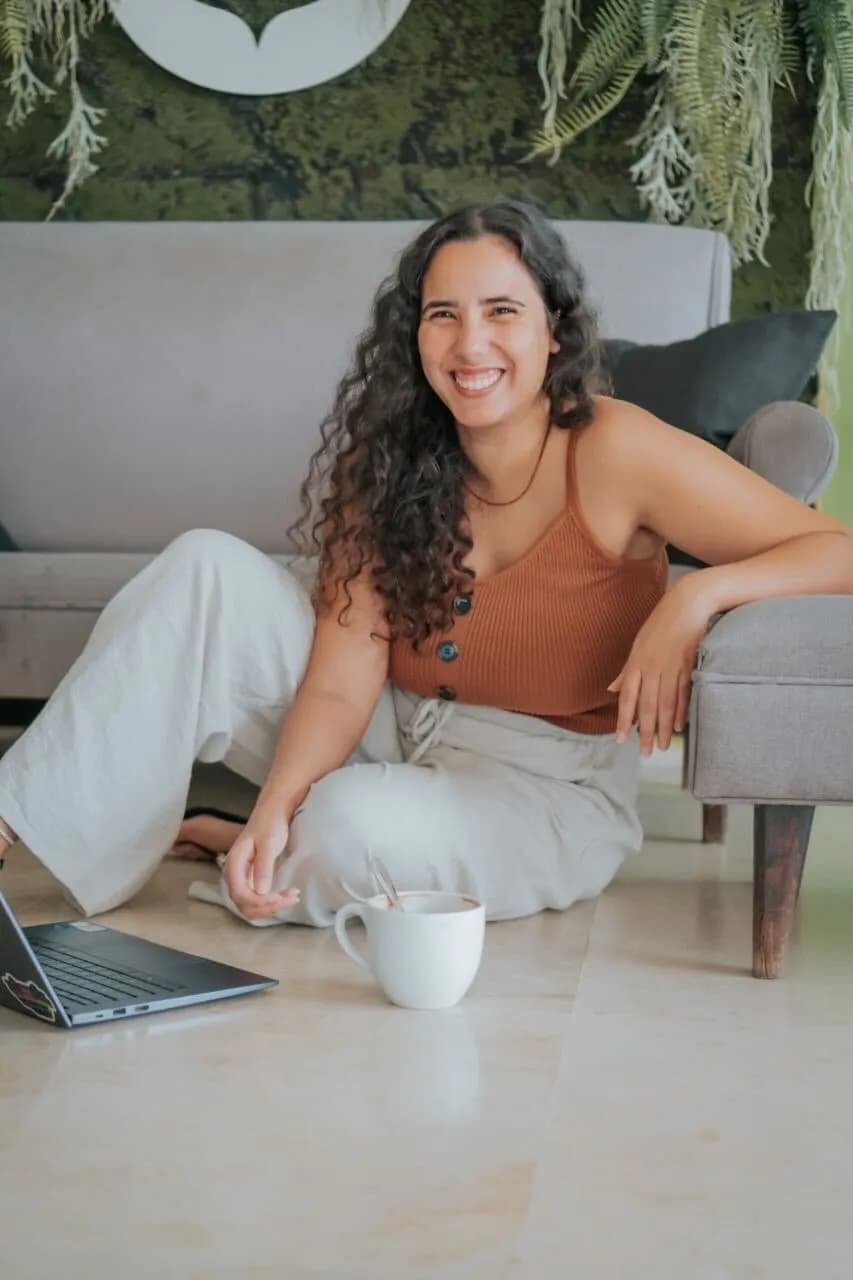
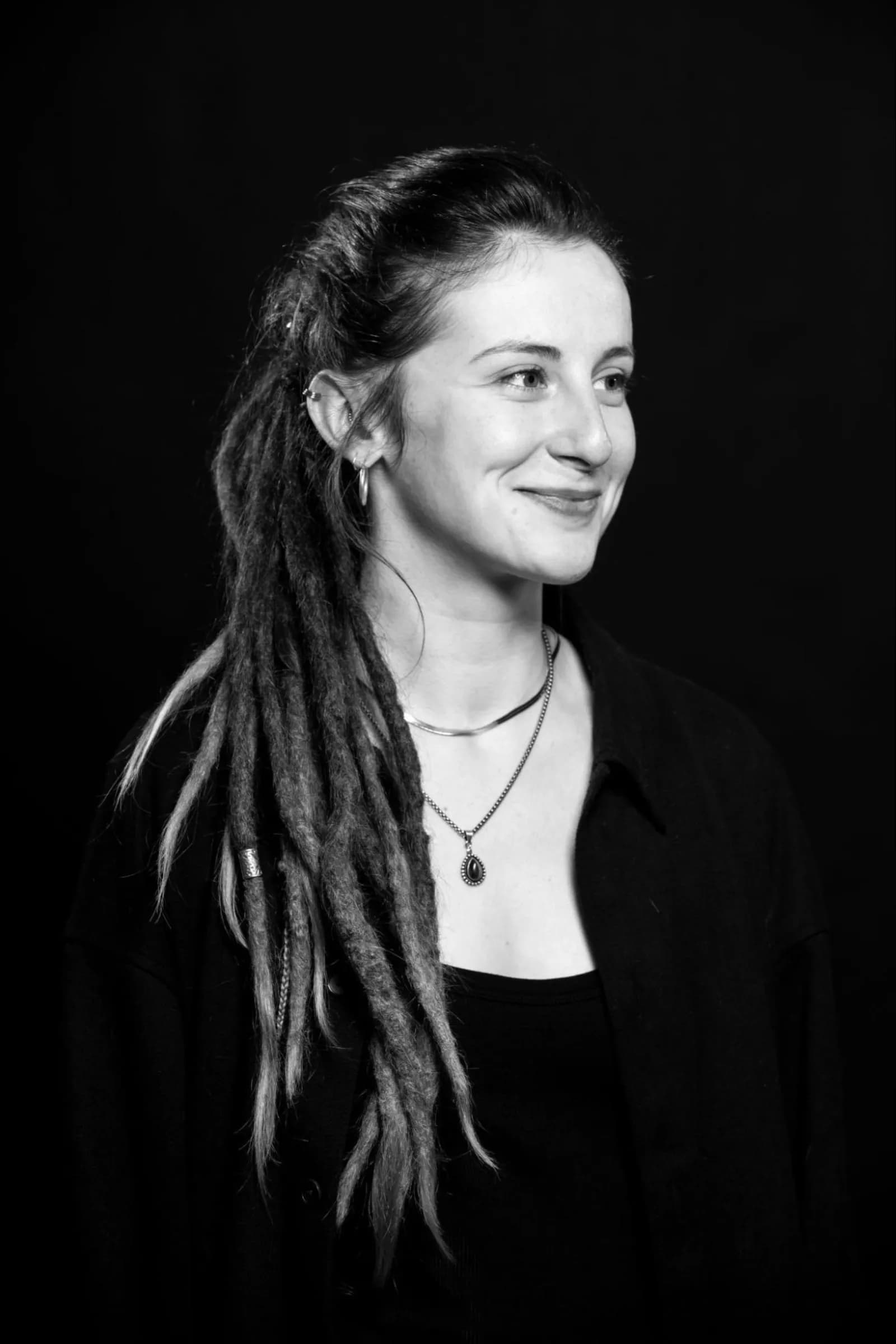
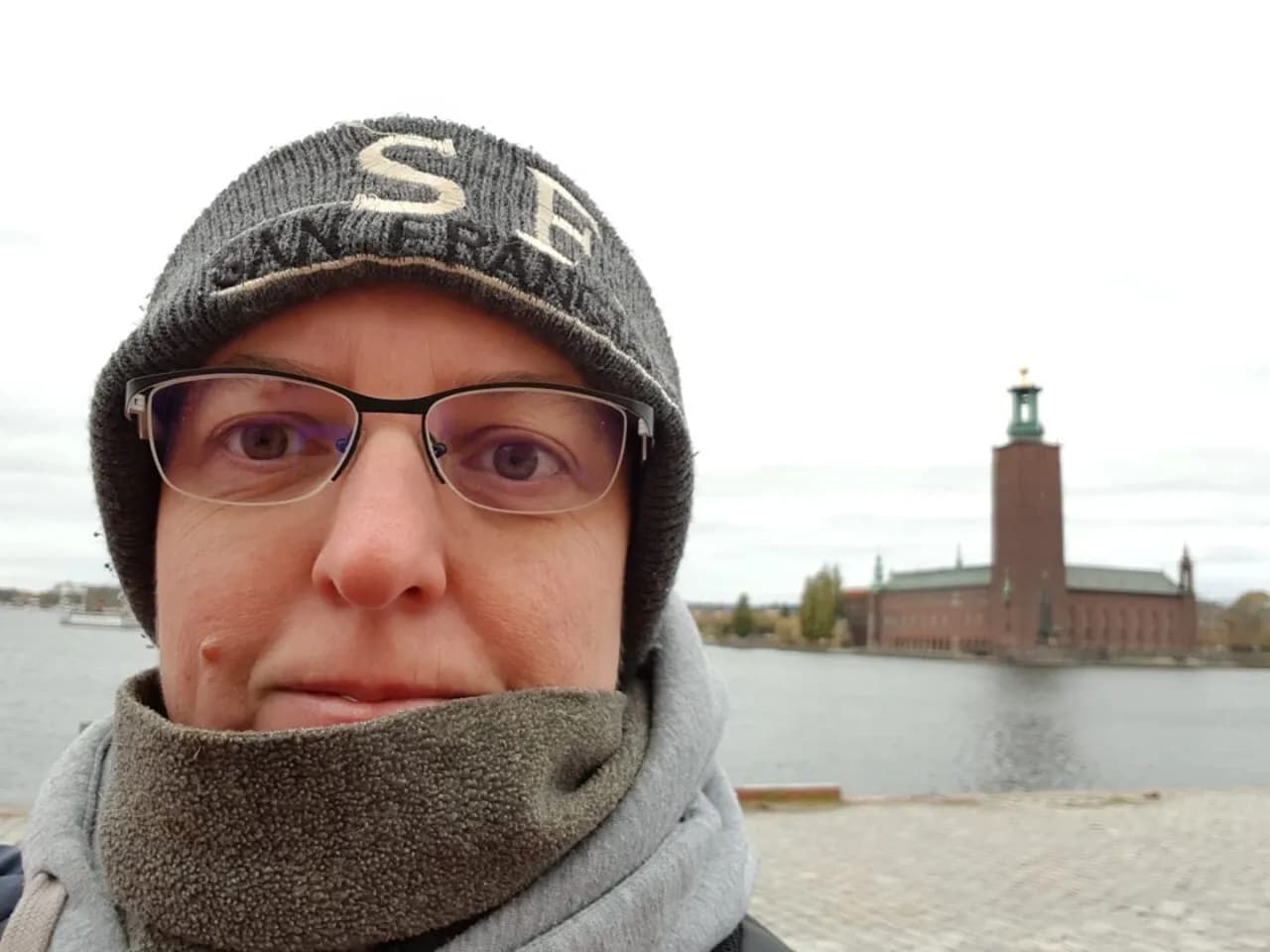
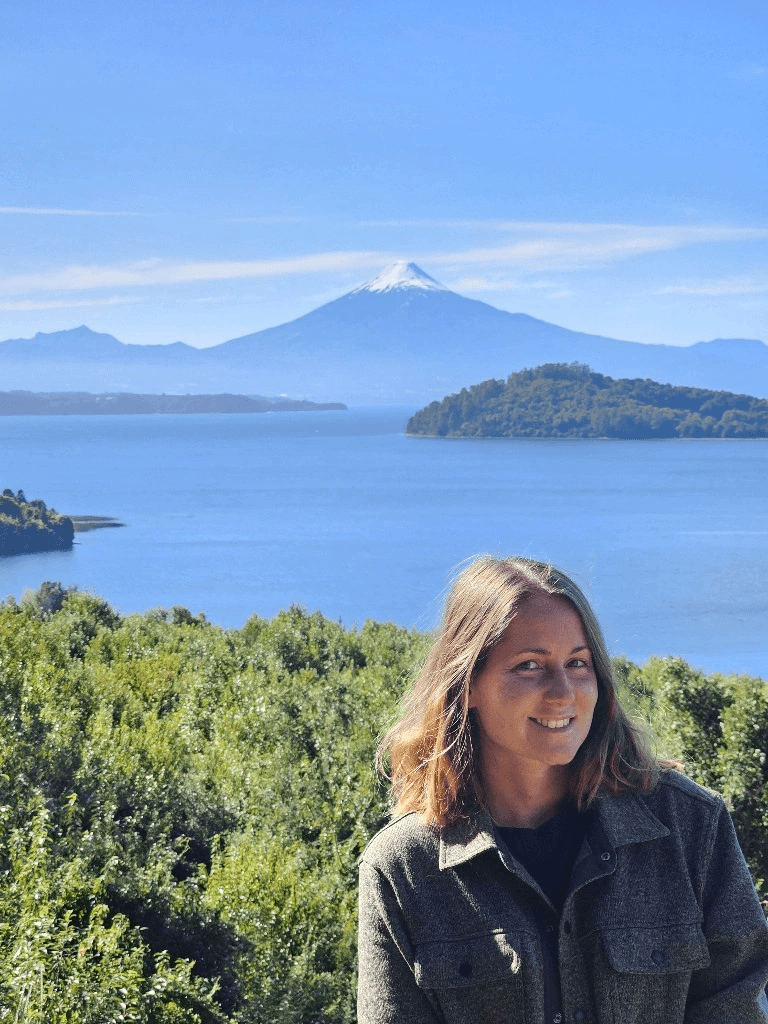
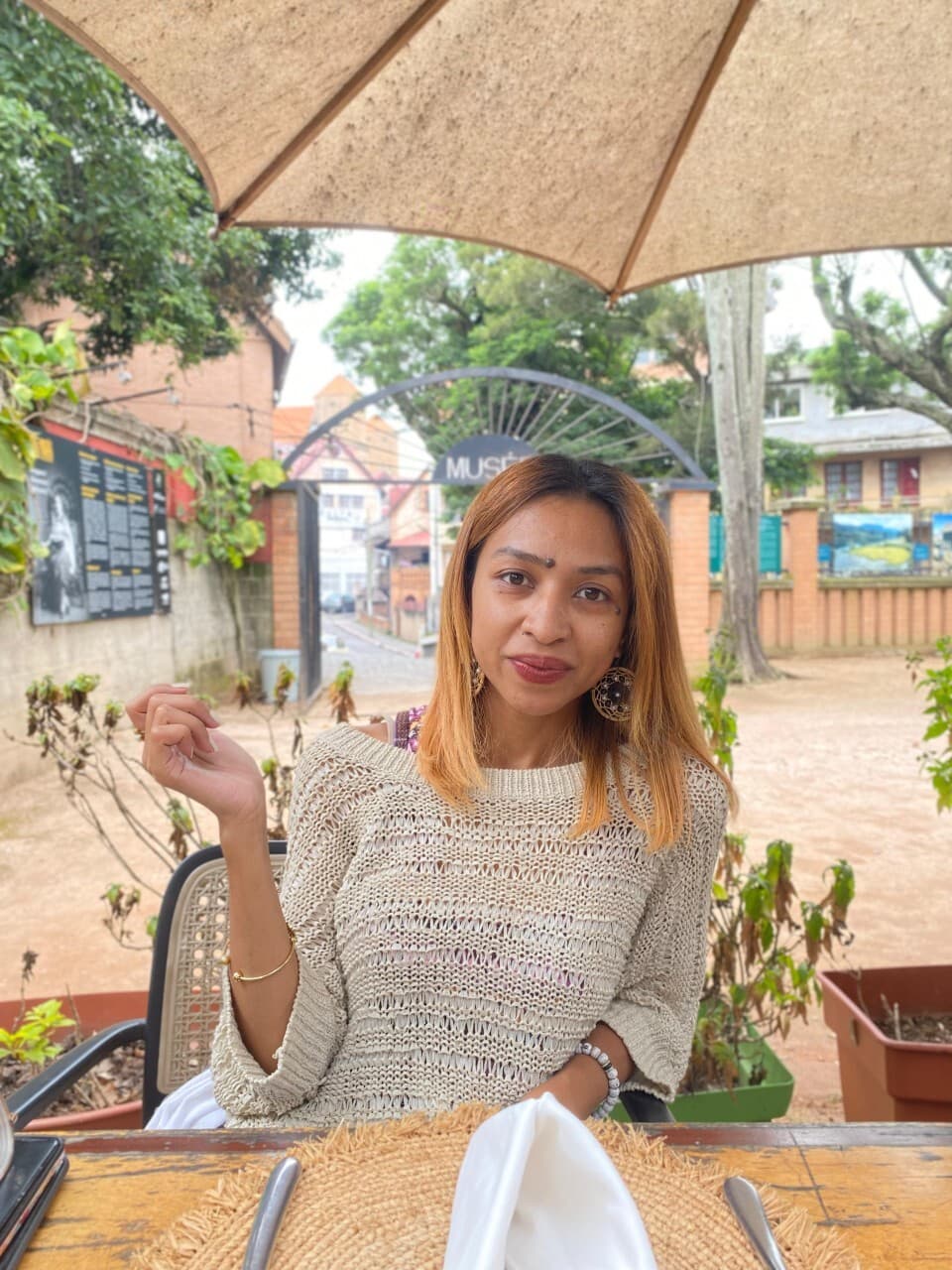
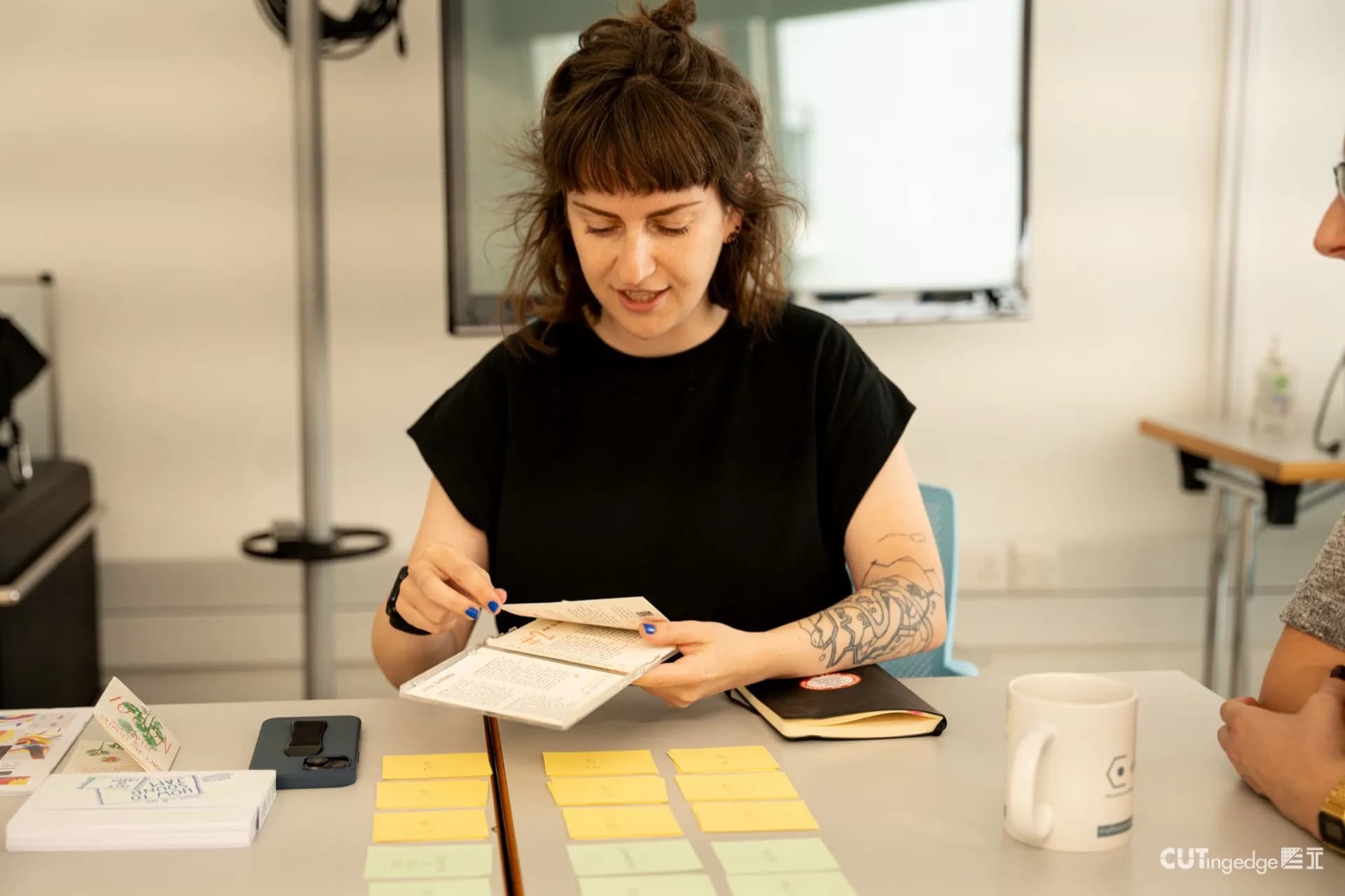
These five trends are not abstractions. They have faces. Six women opened their doors, their screens, and their doubts to us. Freelancers, entrepreneurs, full-time nomads or in transition — they live these realities every day.
Trend by trend: what the facts say
Money, the persistent taboo
The figures need context. Nomads.com reports a median annual income of $85,000 among members who reported income. Separately, MakerStations, citing Nomad List, reports averages of $126K for men and $114K for women. A median for all respondents and averages by gender are different measures. Behind the figures are individual realities.
Elodie, an HR consultant who left her permanent contract after nine years, discovers that nomadism in Africa is far more expensive than anticipated: short and costly visas, high cost of living, unreliable wifi. "We had to change our plans several times and lost a lot of money." Samantha, a Malagasy entrepreneur, saves every month in a dedicated fund for plane tickets — from Madagascar, they are among the most expensive in the world. Chantal, a campervan nomad, flips the problem: no rent, no utility bills — for her, being nomadic costs less than being sedentary.
In our exploratory interviews, a freelance graphic designer for whom "every euro counts" chooses accommodations out of necessity, not taste. A family in Europe negotiates every monthly rental and notes the complete absence of loyalty programs on platforms. For an aspiring nomad still employed, the barrier is mathematical: limited vacation days make travel simply unaffordable.
The occupations of nomad women reflect this tension: marketing (16%), creative work (15%), blogging (8%), community management (8%), coaching (7%). Service-oriented professions, often paid less than the tech jobs that dominate among men. Money is not a detail — it's the floor on which everything else rests.
Safety, between lucidity and the refusal of fear
Rose, a Quebec-based copywriter, sets the frame bluntly: "Being a woman, in Canada, in France, or in Mongolia, is a weight that bears down hard every day. I don't consider that being a traveler increases that risk." For her, the danger is not geographical — it's systemic. "If I'm going to endure misogyny anyway, I might as well endure it while doing something I love."
Prune, a French motion designer and karate black belt, refuses to let other people's fear dictate her choices. Sarra, a Tunisian coach, takes "extra precautions" but doesn't let that "change the course of her experience." Chantal has her golden rule: if you don't feel right about a place, you leave. A survival protocol forged by experience, not theory.
Nomadism seen from the South adds another layer: when you're Malagasy in Bali, you're taken for a local and judged as one. When you're an African woman traveling alone in Kenya, surprise often precedes conversation.
76% of our respondents calculate their destination based on their gender. But none of them stopped traveling because of it. Safety is not a wall — it's a parameter, factored in just like budget or wifi.
Imposter syndrome: the barrier you don't see
The paradox is striking: 5% name it, 38% feel it. Legitimacy is the most insidious barrier in female nomadism, precisely because it never presents itself under its real name.
It takes the form of nine years of waiting in a permanent job before feeling "ready" — that's Elodie's story. Of the difficulty of introducing yourself when you're in the middle of a career transition. Of the need to prove you're not running away from anything. Of the pressure to show it's a "real" job. Of a father who doubts your projects more than your brothers'.
In our interviews, an HEC graduate observes an implicit pressure among nomad women to justify their lifestyle — a pressure men don't face. A single mother in a van must prove both the validity of nomadism and that of homeschooling. Legitimacy multiplies.
The counterpoint exists: a 55-year-old nomad, serious illness, who hasn't needed anyone's permission for a long time. When life shakes you hard enough, imposter syndrome loses its grip.
Loneliness, three distinct forms
Nomad loneliness is not monolithic. Our interviews reveal three very different forms.
Social loneliness — the absence of loved ones, fleeting friendships, video calls that make you want to cry. A Malagasy journalist experiences it every time she returns home: "As soon as I travel and see something else, when I come back, I see people differently. It happens every time. But after a trip, it's even worse."
Professional loneliness — the most cited in our interviews. No colleagues, no office, no peers at the same level. Elodie describes the shock of going from an open-plan office to a screen alone, on the other side of the world. "I hadn't realized how much it would affect me." 67% of our respondents put professional collaborations as their #1 need — that's no coincidence.
Chosen loneliness — the kind that has become a necessity. Rose says she needs "far more alone time than before." Chantal prefers "the company of the animal species to the human species. They're more genuine." 33% of our respondents experience loneliness as a positive choice.
The dial shifts with time. What is an ordeal in month one becomes routine by month six and a conscious choice by year two. But professional loneliness doesn't fade — it settles in.
Insights: what female nomadism truly reveals
What's obvious (but still needs to be said)
Nomad women are professionals. 48% of our respondents are freelancers, 29% are entrepreneurs. The #1 motivation is freedom of movement (86%), followed by cultural discovery (67%) and leaving the traditional employment framework (57%). Slow travel dominates (43%), the majority work from their accommodation (52%). These are not vacationers chasing likes — these are women who have built a viable business, often from scratch, often without a safety net.
The dirty secret(s)
Nomadism reproduces the inequalities it claims to escape. The gendered income gap ($126K vs. $114K, according to MakerStations, citing Nomad List) persists on the move. The passport determines actual freedom: when a European woman chooses Bali, a Malagasy woman fights for a Schengen visa she still hasn't obtained. Western nomadism often operates on an extractive relationship with the Global South — tourism, consumption, little reciprocity. In our interviews, one woman observes among many nomads "a problematic relationship with the Global South."
Professional loneliness is a blind spot. There's a lot of talk about the social loneliness of nomads. There's almost no talk about professional isolation — the absence of peers, mentorship, daily stimulation. Yet it's the #1 need (67%), ahead of community, safety, and logistics. And it's the need least addressed by the current ecosystem.
Imposter syndrome is gendered. Studies show it, our data confirm it. Women don't feel legitimate — and they don't say so. Nine years of waiting before taking the leap. The need to prove you're not running away. The gaze of a father, a partner, society. Men don't face this pressure to the same degree. It's a structural reality, not an individual feeling.
Areas for progress
The nomad ecosystem is built by and for men in tech. Co-working spaces, conferences, online communities: the default profile remains a 30-year-old developer with a MacBook. Women carve out a space for themselves, but they must adapt to a framework that was not designed for them.
There is a lack of concrete tools: carbon footprint calculators adapted to nomads. Loyalty platforms for long-term rentals. Accessible mentorship (only 14% of our respondents have access to it). Reliable data on destination safety for women. Co-living spaces designed by and for women.
Voices are also missing: nomads from the Global South, solo mothers, women over 40, creatives with modest incomes. They exist, they travel, they work — but they are invisible in the statistics and the media.
What female nomadism says about our society
That freedom has a gender. That leaving when you're a woman is still perceived as an act of rebellion in many cultures — Tunisian, Malagasy, or simply French when you have a father who doubts his daughters more than his sons. That safety is a daily calculation men don't have to make. That money remains the first lock, and that lock is harder to open for women. That professional legitimacy is an ongoing battle, even (especially) when you have the skills.
And yet — 67% of Nomads.com's newest members are women. The movement is here. It's moving forward. Not because the obstacles have disappeared, but because women have decided to push through anyway.
Counter-examples and adaptations: what our interviewees are inventing
Read the full portraits of Rose, Sarra, Prune, Chantal, Elodie and Samantha on our blog. Faced with these barriers, our interviewees don't just endure — they invent.
Facing money: Chantal cut her expenses to nearly zero — no rent, no water bills, no electricity bills. Her campervan nomadism costs less than sedentary life. Samantha turned the cost-of-living gap to her advantage: live in Madagascar, sell internationally. Rose built her client base from the road, from a modest background, through relentless networking.
Facing legitimacy: Prune cites the facts and refuses doubt: "the majority of men don't even ask themselves the question." Elodie finally took the leap — after nine years, yes, but she leapt. And her revenue is growing. Samantha proves by example that you can be a digital nomad from Madagascar.
Facing safety: Rose refuses to let geographical fear replace systemic fear. Chantal has forged a protocol based on instinct. Prune gave herself the physical means to not depend on luck. Sarra integrates precautions without giving up.
Facing professional loneliness: several of our interviewees have become bridges for others. Rose coaches women who hesitate. Sarra teaches cyclical productivity. Samantha trains young Malagasy people in digital skills. The antidote to professional loneliness, for them, is transmission.
Facing the judgment of loved ones: Rose's phrase resonates like a mantra: "I stopped listening to other people's opinions about my life choices." Elodie's too: "This life is mine, I live it for myself." And the most cited piece of advice in our survey: "Other people's opinions are other people's lives."
Sources of inspiration to go further
These challenges are not new. Other women faced them before, on a different scale. Nellie Bly went around the world alone in 72 days — in 1889, when a woman didn't travel without a chaperone. Alexandra David-Néel crossed the Himalayas and reached Lhasa at 55 — and renewed her passport at 100. Wangari Maathai planted 30 million trees in Kenya with rural women — and her husband left her because she was "too strong." Reshma Saujani lost an election and turned it into Girls Who Code. Matilde Hidalgo opened the Ecuadorian Constitution in 1924 and proved nothing stopped her from voting. Natalie Sisson lived out of a suitcase for 6 years while building a six-figure business. Melanie Perkins faced 100 investor rejections before creating Canva. Seven women, seven ways to dare. Their full stories can be read in our article: 7 women who could inspire you if you're a digital nomad (or dream of becoming one).
Our vision: why Hello Mira exists
At Hello Mira, we don't believe female nomadism can be reduced to a hashtag. We believe something is missing in this ecosystem — and our data confirm it. There is a lack of professional connections between nomad women (#1 need, 67%). There is a lack of authentic experiences with locals (57%). There is a lack of safe and affordable spaces to work and gather (52%). There is a lack of a platform that doesn't treat nomad women as a marketing niche, but as a community of professionals.
That's exactly what we're building. Our values fit into one word — D.A.R.E. — and it's no coincidence that it's also the word that comes up most in our respondents' advice. Openness — toward cultures, paths, ways of traveling. From van life in Provence to slow travel in Latin America, from backpack to campervan: there is no single valid nomadism. Serenity — not the absence of storms, but the ability to navigate through them. As one respondent puts it: "The barriers are mostly in your head." Efficiency — building a viable business from a screen and a wifi connection. Not the laptop-on-the-beach dream — the reality of hard work, constant adaptation, and results. Responsibility — toward yourself, toward others, toward the communities that welcome you. Nomadism is not about consuming the world — it's about contributing to it.
Join the movement
This report is the beginning of a conversation, not its conclusion. If you're a nomad, aspiring, curious, or returned — your voice matters. Join Hello Mira to:
- Access professional connections with other nomad women
- Experience authentic local experiences, organized with and for host communities
- Find workspaces designed for female nomadism
- Be part of a community that doesn't sell dreams but builds something real
And you — what's holding you back, or what pushed you, to take the leap?
This article is part of the Hello Mira series for International Women's Rights Day 2026. Discover the six individual portraits on our blog. And to go further: 7 women who could inspire you if you're a digital nomad. 👉 Visit our special March 8 page: 8-mars.hello-mira.com
Sources: Nomads.com (2026 State of Digital Nomads), MBO Partners (2025 Trends Report), DemandSage, Hello Mira survey (Feb.–March 2026).
Join Hello Mira
Discover the community of digital nomad women who connect, support each other, and share their experiences around the world.
Join Our Community