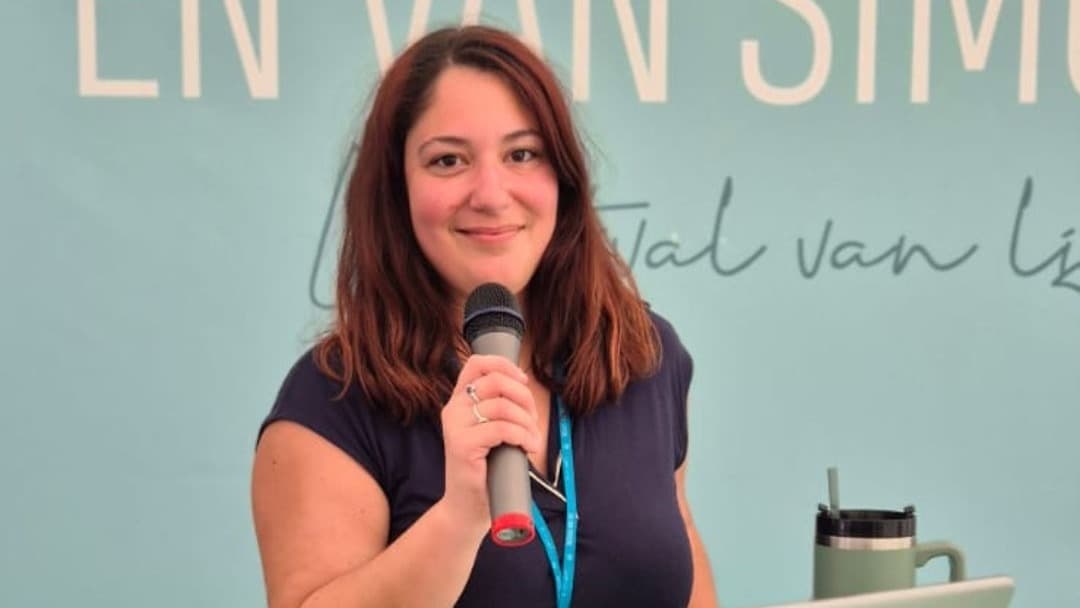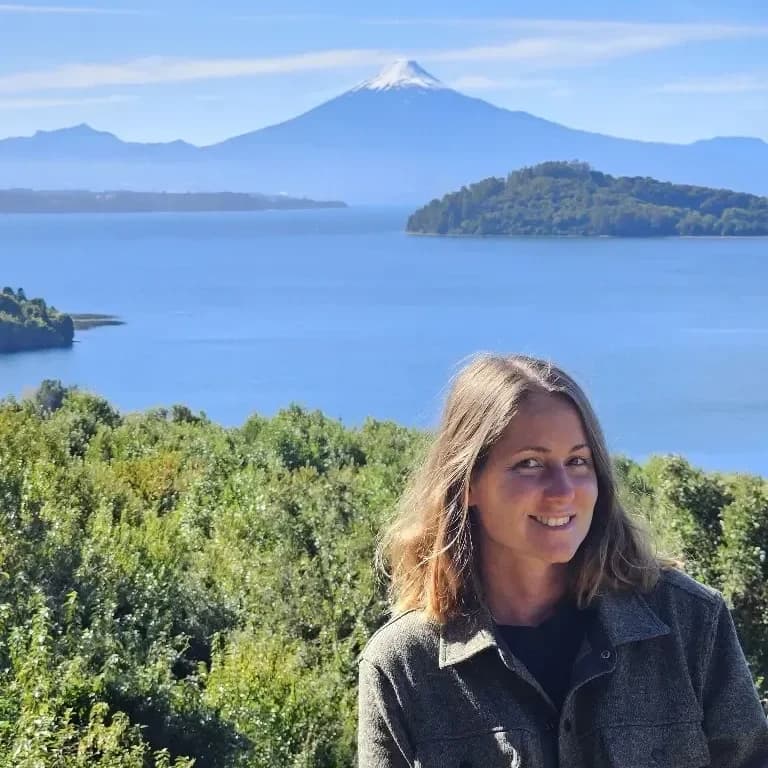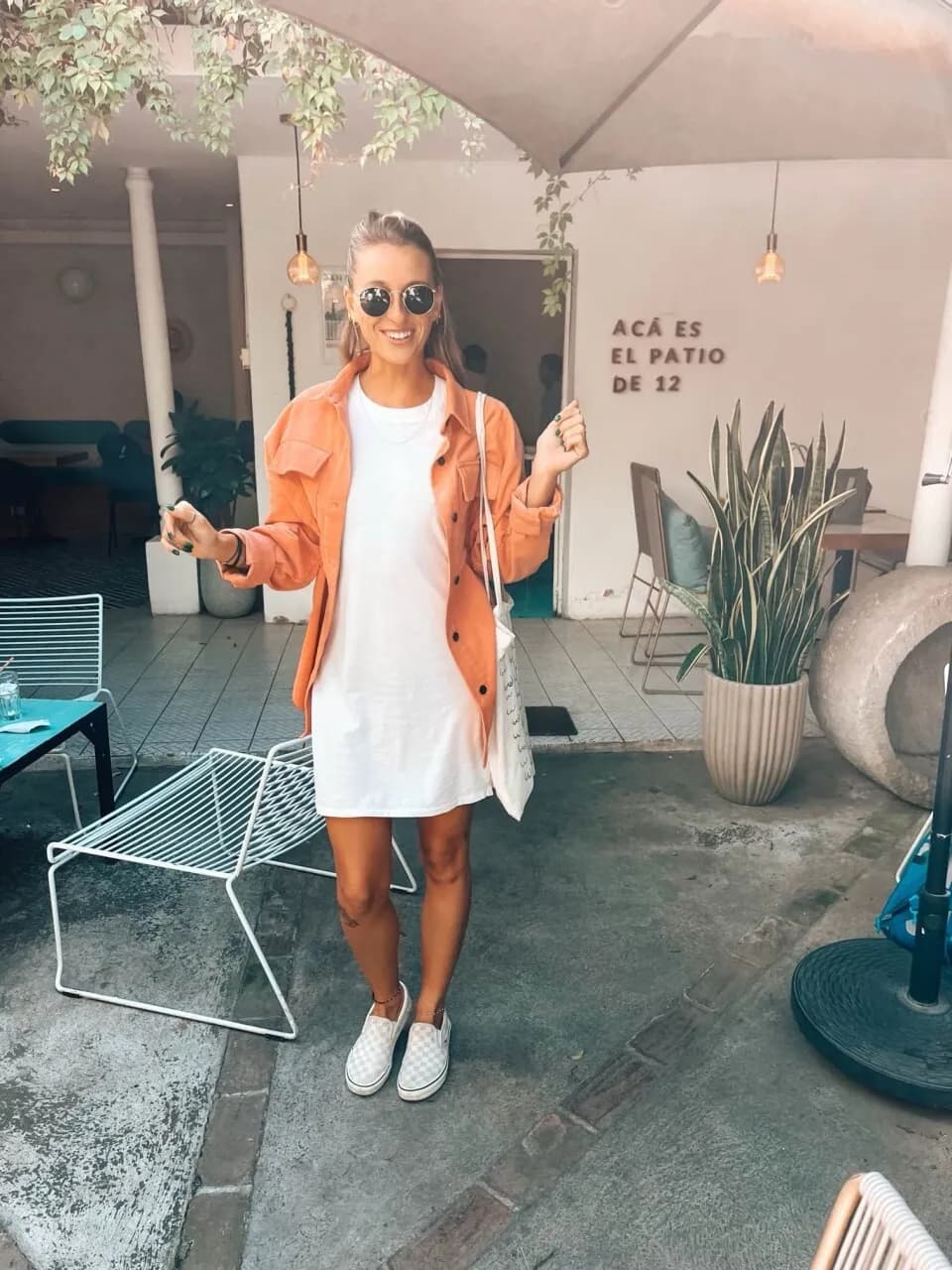
Rose Perron is 28, has visited over 30 countries, and lives by a simple philosophy: buy a ticket, leave, see what happens. Originally from Quebec City, she left Canada at 19 with one certainty: the life being offered to her there wasn't hers. Since then, she has built her own web copywriting business, opened a pole dance studio in El Salvador, and constructed an existence that most people consider impossible — especially for a woman on her own from a modest background.
Leaving because staying was not an option
For Rose, nomadism wasn't a revelation. It was an instinct. Latin America had drawn her since childhood, the sea called to her, and the Canadian routine — university, work, house — never appealed to her. She didn't need a triggering event. She waited until she was old enough to leave, and then she left.
"I never really felt at home in Canada. Everyday life didn't excite me. I'd look at the future, at what they sell you there — the whole university-job-house package — and it never made me want any of it. I was just waiting to be old enough to leave."
Her first trip: a year across nearly every country in South America. Alone. She briefly returned to Canada to sell her things, work a bit, rebuild her savings. Then she left again. She never went back to live there.
Building a business with a backpack
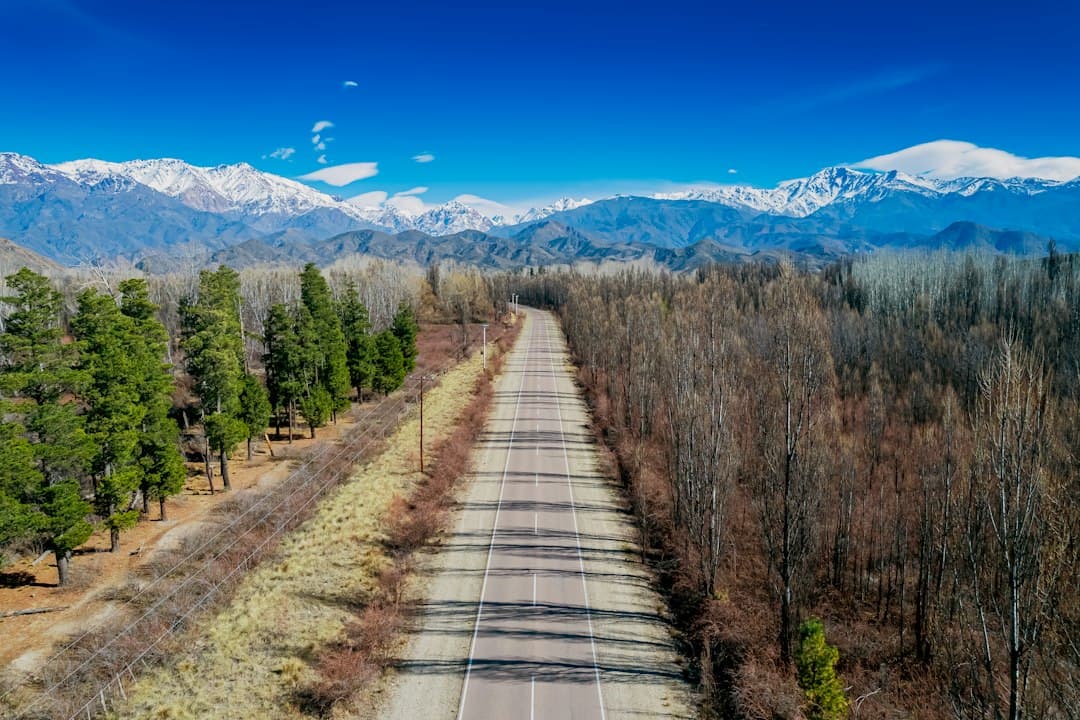
Rose isn't the type to separate her professional life from her nomad life. The two were built together, each one feeding the other. Her web copywriting business was built from the road: LinkedIn, video calls, relentless networking, continuous learning. No office, no elaborate strategy — but a marketing plan, word of mouth, and above all, plenty of conversations.
"Talking to people, online or in person, is the best way to get your services known and build a trust-based relationship that can lead to landing a contract."
Six years later, she lives entirely from her business. And for the past three years, she has established a base in El Salvador — a home base after five years of constant movement. That's where she opened her pole dance studio, a project that anchors her daily life without betraying her freedom.
Zero planning, 100% intuition
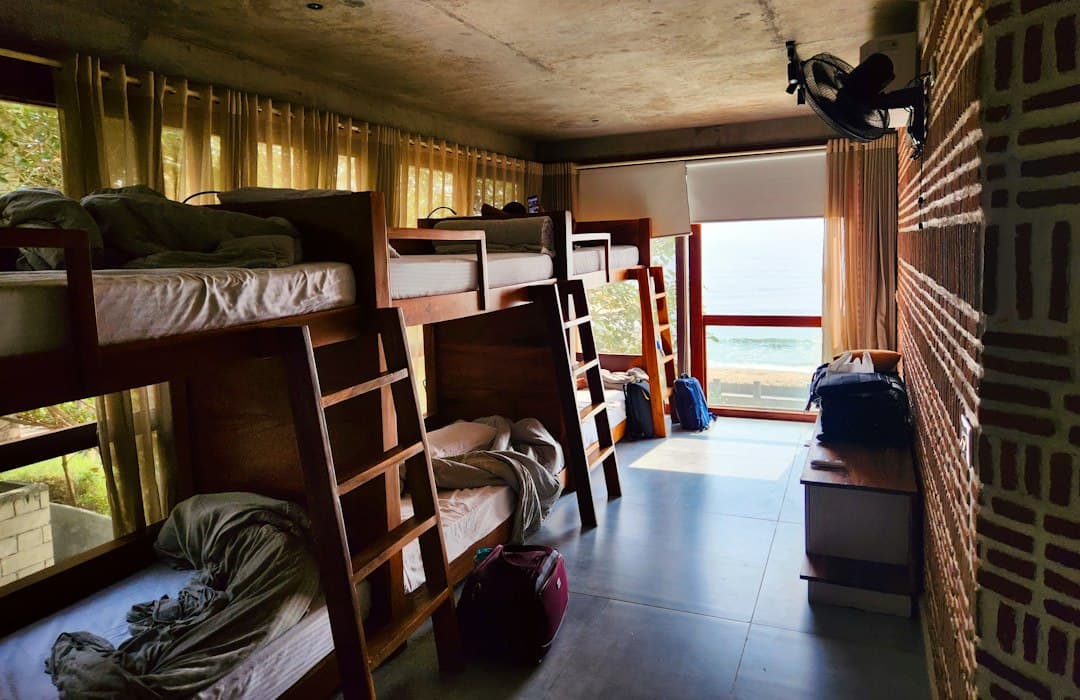
There's a word Rose never uses: itinerary. She doesn't book anything. Doesn't plan anything. Doesn't organize anything. She buys a plane ticket, books one night in a hostel, and builds the rest on the ground, guided by encounters and conversations.
This isn't carelessness — it's a philosophy. Nomadism, as she practices it, is a radical exercise in spontaneity. Booking too often or too far in advance means locking yourself into a plan and losing the freedom to change course overnight.
"Digital nomadism gives me lightness and spontaneity and frees me from material responsibilities. I can live my life at my own pace, spend a lot of time in nature, and let the wind carry me."
Loneliness: a learning curve, then a choice
This is the topic Rose approaches with the most nuance. She knows the loneliness of nomadism intimately. At first, it was harsh: learning to do everything alone, accepting that connections are fleeting, dealing with friendships that form and dissolve at the pace of travel. The kind of loneliness that isn't dramatic but wears you down, because you have to motivate yourself every day with no one there to push you.
"At first, I struggled with loneliness in the moments when it was more intense — when you're sick, stressed, exhausted. Over time, I've largely tamed it. It's now part of the full range of emotions. I welcome it and let it pass."
Today, Rose says she needs far more time alone than before. Loneliness went from being a trial to a necessity. She no longer suffers from it. But she sees in the women she coaches that it's often the deepest barrier — the one people don't always dare to name.
Being a woman, here or elsewhere
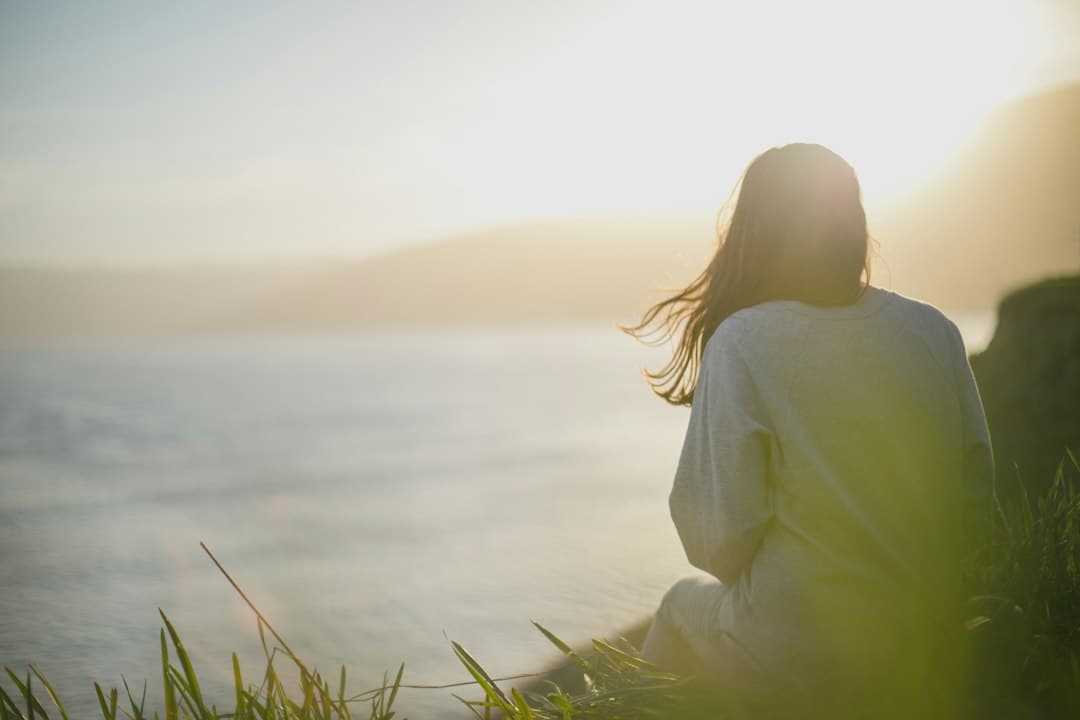
On the question of safety as a female nomad, Rose has a clear-cut position: the danger is no greater on the road than at home. And she says it without hesitation.
"I believe that being a woman, whether in Canada, France, or Mongolia, is a weight that bears down every single day and gives rise to uncomfortable and sometimes dangerous situations. I don't consider that being a traveler increases that risk."
There are streets in Montreal where she wouldn't walk alone at night. There are streets like that everywhere. The risk isn't geographic — it's systemic. And in that case, you might as well stay vigilant while doing something you love.
"Everywhere we go, all the time, we have to be more vigilant than men. That's just how it is. So if we're going to deal with misogyny either way, we might as well deal with it while doing something we love."
Coaching the women who don't dare
It came naturally for Rose to start supporting other women. The questions poured in: how to leave, what to bring, how to handle taxes, and above all — is it dangerous? Will I get bored? Will I be too alone?
The fear always comes back. Fear of insecurity, fear of not finding a stimulating social circle, fear of the long haul. Rose listens, reassures, shares her experience. She doesn't sell a dream. She shows that another reality exists, for those willing to seize it.
What the road has given her
Rose doesn't doubt. It's said simply, without arrogance. She is where she chose to be. If one day she wants something else, she'll adapt. Nothing is permanent, and that's precisely what sets her free.
Travel has given her what no settled life ever could: total independence, the ability to solve any problem on her own, a radical openness to different ways of living and thinking. And above all, the confirmation that the "traditional" life isn't the only valid option.
"I stopped listening to other people's opinions about my life choices. I trust my intuition and my judgment far more now."
If she could speak to the Rose of five years ago, the one who was about to leave everything behind, she wouldn't change a thing. She would simply tell her: "Keep trusting yourself and following your intuition. Everything you do with your heart will be the right thing to do."
And to a woman who's still hesitating? Rose's advice fits in two sentences: "Just do it. If you don't like it, you change. It's better to be wrong than to regret never having tried."
This article is part of our series published for International Women's Rights Day 2026. At Hello Mira, we believe that digital nomadism is best experienced when shared — with locals, with other nomads, with those who dare. That's why we give a voice to women who live this adventure every day, with their doubts, their struggles, and their vision.
This article is part of the Hello Mira series for International Women's Rights Day 2026. Discover our full investigation: Female nomadism decoded — what the numbers, testimonies and unspoken truths really reveal.
Discover more portraits of nomad women
Join the Hello Mira community to discover more inspiring portraits of women living digital nomadism their own way. [Discover all portraits →](/en/blog/7-inspiring-women-digital-nomads)
Join Our Community