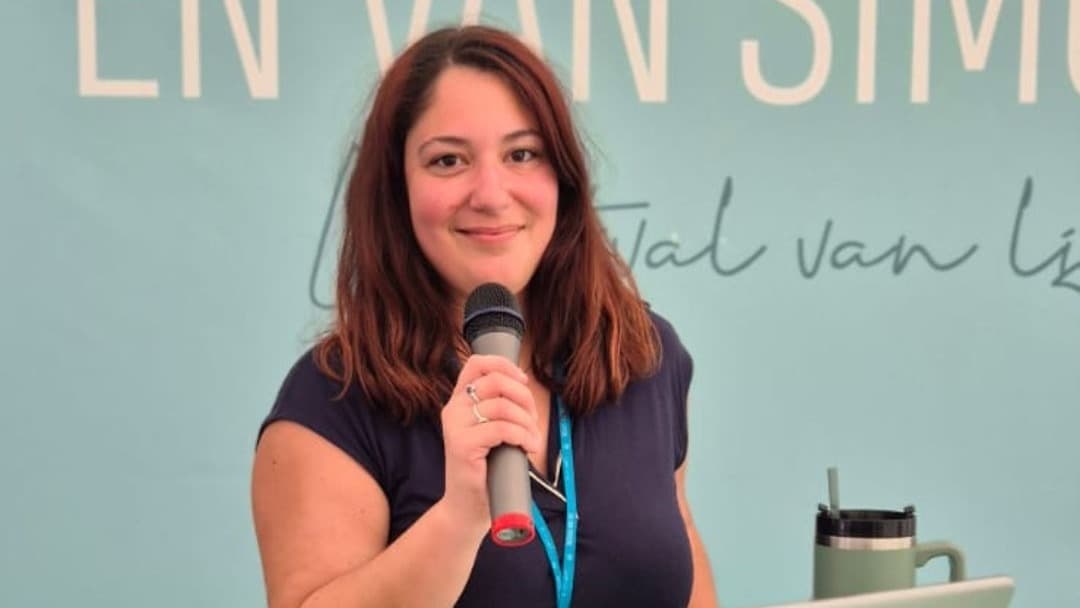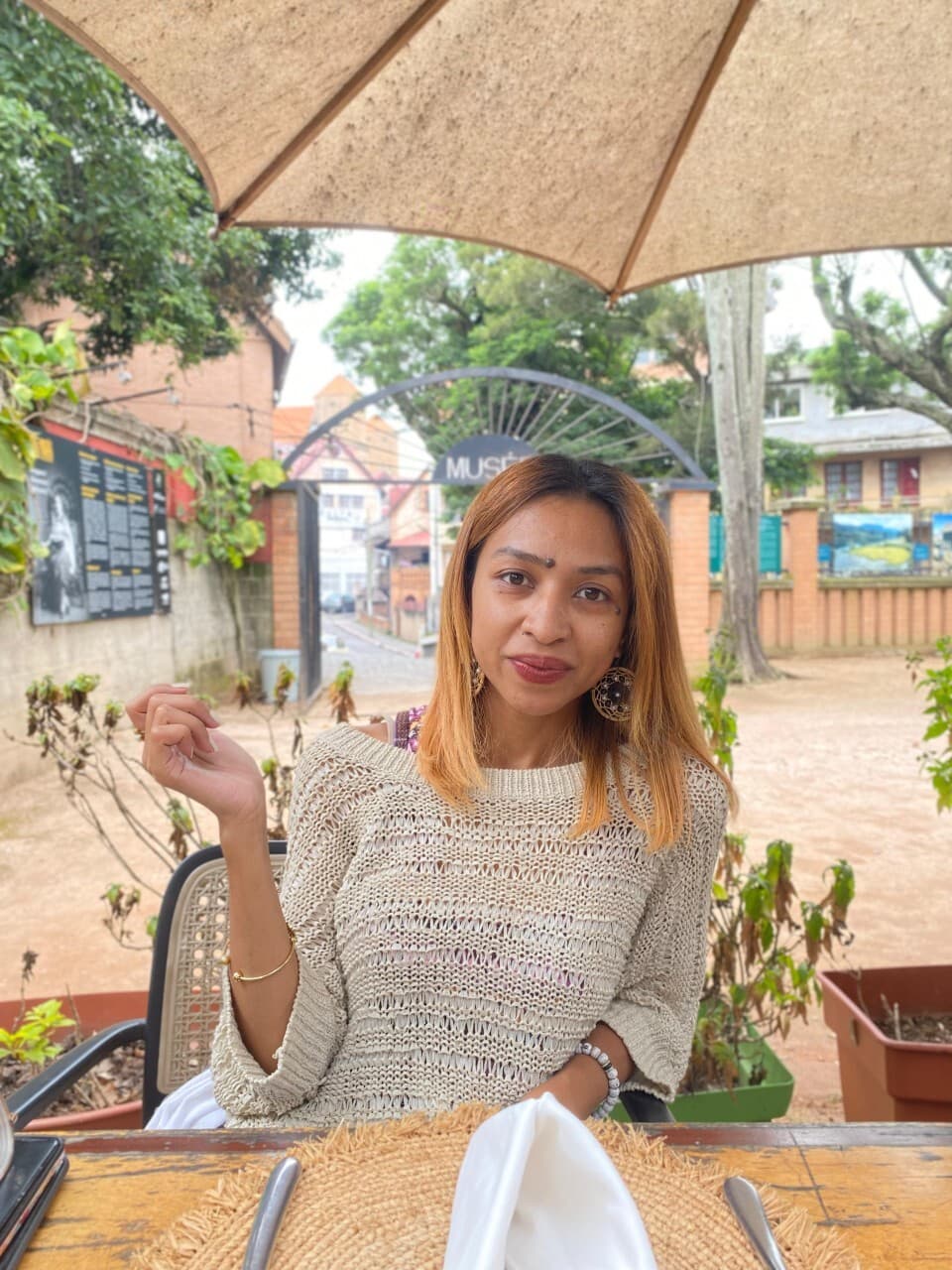
Portrait of a Malagasy journalist and entrepreneur building digital nomadism from Madagascar — proving you don't need to come from a rich country to dare.
Samantha is in her thirties, runs a digital agency, writes a blog about nomadism, teaches at a private university, and carries a conviction forged by ten years on the road: the limits we set for ourselves are rarely the ones we think.
Originally from Madagascar, she is one of those digital nomads who are almost never talked about — the ones who don't travel from Europe or North America southward, but who take the opposite path, with a weak passport, some of the most expensive flights in the world, and a society that expects women to be married before 25.
New York, 2016 — the turning point
It all starts with a reporting assignment. In 2016, Samantha, a young Malagasy journalist, lands a fellowship to cover the American elections in the United States. It's her first trip outside Madagascar. In New York, at a polling station, she watches a Russian journalist filming. She asks him how he manages deadlines. He answers that he has no boss, that he's freelance, that he publishes on his own blog. The conversation lasts a few minutes. The spark has lasted ever since.
«That's when I told myself: I want that life.»
She returns to Madagascar with an idea: create an online newspaper. It would be called Book News Madagascar. The model doesn't work — at the time, internet access is limited, online news consumption virtually nonexistent. She pivots to web writing and community management. Local clients first, then international ones. The business takes off.
«I didn't really experience it as a failure, but rather as a natural pivot. I even saw it as an opportunity.»
Nomad in reverse
What makes Samantha's journey singular in this series is the direction of travel. Where the other women in this feature leave the West for the South, Samantha goes the other way. And people don't expect it.
In Bali, at a supermarket, a cashier greets her in Indonesian — she takes her for a local. The conversation begins. When Samantha explains she comes from Madagascar and travels as a digital nomad, the cashier is stunned.
«She told me it was the first time she'd heard of someone from Africa traveling to Indonesia as a digital nomad. Or traveling at all.»
Nomadism seen from the South doesn't have the same contours. The Malagasy passport is what's called a weak passport: every trip requires mountains of paperwork — proof of residence, bank statements, proof of accommodation, reason for travel. For some destinations, women traveling alone are scrutinized with even more suspicion. Europe remains a complicated dream: Samantha hasn't yet managed to obtain a Schengen visa. France and Spain are at the top of her list. She saves every month in a dedicated fund for plane tickets, because spontaneity, from Madagascar, is a luxury.
Entrepreneurship when no one invites you
Female entrepreneurship in Madagascar is far from obvious. The pressure is clear: studies, good job, marriage before 25. Samantha is in her thirties, single, she travels. The stares weigh — not those from her family, who are open-minded and have always supported her, but those from the outside.
Her mother, herself an entrepreneur and traveler, left her a piece of advice she has never forgotten.
«When I was little, she told me I shouldn't be afraid of anything and that I was strong enough to achieve anything I wanted. It's that voice I still hear when I sometimes doubt and things get difficult.»
In Bali, she finds the same codes as in Madagascar — young marriage, pointed stares at single women. In Indonesia, people take her for a local, so they judge her as a local. In Kenya, she's regularly asked if she's not afraid of traveling alone. She keeps going. Not out of bravado — through construction. Year after year, trip after trip, inner work that began long before the first plane ticket.
The loneliness of the one who comes back changed
On loneliness, Samantha distinguishes two forms. There's the loneliness of distance — her two sisters, the video calls that make you want to cry rather than reassure, the family events she misses with each departure. In Bali, she cut her stay short because the longing had become too strong.
And there's the other loneliness, more muted: the one of coming back. The gap with the people around her, who haven't seen what she's seen, who don't always understand why she comes back different.
«As soon as I travel and see something else, when I come back, I see things differently, I see people differently. It happens every time. But after a trip, it's even worse.»
From bullied teenager to the woman who trains others
Samantha doesn't hide where she comes from emotionally. In high school, she was withdrawn, bullied, full of insecurities — about her appearance, her place, her ability to be loved. Travel broke those barriers down one by one.
«It allowed me to see that everyone is different and that we can live perfectly well in that diversity. You just have to embrace that side of yourself and accept yourself. And above all, above all, above all, stop thinking about what others think and just live your life.»
Today, she passes it on.
In 2022, through the Digital Lab, she trains young Malagasy people in digital freelancing. Among the people she has mentored, a former intern who became a full-fledged community manager, with international clients, autonomous and capable. Samantha speaks about it with unfiltered pride.
Samantha continues to pass it on — it's her nature. She now teaches at a private university, classes that shape her travel schedule when she can't do them remotely.
And now?
In five years, Samantha doesn't see herself in Madagascar. She wants to settle somewhere else — she doesn't know where yet. That's also why she needs to travel more: to find out. Istanbul is planned for April — she's drawn to the energy of a city that bridges two continents. Europe remains the big project.
And if a young Malagasy woman is watching from afar, thinking 'she's lucky, I could never do that'? Samantha has an answer. A single sentence, clean, definitive:
«It's all in your head.»
This article is part of our series published for International Women's Rights Day 2026. At Hello Mira, we believe that digital nomadism is best experienced when shared — with locals, with other nomads, with those who dare. That's why we give a voice to women who live this adventure every day, with their doubts, their struggles, and their vision.
FAQ
Frequently asked questions
Can you become a digital nomad if you come from a country with a weak passport?
Yes — but it requires significantly more planning than Western nomads typically describe. Samantha Tiasoa, a Malagasy journalist and digital nomad, navigates mountains of documentation for each trip: proof of residence, bank statements, accommodation proof, and justification of travel purpose. She saves monthly in a dedicated fund for flights, because spontaneity is a luxury that weak-passport nomads cannot afford.
What does "nomad in reverse" mean, and why does it matter?
Most digital nomad narratives follow the same direction: people from rich countries traveling south. Samantha Tiasoa travels the opposite way — from Madagascar toward Asia and beyond — and is rarely recognized as a nomad because of it. In Bali, a local cashier told her it was the first time she'd heard of anyone from Africa traveling to Indonesia as a digital nomad. The gap in representation is real.
How did Samantha Tiasoa start her digital career and what triggered the shift to nomadism?
In 2016, Samantha covered the US elections on a journalism fellowship — her first trip outside Madagascar. She met a freelance Russian journalist in New York who had no boss and published on his own blog. That conversation sparked an idea. She returned home, tried to build an online newspaper, pivoted to web writing and community management when the model failed, and gradually built an international client base from Antananarivo.
What is the emotional cost of returning home after traveling as a digital nomad?
Samantha Tiasoa describes two distinct forms of loneliness in nomadic life: the loneliness of distance — missed family events, video calls that make you want to cry — and the loneliness of return. Coming back changed and finding that the people around you haven't seen what you've seen creates a gap that doesn't close easily. She describes it as harder after each trip than the one before.
How does travel help women overcome insecurities and self-doubt?
Samantha Tiasoa was withdrawn and bullied in high school, full of insecurities about her appearance and ability to belong. A decade of travel broke those barriers systematically. Her conclusion: diversity becomes obvious when you've lived inside it, and other people's opinions lose their grip when you've learned to live outside the social codes that gave them power. She now passes this on — training young Malagasy people in digital freelancing through the Digital Lab.
This article is part of the Hello Mira series for International Women's Rights Day 2026. Discover our full investigation: our in-depth report on female nomadism.
Discover more portraits of nomad women
Join the Hello Mira community to discover more inspiring portraits of women living digital nomadism their own way. [Read all six portraits →](/en/blog/7-inspiring-women-digital-nomads)
Join Our Community