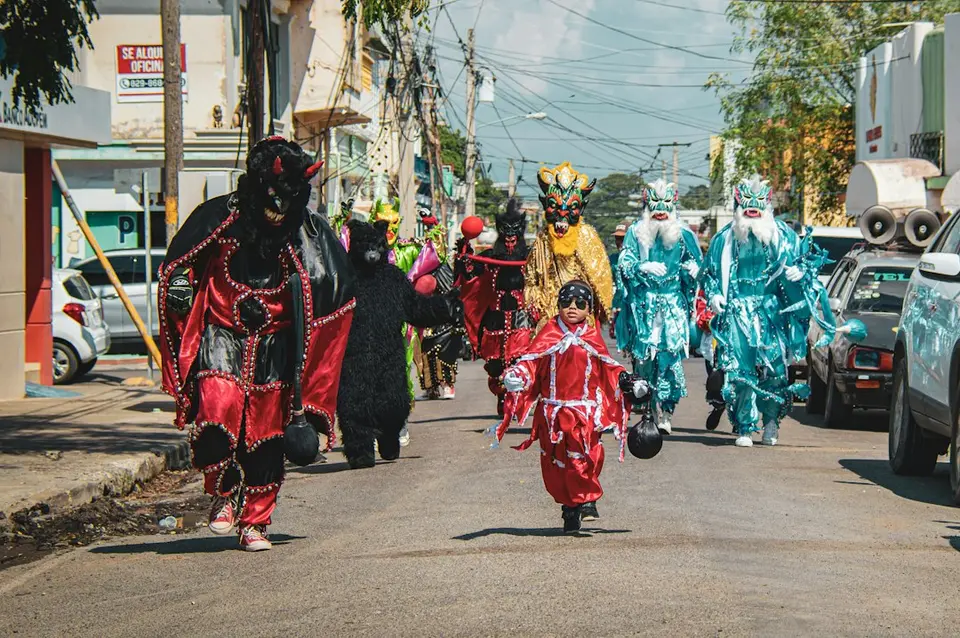
Moving abroad also means rebuilding a social circle where nothing feels familiar. This article helps you focus on what matters: preparing for your arrival, choosing regular activities to meet locals, finding expat communities online and on site, and making the most of coworking spaces and social platforms. You'll leave with a simple action plan.
Why Building Connections Is the Real Challenge of Settling In
Loneliness is not a rare case in expat life: according to a study cited by the CFE, 87% of expats have already felt isolated during their time abroad[1]. The most common cause, for 48% of them, is missing loved ones. Next come language barriers (24%), the lack of a local network (20%), and difficulty finding their way in a new environment (18%)[1].
Young people are particularly exposed[1]. Abroad, their difficulties are amplified by distance from family, homesickness, cultural gaps, integration challenges, the loss of familiar landmarks, and the need to rebuild their social identity in an environment where nothing feels familiar[1].
The spouse's situation is a separate case. While the expat's own social life tends to rebuild fairly quickly abroad, integration is much harder for the accompanying partner[2]. The recommended approach is to connect with local associations and administrative networks, and to go abroad with a genuine project of your own[2].
Before You Leave: Preparing for Integration
It's strongly recommended to prepare mentally and emotionally for the upheaval of an expat move[1]. Learn about local culture, customs, the cost of living, and the integration difficulties newcomers commonly face[1].
To do this, read forums and expat groups on social media, or talk directly with people already living there[1]. Their experiences help you avoid pitfalls and understand everyday life. The more you anticipate these challenges, the less difficult the cultural and social shock will be[1].
If you're following a partner, the project matters as much as the logistics: arriving with a real project of your own is one of the pieces of advice given[2].
Meeting Locals: Regular Activities Come First
One of the fastest ways to ease feelings of isolation is to take part in local life[1]. There are many ways in:
- volunteering;
- language classes;
- cultural workshops;
- sports clubs;
- local cooking classes.
These activities widen your social circle and help you connect with people who share your interests[1]. They also help you feel more connected to your host country and give meaning to your time abroad[1]. The key is consistency: seeing the same people every week builds habits that one-off encounters never will.
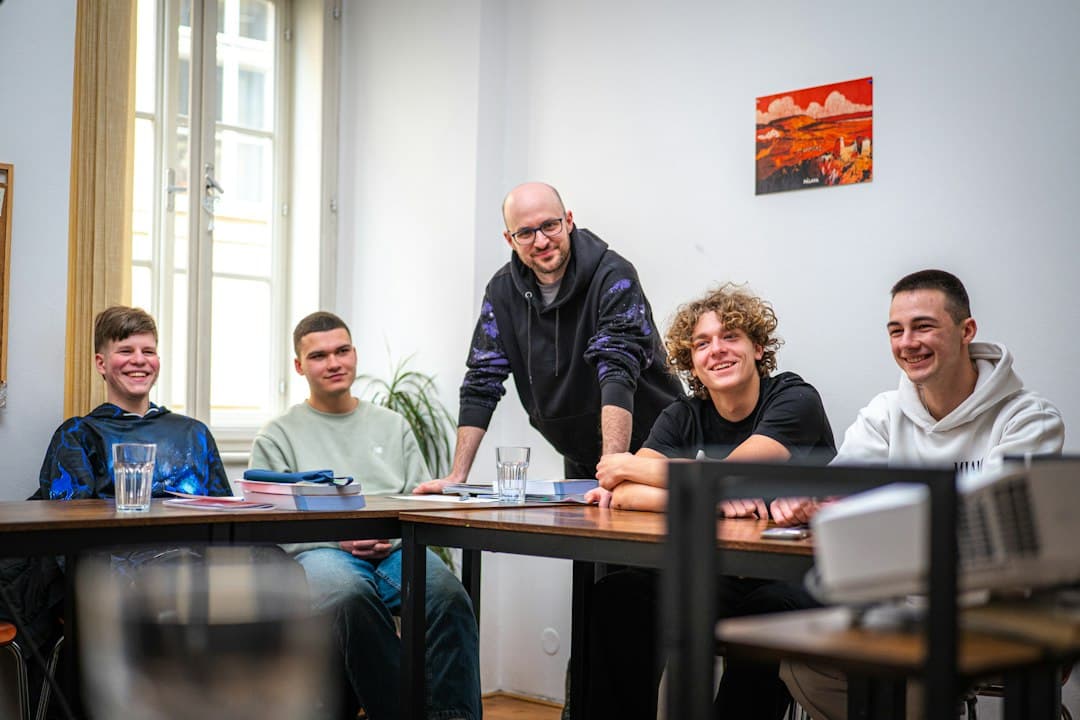
For expat spouses in particular, local associations are often the recommended route[2].
Joining Expat Communities
To connect with other expats, you can join Facebook, WhatsApp, or Telegram groups, or go through organizations such as the Alliance Française, local welcome centers, or FLAM associations[1]. These last options come from a French source: depending on your nationality and host country, the support organizations available will differ.
These communities help you break out of loneliness, but they also provide practical advice for settling in: housing tips, neighborhoods worth considering, how the local healthcare system works, and events not to miss[1].
Coworking Spaces and Platforms: Where to Look On Site and Online
If you're a freelancer, a student, or working remotely, don't stay isolated at home. Coworking spaces, cafés, and libraries are great places to meet people, where you'll cross paths with others from all walks of life, often in the same situation[1].
Some coworking spaces offer events or group activities, which can be a chance to grow your social and professional network; check with the space of your choice.

Online, there are plenty of platforms to meet people in your adopted country[1]. InterNations, for example, presents itself as the largest global community of expats, with 5.7 million members in 420 cities[3]. It reports about 4,000 events and activities per month, where expats can meet others who share their interests[3]. These figures are reported by Slow Travel News and have not been independently verified.
Language and Local Integration
English proficiency varies widely from country to country, and it shapes how you'll meet locals. In Colombia, about 4.2% of the population speaks English, almost exclusively in expat neighborhoods (El Poblado in Medellín, northern Bogotá); in daily life, Spanish is essential[4]. Colombians appreciate the effort to speak Spanish[4].
In Spain, English proficiency is moderate: it's spoken in international companies, tourist areas, and among young urbanites, but it isn't widespread[5]. In several regions, a co-official language coexists with Spanish (Catalan, Basque, Galician), and using a few words of the regional language is greatly appreciated locally[5].
Language classes therefore serve a dual purpose: they make you more self-reliant and are one of the regular activities that help you meet people[1].
Steps, in Order
- Before you leave: learn about the local culture and join an expat group to chat with people already on the ground.
- On arrival: sign up for a regular activity (language class, sport, volunteering, workshop) and get in touch with a local welcome organization.
- Day to day: work from a coworking space, café, or library rather than from home, and try the events offered by platforms like InterNations.
- Over time: keep at least one fixed weekly meeting with locals, and another with other expats.
Sources
- 1.^ abcdefghijklmnopcfe.fr — Expatriation: How to Break Isolation as a Young Expat? - La Sécurité sociale des Expatriés - CFE: "87% of expats have already felt isolated during their stay abroad. The main reason for half of them (48%): missing loved ones. Other causes include language barriers (24%), the lack of a local network (20%), and difficulty finding their way in their new environment (18%)."; "In general, young people are particularly vulnerable to this phenomenon."; "When living abroad, these challenges are amplified by distance from loved ones, homesickness, cultural gaps, integration difficulties, loss of reference points, and the need to rebuild one's social identity in an environment where nothing feels familiar." https://www.cfe.fr/en/-/expatriation-comment-rompre-l-isolement-en-tant-que-jeune-expat?pourquoilacfe (accessed October 22, 2026)
- 2.^ abcdlenouveleconomiste.fr — Expat Spouse, a Social Adventure | Le nouvel Économiste: "Yet while the expat's own social life tends to rebuild fairly quickly abroad, for the spouse, integration proves much more difficult."; "The solution: connect with the local associative and administrative fabric, and set out with a real expatriation project in your luggage." https://www.lenouveleconomiste.fr/lesdossiers/conjoint-dexpatrie-une-aventure-sociale-20272/ (accessed October 22, 2026)
- 3.^ abslowtravelnews.com — The Best & Worst Countries for Living Abroad – Slow Travel News: "With 5.7 million members in 420 cities around the world, InterNations is the largest global community and a source of information for people who live and work abroad."; "With about 4,000 events and activities per month, members can meet other open-minded people and exchange ideas around shared interests." https://slowtravelnews.com/2025/09/06/the-best-worst-countries-for-living-abroad/ (accessed October 22, 2026)
Show 2 more sourcesShow less
- 4.^ abMira Knowledge — In Colombia, only about 4.2% of the population speaks English, almost exclusively in expat neighborhoods (El Poblado in Medellín, northern Bogotá), and Spanish is essential in daily life. Verified on 06/13/2026: 2 concurring sources (livingcost.org, expat.com). https://livingcost.org/cost/colombia (accessed June 13, 2026)
- 5.^ abMira Knowledge — In Spain, English proficiency is moderate: it is spoken in international companies, tourist areas, and by younger urban generations, without being widespread. Verified on June 11, 2026: reference source commisceo-global.com. https://commisceo-global.com/country-guides/spain-guide (accessed June 11, 2026)