In northern Colombia, a stone city lies hidden in the Sierra Nevada de Santa Marta, and only one path leads to it: four to five days of hiking through the forest. This article explains where the trek starts, what the days and nights are like, what the price includes in 2026, and what to check before you book. You will also learn which territory you are entering and how to respect it.
Teyuna, the Tayrona city hidden in the Sierra Nevada
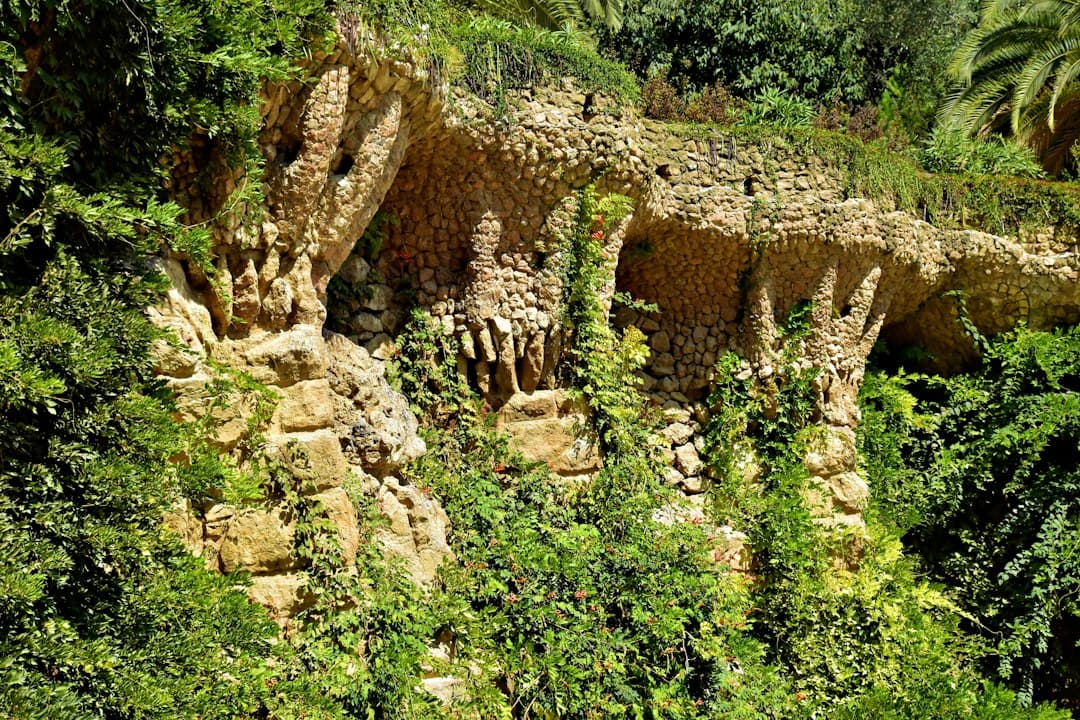
Ciudad Perdida, the “lost city,” is also known as Teyuna. It is made up of nearly 170 stone terraces spread across eight sections[1]. These terraces held spaces for living, working and holding religious ceremonies[1]. Anthropologists believe the city was built between 700 and 800 CE[1]. Of all the ancient Indigenous sites restored in the Sierra Nevada de Santa Marta, it is by far the most important[1].
It was discovered in 1975 by people digging informally in the area, then confirmed as a Tayrona site by the Bogotá institute of anthropology[1]. Indigenous groups, including the Arhuaco, Kogui and Wiwa, had known of its existence[1].
Teyuna is an archaeological park administered by the Colombian Institute of Anthropology and History (ICANH)[2]. It lies in a Sierra Nevada that UNESCO declared a biosphere reserve in 1979[3].
A living territory: Kogui, Wiwa, Arhuaco and Kankuamo
The Sierra Nevada is the cradle of the Tayrona. Their descendants still live there: nearly 70,000 people from the Kogui, Arhuaco, Kankuamo and Wiwa peoples[3]. The massif is considered their ancestral territory[2], and Teyuna is a sacred site for all four peoples[2].
The trail runs past living communities. On the 4-day Wiwa Tour circuit, for example, you pass near a Kogui community called Mutanzhi[4]. According to the operator, the group may also be accompanied by an Indigenous guide; the Wiwa Tour agency highlights its Indigenous guides[4].
Do not count on a guaranteed immersion, however. A traveler on the same circuit says it was not an immersive experience with a Sierra ethnic group, and that the neighboring Wiwa village was empty when they passed through[4].
One clear rule applies to everyone: the high areas of the Sierra (lagoons, páramos, snow) are closed to tourism because of how fragile these ecosystems are and their cultural importance[2]. Entering them is an environmental offense[2].
The trek day by day
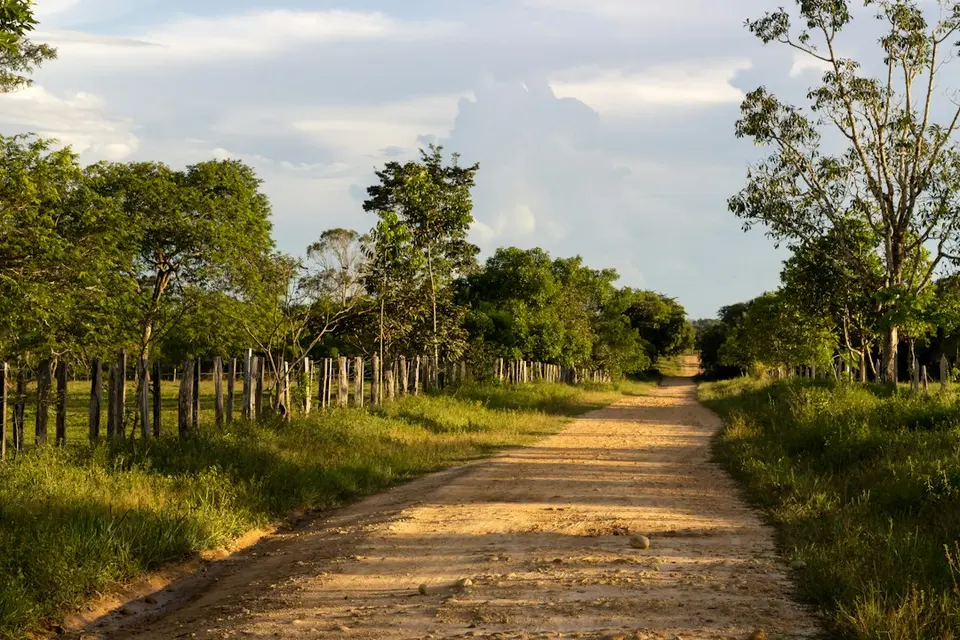
The trek starts from El Mamey (also called Machete Pelao), a village at the end of a dirt track, about 2 to 3 hours by 4×4 from Santa Marta[5]. It follows the Buritaca valley up to the city and returns by the same route[5]. The round trip covers about 47 km, and almost everyone takes 4 or 5 days[5].
On the 4-day Wiwa Tour circuit, expect daily hikes of about 5 to 7 hours on trails following the old paths used by the peoples of the Sierra[4]. You cross forest, and you sometimes have to cross the Buritaca River on foot or use suspension bridges[1]. The route is sometimes hilly and lined with waterfalls and pools where you can swim after a long day[1].
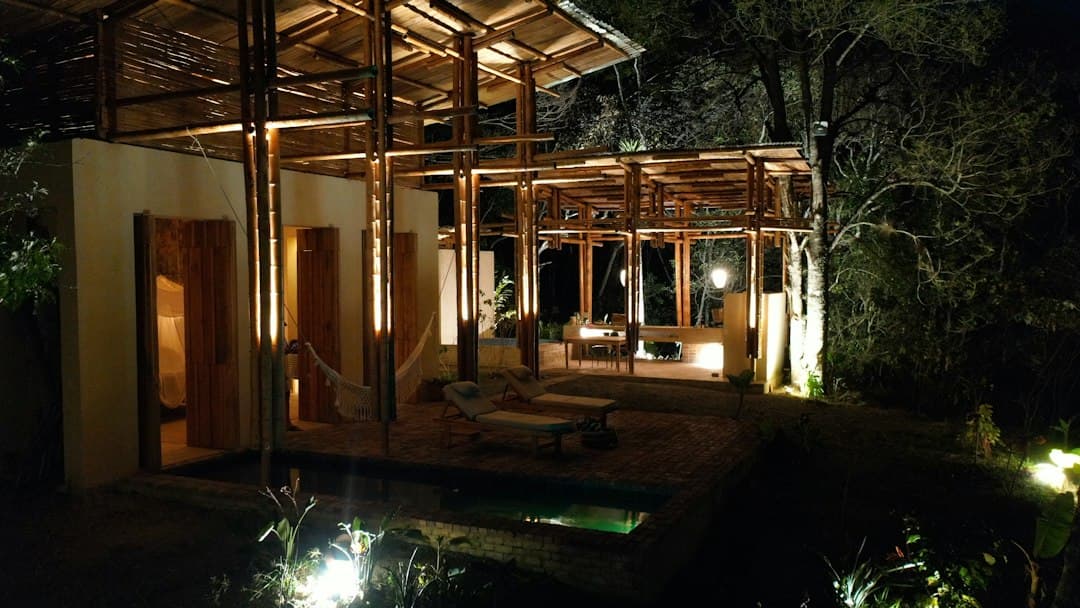
Nights are spent in simple camps, with bunk beds or hammocks, and the operator provides all meals[5]. One traveler describes a camp without walls where the guides prepare dinner (chicken, potatoes and rice) in a large open kitchen[6].
Operators cover the guide, supplies and sleeping arrangements, and help hikers understand the history of the region[1].
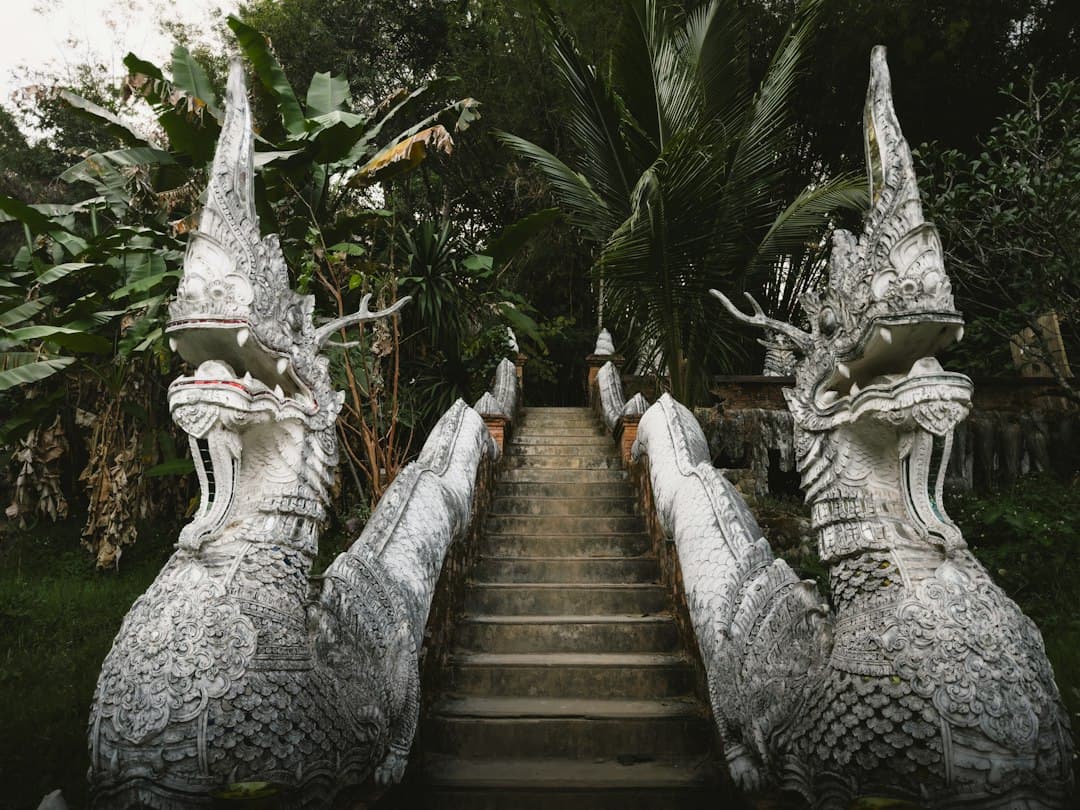
The arrival is earned: the only way to reach the city is to climb the 1,200 stone steps leading up to it[1]. The climb can be grueling, but the first view of the site is already a reward[1]. The return trip follows the outbound path[6].
When to go, how much time to plan
Four days is the usual length; some people take five days[5]. The site is open from 7 a.m. to 3 p.m.[5].
A specialized guide reports a closure in September for Indigenous rituals and a limit of 50 visitors per day[7]. If you're aiming for that period, have the agency confirm the dates before you book your flights.
On the logistics side, most hikers spend a few days in Santa Marta before and after their trek[1]. Its Simón Bolívar International Airport has good direct connections to Medellín, Bogotá and Cali[1].
Booking and budgeting your trek in 2026
You can only go with an authorized operator and their guide[5]. ICANH only sells park tickets to agencies holding a valid National Tourism Registry (RNT) and a specific permit, so trekking on your own is not possible[5].
For 2026, operators list about 1,860,000 COP for 4 days and 2,150,000 COP for 5 days; the dollar equivalent varies with the exchange rate[5]. These prices include 4×4 transfers, the guide, camps, all meals, drinking water and the park ticket, which has cost 75,000 COP since 2026[5]. Several operators also require travel insurance covering emergency evacuation[5].
You book with an operator in Santa Marta or online, for example Magic Tour, Expotur or Wiwa Tour[5]. Each group has a Spanish-speaking guide, often accompanied by an Indigenous guide and an English-speaking interpreter[5].
What to pack
The agencies provide meals and sleeping gear, along with the team that carries this equipment into the jungle, but each person carries their own clothing and personal items[1]. The agency will tell you what to bring based on the type and length of your trek, and it's best to travel as light as possible[1].
Choose clothing that dries quickly: one hiker describes clothes that stayed constantly soaked with sweat and heat-related skin irritation[6].
Rain can be heavy: during one trip, a storm broke out in the evening, with thunder and lightning[6]. Insects are plentiful near the city, which led him to reapply repellent and cover his legs and arms[6].
Sidebar: check before booking
- The agency provides an RNT number[5].
- The guides are licensed to work: you can ask them to show their ID[3].
- You have your identity documents and medical insurance with you[3].
- You are ready for sustained physical effort: the trek is an adventure excursion through forest and carries risks[4].
Alcohol and psychoactive substances are restricted at entry, as is carrying firearms[2]. For recommended vaccines, check with a doctor or vaccination center before you leave.
Key takeaways
- Choose an operator whose authorizations are up to date, and compare what the price includes.
- Plan for 4 to 5 days of trekking, plus one or two days in Santa Marta on each side.
- Avoid September, or have the agency confirm that the site is open.
- Treat the territory as an inhabited and sacred place: stay on the trail and do not climb into the high parts of the Sierra.
This article gives you the essentials to decide and book. Choosing an operator in detail, physical preparation and gear, or planning the rest of your itinerary on the Caribbean coast will require going further.
Keep exploring
- Colombia: The Essentials, from the Caribbean to the Amazon
- Santa Marta: What to See and Do on Colombia's Caribbean Coast
- Tayrona National Park: Your Guide to Planning the Visit
- La Guajira: Cabo de la Vela and Punta Gallinas, the Edge of the Continent
Sources
- 1.^ abcdefghijklmnocolombia.travel — Why should you go to the Lost City?| Colombia Travel®: “Made up of nearly 170 distinct terraces, spread across eight sections, Ciudad Perdida offered its community spaces to live, work and hold religious ceremonies.”; “Anthropologists believe the Lost City was built between 700 and 800 CE and, among the many former Indigenous villages restored and recorded in the Sierra Nevada de Santa Marta, it is by far the most important.”; “Ciudad Perdida was uncovered in 1975 by people digging informally in the area, then confirmed as a Tayrona site by the Bogotá institute of anthropology. Indigenous groups, including the Arhuaco, Kogui and Wiwa, had known of its existence.” https://colombia.travel/en/blog/ciudad-perdida-glimpse-past-in-sierra-nevada (accessed November 9, 2026)
- 2.^ abcdefold.parquesnacionales.gov.co — Sierra Nevada de Santa Marta National Natural Park | Parques Nacionales Naturales de Colombia : “It is the Teyuna Ciudad Perdida archaeological park, administered by the Colombian Institute of Anthropology and History (ICANH).” ; “It is conceived as the ancestral territory of the Indigenous peoples ik u (Arhuaco), Kággaba (Kogui), Wiwa and Kankuamo.” ; “It is considered a sacred site for the four Indigenous peoples of the Sierra.” https://old.parquesnacionales.gov.co/portal/es/ecoturismo/parques/region-caribe/parque-nacional-natural-sierra-nevada-de-santa-marta-2/ (accessed November 9, 2026)
- 3.^ abcdold.parquesnacionales.gov.co — Sierra Nevada de Santa Marta National Natural Park | Parques Nacionales Naturales de Colombia | Page 1000 : “It was declared a biosphere reserve by UNESCO in 1979.” ; “Descendants of this culture still live there: nearly 70,000 Indigenous people belonging to the Kogui, Arhuaco, Kankuamo and Wiwa ethnic groups.” ; “Make sure that the rangers, environmental interpreters and guides are authorized to carry out this activity. You may ask them to show their identification.” https://old.parquesnacionales.gov.co/portal/en/ecotourism/caribbean-region/sierra-nevada-de-santa-marta-national-natural-park/1000/ (accessed November 9, 2026)
Show 4 more sourcesShow less
- 4.^ abcdewiwatour.com — Lost City 4-Day Tour | Indigenous Guides : “Along the way, we will pass near a Kogui Indigenous community called Mutanzhi, where we will appreciate the harmony of Indigenous peoples with nature and Mother Earth.” ; “accompanied by native Indigenous guides, to ensure a unique and unforgettable experience.” ; “This is in no way an immersive experience in a Sierra Nevada ethnic group. The nearby Wiwa village is empty, and we did not encounter any other Wiwa except on the road.” https://wiwatour.com/tours/tour-ciudad-perdida-4-dias/ (accessed November 9, 2026)
- 5.^ abcdefghijklmnoutestapp.com — Lost City Trek: 2026 Trekking Guide : “The trek starts from El Mamey (also called Machete Pelao), a village at the end of a dirt track, about 2 to 3 hours by 4×4 from Santa Marta.” ; “It follows the Buritaca Valley up to the city and returns by the same route. The round trip covers about 47 km, and almost everyone takes 4 or 5 days.” ; “You sleep in simple camps with bunk beds or hammocks, and the operator provides all meals.” https://outestapp.com/it/lost-city-trek/ (accessed November 9, 2026)
- 6.^ abcdetrailwanderer.org — The Lost City – Ciudad Perdida, Sierra Nevada National Park, Colombia | The Lone Trail Wanderer : “Part of the wall-less hut was a large kitchen where the guides prepared our dinner of chicken, potatoes and rice.” ; “The last day simply consisted of returning along the trail we had taken on the first day.” ; “Even though the constant sweating and soaked clothes gave me heat rash, it was worth reaching the Lost City.” https://trailwanderer.org/2013/12/09/the-lost-city-ciudad-perdida-sierra-nevada-national-park-colombia/ (accessed November 9, 2026)
- 7.^bestdestinationsguide.com — Colombia Adventure 2026: 4 Regions + Permits : “with a cap of 50 visitors per day and a closure in September for Indigenous rituals.” https://bestdestinationsguide.com/blog/colombia-adventure-travel-guide (accessed November 9, 2026)