Living in Thailand generally costs less than in Europe, but not in every category. This article helps you build your budget by separating everyday expenses, the healthcare line that can get out of hand, and the one-off costs people often forget. You'll know what to calculate before you leave and what to ask before signing a lease.
Why Thailand costs less, and where that isn't true
The cost of living in Thailand is generally lower than in most Western countries, whether for renting an apartment, getting around, leisure, or minor medical care[1]. Some items, such as basic furniture and toiletries, are also cheaper there[1].
That said, don't expect a bargain-basement cost of living: it's relatively inexpensive to live comfortably, but not at any price[1]. The main exception is serious medical care, detailed below.
The most reliable method is to build your budget category by category (housing, utilities, healthcare), then add the one-off costs of settling in.
Housing: rent and where you live
Housing is one of the categories where life costs less than in the West[1]. However, your choice of city changes your living environment, and therefore how you spend.
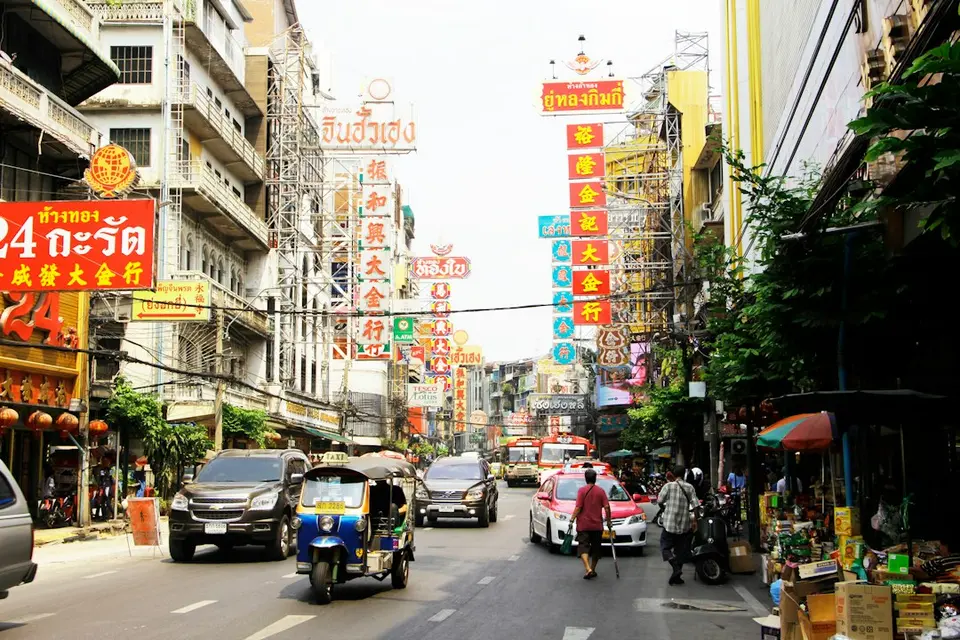
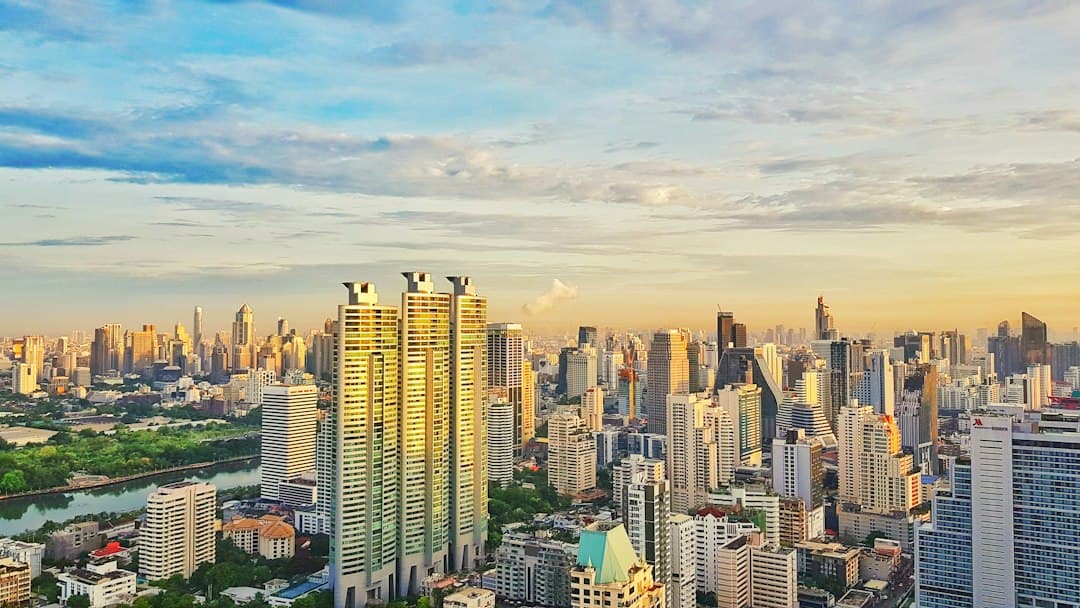
- Bangkok: many people live there for work or business, as it is the country's economic hub and an international transport hub[1].
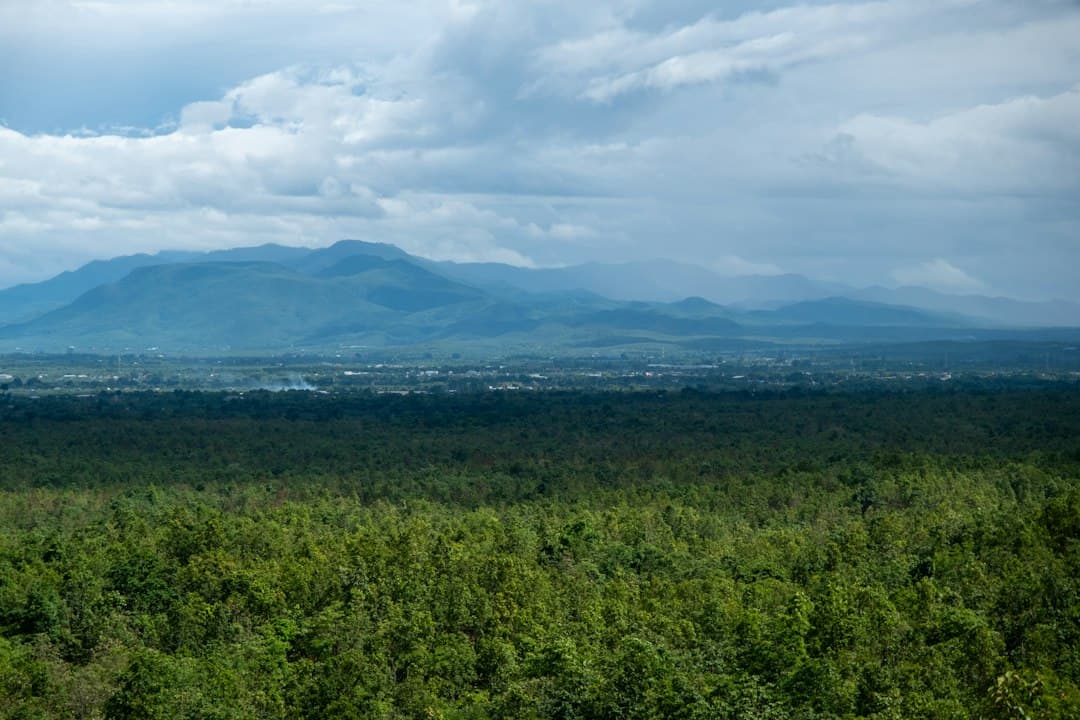
- Chiang Mai: located in the north and surrounded by mountains, the city offers a more relaxed, slower pace than Bangkok[1].
Your residence status also affects your housing choice: a visa is required to rent an apartment on a lease of at least one year[1]. Before you start looking, set a precise budget that includes rent, service charges, deposits, and other rental-related costs[2].
Electricity and water: the line to watch
Electricity is billed at between 4 and 8 THB per kWh depending on the type of meter: a direct meter from the utility (MEA or PEA) or the landlord's internal meter[3]. Water costs around 8 to 15 THB per m³[3].
For a studio, a typical monthly bill falls between 1,000 and 2,500 THB[3]. Before signing, ask the landlord which type of meter is installed: the difference in the price per kWh (from 4 to 8 THB depending on the meter) can significantly change your electricity bill from one place to another.
Healthcare and insurance: the line that can get out of hand
Healthcare can cost less than in your home country, but it can also be expensive, especially at private facilities[1].
In the event of a serious accident, treatment at modern hospitals can cost as much as, or far more than, in Western countries[1]. That is why good health insurance is essential in Thailand, as it is anywhere else in the world[1]. Build it into your budget from the start rather than treating it as an option.

One-off costs of settling in
Beyond monthly expenses, your budget must account for one-off or annual costs: the initial visa, insurance, personal expenses, deposits, furniture, and other items needed to settle in[1].
Your visa also affects your budget through its conditions. The DTV visa, designed for remote workers, is subject to conditions on duration and renewal that you should verify with the Thai authorities. Some long-stay visas allow you to live in Thailand for one year, with the possibility of renewal, provided you meet certain financial (minimum income) and professional criteria[2]. Check these criteria with the Thai authorities before you calculate your project's costs.
Steps to Build Your Budget
- Choose the city, then set a housing budget that includes rent, utilities, and deposits.
- Ask what type of electricity meter is installed before signing the lease.
- Plan for 1,000 to 2,500 THB per month for electricity and water for a studio as a baseline.
- Get solid health insurance before you leave.
- Factor in one-time costs: initial visa, furniture, and deposits.
- Check the financial requirements of the visa you are targeting.
Sources
- 1.^ abcdefghijktoutelathailande.fr — What You Need to Know Before Settling in Thailand: “The cost of living in the Kingdom is generally lower than in most Western countries, whether it's apartment rent, transportation, leisure, or minor medical expenses.” ; “Some items, such as basic furniture and toiletries, are cheaper in Thailand.” ; “While it is relatively inexpensive to live comfortably in Thailand, you should not expect the cost of living to be negligible.” https://toutelathailande.fr/ce-quil-faut-savoir-avant-de-sinstaller-en-thailande/ (accessed November 1, 2026)
- 2.^ abbenoit-partners.com — Expat Life in Thailand: A Guide to Settling In 2025: “Before you start looking, set a precise budget for your housing, taking into account rent, utilities, deposits, and other rental-related costs.” ; “This visa allows you to live in Thailand for one year, with the option to renew, provided you meet certain financial (minimum income) and professional requirements.” https://benoit-partners.com/fr/expatriation-en-thailande/ (accessed November 1, 2026)
- 3.^ abcMira Knowledge — Electricity costs between 4 and 8 THB per kWh depending on the type of meter (direct or owner's internal meter), and water about 8 to 15 THB per m³. Verified on June 11, 2026: official source mea.or.th. https://www.mea.or.th/en/ (accessed June 11, 2026)