Between a national strike, a rail accident and new traffic rules for snowy weather, your trips around Spain call for some planning this winter. This article helps you spot the busy periods, know where to check the status of each mode of transport and learn the new DGT guidelines. From it you can take a simple method: for each trip, one main option and a fallback solution.
Why you should keep your travel plans flexible this winter
Transport disruptions can't always be prevented, but they can be prepared for. British authorities reported that a national strike was planned for November 11 and was expected to affect transport[1]. On October 28, two high-speed trains collided between Mora and Orgaz, in the province of Toledo[1]. These events have already passed by the publication date, but they show that the network can be disrupted with little advance notice.
The rule that follows applies to the whole winter: for each trip, note a main option and at least one alternative (another time, another mode of transport, another route). Choose it in advance, not at the moment your flight is cancelled or your train is removed.
Flights: booking and building in a backup
The end-of-year holidays concentrate demand. For the period from December 19, 2025 to January 7, 2026, Aena, the operator of Spain's airports, had scheduled 101,793 flights, and the three busiest airports were Madrid-Barajas, Barcelona-El Prat and Málaga-Costa del Sol[2]. Treat this schedule as a benchmark: the same dates are busy every year.
Protests and social movements can also affect airports: flight delays or cancellations are possible, as are disruptions at ports[3]. Before heading to the airport, check the status of your flight and, if you can, keep a backup airline or departure time for your most important trips.
Trains: high demand and incidents to watch
Between December 19, 2025 and January 7, 2026, up to 22,160 high-speed, long-distance and medium-distance trains were due to run on the Spanish network, operated by Renfe, Iryo and Ouigo[2]. The Madrid-Barcelona route offered the largest number of seats, with 392,000[2]. The Madrid-Puerta de Atocha and Madrid-Chamartín stations were among the busiest in the country[2].
On these heavily used routes, book early and favor a backup operator in case your train is cancelled. In the event of a rail incident, if you need assistance or information about affected passengers, Renfe can be reached at +34 900 10 10 20[1].
Roads: new DGT rules for winter 2026-2027
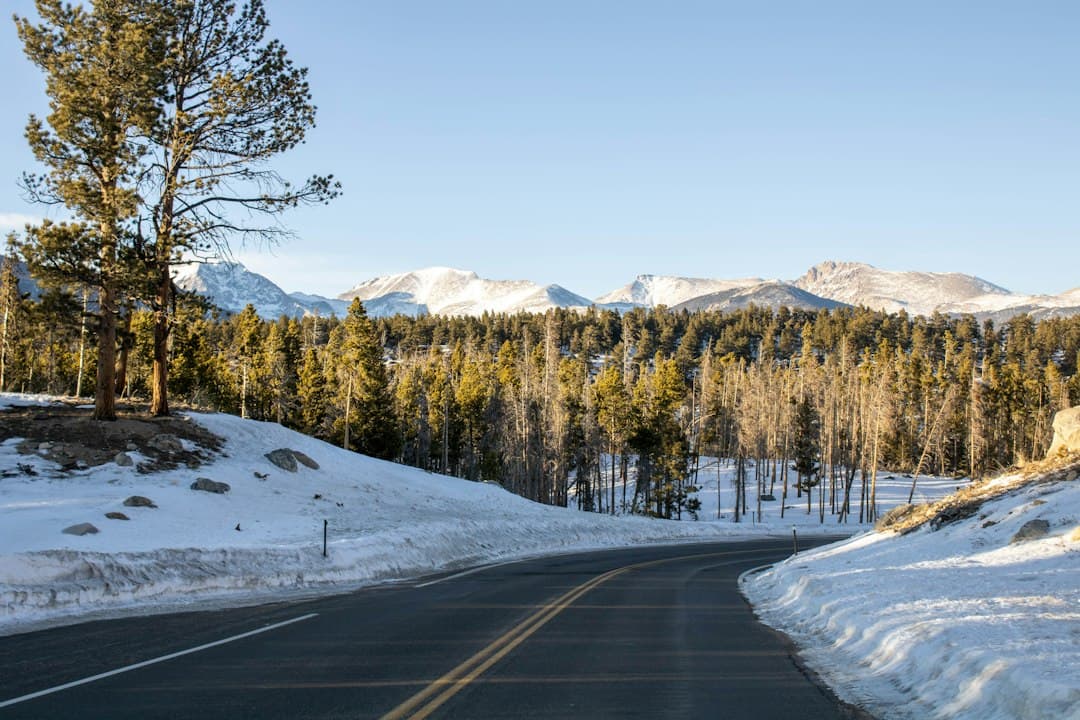
The DGT, Spain's directorate-general for traffic, has published the instructions for the 2026-2027 winter road maintenance campaign[4]. Its main novelty: when snow falls, you must keep the left-hand lane clear so emergency vehicles and snowplows can get through[4]. The goal is to prevent these vehicles from being trapped between cars and unable to restore safety on the road[5].
A color scale aligned with the weather
Road condition levels for snow, fog and wind now follow the alert levels of the AEMET weather agency[4]. The former green level disappears: the scale has four main colors (yellow, orange, red and black), plus white, which indicates normal conditions[6].
Black is the most serious level: the DGT describes it as “impassable,” with the road completely cut off[7]. On motorways and expressways, variable message signs show the road condition level and any restrictions[4]. If you're driving in the mountains, check road conditions on the DGT website before you leave: a black level leaves no margin.
On certain precisely identified sections of expressway, only vehicles fitted with winter tires may travel, and chains are prohibited at the red level[4]. This limit does not apply to all roads[5].
Traps, scams and points to watch
- Demonstrations and strikes: even those intended to be peaceful can suddenly turn violent, and they may disrupt access to roads, airports, the rail network and the metro[3]. Avoid planning a tight departure on days when a demonstration has been announced.
- Pickpocketing: minor crimes such as bag snatching are common, especially in large cities like Madrid and Barcelona[3]. Thieves target tourists, particularly during weekends, public holidays and festivals[3]. Stay alert in train stations and airports, where you arrive with heavy luggage.
- Staged roadside incidents: thieves may fake or cause an incident, such as a flat tire; when a driver stops to help, they drive off with the car or personal belongings[3]. The reverse scenario also happens: a criminal stops upon seeing a driver in distress in order to rob them[3].
- Winter tires: the red level may require winter tires on certain stretches of expressways, with snow chains prohibited[4].
- Non-European travelers: for Canadian citizens, the visa exemption only applies for 90 days within any 180-day period[3], and your passport must be valid for at least 3 months after your planned departure date from the Schengen Area[3]. Other nationalities should check with the Spanish embassy or consulate whether a visa is required. Failing to meet these conditions may prevent you from boarding a flight.
Steps to build a Plan B
- For each journey, note the main mode of transport and at least one alternative.
- The day before and on the day of departure, check the situation with Aena for flights, Renfe for trains and the DGT for roads.
- Allow a comfortable margin for connections, especially during peak periods.
- Keep the airline's or rail operator's contact details within reach; in the event of a rail accident, Renfe lists +34 900 10 10 20 for assistance and information on affected passengers[1].
- If snow is forecast, check the road-passability level of your route and keep the left-hand lane clear[4].
This article does not detail ferry connections, compensation rights in case of cancellation, or bus alternatives: if your trip depends on these, you will need to go further to build your complete plan.
Sources
- 1.^ abcdgov.uk — Spain travel advice - GOV.UK: “A national strike is planned for November 11 and is expected to affect transport systems. Check with your travel provider for the most up-to-date information.”; “On October 28, two high-speed trains collided between the towns of Mora and Orgaz, in the province of Toledo.”; “If you need assistance or information on affected passengers, contact RENFE at +34 900 10 10 20.” https://www.gov.uk/foreign-travel-advice/spain (accessed November 23, 2026)
- 2.^ abcdthelocal.com — What to expect from travel in Spain over Christmas 2025: “Spanish airport operator Aena has revealed that a total of 101,793 flights are scheduled between December 19, 2025 and January 7, 2026.”; “The three busiest airports will be Madrid-Barajas, Barcelona-El Prat and Málaga-Costa del Sol.”; “Between Friday, December 19 and Wednesday, January 7, up to 22,160 high-speed, long-distance and medium-distance trains will run on the Spanish rail network, operated by Renfe, Iryo and Ouigo.” https://www.thelocal.com/20251222/what-to-expect-from-travel-in-spain-over-christmas-2025 (accessed November 23, 2026)
- 3.^ abcdefghvoyage.gc.ca — Travel advice for Spain: “Even demonstrations intended to be peaceful can suddenly turn violent.”; “Flight delays or cancellations, as well as disruptions at ports, are also possible.”; “Minor crimes, such as pickpocketing and bag snatching, are common, especially in large cities like Madrid and Barcelona.” https://voyage.gc.ca/destinations/espagne (accessed November 23, 2026)
Show 4 more sourcesShow less
- 4.^ abcdefgdgt.es — DGT - The Directorate-General for Traffic updates road status due to adverse weather at the start of the winter road campaign: “The instruction for the 26-27 winter road campaign has been published, the main novelties of which are the requirement, in the event of snowfall, to keep the left-hand lane clear to allow passage for emergency vehicles and snowplows.”; “The possible road status levels, valid for snow as well as fog and wind, are now defined in line with AEMET's generic alert levels, using a four-color code distinct from the generic categorization, so as to be as intuitive as possible.” https://www.dgt.es/comunicacion/notas-de-prensa/20261119-actualizacion-estados-de-vialidad-por-meteorologia-adversa (accessed November 23, 2026)
- 5.^ abeldigitaldealbacete.com — The DGT changes the rules for driving in snow: the lane that must be kept clear and the new restrictions - El Digital de Albacete: “The DGT establishes that the left-hand lane or lanes must be kept clear to facilitate the progress of snowplows and emergency services, avoiding their getting stuck between vehicles or being unable to carry out the work needed to restore road safety.” ; “This specific restriction will apply to the road sections expressly identified by the DGT and does not constitute a general ban on using snow chains on all roads.” https://www.eldigitaldealbacete.com/2026/11/20/la-dgt-cambia-las-normas-para-conducir-con-nieve-el-carril-que-debera-quedar-libre-y-las-nuevas-restricciones/ (accessed November 23, 2026)
- 6.^cope.es — The DGT confirms the change: "It takes as a reference the generic warning levels of AEMET to update its winter protocols for snow, ice and wind": “The former green level disappears, making way for a scale of four main colors (yellow, orange, red and black) that join white, the indicator of normal conditions.” https://www.cope.es/trafico/audios/dgt-confirma-cambio-toma-referencia-niveles-aviso-genericos-aemet-actualizar-protocolos-invernales-nieve-hielo-viento-20261123_3480562.html (accessed November 23, 2026)
- 7.^motor16.com — The DGT introduces snow warnings with a black level and more restrictions for winter 2026-2027: “The DGT has added a black level to snow, fog and wind alerts: it means a total closure of the road.” https://www.motor16.com/las-ultimas-noticias/avisos-dgt-nieve-nivel-negro/ (accessed November 23, 2026)