Moving from backpacking to sustainable remote work changes your pace, but more importantly, your legal status. This guide helps you distinguish between tourist status and dedicated visas, prepare a digital nomad visa application using the Spanish example, and spot the pitfalls that lead to rejection. It promises no income: it tells you what to check, and where.
From Backpacking to Remote Work: What Really Changes
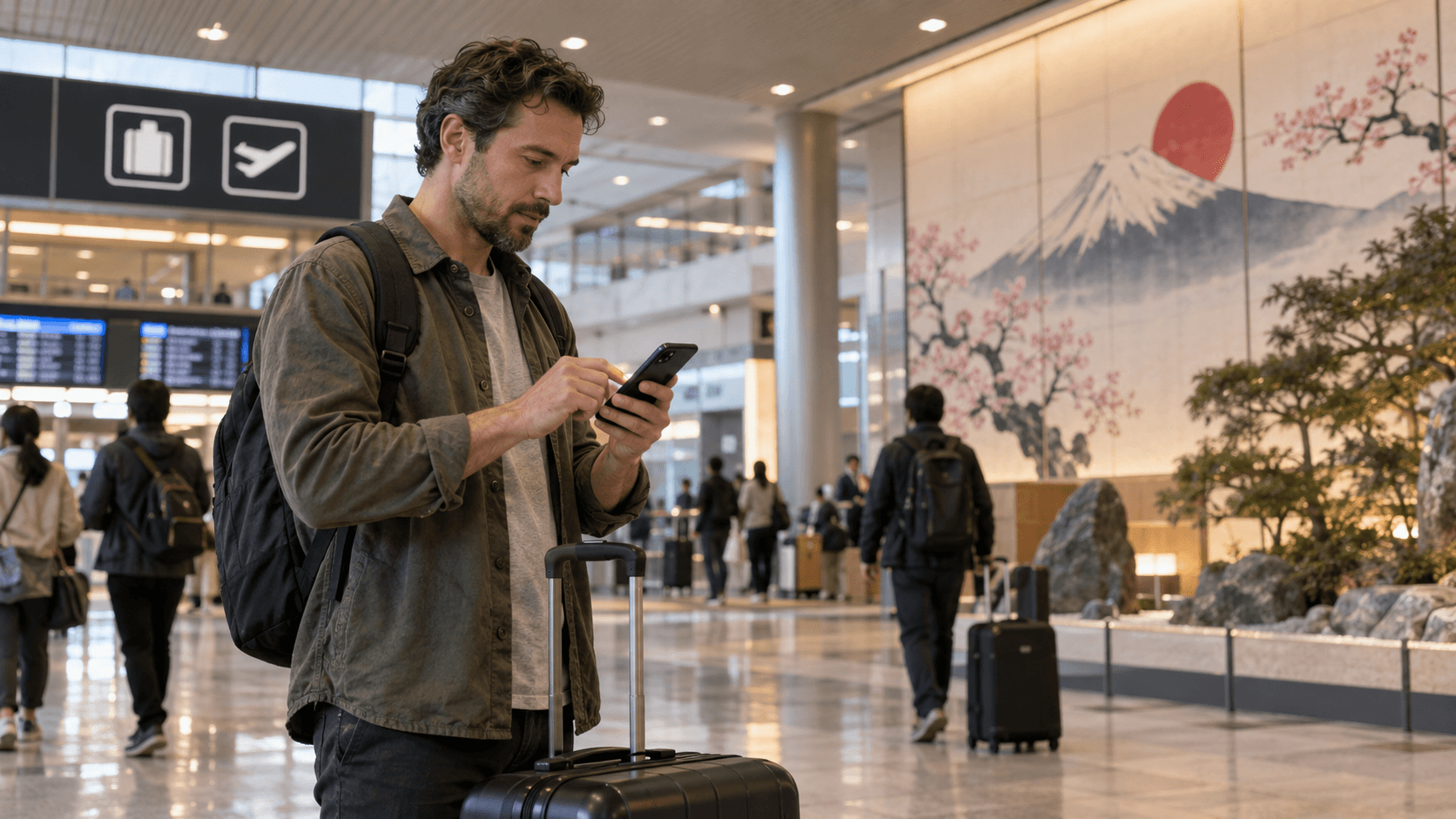
A backpacker travels; a digital nomad works while traveling. A digital nomad is defined as someone who uses technology to work wherever they want[1]. In practice, this usually means fast wifi and a productive workspace; many work from cafés, coworking spaces, or coliving arrangements[1].
Free time doesn't necessarily increase. Digital nomads from Planet Nomad find that most work much more than when they were settled[2]. They also note that working independently makes it hard to know when to stop and rest[2].
Your pace slows down. These same nomads change locations every 3 to 6 months on average, depending on weather, workload, and coliving availability, and find it hard to stay in one place for less than a month[2]. In practice: where you used to rush from place to place, now plan stays of several months—which immediately raises the question of legal residence.

Tourist Status or Digital Nomad Visa: The Legal Framework
Can you remote work with just tourist status? Our database shows a gray area, not permission.
In Japan, short-stay visa exemptions cover tourism or business; remote work for a foreign employer or client is often tolerated in practice for short periods, but isn't explicitly authorized and carries risks—the dedicated route is the Designated Activities Digital Nomad status[3].
In Belize, no dedicated digital nomad visa appears in the Immigration Department index, and remote work on tourist status remains a gray area to clarify with that service[4].
For a long stay, the safe route is a visa or permit designed for remote work in your destination country, verified on the official immigration or consulate website.
Targeted Programs
These visas aren't open to everyone. In the Czech Republic, the digital nomad program targets IT or marketing specialists working for a foreign employer, their own company managed outside the country, or as self-employed—and only if they're citizens of a listed country (including Australia, Canada, Japan, the United Kingdom, or the United States)[5]. Applicants submit a long-stay professional visa application[5].
In Spain, the remote work visa requires a professional relationship with one or more companies not based in Spain[6]. The holder can work for a Spanish company as long as this doesn't exceed 20% of their total professional activity[7]. It's reserved for qualified profiles: a degree from a recognized university or business school, or at least 3 years of experience in your current field[6].
Example: The Spanish Digital Nomad Visa Step by Step
First point, crucial for French readers: this visa doesn't apply to European Union citizens or those covered by EU law[6]. It concerns your non-European travel companions, or you if you hold another nationality. The documents below come from Spain's consulate pages; each consulate publishes its own list—verify it for your jurisdiction.
- Obtain an NIE (foreigner identification number) before submitting your visa application[8].
- Prove a professional relationship of at least 3 months before your application with a company outside Spain[8], remote working from Spain with remote work conditions[6].
- Prove Financial Means: at least 200% of the Spanish monthly minimum wage, plus 75% for the first family member and 25% for each additional member[8]. The amount changes each year because it's calculated based on the interprofessional minimum wage (SMI)[6]: verify the current figure with the consulate.
- Subscribe to public or private health insurance from an authorized provider in Spain, covering all risks of the Spanish public system for the entire duration of the authorization[6].
- Provide criminal records from countries of residence for the past 2 years, plus a sworn statement of no convictions over the past five years[7].
- Pay visa fees at submission, in local currency[8].
If you're already legally in Spain, you can apply for a remote work residence permit directly on-site, without a prior visa; this permit can be valid for up to three years, compared to a maximum of 1 year for the visa[9]. The application is made to UGECE, the unit of the Spanish Ministry of Inclusion responsible for these profiles[7].

Schengen Stay: 90 Days and Automated Control
Non-EU nationals traveling in Schengen without a long-stay visa are now registered: the EES (Entry/Exit System) records their fingerprints and facial image at external borders, replacing the passport stamp[10]. Rolled out gradually since October 12, 2025, it has been fully operational since April 10, 2026[11].
The EES automatically calculates the 90-day rule over 180 days based on recorded entries and exits[12]. Allow extra time at your first entry: biometric registration takes longer; subsequent passages reuse stored data[13].
ETIAS, a travel authorization for non-Europeans exempt from visa requirements, was not yet in service as of August 2026; its launch is planned for late 2026, after the EES[14]. Check its status on the official website travel-europe.europa.eu before you leave.

Pitfalls, Scams, and Points of Caution
Insurance: Travel Insurance Is Rejected
This is the most common pitfall for former backpackers. For the Spanish visa, insurance must have no deductible, no copay, no cap, and cover 100% of medical, hospital, and out-of-hospital expenses; an insurance card is not proof, and travel insurance is not accepted[6]. The Washington consulate clarifies that coverage includes prevention, diagnosis, treatment, rehabilitation, and urgent medical transport[9].
Passport: Too Old or Not Enough Pages
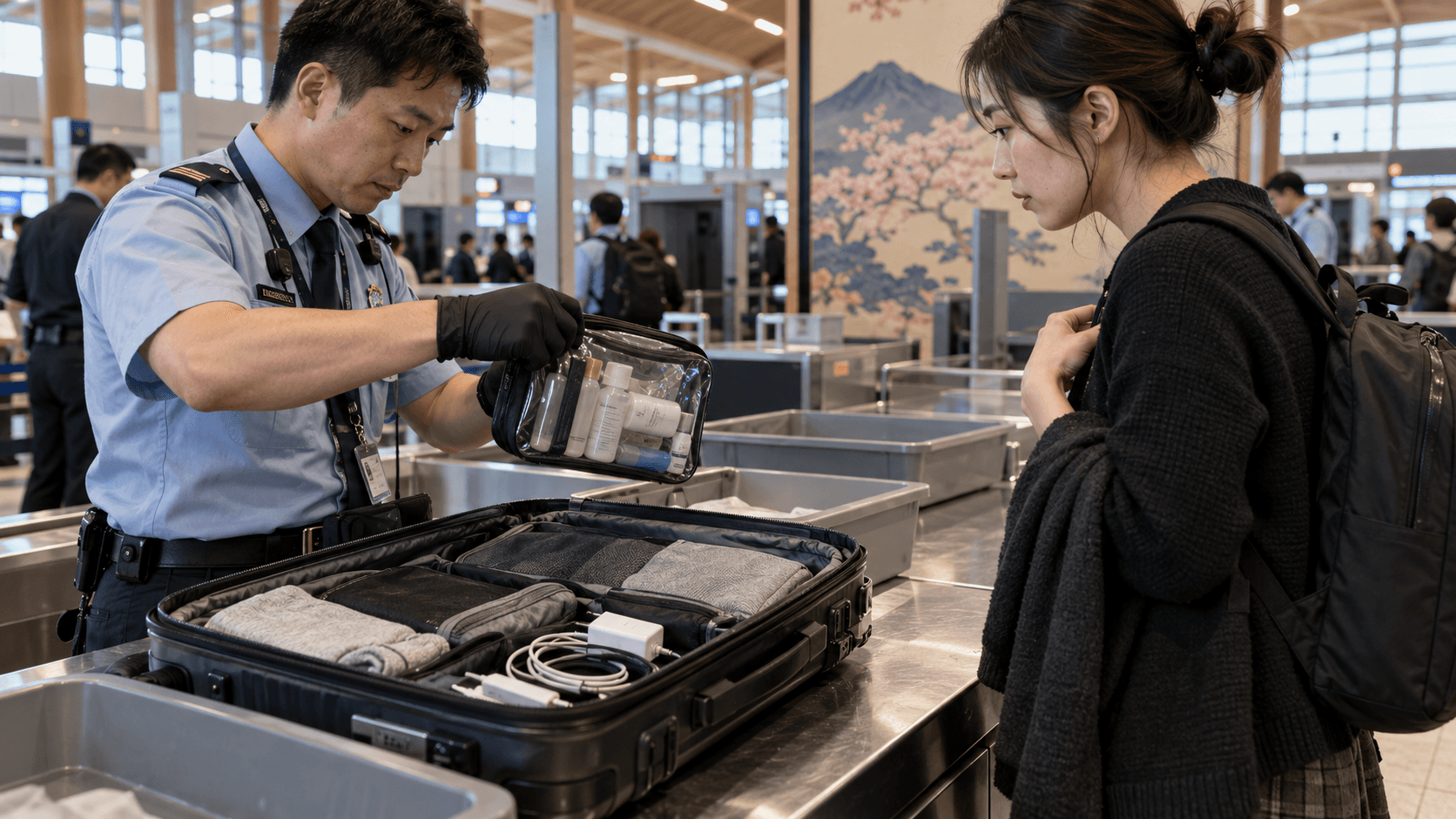
A passport issued more than 10 years ago is not accepted, even if still valid[7]. The Houston consulate requires at least 1 year of validity and two consecutive blank pages, and retains the passport during processing[6]: plan not to travel outside the country during this time. If it doesn't meet the requirements, it must be renewed before applying[7].
Documents Not Apostilled or Not Translated
Foreign documents must be legalized or apostilled and, where applicable, accompanied by an official Spanish translation[8]. Typical pitfall for long-term travelers: if you spent more than 6 months (more than 180 days) in another country in the past 2 years, a criminal record from each of those countries is required; a record issued by an EU state does not need an apostille[9]. Check with the consulate the validity period accepted for the criminal record.
Without Electronic Certificate or CLAVE
To prove your affiliation with Spanish Social Security, you need an electronic certificate or CLAVE identifier; otherwise, you must go through an authorized legal representative in Spain with a valid electronic certificate[6].
Fees Revised Without Notice
Visa fees are revised quarterly according to exchange rates[9]. Some nationalities pay a different rate by reciprocity[6]. Check the consulate's fee schedule the week of submission.
Overstay Now Detected
With the EES, exceeding 90 days is now systematically detectable across all Schengen countries[12]. The rough calculations from the stamp era no longer protect anyone.
Online Travel Scams
An example published by SignalConso: a traveler accidentally cancels a flight ticket and receives only a 10-euro credit on the site, instead of the ticket price[15]. If this happens to you with a professional, report it (see below).
Digital Security and Useful Resources
Working from various networks and locations exposes your data and your clients' data. MesServicesCyber publishes recommendations on digital nomadism that describe the risks associated with remote work and best practices for nomadic connection infrastructure[16]. This guide is mainly for IT departments: share it with your employer or use it as inspiration if you're self-employed.
If you have a dispute with a travel professional, SignalConso transmits your report to the company and makes it instantly visible to DGCCRF agents[15]. Filing a report takes about 5 minutes, and you can remain anonymous if needed[15].
Checklist Before You Start
- Check your nationality against the target program (EU excluded from Spanish visa, closed list in Czech Republic).
- Gather contracts or invoices proving at least 3 months of activity for foreign clients.
- Ask the consulate for the SMI amount for the year before calculating your income documentation.
- Replace travel insurance with comprehensive health insurance approved in Spain.
- Check your passport's issue date and blank pages.
- List every country where you spent more than 180 days in 2 years and order criminal records, apostilles, and translations.
- Obtain your NIE, then a CLAVE or a representative in Spain.
- Taxes, banking, and social security: this guide doesn't cover these topics. Check with your country's tax authority and the host country's tax authority.
Sources
- 1.^ aboutsite.co — The Ultimate Guide to Digital Nomads | Coliving Outsite: "A digital nomad is someone who uses technology to work wherever they want. Usually, a fast WiFi connection and a productive workspace are necessary for this type of traveler." https://www.outsite.co/fr/digital-nomad-guide (accessed September 29, 2026)
- 2.^ abcplanet-nomad.com — Michaël & Renato: The Digital Nomads | Planet Nomad®: "In reality, most digital nomads work much more than when they were settled." ; "That's why we change location on average every 3 to 6 months. It depends on the weather, our workload, coliving accommodation availability, etc." https://www.planet-nomad.com/fr/nomad-digital/ (accessed September 29, 2026)
- 3.^ abMira Knowledge — In Japan, remote work under tourist exemption is tolerated but not authorized; the dedicated route is the Designated Activities Digital Nomad status. Verified 06/09/2026: official source mofa.go.jp. https://www.mofa.go.jp (accessed June 9, 2026)
Show 13 more sourcesShow less
- 4.^ abMira Knowledge — In Belize, no dedicated digital nomad visa is listed and remote work under tourist status is a gray area to clarify with Immigration. Verified 06/09/2026: 2 concordant sources (immigration.gov.bz, travelbelize.org). https://immigration.gov.bz/ (accessed June 9, 2026)
- 5.^ abczechinvest.gov.cz — Visa Support - CzechInvest: "He/she applies for a long-stay visa for professional purposes." https://czechinvest.gov.cz/en/For-Investors/Visa-Support/Digital-Nomad-Program (accessed September 29, 2026)
- 6.^ abcdefghijexteriores.gob.es — Telework Visa (Digital Nomad Visa): "This visa does not apply to citizens of the European Union or those to whom European Union law applies." ; "The minimum monthly amount required varies each year and is calculated based on the Spanish minimum interprofessional salary (SMI)." ; "It must have no deductible, no copay, and no ceiling; it must cover 100% of medical, hospital, and extra-hospital expenses. An insurance card will not be accepted as proof. Travel insurance will not be accepted." https://www.exteriores.gob.es/Consulados/houston/en/ServiciosConsulares/Paginas/Consular/TELEWORK-Visa-(Digital-Nomad-Visa)-.aspx (accessed September 29, 2026)
- 7.^ abcdeexteriores.gob.es — Digital Nomad Visa: "holders of an international telework authorization may work for a company located in Spain, as long as this work does not exceed 20% of their total professional activity." ; "Passports issued more than 10 years ago will not be accepted." https://www.exteriores.gob.es/Consulados/pekin/en/ServiciosConsulares/Paginas/Consular/Visado-n%C3%B3mada-digital.aspx (accessed September 29, 2026)
- 8.^ abcdeexteriores.gob.es — Digital Nomad Visa: "The applicant must request an NIE number before applying for the visa." ; "Financial means must reach at least 200% of the Spanish monthly minimum national salary. For the first family member, at least an additional 75%; for each additional applicant, 25%." ; "Foreign documents must be legalized or apostilled and, if applicable, accompanied by an official Spanish translation." https://www.exteriores.gob.es/Consulados/londres/en/ServiciosConsulares/Paginas/Consular/Digital-Nomad-Visa.aspx (accessed September 29, 2026)
- 9.^ abcdexteriores.gob.es — Telework (Digital Nomad) Visa - Consular Section: "Foreigners in regular status in Spain may request a telework residence permit directly in Spain, without a prior visa. The permit may be valid for a maximum of three years; the visa, a maximum of 1 year." ; "If the applicant spent more than 6 months (more than 180 days) in the last 2 years in another country, an additional criminal record from each country of residence must be provided." ; "Visa fees are reviewed each quarter according to current exchange rates and may change." https://www.exteriores.gob.es/Consulados/washington/en/ServiciosConsulares/Paginas/Consular/Telework-visa.aspx (accessed September 29, 2026)
- 10.^Mira Knowledge — The EES registers non-European travelers by fingerprints and facial image at Schengen borders, instead of a stamp. Verified 08/20/2026: official source travel-europe.europa.eu. https://travel-europe.europa.eu/ees_en (accessed August 20, 2026)
- 11.^Mira Knowledge — The EES was deployed starting October 12, 2025, and has been fully operational since April 10, 2026. Verified August 20, 2026: official source travel-europe.europa.eu. https://travel-europe.europa.eu/ees_en (accessed August 20, 2026)
- 12.^ abMira Knowledge — The EES automatically calculates the 90-day rule over 180 days and makes overstays detectable throughout Schengen. Verified August 20, 2026: official source travel-europe.europa.eu. https://travel-europe.europa.eu/ees_en (accessed August 20, 2026)
- 13.^Mira Knowledge — The first entry under the EES takes longer; subsequent entries reuse biometric data. Verified August 20, 2026: official source travel-europe.europa.eu. https://travel-europe.europa.eu/ees_en (accessed August 20, 2026)
- 14.^Mira Knowledge — ETIAS was not in service in August 2026; its launch is planned for late 2026. Verified August 20, 2026: official source travel-europe.europa.eu. https://travel-europe.europa.eu/etias_en (accessed August 20, 2026)
- 15.^ abcsignal.conso.gouv.fr — Report a stay, theft, or travel issue to fraud prevention: "SignalConso takes care of the rest. Your report is sent to the company and instantly visible to DGCCRF agents." ; "In the end, the site refunds you with a €10 credit to use on their website!" https://signal.conso.gouv.fr/fr/voyage-loisirs (accessed September 29, 2026)
- 16.^messervices.cyber.gouv.fr — Recommendations on Digital Nomad Practices | MesServicesCyber: "The guide first outlines definitions and risks related to digital nomad work, then examines the various elements of a nomadic connection infrastructure to highlight best practices." https://messervices.cyber.gouv.fr/guides/recommandations-sur-le-nomadisme-numerique (accessed September 29, 2026)