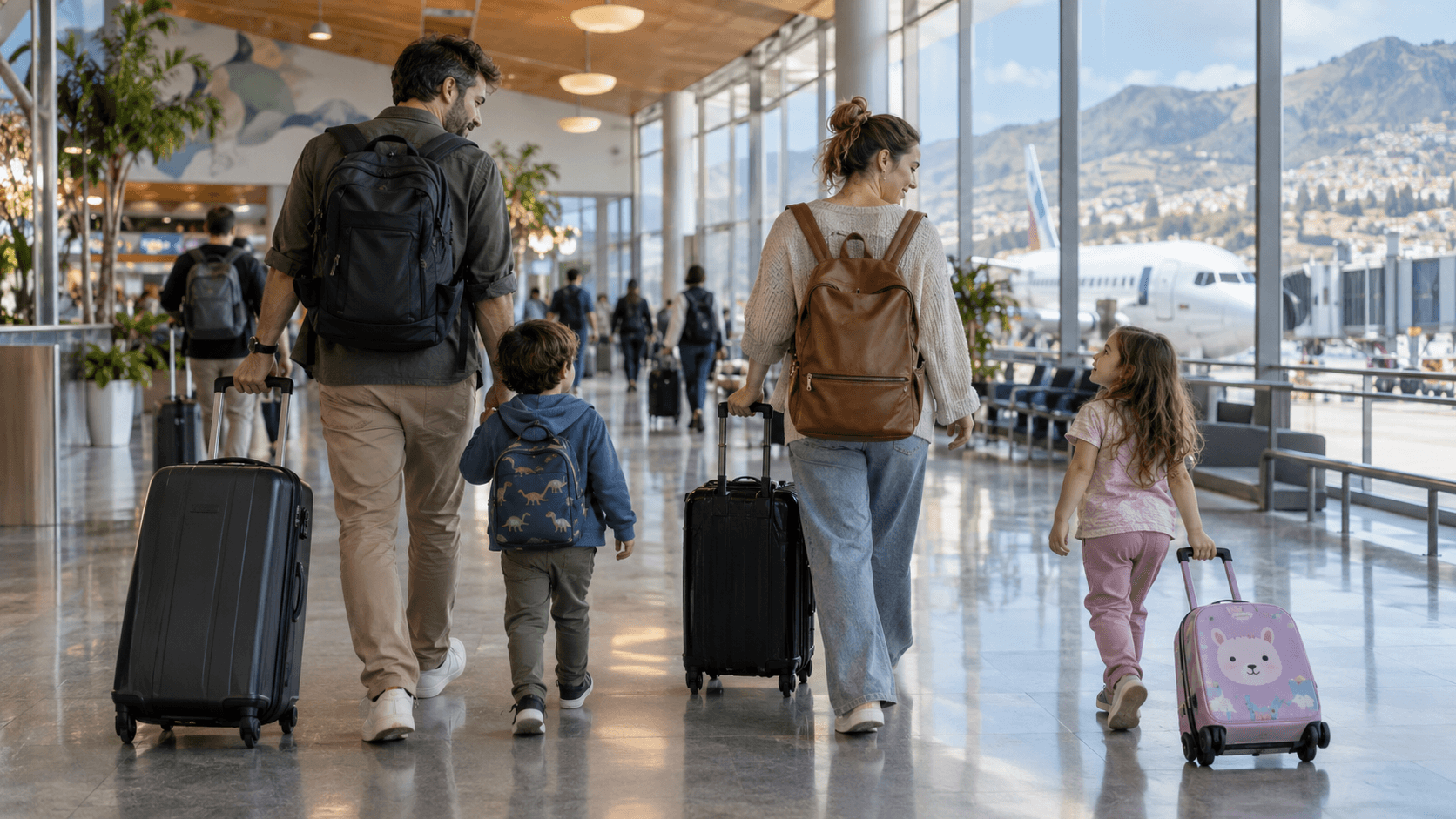
The United States is experiencing a significant measles year, but case counts change every week—it's better to know where to find information than to rely on a single number. This article helps you check your vaccination protection, schedule your vaccine before departure, and understand why appropriate health insurance is essential in a country where healthcare is excellent but very expensive. It also lists pitfalls to avoid before you go.
Measles in the United States: What You Need to Know Without Following the Epidemic Daily
The CDC, the U.S. health authority, publishes an official tracking of confirmed cases. As of October 1, 2026, it reported 3,887 confirmed cases in the United States for the year[1]. This figure is provided for illustration: the CDC notes that 2025-2026 counts are preliminary and subject to change[1]. For up-to-date numbers, check the CDC website directly rather than news reports.
Travelers are not out of reach: the CDC reports a total of 18 cases among international visitors to the United States[1]. The CDC also notes that vaccination coverage among kindergarten children has declined from 95.2% in 2019-2020 to 92.4% in 2025-2026[1]. It adds that coverage rates can vary considerably from place to place, and pockets of unvaccinated people exist even in highly vaccinated states[1].
This article doesn't track the epidemic day-to-day: it gives you reference points that remain valid from week to week.
Get Information From Official Sources
Two sources cover the essentials. The CDC is the reference for the national situation: its measles tracking page and detailed FAQ outline vaccination recommendations before travel. The French Ministry of Foreign Affairs publishes a health fact sheet for each country, including the United States, which outlines general precautions to take.
These guidelines don't replace medical advice: the French Ministry of Foreign Affairs notes they don't exempt travelers from consulting their doctor or visiting an international vaccination center well before departure to allow time for vaccine boosters if needed[2]. Also check the update date on each page, and skip unofficial summaries and social media.
Check Your Protection: Records, Doses, Schedule
Before any trip, both adults and children should ensure they're up to date with the French vaccination schedule, including measles[2]. The CDC emphasizes the stakes: two doses of measles vaccine protect you about 97% if you're exposed to the virus; one dose protects about 93%[3].
If you're unsure whether you've been vaccinated, find your vaccination record or talk to a healthcare professional. The CDC notes there's no risk in receiving an extra MMR dose if you might already be immune[3]. A doctor can also review your vaccination records and, if needed, do a blood test to check for signs of immunity[3].
A second dose may be helpful for some adults. According to a Stanford Medicine physician, some people may benefit depending on their age, risk factors, occupational exposure, and travel plans[4]. This is a decision to make with your doctor.
When to Get Vaccinated Before Departure
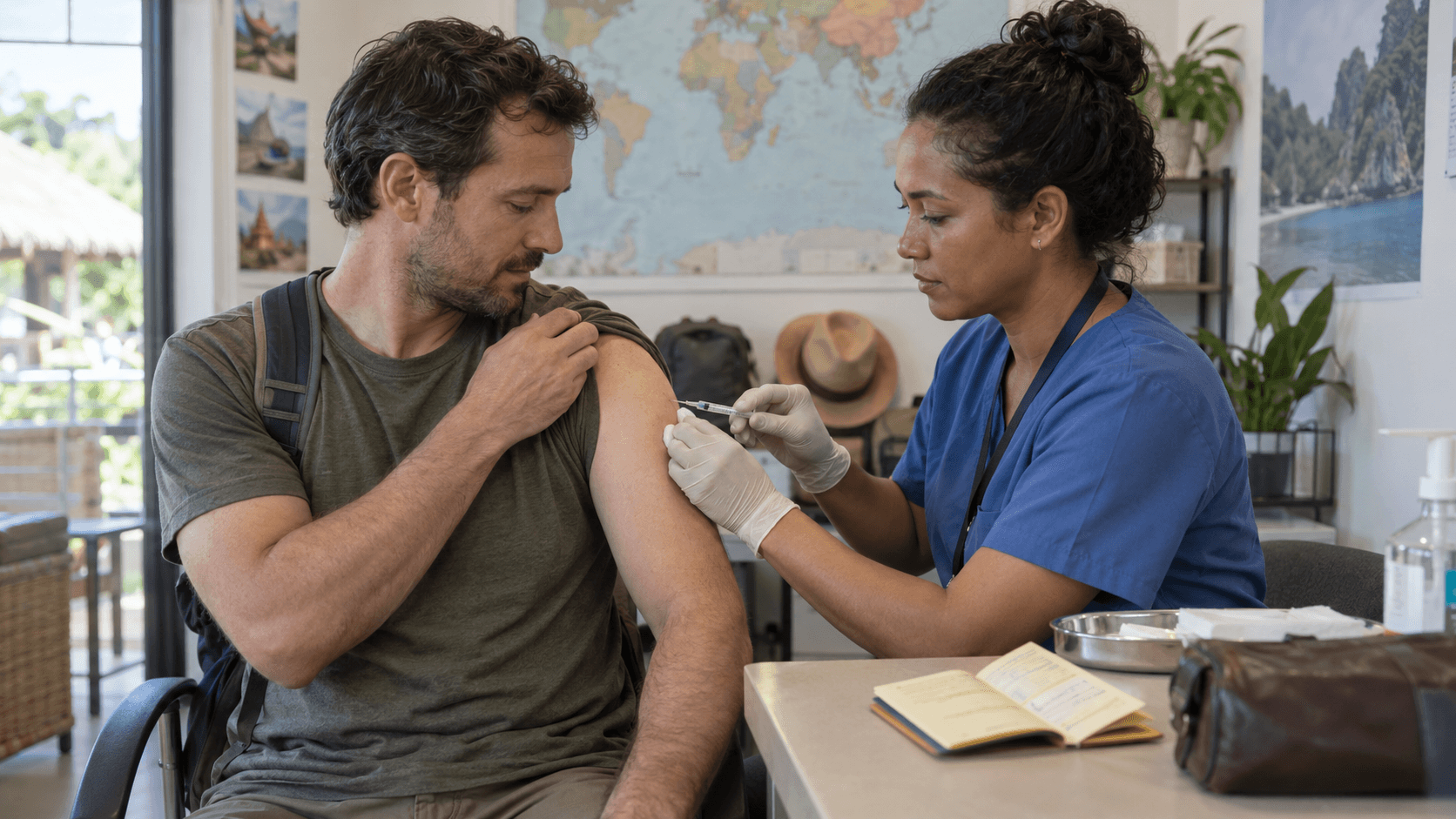
The CDC recommends getting vaccinated at least two weeks before departure[3]. Detectable antibodies typically appear within a few days, and protection is considered established after about two to three weeks, sometimes sooner[3].
If you're leaving in less than two weeks without protection, the CDC still recommends an MMR dose[3].
For children, the schedule may differ. According to a Stanford Medicine expert, if a family with an infant needs to travel to an area affected by an outbreak, early vaccination can be considered as early as six months[4]. MMR contains weakened viruses[3]; if this applies to you, ask for medical advice before traveling.
Health Insurance and Access to Care on the Ground
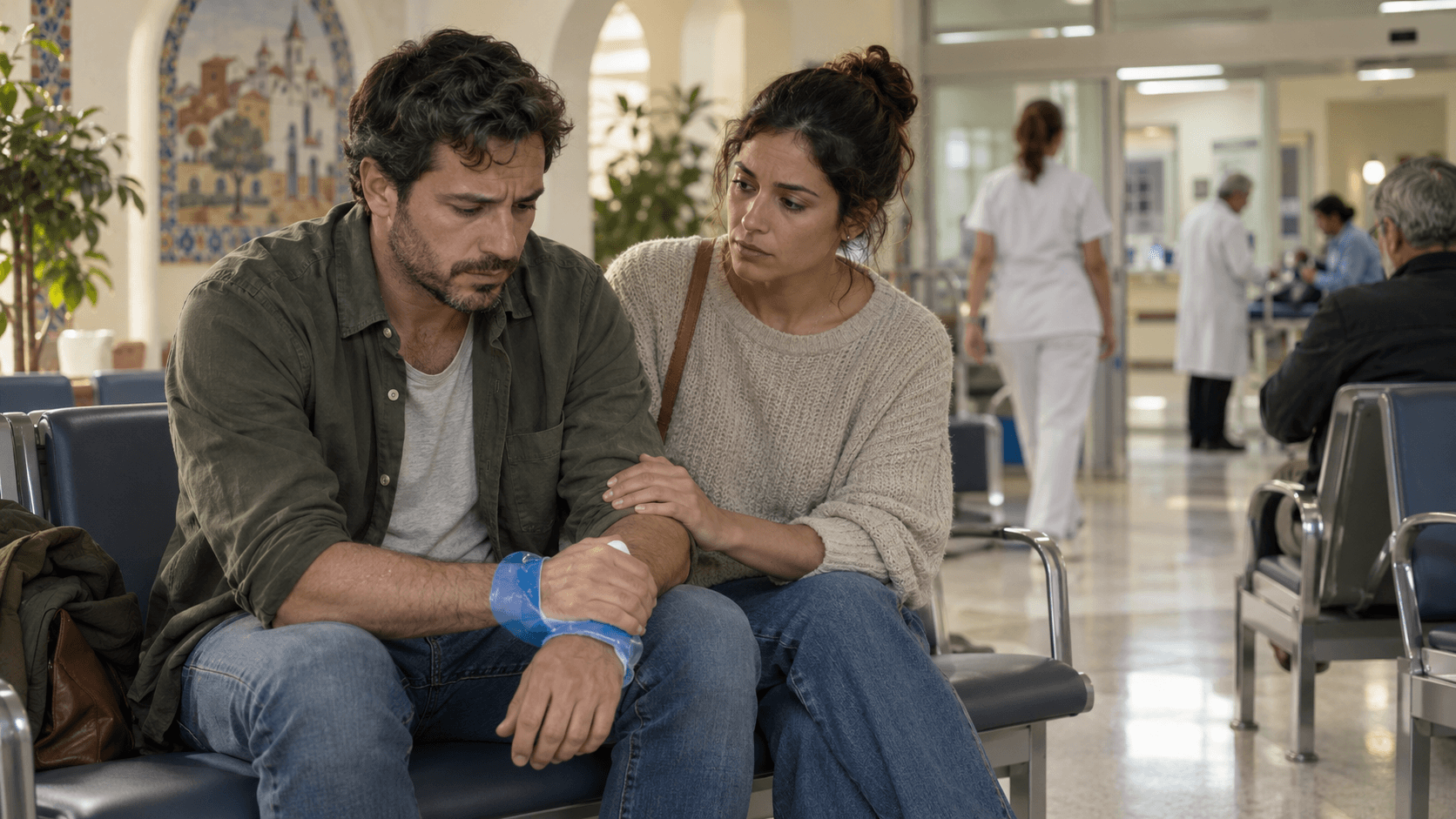
According to France Diplomacy, medical infrastructure in the United States is excellent, but very expensive, and there is no social security agreement covering health insurance between France and the United States[2]. It therefore considers it essential to have an assistance contract or insurance covering all medical expenses, including surgery and hospitalization, as well as medical repatriation[2]. The French Embassy cannot cover these costs under any circumstances[2].
In emergencies, the process is clear: only arrival by ambulance gives priority in the hospital emergency department, and admission is conditional on a financial guarantee[2].
Our sources don't allow us to provide pricing, caps, or contract comparisons here: no amounts are verified. To choose, ask your insurer or assistance provider for the general terms of their contract and check point by point what the contract covers for the United States.
Pitfalls, Scams, and Points to Watch
- Assuming French coverage is enough: there is no social security agreement for health insurance between France and the United States[2].
- Traveling without an assistance contract or insurance: France Diplomacy warns against the risk of not having access to care, including in case of life-threatening emergency[2].
- Ignoring the financial guarantee: at the hospital, emergency admission is conditional on a financial guarantee[2]. Before leaving, ask your insurer whether they pay the hospital directly or if you'll need to cover costs upfront; this point is not documented in our sources.
- Vaccinating too late: plan vaccination at least two weeks before departure[3].
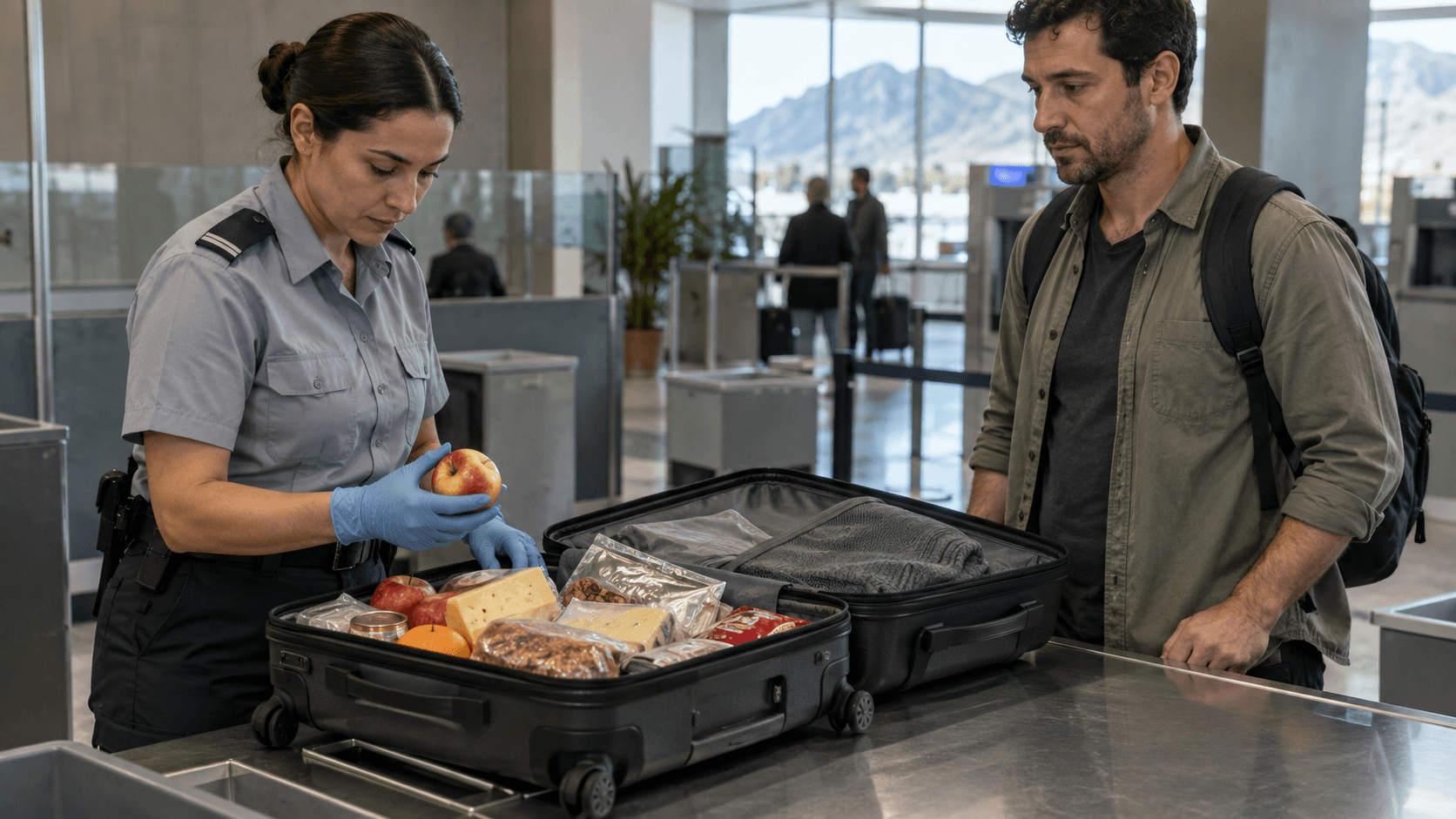
- Poorly preparing your medications: carry them in their original packaging with original labels, accompanied by a prescription listing their name in international nonproprietary name (INN), and verify they are authorized in the country you're visiting[2].
- Buying medications on the street: never consume them, risk of counterfeits[2].
The specific exclusions of contracts (non-urgent care, pre-existing conditions, prevention, dental) are not documented by any official source in our file. Read them in the general terms of each contract before signing.
What to Do On-Site If You Have Symptoms or Have Been Exposed
If you are not vaccinated and have been exposed to measles, the Public Health Communications Collaborative indicates that an MMR vaccine can still be given up to 72 hours after exposure to help prevent infection or reduce its severity[5]. This source is not a health authority: confirm with a doctor.
According to the MSD Manual, all suspected cases of measles must be reported to health authorities without waiting for laboratory confirmation[6].
If you have symptoms or have been exposed, consult a healthcare professional and present your proof of insurance. Local emergency numbers, embassy contact information, and detailed procedures for foreigners are not covered by our sources: find them before departure on official U.S. websites and France Diplomacy.
Pre-Departure Checklist
- Find your vaccination record, or see your doctor if you have any doubts.
- Check measles protection for each traveler, including children, and discuss with a doctor whether an additional dose is needed.
- Schedule vaccination well before your departure date.
- Get an assistance contract or insurance covering care, hospitalization, and medical repatriation, and read the exclusions.
- Prepare medications and INN prescription, verify they are authorized in the United States.
- Note the official CDC and France Diplomacy pages to follow the situation during your stay.
Sources
- 1.^ abcdecdc.gov — Measles Cases and Outbreaks | Measles (Rubeola) | CDC: "As of October 1, 2026, 3,887 confirmed measles cases* have been reported in the United States in 2026." ; "Case counts for 2025–2026 are preliminary and subject to change." ; "In total, 18 measles cases have been reported among international visitors to the United States." https://www.cdc.gov/measles/data-research/index.html (accessed October 9, 2026)
- 2.^ abcdefghijkdiplomatie.gouv.fr — United States - Health | France Diplomacy: "These recommendations do not, however, exempt travelers from consulting their primary care physician and/or an international vaccination center well in advance of their departure date to allow for vaccine boosters if necessary." ; "Before any departure, travelers (adults and children) must first ensure they are up to date with the French vaccination schedule, particularly vaccines against diphtheria, tetanus, poliomyelitis, pertussis, and also measles." ; "Medical infrastructure is excellent in the United States, but costs are very high. There is no social security agreement covering health insurance between our two countries." https://www.diplomatie.gouv.fr/fr/information-par-pays/etats-unis/conseils-aux-voyageurs-sante (accessed October 9, 2026)
- 3.^ abcdefghcdc.gov — Questions About Measles | Measles (Rubeola) | CDC: "The measles vaccine is very effective. Two doses of vaccine prevent measles with about 97% effectiveness if you are exposed to the virus. One dose is about 93% effective." ; "There is no harm in receiving an additional dose of MMR vaccine if you may already be immune to measles (or mumps or rubella)." ; "Your healthcare provider can also perform a blood test to check for signs of immunity." https://www.cdc.gov/measles/about/questions.html (accessed October 9, 2026)
Show 3 more sourcesShow less
- 4.^ abmed.stanford.edu — Measles in America: Five things to know from a Stanford Medicine expert: "People in this group may benefit from a second dose based on their age, risk factors, occupational exposures, such as work in healthcare, and travel plans." ; "If a family with an infant needs to travel to an area affected by a measles outbreak, early vaccination can be considered for babies as young as six months." https://med.stanford.edu/news/insights/2026/01/measles-in-america--five-things-to-know-from-a-stanford-medicine.html (accessed October 9, 2026)
- 5.^publichealthcollaborative.org — Communicating About the Ongoing Measles Outbreak - Public Health Communications Collaborative: "Unvaccinated people who have been exposed to measles can still receive the MMR vaccine up to 72 hours after exposure to help prevent or reduce the severity of an infection." https://publichealthcollaborative.org/communication-tools/communicating-about-the-2025-measles-outbreak/ (accessed October 9, 2026)
- 6.^msdmanuals.com — Measles - Pediatrics - Professional Edition of the MSD Manual: "All suspected cases of measles must be reported to health authorities without waiting for laboratory confirmation." https://www.msdmanuals.com/fr/professional/p%C3%A9diatrie/diverses-infections-virales-chez-le-nourrisson-et-enfant/rougeole?media=hybrid&client=vin (accessed October 9, 2026)