Are you planning to work remotely in Thailand for a few weeks or a few months and torn between several visas? This article helps you tell apart the Destination Thailand Visa (DTV), designed for remote work, from the Non-Immigrant B visa, which requires a work permit. It also walks you through the paperwork to prepare, the application process and the pitfalls to watch out for. Where our sources don't settle a question, we tell you exactly what to verify and who to ask.
Working Remotely in Thailand: What a Tourist Entry Doesn't Allow
Visa-free entry rules depend on your nationality: the visa exemption for holders of Chinese or Kazakh passports allows a stay of up to 30 days[1]. For other nationalities, the rule that applies must be verified.
The core legal framework is the Immigration Act B.E. 2522, which the Thai Immigration website makes available for download[2]. That is where the up-to-date rules are, not in a blog post.
Two routes need to be distinguished depending on your situation. If you work remotely for an employer or clients outside Thailand, the DTV is, according to the embassy, the visa designed for remote workers[3]. If you want to work for a Thai entity, you need a Non-Immigrant B visa, then a work permit[4]; check your case with the consular post.
The Destination Thailand Visa (DTV), the Visa Designed for Remote Workers
According to the Royal Thai Embassy in France, the DTV is designed for foreigners traveling while working remotely: highly qualified professionals, freelancers, and remote workers. It also targets those coming for activities such as Muay Thai, cooking courses or medical care[3].
A spouse and children under 20 may benefit as dependents[3]. One exception applies to children enrolled in an international school: the application is then made for a Non-Immigrant ED visa, not a DTV[3].
- Validity: 5 years, and the e-visa cannot be transferred to a new passport[3].
- Length of each stay: 180 days maximum, extendable once on site with immigration[3].
Keep this distinction in mind: the visa's validity (5 years) is not the length of time you can spend in the country in one go (180 days per stay).
Building Your DTV File Based on Your Status
The list below is the one from the Royal Thai Embassy in France; it applies to applicants residing in France. If you file your application from another country, check the list of the consular post for your place of residence.
Documents Common to All Applicants
- Passport valid for at least 6 months on the departure date[3].
- Proof of permanent residence, the most recent tax return[3].
- Official bank statement showing a non-frozen positive balance of at least €15,000 per month over the last 3 months[3].
If You Are an Employee (“workcation”)
You need a contract or a letter from your company in France stating that you are still an employee, that your position allows remote work, and that you will be paid during your stay in Thailand. This document is accompanied by the company's commercial register extract and your most recent payslip[3]. Failing that, a professional portfolio can show your status as a digital nomad, remote worker or freelancer[3].
If You Are a Sole Trader (Auto-entrepreneur)
The embassy requests a letter, in French and English, describing your remote work, the source of your income and the address of your website or freelance platform, where your last name, first name and photo must appear. It is accompanied by the Sirene registry status notice from INSEE, an invoice dated within the last 3 months, and proof of the corresponding bank transfer[3].
Applying: e-Visa, Processing Times and Decision
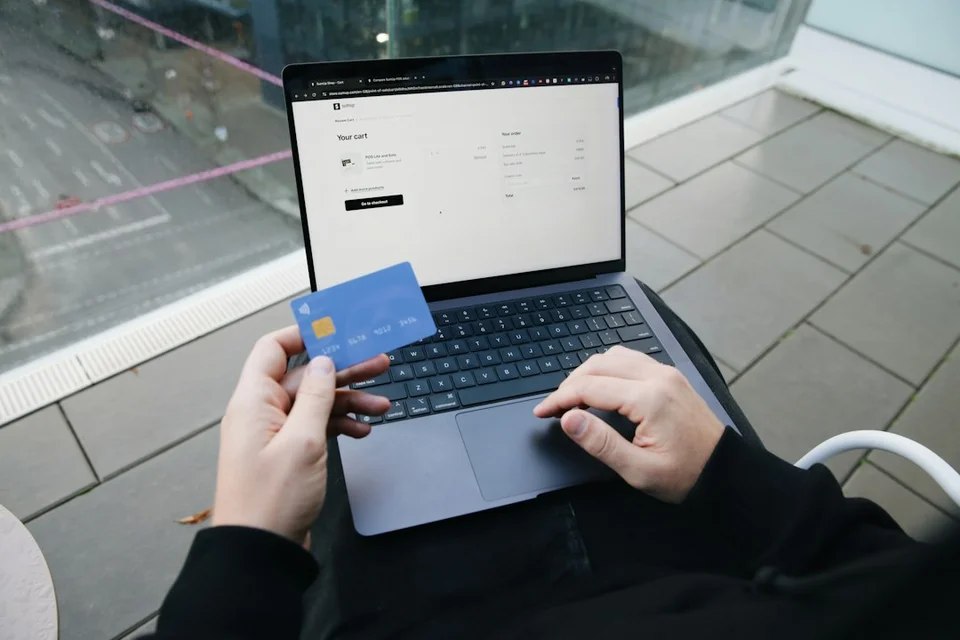
The application goes through the e-Visa portal: creating an account, filling in the form, uploading documents, paying, then waiting for confirmation by email. Browse the portal's pages yourself before you start.
As for processing times, the embassy indicates the visa procedure takes about 4 weeks, or longer if the file is incomplete[3]. Check the visa fee amount on the official portal before making any payment.
For any question about the decision, contact the embassy or consulate handling your file directly.
Non-Immigrant B Visa and Work Permit: Working for a Thai Entity
The Non-Immigrant B visa is for people who want to work in Thailand. It allows a stay of 90 days and grants only a single entry[4]. Leaving the country cancels the visa and requires a new application to enter again[4].
Once you have entered with this visa, the holder must apply for a work permit with the Department of Employment[4]. French state services invite people who want a business visa to contact the Thai consular services, since visa types and their requirements may change[4].
Another category has existed since 2018: the Smart Visa. Another category has existed since 2018: the Smart Visa. It is intended for experts, senior executives, investors, start-ups and their accompanying family members[4]; it is presented separately from the DTV.
After Arrival: Residence Notification, Extension and Compliance Rules
The Thai Immigration website publishes information on the notification of stay in the Kingdom for more than 90 days[5], on the residence notification for foreigners[6], and on the application for extension of stay[7]. For the notification deadline, extension requirements and fees, check these pages directly or ask at an Immigration office.
For a stay of several months, review these pages before you leave. For tax rules on remote work in Thailand, check with the relevant authorities.
Pitfalls, Scams and Points of Vigilance
Here are the points that most often cost you time or money.
- Requirements vary by consular post: the embassy in France notably requires a minimum credit balance of 15,000 euros per month over the last 3 months[3]. Check the list for the post you fall under.
- Incomplete file: the processing time of about 4 weeks gets longer[3]. Allow a comfortable margin before your departure.
- Renewed passport: the DTV e-Visa does not transfer to a new passport[3].
- B visa: leaving the country cancels it and requires a new application[4]; once you have entered with this visa, you must also apply for a work permit[4].
- Child in an international school: you need to apply for an ED visa, not a DTV[3].
Before paying, check on the e-Visa portal whether you can apply from within Thailand and whether the fees are refundable. The safest option is still to use the official portal and the embassy website.
Your Checklist Before You Leave
- Identify your situation: remote work for an employer or clients outside Thailand (DTV), or work for a Thai entity (B visa and work permit).
- Review the document list of the consular post you fall under and compare it with your file.
- Check that your passport is valid and prepare your bank statements for the last 3 months.
- Check the fees, current processing times and filing conditions on the e-Visa portal.
- Read the pages on residence notification and extension on the Thai Immigration website.
- Check with the competent authorities about your tax situation.
Sources
- 1.^Mira Knowledge — Visa exemption for holders of Chinese or Kazakh passports allows a stay in Thailand of no more than 30 days. Verified: official source immigration.go.th. https://www.immigration.go.th/
- 2.^Mira Knowledge — The Immigration Act B.E. 2522 is available for download. Verified: official source immigration.go.th. https://www.immigration.go.th/
- 3.^ abcdefghijklmnopqthaiembassy.fr — Visa Destination Thailand (DTV) Multiple - สถานเอกอัครราชทูต ณ กรุงปารีส : “The Destination Thailand Visa (DTV) is specially designed for foreigners who are traveling for tourism and who work remotely. It is intended for highly qualified individuals, freelancers, remote workers, as well as foreigners who wish to stay in Thailand to take part in activities such as Muay Thai and martial arts, cooking classes, sports training and practice, medical care, training courses, seminars, and art and music exhibitions.” ; “Dependents, namely the spouse and children under the age of 20, may also benefit from this type of visa.” ; “If the child is enrolled in an international school, you will need to apply for a Non-immigrant ED visa and not a DTV.” https://www.thaiembassy.fr/fr/visa-rdv/les-types-de-visa-et-les-documents-necessaires/dtv/ (accessed October 11, 2026)
Show 4 more sourcesShow less
- 4.^ abcdefghdiplomatie.gouv.fr — Thailand - Business Travel | France Diplomatie : “The Non-immigrant B visa is intended for people who wish to work in Thailand. It allows a stay of 90 days. This visa grants only a single entry into Thai territory.” ; “Any exit from the territory cancels the visa and requires a new application to re-enter Thailand.” ; “Once you have entered Thailand with this visa, you must apply for a work permit with the Department of Employment.” https://www.diplomatie.gouv.fr/fr/information-par-pays/thailande/conseils-aux-voyageurs-voyages-d-affaires (accessed October 11, 2026)
- 5.^Mira Knowledge — Information is available about notification of stay in the Kingdom for more than 90 days. Verified: official source immigration.go.th. https://www.immigration.go.th/
- 6.^Mira Knowledge — Information is available about residence notification for foreigners. Verified: official source immigration.go.th. https://www.immigration.go.th/
- 7.^Mira Knowledge — Information is available about applications for extension of stay. Verified: official source immigration.go.th. https://www.immigration.go.th/