Tenerife packs a volcano over 3,700 meters high, primary forests, protected colonial towns and beaches onto a single island. This article helps you choose what to see based on your interests, how to approach Teide, where to hike, and which neighboring islands to add to a longer trip. It ends with the points to watch out for before you book.
Tenerife, gateway to the Canaries
Tenerife is the largest island in the archipelago, measuring 81 km long and 45 km wide[1]. It is volcanic in origin, and its largest volcano, Teide, sits at its center[1]. The Spanish tourist board presents it as one of the Canary Islands, also called the "Fortunate Islands," and highlights its spring-like climate, volcanic landscapes and beaches[2].
The island has two faces. The north is home to the Anaga massif and its laurel forest, one of the last remaining primary forests in Europe[1]. The south, formed by the foothills of Teide, is semi-desert[1]. This is where beaches stretch along almost the entire coastline[2].
Each island in the archipelago has its own personality, and Tenerife is one of the largest and best known[3]. For a first visit, it brings together volcano, forests, historic towns and beaches, making it easy to build a varied itinerary without changing islands.
Teide, a moonlike landscape
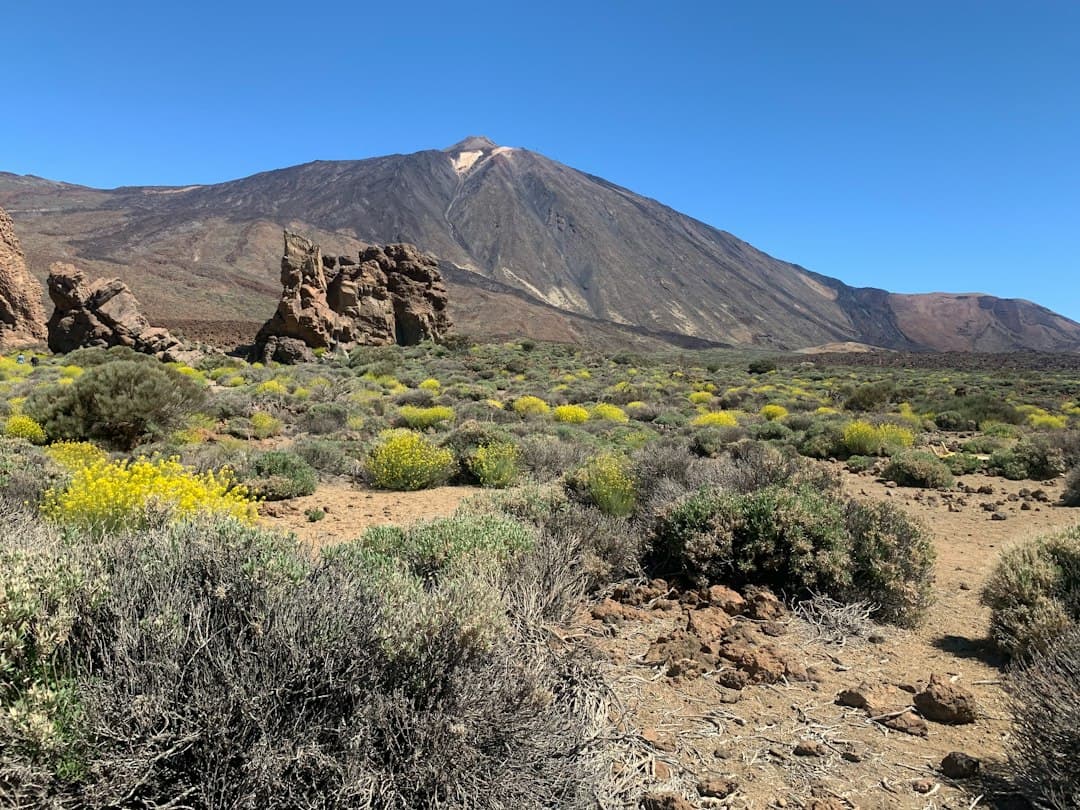
Teide is the highest point in Spain[4], at 3,715 meters according to the Spanish tourist board[4]; other sources give 3,718 meters for the exact summit[5]. It lies within a national park listed as a UNESCO World Heritage natural site since 2007[1], and it is one of the most visited national parks in Europe[2].
The scenery feels like another world: eruptions have left rock formations unique in Europe[4], and plants adapted to high mountain conditions grow here, such as the Teide violet, which only blooms above 2,400 meters[4]. Watching the sunset from a viewpoint in the park or spending a few hours stargazing are among the most recommended experiences[2]. You can take the cable car up, or sleep at the foot of the volcano at the Parador de las Cañadas del Teide[2].
To reach the exact summit, a free but mandatory permit is required[5]. It must be booked in advance on the official national park website, as slots sell out quickly, especially in high season[5]. The climb from the cable car's upper station to the crater takes about 30 to 45 minutes for a walker in good condition[5].
When preparing, keep in mind that some Teide routes are high-mountain trails, where temperature swings and low oxygen pressure can cause severe fatigue, dizziness and sickness[6]. If you do not feel well, do not push yourself[6].
Hiking: Anaga, Teno, Masca and the La Orotava Valley
Tenerife is easy to explore on foot, with 4,000 km of trails, guided or self-guided, suitable for every level[1]. The most recommended excursions are Teide National Park, Anaga Natural Park, Teno Rural Park, the village of Masca, the Los Gigantes cliffs and the La Orotava Valley[1]. Routes range from easy strolls to climbs up mountains and volcanoes[7].
- Anaga, northeast: a UNESCO biosphere reserve, home to one of the best-preserved laurel forests on the planet[5]. The Cruz del Carmen visitor center is the starting point for walks through lush vegetation[7].
- Teno, northwest: an isolated rural park, ideal for hiking[3].
- La Orotava: the valley around the town contains a maze of paths through spectacular scenery[7].
- Garachico: on the outskirts, trails follow old lava flows[7].
- Teide: more than 20 well-marked trails circle the volcano[7].
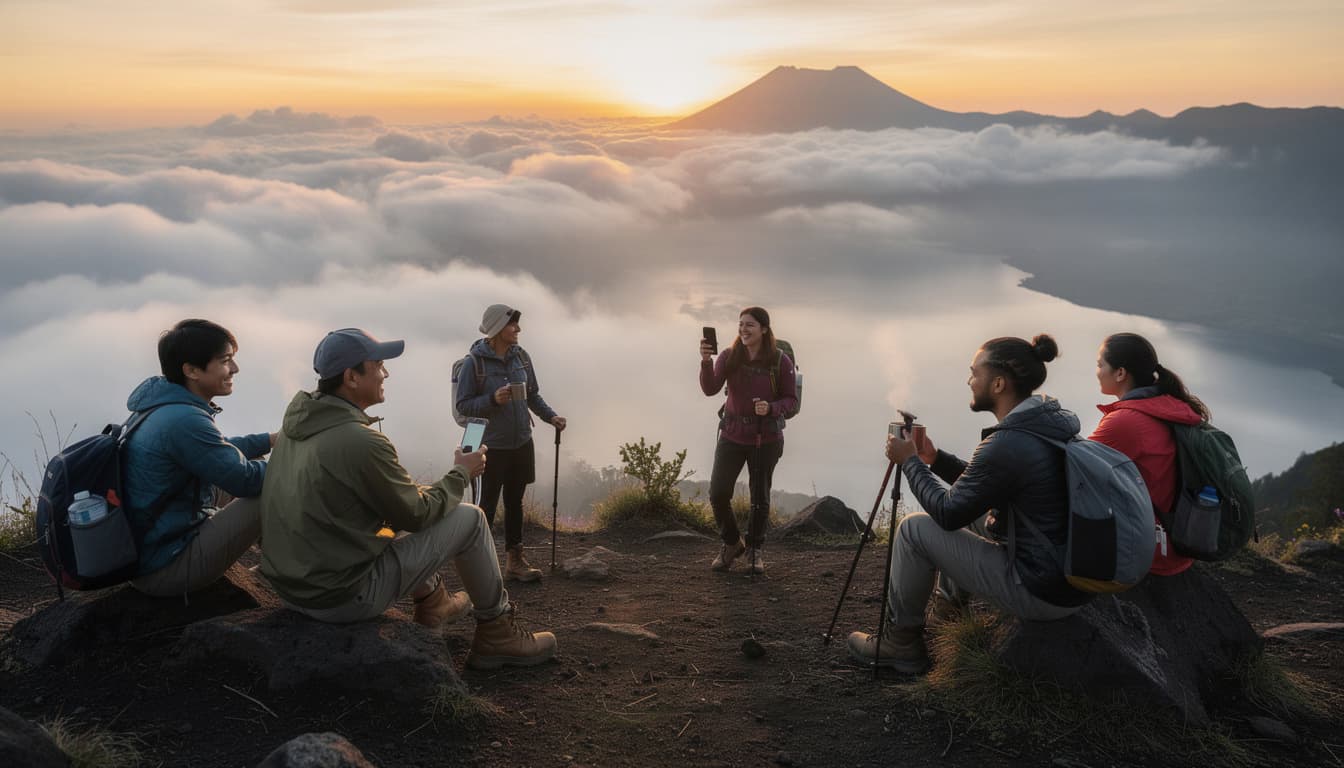
Before you set out, check the forecast for the exact area where you plan to walk: conditions in Anaga can be very different from those in the south of the island, and the park advises allowing for wind and rain, bringing water, a flashlight, a charged phone and suitable clothing[6]. If you plan a lot of walking, avoid the hot months of July and August[7].
Towns and villages: La Laguna, Santa Cruz, the north coast
Most of Tenerife's historic centers are in the north[1]. The most beautiful towns are La Laguna, a UNESCO World Heritage Site, and La Orotava, where you can see lovely typical houses with balconies[1].
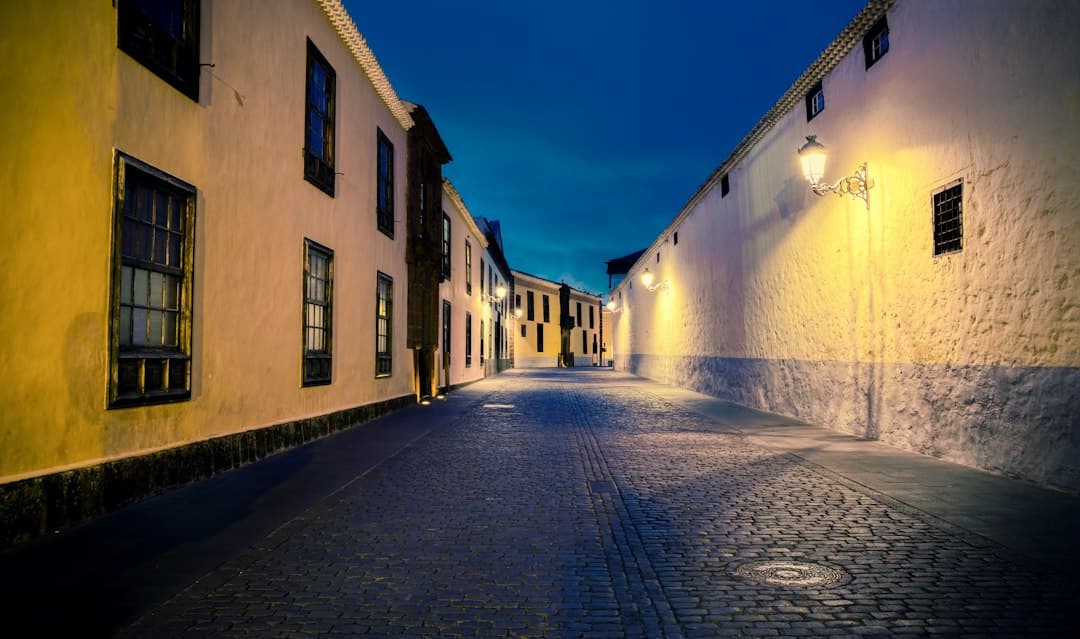
San Cristóbal de La Laguna, which everyone simply calls La Laguna, has been a UNESCO World Heritage Site since 1999[5]. It is a quiet town whose pedestrian center, with historic buildings in colonial style, is best explored on foot, with free guided tours of its squares, mansions, and monuments[2].
Santa Cruz, the island's capital, is dotted with subtropical gardens, creative galleries, and street art[3]. The tourist office recommends Plaza de España, García Sanabria Park, the Nuestra Señora de África market, and the TEA art center[2].
The north coast, less developed, offers many natural swimming pools, volcanic vineyards on steep slopes, organic banana plantations, and historic villages such as Garachico[3]. Puerto de la Cruz offers its beaches and the famous seawater pools of Lagos Martiánez[2].
History and culture: Guanches, heritage, and festivals
Mount Teide, which the indigenous Guanche people called Echeyde, remains visible from almost everywhere on the island and sometimes from other islands[8]. The island has done well restoring its architectural heritage: temples, civil and religious buildings, and buildings in Canarian style[1]. Look for wooden balconies, interior patios full of plants, and colorful facades, typical of Canarian architecture[9].
The best-known festivals are the romerías, patron saint festivals in villages, and the Santa Cruz de Tenerife Carnival[1]. If you come in February, you can attend this spectacular carnival[10]. Lonely Planet describes it as the most fabulous in Spain, every winter[3].
On the contemporary art front, TEA (Tenerife Espacio de las Artes) was designed by Swiss architects Jacques Herzog and Pierre de Meuron together with Canarian architect Virgilio Gutiérrez, and blends angular architecture with cutting-edge exhibitions[8]. The archipelago also features the work of César Manrique, in Lanzarote[10].
Beaches, sea, and gastronomy
In the south, you can spend days relaxing on Las Vistas Beach, at Costa del Silencio, or at the foot of the cliffs of Los Gigantes[2]. Luxury hotels and boutiques cluster around the Costa de Adeje[2]. In the north, Puerto de la Cruz and the seawater pools of Lagos Martiánez offer another way to enjoy the sea[2].
The island's restaurants, where fine dining meets tradition, are among the reasons the tourist office promotes Tenerife[2].
Beyond Tenerife: the other islands
The Canaries are home to four national parks: Teide on Tenerife, Timanfaya on Lanzarote, Caldera de Taburiente on La Palma, and Garajonay on La Gomera[11]. Five of the seven islands are also designated biosphere reserves[10].
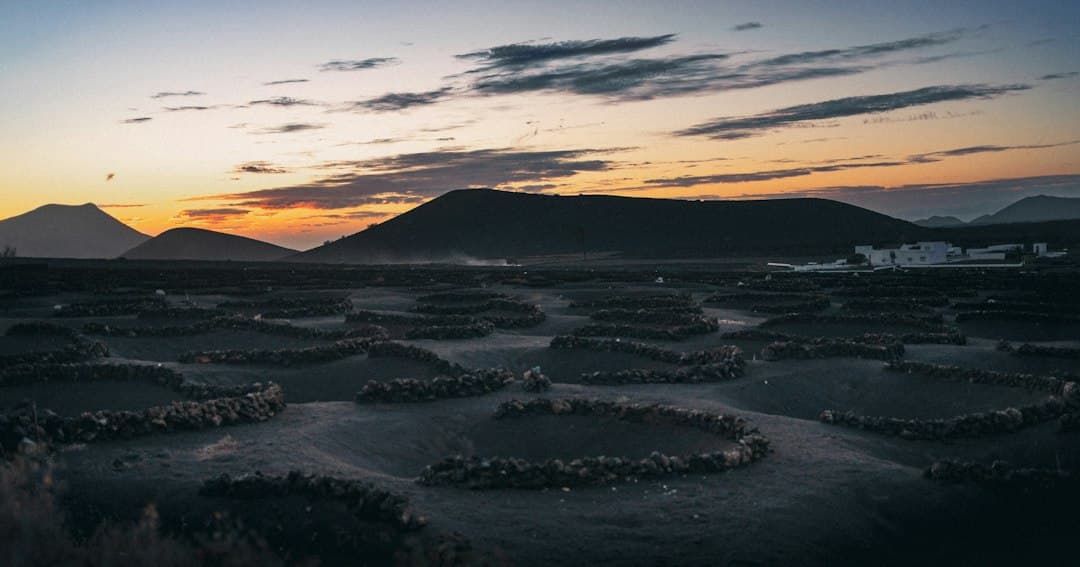
- Lanzarote: vast volcanic landscapes at Timanfaya, which helped shape the La Geria wine region, where vines grow in mineral-rich volcanic ash[3]. César Manrique's work can also be discovered here[10].
- La Palma: a very green island, ideal for ecotourism, entirely a UNESCO biosphere reserve, with about 850 km of trails[3]. The Caldera de Taburiente park offers some of the finest hiking trails in the archipelago[8].
- La Gomera: Garajonay National Park protects about half of the Canaries' ancient laurel forest, often wrapped in mist[8].
- Fuerteventura: the best choice for a more relaxed trip, with dazzling beaches and sunny weather all year round[3].
Practical info: when to go, how to get there, how long to stay
The Canaries are linked to almost all of Europe by flights of about five hours, three from mainland Spain[10]. Tenerife has two airports, South and North, as well as a port in Santa Cruz[10]. The trip from South Airport to Santiago del Teide takes about 40 minutes by road, and from North Airport about 1 h 15[12].
On the ground, the company TITSA runs a very comprehensive bus network across the whole island[12]. To explore beyond the tourist areas, a rental car remains the most versatile option; the mountain roads (Teide, Masca, Anaga) are paved but winding[5]. One budget website lists rental prices of €25 to €50 per day[13].
The north, more cultural and less sunny, pairs well with La Laguna, Santa Cruz, Anaga and Teide; the weather is less reliable there, but the landscapes are often more beautiful[5]. If you're aiming for the carnival, plan for February[10].
Pitfalls, Scams and Things to Watch For
- Fake vacation rental listings: this is the most serious trap, because you can lose money before you even arrive[6]. At the end of September 2026, a travel advice blog, citing the local press (Diario de Avisos), reported a police investigation into 11 people suspected of posting fake listings in Tenerife and creating a fake website imitating a property management company; victims paid deposits or reservation fees by bank transfer or Bizum, then discovered the fraud when they tried to access the accommodation[6].
- Police advice: be wary of abnormally low prices, check reviews and the identity of the advertiser, distrust anyone who avoids phone calls or pushes you to decide quickly, and never send money without guarantees[6]. Don't pay outside the booking platform[6].
- Access to Teide: some trails, such as the climb to the summit, now require a mandatory reservation through the Tenerife ON platform, and minimum equipment may be required or strongly recommended: mountain boots, long trousers, warm clothing, water, a charged phone, a headlamp, an emergency blanket or a whistle[6].
Checklist Before You Leave
- Book your free permit in advance if you want to reach the summit of Teide.
- Check the weather for the exact area before each hike, and bring water, warm clothing, a flashlight and a charged phone.
- Choose where to stay between the north (La Laguna, Anaga, north coast) and the south (beaches), depending on what you're looking for.
- Avoid July and August if you plan to do a lot of walking.
- Plan on a rental car for the parks and villages; otherwise, use the TITSA bus network.
- Add a neighboring island (La Palma, La Gomera, Lanzarote or Fuerteventura) if you have more time.
This article gives you the essentials for deciding what you want to see. To truly settle in or plan a precise itinerary, you'll need to go further: detailed hiking routes, inter-island connections, and choosing the neighborhood or village where you'll set down your bags.
Sources
- 1.^ abcdefghijkfr.wikipedia.org — Tenerife — Wikipédia: « Elle est d'origine volcanique et son plus grand volcan, le Teide, se trouve au centre. » ; « L'île est la plus grande de l'archipel avec 81 km de longueur pour 45 km de largeur. » ; « Le nord de l'île est occupé par le massif d'Anaga et sa forêt primaire de laurisylve (l'un des derniers vestiges de forêt primaire en Europe). » https://fr.wikipedia.org/wiki/Tenerife (accessed November 15, 2026)
- 2.^ abcdefghijklspain.info — Tenerife (Island). Discover the best travel plans and what to visit | spain.info: « Tenerife est l'une des îles Canaries, aussi appelées les îles Fortunées. Pourquoi ? Son climat printanier, ses paysages volcaniques, ses plages reposantes, ses restaurants où haute cuisine et tradition se rencontrent et ses nombreux hébergements de charme font toujours sourire les visiteurs. » ; « Le sud de l'île est idéal pour profiter du temps chaud sur les plages le long de presque toute la côte. Vous pouvez passer des jours à vous détendre sur la plage de Las Vistas, à la Costa del Silencio ou au pied des imposantes falaises de Los Gigantes. » ; « Hôtels de luxe et boutiques se regroupent autour de la Costa de Adeje, où l'on peut alterner plage et shopping. » https://www.spain.info/en/region/tenerife-island/ (accessed November 15, 2026)
- 3.^ abcdefghlonelyplanet.com — Which Canary Island is Best to Visit? - Lonely Planet: « Les nouveaux venus sont souvent attirés par les Canaries les plus grandes et les plus connues, notamment Tenerife et Gran Canaria, mais chaque île a sa propre personnalité. » ; « Santa Cruz, la capitale culturelle de Tenerife, est une ville séduisante parsemée de jardins subtropicaux, de galeries créatives et de street art audacieux, qui accueille aussi chaque hiver le plus fabuleux carnaval d'Espagne. » ; « La côte nord, moins développée, offre une multitude de piscines naturelles, de vignobles volcaniques en pente, de bananeraies bio et de villages historiques comme Garachico à explorer. » https://www.lonelyplanet.com/articles/choose-best-canary-island-for-you (accessed November 15, 2026)
Show 10 more sourcesShow less
- 4.^ abcdspain.info — Teide National Park | spain.info: “Here, the big star is the Teide volcano, the highest point in Spain, at 3,715 meters above sea level.” ; “The ecosystem created by the eruptions is home to a valuable fauna, mostly invertebrates, but also a flora adapted to high mountain conditions and geological formations unique in Europe.” ; “This purple flower only grows above 2,400 meters: keep your eyes open during your hike to spot it.” https://www.spain.info/en/nature/teide-national-park/ (accessed November 15, 2026)
- 5.^ abcdefghvisiter-canaries.fr — Tenerife: Complete Guide to the Island of Teide: “To access the exact summit (3,718 m), a free but mandatory permit is required.” ; “It can be booked on the official national park website well in advance — slots fill up quickly, especially in high season.” ; “The climb from the upper cable car station to the crater takes about 30 to 45 minutes for a walker in good condition.” https://visiter-canaries.fr/decouverte/tenerife-guide-complet/ (accessed November 15, 2026)
- 6.^ abcdefghtenerifewithlove.com — Safety in Tenerife: Tips and Precautions: “Before a hike, check the forecast for the exact area where you will be walking. In places like Anaga, conditions can be very different from those in the south of the island: the park especially advises taking wind and rain into account, bringing water, a flashlight, a charged phone and suitable clothing.” ; “Some Teide routes are high-mountain trails, where temperature changes and low oxygen pressure can cause significant fatigue, dizziness and feeling unwell.” ; “It's normal for exertion to feel harder at altitude, but that's no reason to push yourself if you don't feel well.” https://tenerifewithlove.com/securite-arnaques-tenerife/ (accessed November 15, 2026)
- 7.^ abcdeflonelyplanet.es — Sports and Activities in Tenerife - Lonely Planet: “In particular, Teide National Park and the Anaga massif offer fantastic routes, from easy walks to thrilling climbs up mountains and volcanoes.” ; “If you plan to do a lot of walking, it's best to avoid the hot months of July and August.” ; “La Orotava: the valley around the town contains a maze of trails through spectacular landscapes.” https://www.lonelyplanet.es/europa/espana/canarias/tenerife/deportes-actividades-aire-libre (accessed November 15, 2026)
- 8.^ abcdlonelyplanet.com — The 20 best things to do in the Canary Islands - Lonely Planet: “Designed by award-winning Swiss architects Jacques Herzog and Pierre de Meuron with Canarian architect Virgilio Gutiérrez, the Tenerife Espacio de las Artes (TEA) stands out for its bold blend of angular architecture and cutting-edge exhibitions.” ; “Visible from almost everywhere in Tenerife and often even from other islands, Teide, Spain's highest peak, exerts an undeniable pull. Known as Echeyde by the indigenous Guanches, the mountain rises to 3,718 m.” ; “Garajonay National Park, a UNESCO site covering 40 km², protects about half of the Canary Islands' ancient laurel forest and is often shrouded in mist.” https://www.lonelyplanet.com/articles/top-things-to-do-in-canary-islands (accessed November 15, 2026)
- 9.^lonelyplanet.es — Canarias - LonelyPlanet: “As for the buildings, look out for wooden balconies, inner patios full of plants and colorful facades, typical of Canarian architecture.” https://www.lonelyplanet.es/europa/espana/canarias (accessed November 15, 2026)
- 10.^ abcdefgspain.info — Canary Islands: What to see. The best tourism plans | spain.info: “In fact, five of its seven islands have been declared biosphere reserves, and the archipelago has four national parks.” ; “If you go in February, you can also enjoy the spectacular Santa Cruz de Tenerife carnival.” ; “The Canary Islands have excellent air connections, allowing you to arrive from virtually any point in Europe in about five hours (about three from mainland Spain).” https://www.spain.info/en/region/canary-islands/ (accessed November 15, 2026)
- 11.^gobiernodecanarias.org — Canary Islands National Parks: “The Canary Islands hide some of the most surprising landscapes in Spain, protected within four national parks unique in the world.” ; “Teide National Park, in Tenerife, is a volcanic spectacle dominated by the imposing Teide, Spain's highest peak.” https://www.gobiernodecanarias.org/parquesnacionales/index.html (accessed November 15, 2026)
- 12.^ abvisitsantiagodelteide.com — Information - FRA - Turismo SDT: “The transport company TITSA runs a very comprehensive bus network across the whole island.” ; “This is the one closest to our municipality, and the one that connects most international flights. From here, you can reach Santiago del Teide by road in about 40 minutes.” ; “The drive to Santiago del Teide takes about 1 hour and 15 minutes by car.” https://visitsantiagodelteide.com/fr/informacion-fran/ (accessed November 15, 2026)
- 13.^mowando.com — Budget for Tenerife — costs, prices, daily expenses · Mowando: “Car rental: €25–50/day, essential.” https://www.mowando.com/destinations/spain/canary-islands/tenerife/budget (accessed November 15, 2026)