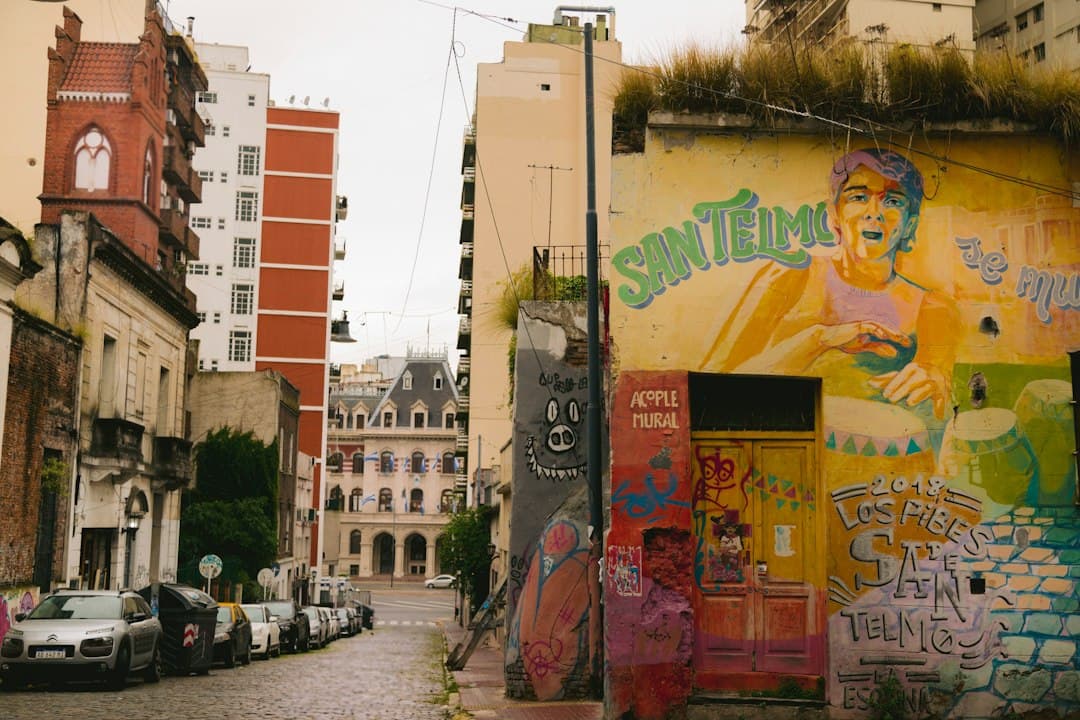
You're planning a few weeks or a few months of remote work in Buenos Aires on a tight budget. This article helps you tell the two rental markets apart, place neighborhoods by their advertised prices, understand what a home needs to offer for working, and spot the signs of a fake listing.
Two markets not to confuse: short-term rental and traditional lease
In Buenos Aires, short-term rental (alquiler temporario) means a stay of one to six months in a furnished home, priced in US dollars, with utilities, services, and wifi bundled into one rate, a one-month security deposit, and a passport is enough[1].
The traditional lease (alquiler tradicional) is a different thing altogether: two- to three-year contracts, unfurnished, in pesos, with ICL indexation and a guarantee provided by a local property owner[1]. This framework is not made for a stay of a few months: that is why even people who live in the city struggle to rent under it[1].
In practice: if a listing asks you for a local guarantor for a two-month stay, walk away. You are either in the wrong market or dealing with a scam[1].
On currency, the rule is as follows: the parties may set the rent in pesos or in a foreign currency, but the tenant cannot require the landlord to accept payment in a currency other than the one provided for in the contract[2]. So check the contract's currency before you sign.
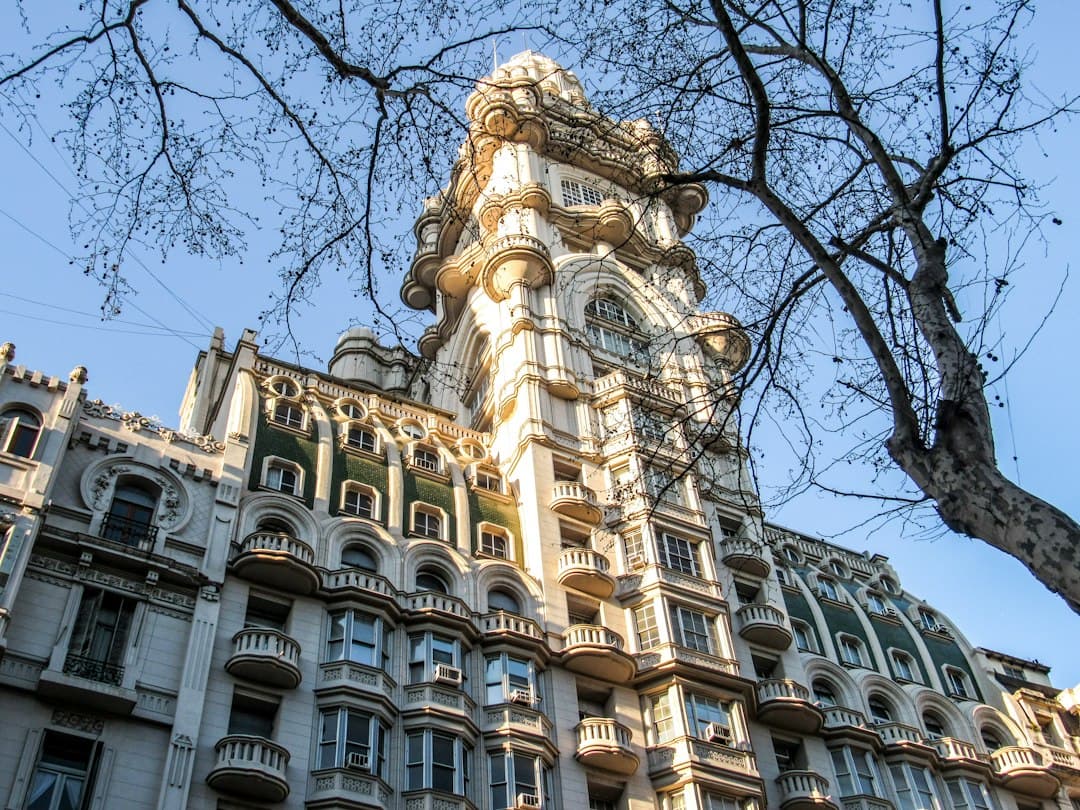
Which neighborhoods on a limited budget
The prices below are ranges advertised by a furnished-rental website for 2026, quoted in dollars as the market does. They are listing rents, not a market average[1].
- Villa Crespo, San Telmo, and Caballito: from $380 to $800 USD per month[1].
- Recoleta and Belgrano: from $500 to $1,000 USD per month[1].
- Palermo: from $600 to $1,100 USD per month, the most expensive of these neighborhoods[1].
For around $500 USD per month in Almagro, Caballito, or San Telmo, the listing describes a real room in a classic building: high ceilings, a French balcony, reliable 100 to 300 Mbps internet, and perhaps a temperamental elevator. Character rather than polish[1].
On atmosphere, the city's official tourism website sums up the identity of several neighborhoods: San Telmo is old and associated with tango, Recoleta is elegant, Puerto Madero is modern and business-oriented, and Palermo appeals to young people for its dining and nightlife[3]. These descriptions help with a first shortlist; they don't replace visiting the neighborhood yourself.
Which home to work from
Working comfort rises with budget. Around $500 USD, the listing promises 100 to 300 Mbps internet in a classic building[1]. Around $800 USD, in Villa Crespo, Colegiales, or the better corners of Palermo, it describes renovated interiors, reliable heating, a usable desk, and utilities and fast fiber included, with cafés at street level[1].

In a short-term rental, building charges (expensas) and internet are conventionally included in the price[1]. Have this confirmed in writing, along with a description of the home that specifies the connection and the furniture, before any payment.
The standard short-term rental contract is simple: it names the home and what the price covers, and a signed inventory, which you photograph on day one, accompanies the deposit that is returned at departure after verification[1].
Booking directly or through a platform
The short-term rental market has historically run on direct monthly agreements with hosts; for a monthly stay, the booking-platform layer is described as a simple surcharge[1]. So compare the price shown on a platform with what a host offers you directly, while keeping in mind the precautions in the next section.
Pitfalls, scams, and warning signs
Deposit fraud through Facebook groups is described as the classic scam in Buenos Aires[1]. Here are the reflexes to adopt.

- Insist on a live video tour of the exact unit before you transfer anything[1].
- Do not pay any "booking fee" to hold a unit you have not seen[1].
- Ask the host for a short timestamped clip in which they say an agreed-upon word[1].
- Run a reverse image search on the listing photos[1].
- Be wary of a price roughly 40% below market: it is bait[1].
- Refuse any request for a local guarantor for a stay of less than six months: bad market or fraud[1].
The same site also mentions, for short-term rentals, payments in cash dollars or by Wise or bank transfer[1]. In every case, insist on the written contract and the signed inventory described above.
If you opt for a traditional lease, be aware that its peso price is indexed, meaning it is revised during the contract[1]. And you cannot require the landlord to accept payment in a currency other than the one stated in the contract[2]. Finally, the contract must be registered with the Argentine tax authority's rental registry (RELI) within 15 calendar days of signing[2].
Key points to remember before booking
- Aim for a furnished temporary rental: one to six months, one month's deposit, passport is enough[1].
- Have it written down what the price includes: utilities, internet, furniture, and the contract currency.
- Choose the neighborhood based on the price range and the atmosphere that suits you, then visit it.
- Do not pay anything before the live video tour of the exact unit.
- On arrival day, photograph the unit and sign the inventory.
This article gives you the essentials to make a decision. It does not detail the budget line by line, the settling-in procedures, or the fine-tuning of a neighborhood choice: these points require going further before you truly settle in.
Sources
- 1.^ abcdefghijklmnopqrstuvwxrentihome.com — Furnished Apartments Buenos Aires — Monthly Rentals, Direct from Hosts | RentiHome: “Temporary rental: 1 to 6 months, furnished, prices in dollars, utilities, services and wifi included, one month's deposit, passport is enough.”; “Traditional lease: 2- to 3-year leases, unfurnished, in pesos with ICL indexation and a guarantee provided by a local owner, which is why even city residents struggle to rent.”; “If a listing asks for a guarantee for a 2-month stay, walk away: it is either the wrong market or a scam.” https://rentihome.com/buenos-aires/furnished-apartments-buenos-aires.html (accessed November 14, 2026)
- 2.^ abcargentina.gob.ar — Ley simple: Alquileres | Argentina.gob.ar: “The parties may set the rent in pesos or in foreign currency.”; “The tenant may not require the landlord to accept payment made in a currency other than the one established in the contract.”; “Registration is done through the AFIP service Registro de Locaciones de Inmuebles - RELI, with the tax code, within 15 calendar days of signing.” https://www.argentina.gob.ar/justicia/derechofacil/leysimple/alquileres (accessed November 14, 2026)
- 3.^turismo.buenosaires.gob.ar — ¿Dónde dormir? | Official tourism site of the City of Buenos Aires: “San Telmo is tango-filled and historic, Recoleta is elegant, Puerto Madero is modern and corporate, and Palermo is ideal for young people thanks to its large offer of dining and entertainment.” https://turismo.buenosaires.gob.ar/es/article/%C2%BFd%C3%B3nde-dormir (accessed November 14, 2026)