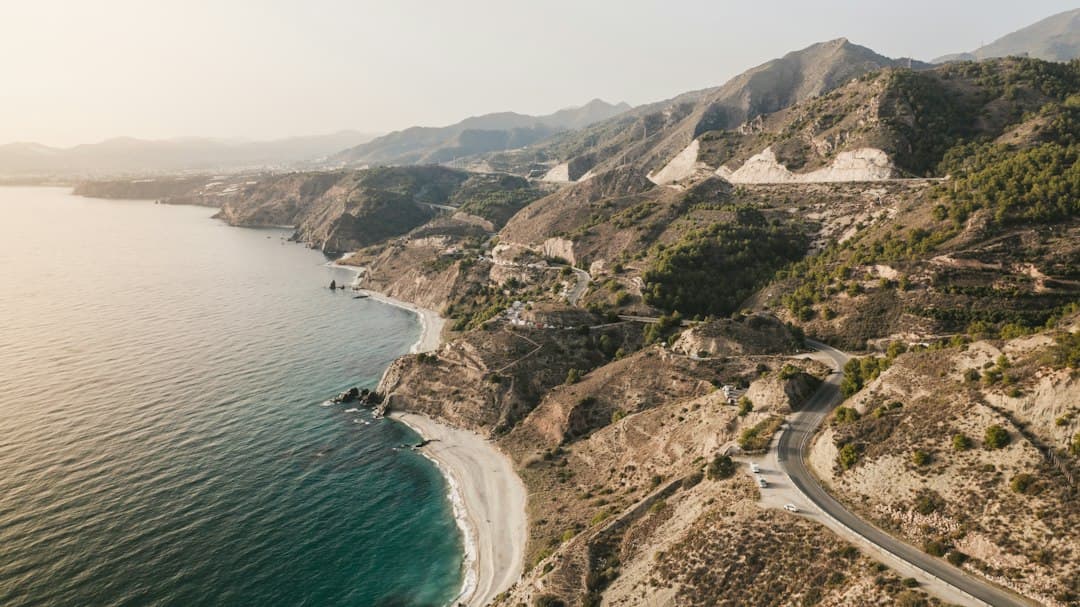
Spain feels like several countries brought together in one: the green north, the Castilian interior, the Mediterranean, the Andalusian south and two archipelagos. This article helps you see what each region offers, choose the ones that fit your trip, and know when to go. You'll also find a few habits for booking, getting around, and avoiding bad surprises.
Spain at a glance: very different regions
The north, the south, the Mediterranean and the islands each feel like different countries, and the food and the pace change with them[1]. In the north, Galicia is known for its Atlantic coast, its seafood, and for being the end point of the Camino de Santiago. Asturias and Cantabria surprise with green mountains very close to the sea. The Basque Country and Navarre combine ancestral customs, characterful villages and one of the most renowned cuisines in the world; La Rioja is one of the country's great wine destinations[2].
Catalonia offers both Gaudí's architecture in Barcelona and Mediterranean coves[2]. In the center, the Madrid region brings together major museums, an intense cultural life, and day trips to nearby historic towns[2]. In the south and along the Mediterranean coast, heat dominates the summer; two archipelagos complete the picture, the Balearic Islands and the Canary Islands[1].
The best pacing advice: plan ten days to two weeks and choose two or three regions rather than a list of cities[1]. Ten days forces you to choose, and choosing well is better than seeing everything poorly[1].
Madrid and Castile: capital and heritage towns
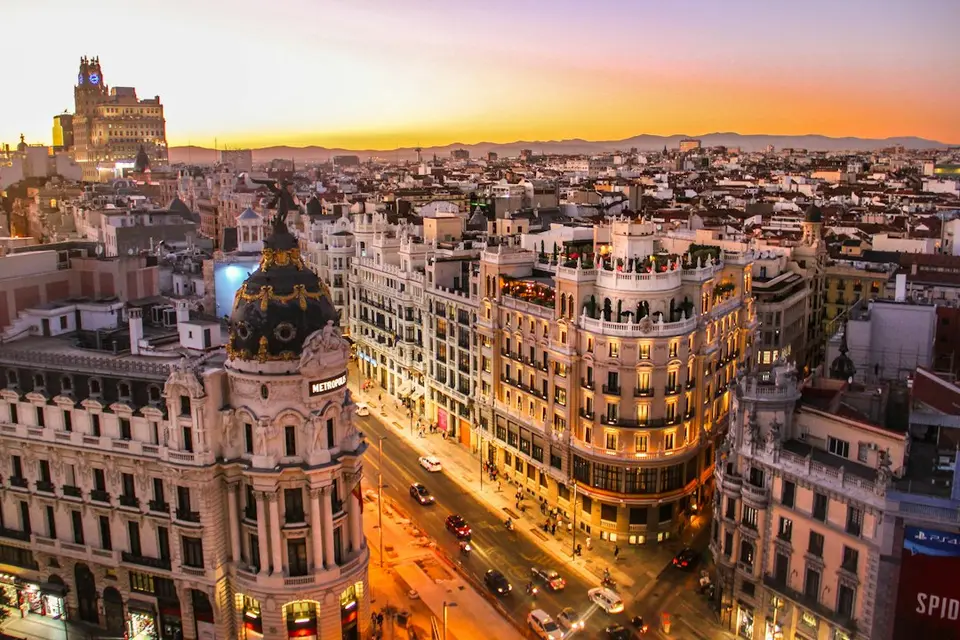
Madrid deserves more than one night: its great museum holds works by Velázquez, Goya and a stretch of the Western canon[1]. Go early, pick a few rooms, and take advantage of the free evening admission if you're counting euros[1].
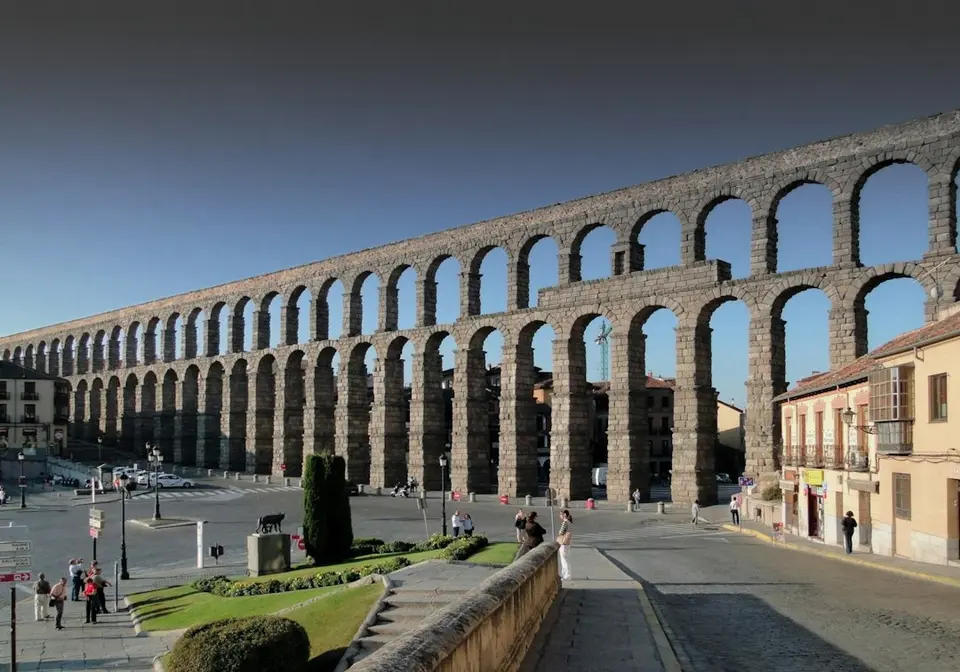
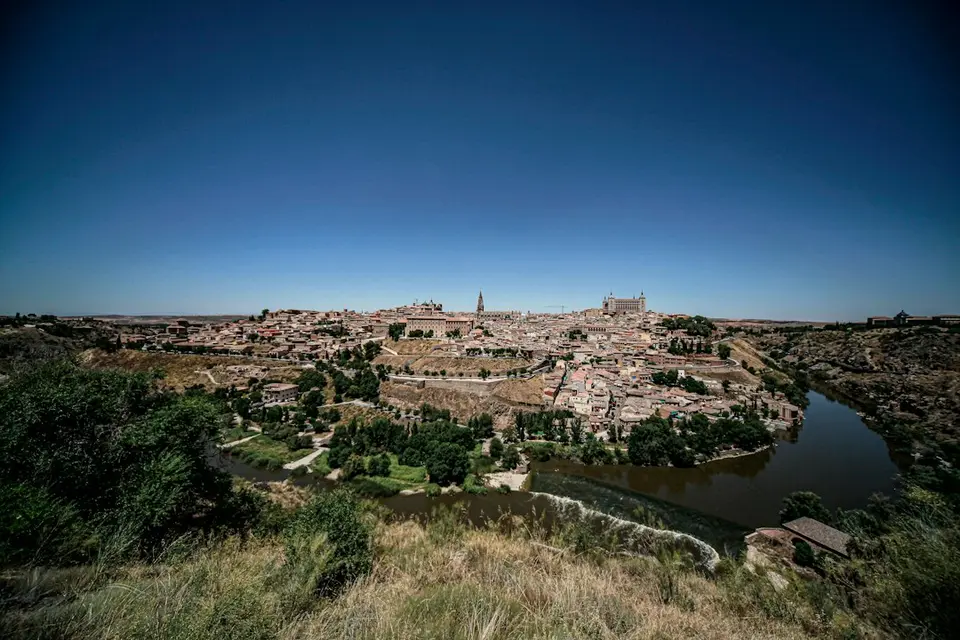
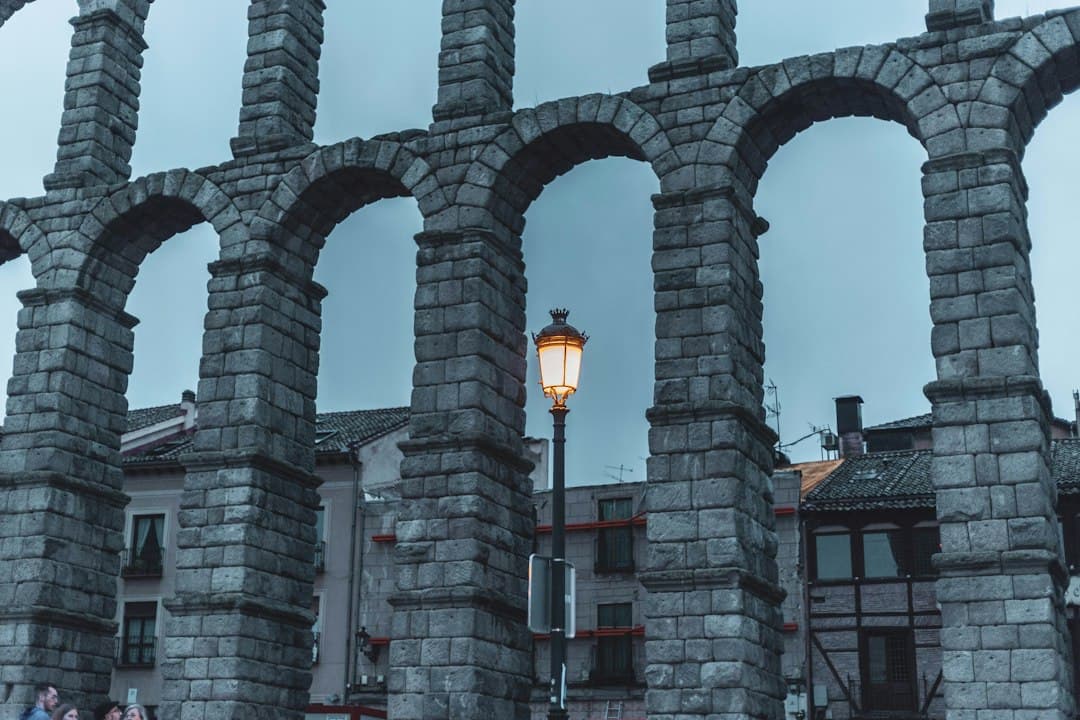
Around the capital, Toledo and Segovia are easy high-speed train day trips[1]. Segovia is famous for its aqueduct, one of the civil constructions counted among Spain's UNESCO World Heritage Sites[3]. Further west, Salamanca is nicknamed Spain's little Rome, while Toledo is a beautiful medieval city perched on its hilltop[4]. These three cities belong to the group of 15 World Heritage cities in Spain[2].
If you have time to push northwest across the plateau, Castile, from Segovia to León, holds extraordinary cathedrals and museums[4]. Each city deserves its own detailed guide to help you organize your visit.
Catalonia and the Mediterranean coast: Barcelona, Valencia
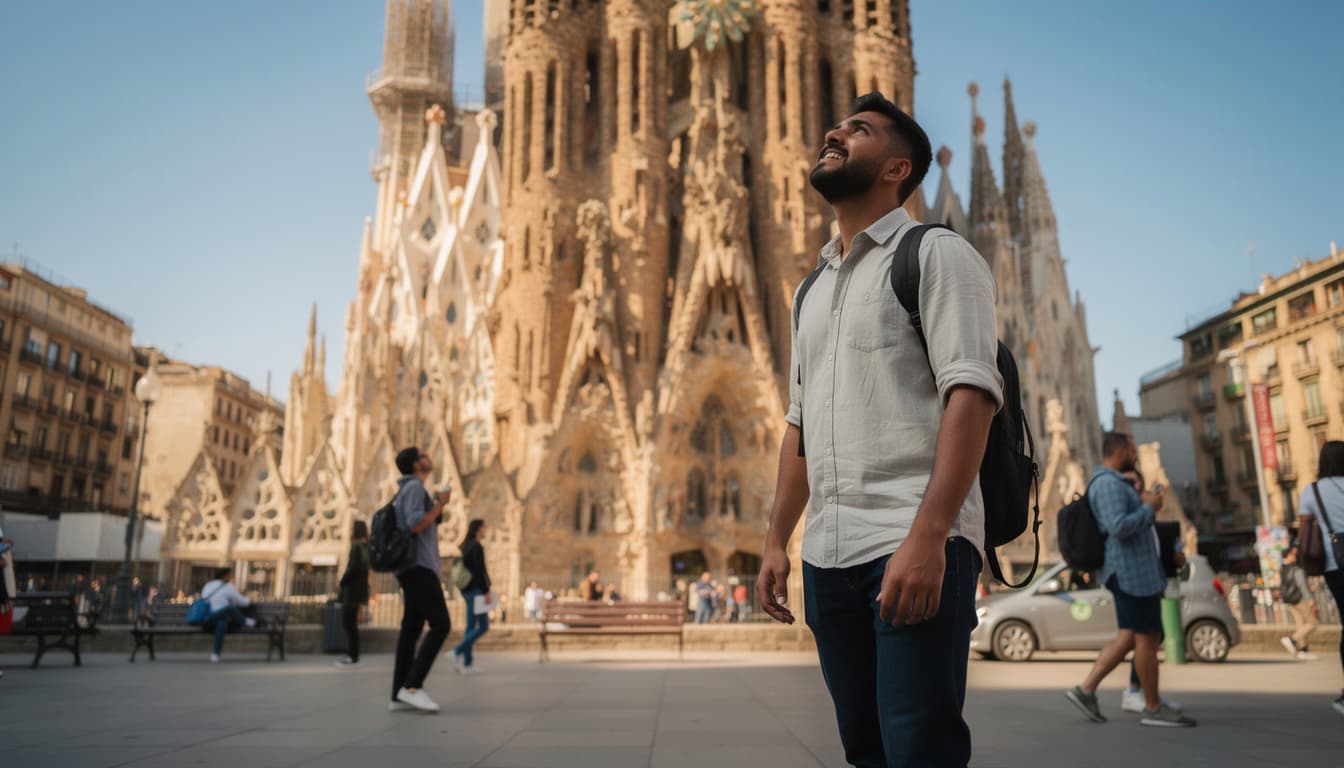
Barcelona is the showcase of Gaudí's architecture, with the Sagrada Família, one of the most famous sites in the country[2]. This basilica is also among the religious monuments on the World Heritage list[3]. Catalonia is also known for its artistic treasures, especially those of Dalí and Gaudí[4].
In Valencia, the Oceanogràfic is one of the largest aquariums in Europe, a stop families love[2]. On the sea side, Catalonia offers Mediterranean coves[2], and the Costa Brava is famous for its 300 days of sunshine a year[4].
To choose where to stay, focus on the neighborhood more than the city: in Barcelona, the Gothic Quarter and El Born put you right at the heart of everything, Gràcia is calmer and more local, and El Raval is lively but rough in places[1].
Andalusia: Seville, Córdoba, Granada
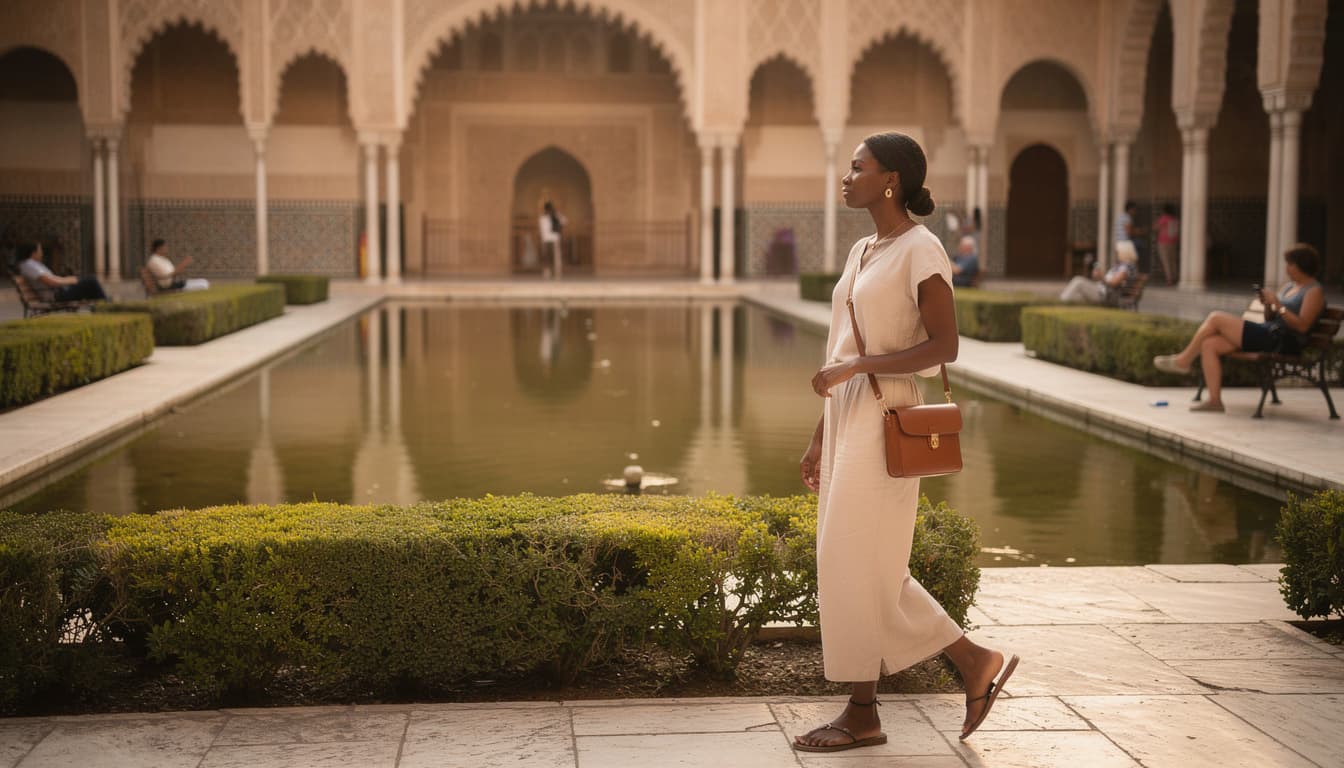
Andalusia is home to several major monuments: the Alhambra in Granada, the Mezquita of Córdoba and the Giralda in Seville[2]. The gardens of the Real Alcázar in Seville are also among the places to explore[3].
In the south, the table suits the heat: quality fried fish and cold soups such as gazpacho, salmorejo and ajoblanco, ideal in summer[2]. Indeed, the interior and the south are brutally hot in summer, with Seville and Córdoba often above 40 degrees[1]. Spring and autumn, milder, are better suited for exploring cities and villages[2].
The Atlantic North: Bilbao, San Sebastián, Santiago de Compostela
The north, green, rainy and obsessed with food, is the Spain that regulars recommend[1]. San Sebastián and Bilbao anchor the Basque Country, where pintxos are a sport and the landscape turns wild and Atlantic[1]. Continue west into Galicia for the end of the Camino in Santiago de Compostela[1], where seafood and octopus appear on almost every restaurant menu[2].
A full loop of the northwest can link Santiago de Compostela, Bilbao, the Picos de Europa, the Asturian coast, San Sebastián, the vineyards of La Rioja and the monasteries of Navarre[5]. Asturias, Cantabria and Galicia also offer a cooler alternative to the southern heatwaves, with hiking trails such as those in the Picos de Europa[4].
The islands: Balearics and Canaries
The two archipelagos have nothing in common. The Balearics (Mallorca, Menorca and Ibiza) embody the Mediterranean summer in its most famous form, from quiet coves to a world-famous nightlife[1]. They also stand out at the table with their fish stews, such as calderetas de pescado[2].
The Canaries, off the coast of Africa, rely on volcanic landscapes and warmth all year round: Europe's winter sun escape[1]. Papas con mojo are always on the table[2]. Sea-level temperatures there stay steady (16-26 °C) almost all year[4].
By theme: heritage, culture, gastronomy
- Heritage: Spain has the fifth-largest number of UNESCO World Heritage Sites[3]. The World Heritage Towns group includes 15, among them Salamanca, Toledo, Segovia, Córdoba, Santiago de Compostela, Ibiza, Cáceres, Mérida and Tarragona[2].
- Ancient history: the Altamira caves in Cantabria and the Atapuerca site in Burgos date back to prehistoric times[3].
- Cathedrals: Santiago de Compostela, Burgos and Palma[2].
- Gastronomy: the Mediterranean diet, the foundation of much of Spanish cuisine, is recognized by UNESCO as intangible cultural heritage[2]. Paella and rice from the Mediterranean coast, Iberian ham from Salamanca, Córdoba, Huelva or Extremadura, Spanish potato omelet[2].
- Inland and northern cuisine: roast lamb, cocido, fabada and other bean dishes[2].
- Nature: national parks, villages and cultural routes invite you to venture beyond the most visited destinations[2].
The practical side: season, access, duration
Each season offers a different way to discover the country[2]. Spring and autumn suit cities, villages, cultural routes and nature; summer is the season for beaches and music festivals; winter suits cities with a Christmas atmosphere or winter sports in the Pyrenees and the Sierra Nevada[2]. For winter sun, the Canaries are ideal[4]. In August, much of the country is on holiday: cities empty out and the coast fills up[1].
To get around, the high-speed trains of national operator Renfe (AVE services) connect Madrid to Barcelona, Seville, Valencia and beyond at up to 186 mph (300 km/h)[1]. Madrid to Barcelona takes about two and a half hours from city center to city center, faster than flying once airport time is counted[1]. The cheaper Avlo and the private operators Ouigo and Iryo fill up early on busy routes: book in advance, as fares rise sharply close to the departure date[1].

A good first trip combines two or three regions linked by high-speed rail, for example Madrid and Andalusia, or Barcelona and the north[1]. To spread out tourist pressure, second-tier cities such as Valencia, Bilbao, Granada or Girona welcome visitors without being overwhelmed by crowds[1].
Pitfalls, scams and points of caution
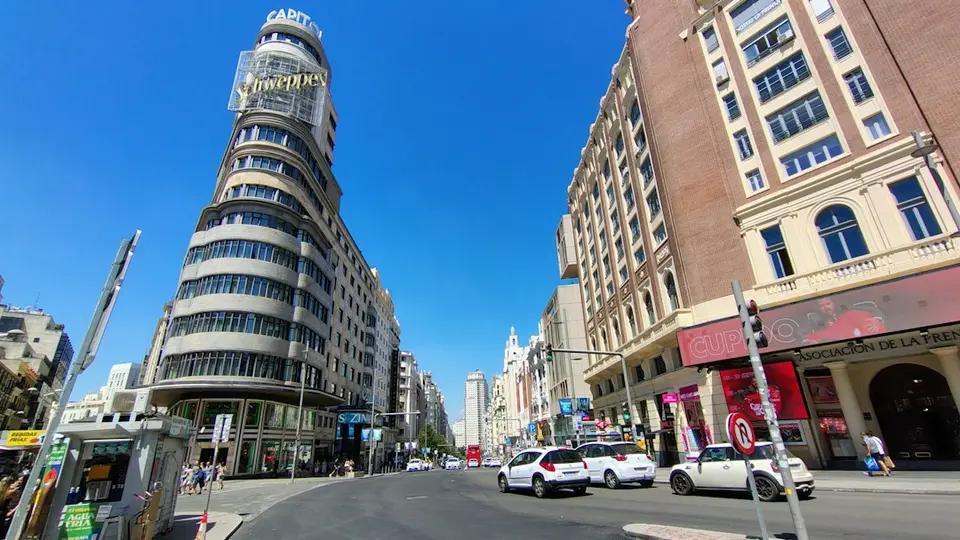
- Pickpocketing: the risk that really affects visitors is concentrated in very busy places such as Barcelona and Madrid[6]. The hotspots are Barcelona's metro line L3, Las Ramblas and the queue for the Sagrada Família, as well as Sol, Gran Vía and Madrid's metro line 1[6].
- Common scams: menu fraud in tourist areas and fake police officers[6].
- Major sites: for the Alhambra in Granada, the Caminito del Rey and the Sagrada Família, the days of buying your ticket on the spot are over; bookings often open three months in advance and sell out within a few days[4].
- Driving in the city: ignoring low-emission zone (ZBE) restrictions is a serious offense, punishable by a fine of 200 euros[7]. Rules vary by city, vehicle type, vehicle age and country of registration; check the city's official website before entering the city center[7].
Steps, in order
- Choose two or three regions connected by high-speed rail, depending on whether you have ten days or two weeks[1].
- Match your season to the region: north and coast in summer, cities in spring and autumn, the Canaries in winter[2][1].
- Book your Renfe, Avlo, Ouigo or Iryo trains early[1].
- Book the Alhambra, Caminito del Rey and Sagrada Família tickets as soon as they open[4].
- If you rent a car, check the low-emission zone rules of each city[7].
- Once on site, open the detailed guides for each city to plan your days.
This article gives you the essentials for choosing your regions; the neighborhoods to stay in, opening hours and details of each visit call for the dedicated city guides.
Our guides, place by place
- Madrid: what to see and do, from the Prado museums to tapas
- Toledo: what to see and do in one or two days from Madrid
- Segovia: what to see and do, from the Roman aqueduct to the Alcázar
Sources
- 1.^ abcdefghijklmnopqrstuvwbackpackingdiplomacy.com — Spain Travel Guide: Beyond Barcelona 2026: “Plan ten days to two weeks, choose two or three regions rather than a list of cities, have long, late lunches, and let the afternoons drift by slowly.” ; “The north, the south, the Mediterranean and the islands feel like different countries, and the food and the pace change with them.” ; “Ten days forces you to choose, and choosing well is better than seeing everything badly.” https://www.backpackingdiplomacy.com/fr/guides-de-voyage/espagne/ (accessed November 9, 2026)
- 2.^ abcdefghijklmnopqrstuvspain.info — Information of interest about Spain | spain.info: “In the north, Galicia is known for its Atlantic coast, its seafood, and for being the end point of the Camino de Santiago.” ; “The Basque Country and Navarre combine ancestral customs, villages with character, and one of the most renowned cuisines in the world. La Rioja is one of Spain's great wine destinations.” ; “Catalonia offers both Gaudí's famous architecture in Barcelona and Mediterranean coves.” https://www.spain.info/en/about-spain/ (accessed November 9, 2026)
- 3.^ abcdespain.info — World Heritage Sites in Spain | spain.info: “There are civil constructions such as the Segovia aqueduct and the Roman theatre in Mérida, as well as religious monuments such as the cathedral of Burgos and the Sagrada Família basilica in Barcelona.” ; “Can you picture yourself strolling through the gardens of the Real Alcázar palace in Seville or the Escorial monastery in Madrid?” ; “Spain has the fifth-largest number of UNESCO World Heritage Sites in the world.” https://www.spain.info/en/query/world-heritage-spain/ (accessed November 9, 2026)
Show 4 more sourcesShow less
- 4.^ abcdefghiroutard.com — Spain Travel Guide and Holidays: “Discover Salamanca, Spain's little Rome, or beautiful medieval Toledo perched on its promontory.” ; “Cross the rugged Castilian plateau, from Segovia to León, to discover extraordinary cathedrals and museums.” ; “Taste the Catalan artistic treasures, notably those of Dalí and Gaudí.” https://www.routard.com/fr/guide/europe/espagne (accessed November 9, 2026)
- 5.^cartovia.com — Travel guide - Northwest Spain | Lonely Planet (French) – Cartovia: “All the essential sights and experiences of a trip to northwest Spain: Santiago de Compostela, Bilbao, the Picos de Europa, the Asturian coast, San Sebastián, the vineyards of La Rioja, the Navarrese monasteries, ham, pintxos (tapas)...” https://cartovia.com/en-us/products/guide-de-voyage-espagne-du-nord-ouest-lonely-planet (accessed November 9, 2026)
- 6.^ abcpacklightly.fr — Is Spain safe? Pickpockets, fake police, Ceuta: “For everyone else, the risk that really affects visitors is pickpocketing in very busy hubs such as Barcelona and Madrid.” ; “Barcelona's metro line L3, Las Ramblas and the queue for the Sagrada Família, as well as Sol, Gran Vía and Madrid's metro line 1, are the hotspots.” ; “Common scams include menu fraud in tourist areas and fake police officers.” https://packlightly.fr/espagne/securite/ (accessed November 9, 2026)
- 7.^ abclepetitjournal.com — Spain holiday: the 15 traps many French travelers still fall into: “Failing to comply with low-emission zone (ZBE) restrictions is a serious offense, punishable by a fine of €200.” ; “These zones have their own rules, which can vary depending on the city, the type of vehicle, its age, and its country of registration.” ; “Before entering the center of a major city, it is therefore essential to check its official website.” https://lepetitjournal.com/madrid/comprendre-espagne/vacances-espagne-15-pieges-touristes-francais-449274 (accessed November 9, 2026)