Ecuador runs on U.S. dollars, but the details matter: which bills are accepted, which cities take cards, and which ATMs are safe. This article tells you what to bring, where to withdraw cash and how to limit risks when you do. You'll also learn when you need to declare your cash at the border.
The U.S. dollar, the only everyday currency
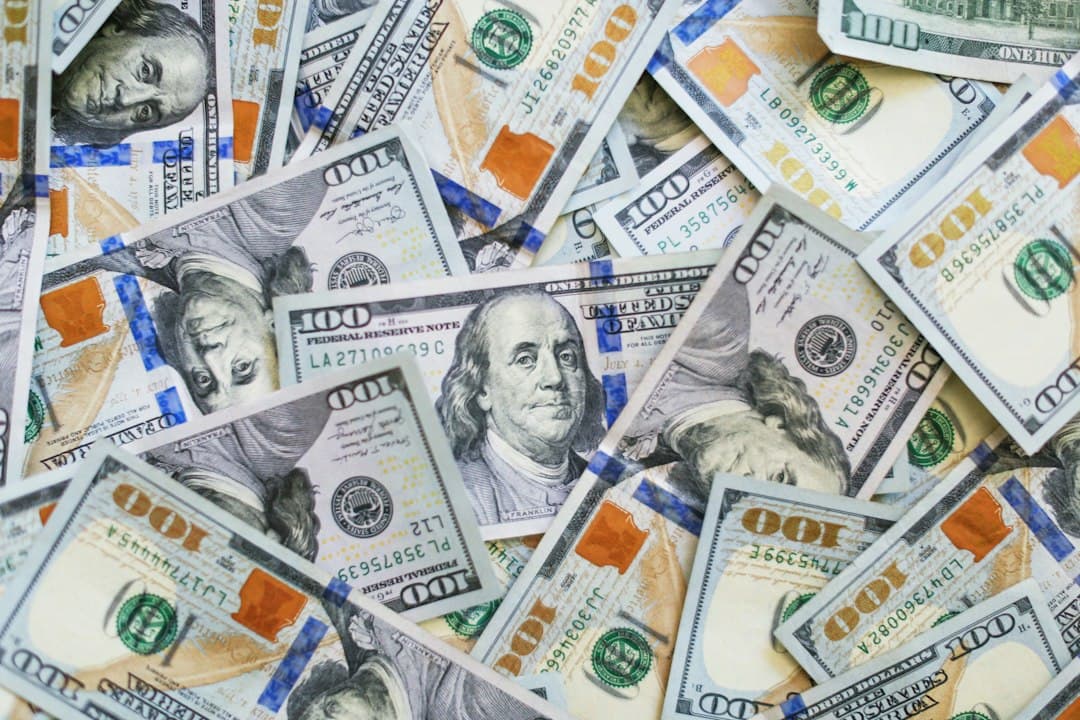
Since 2000, when the sucre, the former currency, was retired, the currency in circulation has been the U.S. dollar[1]. The Ecuadorian state also mints its own 1, 5, 10, 25 and 50 centavo coins[1], and U.S. coins remain valid[1]. Dollars and the centavo coins minted in Ecuador are the only legal tender[2].
In practice: paying in euros is virtually impossible in a shop or establishment[3]. You need to convert your euros into dollars, either before you leave or once you arrive.
Which bills to bring
Favor small denominations of $5, $10 and $20: shops rarely have change[4]. Conversely, locals, especially at markets, may be wary of $50 and $100 bills[3]. Bills above $20 are generally not accepted, out of caution about counterfeits[1]. Don't count on a large bill for a small purchase.
To rebuild your supply of small change, note that the Banco Central del Ecuador offers a fractional currency exchange service (canje)[5].
Exchanging euros
Exchanging euros is difficult: currency exchange is only possible in large cities, at banks (with limited opening hours) or at a currency exchange office, known as a "casa de cambio"[4]. The simplest option is to convert your euros into dollars before you leave[3].
Bank cards: where they work and where they don't
Credit cards are widely accepted in large cities such as Quito, Guayaquil or Cuenca, and at "formal" tourist establishments[3]. Most cards (Mastercard, Visa) work in large stores[4].
Farther from the cities, it's more complicated: in reserves and national parks, indigenous communities, small hotels and small restaurants, paying by card can be a problem[3]. For these stops, bring cash[3].
Withdrawing cash from ATMs
Withdrawals are possible at ATMs in large cities, for example Quito, Otavalo, Guayaquil, Riobamba, Baños or Cuenca[4]. Plan your cash between the major stops so you don't run out[4]. In the Galápagos, only the islands of Santa Cruz and Santa Cruz (San Cristóbal) have ATMs[4].
Before you leave, check with your bank about the conditions and fees that apply abroad[4].
Bringing cash in or out: declaration
Any traveler entering or leaving the country with $10,000 or more in cash, or the equivalent in another currency, must declare it to the authorities[6]. The declaration is made with the Customs Registration Form (FRA), to be completed before customs inspection; it can be filled out online[6].
Declaring costs nothing in foreign trade taxes, and no penalty is applied if the amount was declared correctly[6].
Pitfalls, scams and things to watch for
Cash withdrawals, a moment of risk
Violent robberies have occurred in front of banks[2]. If possible, use ATMs located inside a bank or shopping center, avoid withdrawing cash after dark, and only take out what you need[2]. ATMs in large shopping centers are better secured than street ATMs[7].
If you need to withdraw or deposit a large sum, the Ecuadorian National Police offers a free escort service: just call 911[2]. Withdrawing large amounts from ATMs or teller windows is not advised[7]. If your bank is French, you can lower your card's withdrawal limit during your trip[7].
Express kidnappings and taxis
Express kidnappings, short-term abductions aimed at extorting money from the victim, are common throughout the country[2]. The victim is held while criminals empty their account using their cards; many cases involve people who hailed a taxi on the street[2]. At night in particular, it is better to book a taxi than to hail one[7]; prefer registered, clearly identified taxis or a ride-hailing service, and avoid informal taxis[7].
Large bills, refused by many merchants
“Bills of 50 and 100 dollars can raise suspicion, especially at markets[3], and bills above 20 dollars are generally not accepted[1]. Keep enough small change for your daily expenses.
Extending Your Stay: Budget for It
A tourist stay without a visa is limited to 90 days, and overstaying the authorized period exposes you to a heavy fine and possible administrative detention[6]. To extend by an additional 90 days, the 2017 Human Mobility Law provides for payment of a $400 visa extension fee[6]. Conditions may vary by nationality and change over time, so check them before you leave. This amount should be included in your budget if you stay longer.
Checklist Before You Leave
- Exchange your euros for dollars before you leave.
- Bring $5, $10, and $20 bills, plus some loose change.
- Ask your bank about fees and conditions for withdrawals and payments abroad.
- Keep some cash for areas outside the cities, parks, and small establishments.
- Plan your withdrawals in major cities, inside a bank or shopping center, during the day.
- Book a registered taxi or a ride-hailing service rather than hailing one.
- Fill out the FRA if you enter or leave with $10,000 or more.
This article covers the essentials for managing your money. It does not detail your bank's withdrawal fees and limits, nor the payment and transfer solutions for a long-term stay, which require further research.
Sources
- 1.^ abcdepetitfute.com — Getting to Ecuador: Formalities and Administrative Procedures: “Since 2000 and the disappearance of the sucre (the former monetary unit), the currency in circulation has been the U.S. dollar, but the state mints its own coins of 1, 5, 10, 25, and 50 cents.”; “American coins are, however, valid.”; “Bills above US$20 are generally not accepted, due to distrust of counterfeit bills.” https://www.petitfute.com/p41-equateur/formalites/ (accessed October 26, 2026)
- 2.^ abcdefgov.uk — Safety and security - Ecuador travel advice - GOV.UK: “U.S. dollars and the 5, 10, 25, and 50 centavo coins minted in Ecuador are the only legal currencies.”; “Be careful when withdrawing money from a bank or ATM. If possible, use ATMs located inside banks or shopping centers, and avoid withdrawing money after dark. There have been violent robberies in front of banks.”; “Only withdraw the amount you need.” https://www.gov.uk/foreign-travel-advice/ecuador/safety-and-security (accessed October 26, 2026)
- 3.^ abcdefglivingecuadortravel.com — Formalities for Traveling to Ecuador – Living Ecuador Travel: “It is practically impossible to pay in euros in a store or establishment in Ecuador.”; “We recommend bringing money in denominations of 5, 10, and 20 dollars, as people in Ecuador, especially at markets, may be hesitant to accept 50 or 100 dollar bills.”; “It is therefore advisable to exchange euros into dollars or another currency beforehand.” https://livingecuadortravel.com/fr/formalites-pour-voyager-en-equateur/ (accessed October 26, 2026)
Show 4 more sourcesShow less
- 4.^ abcdefgvoyageequateur.com — Currency: “In addition, make sure you have small bills (5, 10, 20 $) because stores rarely have change.”; “Note: it is difficult to exchange euros; exchange is only possible in major cities at banks (limited opening hours) and exchange offices (casa de cambio).”; “Most credit cards (MasterCard, Visa...) are accepted in Ecuador at large stores.” https://www.voyageequateur.com/infos-pratiques/devise (accessed October 26, 2026)
- 5.^bce.fin.ec — Canje y cambio de especies monetarias - Banco Central del Ecuador: “General provisions, third: The Central Bank of Ecuador will continue to provide citizens with the fractional currency exchange service until its highest authority decides otherwise.” https://www.bce.fin.ec/sistema-de-pagos/servicios-financieros-y-de-valores/canje-y-cambio-de-especies-monetarias/ (accessed October 26, 2026)
- 6.^ abcdediplomatie.gouv.fr — Ecuador - Entry / Stay | France Diplomatie: “Any passenger entering or leaving the country with cash in an amount equal to or greater than US$10,000 (ten thousand US dollars) or the equivalent in other currencies is required to declare it to the competent authorities, in accordance with the Organic Law on the Prevention, Detection and Eradication of the Crime of Money Laundering and the Financing of Illicit Activities.” ; “To this end, before undergoing customs inspection, the passenger must complete the Customs Registration Form (Formulario de Registro Aduanero) (FRA), which can be filled out electronically.” ; “It should be noted that declaring the amount does not give rise to any payment of foreign trade taxes. Moreover, if the amount has been declared correctly, no penalty will be applied.” https://www.diplomatie.gouv.fr/fr/information-par-pays/equateur/conseils-aux-voyageurs-entree-sejour (accessed October 26, 2026)
- 7.^ abcdediplomatie.gouv.fr — Ecuador - Security | France Diplomatie: “It is recommended that you use ATMs in large shopping centers, which are better secured than street-side machines.” ; “It is inadvisable to withdraw large sums of cash from automated teller machines or bank counters.” ; “You may wisely lower your withdrawal limit with your French bank before traveling in Ecuador.” https://www.diplomatie.gouv.fr/fr/information-par-pays/equateur/conseils-aux-voyageurs-securite (accessed October 26, 2026)