Meknes was the capital of Moulay Ismail, and Volubilis is the best-preserved Roman city in Morocco. This article helps you plan a one- to two-day escape from Fes, Rabat or Casablanca: what to see first, how to get there, how much to budget for entry, taxis and a guide, and what time of day to leave.
Meknes, the imperial capital of Moulay Ismail
Meknes is one of Morocco's four imperial cities. It was built on a very large scale under Sultan Moulay Ismail (1672-1727), who wanted to create a "Moroccan Versailles"[1]. That history explains the walls, the monumental gates and the vast royal storehouses you can visit today.
The medina of Meknes and the remains of the royal palace are on the UNESCO World Heritage List[2]. The inscription dates from 1996[1].
Meknes has long lived in the shadow of its neighbor Fes, and that is part of its charm: its medina is compact and easy to explore, with souks that remain very busy with locals[3]. It is calmer and far less touristy than the medinas of Fes or Marrakech[1]. If you have already seen Fes, it is a great way to discover another imperial city at a gentler pace.
What to see in Meknes: gates, square and royal granaries
Start with Bab Mansour, the monumental gate completed in 1732, covered in zellige tilework and marble columns; it is among the finest gates in North Africa[1]. It opens onto El-Hedim Square and the medina, and ranks among the masterpieces of Hispano-Moorish art[2]. In the morning, low light brings out its zellige[1].
El-Hedim Square, the vast main square, is the lively heart of the medina[3]. Its name, meaning the square of the "ruins," comes from the rubble it was built upon[4]. It is a good place to pause at the end of the day.
A short distance away, Heri es-Souani brings together the former royal granaries and stables built by Moulay Ismail[1]. Their 4 m thick rammed-earth walls stay cool in summer and mild in winter[4]. The site is partly in ruins, but it remains very evocative[1].
For music lovers, Dar Jamaï, on the north side of the square, is a 19th-century residence that is now the National Music Museum[3]. It was built in 1882 by Jamaï, grand vizier of Sultan Moulay Hassan[4]. Its Andalusian-style inner garden offers a peaceful break[3]. The museum is closed on Tuesdays[3].
Finally, the Koubat al-Khayatine was Moulay Ismail's reception hall for foreign ambassadors[3]. To travel between sites, a local taxi is the simplest way to reach Heri es-Souani and the mausoleum, which are some distance apart[1].
The medina and the flavors of Meknes
North of El-Hedim Square, you enter the old medina, which is more pleasant and less hectic than that of Fes[4]. It is best explored on foot: wear comfortable shoes, bring water in hot weather, and allow yourself time to wander the maze of alleys[5].
To taste the city, head to the covered market, behind the potters' arcades that line El-Hedim Square[4]. This is where locals shop: olives of every size, plain, stuffed or with herbs, ready-mixed spices for your tagines, sweets stalls, and grilled kefta sandwiches from the stands nearby[3].
Moulay Ismail's mausoleum is decorated with zellige, stucco and carved cedar[3]. By local custom, non-Muslims do not enter the tomb chamber but may look in from the entrance[3]. Two parquet clocks, sent by Louis XIV after one of his daughters refused to marry the sultan, still work there[3].
Volubilis, the Roman city of Morocco
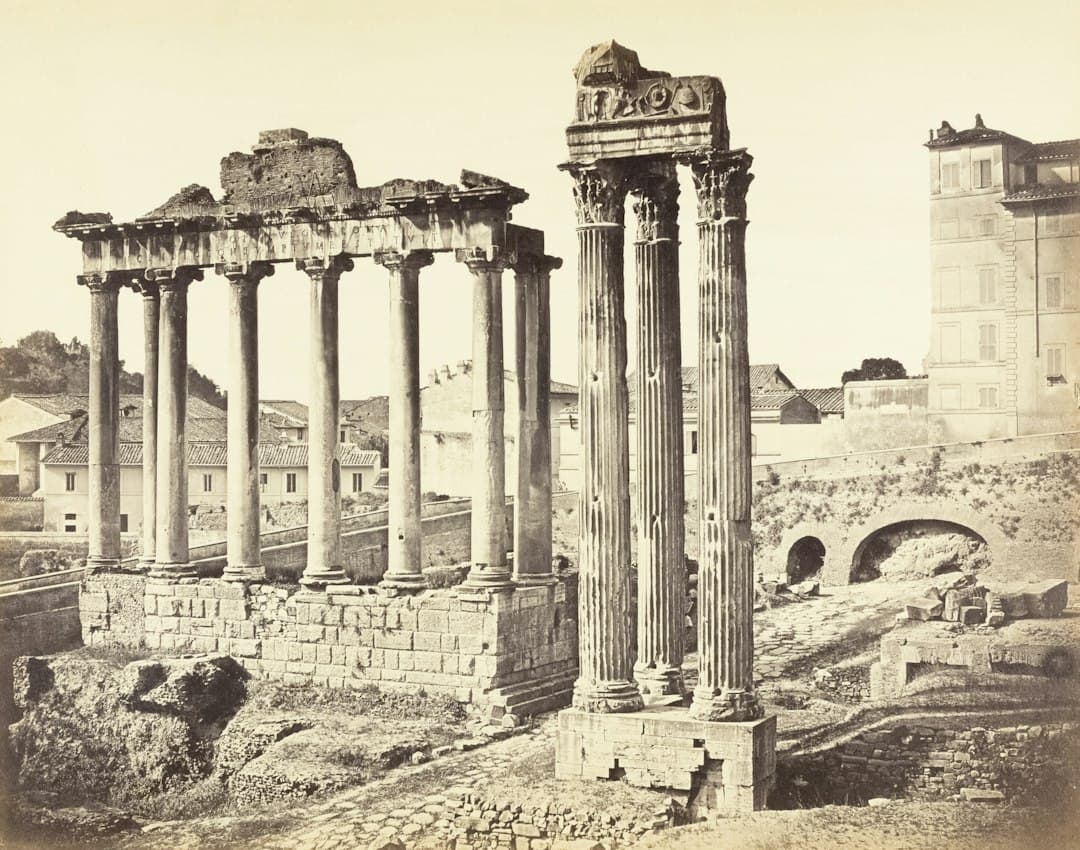
Volubilis is the best-preserved archaeological site in Morocco[6], and the best-preserved Roman city in the country[7]. Founded in the 3rd century BCE as the capital of Mauretania, it was an important outpost of the Roman Empire[8]. It has been a UNESCO site since 1997[7].
On site, look out first for:
- the capitol, the basilica and the 1,300 m² forum, built on a high point[6];
- the marble triumphal arch, erected in 217 in honor of Emperor Caracalla and his mother Julia Domna[6];
- the House of Bacchus, cited among the site's leading monuments[2], with its mosaic of Bacchus on a chariot pulled by panthers (incomplete today)[6];
- the Decumanus Maximus, the ceremonial street lined with the houses that contain the site's finest mosaics[6].
The mosaics are preserved on site[6]. The rebuilt columns of the basilica are often crowned with stork nests, an iconic image of Volubilis if the birds are nesting during your visit[6]. The information panels explain the site in English, French and Arabic[6].
For a brief period, the city was also the capital of Idris I, founder of the Idrisid dynasty, who is buried very close by, in Moulay Idriss[8].
Moulay Idriss Zerhoun, the ideal stopover
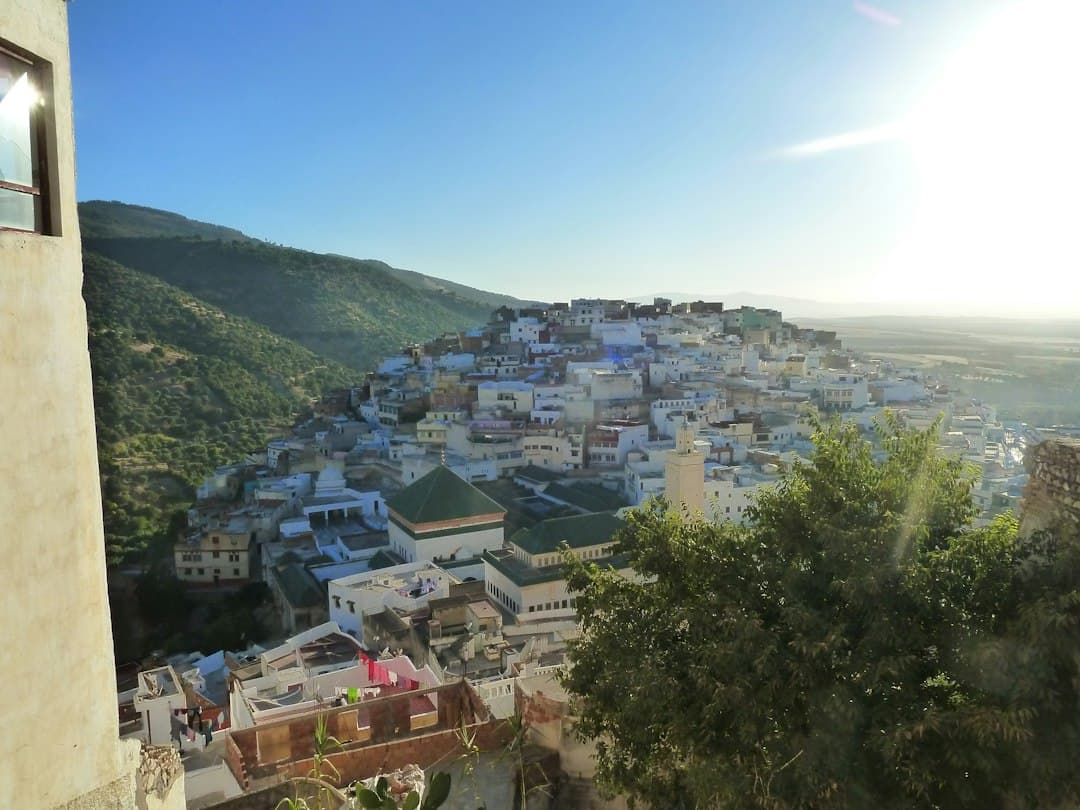
Moulay Idriss Zerhoun is considered the holiest town in Morocco[3]; Idris I, founder of the Idrisid dynasty, is buried there, very close to Volubilis[8]. It takes about 30 minutes by road from Meknès[2].
Volubilis easily combines with it to make an excellent day trip from Meknès or Fès[6]. The town alone deserves a night on site[6].
Getting there, how long to plan, which season
Plan two days. The must-sees are Volubilis, Bab Mansour, the Bou Inania Madrasa and the Mausoleum of Moulay Ismail; from Meknès, Volubilis and Moulay Idriss are about 30 minutes away, Fès about 1 hour[2]. The best periods are March to May and September to November; summer is very hot, and winter days are mild with cool evenings[2].
To reach Meknès, the train is the simplest option: the city has two stations and is connected by the ONCF network to Fès, Rabat and Casablanca[5]. From Rabat, allow about two hours by train[7]; from Fès, about 45 minutes[7]. If you arrive via Fès-Saïss Airport, the drive to Meknès takes 1 to 1.5 hours[5].
Volubilis is about 33 km from Meknès[6]. The easiest option is to rent a grand taxi for a round trip: for a half day from Meknès, expect about 350 dirhams, with two hours on site and a stop at Moulay Idriss Zerhoun[6]. From Fès, the same trip costs about 1,000 dirhams[6].
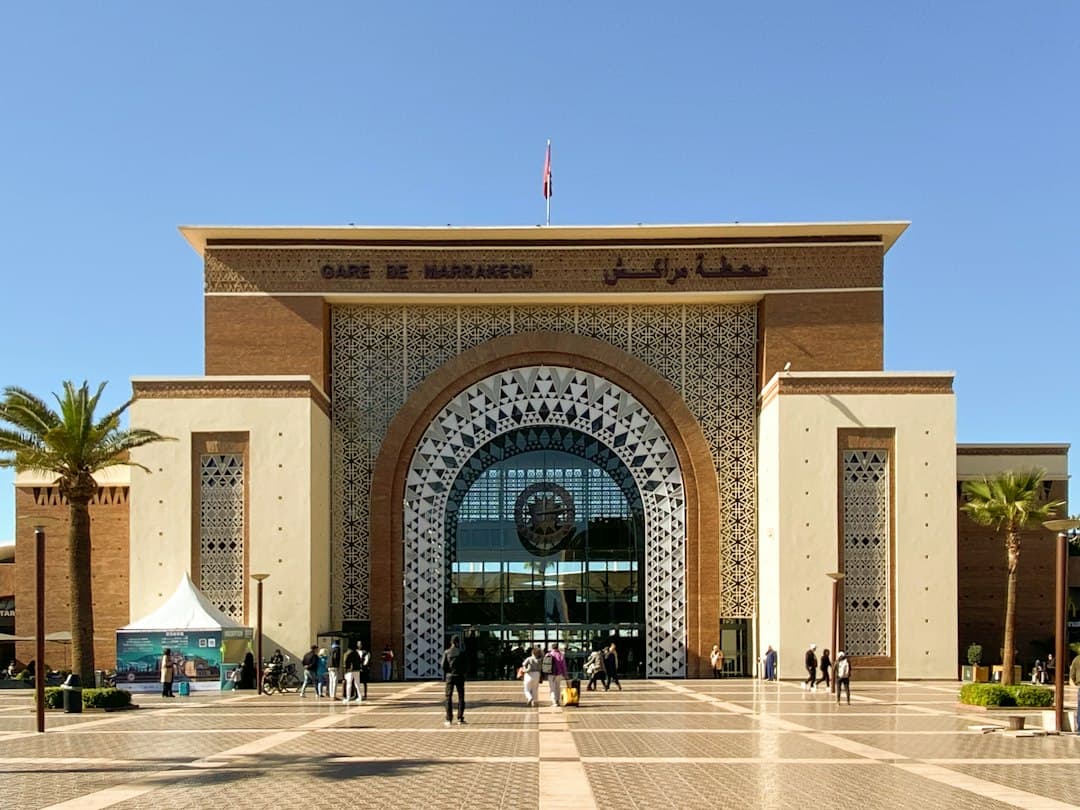
On site, leave early: starting with Volubilis, you'll enjoy cooler temperatures and fewer visitors[9]. The site is outdoors: bring sun protection and good shoes[10]. If you pass through Meknès in May, the Volubilis International Festival takes place that month[5].
Be prepared on site: guide, tickets and hours
- Guide: official guides wait at the entrance to Volubilis and offer one-hour tours for 250 dirhams; to get the most out of it, insist on a guide who speaks your language fluently[6]. Agree on the price, duration and language before setting off.
- Tickets: the official rate is 100 dirhams for a foreign adult and 50 dirhams for a foreign child (under 12 according to one source[8], aged 7 to 13 according to another[10]), but only 30 dirhams for a resident upon presentation of their national identity card[8]. These prices, checked on October 18, 2026, may change: verify them before paying.
- Hours: the site is open from 9:00 am to 5:00 pm; these hours may be adjusted during Ramadan and public holidays[10]. Check them before you travel.
Steps, in order
- Book two days and aim for March–May or September–November.
- Reach Meknès by train from Fès, Rabat or Casablanca.
- On day one, leave early for Volubilis by grand taxi, with a stop at Moulay Idriss Zerhoun.
- On day two, see Bab Mansour, El-Hedim Square, Heri es-Souani and the Mausoleum of Moulay Ismail.
- Finish with the covered market and the medina, on foot, before taking the train back.
Going further
- Morocco: the highlights, region by region
- Fès: what to see and do in the world's largest car-free medina
- Merzouga and the Moroccan Sahara: dunes, desert camps, oases, and villages to see
- Ouarzazate and Aït-Ben-Haddou: kasbahs, film studios, and earthen ksar
Sources
- 1.^ abcdefghmoroccotravelbase.com — What to Do in Meknes? Imperial City and Bab Mansour: “Meknès is one of Morocco's four imperial cities, built on a very large scale under Sultan Moulay Ismail (1672–1727), who wanted to create a Moroccan Versailles.” “The medina of Meknès, a UNESCO World Heritage Site since 1996, is calmer and far less touristy than those of Fès or Marrakech.” “Its most famous monument, Bab Mansour, a monumental gate completed in 1732, covered in zellige and marble columns, ranks among the most beautiful gates in North Africa.” https://moroccotravelbase.com/en/guides/que-faire-a-meknes (accessed November 10, 2026)
- 2.^ abcdefvisitmorocco.com — Meknes holidays: things to do & best time | Visit Morocco: “The medina of Meknès and the remains of the royal palace have earned it an undisputed place on the UNESCO World Heritage list.” “On El Hedime Square, Bab Mansour, one of the masterpieces of Hispano-Moorish art, is the entrance gate to the medina.” “Triumphal arch, capitol, House of Bacchus: everything bears witness to the splendor of the city and its economic and political weight.” https://www.visitmorocco.com/en/travel/meknes (accessed November 10, 2026)
- 3.^ abcdefghijklonelyplanet.com — How to spend a day in Meknes - Lonely Planet: “Long overshadowed by its famous neighbor Fès, this smaller city, a UNESCO-listed site, offers a slice of authentic, laid-back Moroccan life, with a compact medina that is easy to explore and affordable souks still very busy with locals.” “Head to El Hedim Square, the vast, lively main square, and admire Bab El Mansour.” “The 19th-century residence Dar Jamaï (closed Tuesdays), on the north side of the square, is a lesson in Moroccan architecture. It now houses the National Museum of Music.” https://www.lonelyplanet.com/articles/perfect-day-imperial-meknes (accessed November 10, 2026)
Show 7 more sourcesShow less
- 4.^ abcderoutard.com — Visiter Meknès : préparez votre séjour et voyage Meknès | Routard.com: “Thus was born El-Hedim Square, or the Square of Rubble.” “Built by Moulay Ismail, it has rammed-earth walls 4 m thick that keep it cool in summer and mild in winter.” “The National Museum of Music: this splendid Hispano-Moorish residence was built in 1882 by Jamaï, grand vizier of Sultan Moulay Hassan.” https://www.routard.com/fr/guide/afrique/maroc/nord-du-maroc/meknes (accessed November 10, 2026)
- 5.^ abcdtravelnoire.com — Meknès, Morocco - Travel Noire: “Wear comfortable shoes, bring water during the hot months, and allow time to find your way through the labyrinthine streets of the medina.” “Meknès has two train stations and is connected to Morocco's major cities by the national ONCF rail network.” “Travelers most conveniently reach Meknès via Fès-Saïss Airport, a 1 to 1.5-hour drive.” https://travelnoire.com/city-guides/africa/morocco/meknes (accessed November 10, 2026)
- 6.^ abcdefghijklmnlonelyplanet.com — Volubilis | Morocco | Attractions - Lonely Planet: “In the middle of a fertile plain, the ruins of the Roman city of Volubilis are Morocco's best-preserved archaeological site.” “The capitol, basilica, and 1,300 m² forum are, as is often the case, built on high ground.” “The marble triumphal arch was built in 217 in honor of Emperor Caracalla and his mother Julia Domna.” https://www.lonelyplanet.com/points-of-interest/volubilis/1404686 (accessed November 10, 2026)
- 7.^ abcdrabattravel.com — Things to Do in Meknes: Bab Mansour & Moulay Ismail | Rabat Tours: “Volubilis is Morocco's best-preserved Roman city and one of the finest in North Africa.” “UNESCO World Heritage status since 1997 has supported ongoing excavation and conservation.” “From Rabat, 130 km to the west, the trip takes about 2 hours.” https://www.rabattravel.com/guides/things-to-do-in-meknes (accessed November 10, 2026)
- 8.^ abcdemoroccomuseum.com — Volubilis: e-ticket, Roman site and digital guide: “The capital of Mauretania, founded in the 3rd century BCE, was an important outpost of the Roman Empire and was adorned with many fine monuments.” “The city later became, for a brief period, the capital of Idris I, founder of the Idrisid dynasty, who is buried nearby at Moulay Idriss.” “Official entrance ticket: adult 100 MAD, child under 12 50 MAD, resident (national identity card) 30 MAD.” https://www.moroccomuseum.com/en/sites/volubilis-meknes (accessed November 10, 2026)
- 9.^shadeexplore.com — Meknes & Volubilis Travel Guide 2026 | Ultimate Best PlacesMorocco Shade Explore: “Start your day early by visiting Volubilis first to enjoy cooler temperatures and fewer visitors.” https://shadeexplore.com/morocco-travel-guide/meknes-volubilis-travel-guide/ (accessed November 10, 2026)
- 10.^ abcmoroccomuseum.com — Volubilis: opening hours, prices and e-ticket: “The site is visited outdoors: bring sun protection and comfortable shoes.” “The official price is 100 DH (about €10) for an adult foreign visitor and 50 DH for a foreign child aged 7 to 13. Prices noted at the official Ministry of Culture ticket office on October 18, 2026; they may change.” “The official Ministry of Culture ticket office lists visiting hours of 9:00 am to 5:00 pm. These hours may be adjusted during Ramadan and public holidays.” https://www.moroccomuseum.com/en/guides-inspirations/volubilis-acces-horaires-tarifs (accessed November 10, 2026)