Morocco is best explored as a few large, very different landscapes: mountains, desert, ocean and imperial cities. This article helps you pick out, region by region, the stops that matter and the routes that connect them. It ends with a few road and safety tips to keep in mind before you plan your itinerary.
Morocco at a glance: very contrasting regions
Morocco is explored by regions: the North, the imperial cities, the Atlantic coast, the High Atlas, the pre-Saharan South and the Sahara. The country has nine sites listed as UNESCO World Heritage[1]. Its craftsmanship is also recognized by UNESCO as intangible cultural heritage[1].
Organized tours show how to connect these regions. The Grand Tour of Morocco runs for two weeks, with a choice of starting point, from north to south[2]. A seven-day tour lets you visit four imperial cities, starting from Marrakech[2]. Organized tours also depart from Ouarzazate, Zagora and Tinghir[2].
Marrakech and the High Atlas
Marrakech is a UNESCO-listed city: its medina is the largest in the Maghreb, a maze of winding alleys where the heart of the city beats[3]. Jemaa el-Fnaa square is a huge open-air theater that comes alive at dusk, with its terraces and food stalls[3].
To round out your visit, the Routard guide recommends getting lost in the souks, stepping into the Ben Youssef Madrasa, not missing the Bahia Palace, and spending a night in a riad[3]. It describes the madrasa as the largest Koranic school in the Maghreb, built in 1570, with a rich and harmonious Arab-Andalusian architecture[3]. The Jardin Majorelle houses the studio of painter Majorelle and the last home of Yves Saint Laurent, among cacti, bamboo and bougainvillea[3]. The Koutoubia gardens are pleasant for a stroll[3]. In the Kasbah quarter, a garden was reclaimed in the 16th century by the Saadians to house the tombs of their kings[3].
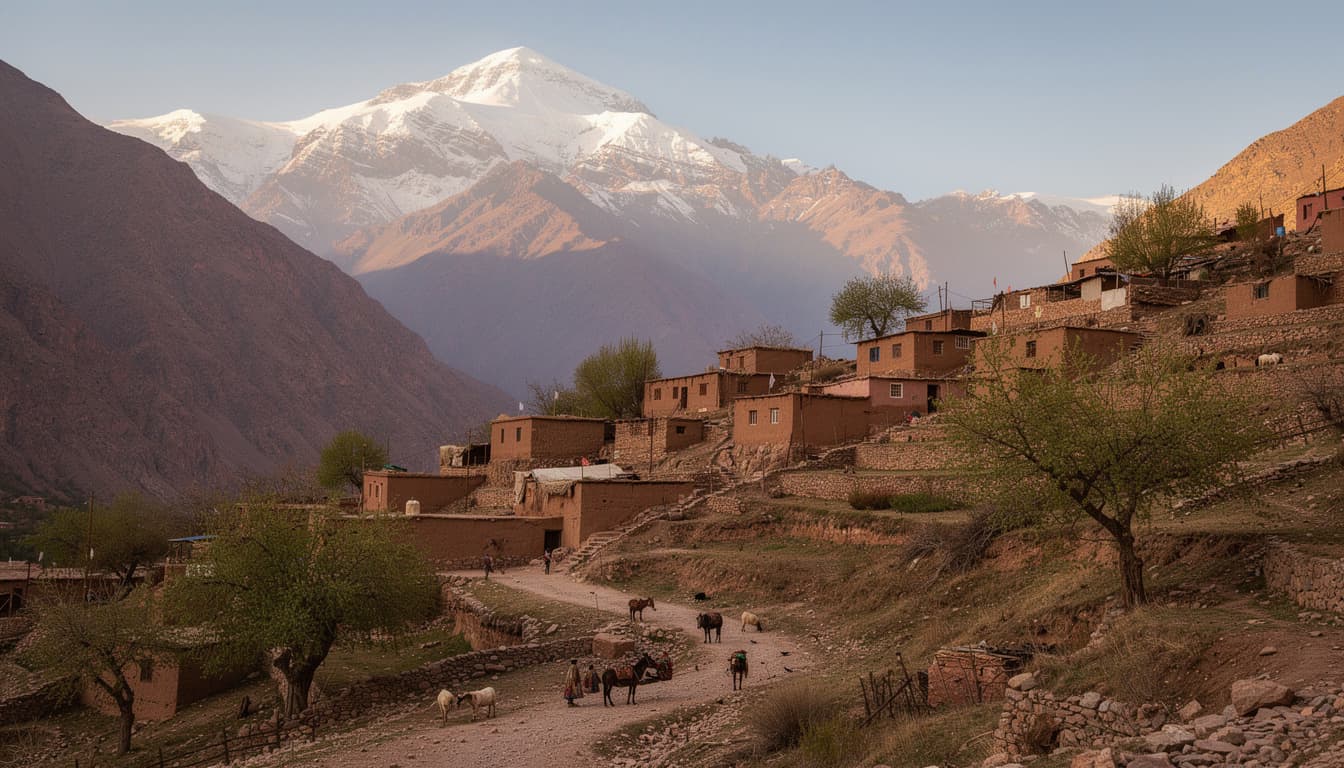
The High Atlas begins at the edge of the city. Just 1 hour 20 minutes from Marrakech, Imlil, nicknamed the Moroccan Chamonix, is the starting point for Jbel Toubkal, the highest peak in all of North Africa[4]. The Tizi n'Tichka pass, one of the most beautiful mountain roads in the country, crosses the High Atlas[4].
Essaouira and the Atlantic coast
Essaouira charms with its UNESCO-listed medina, surrounded by ramparts, and an atmosphere infused with sea spray[4]. Farther south, Agadir is presented as a seaside resort whose reputation needs no introduction[2].
To the north, between Rabat and Tangier, Larache is a very pleasant stop, far from the bustle of the big cities[4]. Farther south, inland, you'll find a different side of the country, with the desert, lunar landscapes around Tafraoute[4].
Ouarzazate, Aït Benhaddou and the southern gorges
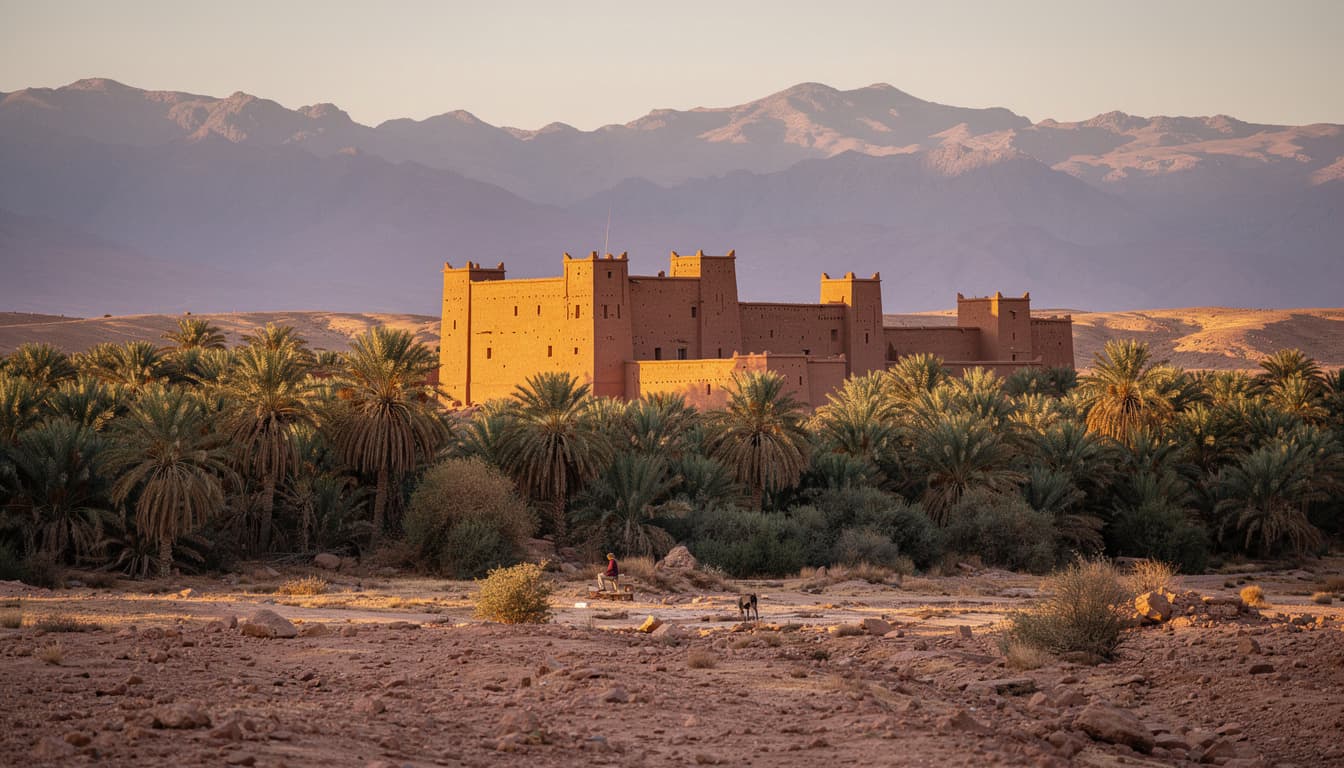
The ksar of Aït Benhaddou, near Ouarzazate, is a UNESCO site[1]. The Routard guide suggests wandering its alleys[4]. Ouarzazate itself is a film-production hub known for the beauty of its sets, and the gateway to southern Morocco[4].
The Dadès and Todgha gorges show the full measure of the mineral landscapes: the Todgha gorges cut through the thick limestone cover of the High Atlas and are among the most beautiful in southern Morocco[4]. From Ouarzazate, Zagora or Tinghir, 4x4 or quad tours are offered along the Road of the 1000 Kasbahs[2].
Errachidia and the Sahara
Southern Morocco opens onto the Sahara desert, a world of dunes, sun and stillness[2]. Marrakech, Agadir and Fez are gateways to the Sahara[2]. Ouarzazate and Errachidia, served by direct flights from France, make it easy to explore the region[4]. The Lonely Planet guide also mentions a two-day excursion into the Sahara by camel[5].
Every year, the famous Tan-Tan moussem gathers the nomadic tribes of the Sahara: they sing, recite poetry and celebrate their way of life[1].
Fez, Meknes, Volubilis and Rabat: the imperial cities
Fez is an imperial city shaped by successive dynasties, the birthplace of the former Alawite Empire, and home to one of the most fascinating souks in Morocco[4]. Its medina is a UNESCO World Heritage Site[1].
Meknes, an imperial city whose historic districts are listed by UNESCO, offers a pleasant medina, green-tiled minarets and monumental gates[4]. Volubilis, nearby, holds the most important Roman ruins in Morocco, with a triumphal arch, baths, a basilica and villas with precious mosaics[4].
Rabat is entirely listed as a UNESCO World Heritage Site, with the Oudayas Kasbah, the Chellah necropolis, the Hassan Mosque and the Mohammed V Mausoleum[1]. Its Oudaya Kasbah is a maze of white and blue alleys[4].
The North: Tangier, Tetouan and Chefchaouen
In Tangier, you can easily get lost in the bustling alleys of the medina, and the kasbah offers a view of Gibraltar[4]. Tetouan has the most beautiful medina in northern Morocco, a UNESCO World Heritage Site surrounded by crenellated walls, with its terraces and gardens[4].
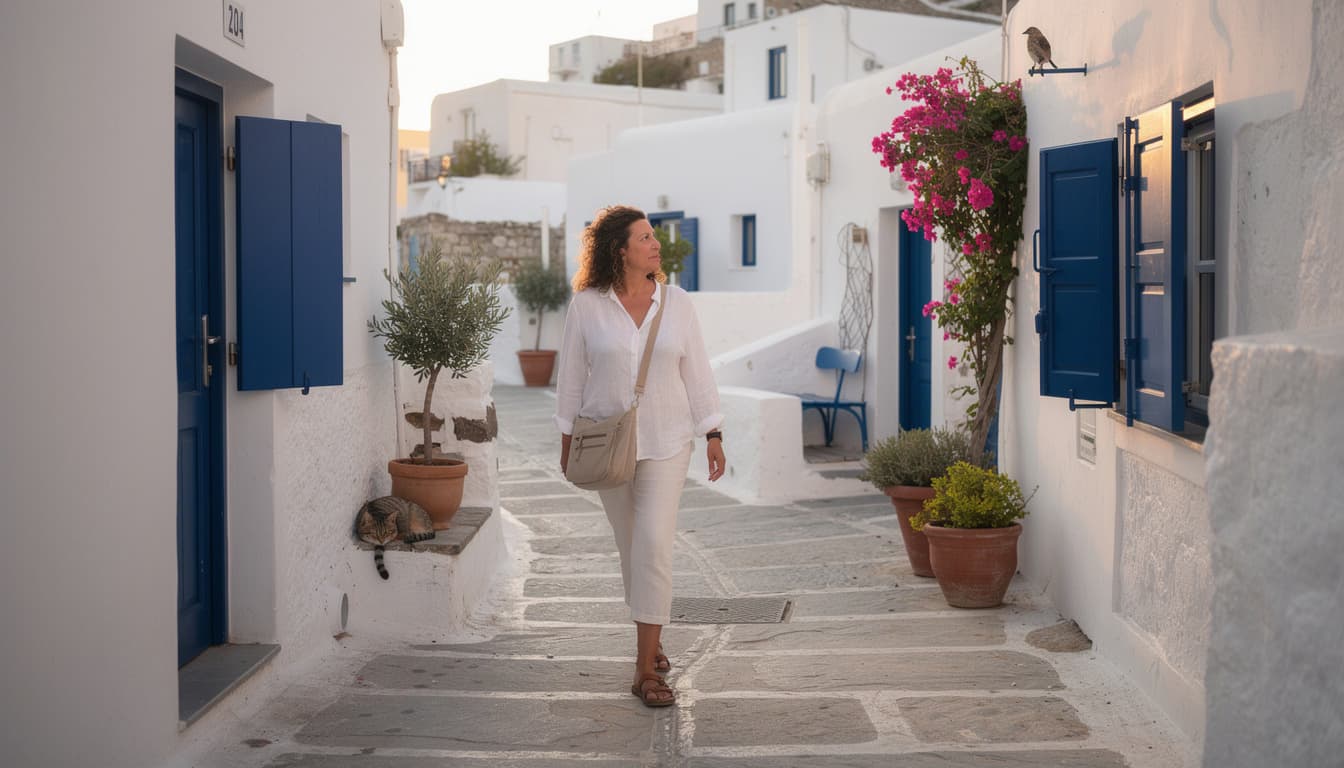
Chefchaouen, located at 600 m above sea level, is nicknamed “the blue city”: its small white buildings have windows and doors painted in blue[4]. It is considered the most “Instagrammable” city in Morocco[2].
Culture, festivals and gastronomy
Morocco's intangible cultural heritage includes argan know-how, an oil used in food, medicine and cosmetics, passed down from generation to generation, as well as falconry[1]. The Jemaa el-Fnaa square, a venue for artistic expression, is a meeting place for locals and visitors[1]. Morocco also cherishes hospitality and intercultural dialogue, which you can experience through the Mediterranean diet in a convivial atmosphere[1].
As for festivals, besides the Tan-Tan moussem, Sefrou celebrates its cherry festival: a cherry queen is elected, and a parade takes place with music, dancing and fantasia[1]. As for food, in Marrakech you can move from one stall to another in Jemaa el-Fnaa to taste snails, grilled meats, fried fish and meat stew[5].
Practical info: access and roads
From France, Morocco is a 2-3 hour flight away, depending on the destination[4]. Marrakech is served by several low-cost airlines[3].
On the ground, national highways are generally well maintained but sometimes narrow, and traffic can be heavy[6]. Driving at night is not recommended[6]. Tracks linking the main roads together are poorly maintained[6].
Traps, scams and things to watch out for
- Fake agencies in Marrakech: some offer travel deals at preferential rates or “VIP contracts,” often presented as compensation for a disappointing service[7]. They demand an upfront payment or a bank card imprint to “verify creditworthiness,” then carry out fraudulent transfers from the customer's account[7].
- Contracts signed under pressure: in some very touristy areas, companies have passers-by sign contracts (timeshare apartments, discounted travel offers), sometimes under the pretext of gifts or a prize draw, in exchange for a large immediate payment[7]. Authorities recommend a cooling-off period of three clear days after signing: check that the contract mentions it before you sign[7].
- Bag snatching: it is regularly reported, particularly in Casablanca and Marrakech, where thieves on motorbikes ride on the sidewalks to steal bags and phones[6]. Carry only the minimum amount of cash and valuables on you[6].
- Stray dogs: packs pose a recurring threat to pedestrians, especially in the south of the country, including in cities and tourist resorts[6].
- Tracks in southeastern Guelmim: some areas remain mined. If you take these tracks by motorbike or 4x4, check in with the gendarmerie or a local authority such as the caid, and avoid off-road driving[6].
Steps, in order
- Choose your regions: North, imperial cities, coast, High Atlas, South, Sahara.
- Get inspired by existing itineraries: seven days for the four imperial cities, two weeks for the Grand Tour[2].
- Pick your gateway: Marrakech, Agadir or Fez for the Sahara[2].
- Plan your daytime travel, as roads can sometimes be narrow[6].
- For a region with unpaved tracks, notify local authorities before setting off[6].
- This overview gives you the essentials. To settle in or build a precise itinerary, you'll need to go further, step by step, into the procedures, the budget, and the choice of places.
Our Guides, Place by Place
Sources
- 1.^ abcdefghijvisitmorocco.com — Discover Morocco - An impressive heritage of humanity recognized by UNESCO | Visit Morocco: “Morocco's authenticity is symbolized by its nine sites recognized as World Heritage and cultural heritage.”; “Moroccan craftsmanship is also recognized by UNESCO as intangible heritage.”; “The medinas of Fez, Marrakech, Tetouan and Essaouira are classified by UNESCO, as are the historic city of Meknes, the Portuguese city of Mazagan and the archaeological site of Volubilis, all of them Roman remains.” https://www.visitmorocco.com/en/discover-morocco/astounding-array-human-heritage-recognized-unesco (accessed November 9, 2026)
- 2.^ abcdefghijvisitmorocco.com — Travel Ideas | Visit Morocco: “Treat yourself to the Grand Tour of Morocco! For two weeks, you travel across Morocco and discover the essence of the Kingdom. From North to South, choose your starting point and give yourself the chance to explore all the treasures of the country.”; “The imperial cities: their history and their thousand-year-old monuments, heritage of glorious past dynasties! Set off on a seven-day circuit. Stage by stage, you visit four of Morocco's most beautiful cities. Landing in Marrakech, you set off…”; “Ouarzazate, Zagora and Tinghir are the perfect places to start organized tours.” https://www.visitmorocco.com/fr/idees-de-voyage (accessed November 9, 2026)
- 3.^ abcdefghroutard.com — Marrakech: The Essentials | What to Do, See and Visit?: “Listed by UNESCO, the largest medina in the Maghreb, a maze of winding alleys at the heart of Marrakech.”; “A vast open-air theater that comes alive at dusk with the rhythm of terraces and street stalls; classified as a Masterpiece of the Oral and Intangible Heritage of Humanity.”; “Sip a mint tea on a terrace overlooking Jemaa el-Fnaa square at dusk. Get lost in the alleys of the souks. Stroll through the Majorelle Garden. Wander the gardens of the Koutoubia. Live like a pasha for a night by sleeping in a riad. Step inside one of Marrakech's historic monuments, such as the Ben Youssef Madrasa. Don't miss a visit to the Bahia Palace.” https://www.routard.com/fr/guide/top/afrique/maroc/marrakech (accessed November 9, 2026)
Show 4 more sourcesShow less
- 4.^ abcdefghijklmnopqroutard.com — Morocco: The Essentials | What to Do, See and Visit?: “Just 1 h 20 from Marrakech, Imlil, the Chamonix of Morocco, is the starting point for Mount Toubkal, the highest peak in all of North Africa.”; “Cross the High Atlas via the Tizi-n-Test pass. Stroll through the ksar of Aït-Benhaddou.”; “One of the most beautiful and most impressive mountain roads in Morocco, through rugged, mineral landscapes.” https://www.routard.com/fr/guide/top/afrique/maroc (accessed November 9, 2026)
- 5.^ abcartovia.com — Morocco Travel Guide | Lonely Planet – Cartovia: “Discover classic experiences or off-the-beaten-track ones: food stalls at Djemaa El Fna (snails, grilled meats, fried fish, meat stew), a two-day camel excursion into the Sahara, or a hike around Jebel Lkest, with its lush valleys, villages, peaks and gorges.” https://cartovia.com/en/products/guide-de-voyage-en-anglais-morocco-lonely-planet (accessed November 9, 2026)
- 6.^ abcdefghidiplomatie.gouv.fr — Morocco - Safety | France Diplomatie: “National roads are generally well maintained but sometimes narrow. Traffic is heavy.”; “Driving at night is also not recommended.”; “The tracks linking the major roads are poorly maintained. Avoid off-road driving.” https://www.diplomatie.gouv.fr/fr/information-par-pays/maroc/conseils-aux-voyageurs-securite (accessed November 9, 2026)
- 7.^ abcddiplomatie.gouv.fr — Morocco - Useful Information | France Diplomatie: “In some tourist areas (Marrakech), fake agencies offer travelers, often presenting it as compensation for a service that fell short of what was sold, preferential-rate travel deals or VIP contracts for future trips.”; “These fake agencies demand an upfront payment or a bank card imprint to verify customers' solvency, then carry out fraudulent transfers from customers' accounts.” https://www.diplomatie.gouv.fr/fr/information-par-pays/maroc/conseils-aux-voyageurs-informations-utiles (accessed November 9, 2026)