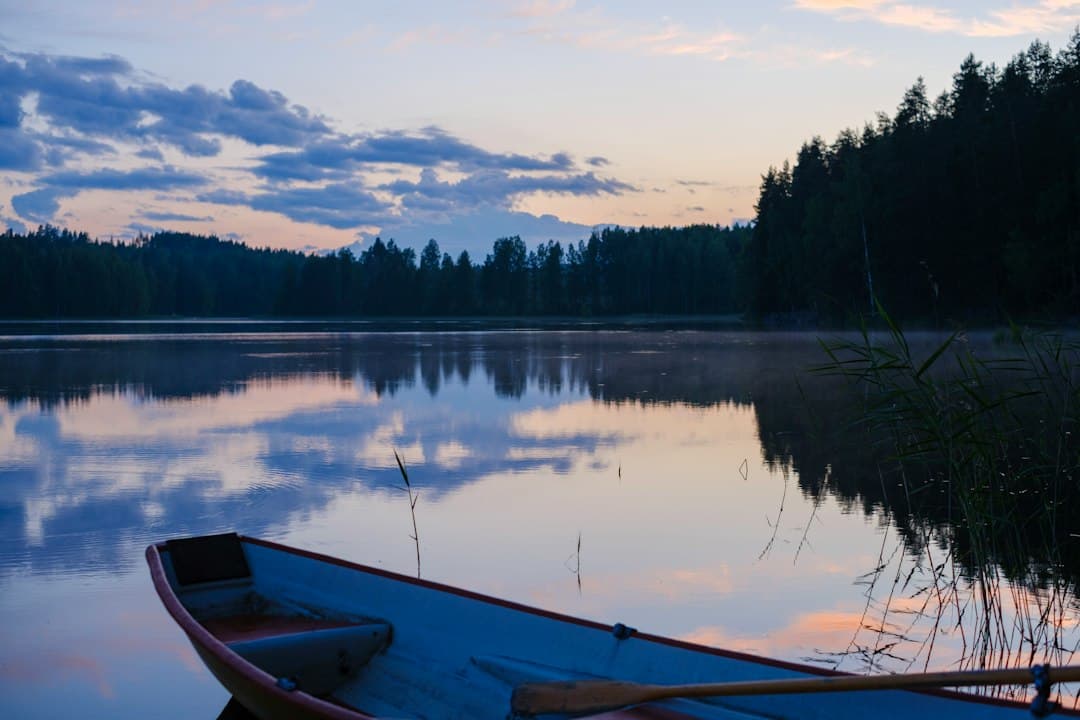
Planning your first trip to Finland and not sure where to start? This article guides you region by region, from Helsinki to Lapland, with stops in the archipelago and the lakes along the way. You'll learn which places match what you're looking for (cities, nature, heritage, the far north) and when to visit them.
Finland in Four Major Regions
The official Finnish tourism website presents the country through four major regions, which it calls “the four fantastic ones”[1]: Helsinki and the South, the coast and archipelago, the Lake District, and Lapland. Each has its own character, and this breakdown is what structures this article.
One thing connects them all: nature is everywhere and easy to reach. The country has more than 40 national parks, spread across its islands, lakes, forests, peatlands, and hills[2]. They are free to enter and open all year round[2].
Another feature to know before you go is the “every man's right” (jokamiehenoikeus). Under this principle, anyone may in principle go almost anywhere, as long as they respect nature and leave no trash behind. This right has limits, so check the local rules before you leave[2].
Helsinki and Its Surroundings: Helsinki, Suomenlinna, Nuuksio, Porvoo
Helsinki is described as a city in harmony with nature: countless parks, archipelago islands reachable by boat, an active cultural scene, and a lively nightlife[3].
From the capital, one excursion is a must: Suomenlinna, a sea fortress about one kilometer off the coast of Helsinki[4]. Built gradually from 1748 on a group of islands[5], it is today one of the most popular tourist attractions in the country and is a district of Helsinki with 850 residents[5]. It is also a UNESCO World Heritage Site[5].
For nature, two national parks are less than an hour from the city: Sipoonkorpi and Nuuksio[2]. You can hike marked trails, watch birds, or camp in the wilderness, in any season[2]. In Nuuksio, lakes, forests, valleys, marshes, and cliffs make an ideal setting for hiking, and the Haltia Nature Centre brings together the country's natural habitats in a single place[4].
For a cultural escape, Porvoo is a town of art and culture that draws painters and writers, with its small painted wooden houses nestled between hill and river, like something out of a fairy tale[3].
Coast and Archipelago: Turku and the Åland Islands
In Turku, you'll find parks, a few picturesque wooden houses, a cathedral, interesting museums, an imposing castle, and the lively riverside of the Aura River[3].
Offshore, the seascapes are places where land and water blend all the way to the horizon, with nearly 20,000 islands and charming little villages[3]. Several islands are reached only by ferry, bridge, or ice road from the mainland[2]. On one of the many lighthouse islands, you can round out your exploration of nature with a meal, a sauna, and a night on site[2].
Between Finland and Sweden, the Åland archipelago has 6,500 islands. It has its own parliament, and Swedish is the main language there, but these islands and islets are part of Finnish territory[3]. It is ideal for island hopping or cycling, one of the best ways to explore the region[2].
The Lake District: Tampere, Savonlinna, and Koli
Finland has the largest lake region in Europe: it is the land of a thousand lakes[2]. While lakes are most present in the region that bears the name, you'll find them throughout the country, offering year-round activities: fishing, paddleboarding, or ice skating[2].
Tampere, nicknamed the “Manchester of Finland,” is presented as one of the most interesting cities in the country: its former industrial heritage has been converted into museums and entertainment districts[3].
Around Savonlinna, the region combines a lake system, forests, and clusters of rock; the Imatra rapids are the most spectacular in Finland[3]. The Olavinlinna fortress, on its small island, seems to rise straight out of the deep waters of the lake[3].
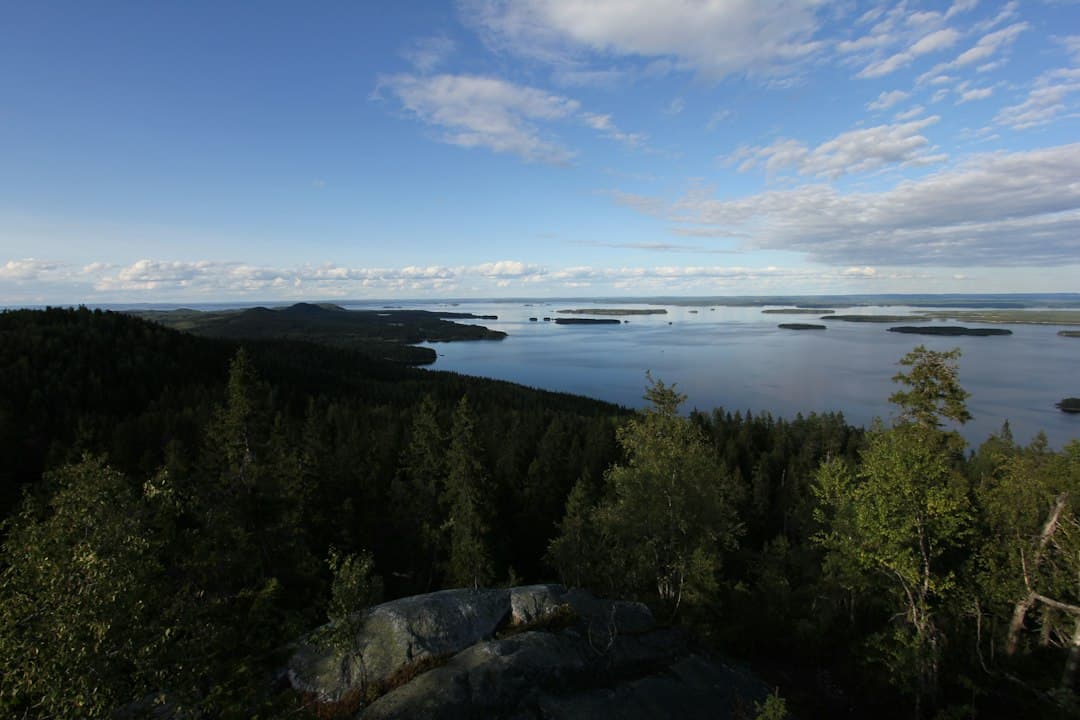
Farther northeast, in North Karelia, Koli National Park offers one of the most spectacular landscapes in the country. It inspired the composer Jean Sibelius and many other artists[4]. The most famous viewpoint, Ukko-Koli, offers a splendid view east toward Lake Pielinen[4]. Camping is allowed in designated areas[4].
Rovaniemi and Lapland
Lapland means vast wilderness, forests, hills and open fells, with Rovaniemi, Santa Claus's hometown. The midnight sun shines here in summer, while in winter daylight is very scarce, especially further north. Check the length of the day based on your location and the dates of your stay[3].
The northern lights can be seen about 200 nights a year[2]. Many visitors go looking for them on snowshoes, skis, snowmobiles or by sleigh[2].
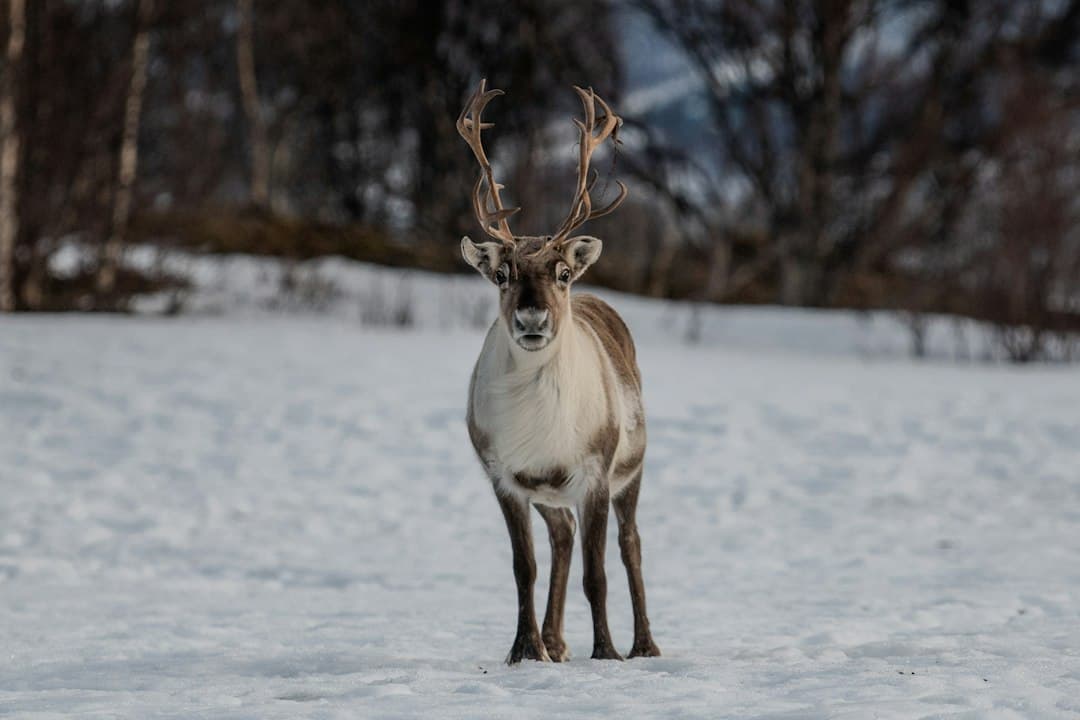
Another iconic encounter: the reindeer, the antlered mammal that symbolizes Lapland, to see up close during your trip[2]. These animals are not entirely wild, but watching them graze in a herd is an unforgettable moment[2].
The far north: national parks, Lake Inari and Sámi lands
Farther north, Lake Inari is an endless expanse you can explore on your own adventure[3]. The region is also home to Pallas-Yllästunturi National Park, whose northernmost part lies in the municipality of Enontekiö, on the ancestral lands of the Sámi, the Indigenous people[4]. Its landscape is dominated by a range of fells nearly one hundred kilometers long[4].
In winter, the park's high country is ideal for cross-country skiing, on trails totaling 500 kilometers[4]. The legendary 55-kilometer Hetta-Pallas trail is the oldest marked hiking trail in Finland[4]. It crosses these landscapes, and the park has 25 huts in untouched wilderness[4].
UNESCO heritage, culture and food
Several Finnish sites are listed as UNESCO World Heritage Sites, and Suomenlinna, mentioned earlier, is one of them[5]. Two others are worth the detour.
- Rauma, in the west of the country: one of Finland's best-preserved historic towns, and certainly the largest ensemble, with its 600 wooden houses from the 17th and 18th centuries with colorful facades[3].
- Verla, in the southeast: a former wood-pulp and cardboard mill, a unique site listed as a World Heritage Site, whose environment has been preserved in its original form and which includes a workers' housing district[4]. You can spend the night there in former carpenters' houses, a traditional lumberjack's cabin or more modern wooden chalets[4].
As for the art of living, the official Finnish tourism website highlights sauna the local way, Nordic design, market halls and historic restaurants and bistros across the country[1]. The sauna, it reminds us, stays lit in every season[6].
When to go, depending on what you're after
Finland has four distinct seasons: a summer bathed in light, an autumn full of color, a frosty winter and a flowering spring[6]. The right choice depends on what you're looking for.
- Northern lights: the season runs from late August to April[1]; spring and autumn are the best times to see them in Finnish Lapland[6].
- Skiing in Lapland: the spring months, until early May, offer the best skiing; in the south, the snow has by then disappeared[6].
- Foraging and autumn colors: late summer and autumn are ideal[6].
- Midnight sun: in summer, in Lapland[3].
- Cities: there is always something to do year-round[6].
Steps to build your itinerary
- First choose what attracts you most: cities and heritage, the archipelago, lakes or Lapland.
- Match that desire to the season: northern lights in spring or autumn, skiing in spring, midnight sun in summer, cities year-round.
- Start from Helsinki for a first taste: Suomenlinna by boat, then Nuuksio or Sipoonkorpi, less than an hour away.
- Add one region at a time (Turku and the archipelago, Tampere and the lakes, Rovaniemi and Lapland) rather than trying to see everything.
- In national parks, follow the everyman's right of access to nature: respect the environment and leave no litter behind.
This article gives you the broad outline. To plan a real trip, you'll need to go further on transport between regions, how long to allow for each stop, and where to choose to stay overnight.
Our guides, place by place
- Helsinki: What to See and Do, From the Historic Center to the Islands
- Porvoo: What to See and Do on a Day Trip from Helsinki
- Nuuksio National Park: Lakes, Forests and Trails One Hour from Helsinki
- Turku and the Archipelago: Medieval Town, Islands and Ferries in Southwest Finland
- Åland Islands: What to See and Do in the Autonomous Baltic Archipelago
- Tampere, Between Two Lakes: What to See and Do in a Few Days
- Savonlinna and the Finnish Lake District: What to See and Do
- Koli National Park: Panoramas, Trails and Karelian Culture
- Oulu: What to See and Do in Northern Finland's Largest City
- Rovaniemi and Lapland: What to See and Do Above the Arctic Circle
- Saariselkä and Urho Kekkonen National Park: What to See and Do
- Inari and Sámi Culture: What to See and Do by the Lake
Sources
- 1.^ abcvisitfinland.com — Your Official Finland Travel Guide | Visit Finland: “Planning a trip to Finland but not sure where to start? No worries. Let us introduce you to our four main regions, or, as we like to call them, the four fantastics.”; “Tips for sauna like a local, exploring Nordic design and market halls, and much more.”; “Taste authentic Finnish cuisine in historic local restaurants and bistros all over Finland.” https://www.visitfinland.com/en/)_/ (accessed November 9, 2026)
- 2.^ abcdefghijklmnvisitfinland.com — Finnish Nature | Visit Finland: “Finland has more than 40 national parks, scattered across its islands, lakes, forests, bogs and hills.”; “Want to see Finnish wildlife? The 40 national parks, free of charge and open all year round, are excellent places to do so.”; “Under Finland's everyman's right of access to nature, anyone can go anywhere, as long as they respect nature and leave no litter behind.” https://www.visitfinland.com/fr/lieux-a-explorer/nature-finlandaise/ (accessed November 9, 2026)
- 3.^ abcdefghijklroutard.com — Finland: the highlights | What to do, what to see, what to visit?: “A city in harmony with nature: countless parks, islands of the archipelago reachable by boat; an active cultural hub and nightlife.”; “An art and culture city attracting painters and writers; small painted wooden houses nestled between hill and river, like a fairy tale.”; “Its parks, a few picturesque wooden houses, a cathedral, interesting museums, a colossal castle, and the lively quays of the Aura River.” https://www.routard.com/fr/guide/top/europe/finlande (accessed November 9, 2026)
Show 3 more sourcesShow less
- 4.^ abcdefghijklfinland.fi — Discover Finland's natural and cultural heritage | National parks and UNESCO sites: “Suomenlinna is a sea fortress located about one kilometer off the coast of Helsinki.”; “The lakes, forests, valleys, marshes and cliffs of Nuuksio offer a perfect setting for hiking. Visit the Haltia Nature Centre to discover all of Finland's natural habitats gathered in one place.”; “Koli National Park in North Karelia offers one of Finland's most spectacular landscapes. It inspired composer Jean Sibelius and many other artists.” https://finland.fi/fr/vie-amp-societe/un-patrimoine-naturel-et-culturel-finlandais-abondant/ (accessed November 9, 2026)
- 5.^ abcdunescotracker.net — Suomenlinna Fortress – UNESCO Heritage Tracker: “Suomenlinna (Sveaborg) is a sea fortress, built gradually from 1748 onward on a group of islands belonging to the Helsinki district.”; “Today, Suomenlinna is one of Finland's most popular tourist attractions and is a neighborhood of Helsinki with 850 residents.” https://www.unescotracker.net/fr/sites/321/fortress-of-suomenlinna (accessed November 9, 2026)
- 6.^ abcdefvisitfinland.com — Things to do in Finland during different seasons | Visit Finland: “Finland has four unique seasons: a sunlit summer, a colorful autumn, a frosty winter and a blossoming spring.”; “Spring and autumn are the best seasons to see the Northern Lights in Finnish Lapland.”; “The spring months (until early May) offer the best skiing in Lapland; in the south, the snow will have melted by then.” https://www.visitfinland.com/en/things-to-do/by-season/ (accessed November 9, 2026)



